Leafy greens & herbs
Year-round greens
Dimmable LED toplights with a DLI controller. Greens need 14-18 mol/m²/day, and dimming to the sun saves the most power.

Greenhouse lighting, supplemental and production
For most growers, the best greenhouse grow lights are slim, dimmable LED toplights. They make the most light per watt, cast little shade on the crop and usually qualify for utility rebates. Double-ended HPS still earns its place where winter heat is worth paying for. Good greenhouse lighting fills the gap on short winter days, powers year-round and light-dep production, and reaches the lower canopy of tall crops. Shop greenhouse LED grow lights, HPS and under-canopy bars from Iluminar, Faven, Matrix and PHOTOBIO, and get help sizing your layout.
Updated October 2026 · Reviewed by Austin Melead, Sales Rep


Start with what you grow and where. Each card jumps to the type that fits.
Expert tip
I only recommend HPS lights to growers who need to add heat to their greenhouse or don't have the budget for LEDs.
Leafy greens & herbs
Dimmable LED toplights with a DLI controller. Greens need 14-18 mol/m²/day, and dimming to the sun saves the most power.
Tomatoes, cucumbers, peppers
LED or double-ended HPS toplights plus under-canopy bars between rows. These crops want 25-30+ mol/m²/day.
Cold climate, existing HPS
Keep your HPS for its heat and add LED for extra light: a hybrid setup. Phase in LED as lamps come due.
Bedding plants & plugs
LED toplights or DE HPS at 70-90 µmol/m²/s, plus low-wattage photoperiod bulbs for long-day crops.
Hobby greenhouse, 120V
A CMH fixture or an indoor LED bar fixture on 120V covers a few benches. Most commercial toplights need 200-480V.
Hot or southern climate
LED only, paired with shade control. HPS heat works against you when the house is already warm.
Some lights are built for greenhouses: slim, sealed and made to share the roof with the sun. Others are indoor fixtures that work well in the right greenhouse. Pick a type to see what it does best, when to choose something else, and our top picks.
Built for greenhouses
Best forLighting whole greenhouses for many hours, with dimming and rebates
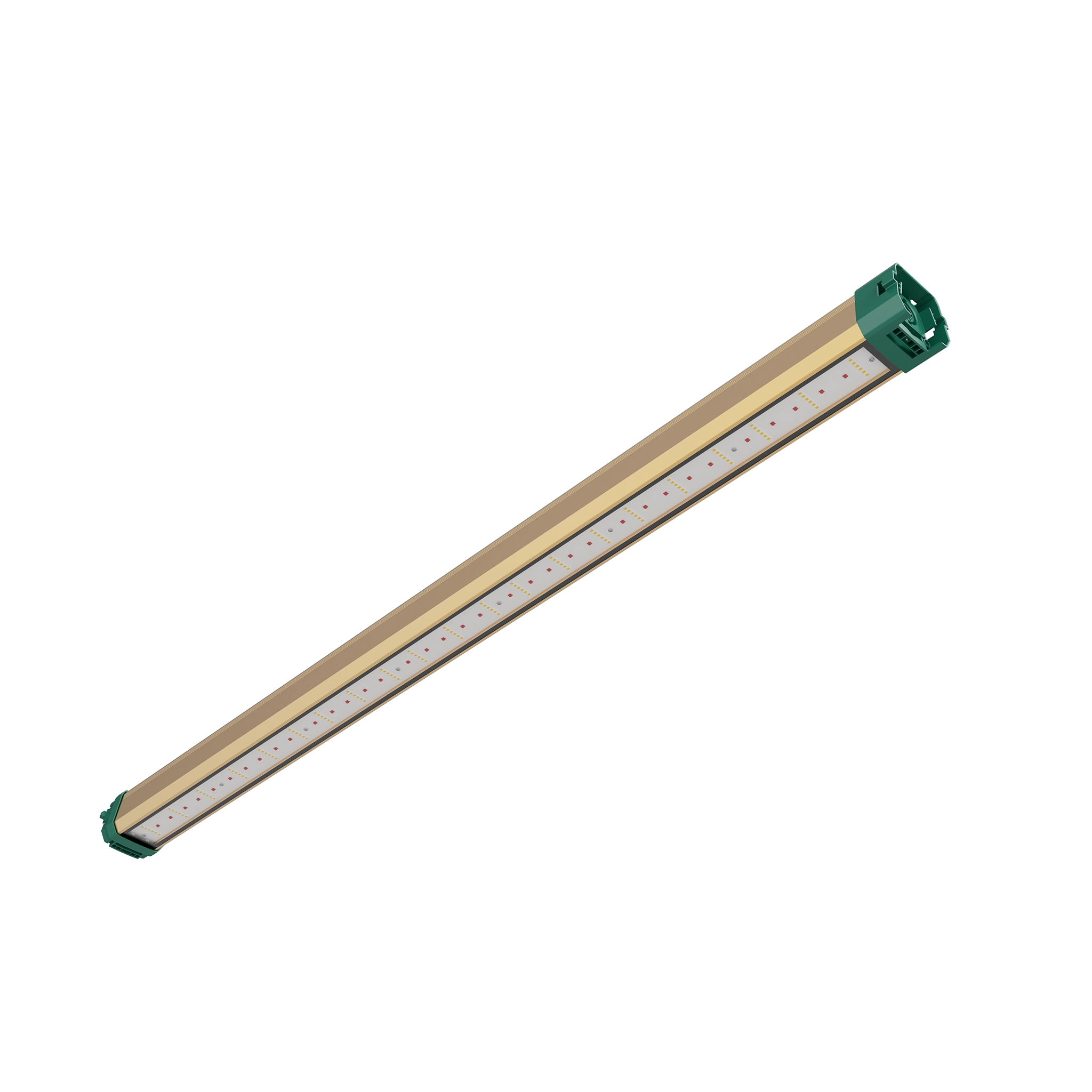
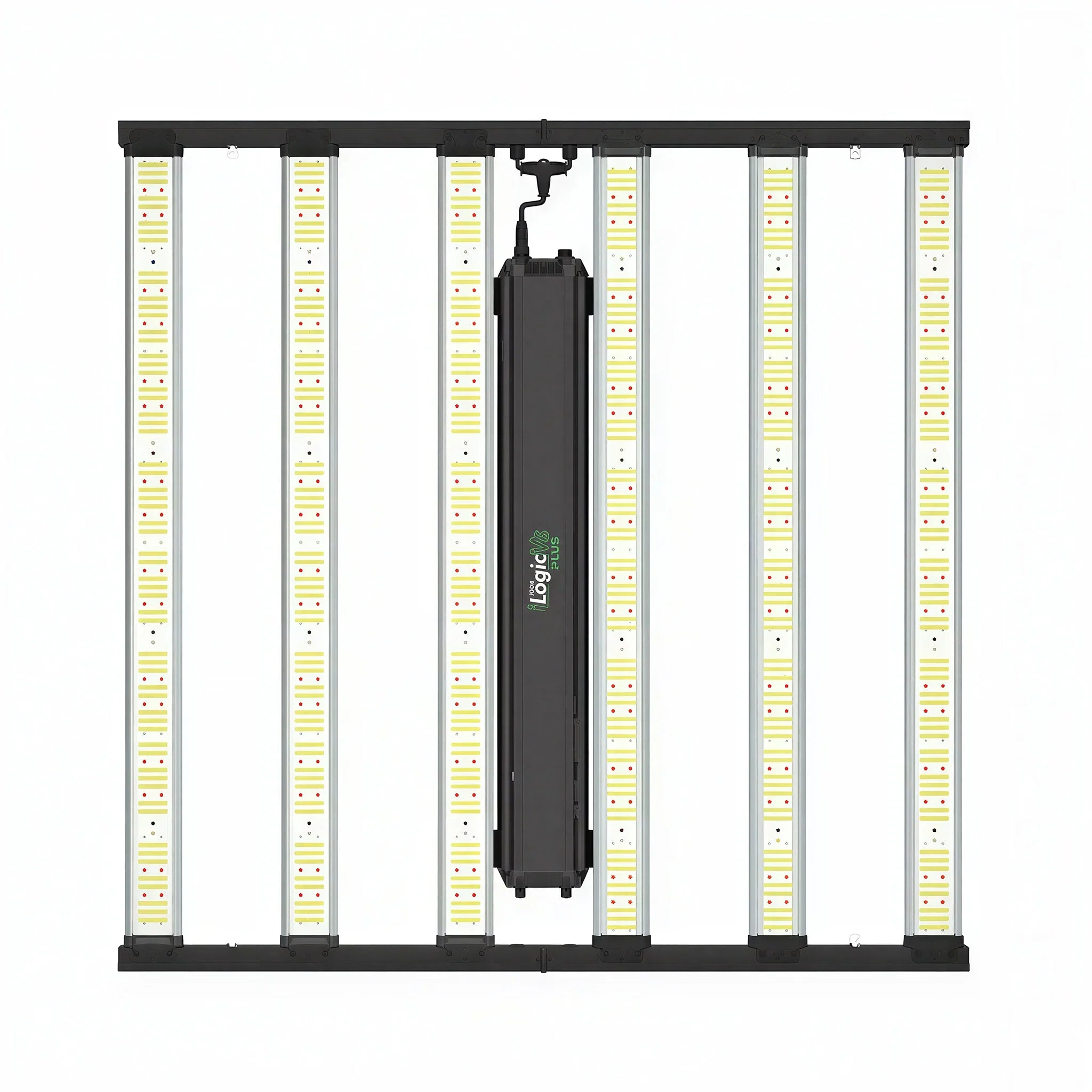
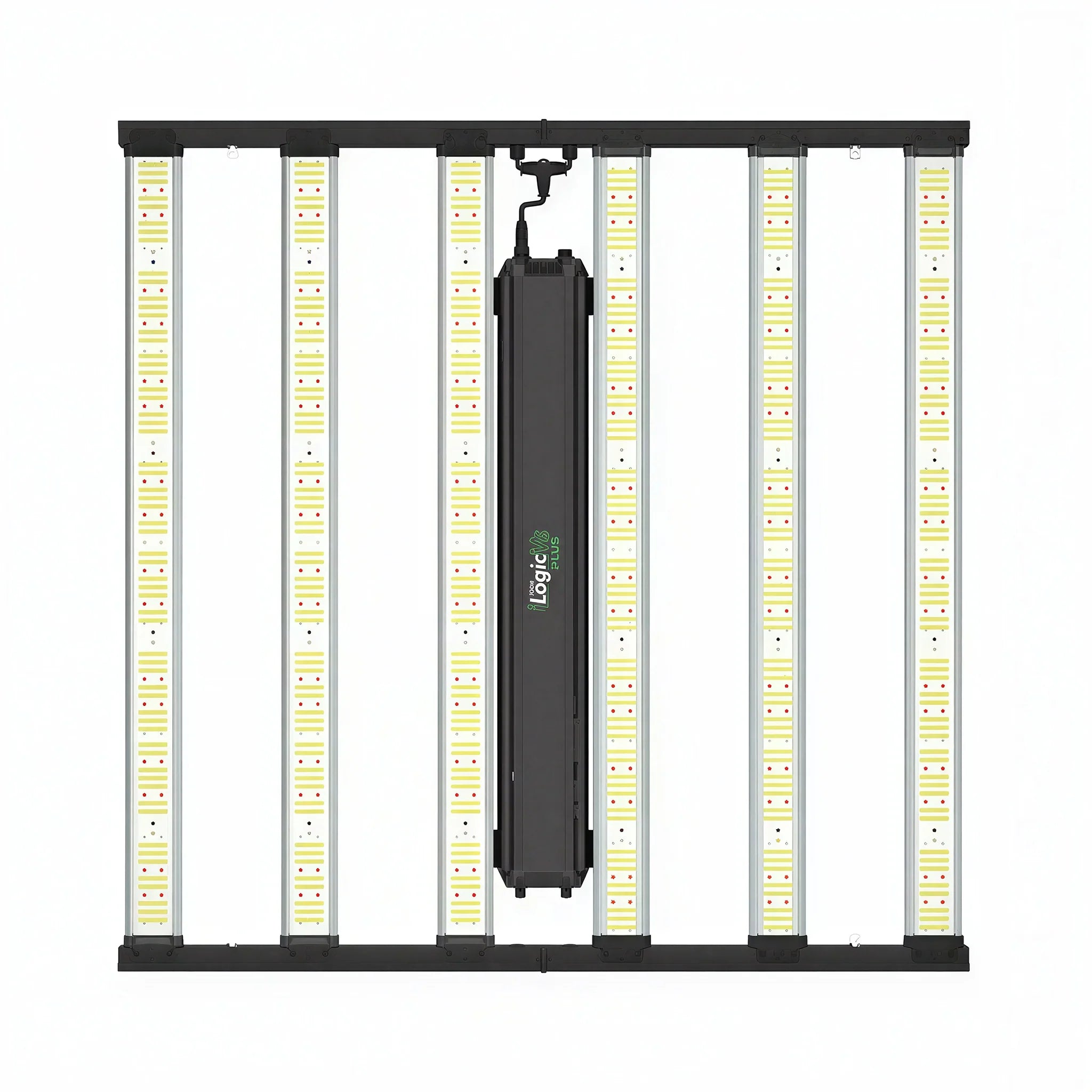
Slim, sealed linear fixtures made to hang under a glass or poly roof and block as little sunlight as possible. Most run on 200-480V, are rated IP65-66 for wet, humid roofs and can dim to follow the sun.
Choose it when
Pick something else if
Shop Greenhouse LED toplights
Shop all LED grow lights →


Also works in greenhouses
Best forSmall greenhouses, 120-240V setups, or shaded sections
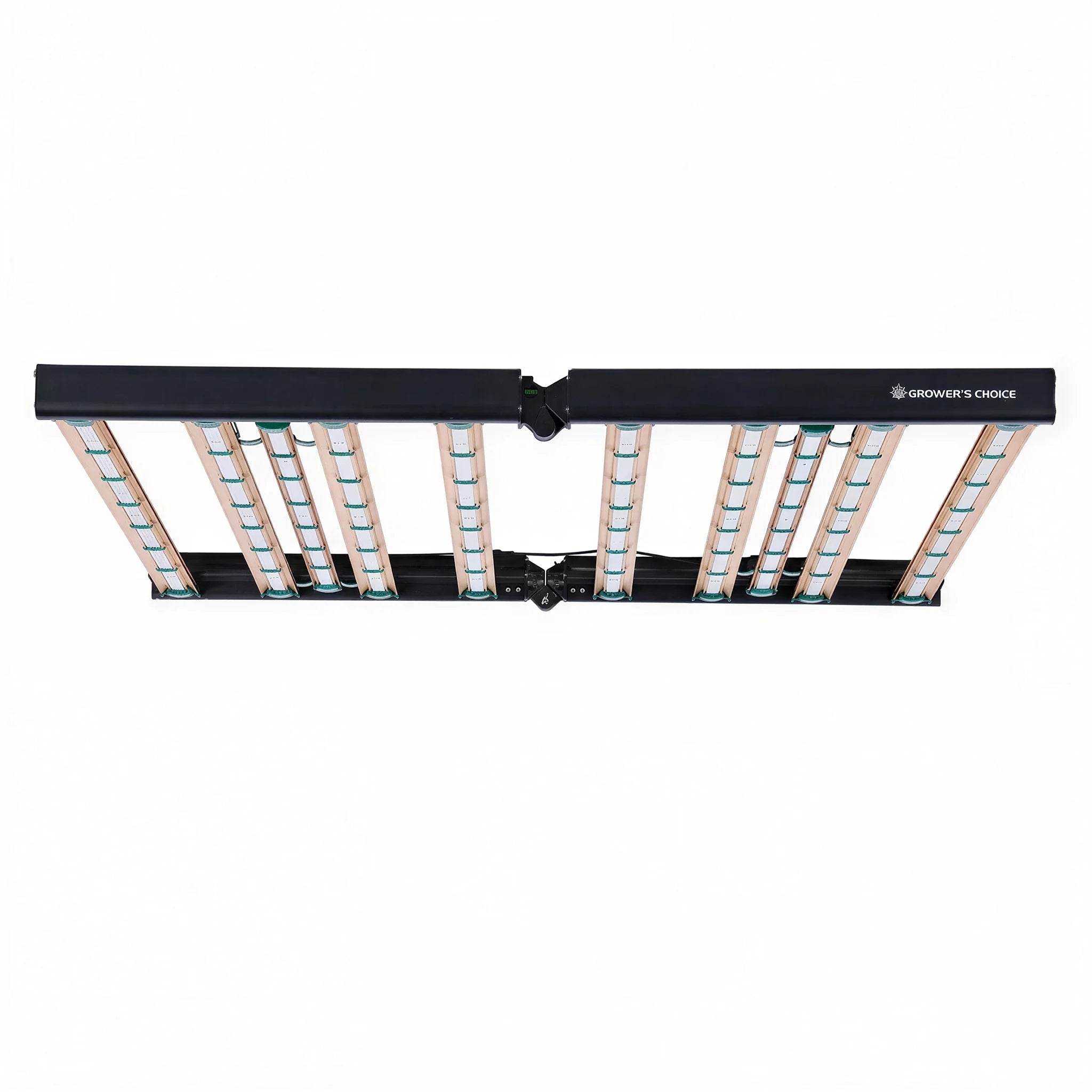
Built for tents and indoor rooms, these wide multi-bar fixtures still do a good job in a greenhouse. Their wider footprint casts more shade under a roof than a slim toplight, so they suit small houses and shaded corners best.
Choose it when
Pick something else if
Shop Indoor LED bar fixtures
Shop all LED grow lights →


Greenhouse standard
Best forCold climates where the heat is useful, and lower upfront budgets
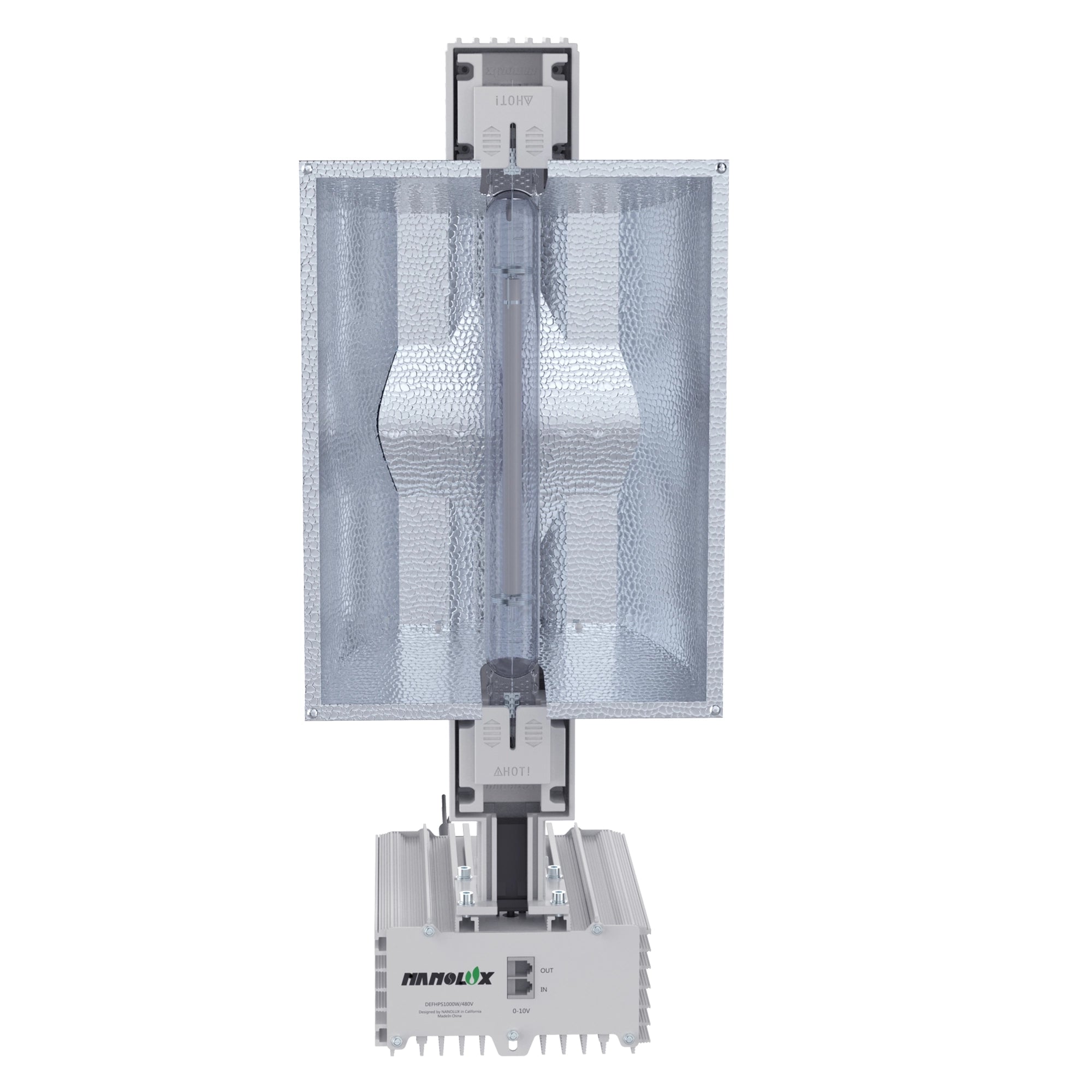
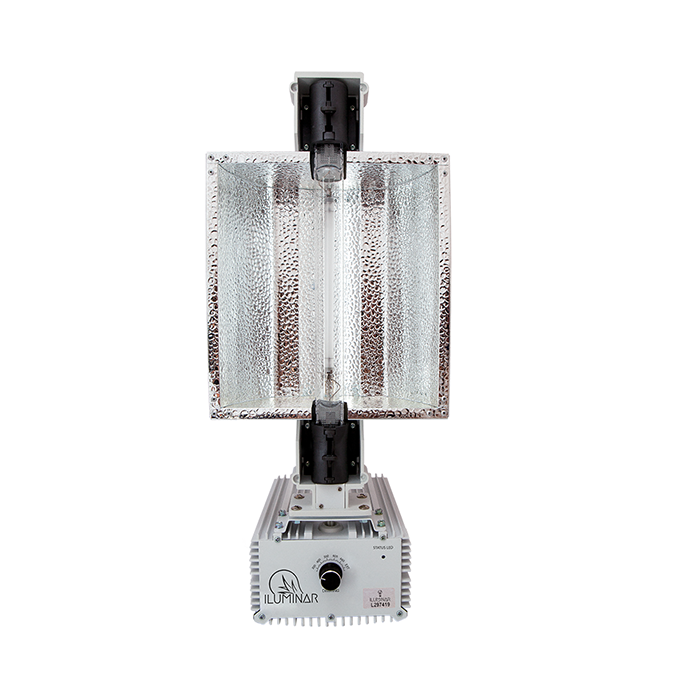
This is the long-time greenhouse workhorse. A 1000W double-ended lamp puts out a lot of light per fixture and costs less up front. Its waste heat also covers a real share of winter heating in northern houses, which LED can't match.
Choose it when
Pick something else if
Shop Double-ended HPS
Shop all double-ended HPS →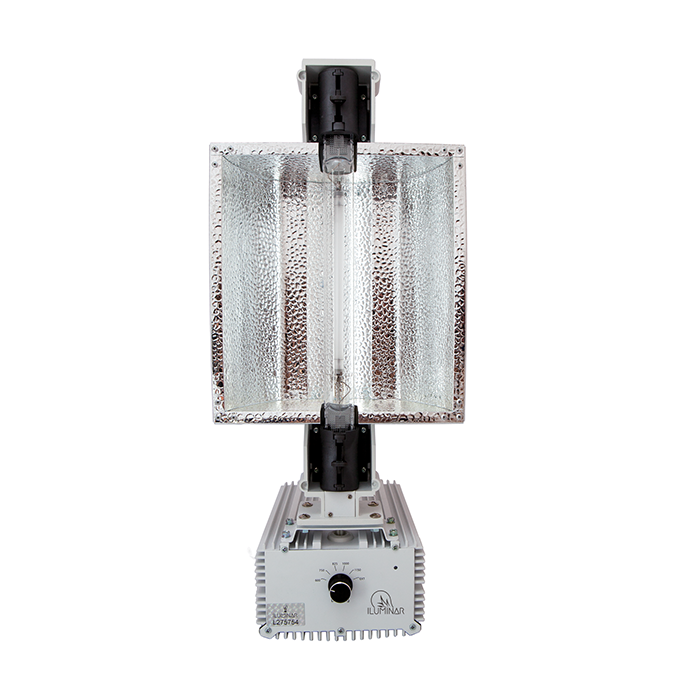


Also works in greenhouses
Best forHobby greenhouses and a few benches on 120V
Ceramic metal halide gives a broad, sun-like spectrum with a little UV and far-red, at a low fixture price. One 315W unit covers about 3x3 ft. It's less efficient than LED, so it makes the most sense over a few benches.
Choose it when
Pick something else if
Shop CMH / LEC
Shop all CMH fixtures →


Best of both
Best forGetting more light from an HPS greenhouse while keeping its heat
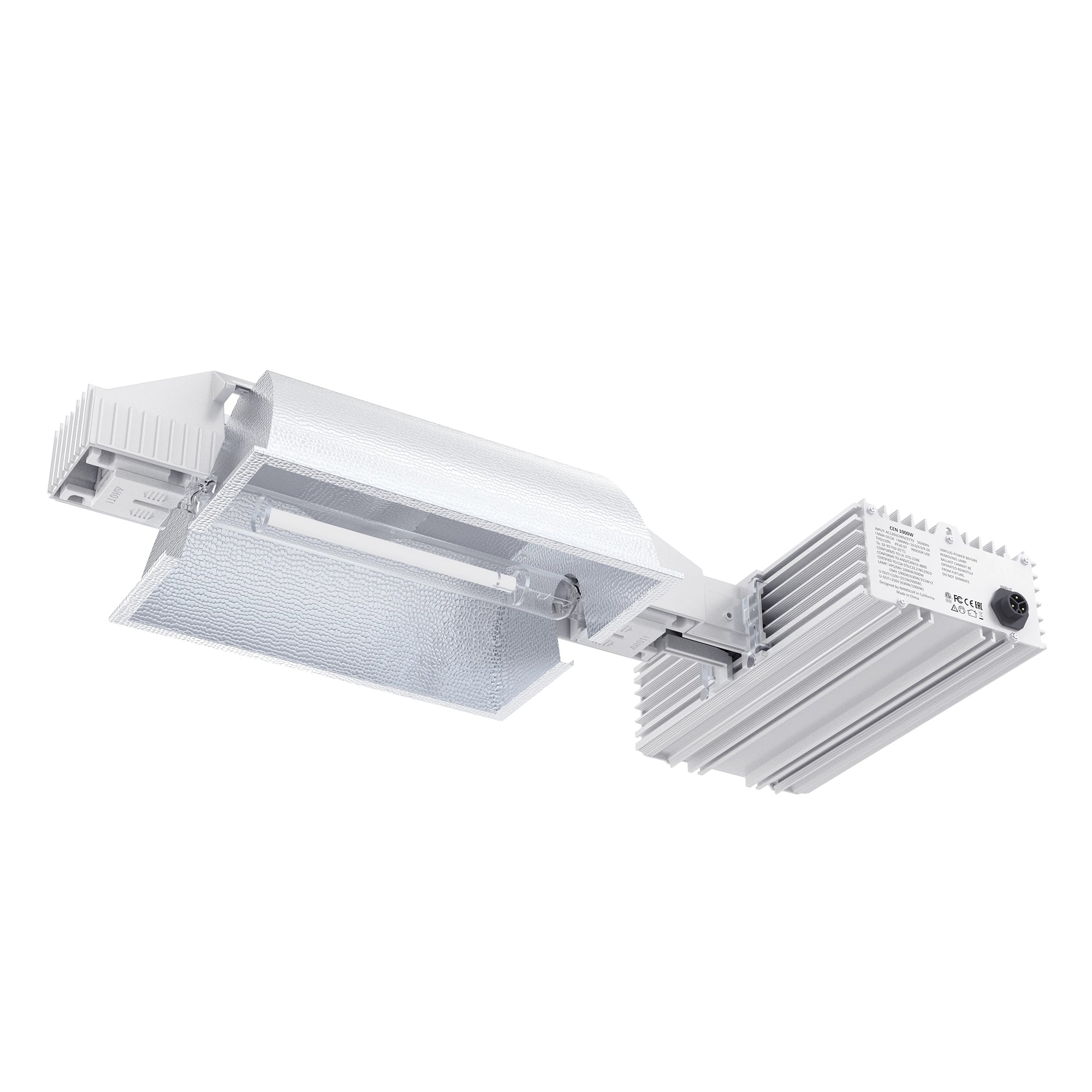
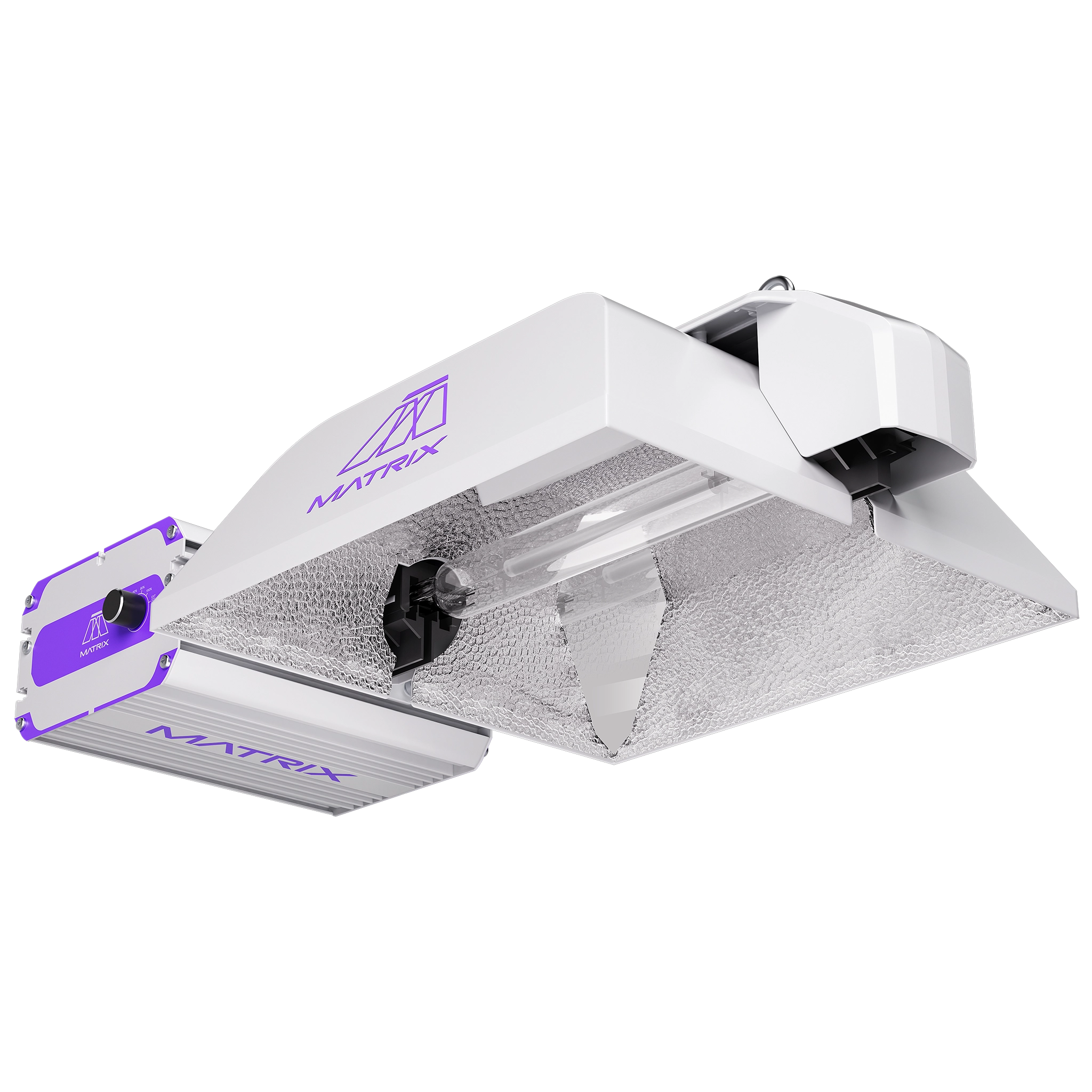
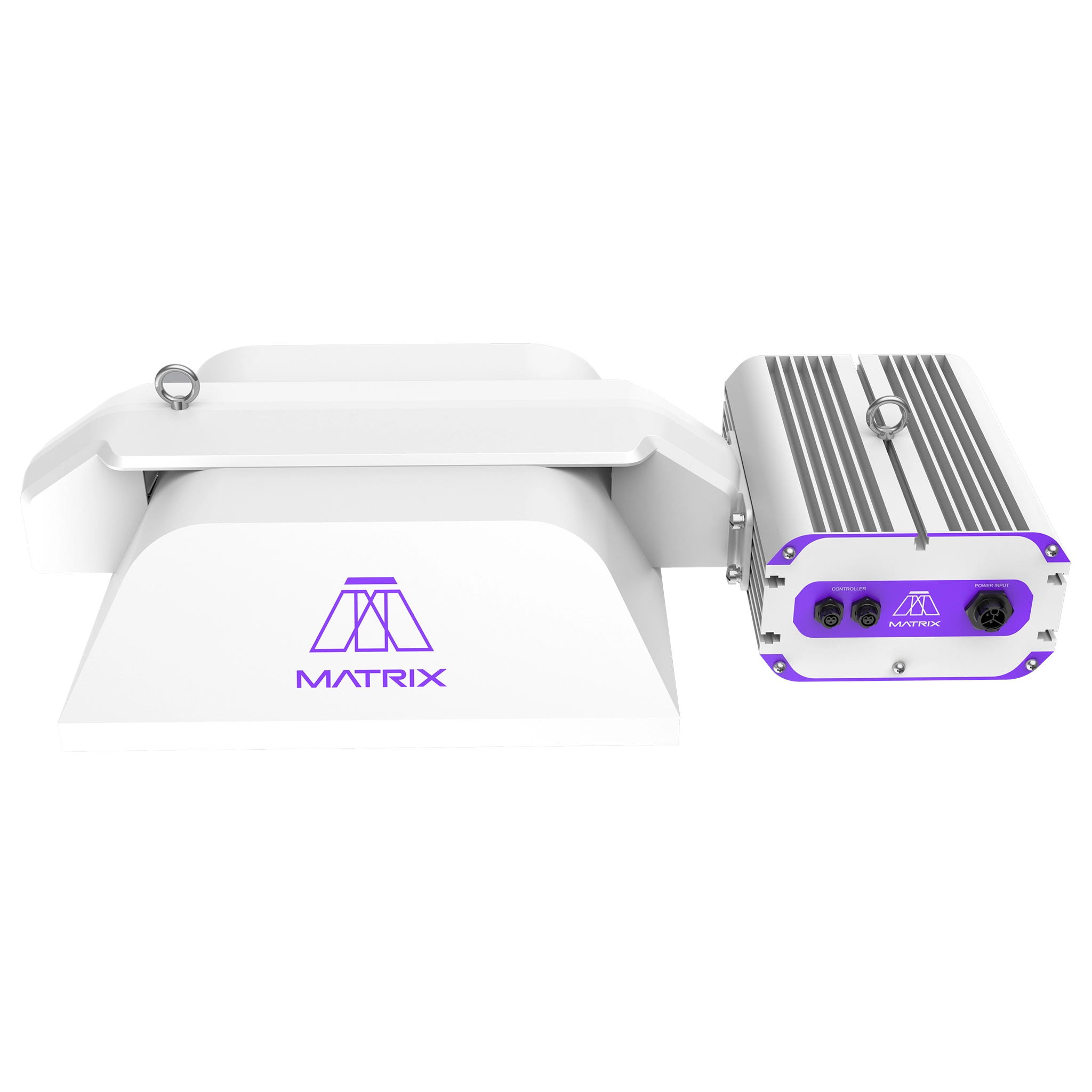
Mix HPS and LED to get more light without much more heat. There are two ways to do it: an all-in-one hybrid fixture that puts an HPS lamp and LED bars in one housing, or adding separate LED toplights alongside the HPS you already run.
Choose it when
Pick something else if

All-in-one hybrid fixture
From $787.51
Dimming and channel control need the Matrix MC5 controller (sold separately).
Built for greenhouses
Best forHigh-wire tomatoes, cucumbers and peppers
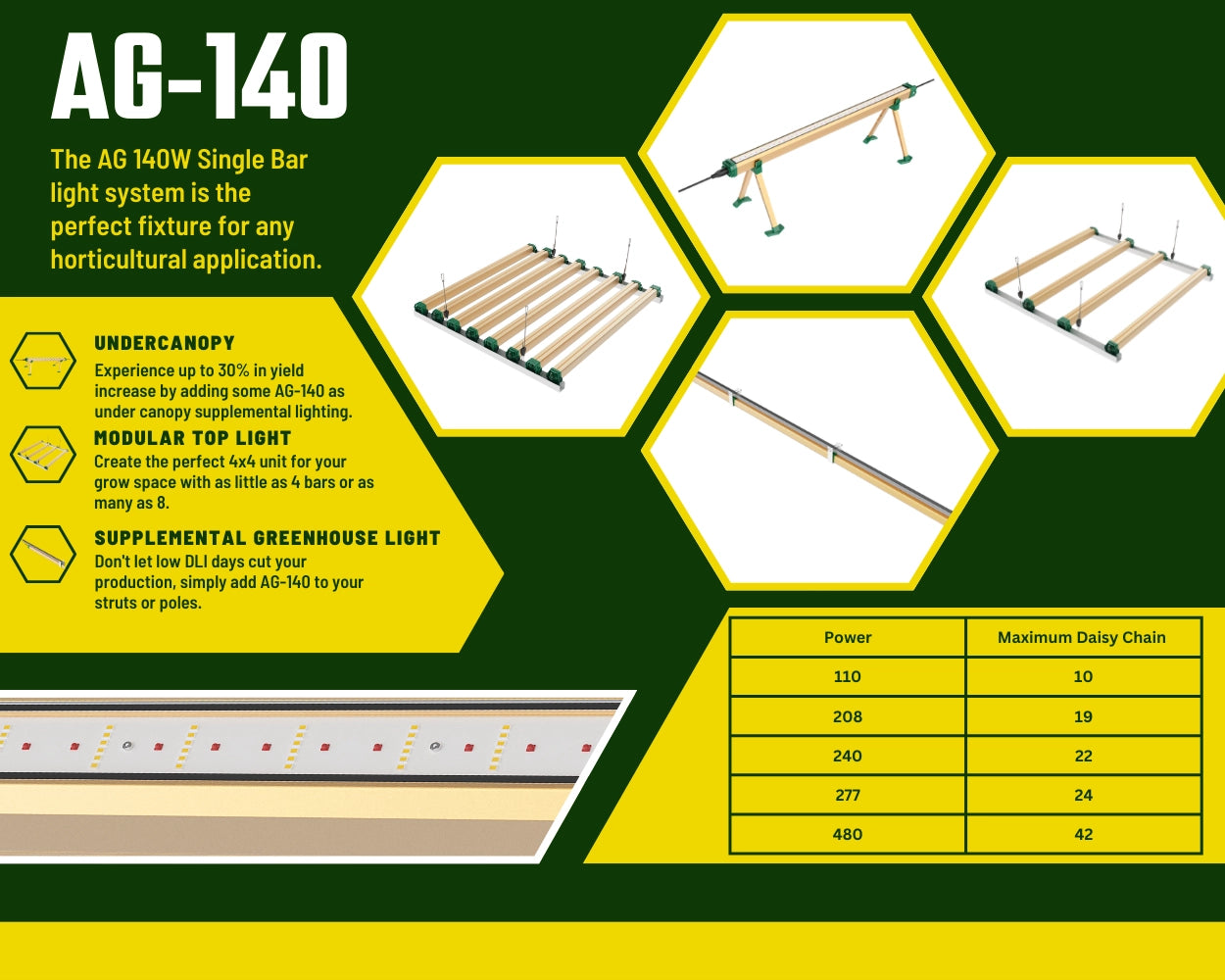
These LED bars hang between rows or under the canopy and light the lower leaves that toplights can't reach. Results depend on the crop: a 2023 Wageningen review found yield gains in cucumber and pepper, while several tomato trials saw the same yield with less energy.
Choose it when
Pick something else if
Shop Under-canopy & interlighting
Shop all under-canopy bars →


Flowering control
Best forControlling when crops flower, not making them grow
Flowering is controlled by day length, and these low-intensity bulbs and string lights work that switch. Most growers run a 4-hour night break at just 2-3 µmol/m²/s to hold mums vegetative or bring long-day crops into flower early.
Choose it when
Pick something else if
Shop Photoperiod & day-length lights


| Type | Built for greenhouses | Efficiency | Heat | Lifespan | Upfront cost | Best for |
|---|---|---|---|---|---|---|
| Greenhouse LED toplights | Yes | 2.5-3.7 µmol/J | Low | 50,000+ hrs | Higher | Whole greenhouses, dimming, rebates |
| Indoor LED bar fixtures | Works | 2.6-3.0 µmol/J | Low | 50,000+ hrs | Mid to higher | Small greenhouses, 120-240V |
| Double-ended HPS | Yes | About 1.7 µmol/J | High | Lamp: 10-15k hrs | Lower | Cold climates, using the heat |
| CMH / LEC | Works | About 1.5 µmol/J | Medium | Lamp: about 1 year | Low | Hobby greenhouses, a few benches |
| Under-canopy LED | Yes | About 2.8 µmol/J | Very low | 50,000+ hrs | Mid | Tall vine crops, add-on to toplights |
| Photoperiod bulbs & strings | Yes | n/a (2-3 µmol/m²/s) | Very low | Long | Lowest | Flowering control, day length |
Typical ranges from university research and manufacturer spec sheets. Check each fixture's spec sheet for exact output. Utility rebates usually require a DLC-listed LED.
In December, outdoor light across the northern US drops to 5-10 mol/m²/day, and a greenhouse gets about half of that once the roof and frame take their share. Most crops need more, so supplemental lights fill the gap. Daily light (DLI) = PPFD x hours x 0.0036.
Here's a worked example. Leafy greens want about 16 mol a day. If the sun gives your bay 4 mol on a December day, the lights have to add 12. Spread over 16 hours, that's 12 ÷ (16 x 0.0036), or about 210 µmol/m²/s at the canopy.
| Crop | Daily light target (mol/m²/day) |
|---|---|
| Propagation & young plants | 10-12 |
| Bedding plants & ornamentals | 10-12+ |
| Leafy greens & herbs | 14-18 |
| High-wire tomatoes & cucumbers | 25-30+ |
Sources: Michigan State University Extension (Runkle, Lopez); Cornell CEA.
Slim, dimmable LED toplights are the best pick for most greenhouses. They make more light per watt than double-ended HPS, run cooler and cast little shade under the roof. Most can dim with the sun to save power, and DLC-listed models usually qualify for utility rebates. Double-ended HPS is still worth a look in cold climates, where its heat cuts winter heating bills.
A CMH fixture or one or two LED bar fixtures on 120V. A 315W CMH covers about 3x3 ft, and a 300-600W LED bar fixture covers a typical bench. If you only want longer days for flowering, LED string lights are the lowest-cost option. Check how many you'll need with the PPFD calculator before you buy.
Enough to reach your crop's daily light target, usually 10-18 mol/m²/day. In December, a northern US greenhouse may get only 3-5 mol/m²/day from the sun, so most of that target has to come from lamps. As a guide, 200 µmol/m²/s run for 16 hours adds about 11.5 mol/m²/day, which closes most of the winter gap for greens and herbs.
Divide the light your growing area needs by what one fixture puts out. Pick a target, about 70-90 µmol/m²/s for young plants or 125-200 for vegetables, and multiply it by your area in square meters. Then divide by the fixture's PPF. The PPFD calculator does the math, or send us your layout and we'll size it for you.
Start with toplighting, then add interlighting for tall vine crops. Toplights are the main light source in any greenhouse. Under-canopy bars light the lower leaves of high-wire tomatoes, cucumbers and peppers. Some trials show higher yields when the two are combined in low-light seasons, while others show the same yield with less energy, so the payoff depends on your crop.
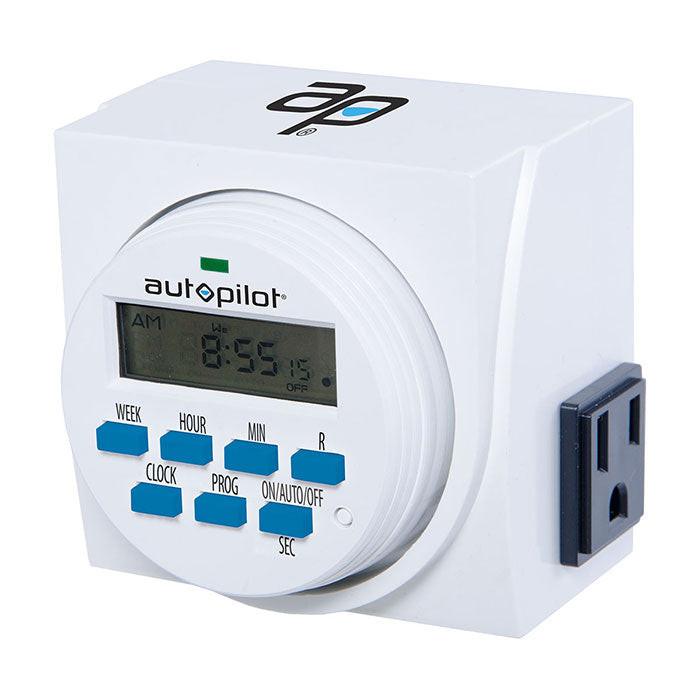
Use a controller that switches or dims lights by schedule and by how much sun the crop already got. Simple timers handle day-length lighting for one zone. For the whole greenhouse, a system like the TrolMaster Green-X runs lighting alongside fans, vents and curtains from one controller, and dimmable LEDs let you top up only the light the sun didn't supply.
Send us your floor plan and crop. Our lighting team will suggest a fixture layout, quote it and check rebate options.
Sources