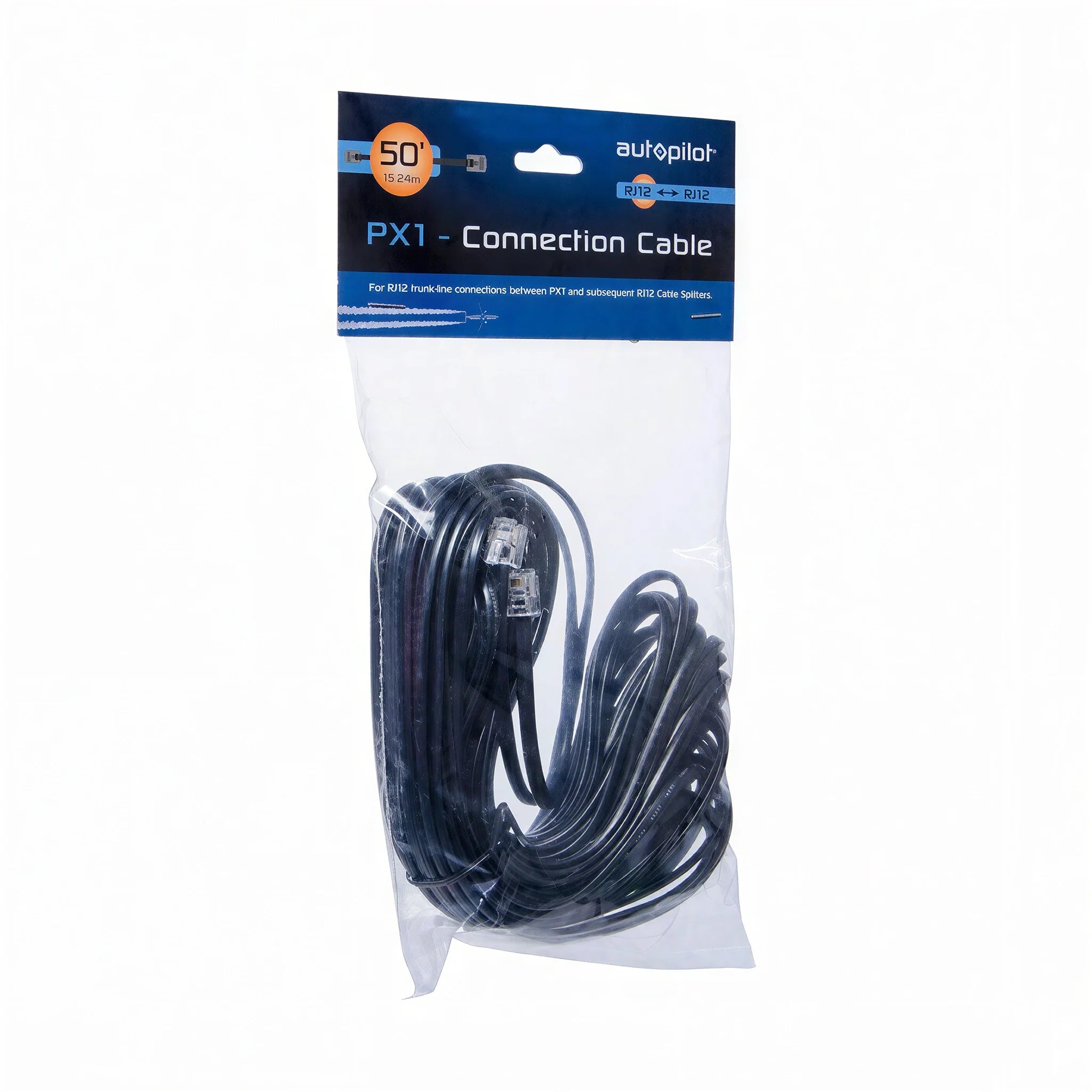
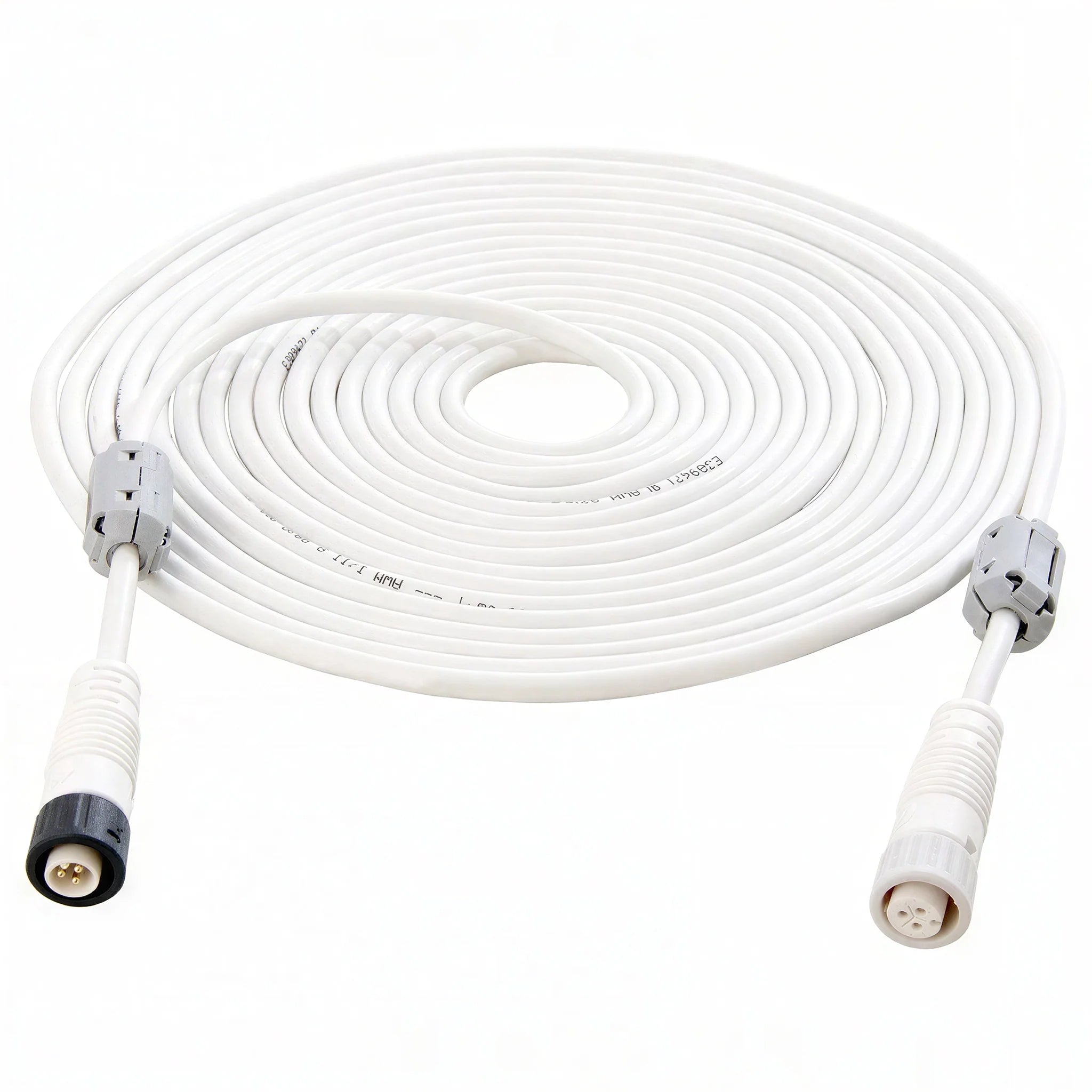
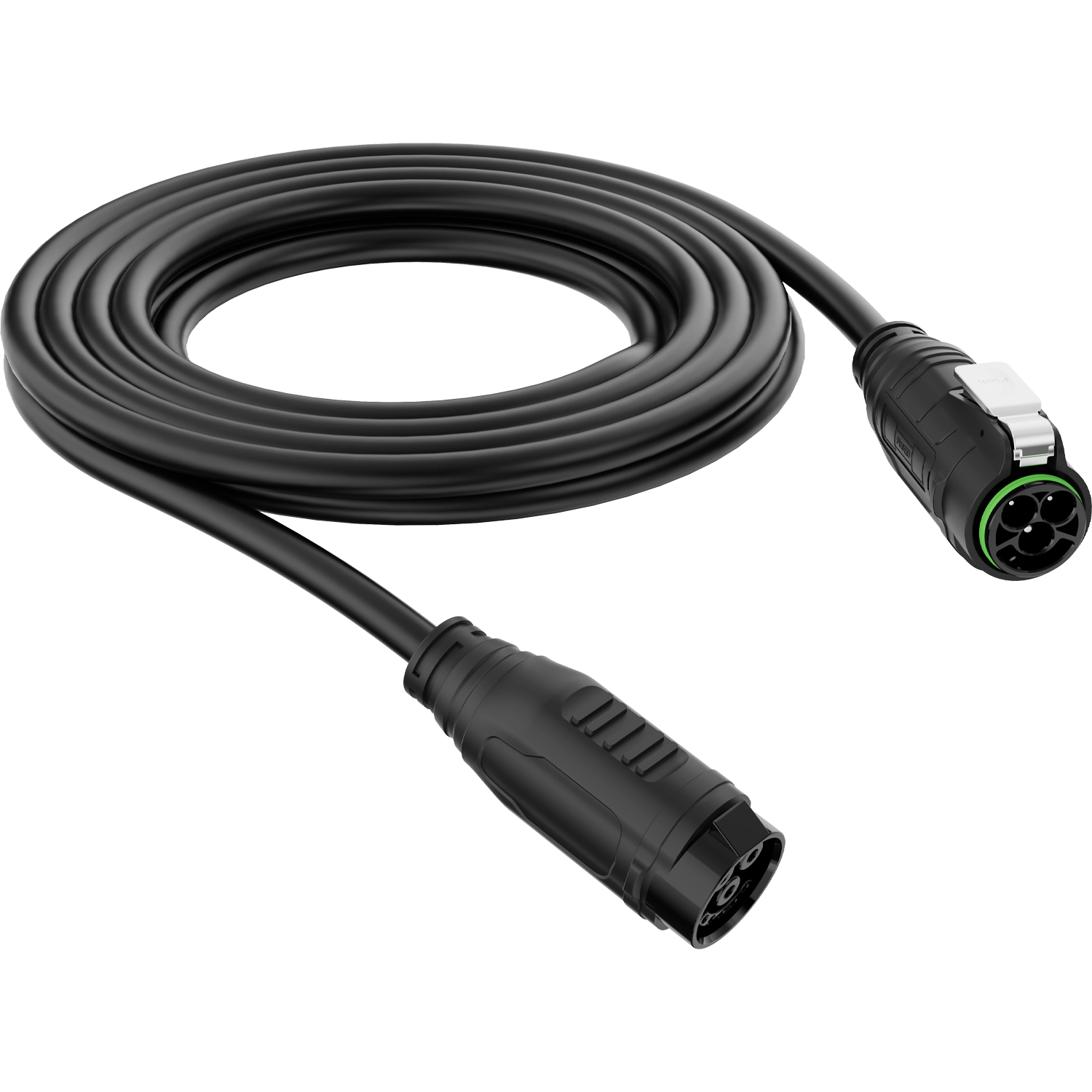
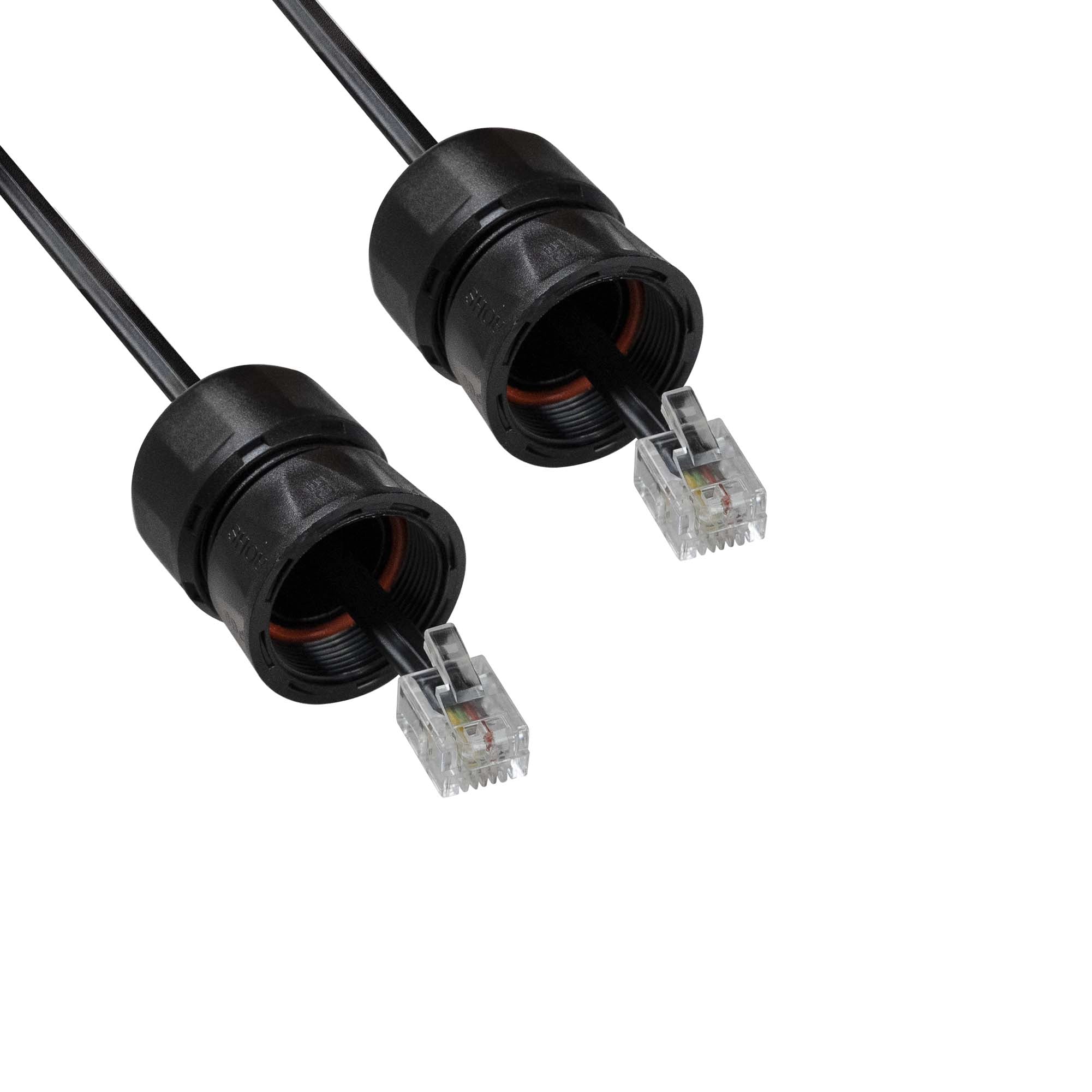
Grow Light Lamp Cords & HID Socket Cables
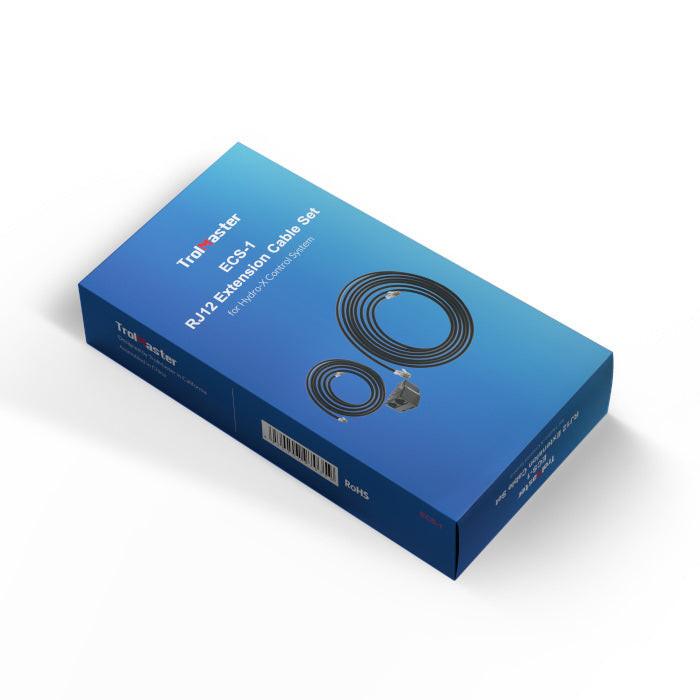
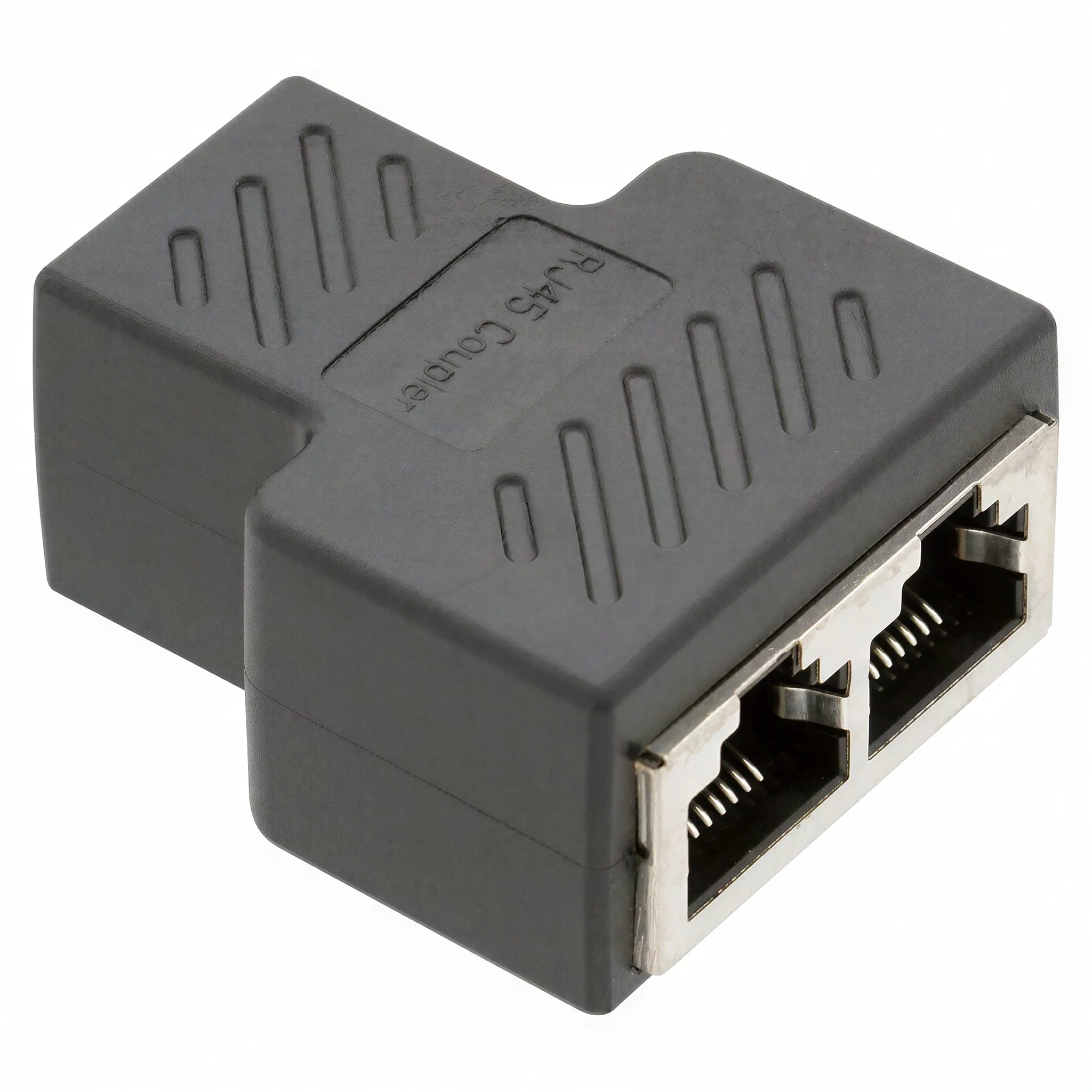
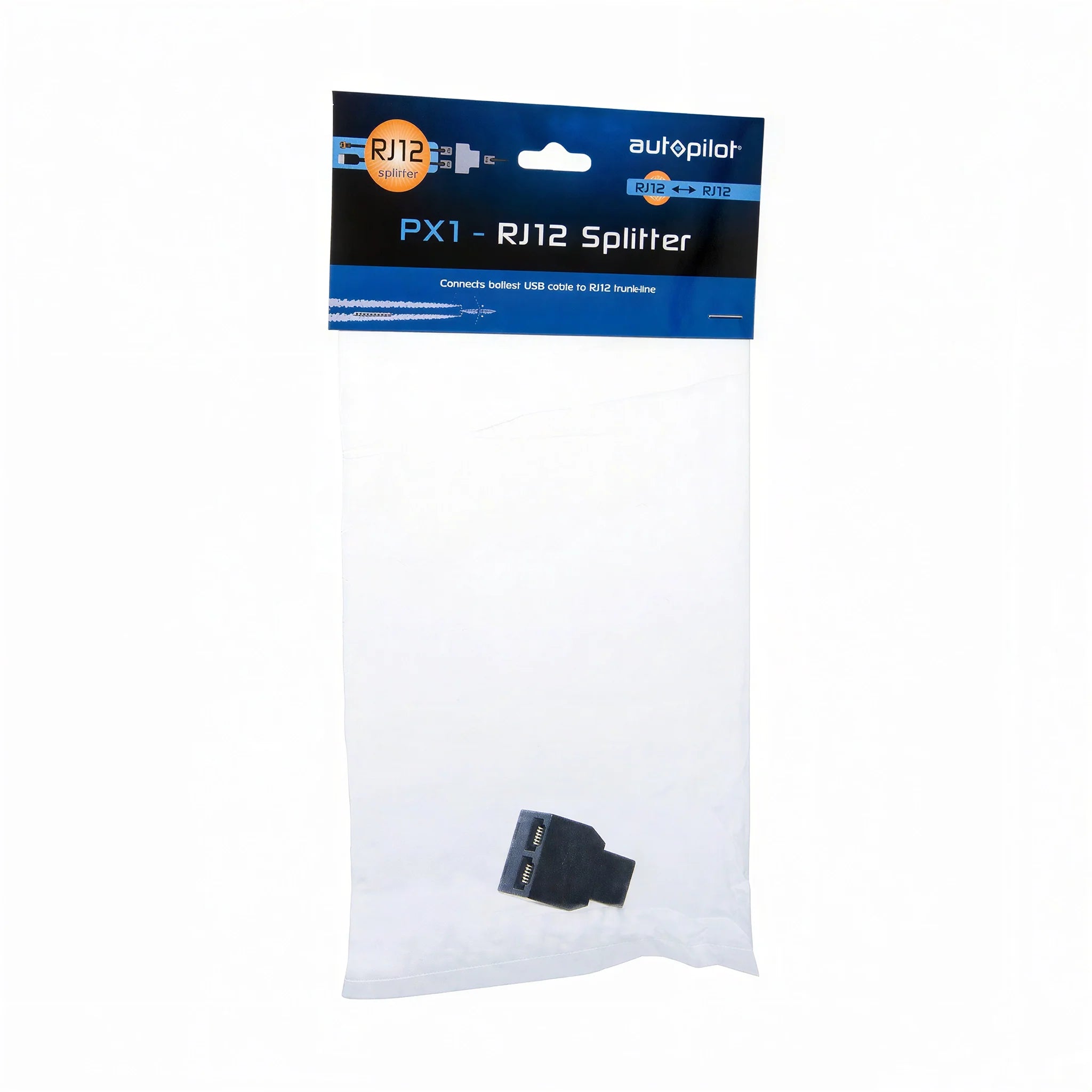
Lamp cords connect the output of a grow light ballast to the lamp socket in the reflector or fixture housing, carrying the ballast's transformed high voltage to ignite and run HPS, metal halide, and CMH lamps. This collection covers replacement, extension, and specialty lamp cords for less common fixture configurations - DE adapters, specialty socket types, extended-length cords for remote-ballast installations, and other HID lamp cord variants beyond the standard configurations covered in our dedicated power and lamp cords collection. Having the right replacement cord on hand prevents fixture downtime during critical production periods.
When to Replace a Lamp Cord
Lamp cords operate in proximity to hot lamp assemblies and carry high voltages - they are more subject to heat-related degradation than the ballast power cord on the low-voltage side. Replace lamp cords when: insulation near the socket shows cracking, discoloration, or melting from heat exposure; the socket connection shows any sign of arcing, oxidation, or loose contact; the cord has been sharply bent, kinked, or pinched; or the cord length is insufficient for the planned fixture position. Annual inspection during bulb replacement is the recommended practice - examine the full cord length and socket connection each time a bulb is changed, when the fixture is cool and de-energized. Browse our grow light adapters collection for socket conversion options alongside replacement cords.
Extension Lamp Cords
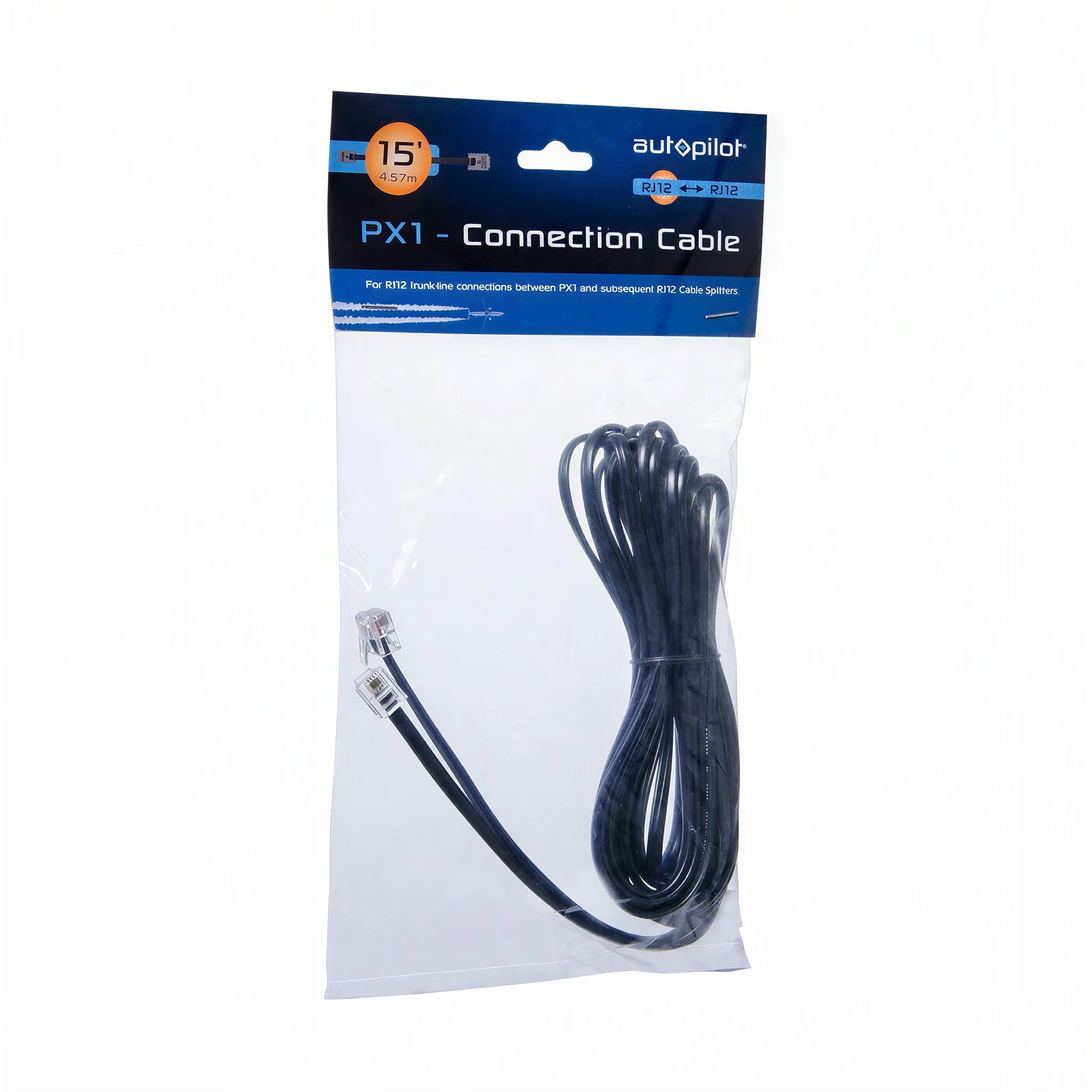
Extension lamp cords allow positioning a fixture farther from its ballast than the standard cord permits - useful for light-mover installations, remote-ballast configurations where ballasts are mounted in a cooler area away from the canopy, and commercial rooms with long distances between ballast mounting points and fixture hang positions. Extension lamp cords must be rated for the ballast's output current at the lamp cord voltage (which is significantly higher than line voltage for HPS operation). Use only extension lamp cords from reputable manufacturers rated for the specific ballast output - improvised extensions with standard household wire are not rated for HID lamp cord voltages. Fast shipping.
Grow Light Lamp Cords FAQ
Why are lamp cords different from regular electrical cords?
HID lamp cords carry high-voltage output from the ballast to the lamp socket - the operating voltage of an HPS lamp during normal operation is 100-400V depending on wattage and lamp type, significantly higher than the 120V or 240V line voltage on the supply side. Lamp cords must be rated for this higher voltage and for the heat proximity of the lamp assembly. Standard household extension cords and appliance cords are not rated for HID lamp cord voltages and must never be used as lamp cord substitutes regardless of current rating.
How do I know which lamp cord fits my ballast?
Lamp cords connect to the ballast at one end (using the ballast's specific output connector, which varies by brand) and to the fixture socket at the other end (using a Mogul/E39 socket for most SE HPS and MH, or a DE socket for double-ended systems). The ballast-end connector is the key compatibility variable - most are proprietary to the ballast brand and not universally interchangeable. Identify your ballast brand and model and source a replacement lamp cord specified as compatible with that ballast. Universal or generic lamp cords are available for some common ballast brands; specialty configurations require brand-specific parts.
Can I use an extension on my lamp cord to hang the light farther from the ballast?
Yes - purpose-made lamp cord extensions for HID fixtures allow hanging the fixture farther from the ballast than the standard cord permits. The extension cord must be rated for the ballast's lamp cord output (high voltage, appropriate amperage) - not a standard household extension cord. Most grow light accessory suppliers carry 15-foot and 25-foot extension lamp cords for common ballast types. Verify the extension is compatible with your specific ballast's output connector type before purchasing. As with all HID electrical components, inspect the full cord and connection points periodically for heat damage or loose contacts.
What happens if a lamp cord fails during operation?
A lamp cord failure during operation typically causes the lamp to extinguish immediately - the loss of voltage at the socket interrupts the arc and the lamp goes out. This is the most common and least dangerous failure mode. A partial failure (loose or intermittent connection) can cause the lamp to flicker, cycle on and off, or produce unusual color shifts before going out - if any of these symptoms appear, de-energize the fixture immediately and inspect the lamp cord and socket connection before returning to operation. Never operate an HID fixture with a visibly damaged lamp cord.
Is there a universal lamp cord that works with all ballasts?
There is no single universal lamp cord - the ballast-end connector varies by manufacturer. The socket end is more standardized: SE HPS and MH fixtures use Mogul (E39) sockets in North America; DE fixtures use a different 4-pin or 2-pin connector specific to DE lamp formats. Within each ballast brand, cord compatibility is usually consistent across that brand's product line - a replacement cord for a Lumatek 1000W ballast fits other Lumatek ballasts of similar vintage. Cross-brand compatibility is limited and should be verified before purchasing.