Seedling Trays, Humidity Domes & Propagation Supplies
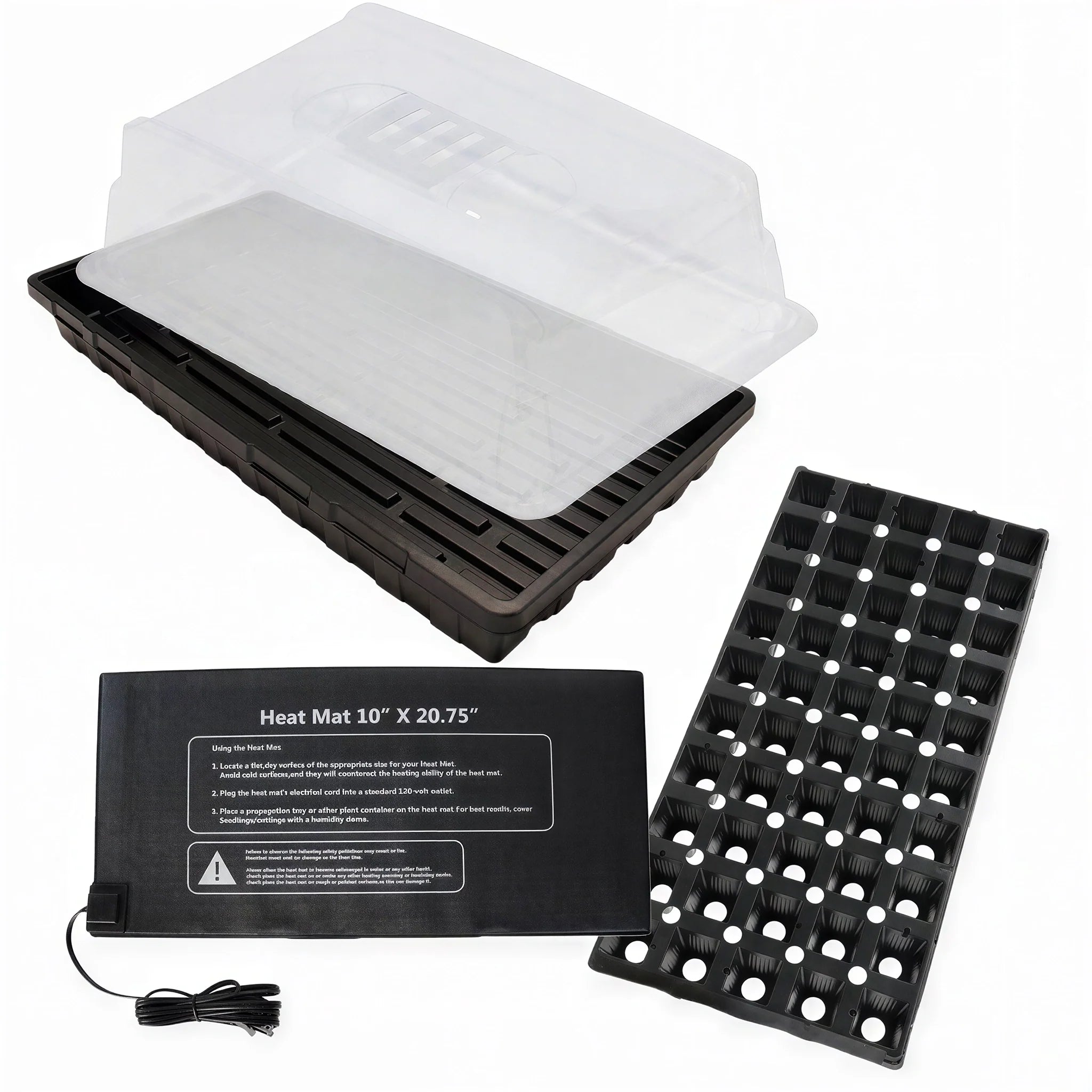
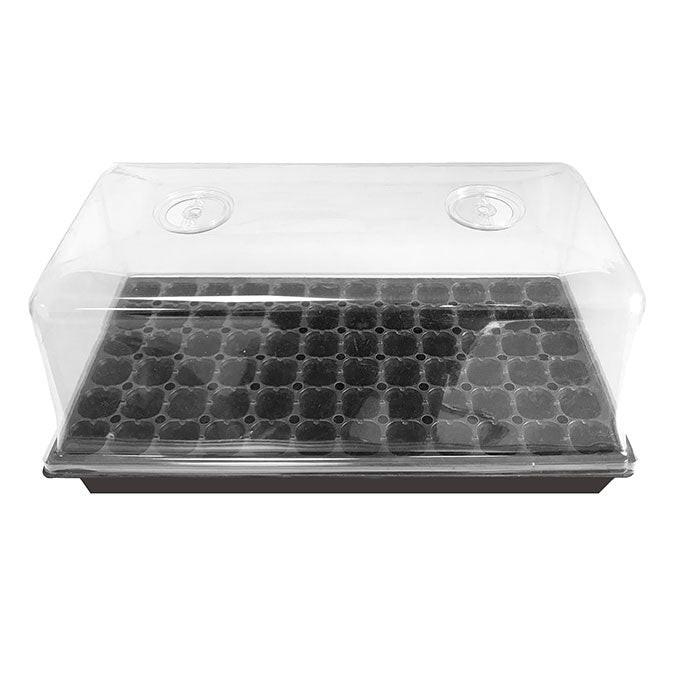
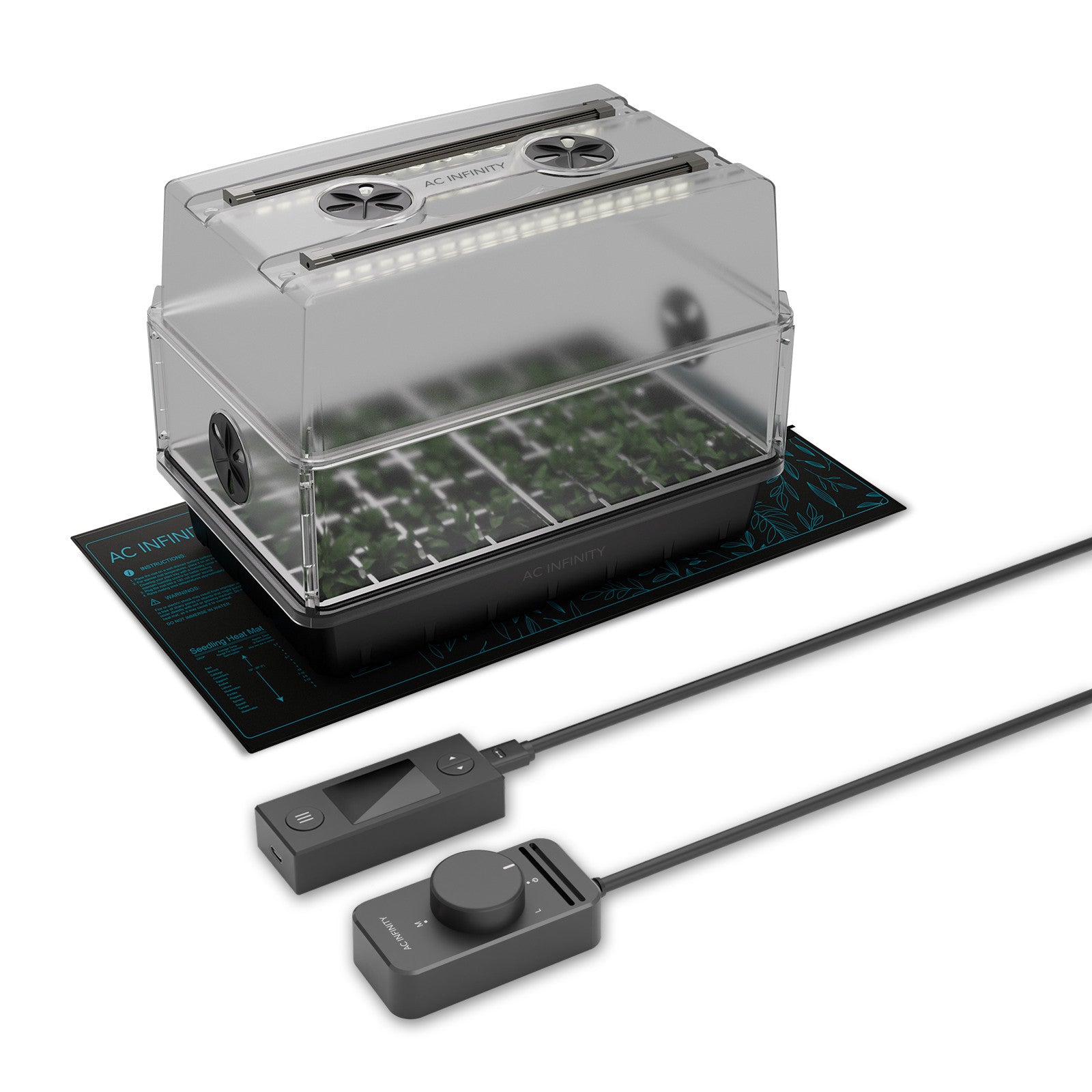
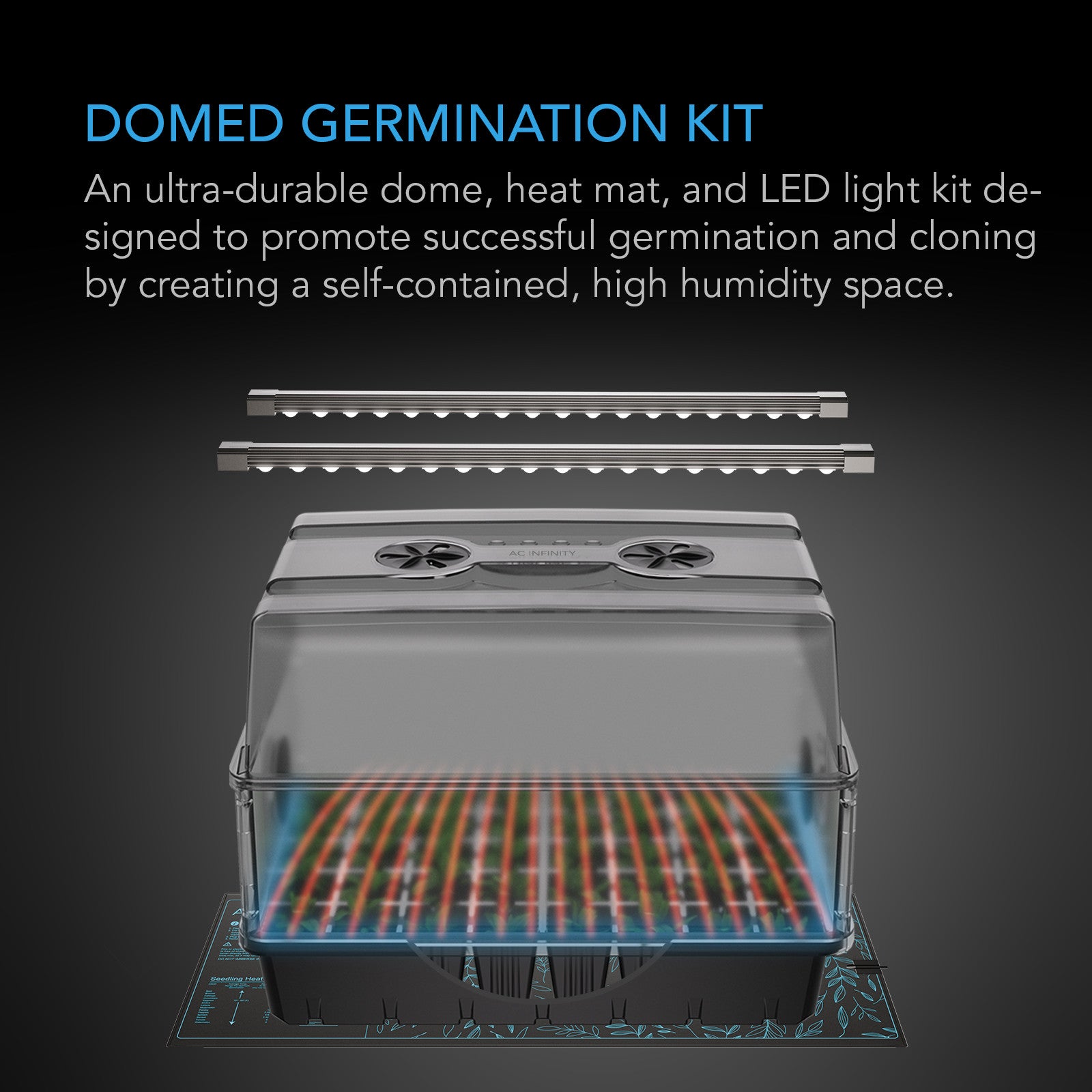
A complete seedling and propagation setup requires three components working together: a seedling tray to hold starter plugs or small containers in a organized, wettable array; a humidity dome to maintain elevated relative humidity (70-80% RH) above the tray for seedlings and cuttings; and a heat mat below the tray to keep substrate temperature at 72-78 degrees F for optimal germination and root initiation. This propagation station configuration is the foundation of every successful seed-starting and cloning workflow, from hobby hobby growers starting a handful of plants each cycle to commercial propagation rooms running hundreds of trays per week.
Standard 10x20 Seedling Trays
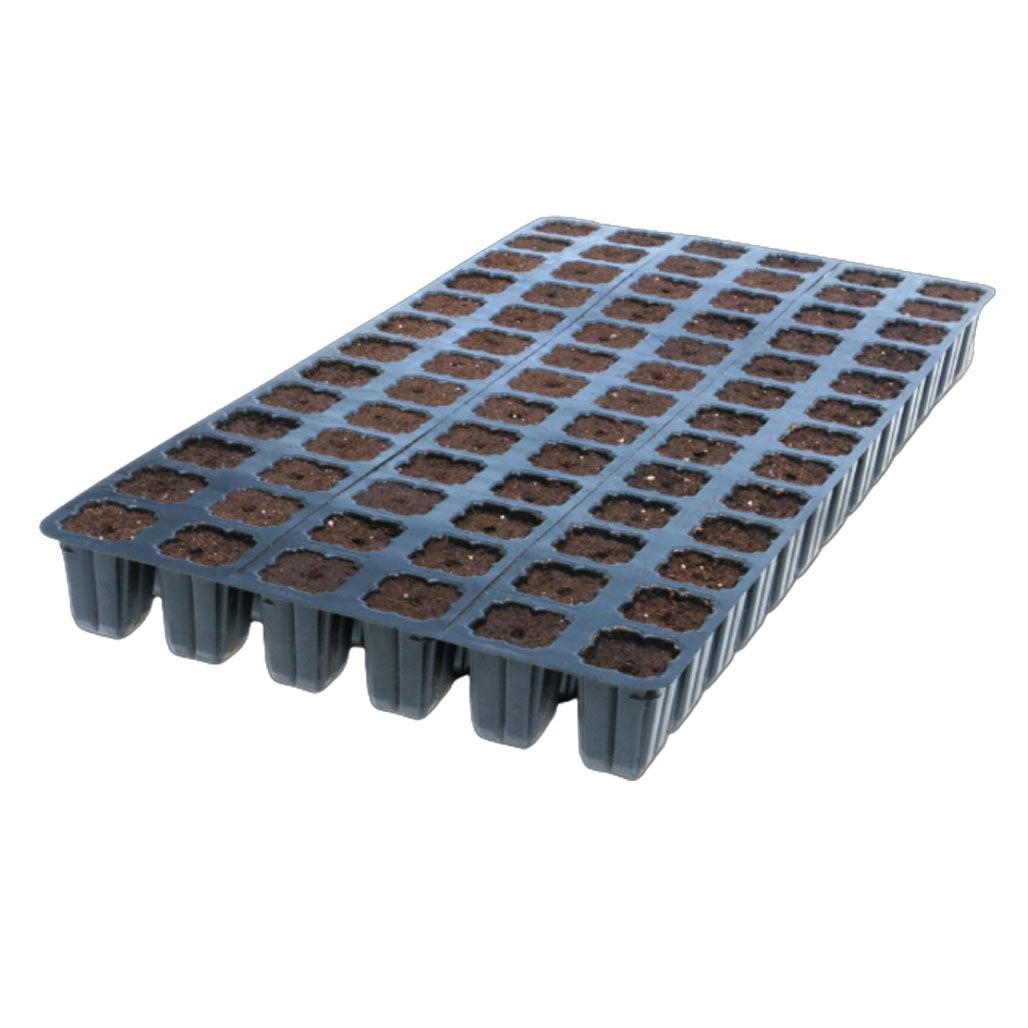
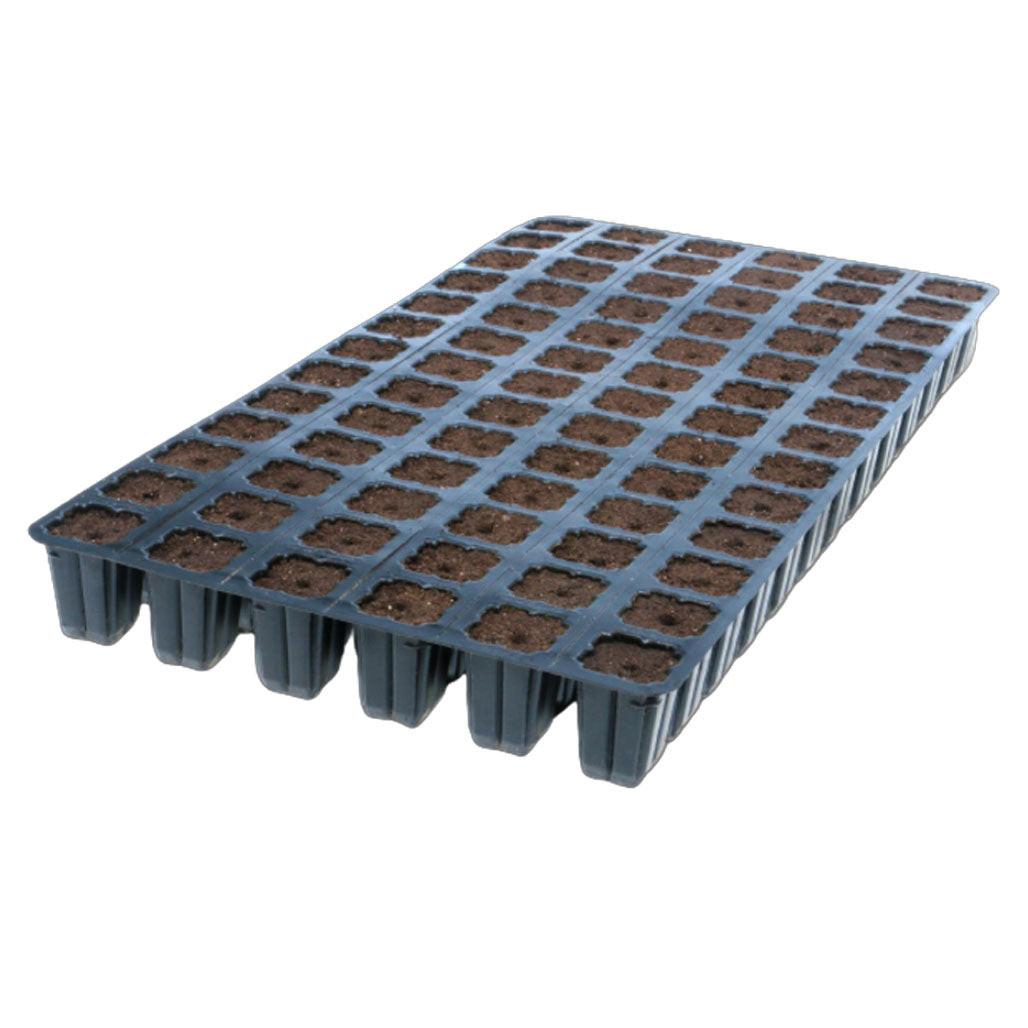
The 10x20 inch seedling tray is the industry standard for propagation -- compatible with all standard humidity domes, heat mats, and propagation inserts. Available in solid-bottom (for flooding with water/nutrient solution) and mesh-bottom configurations. Mesh-bottom trays allow better drainage and air pruning at the root tips. Standard 10x20 trays hold up to 72 cell inserts for seedlings, or 50 standard Rapid Rooter or Root Riot plugs in a dedicated propagation tray. For flood-watering or bottom-feeding approaches, solid-bottom trays allow nutrient solution to pool at the tray base for capillary uptake. Browse also seed starter plugs and rooting hormones for the complete propagation consumables.
Humidity Domes & Adjustable Vents
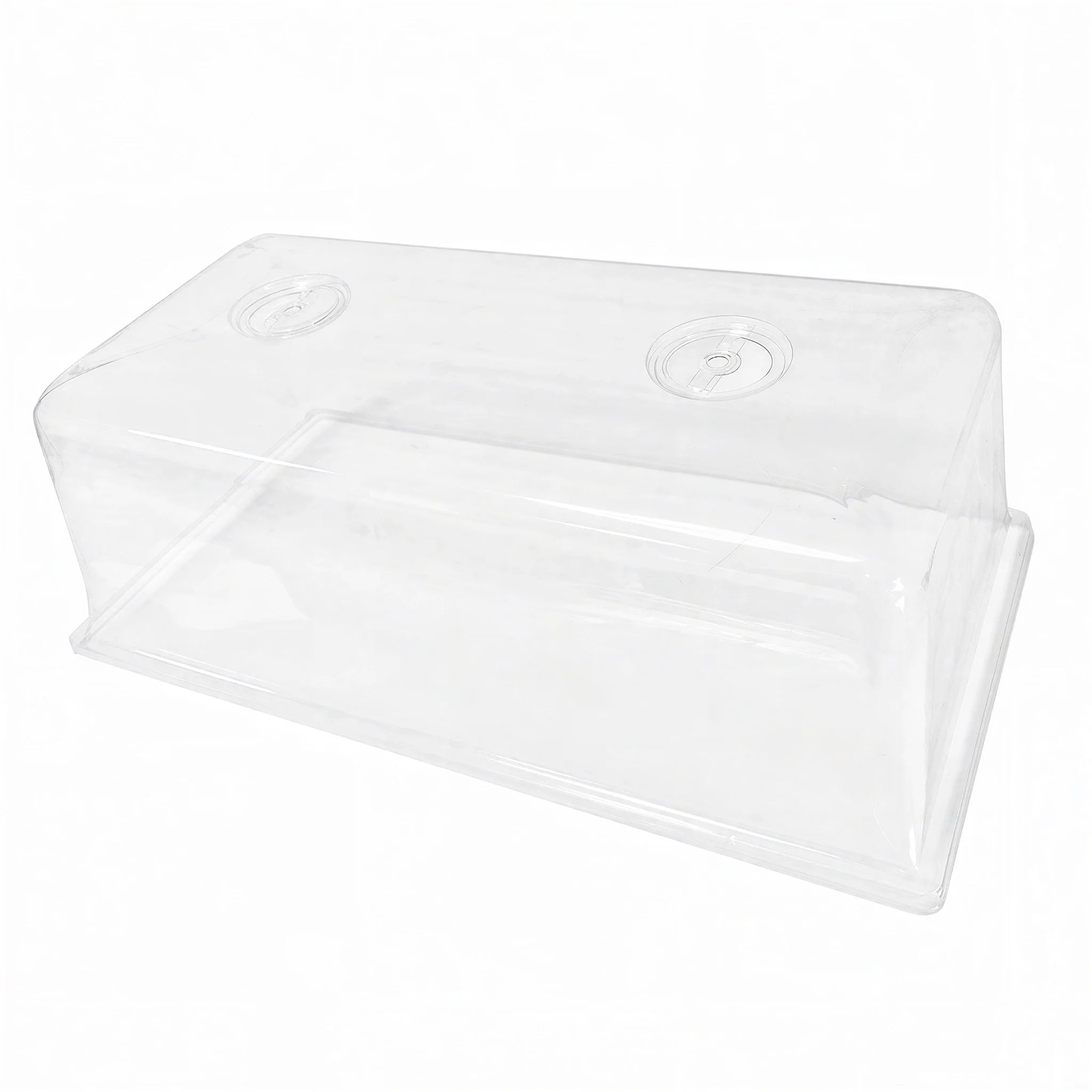
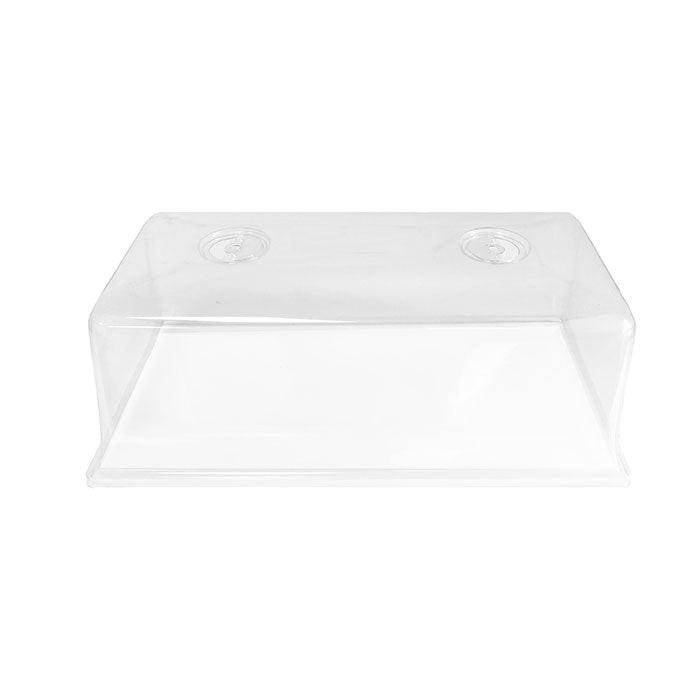
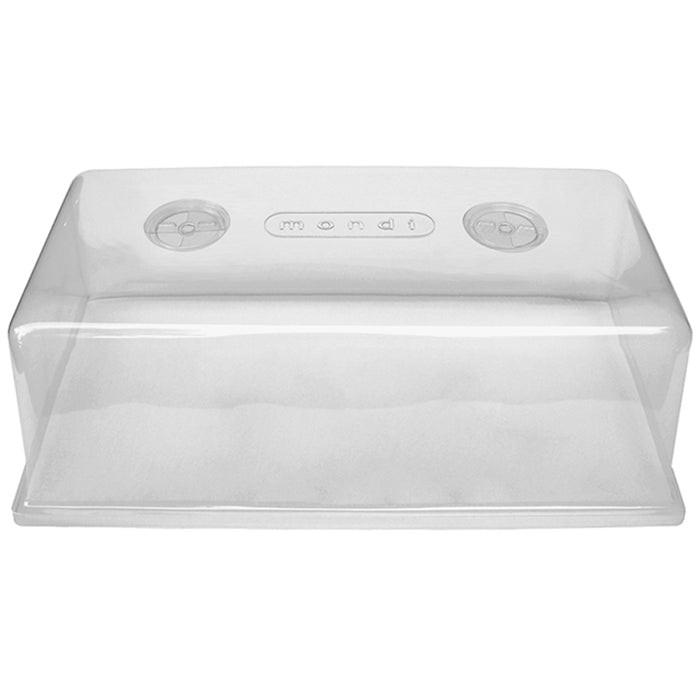
Standard humidity domes (6-inch and 7-inch tall) fit over 10x20 trays and trap moisture vapor to maintain the 70-80% RH that seedlings and unrooted cuttings require. Adjustable vent models allow controlled humidity reduction as cuttings root and seedlings develop -- gradually opening the vents over 2-3 days after rooting to acclimate plants to lower ambient humidity before removing the dome entirely. Tall domes (7-inch) provide clearance for taller seedlings; standard domes (6-inch) are sufficient for most propagation through the rooting phase. Fast shipping.
Seedling Trays & Humidity Domes FAQ
Do I need a humidity dome for seedlings?
Highly recommended -- especially for unrooted cuttings that need 70-80% RH to prevent wilting before roots establish. For seeds, a humidity dome is less critical (seeds don't transpire the way cut stems do) but still beneficial for maintaining consistent moisture levels on the surface of starter plugs during germination. Remove the dome gradually after germination -- suddenly exposing seedlings accustomed to high humidity to ambient grow room air causes rapid moisture loss and wilting.
What temperature should seedling trays be kept at?
Target substrate temperature of 72-78 degrees F (22-26 degrees C) for germination and cloning. This range promotes rapid enzymatic activity that drives cell division and root initiation. Air temperature can be somewhat cooler -- it is the root zone substrate temperature that matters most for germination speed and success rate. A heat mat under the tray provides the precise bottom heat needed to maintain this range regardless of ambient room temperature. Most heat mats raise substrate temperature 10-20 degrees F above ambient -- in a 65 degrees F room, a heat mat keeps the substrate near 75-85 degrees F.
How long should I keep seedlings under a humidity dome?
For seeds: keep the dome on until germination occurs and the seedling has emerged from the substrate -- typically 2-7 days. Once the seed coat is shed and the first true leaves appear, begin gradually venting the dome over 1-2 days. For cuttings: keep the dome on until roots are visible emerging from starter plugs -- typically 7-14 days in a properly managed propagation environment. Then vent gradually over 2-3 days, opening the vents progressively wider before removing the dome entirely to prevent transplant shock from humidity change.
Can I reuse plastic seedling trays?
Yes -- sanitize between uses with a 1:10 bleach solution or hydrogen peroxide soak to remove pathogens from the previous crop. Rinse thoroughly with clean water and allow to dry completely before reuse. Check tray integrity before reuse -- cracks and breaks in mesh-bottom trays compromise structural support for starter plugs. Commercial propagation operations typically replace plastic seedling trays after 3-5 uses as micro-abrasions from cleaning accumulate and create harboring surfaces for pathogens that sterilization cannot fully address.
What is the difference between a 6-inch and 7-inch humidity dome?
The primary difference is headroom inside the dome. A standard 6-inch dome is sufficient for most seed germination and cutting propagation where plants are small during the rooting phase. A 7-inch dome provides additional clearance for taller seedlings, rockwool cubes sitting on elevated heat mats, or any propagation configuration where the 6-inch dome would touch the top of the plant material. For standard propagation plugs and 50-72 cell seedling trays, a 6-inch dome is adequate; for taller seedling trays or when using deep-rooting plugs that sit higher in the tray, the 7-inch provides useful additional clearance.