Trimming Machines - Automated Harvest Finishing Equipment
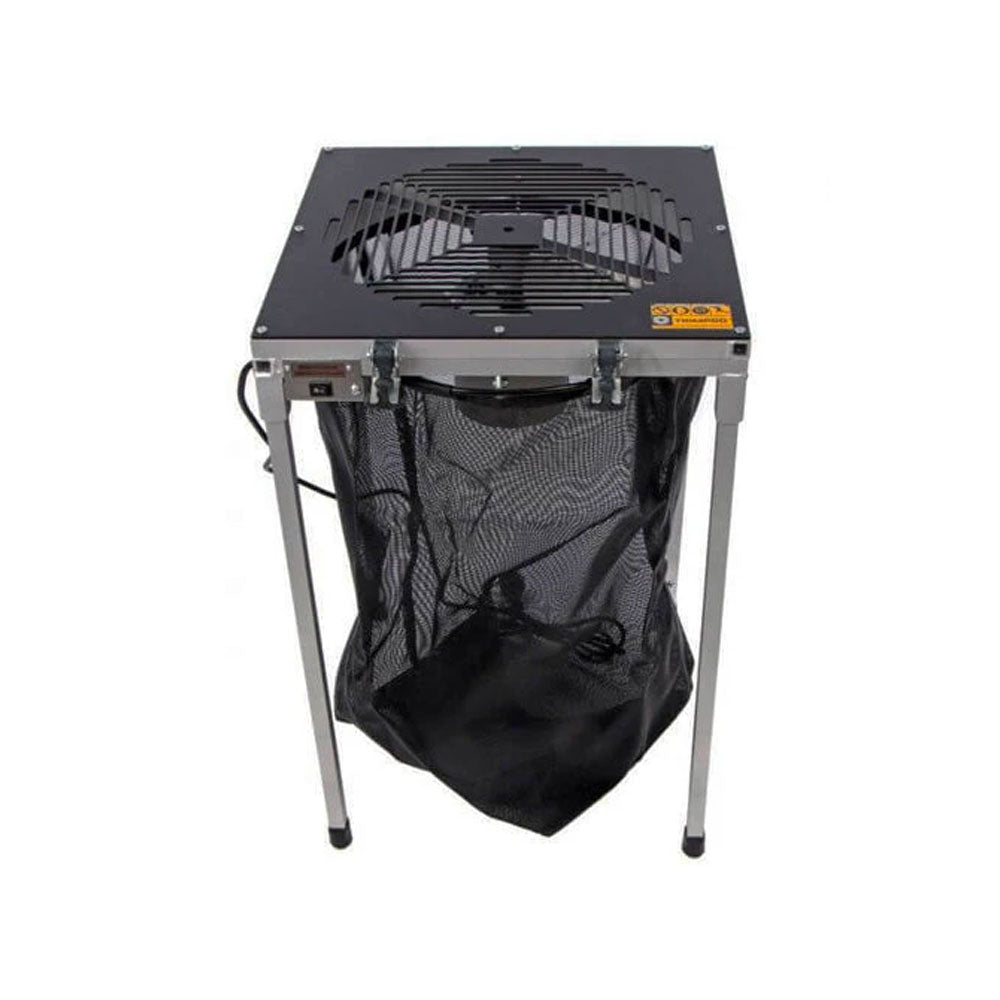
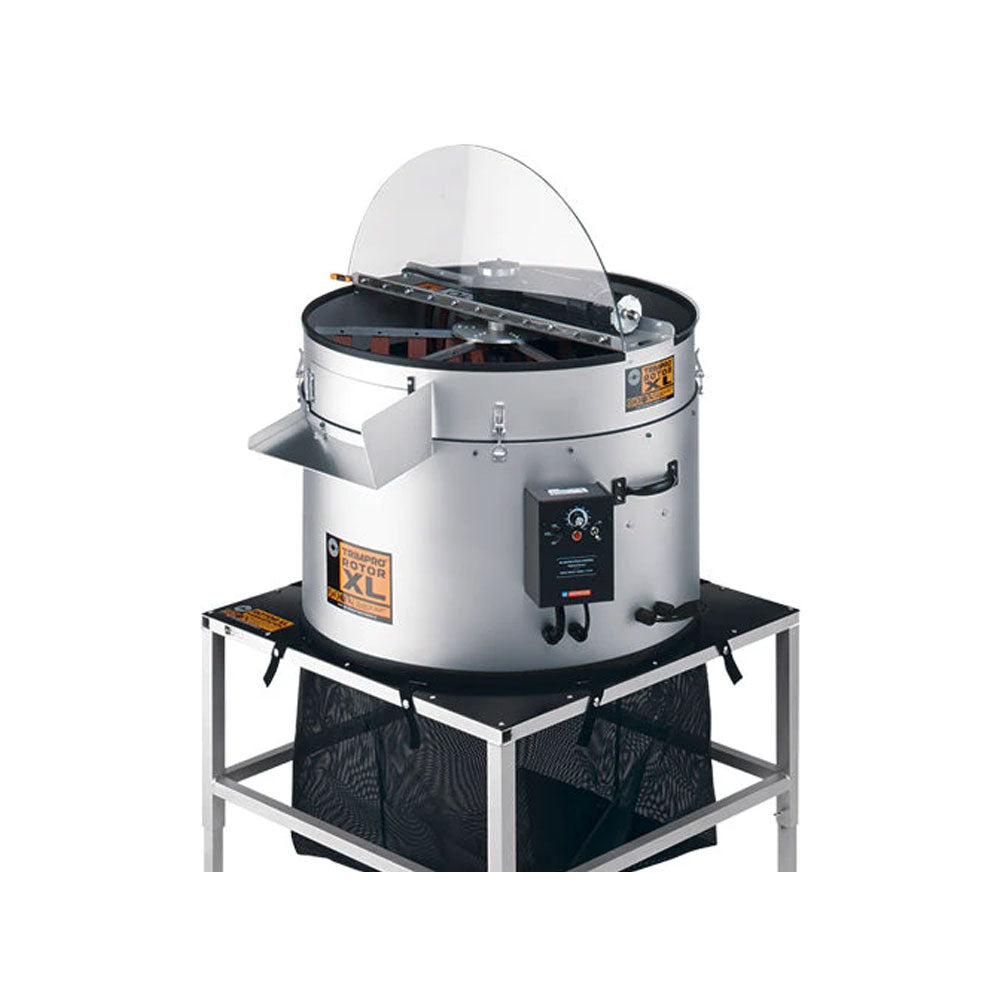
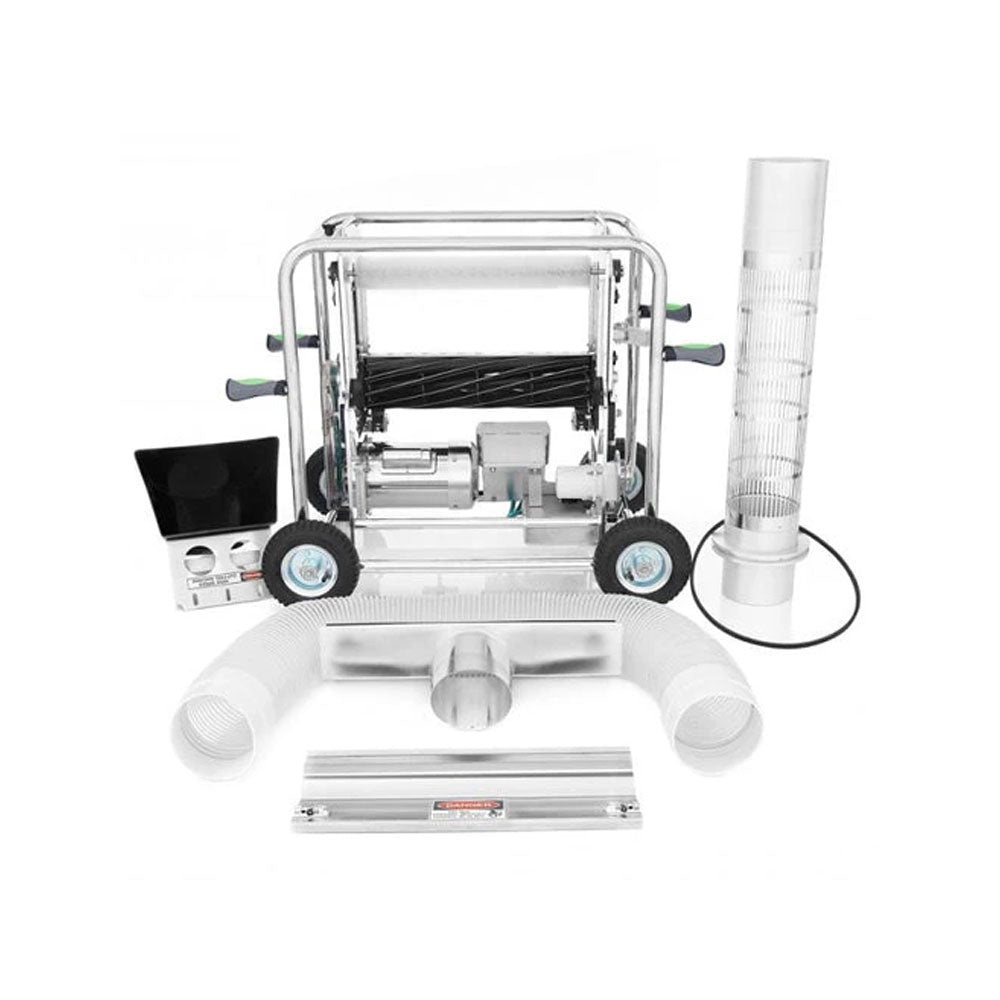
Trimming machines automate the post-harvest process of removing excess leaf material from harvested flowers - a labor-intensive step that, at commercial scale, is impractical to perform entirely by hand. Automated trimmers use rotating tumble drums, flat-bed orbital cutting surfaces, or counter-rotating blade assemblies to process harvested plant material at rates ranging from 5 lbs per hour for small hobby machines to 200+ lbs per hour for commercial drum trimmers. For any operation where hand-trimming labor represents a significant cost or time bottleneck, a trimming machine is the most direct way to improve processing efficiency and reduce per-pound processing cost.
Trimming Machine Types: Wet, Dry & Wet-Dry
Trimming machines are categorized by the condition of plant material they process - wet (freshly harvested), dry (post-drying), or wet-dry capable. Wet trimmers work on freshly cut plant material immediately after harvest, before the drying phase. Wet material is more pliable and separates from leaf coverage more easily, generally producing a cleaner finish with less mechanical stress on delicate flower structures. Dry trimmers work on plant material after it has been dried to target moisture content - browse our dry trimming machines collection for models optimized for post-drying use. Wet-dry capable machines handle both material types through adjustable speed and blade configuration settings. For a detailed comparison of when to trim wet versus dry and the tradeoffs of each approach, see our updated wet vs. dry trimming guide.
Trimming Machine Brands: CenturionPro, Triminator, Mobius & Twister
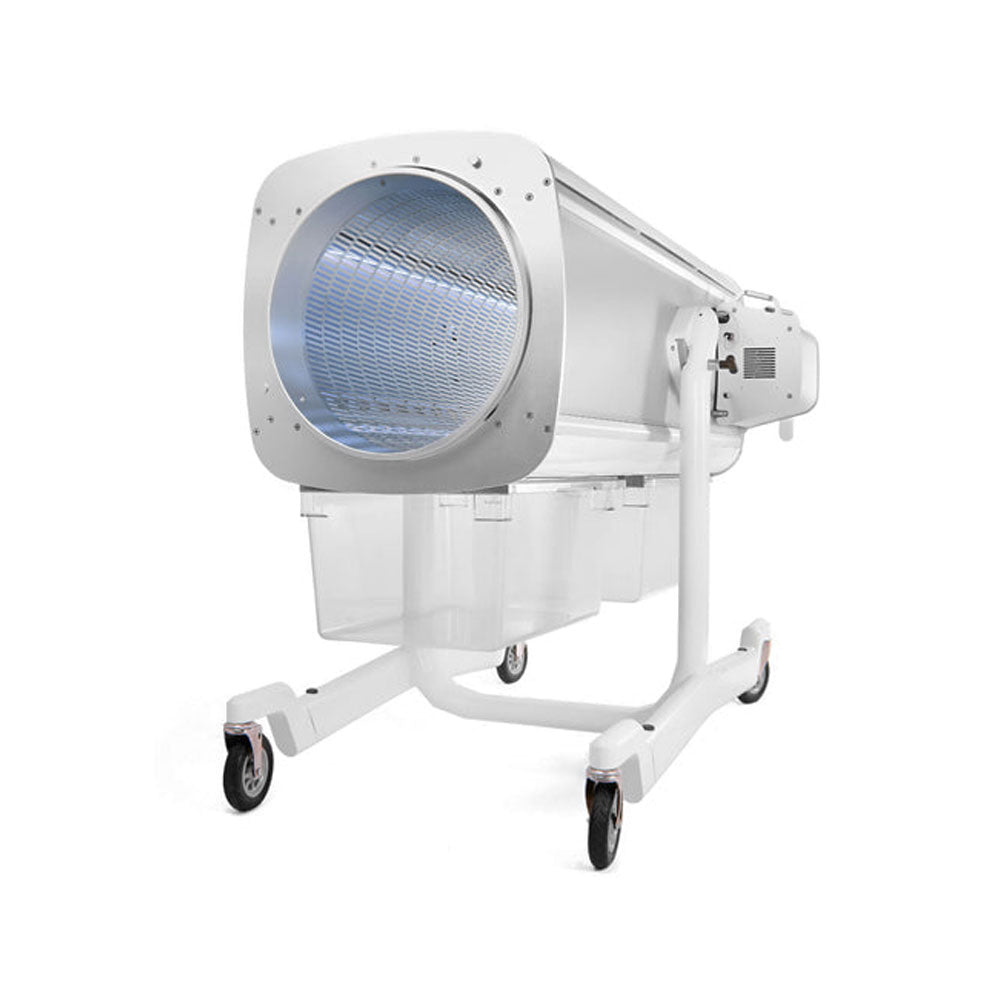
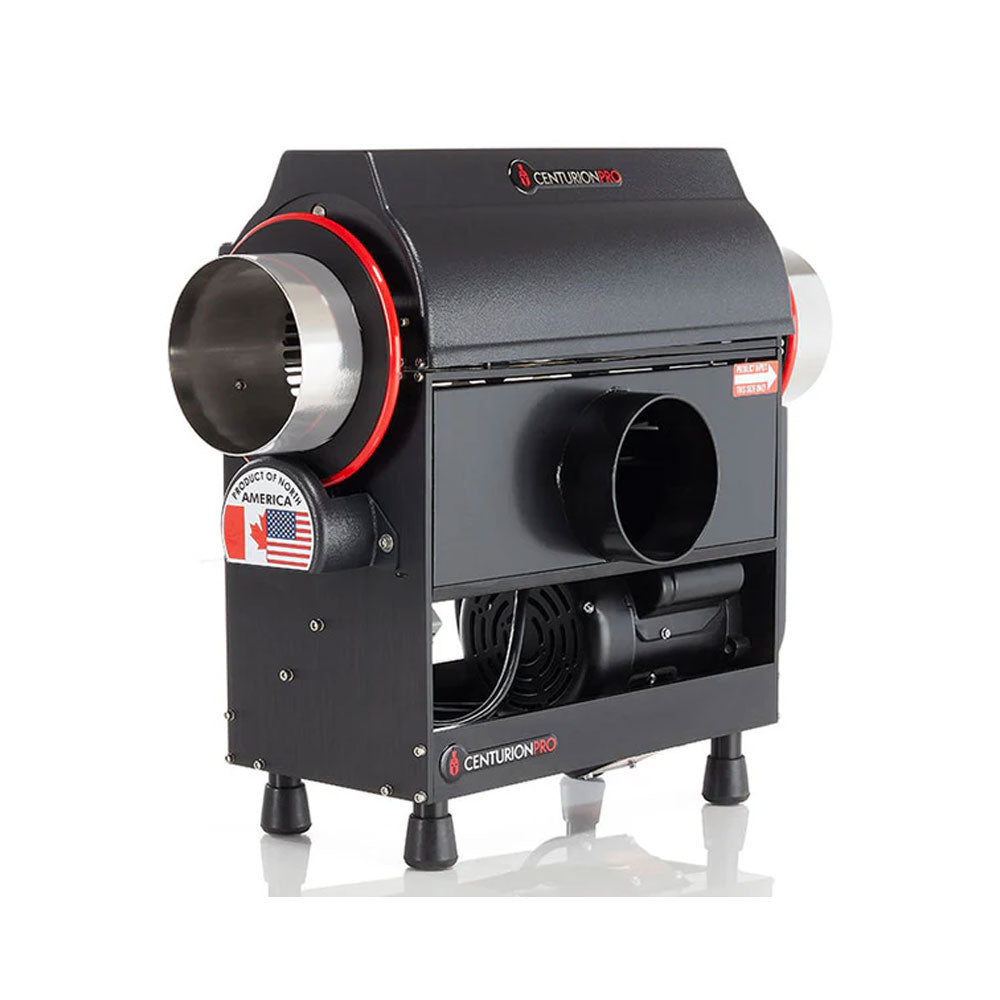
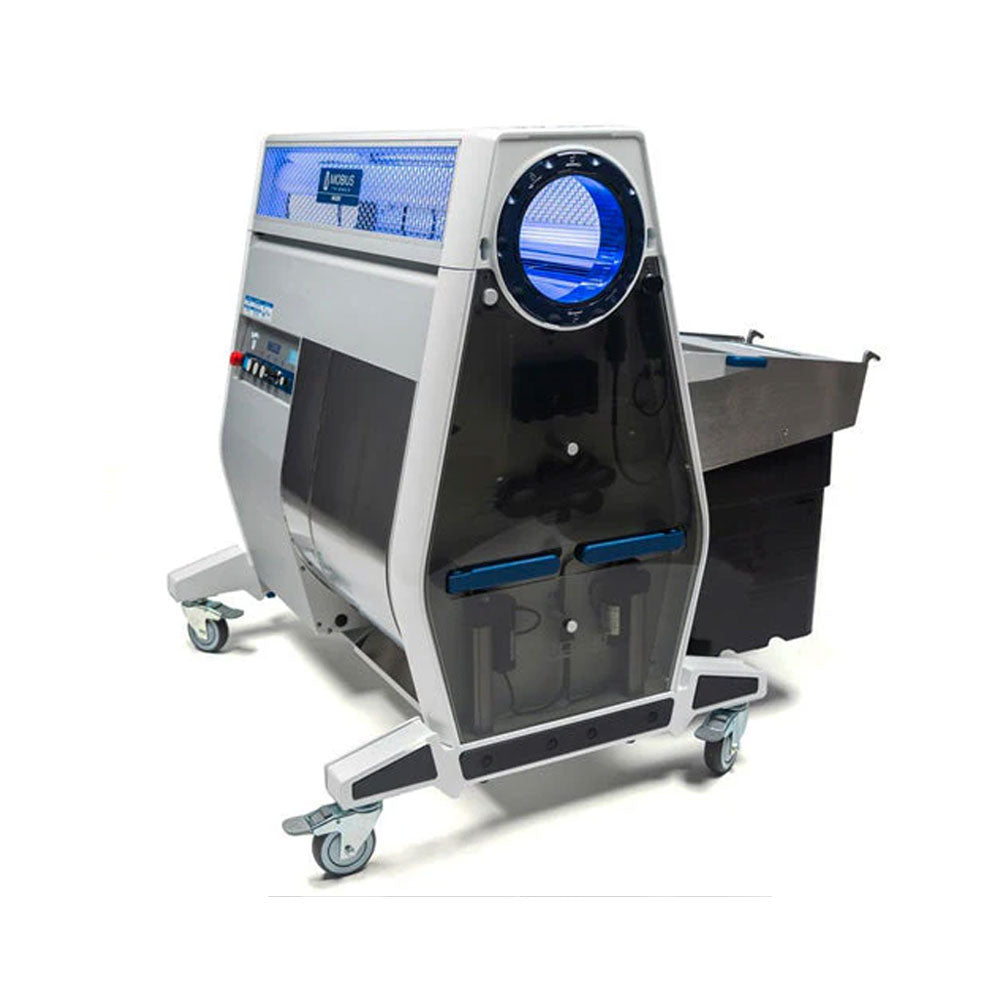
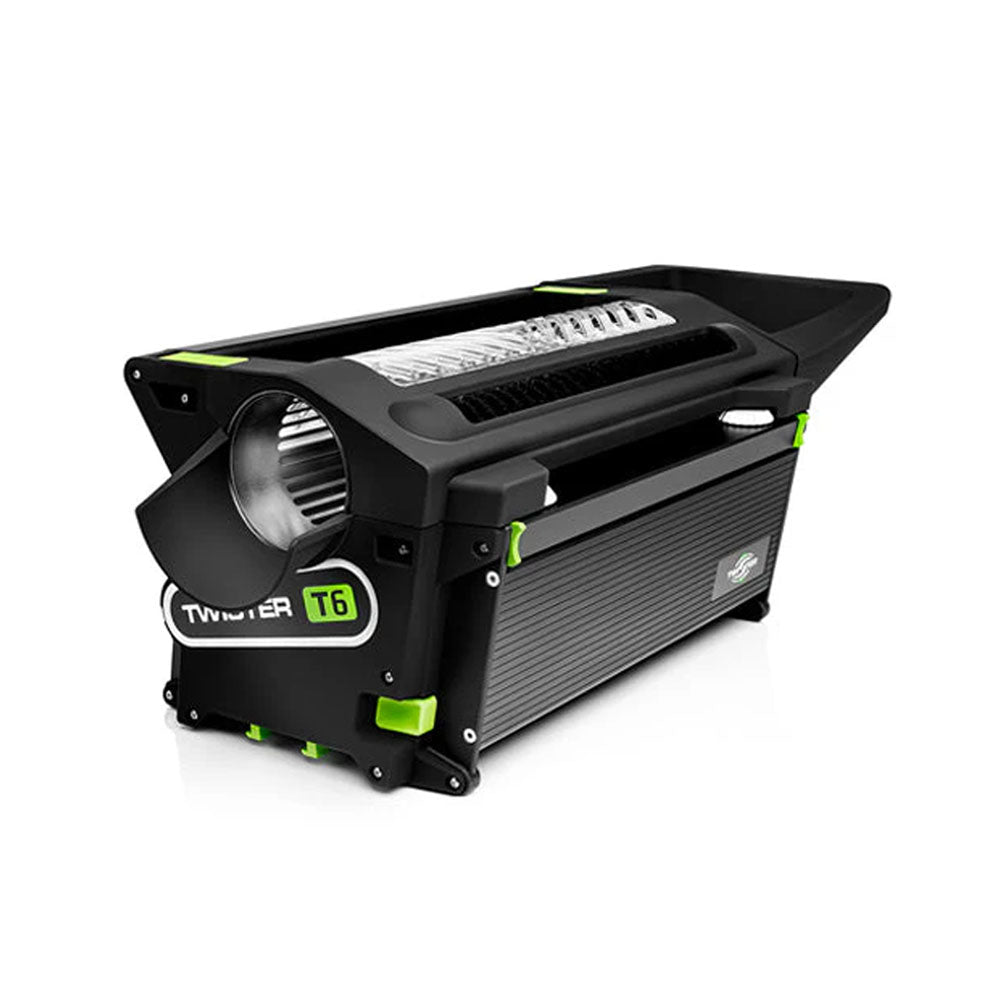
Hydrobuilder carries trimming machines from qualified brands including CenturionPro, Triminator, Mobius, and Twister - all with verified sales history, commercial adoption, and established service infrastructure. CenturionPro's tumble-drum trimmers are among the most widely deployed in commercial operations, with a complete product line from the single-hand Mini through the high-throughput Triple Pro. Triminator's wet and dry trimmer lines are known for precise cutting action and consistent output quality across both material types. Mobius trimmers (the M108S and derivatives) use a continuous flat-bed approach rather than a tumble drum, which many operators prefer for handling delicate flower structures at commercial throughput. Twister trimmers are known for the quality of their final finish and are widely used in operations where appearance quality of the finished product is the primary consideration. For an independent comparison of the leading brands and models, see our best trimming machine guide.
The Complete Harvest Processing Line
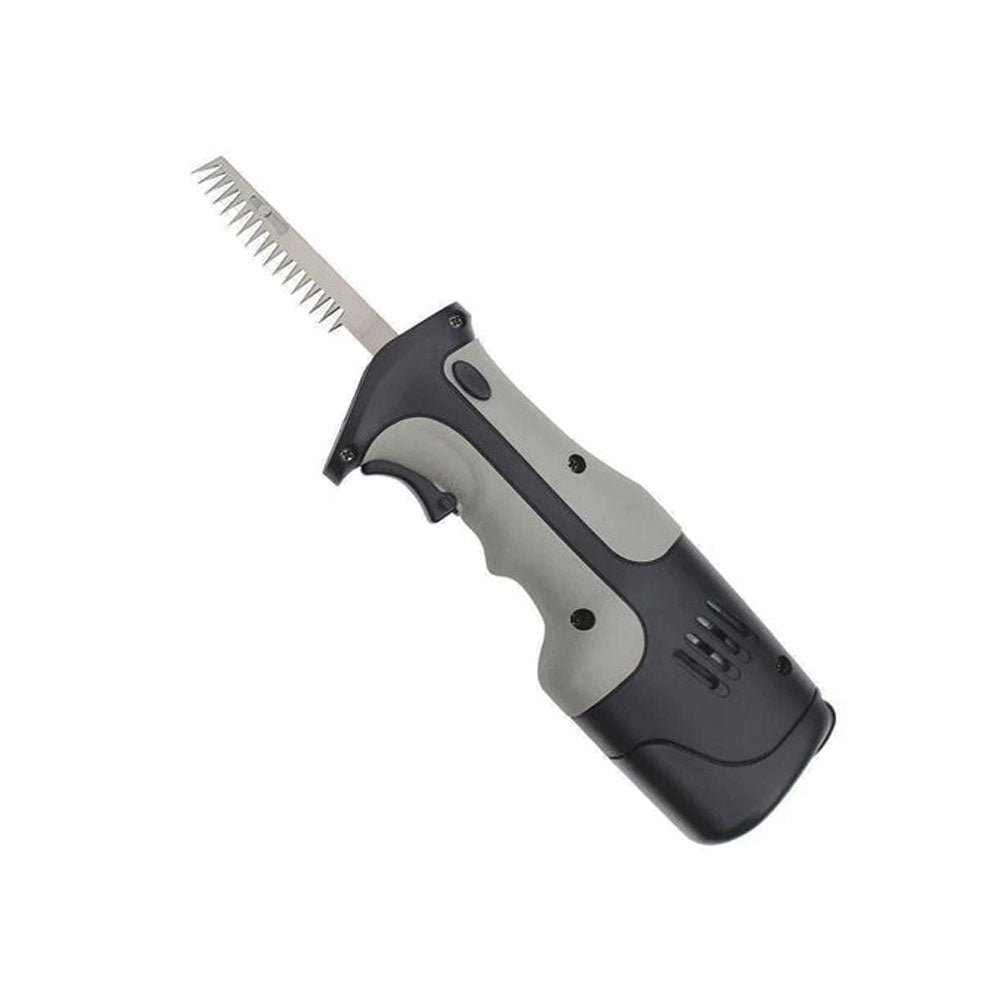
A trimming machine delivers its best results as part of a complete, organized processing line. The step before the trimmer: a bucking machine strips material from main stems before it enters the trimmer, maximizing throughput and reducing the trimmer's mechanical load. The step after: hand trimming scissors handle detail finishing work that the machine cannot replicate - touching up presentation quality on premium product tiers. Throughout the process, a trim tray keeps the workspace organized and collects trim material. After machine trimming, plant material moves to drying racks for the controlled drying phase, and then to curing. Our beginner's guide to harvest, drying and curing covers the complete workflow from cut to cure. For commercial operations looking at full harvest line automation, see our harvest automation guide.
Trimming Machine Size Selection: Hobby to Commercial
Match machine capacity to your harvest volume and target processing time per cycle. For hobby and small-scale growers: bowl trimmers and small tumble machines (5-20 lbs/hr) - browse our bowl trimmers collection for this category. Mid-scale: electric tabletop trimmers (20-75 lbs/hr) cover operations with regular harvests of 5-50 lbs per cycle - see our medium and small-scale trimmers collection. Commercial scale: large drum trimmers and continuous-feed machines (75-200+ lbs/hr) - browse our commercial trimming machines collection for the full large-scale lineup. For facility-scale processing configurations, call 888-815-9763 or visit our commercial accounts page.
Trimming Machine Maintenance
Regular maintenance keeps cutting performance consistent and extends machine lifespan significantly. After every processing session: clean blades and drum surfaces with isopropyl alcohol to remove resin buildup; inspect blades for nicks or dulling; clean the collection bag and any screens or collection surfaces. Lubricate moving parts on the manufacturer's recommended schedule. Blade sharpening or replacement is the most common maintenance requirement - dull blades produce less clean cuts and require higher drum speeds, which can increase mechanical stress on delicate flower material. Our trimming machine care guide covers cleaning, lubrication, blade maintenance, and troubleshooting for the major brands in detail. For replacement parts and accessories, browse our essential trimming accessories guide. Expert support available.
Trimming Machines FAQ
How does a trimming machine work?
Most tumble-drum trimming machines use a perforated rotating drum that tumbles harvested plant material while cutting blades mounted outside the drum trim leaf material that protrudes through the perforations. The action is continuous: material enters one end of the drum, tumbles through as cutting blades work the exterior, and exits the far end trimmed and ready for drying or curing. Flat-bed machines (like Mobius) use a horizontal conveyor bed with precision cutting mechanisms. Bowl trimmers use a spinning bowl surface with a cutting blade above to trim stationary batches. Each design produces different results in terms of cut precision, material handling gentleness, and per-hour throughput. For detailed brand and design comparisons, see our best trimming machine guide.
What is the best trimming machine for a small grower?
For small-scale growers processing occasional harvests of under 5 lbs, a bowl trimmer handles the job without the cost of a commercial electric unit. For growers processing 5-30 lbs per harvest on a regular schedule, an electric tabletop trimmer from Triminator or CenturionPro's smaller models provides a meaningful efficiency improvement over hand trimming while fitting a smaller budget and space footprint. Our best trimming machine guide provides specific model recommendations across every scale and budget.
Is machine trimming as good as hand trimming?
For most commercial applications, modern trimming machines produce results that are functionally equivalent to hand trimming for the majority of finished product. For situations where absolute highest presentation quality is required, a final hand-finishing pass with trimming scissors after machine trimming is standard practice in top commercial operations. The economics are clear: machine trimming at $0.50-2.00 per lb processing cost versus hand trimming at $15-40+ per lb in labor cost means machine trimming dominates commercial processing, with hand finishing reserved for premium presentation tiers.
Should I trim wet or dry?
Both approaches are used commercially with different advantages. Wet trimming immediately after harvest is faster and machines run more cleanly on fresh material. Dry trimming after the drying phase - handled by dry trimming machines designed for the more delicate post-drying material - is preferred by growers who believe leaving leaves on during drying preserves more aromatic character in the final product. See our updated wet vs. dry trim guide for a detailed breakdown of each method's tradeoffs.
How do I maintain a trimming machine?
After every use: clean all blade and drum surfaces with isopropyl alcohol to remove resin; inspect blades for nicks and replace or sharpen as needed; clean collection bags and screens; lubricate moving parts per manufacturer schedule. Regular maintenance is the most overlooked factor in maintaining cut quality - a well-maintained machine running at original spec consistently outperforms a neglected machine at any price point. Our trimming machine care guide covers complete maintenance procedures for all major brands.