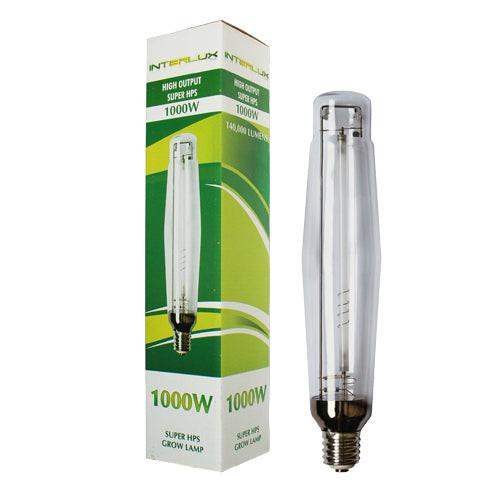
Grow Light Bulbs - HPS, MH, CMH & LED Replacement Bulbs
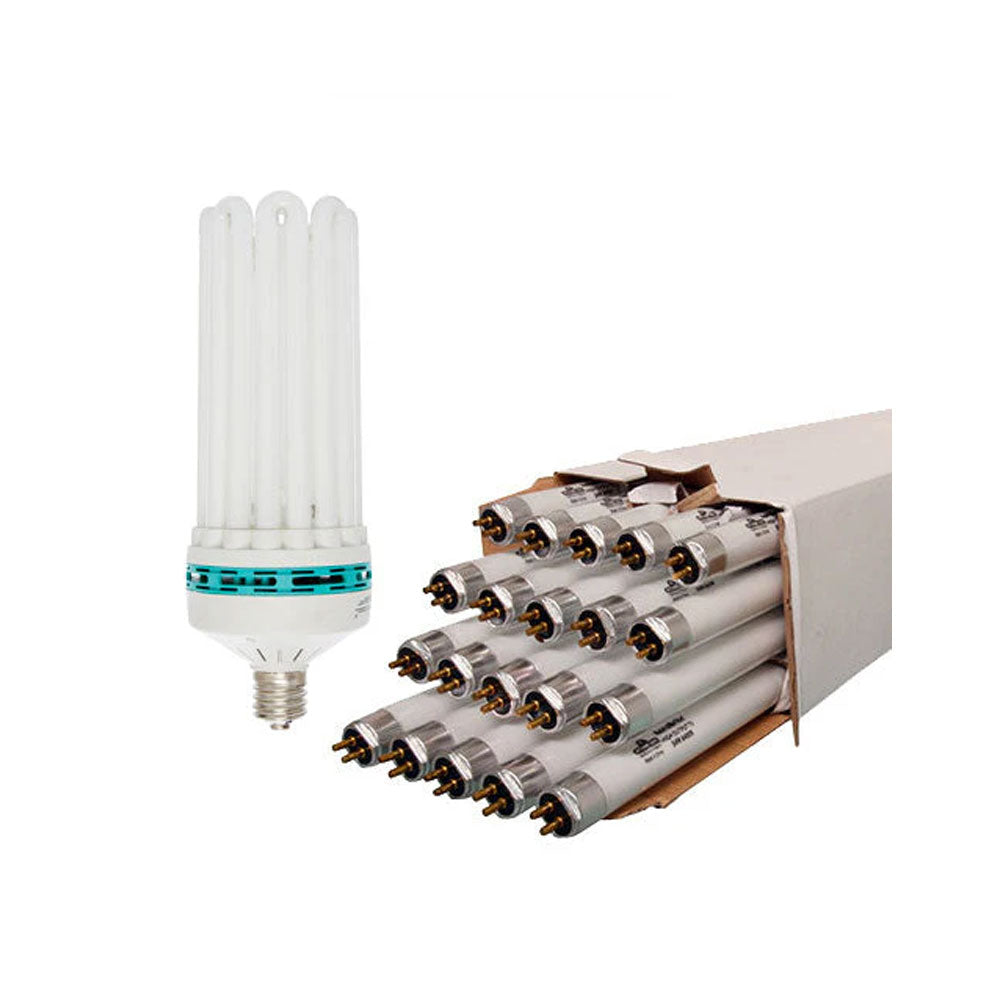
Grow light bulbs are the light-generating elements in HID (High Intensity Discharge) grow light systems - High Pressure Sodium (HPS), Metal Halide (MH), and Ceramic Metal Halide (CMH/LEC) lamps that produce photons through electrical discharge through a gas-filled arc tube. Unlike LED fixtures where the light source is integrated into the fixture body and rarely replaced separately, HID bulbs are consumable components that degrade over time and require periodic replacement to maintain the light output that production performance depends on. Understanding which bulb type your ballast requires, when to replace, and which specifications matter for production results is essential for managing HID grow rooms efficiently.
Bulb Types & Applications
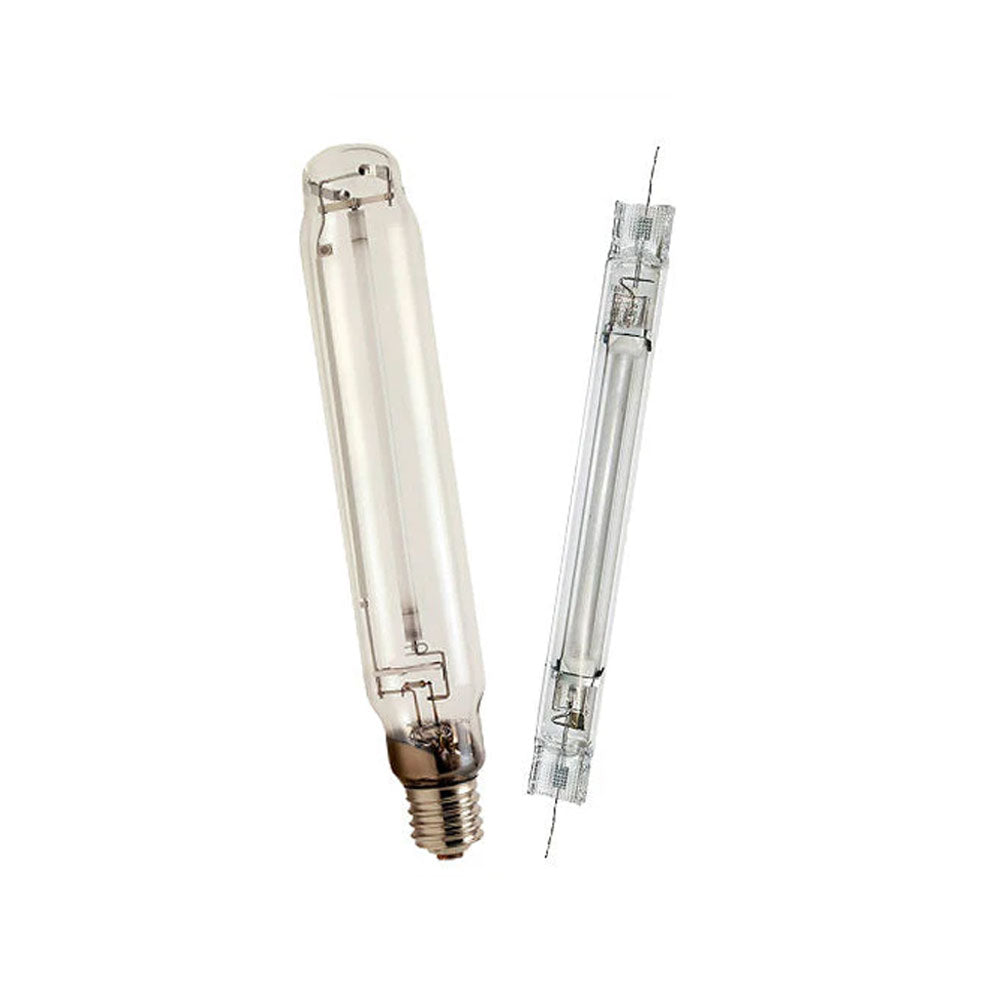
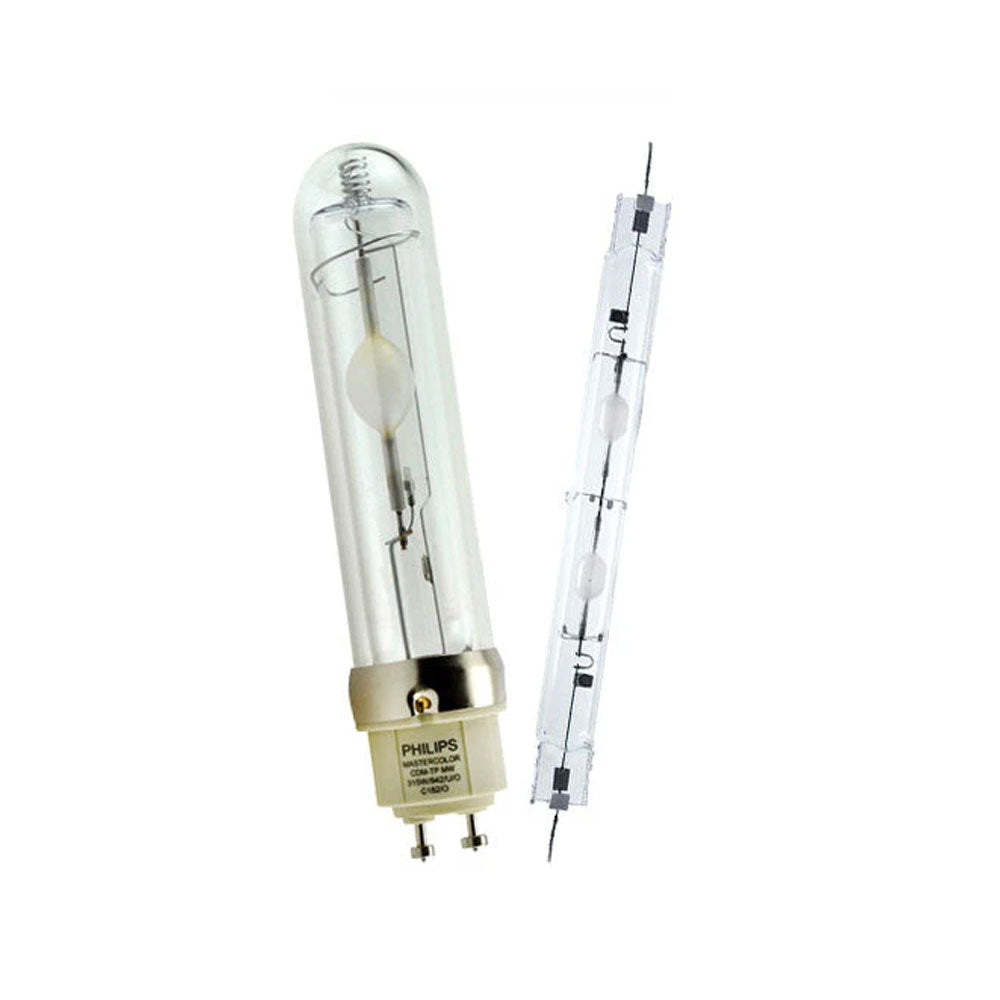
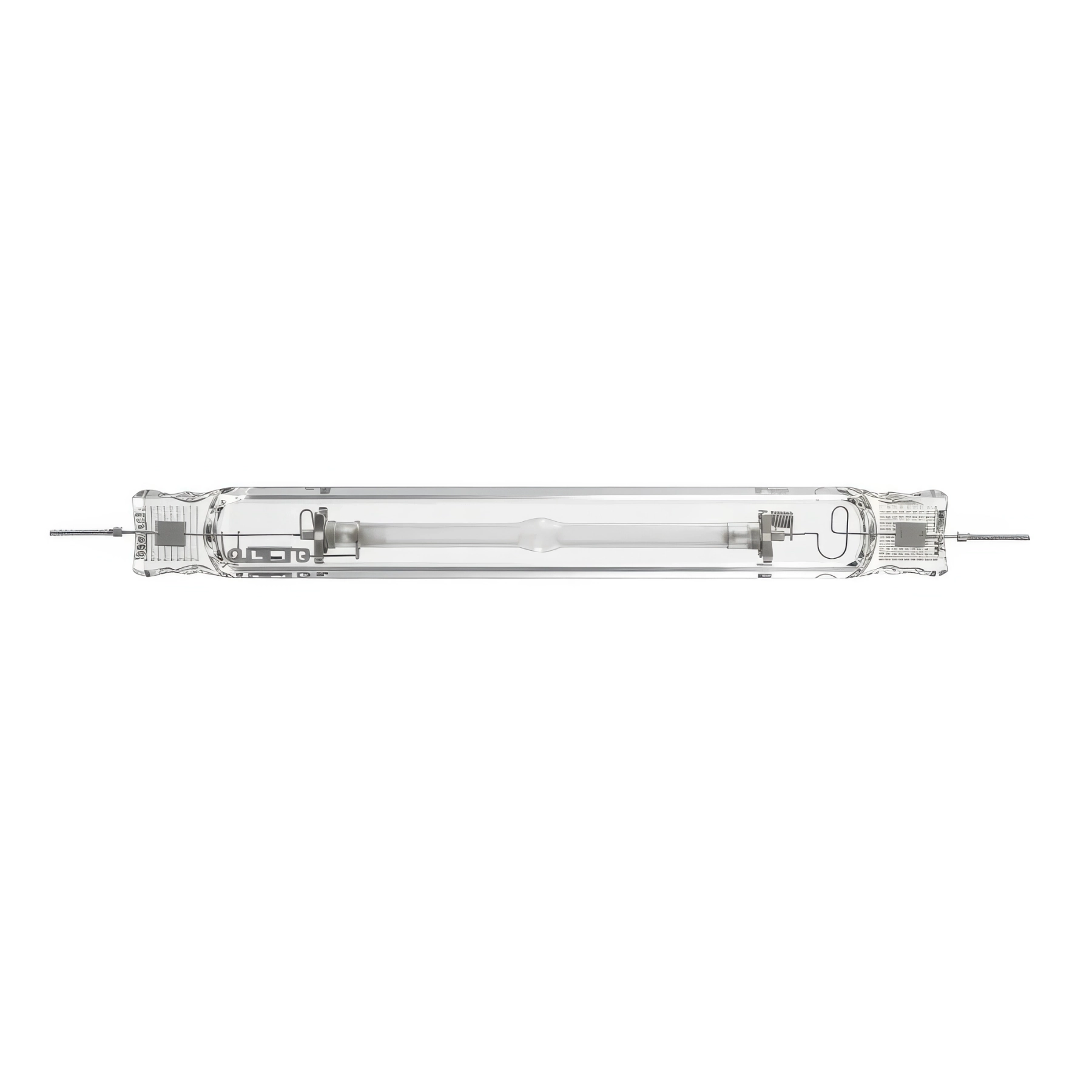
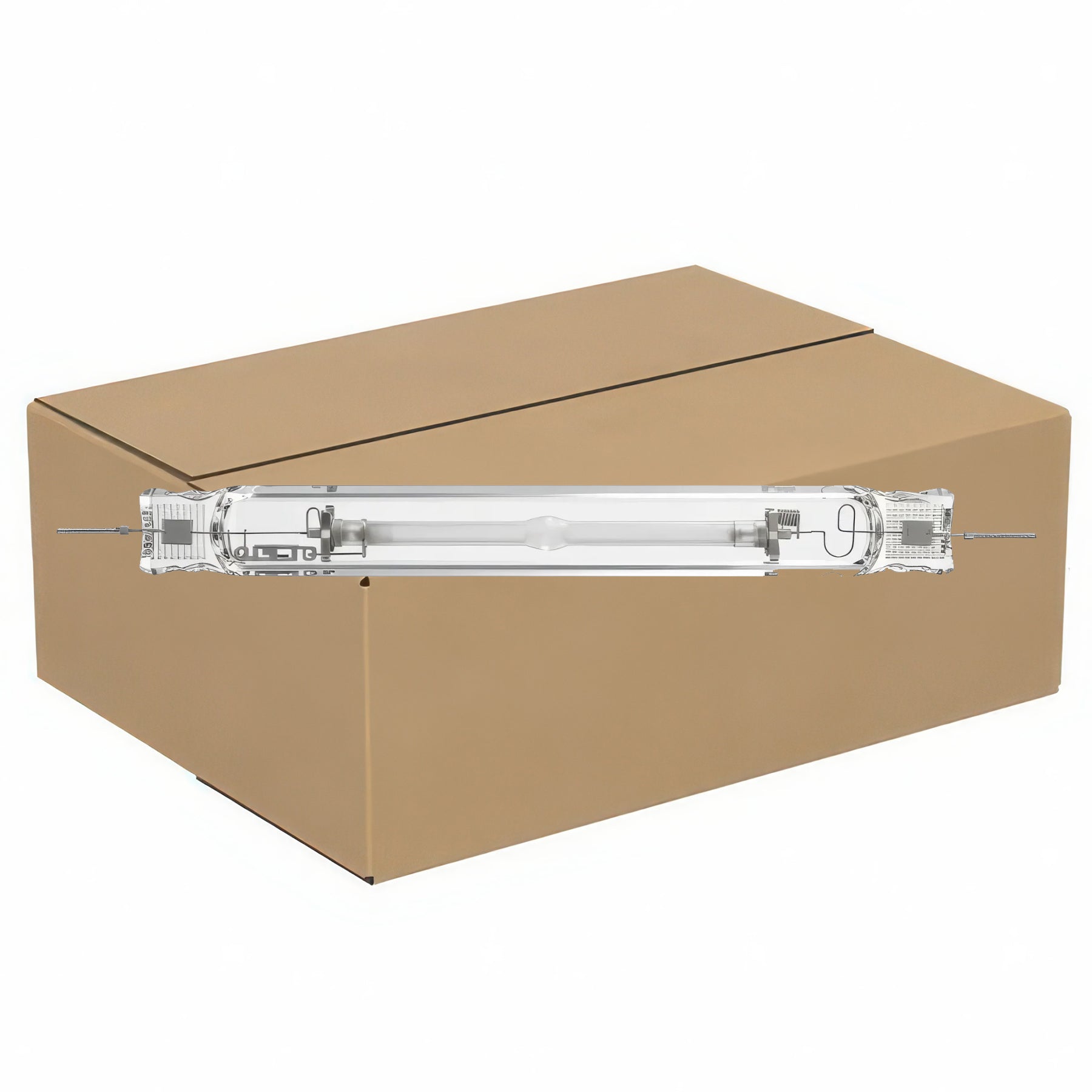
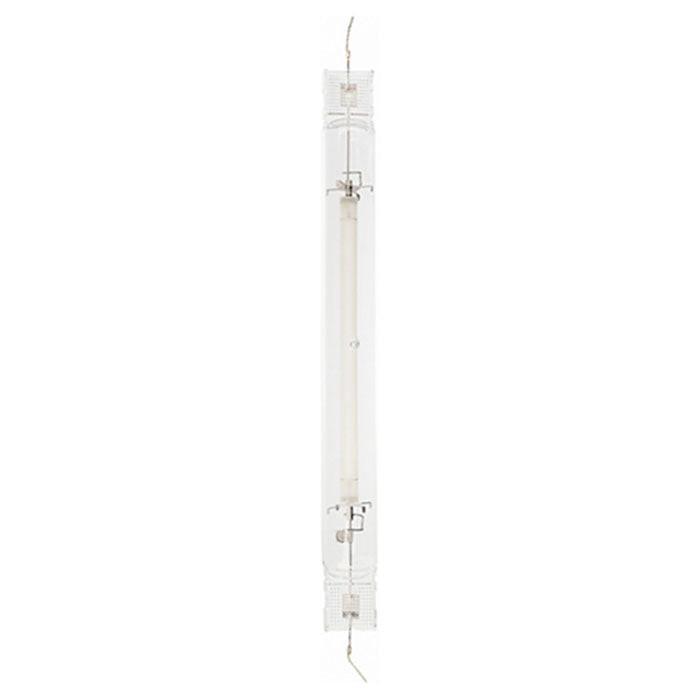
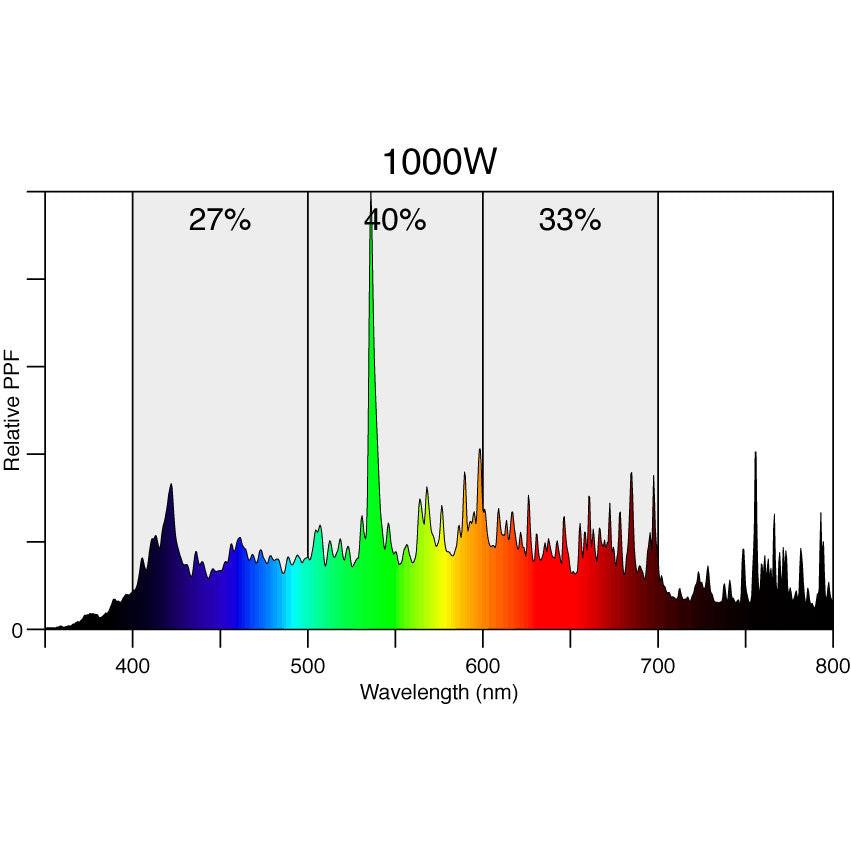
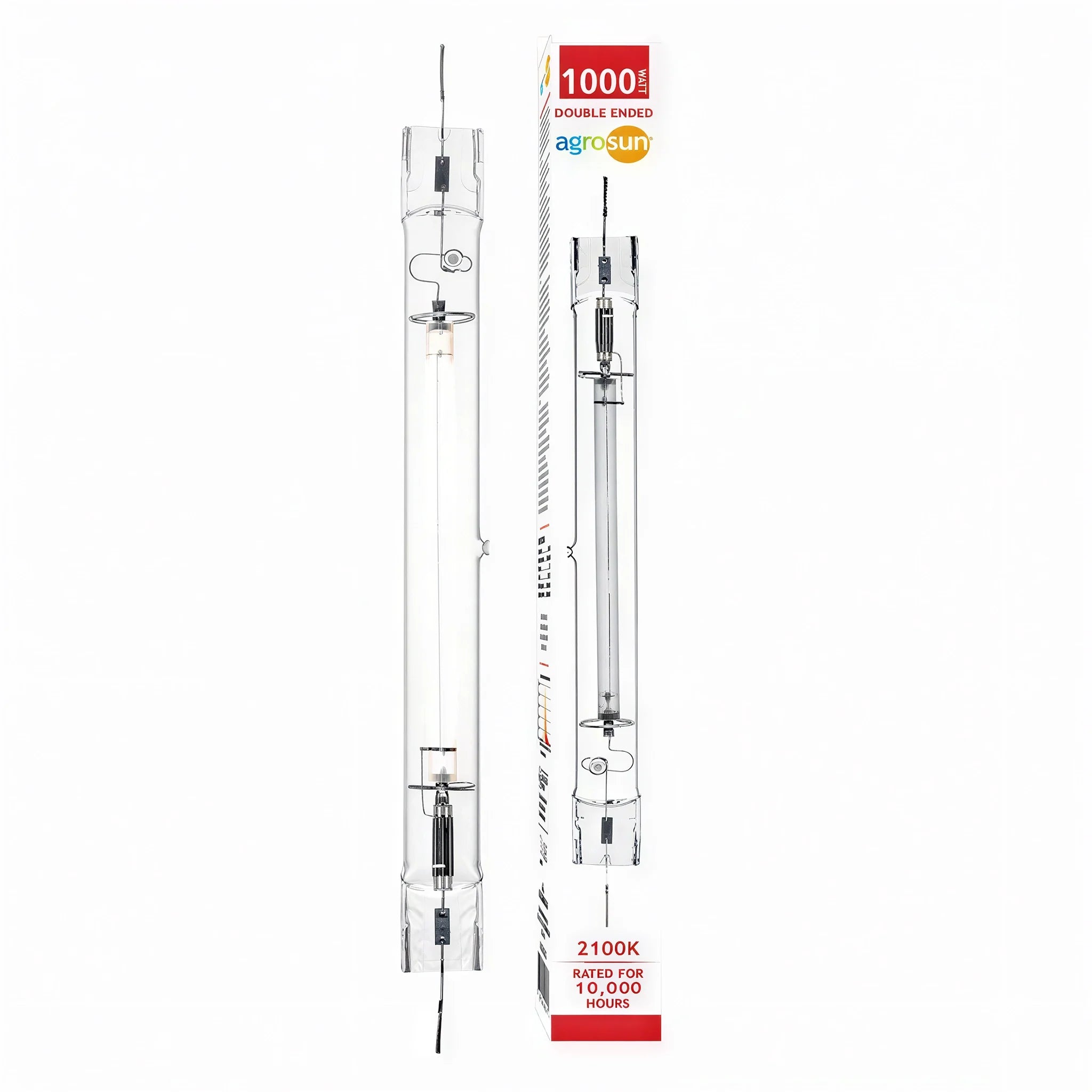
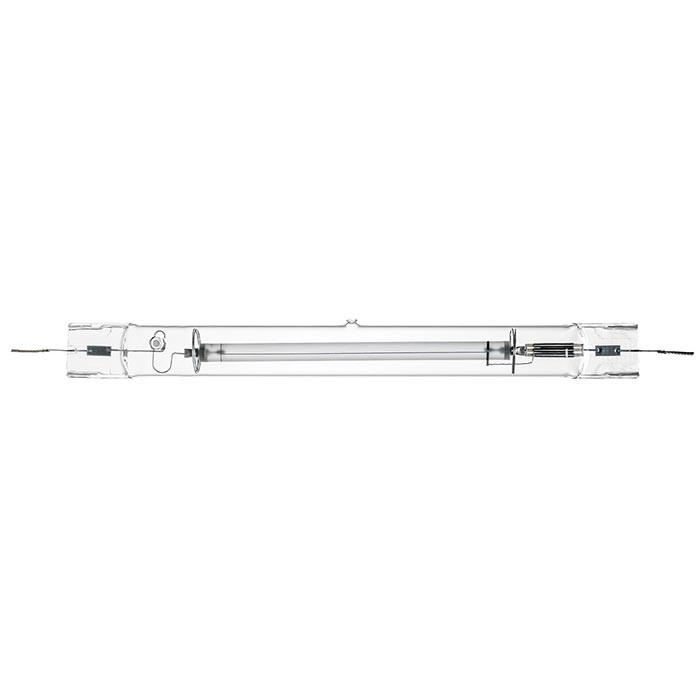
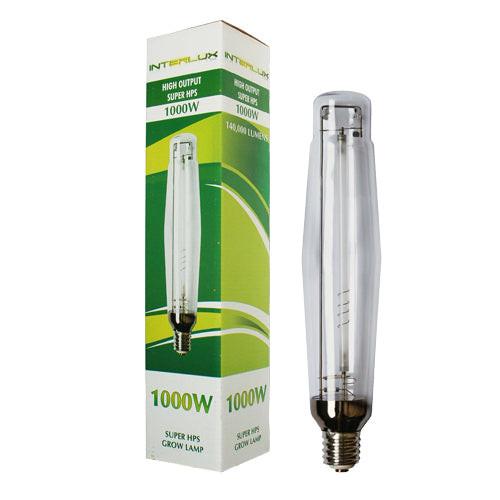
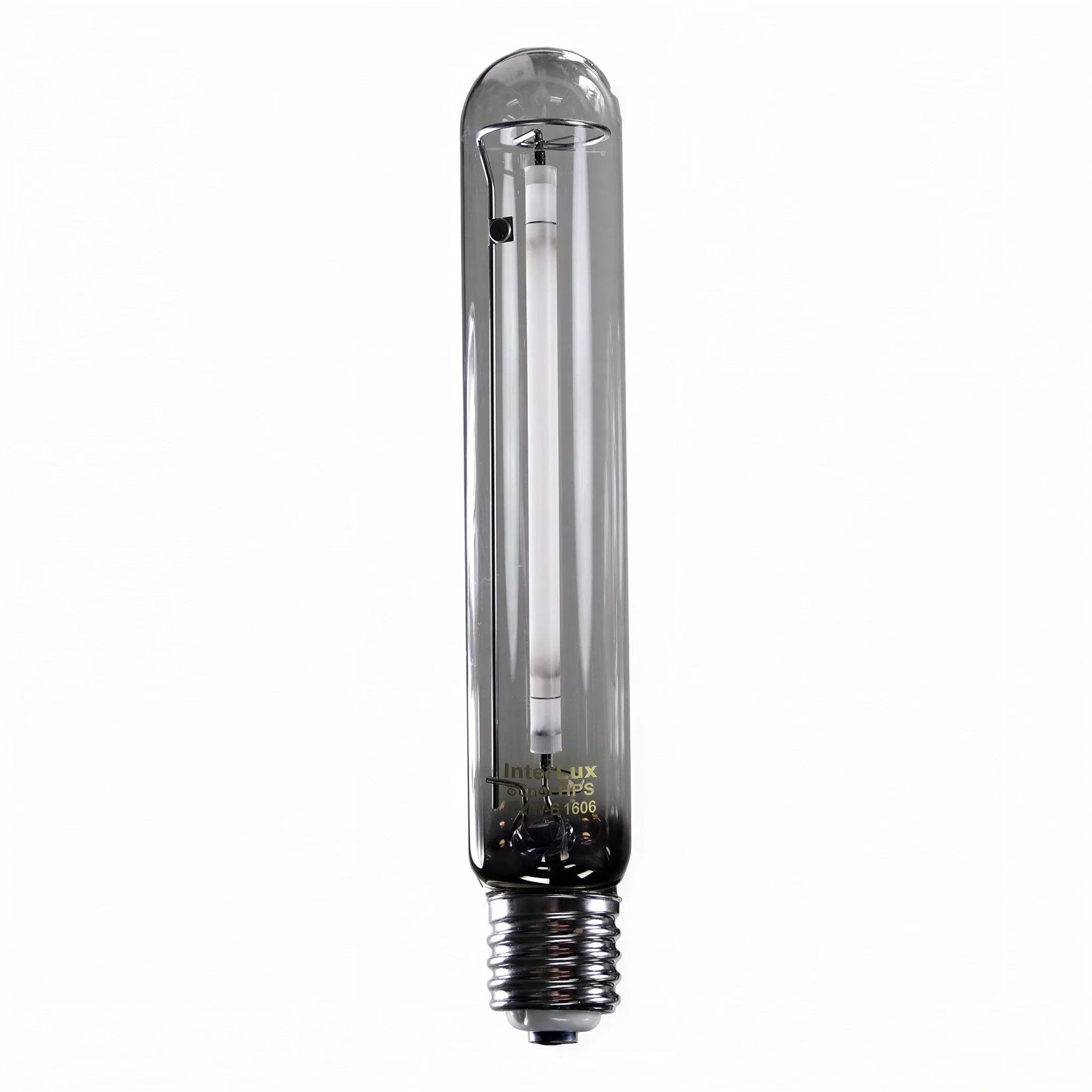
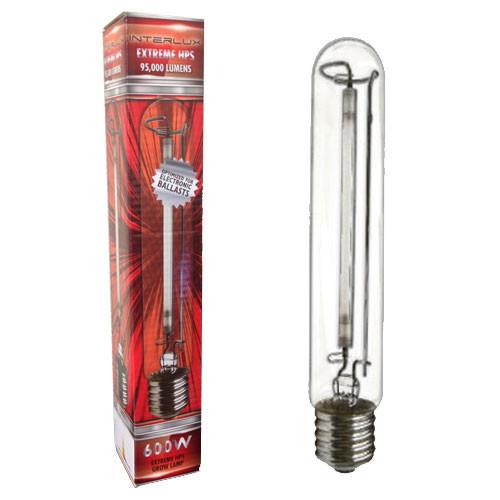
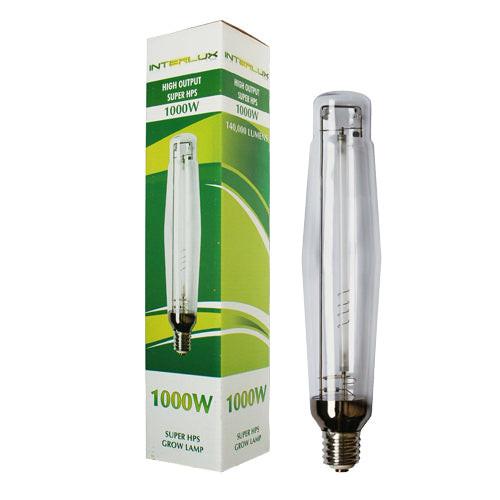
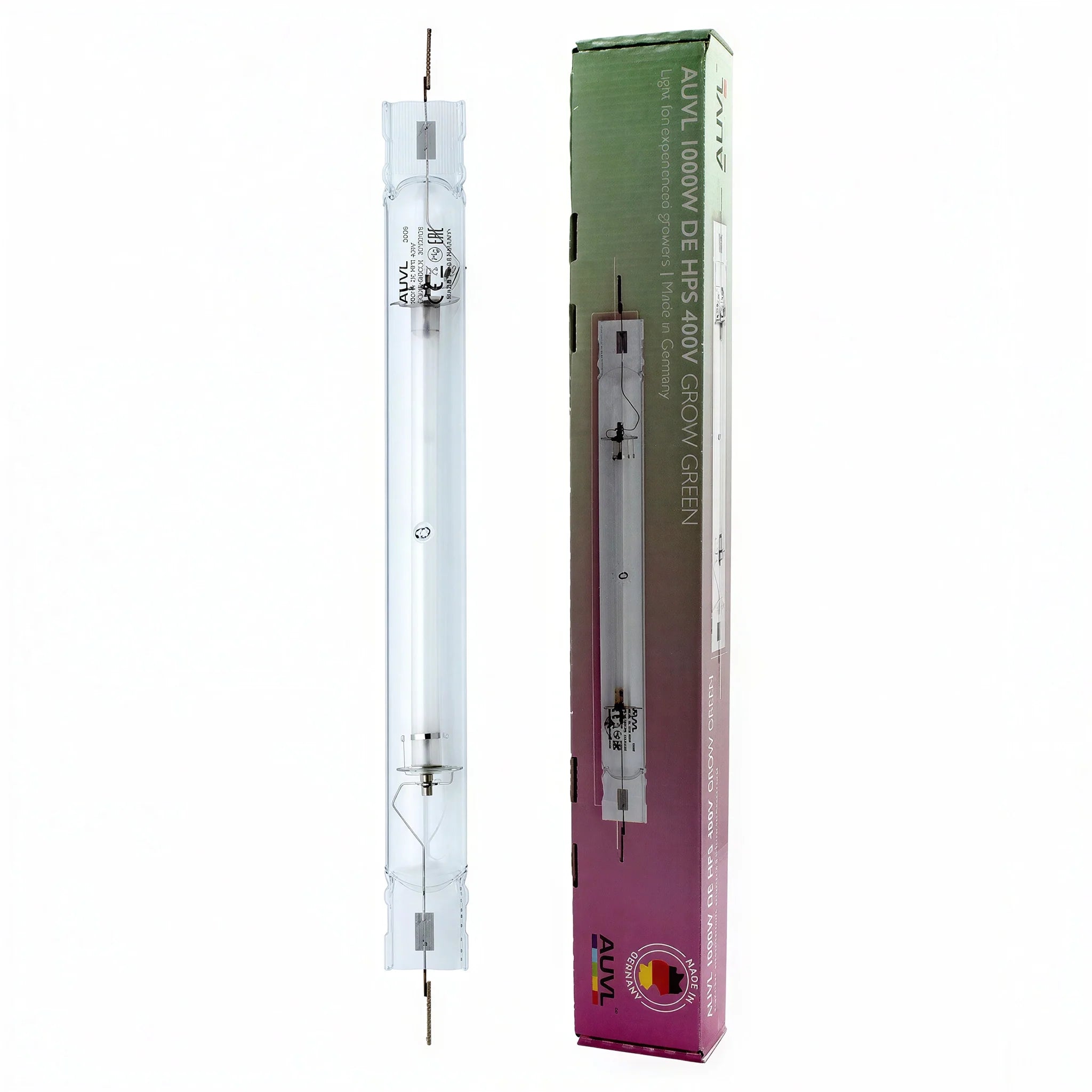
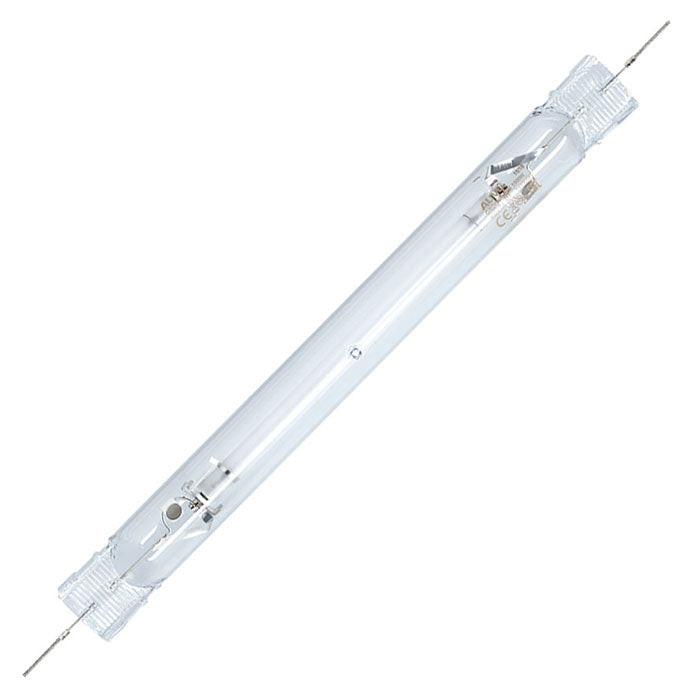
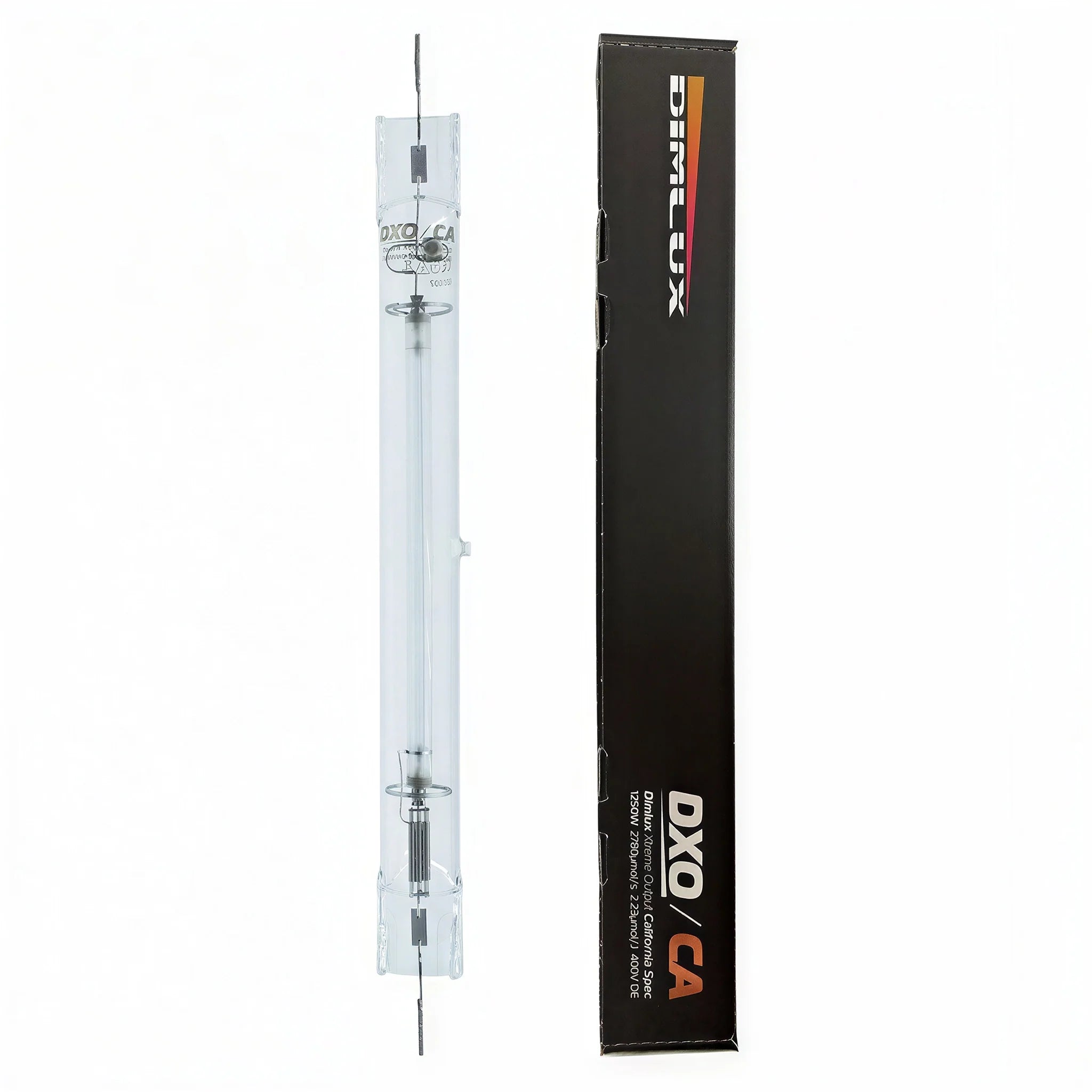
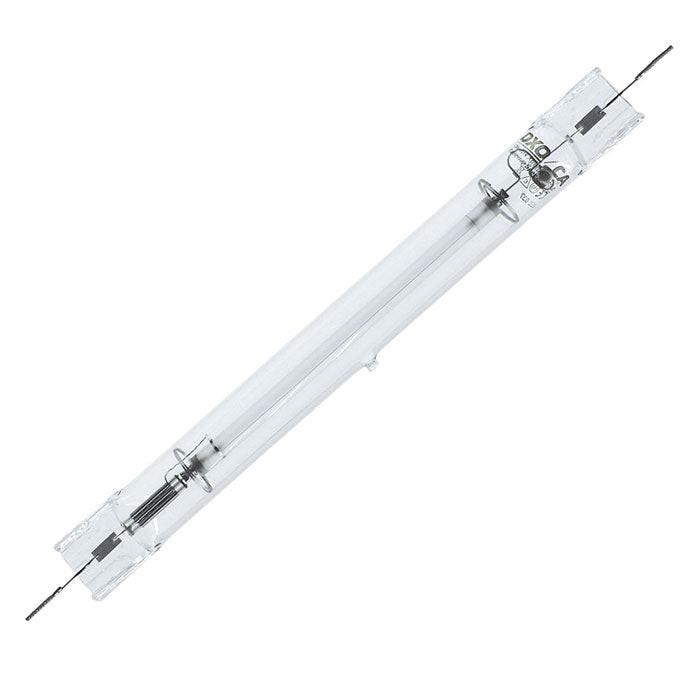
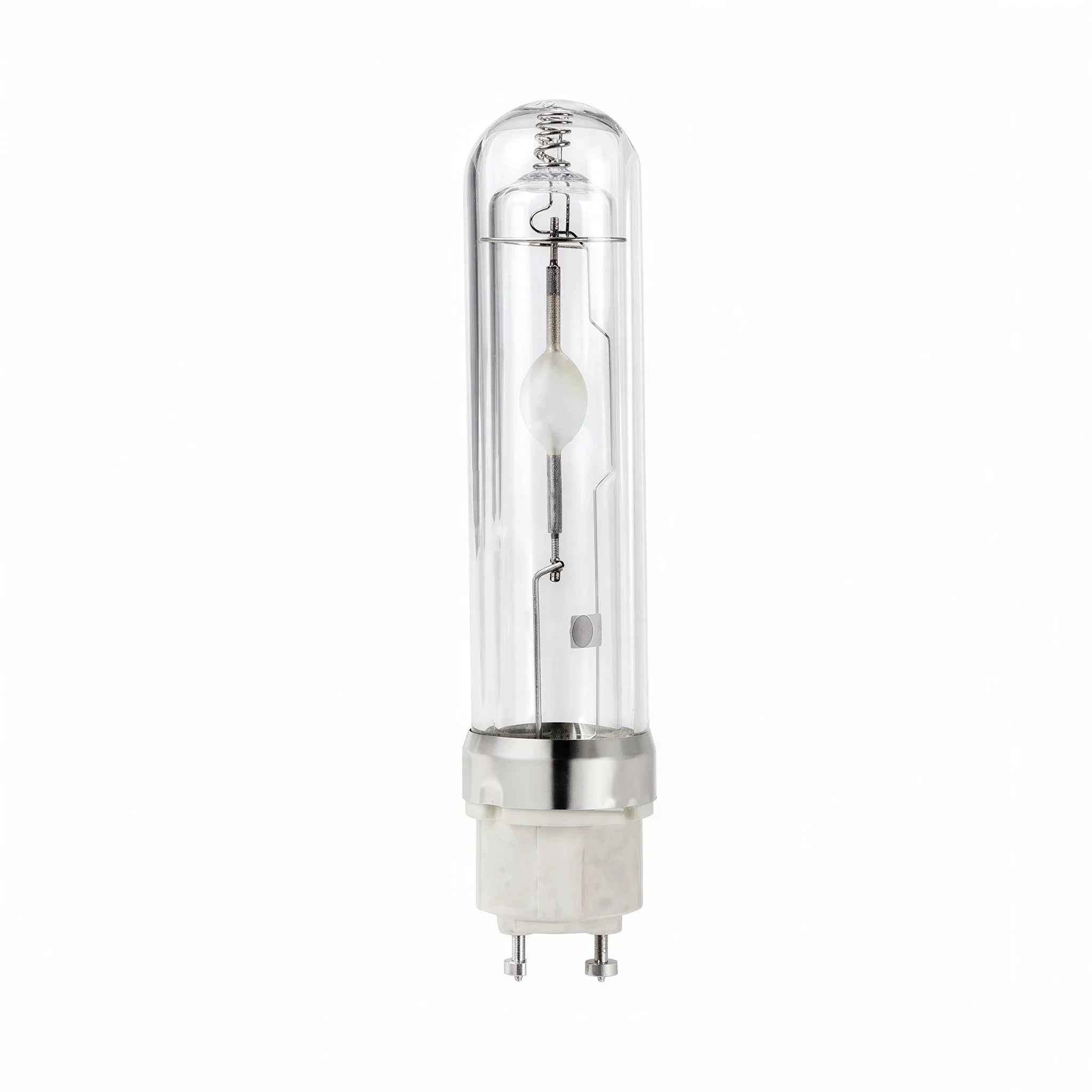
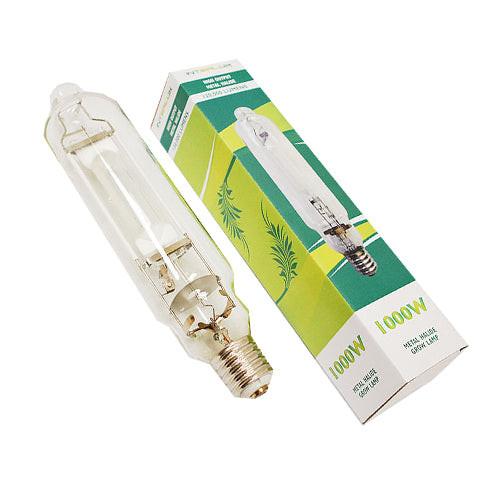
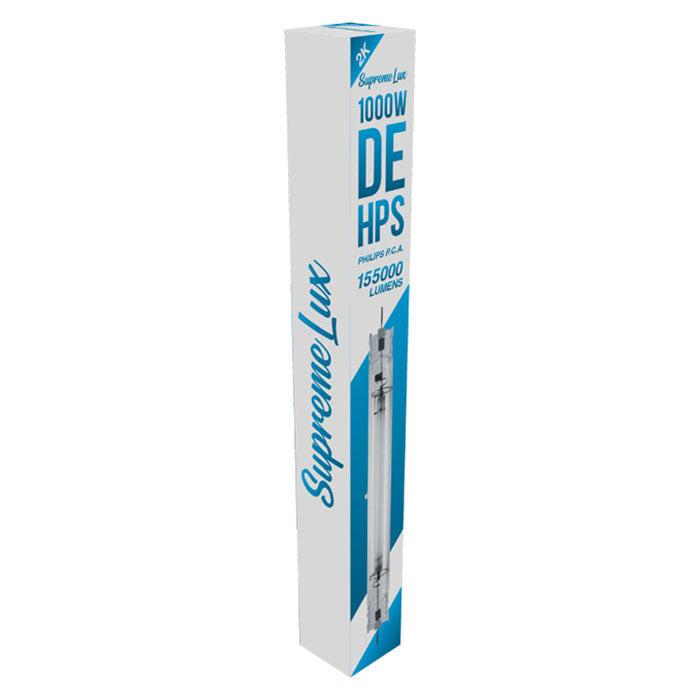
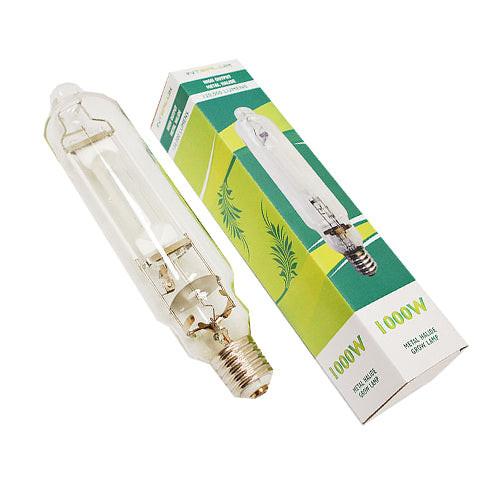
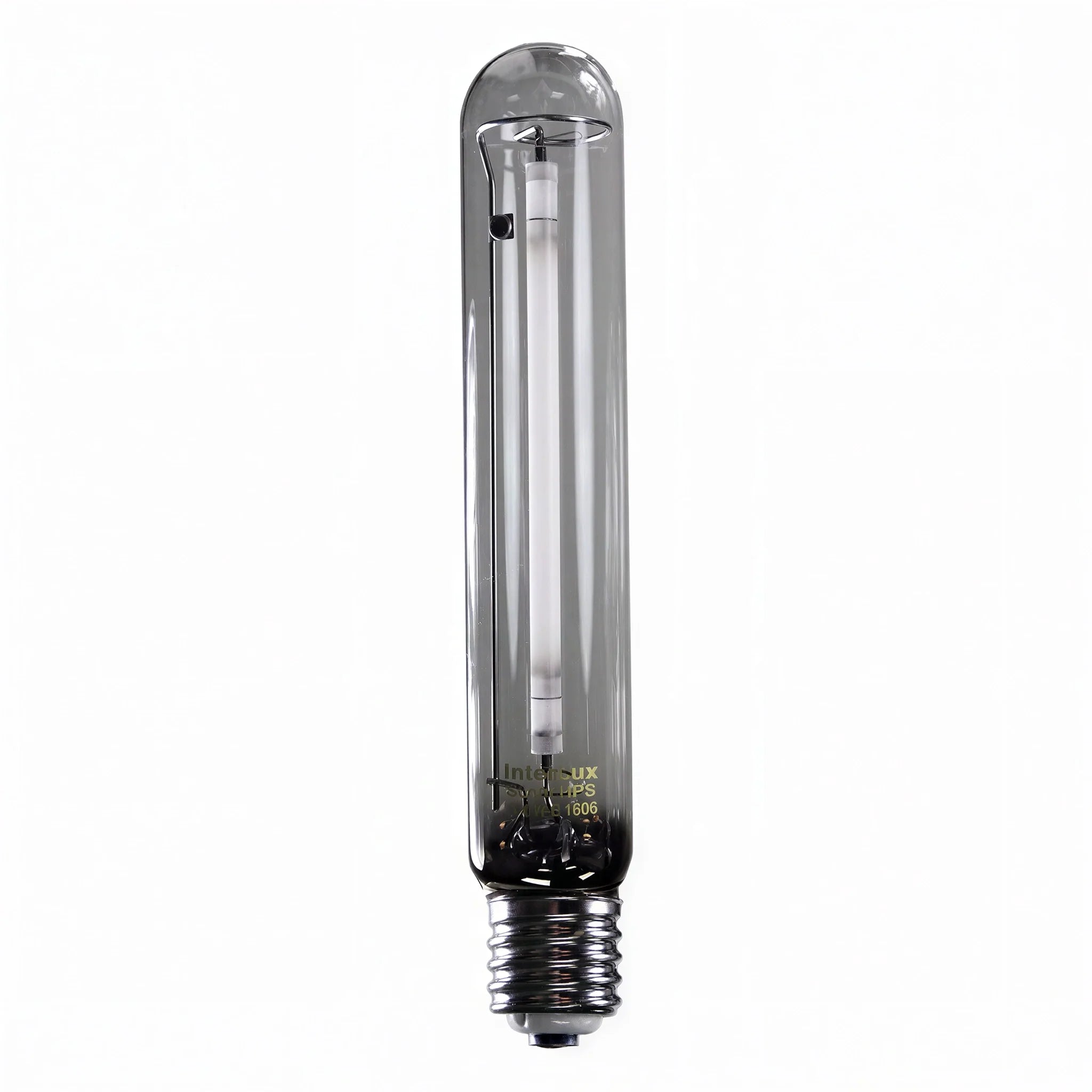
HPS bulbs (High Pressure Sodium) produce a yellow-orange spectrum dominant at 550-650nm - the standard flowering-stage bulb for commercial indoor production. Available in single-ended (SE, mogul E39 base) and double-ended (DE) formats; DE HPS produces approximately 10% more photons per watt and better lumen maintenance than SE. MH bulbs (Metal Halide) produce a blue-white spectrum better suited to vegetative growth; most digital HID ballasts support both HPS and MH bulbs for dual-stage programs. CMH/LEC bulbs (Ceramic Metal Halide) provide a broader, higher-CRI spectrum than standard HPS or MH - the 315W and 630W formats are the most common in indoor growing. Philips, Iluminar, and Ushio are the leading quality bulb brands for production HPS and CMH applications. Browse our complete HPS and MH grow lights collection for bulbs alongside complete fixtures.
Replacement Intervals
Replace HPS and MH bulbs every 10,000-12,000 hours of use (approximately 12 months at 12 hours/day) - even if the bulb still illuminates, lumen output has declined 20-30% by this point, reducing canopy PPFD meaningfully. CMH bulbs last 10,000-20,000 hours with better lumen maintenance. Fast shipping.
Grow Light Bulbs FAQ
How often should I replace my HPS grow light bulbs?
Replace HPS bulbs every 10,000-12,000 operating hours - approximately every 12 months in a room running 12 hours per day. The bulb continues to illuminate past this point but lumen output has declined 20-30% from initial levels, which translates directly to reduced PPFD at the canopy and lower production potential. Annual bulb replacement is standard practice in commercial HPS production rooms. Track bulb age with the start date on a piece of tape on the bulb or ballast, or use a running hour meter to track actual operating time.
Can I use any HPS bulb with any HPS ballast?
HPS bulbs are available in single-ended (SE) and double-ended (DE) configurations that are not interchangeable - SE bulbs use a mogul screw base and work in SE reflectors; DE bulbs have contacts at both ends and work only in DE-specific fixtures and ballasts. Within SE and DE categories, wattage must match the ballast rating (a 600W ballast requires a 600W bulb; using a 1000W bulb on a 600W ballast will not produce correct operating conditions). Manufacturer recommendations for bulb and ballast pairing should be followed - Philips, Ushio, and Iluminar specify compatible ballast types for their bulbs.
What is the difference between HPS and MH bulbs?
HPS (High Pressure Sodium) bulbs produce a yellow-orange spectrum (peak at 590nm) with low blue output - well-matched to the flowering stage where red and far-red spectrum drives photosynthesis and flowering response. MH (Metal Halide) bulbs produce a blue-white spectrum (broader coverage including 400-500nm blue) that supports compact vegetative growth with shorter internodes and stronger stems. Most growers who use HID lighting use MH during the vegetative stage and switch to HPS for flowering, using a digital ballast that supports both bulb types.
Are aftermarket grow light bulbs as good as Philips or Ushio?
Brand quality matters significantly for grow light bulbs. Philips, Ushio, and Iluminar are the standard quality references for production HPS and CMH because their bulbs deliver documented lumen output, consistent color temperature, long rated life, and reliable ballast compatibility. Generic and budget HPS bulbs from unknown manufacturers frequently underperform rated specifications, have inconsistent lumen output between individual bulbs, and have shorter effective lives. For production growing where light output directly affects yield, the premium of brand-name bulbs is justified by the production consistency they provide.
Do grow light bulbs need to warm up before reaching full output?
HID grow light bulbs (HPS, MH, CMH) require a warm-up period after initial ignition before reaching full output. HPS: approximately 2-5 minutes to reach 90% output. MH: 2-5 minutes. CMH: 3-5 minutes. During warm-up the bulb cycles through visible color changes as the arc tube reaches operating temperature and pressure. HPS bulbs must also cool down completely before re-striking after shutdown - attempting to re-ignite a hot HPS bulb immediately after shutdown fails because the arc tube pressure is too high. Allow 10-20 minute cool-down before restarting. LED fixtures have no warm-up or cool-down requirements.