Measuring Devices, Scales & Precision Tools for Growing
Precision measuring devices are the instruments that make consistent, repeatable results possible in nutrient preparation, growing media assessment, and harvest processing. Measuring nutrient weights accurately to the gram ensures the same nutrient concentration batch-to-batch; calibrated moisture meters confirm substrate water content at the precision needed for data-driven irrigation decisions; and accurate scales verify case pack weights, harvest yields, and tare weights for production tracking. In any growing program where reproducibility matters -- commercial production, dialed-in hobby programs, or research applications -- precise measurement tools are as important as the nutrients and equipment they support.
Scales for Nutrient Mixing
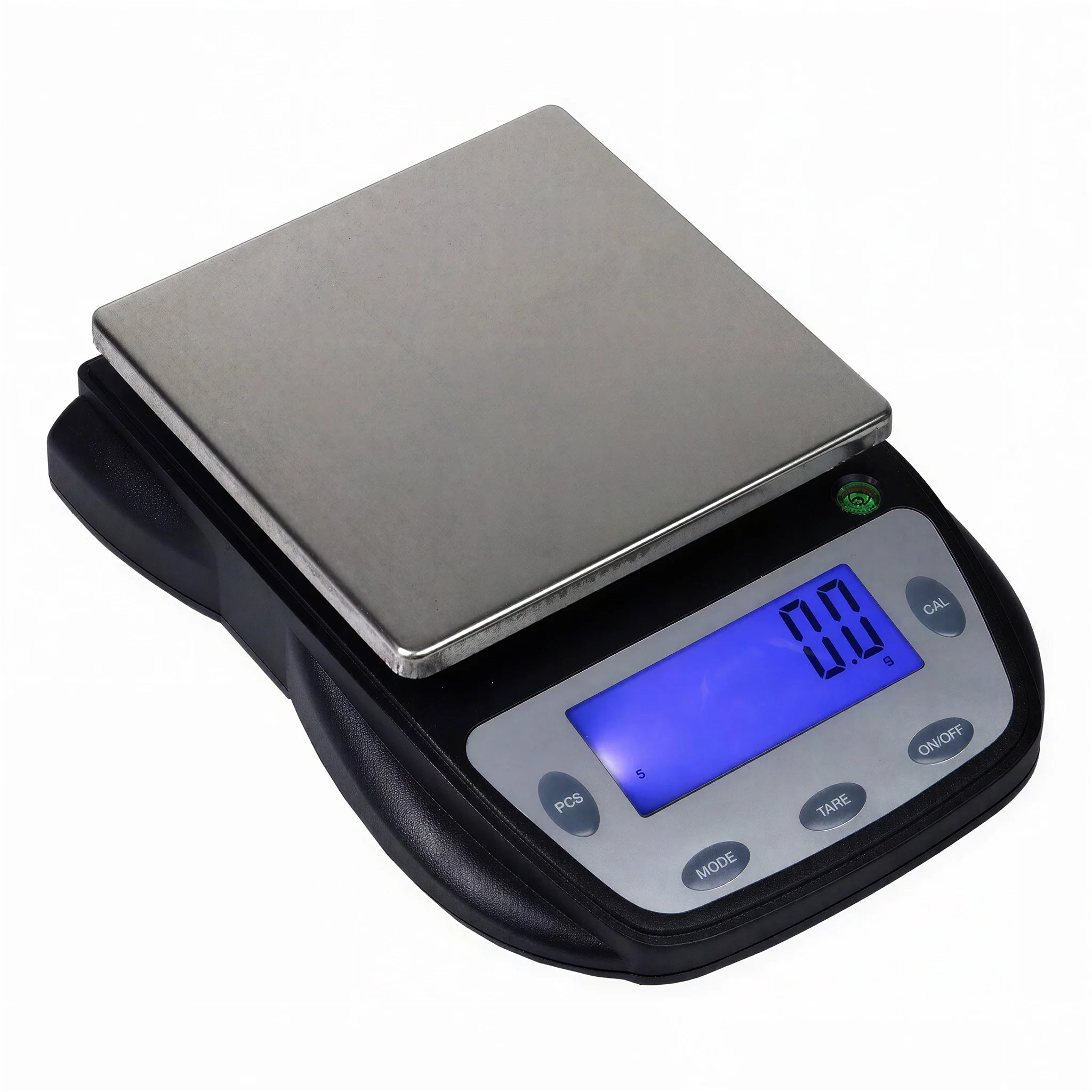
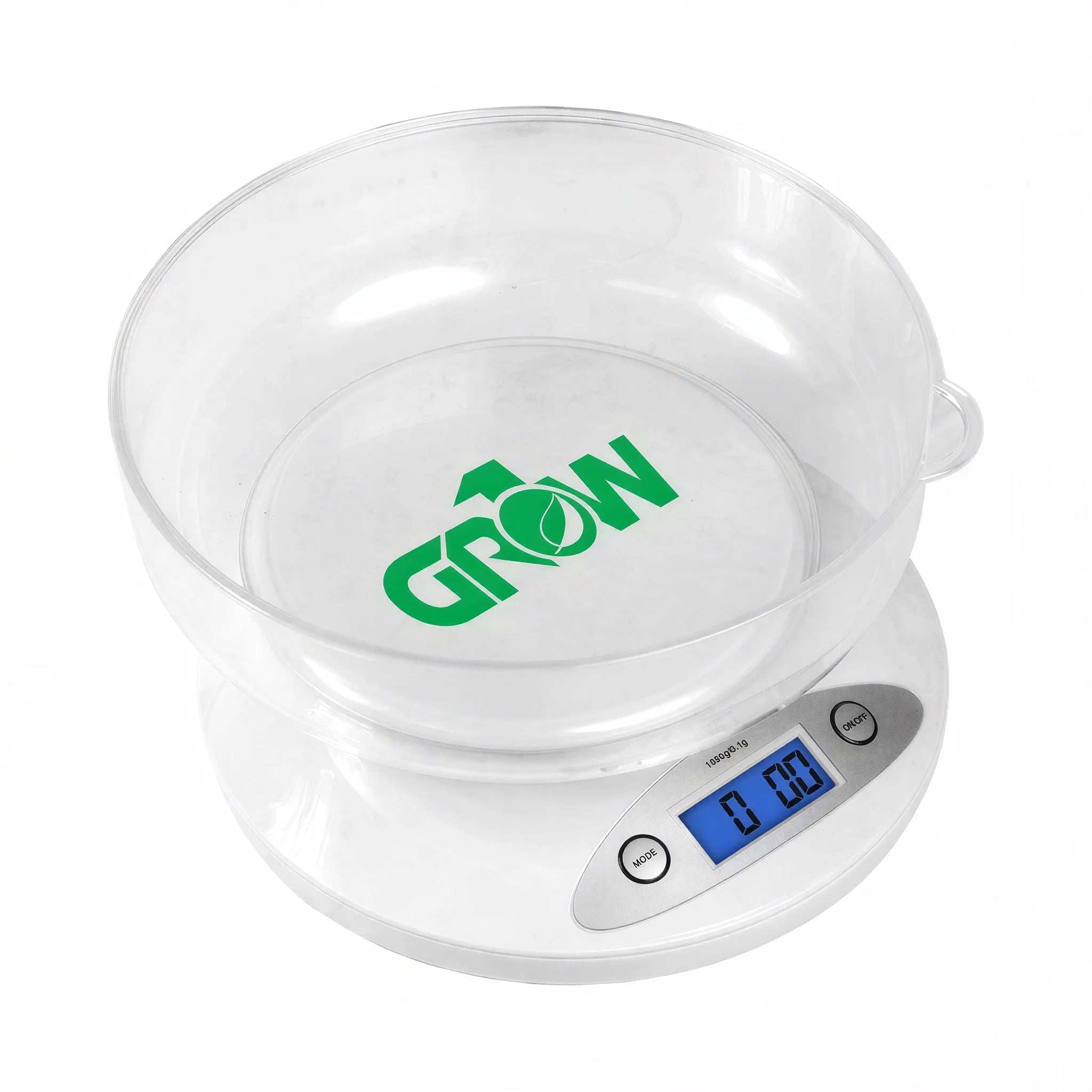
Gram-accurate pocket scales (0.1g resolution) and precision lab scales (0.01g resolution) allow mixing single-ingredient mineral nutrients and dry amendments by weight rather than by volume -- the only method that produces consistent results when nutrient concentration needs to be exact. Volume measurements with spoons and cups introduce 10-30% variability depending on how loosely or tightly packed the powder is; weight measurements are repeatable to within the scale's stated accuracy regardless of powder density. For commercial nutrient mixing programs using bulk mineral salts, a bench-top scale with 0.1g accuracy and a 500g-2kg capacity range covers most mixing tasks. Browse our complete meters and testing collection for scales alongside EC, pH and environmental meters.
Substrate Moisture Meters
Substrate moisture meters measure the volumetric water content (VWC) of growing media -- providing an objective reading of how wet or dry the root zone is at any point between irrigation events. Integrated alongside EC and pH measurement, substrate moisture data completes the picture of root zone conditions needed for precision irrigation management. Fast shipping.
Measuring Devices FAQ
What scale resolution do I need for mixing nutrients?
For mixing dry nutrients and amendments: 0.1g resolution is adequate for most hobby and small commercial applications where you are measuring doses of 5g or more. For measuring micro-doses of trace elements, pH adjustment powders, or enzyme concentrates where a single dose may be 0.5-2g, 0.01g (10mg) resolution is needed for meaningful accuracy. Pocket digital scales in the 0.01g resolution class are inexpensive and cover the full range of precision mixing needs for most growing programs.
What is a substrate moisture meter and how does it work?
A substrate moisture meter measures the volumetric water content (VWC) of growing media by inserting sensor probes into the substrate and measuring the dielectric permittivity of the material between the probes -- water has a much higher dielectric constant than air or dry substrate, so the measurement translates directly to water content. High-accuracy sensors like the Decagon/METER TEROS series report VWC as a percentage with 1-3% accuracy. Lower-cost consumer moisture meters use simpler resistance-based measurement and are adequate for indicating relative wet/dry conditions but not for precision crop steering programs requiring specific VWC targets.
Do I need a refractometer for nutrient solutions?
Refractometers measure the refractive index of a liquid, which relates to dissolved solids content -- they are used in growing applications primarily for monitoring nutrient concentration in sap (Brix measurement as a plant health indicator) and for verifying nutrient solution concentration as a cross-check against EC measurement. An EC meter is the primary nutrient solution measurement tool for hydroponic growing; a refractometer provides complementary data for sap analysis programs and specialty crops where Brix is tracked as a quality metric. Standard gardening refractometers measure 0-32 Brix and do not require calibration as frequently as EC probes.
How do I calibrate a digital scale for nutrient mixing?
Digital scales calibrate using a known reference weight. Most pocket and bench scales include a calibration mode accessible through a button combination -- the scale prompts for a specific reference weight (typically 100g or 200g), you place the calibration weight on the platform, confirm, and the scale adjusts its internal reference. Calibration weights in the appropriate mass should be verified against a known standard periodically. Check calibration before any critical measurement session by weighing a known reference object -- a new coin or small hardware item of known weight works as a quick field check.
What should I use to measure nutrient solution volume accurately?
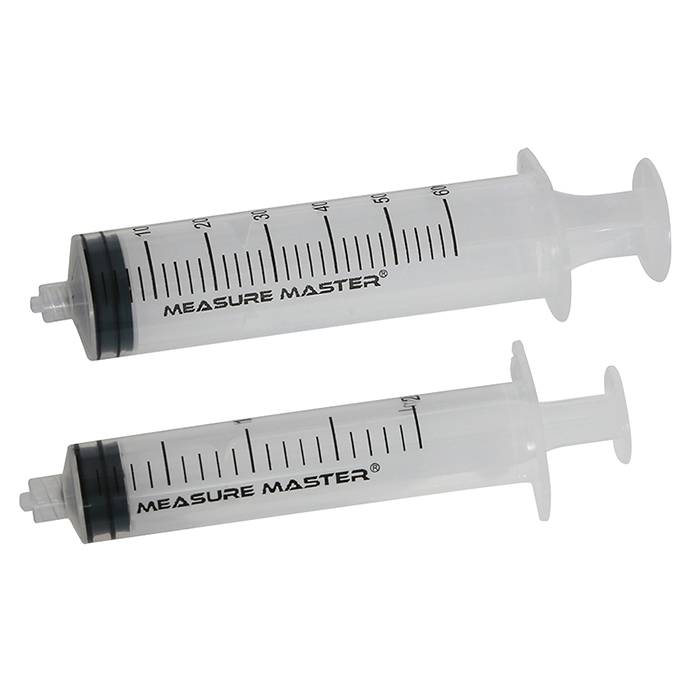
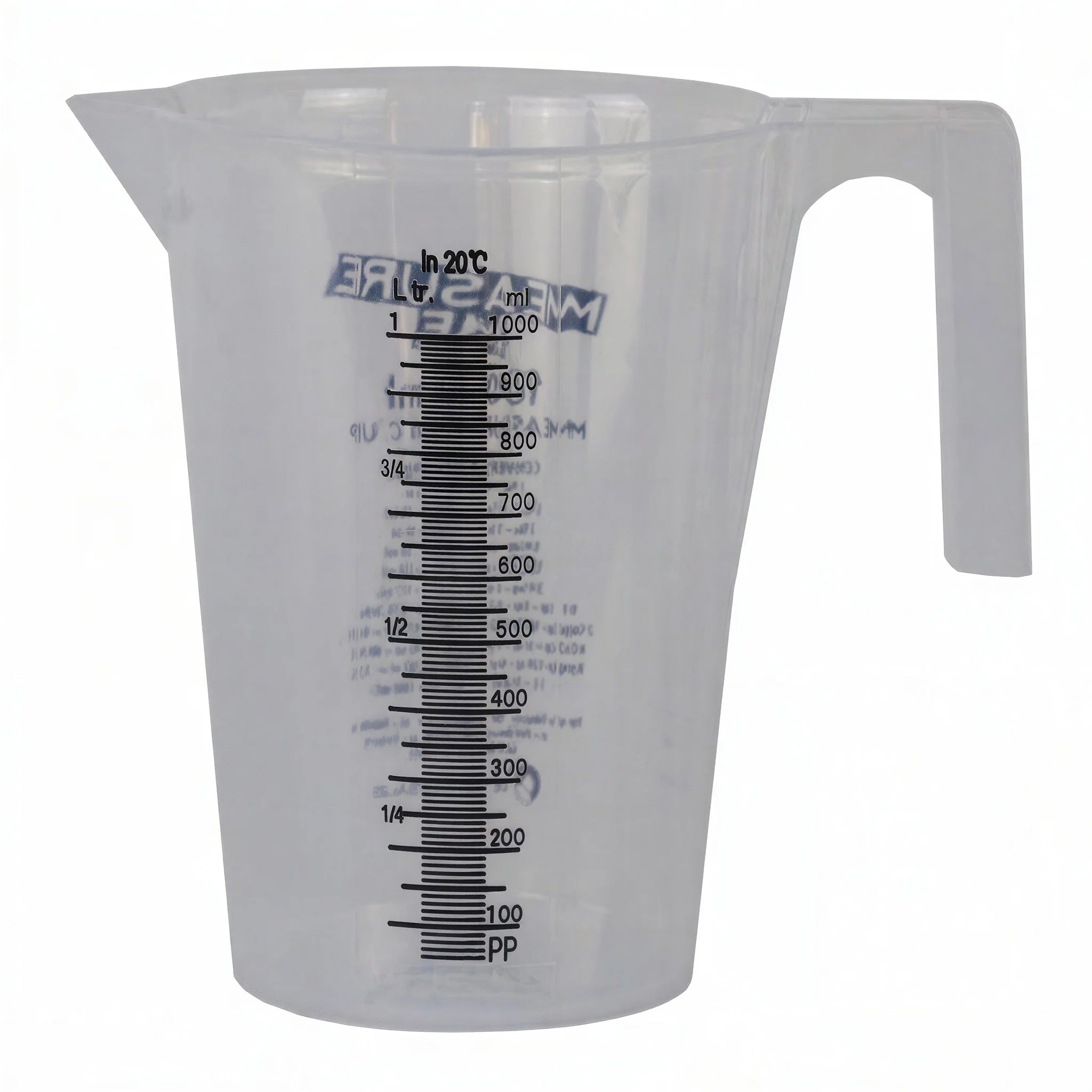
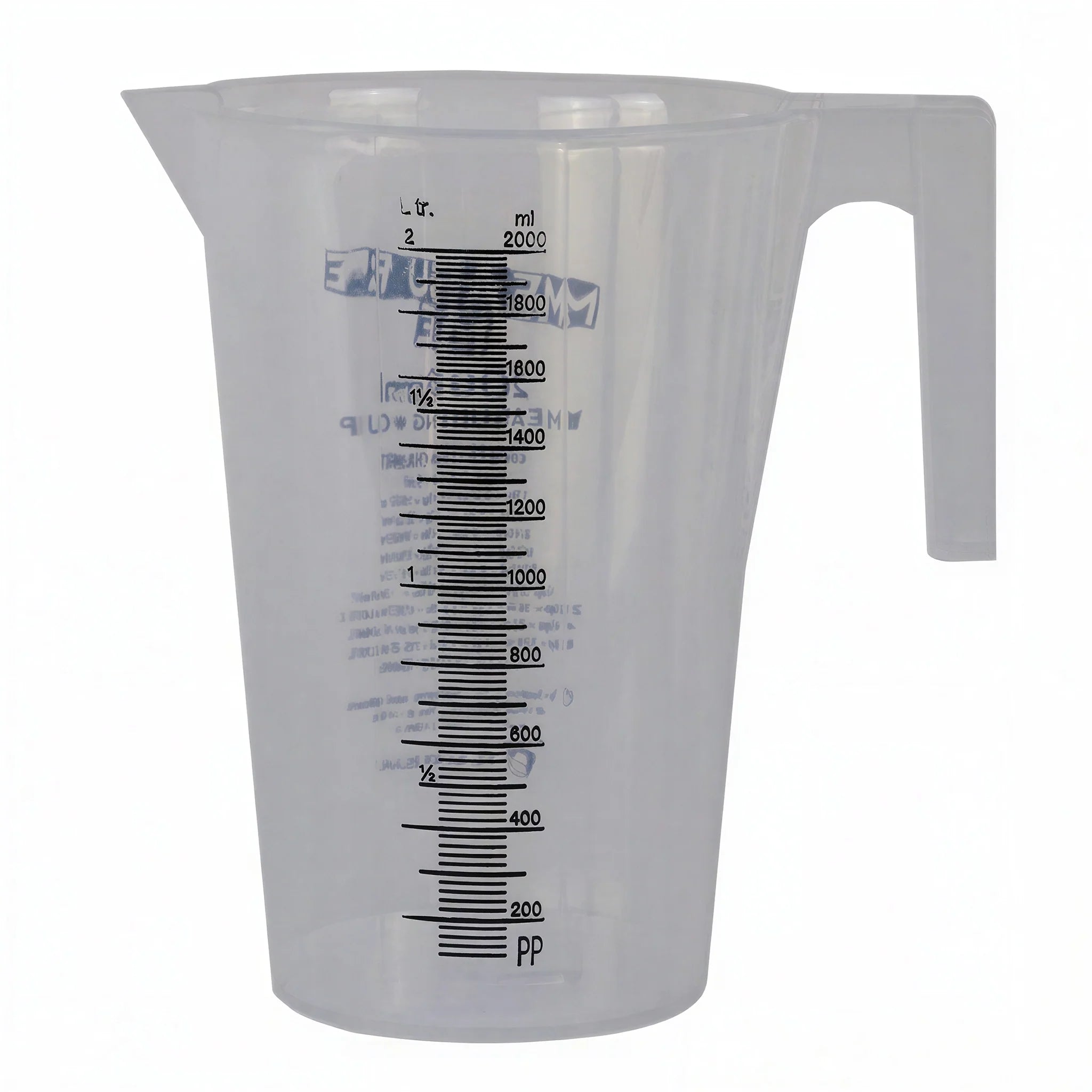
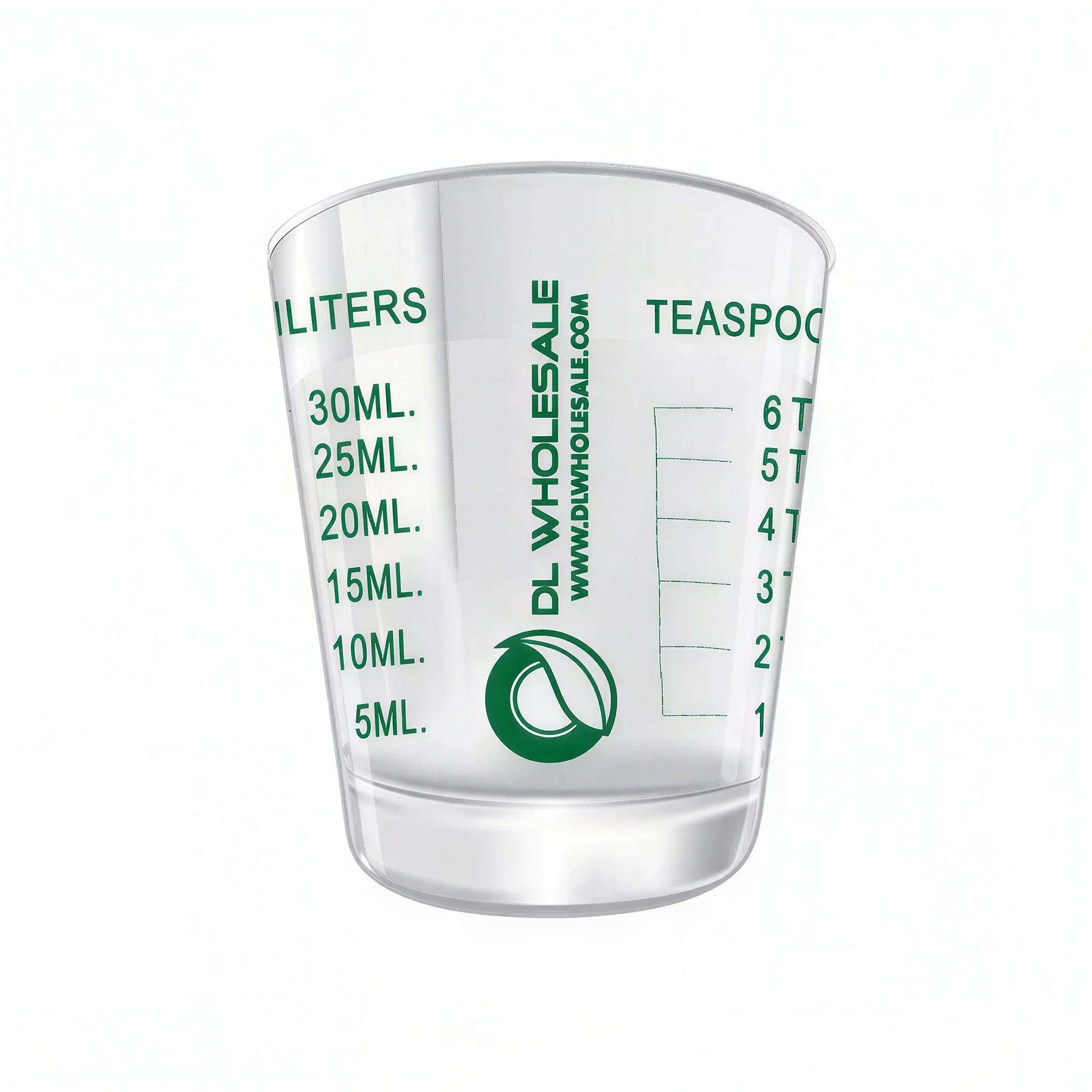
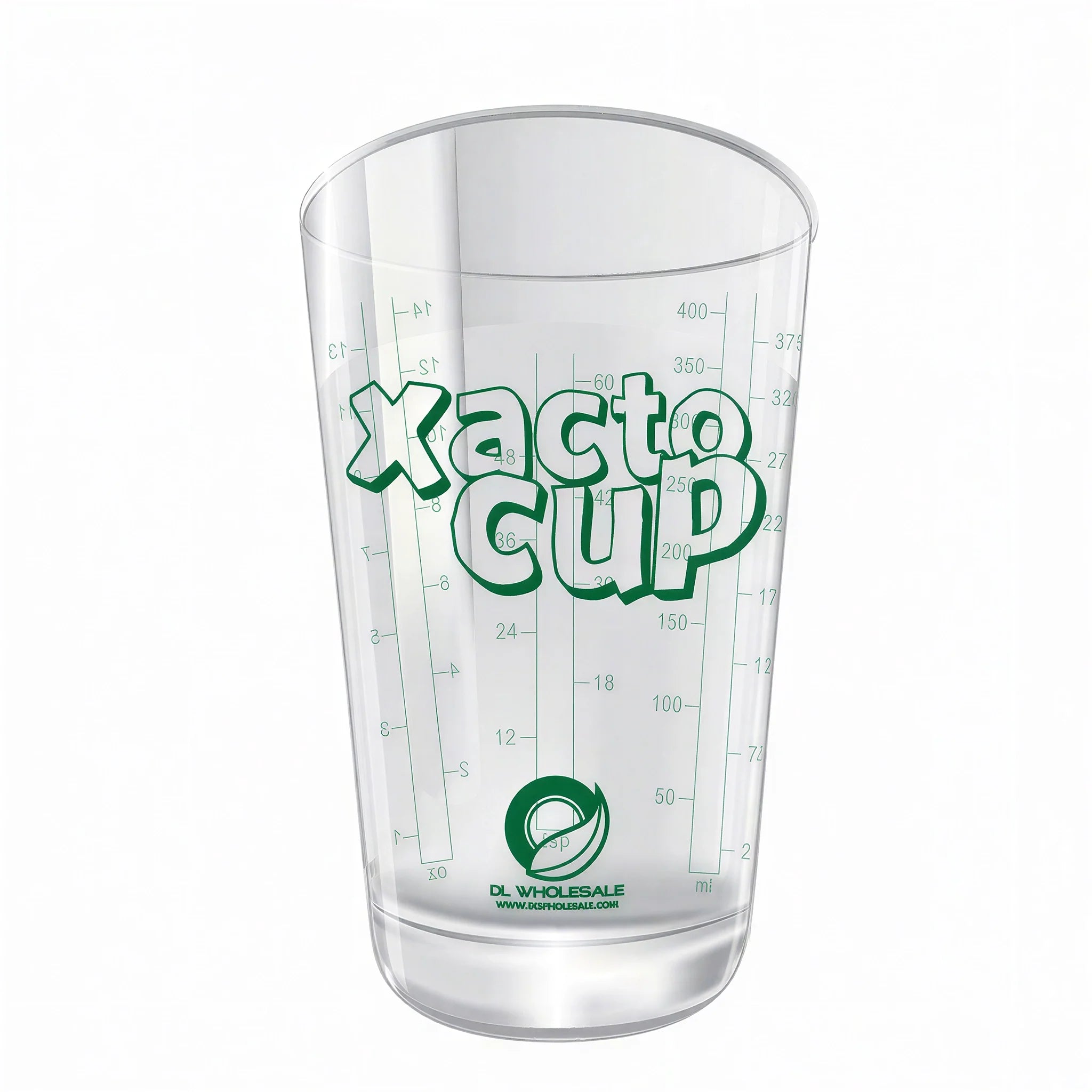
For small volumes (1-50ml): graduated pipettes, plastic syringes, or calibrated dropper bottles provide accurate liquid measurement. For medium volumes (50ml-1L): graduated measuring cylinders or beakers provide adequate accuracy for most nutrient mixing. For large reservoir volumes: a calibrated fill-line on the reservoir vessel is the most practical approach -- mark the vessel at known fill increments using a graduated container. Digital scales can measure liquid volume by weight (1ml of water = 1g), which is often more accurate than graduated cylinders for small volumes in the 1-50ml range.