Grow Room Monitors - Temperature, Humidity & VPD Sensors
Grow room monitors are the diagnostic instruments that tell you what is actually happening in your growing environment rather than what your equipment settings suggest should be happening. A temperature/humidity sensor positioned at canopy level - not adjacent to a dehumidifier intake or floor level - shows actual conditions where plants live - which can differ significantly from readings at an equipment inlet, at floor level, or assumed from a thermostat setpoint. Accurate, real-time environmental monitoring is the prerequisite for effective climate control: you cannot manage what you are not measuring.
Temperature & Humidity Sensors
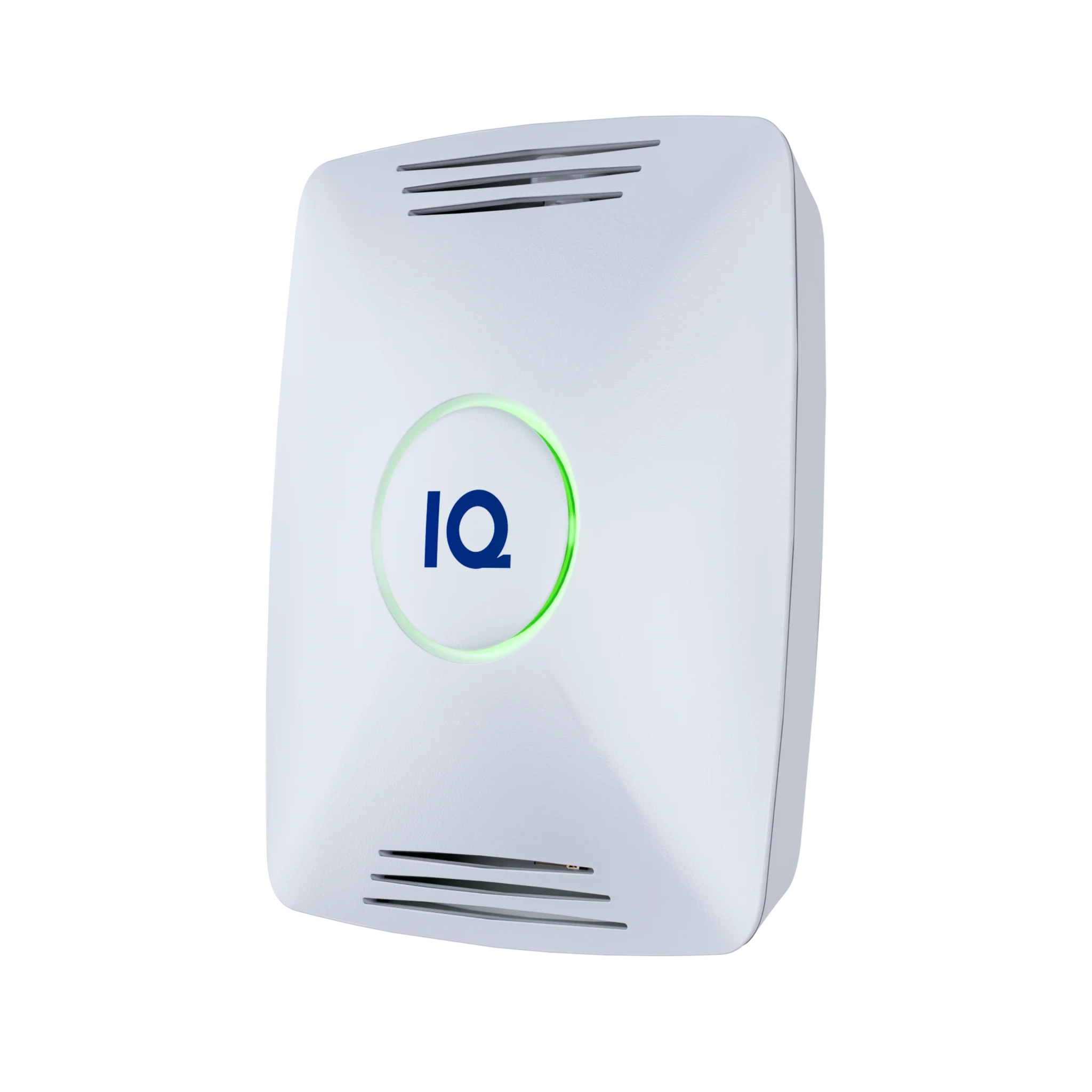
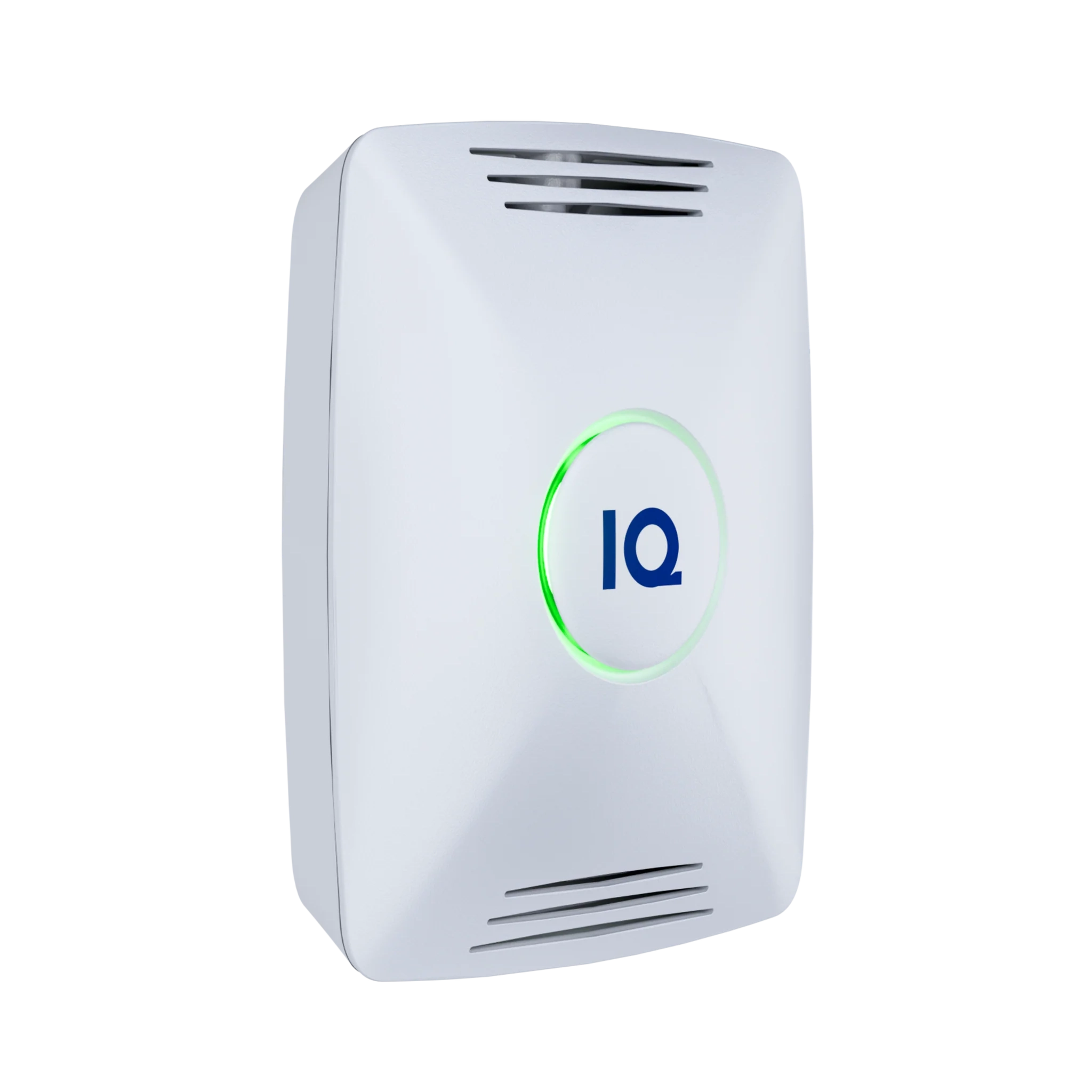
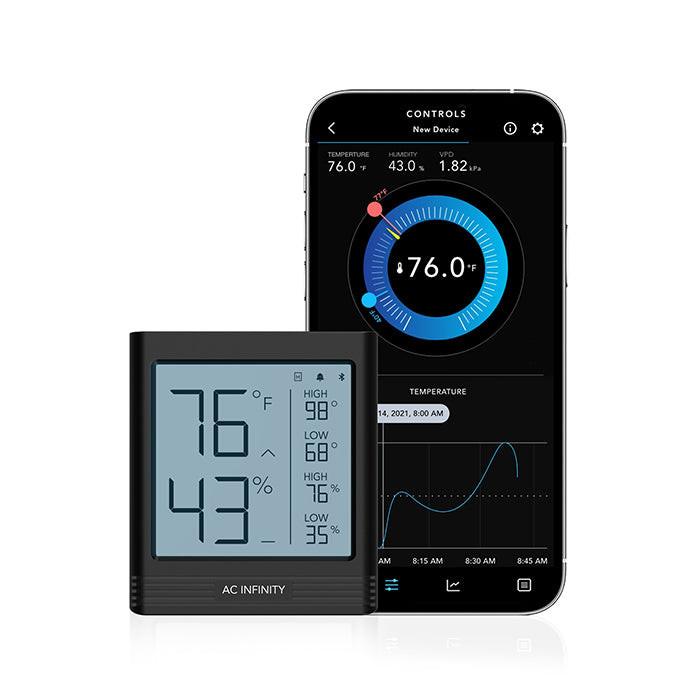
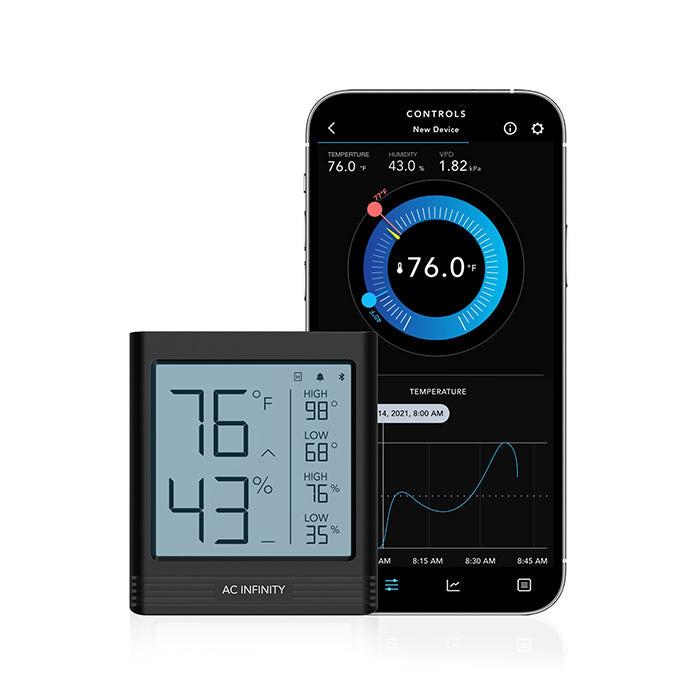
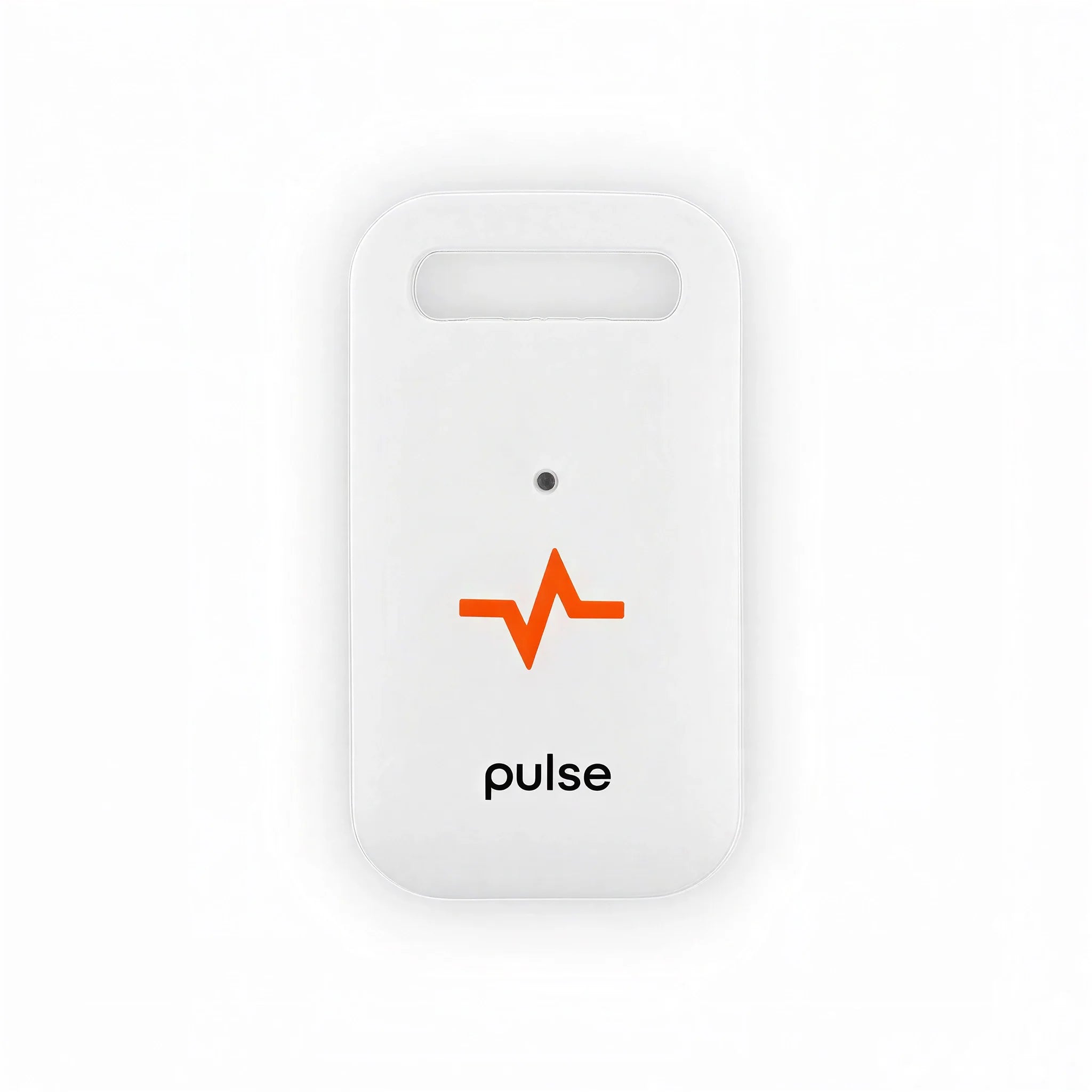
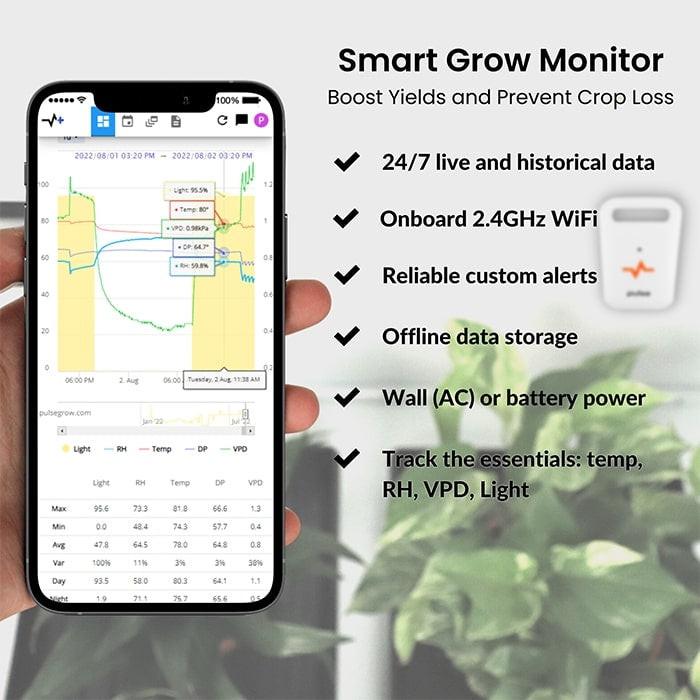
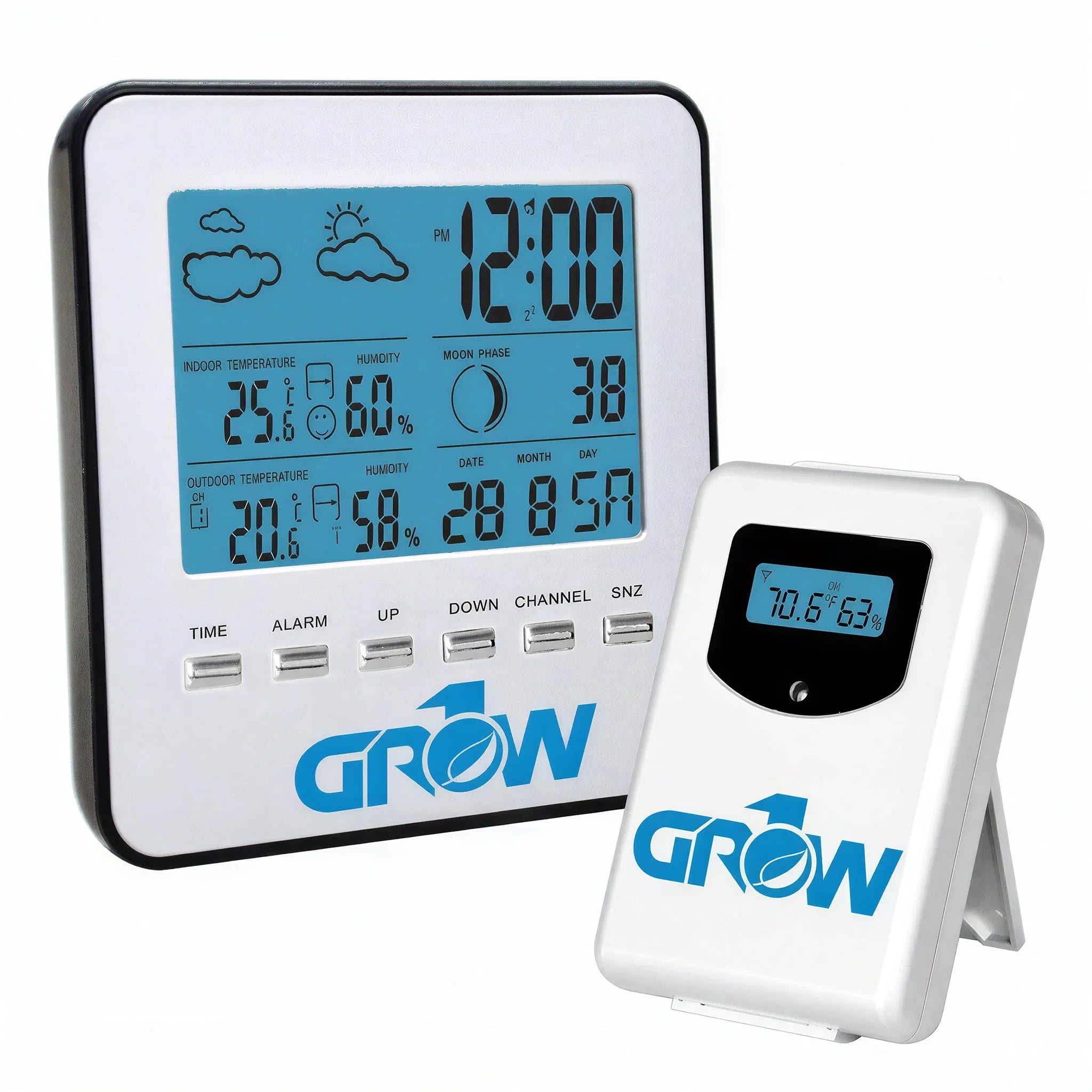
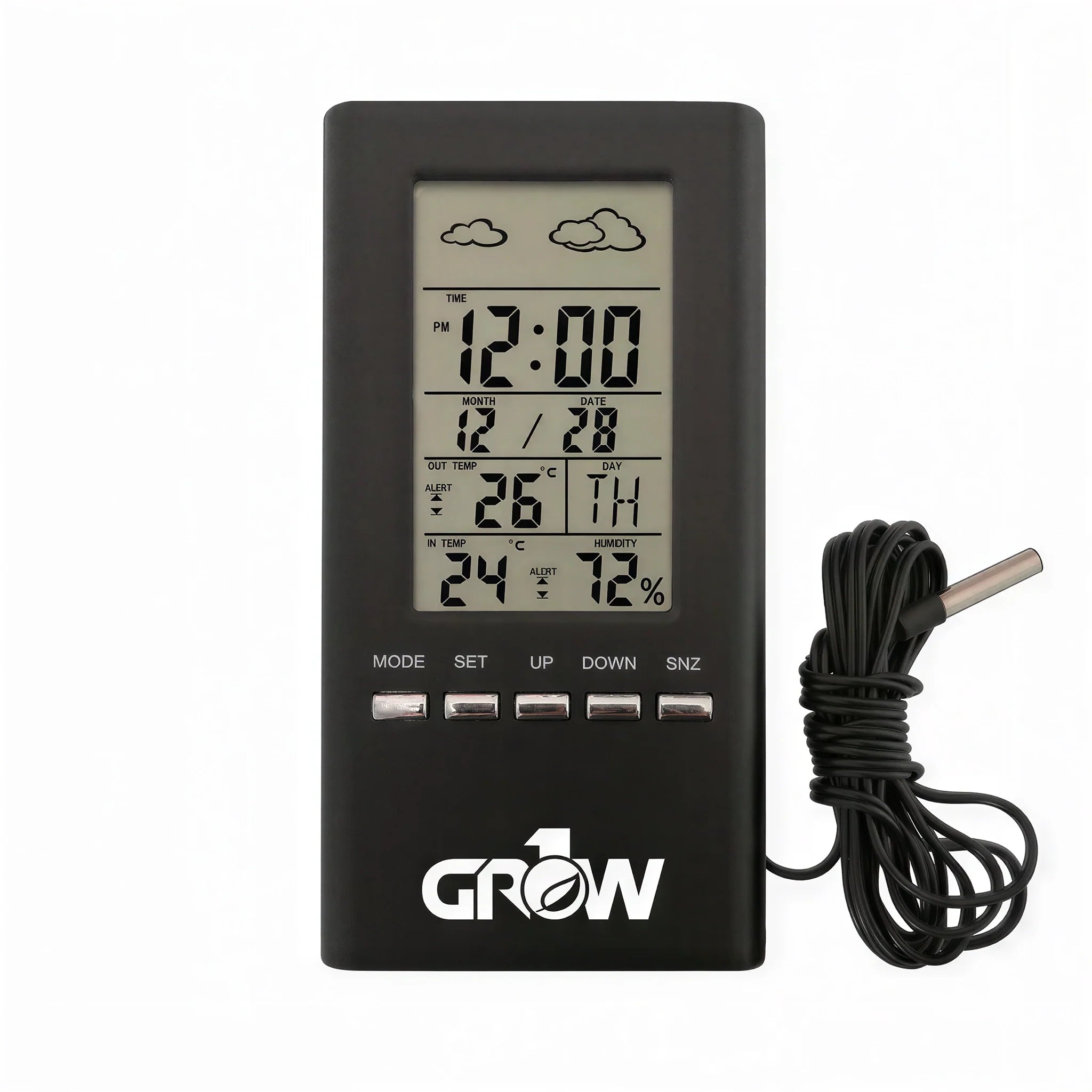
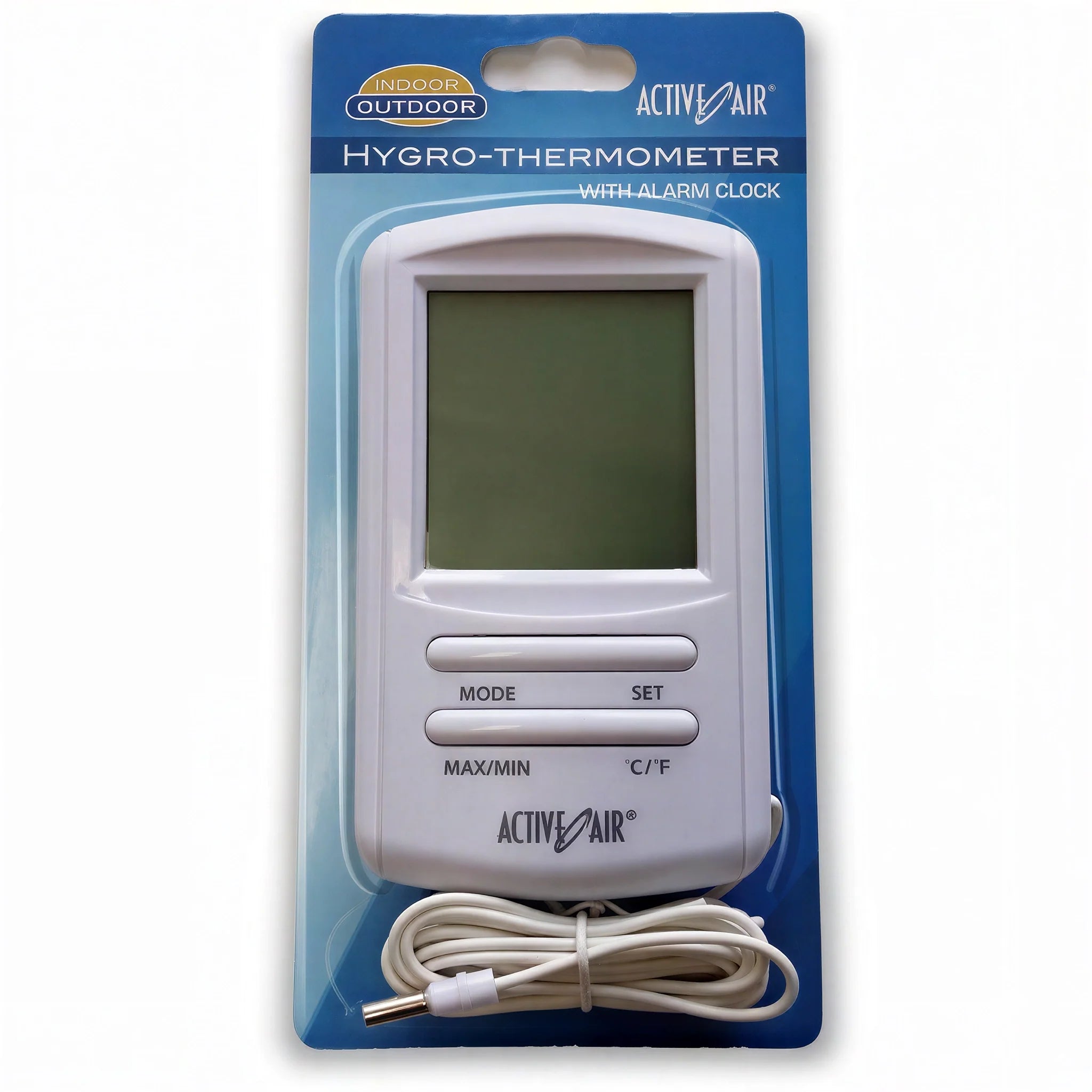
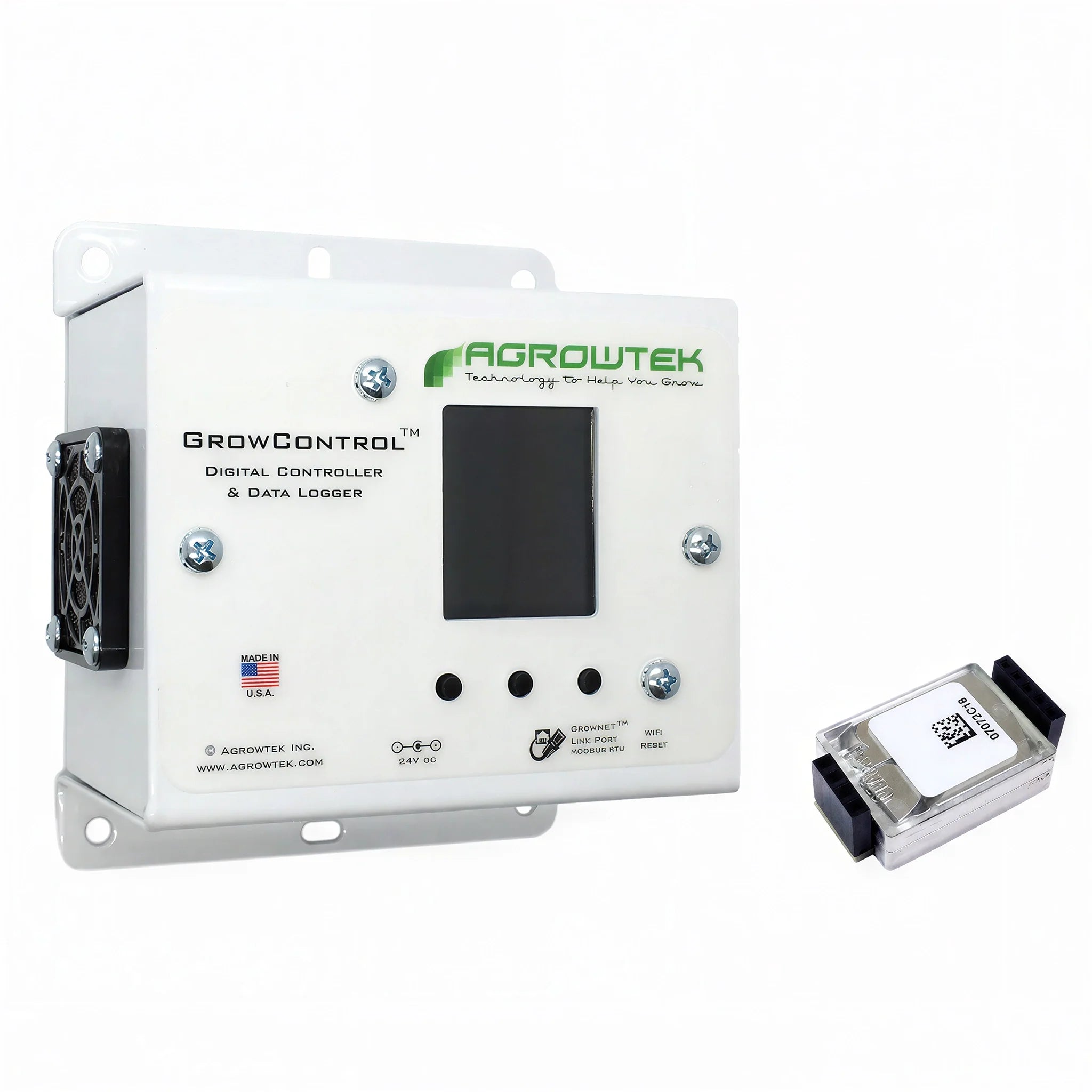
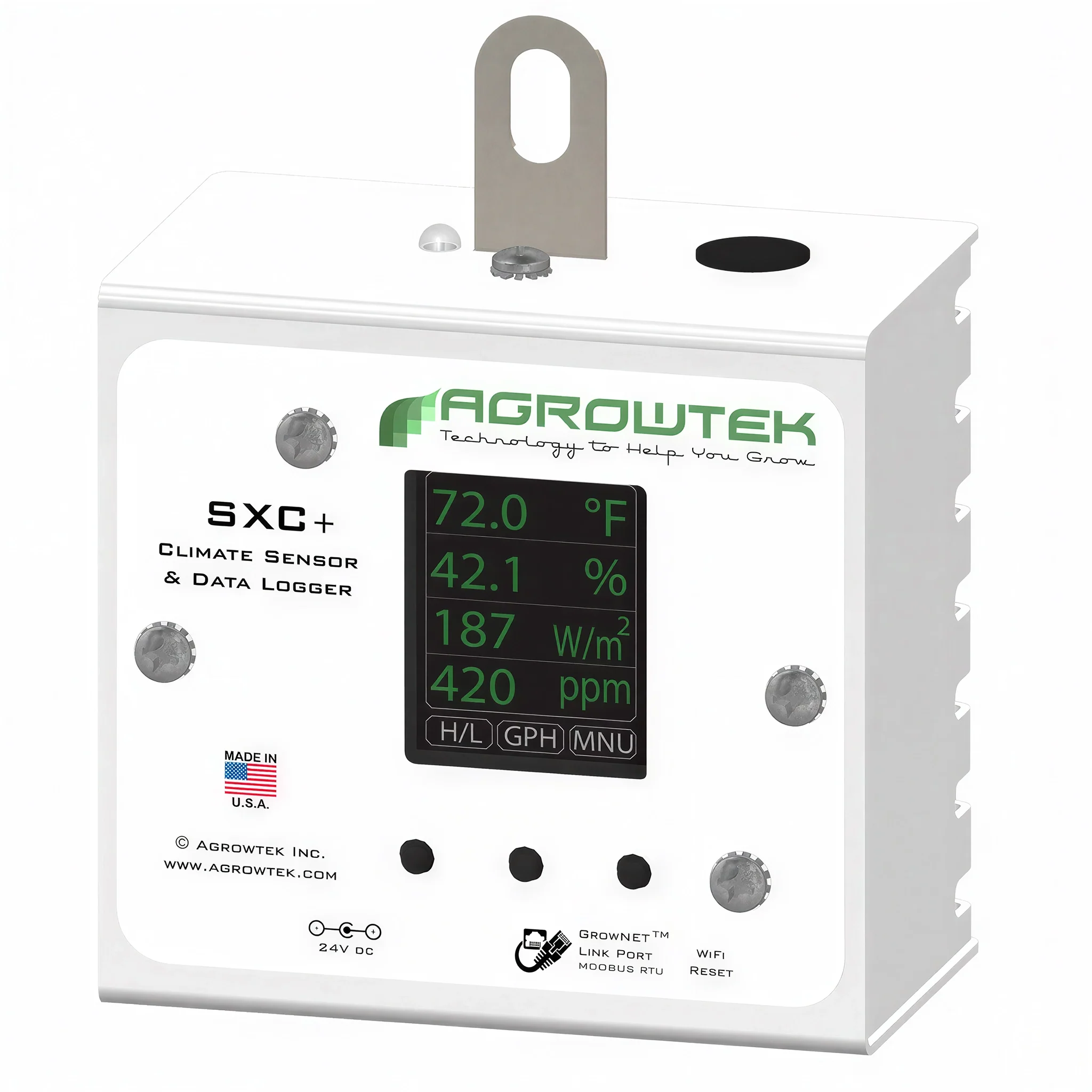
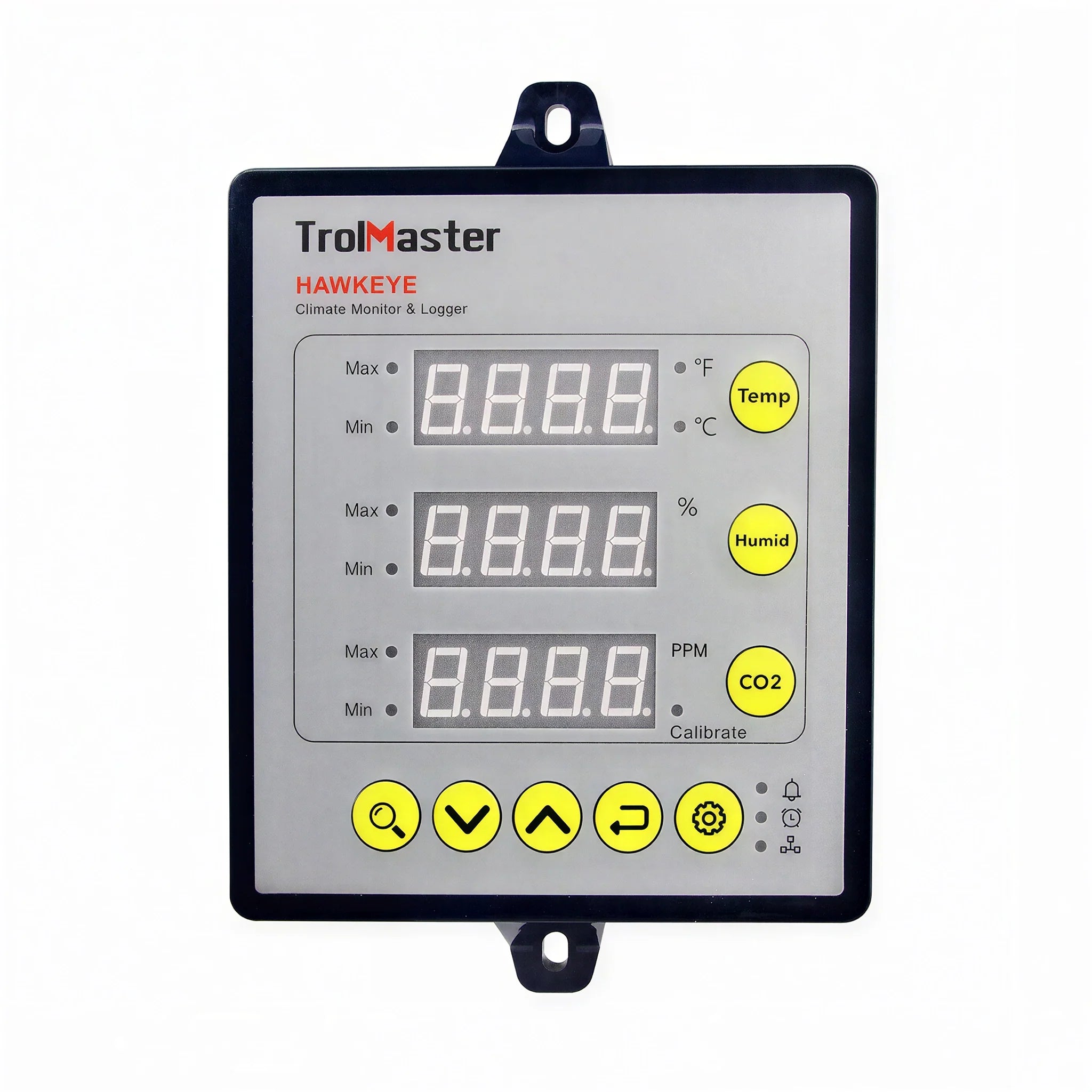
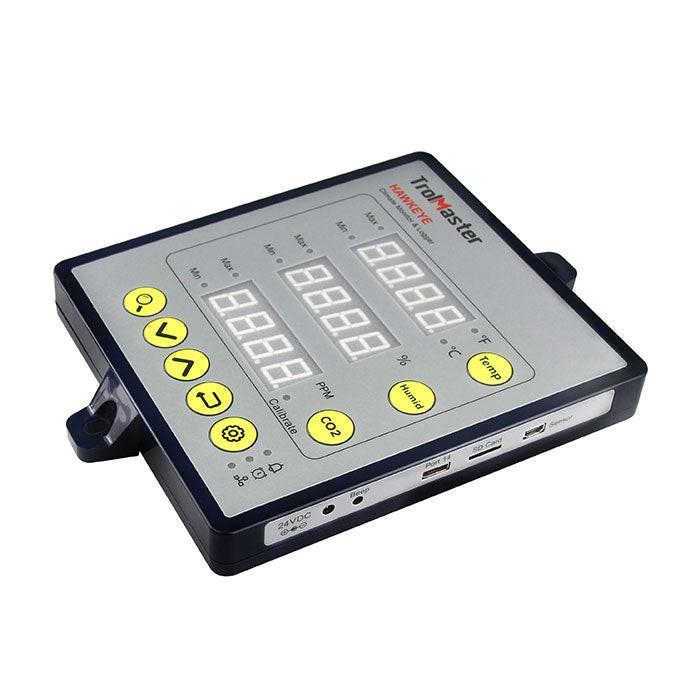
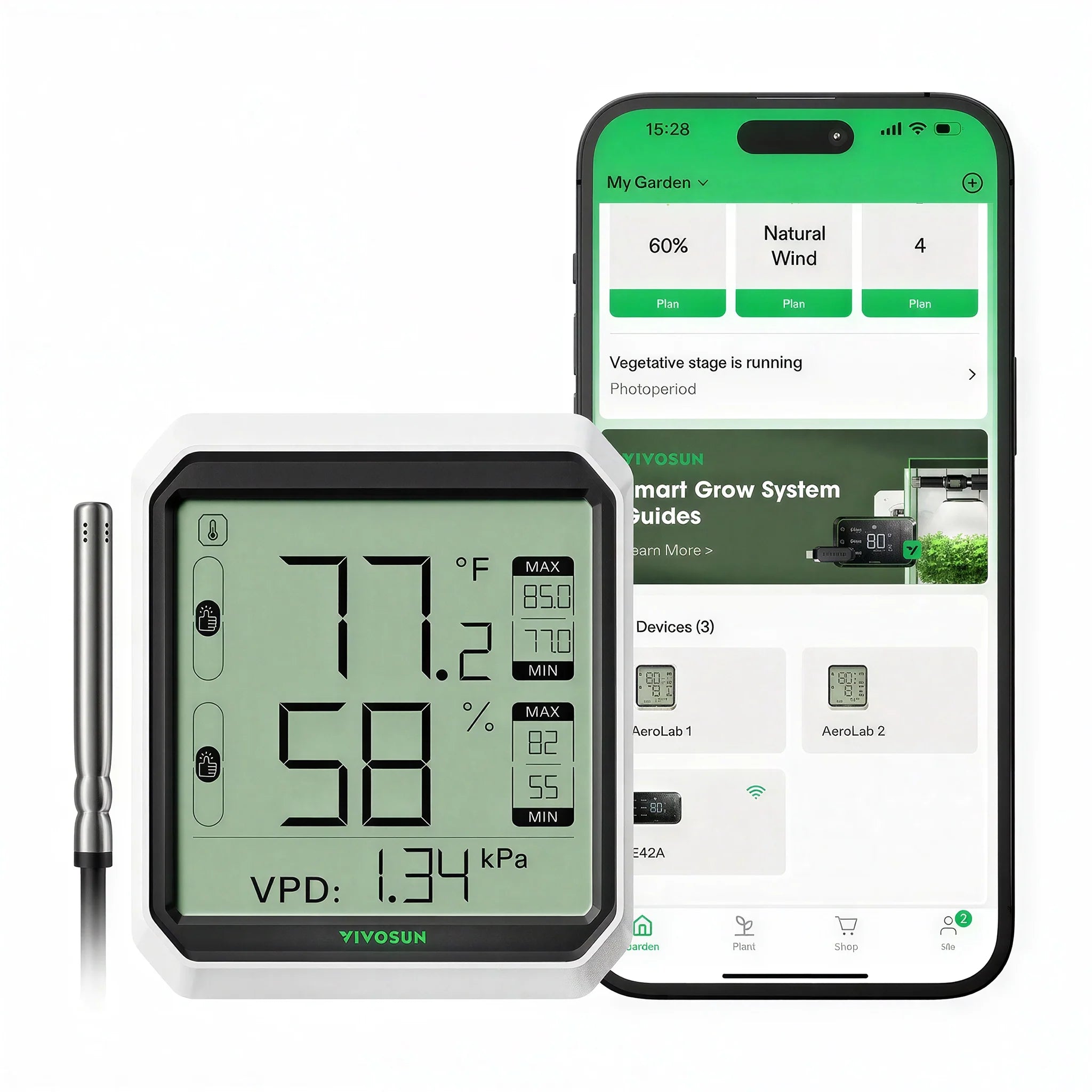
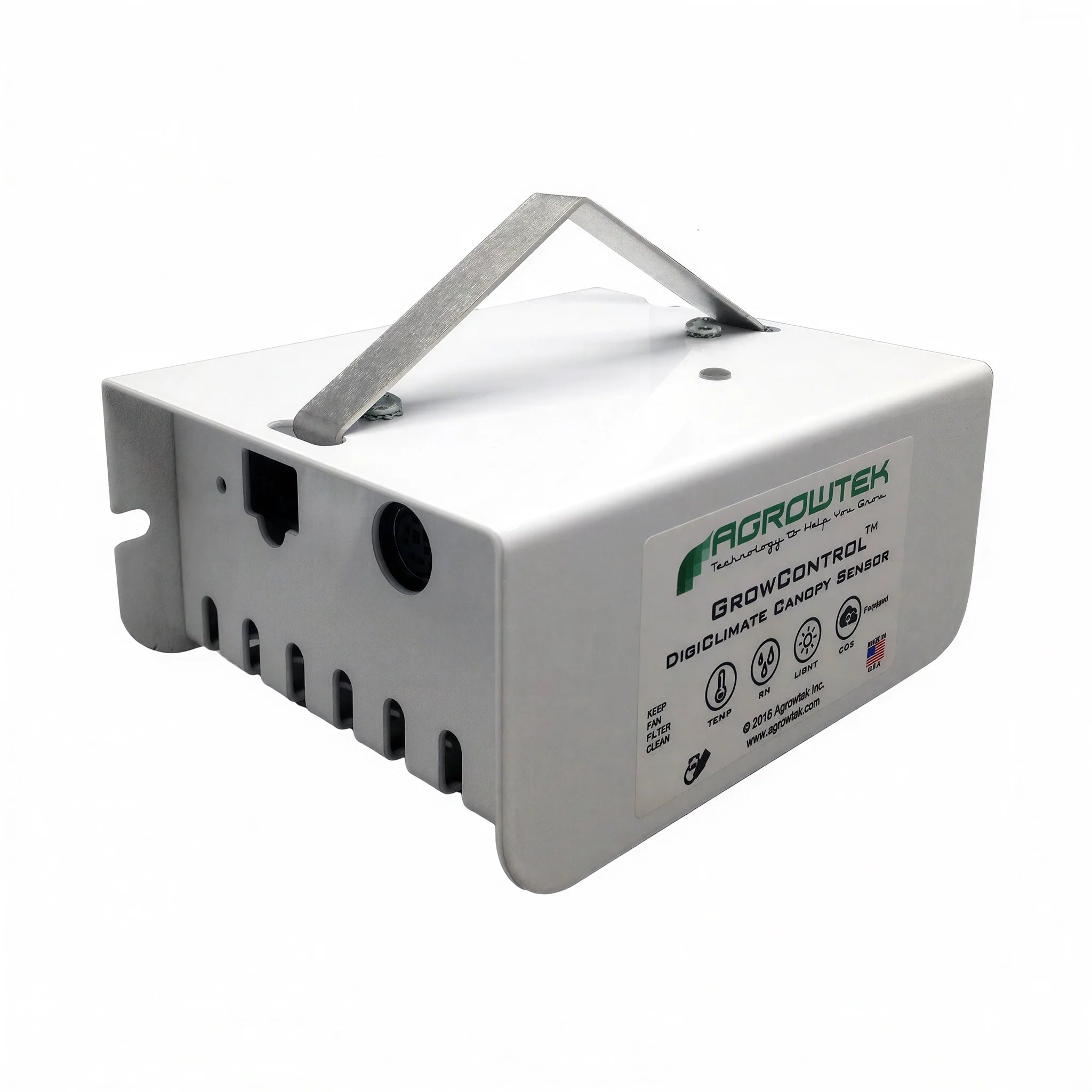
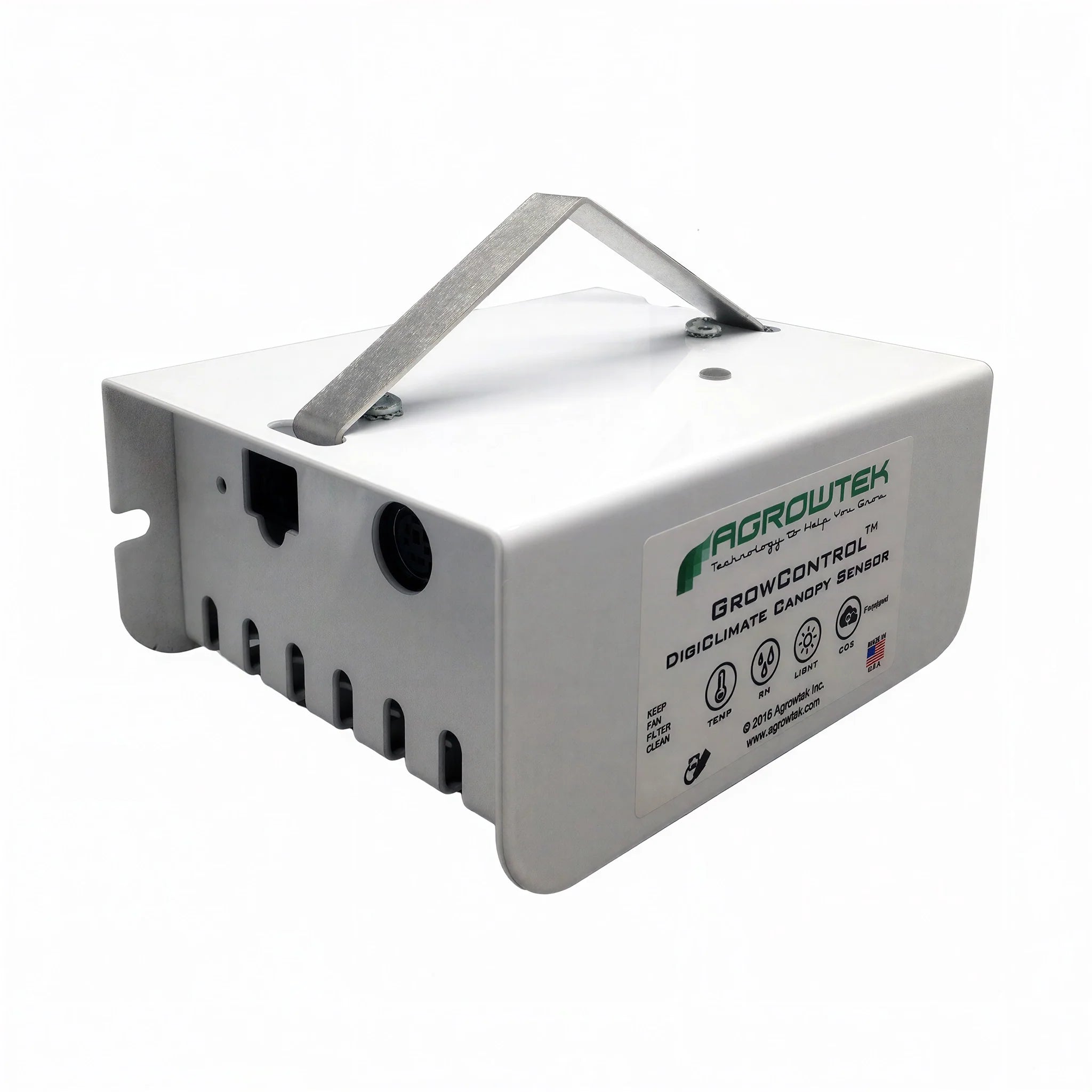
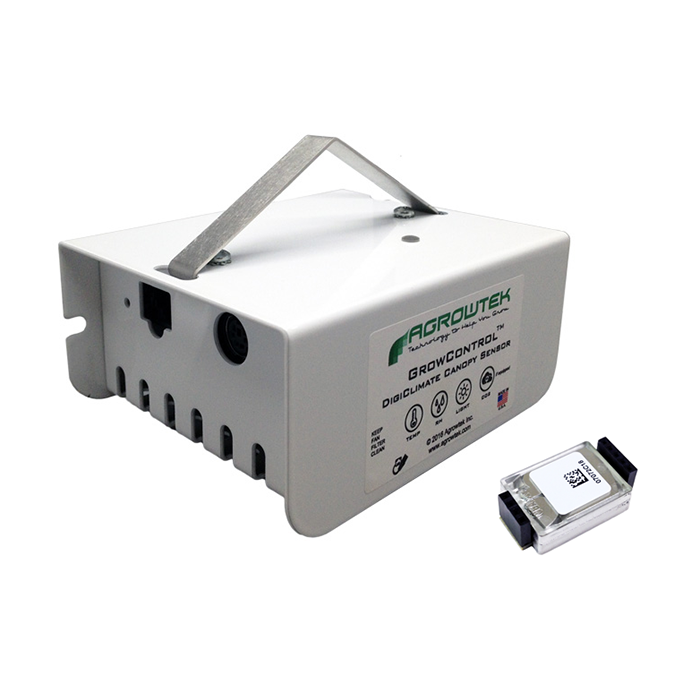
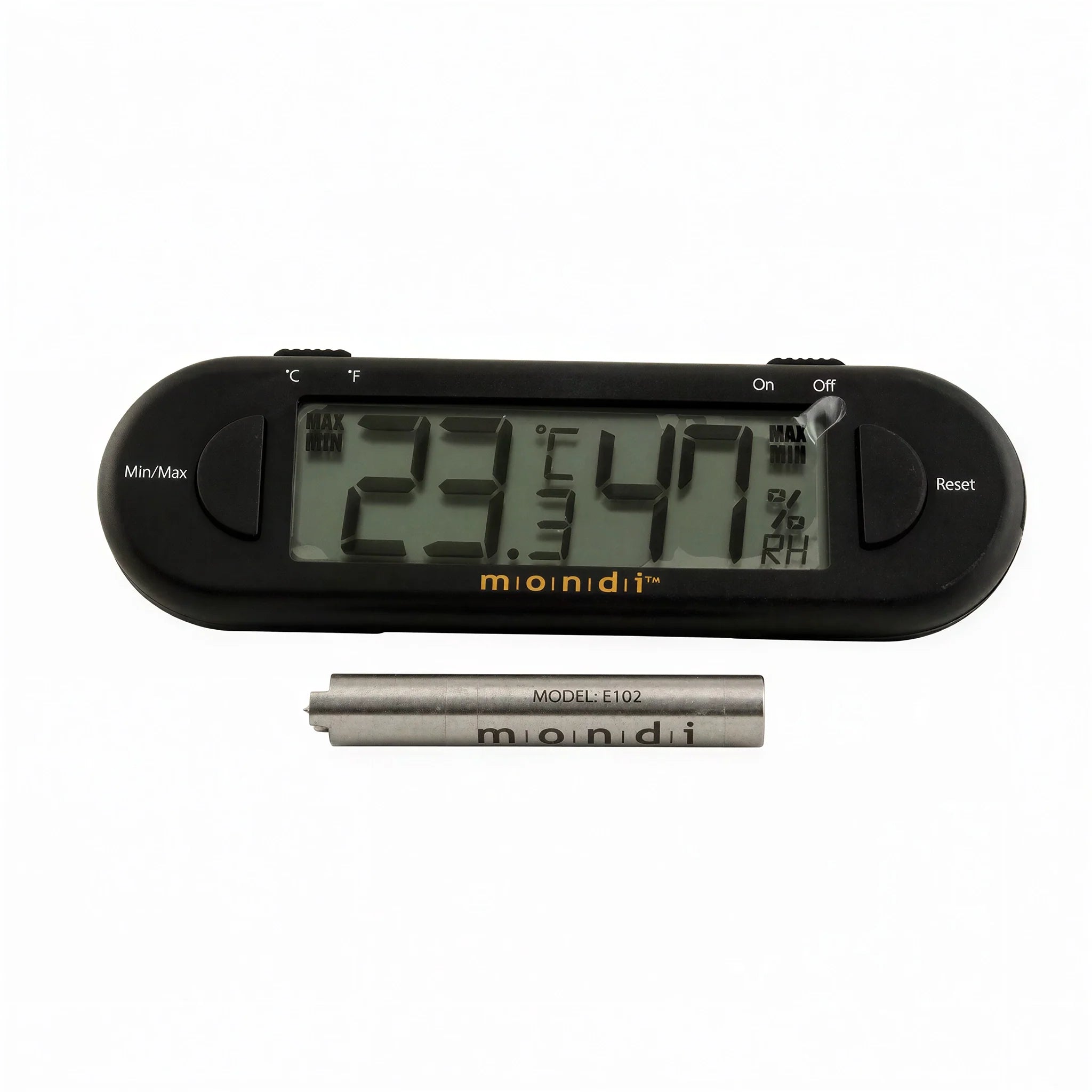
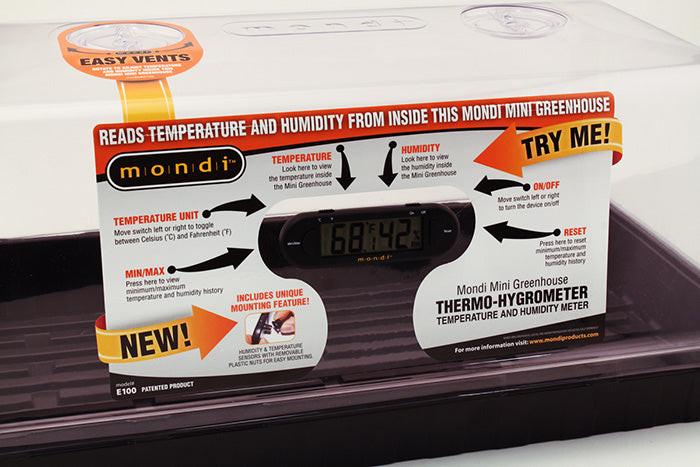
Digital temperature and humidity sensors (hygrometers) display real-time RH and temperature at the probe location. For grow rooms and tents, position sensors at canopy level where plants actually experience conditions - not at the dehumidifier intake, not at floor level, and not adjacent to the air conditioner outlet. Multiple sensors in large rooms identify hot spots, cold corners, and humidity dead zones that single-sensor monitoring would miss. Wireless sensor systems (Inkbird, Govee, and similar brands) allow monitoring from outside the grow space via smartphone - useful for growers who want to check conditions without entering the tent. For commercial operations requiring continuous data logging, Bluelab's Connect monitoring system and TrolMaster's sensor network provide logged historical data that enables pattern identification and compliance documentation.
VPD Monitors & Combined Environment Sensors
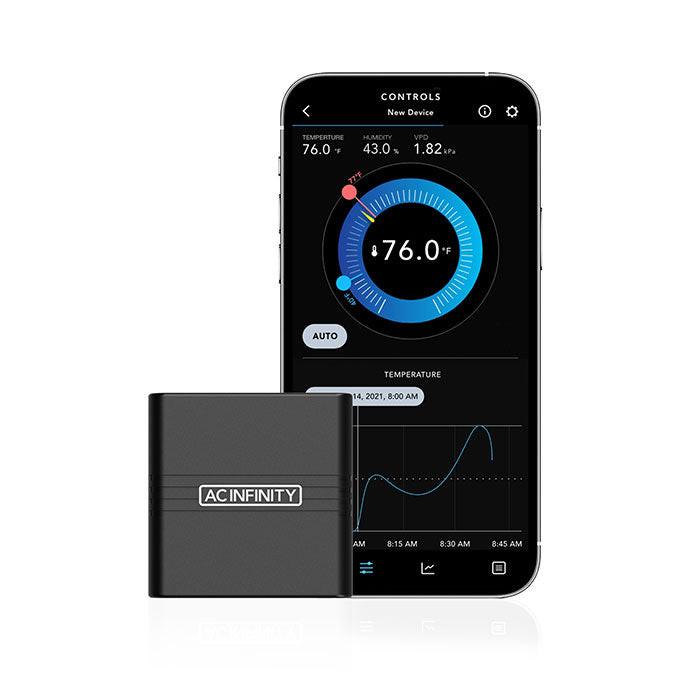
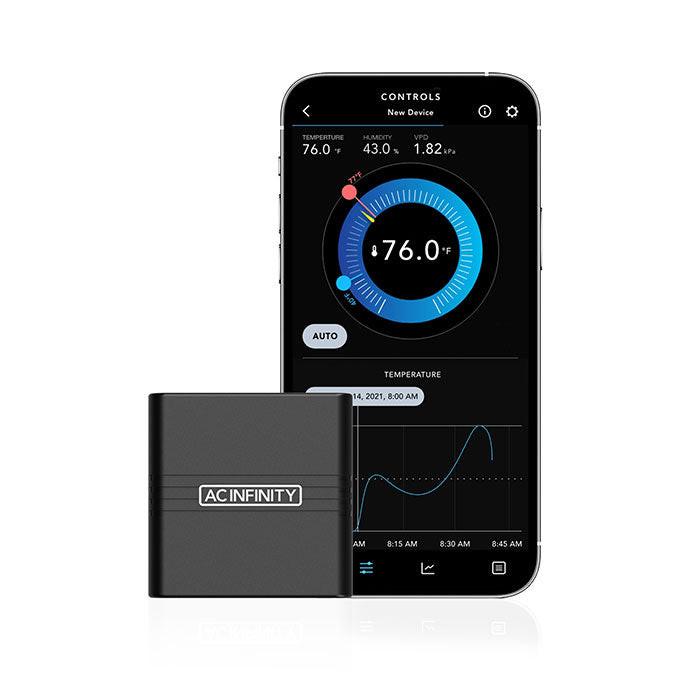
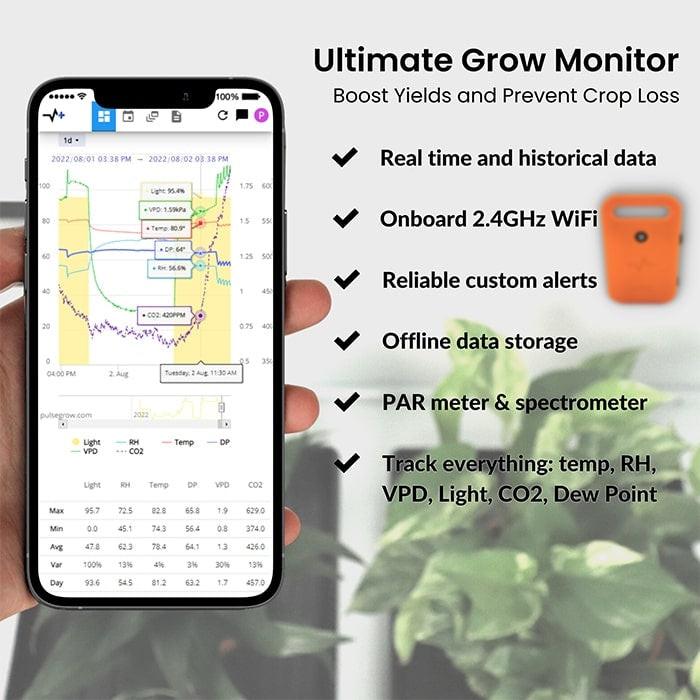
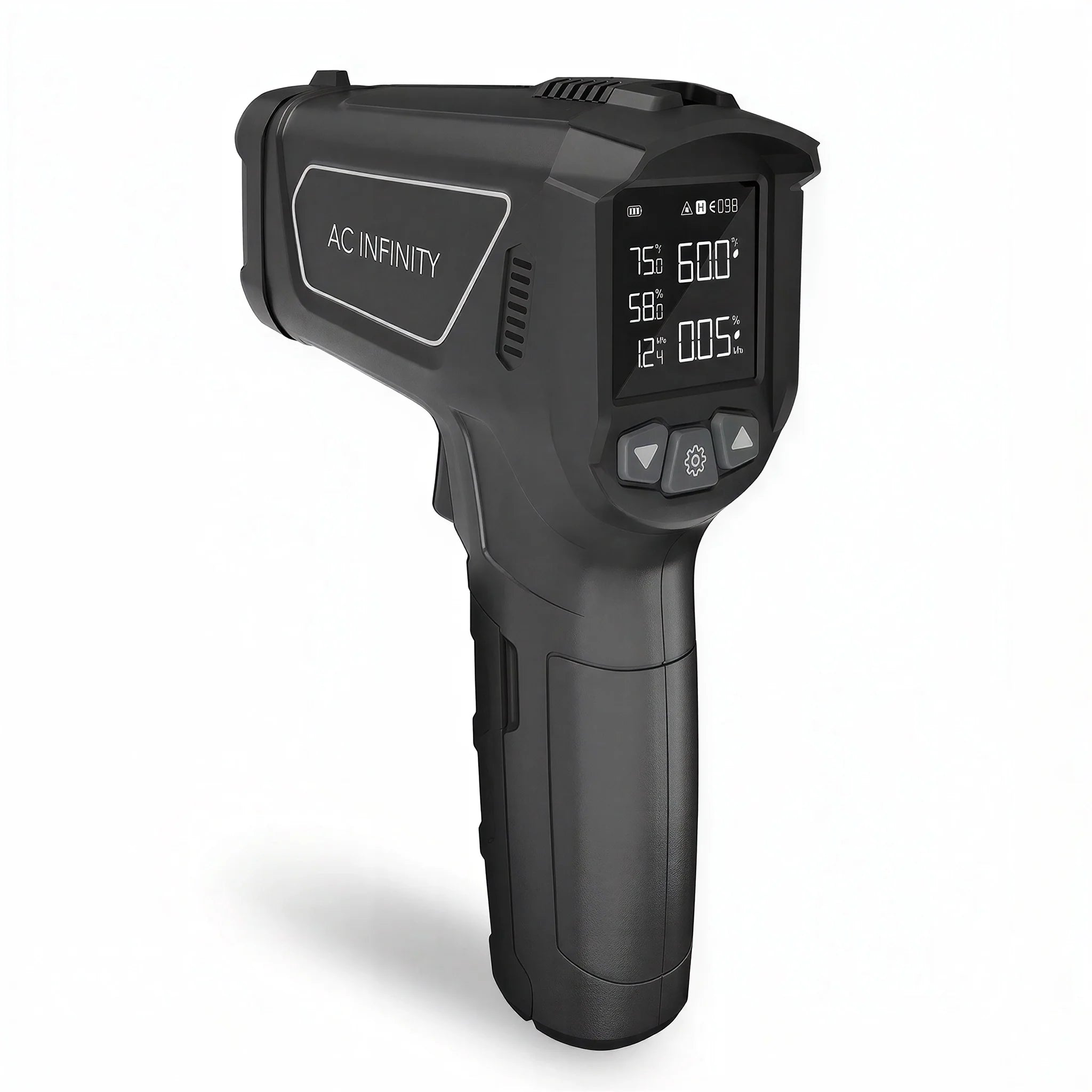
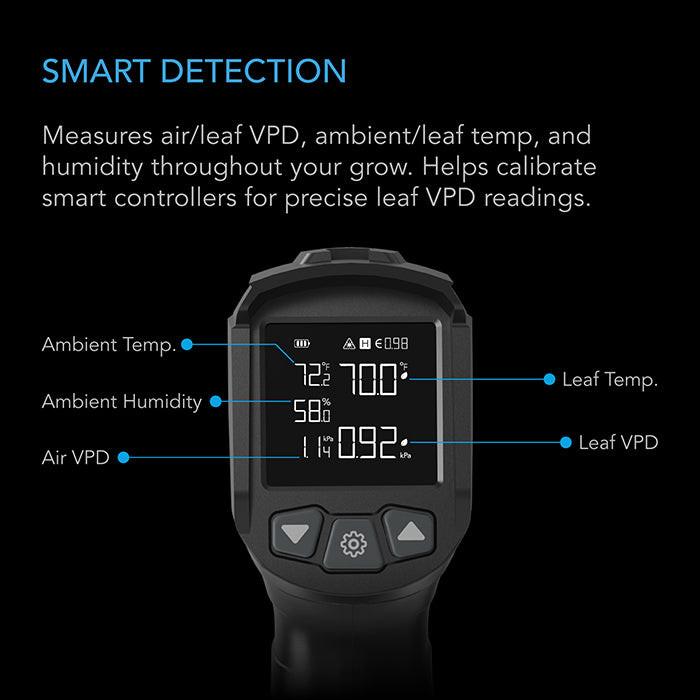
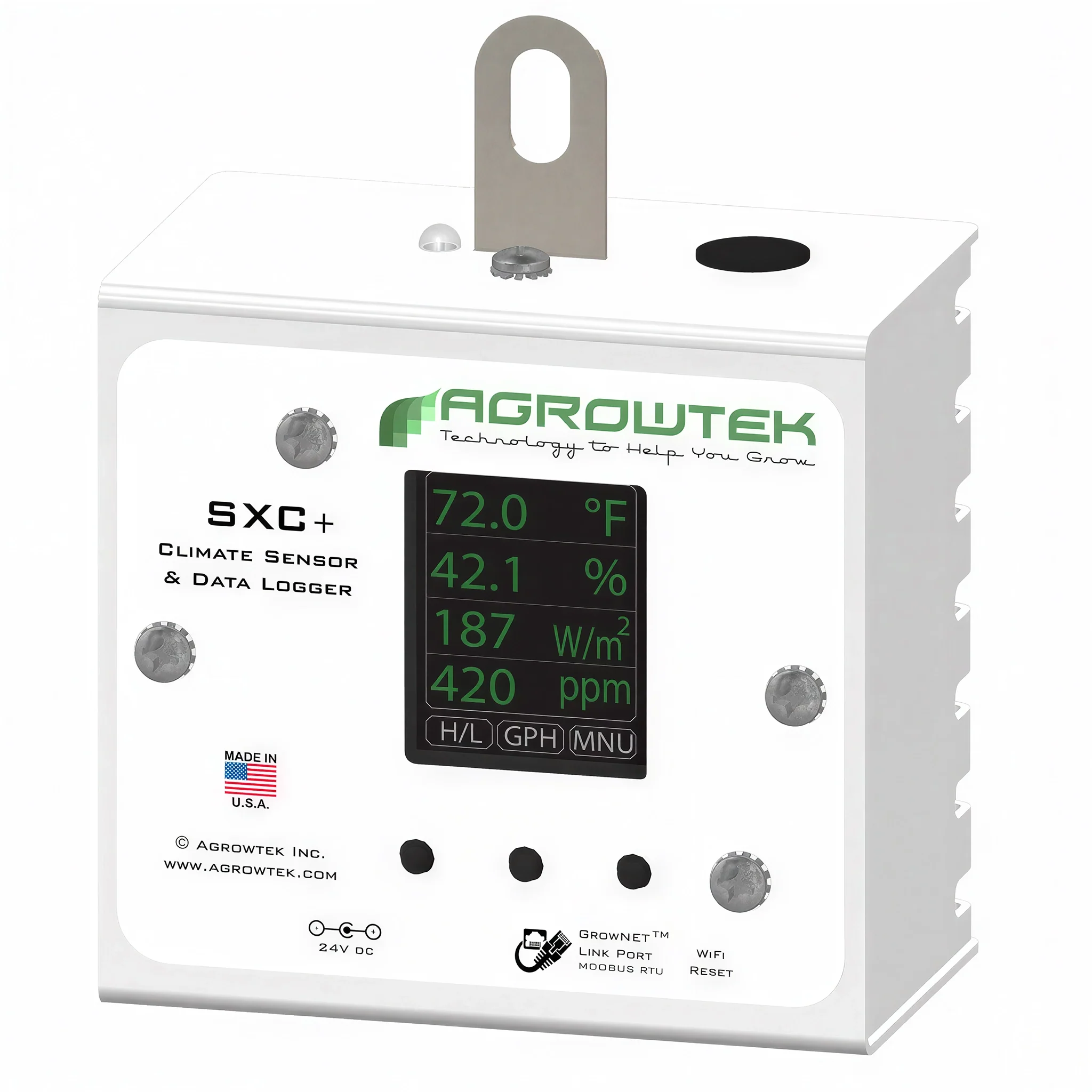
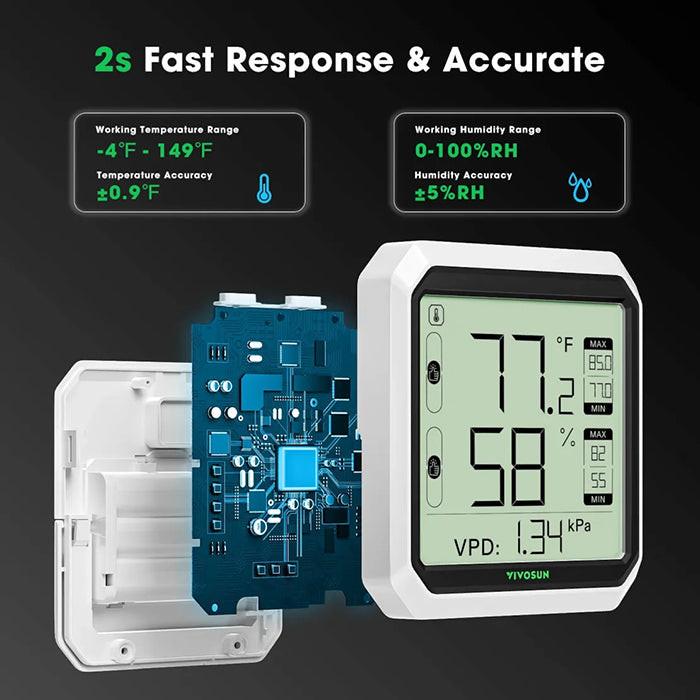
VPD (vapor pressure deficit) is the combined function of temperature and humidity that directly drives plant transpiration - monitoring VPD rather than temperature and humidity independently gives a single number that correlates directly with plant transpiration rate and optimal growing conditions. Advanced grow room monitors display calculated VPD in real time from their temperature and humidity measurements, eliminating the need to manually calculate VPD from raw readings. TrolMaster's VPD probe integrates directly with the Hydro-X controller, enabling automated VPD-based climate management rather than independent temperature and humidity setpoints. Use our VPD Calculator to understand target VPD ranges for your crop and growth stage, and see our updated VPD guide for a complete explanation of VPD management in indoor growing. Expert support available.
Grow Room Monitors FAQ
Where should I place temperature and humidity sensors in a grow room?
Position sensors at canopy level - at the same height as the tops of your plants, in the center of the growing area away from walls, fans, lights, and equipment that would cause locally atypical readings. A sensor adjacent to an AC outlet reads the exiting cool air, not the canopy condition. A sensor near a dehumidifier intake reads the highest-humidity air being drawn in, not the average canopy condition. In large rooms with multiple zones, use multiple sensors - one per 100-200 sq ft of canopy is a reasonable density for identifying micro-climate variations. For tent grows, clip or hang a sensor inside at mid-canopy height away from the tent walls.
What is VPD and why should I monitor it instead of just humidity?
VPD (vapor pressure deficit) is a combined measurement of temperature and humidity that describes the evaporative pressure driving plant transpiration. At a given VPD, plants transpire at a specific rate - which determines how efficiently they uptake nutrients and CO2. The same relative humidity reading means different things at different temperatures: 60% RH at 75 degrees F is a comfortable VPD of about 1.0 kPa; 60% RH at 85 degrees F is a stressfully high VPD of about 1.6 kPa. Monitoring VPD rather than humidity alone accounts for this temperature interaction and gives you the number that directly correlates with plant performance and stress. Most crops perform best at VPD of 0.8-1.2 kPa in vegetative growth and 1.0-1.5 kPa in flowering.
Do I need a dedicated grow room monitor if my environment controller has sensors?
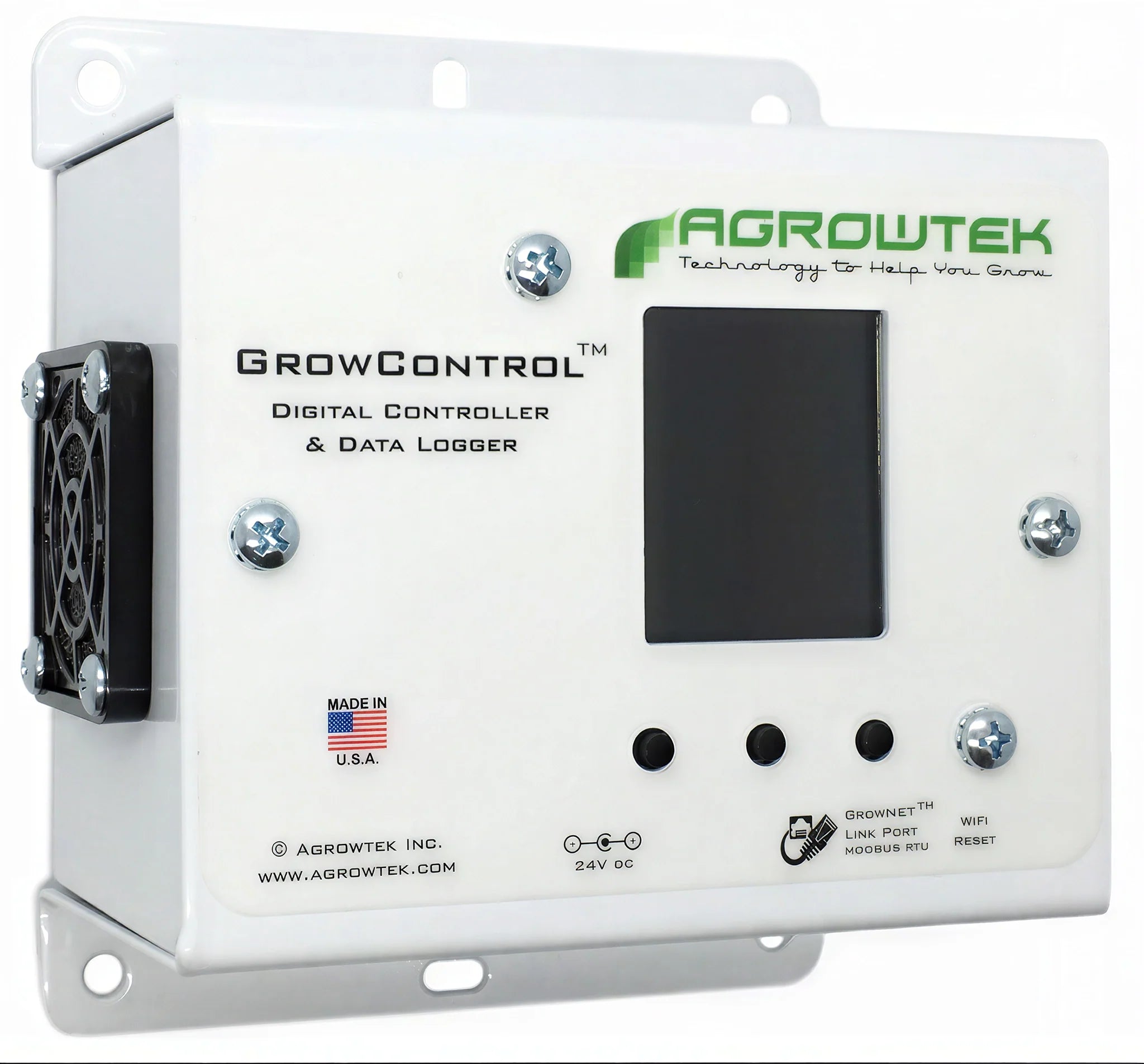
If your environment controller's sensor is positioned correctly at canopy level and you trust its accuracy, a separate monitor may be redundant. However, many growers benefit from a secondary monitor as a calibration check - if the controller sensor and an independent monitor give significantly different readings in the same location, one needs calibration or replacement. For large rooms where a single controller sensor cannot represent conditions across the full space, additional wireless monitors at different zones provide the multi-point visibility that a single sensor cannot. For hobby tent grows, a single well-positioned sensor - whether the controller's probe or a standalone monitor - is typically sufficient.
What is the difference between a basic hygrometer and a data-logging monitor?
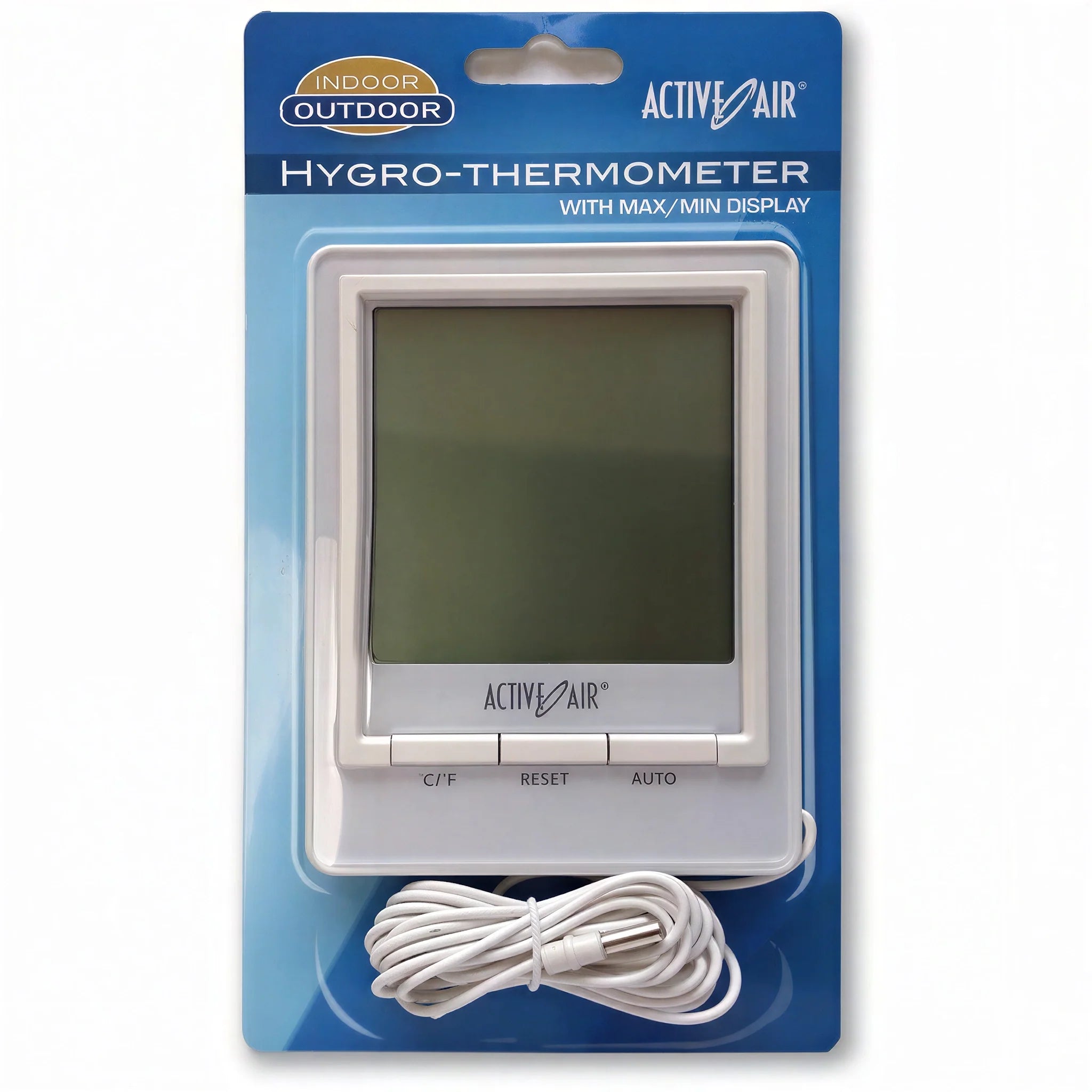
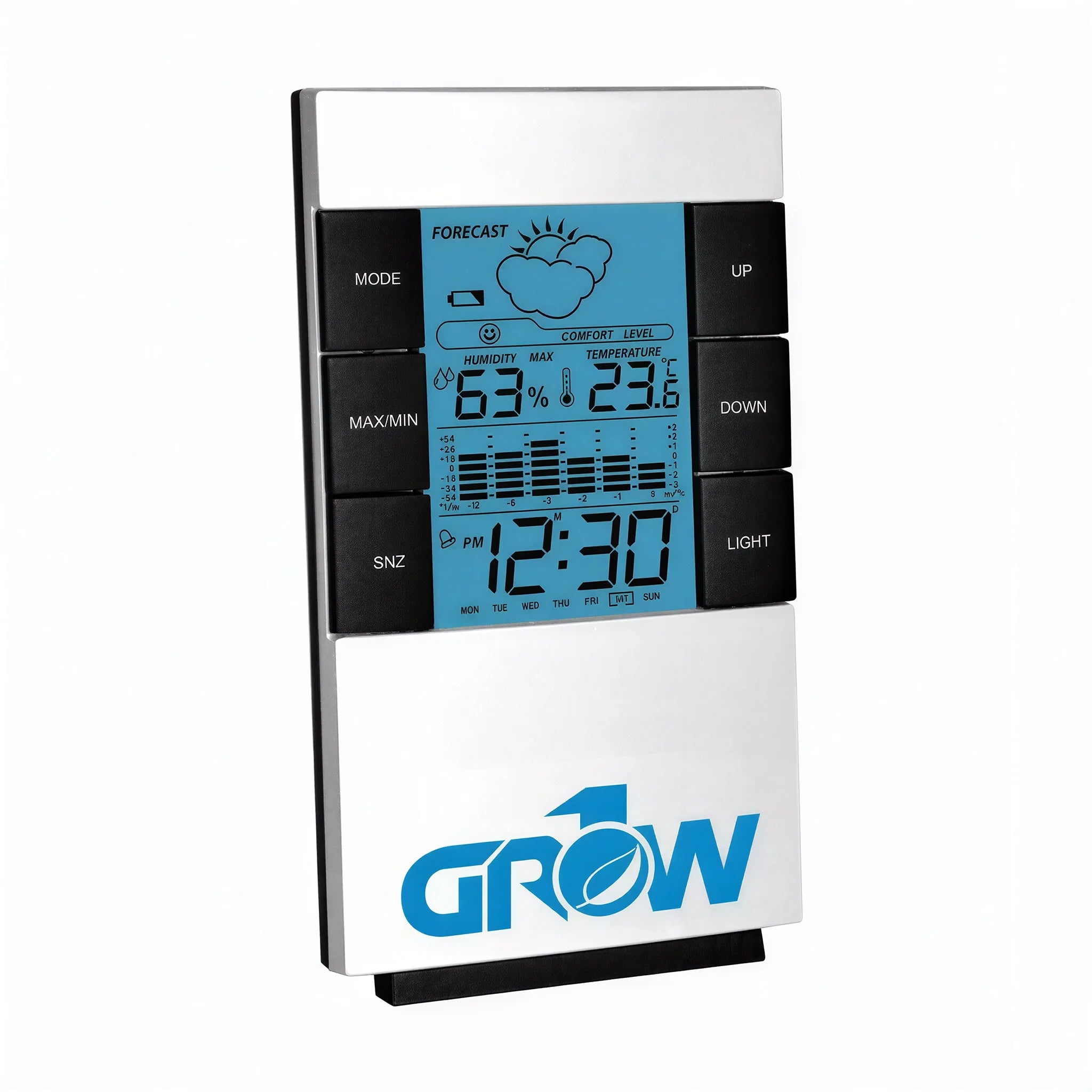
Basic digital hygrometers display current temperature and humidity (and often min/max readings since last reset) - suitable for manual spot-checking grow room conditions. Data-logging monitors record temperature and humidity continuously at set intervals (typically every 1-10 minutes) and store the history for later review - revealing nighttime fluctuations, humidity spikes during lights-off, temperature recovery times after HVAC events, and other patterns that spot-checking misses. For growers who want to understand what their environment is doing when they are not watching, a data-logging monitor with app connectivity (Govee, Inkbird, or professional systems like TrolMaster or Bluelab Connect) provides the complete picture that a basic hygrometer cannot.