Solventless Extraction Packages
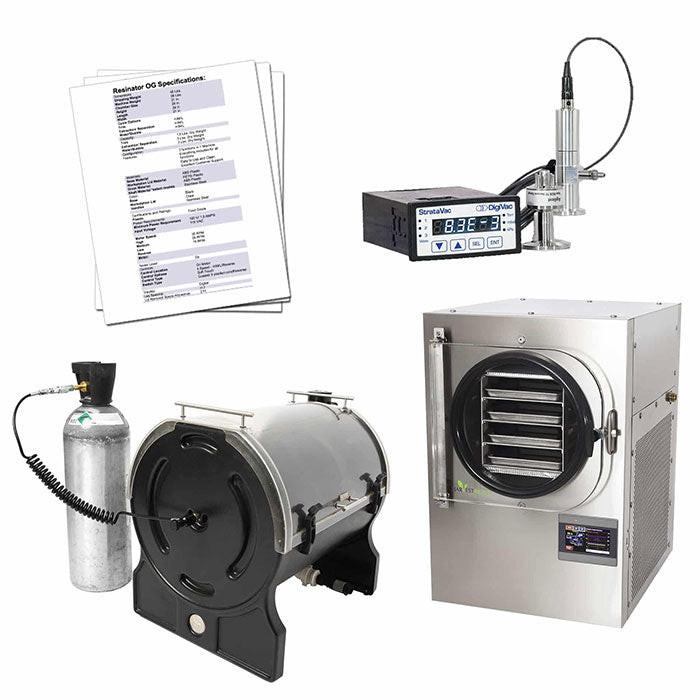
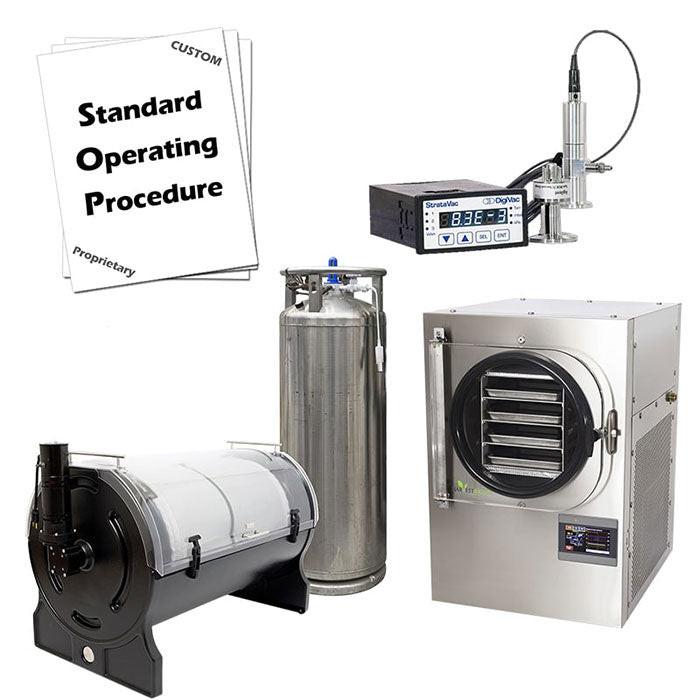
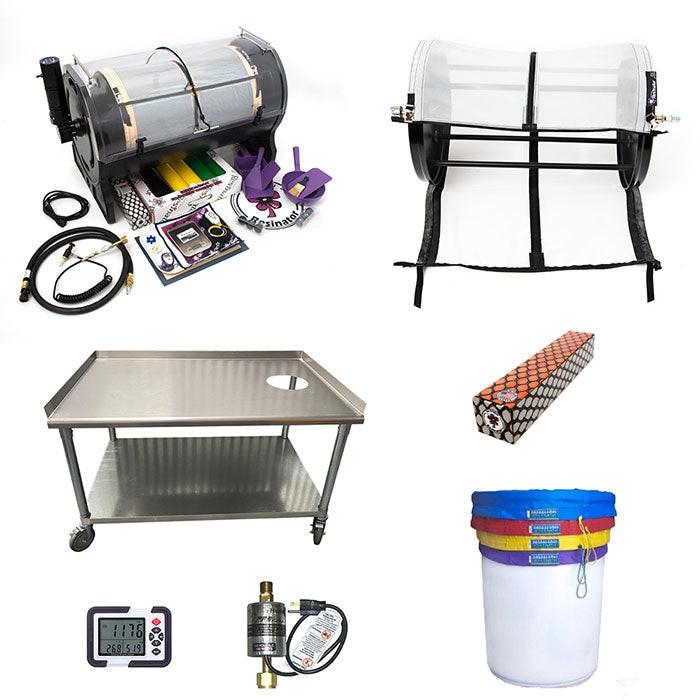
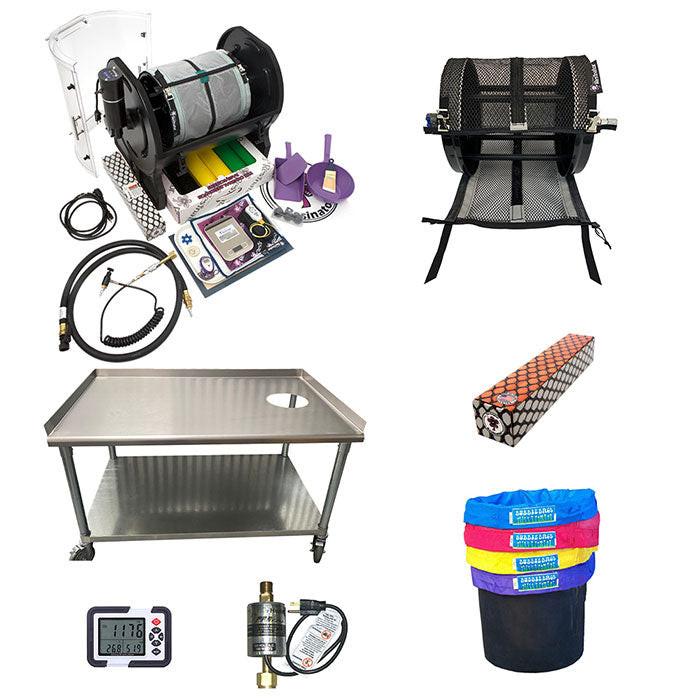
Solventless extraction packages combine a mechanical press with complementary processing equipment for a complete workflow -- typically a rosin heat press paired with a dry sift tumbler, pre-press mold, or drying kit. Rosin presses use controlled heat and hydraulic pressure to extract oil from plant material through a mechanical squeezing action, without solvents or chemical inputs. Dulytek, Rosineer, Dabpress, and NugSmasher produce the primary rosin press lines at Hydrobuilder, covering manual, pneumatic, and hydraulic press configurations from hobby to commercial scale.
Press Types in This Collection
Dulytek and Rosineer produce manual lever-arm heat-plate presses -- the most accessible format for small-batch production. Manual presses use a lever or handle to apply pressure through heat plates with dimensions typically ranging from 2x4 inch through 5x5 inch for different material volumes. Pneumatic presses (Triminator TRP Stack, high-tonnage Dulytek) use compressed air to drive the press plates at controlled, repeatable pressures up to 20-25 tons -- the standard for mid-volume commercial processing. Package configurations pair a press with pre-press molds (to form material into a uniform puck before pressing), collection bags in different micron ratings, and in some cases a dry sift tumbler for input preparation.
Commercial Accounts and Quoting
High-tonnage pneumatic and hydraulic rosin presses are commercial equipment with significant capital cost. Commercial accounts at Hydrobuilder include volume pricing and dedicated account support for facility-scale procurement. Call 888-815-9763 or request a quote for large orders. Browse all harvest and curing supplies for post-processing equipment. Commercial accounts available.
Solventless Extraction FAQ
What is a rosin press and how does it work?
A rosin press uses two heated plates -- typically stainless steel -- and mechanical pressure to extract oils from plant material by squeezing them out through the application of heat and force. Material is placed between sheets of parchment paper and then between the press plates, which close under pressure to squeeze out the oils, which flow onto the parchment for collection. Plate temperature (typically 180-220 degrees F) and pressure (tons of force) are the primary variables that affect yield and quality -- higher temperatures speed extraction but can degrade heat-sensitive compounds; lower temperatures and higher pressure is the typical approach for quality-focused production. No chemical solvents are used or required.
What is the difference between manual and pneumatic rosin presses?
Manual rosin presses use a lever arm, hand crank, or scissor mechanism to apply pressure through operator force -- practical for small batches where a few grams per press cycle is the target output. Pneumatic presses use compressed air from an external compressor to drive the press mechanism, providing consistent, calibrated pressure at tonnage levels (10-25 tons) not practically achievable with manual force. Pneumatic presses produce more consistent yields, handle larger input volumes per press, and reduce operator fatigue in volume production environments. For operations pressing more than a few ounces per session, a pneumatic press provides the pressure consistency and capacity that manual presses cannot match.
What micron bags are used with a rosin press?
Rosin press bags are screens that contain the plant material during pressing, allowing oil to flow out while retaining plant debris. Micron rating indicates the bag mesh size -- lower micron = finer mesh = cleaner output with potentially lower yield; higher micron = coarser mesh = higher yield with potentially more plant material in the output. Common ratings: 25-37 micron for the highest purity output; 72-90 micron for flower pressing balancing yield and quality; 120-160 micron for hash and loose material. Bag size must match your press plate dimensions -- a bag that overhangs the press plates allows material to escape around the edges and wastes input material. Most press packages include a starter assortment of bag sizes.