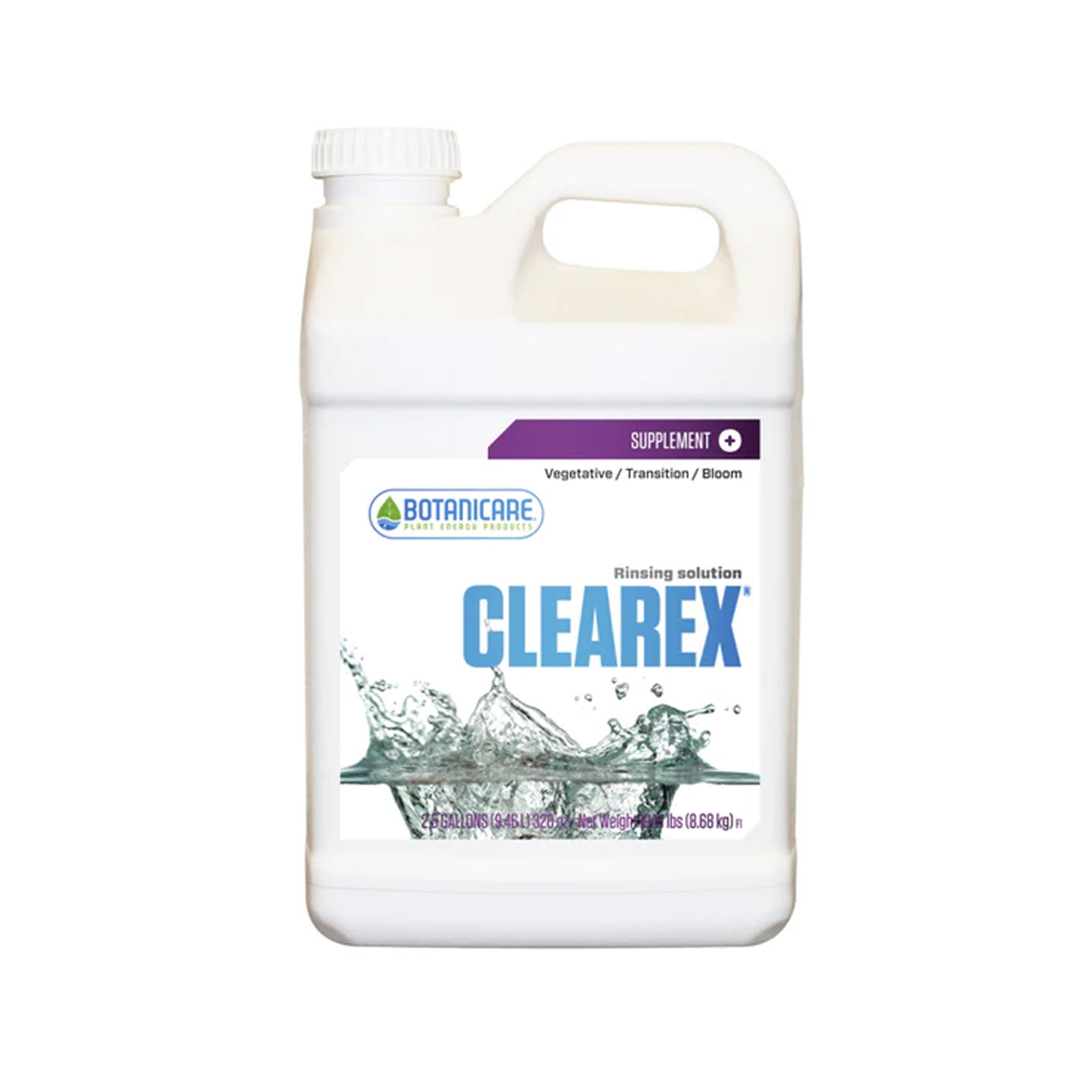
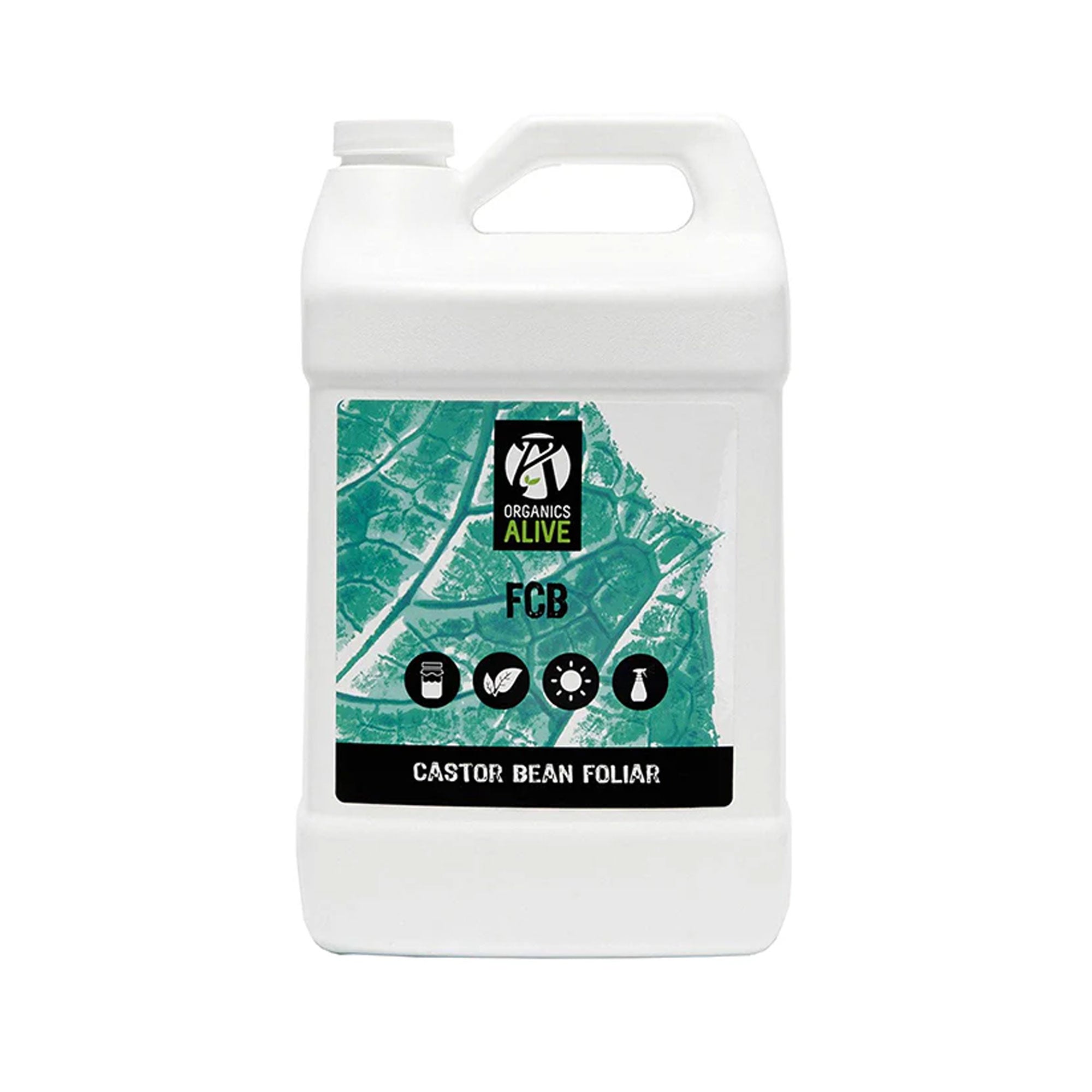
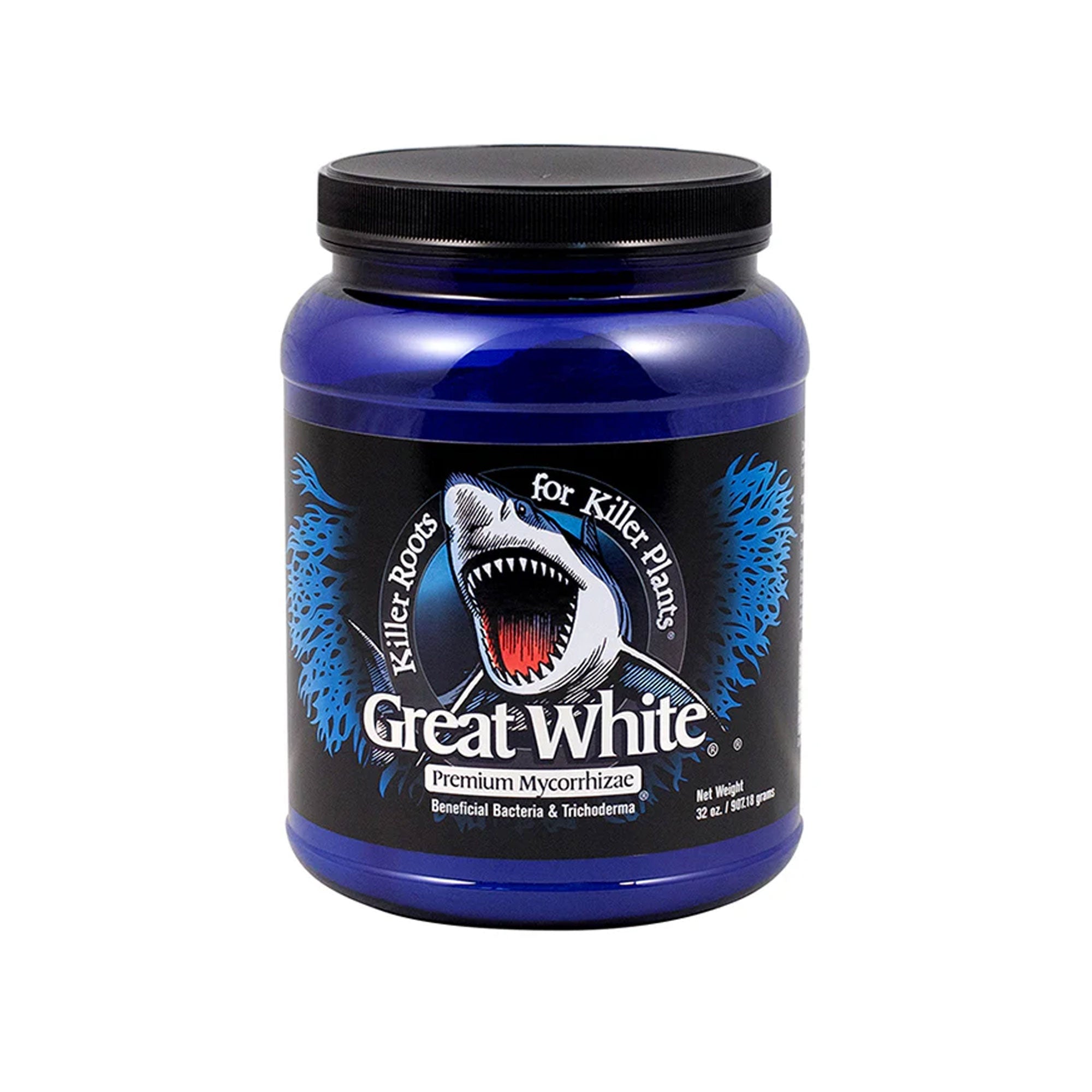
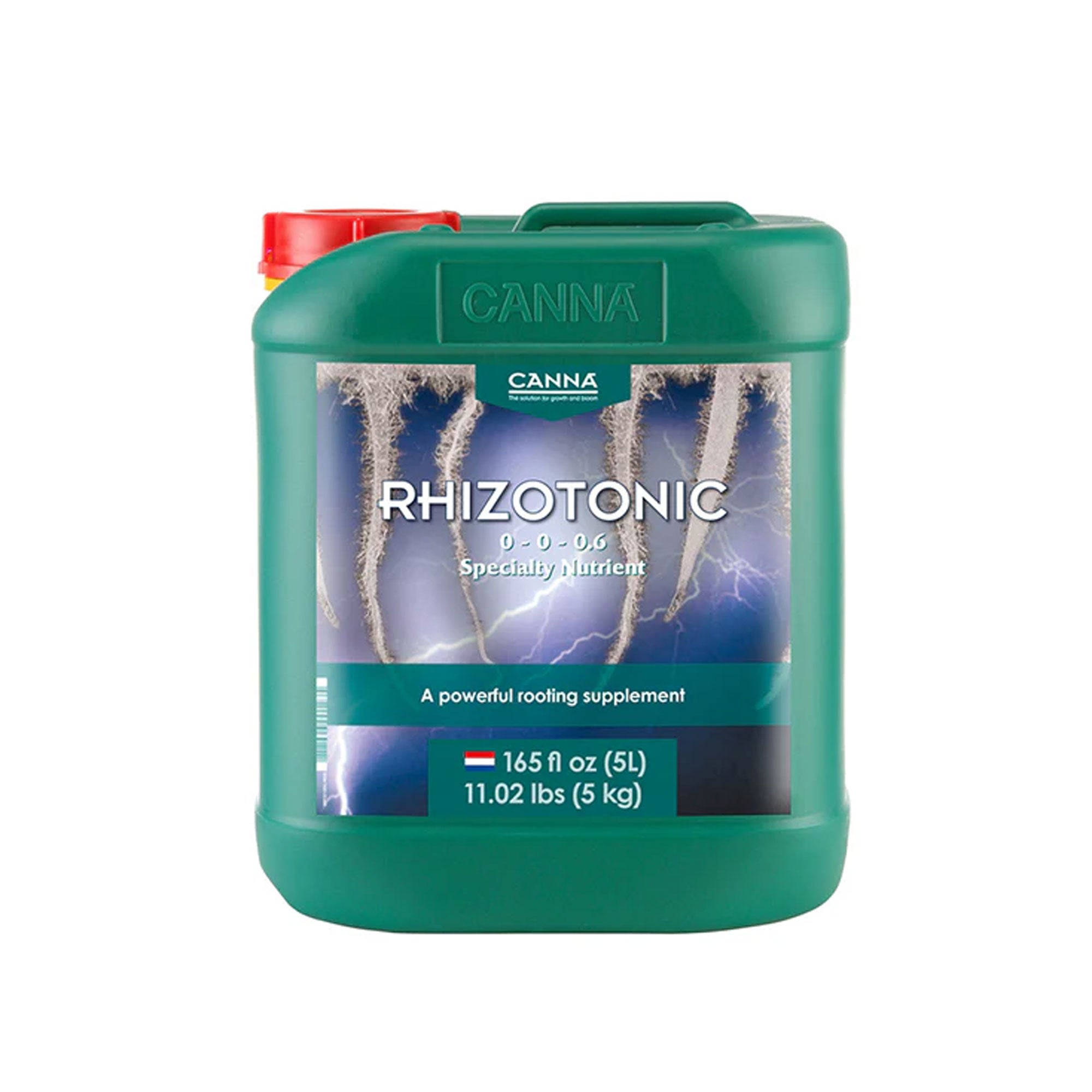
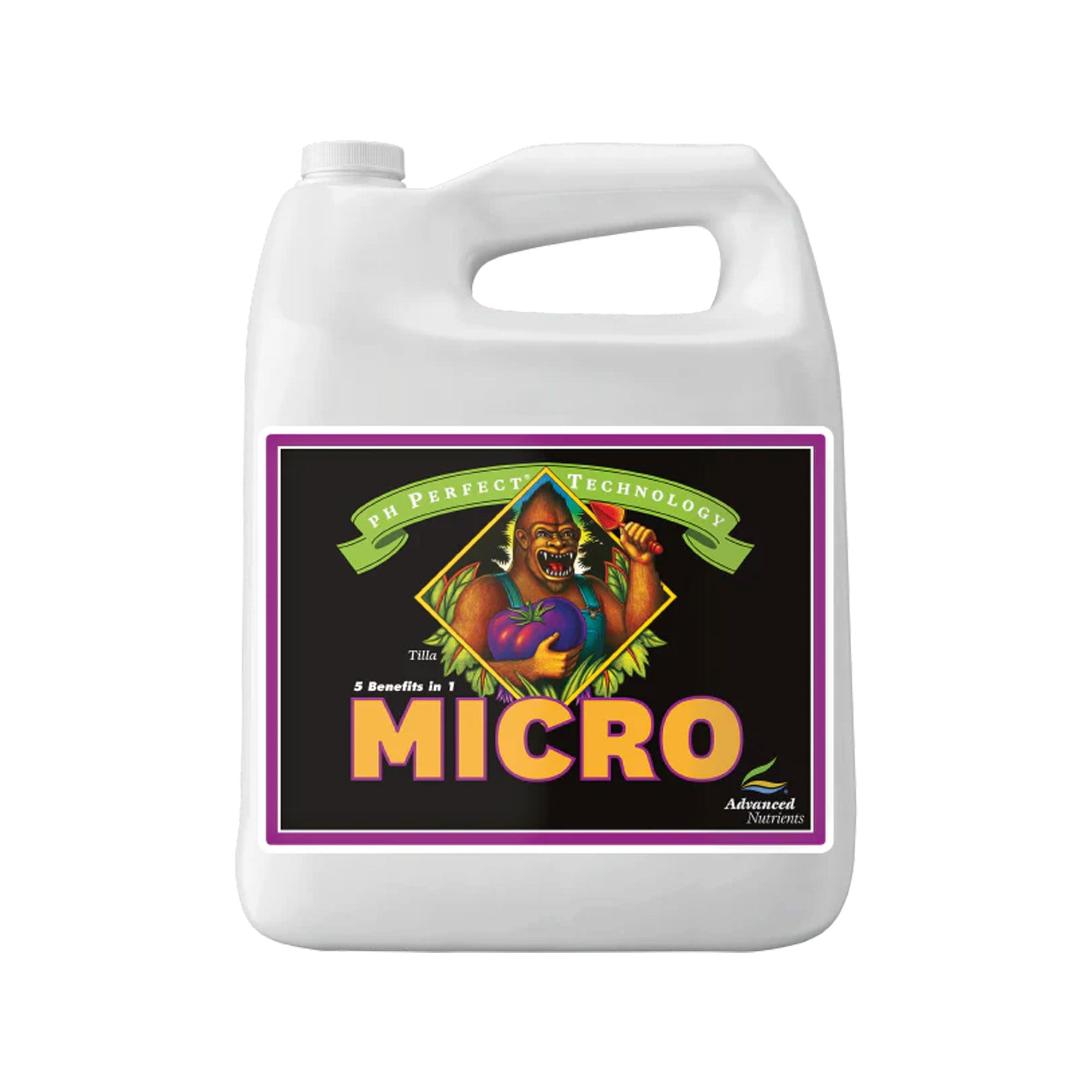
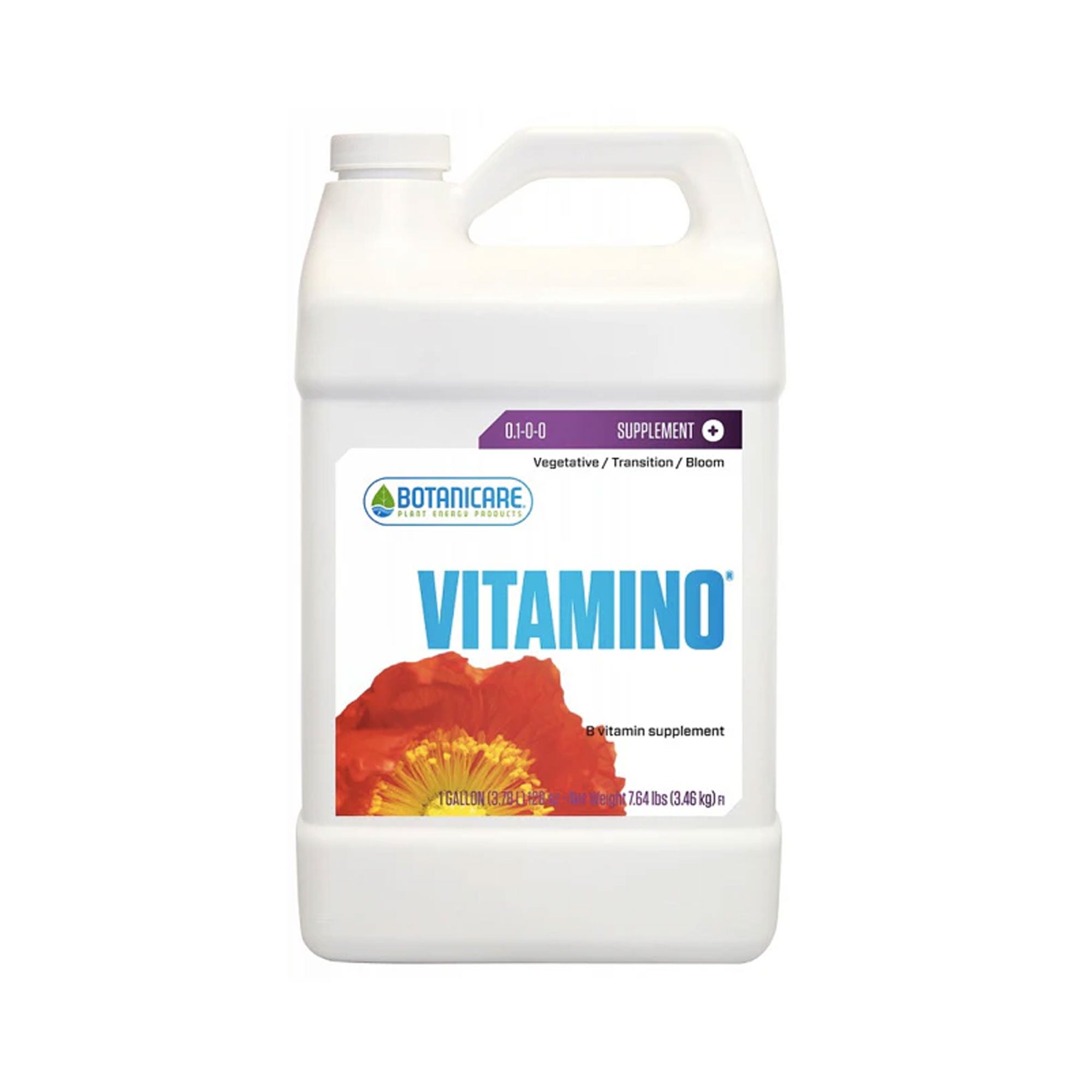
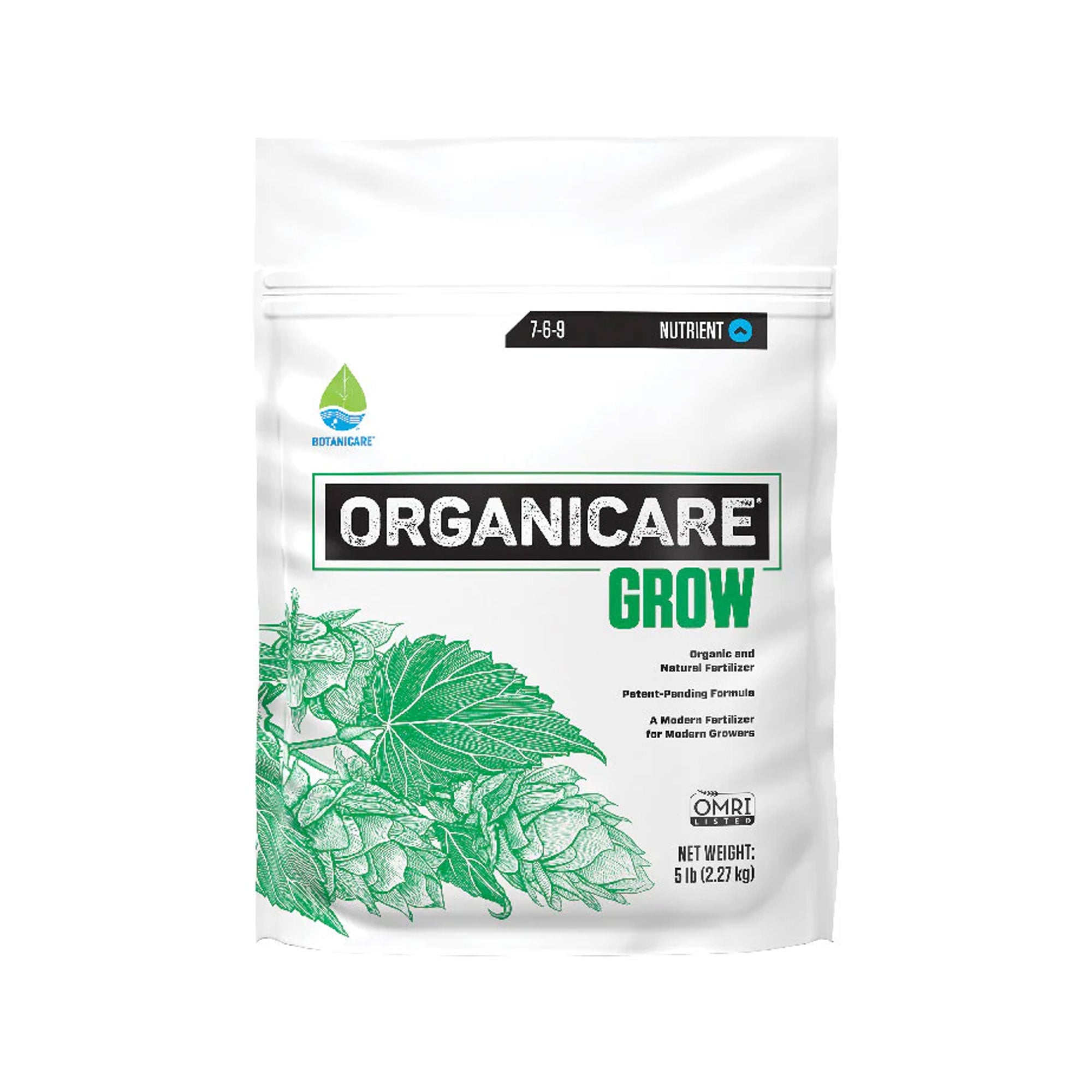
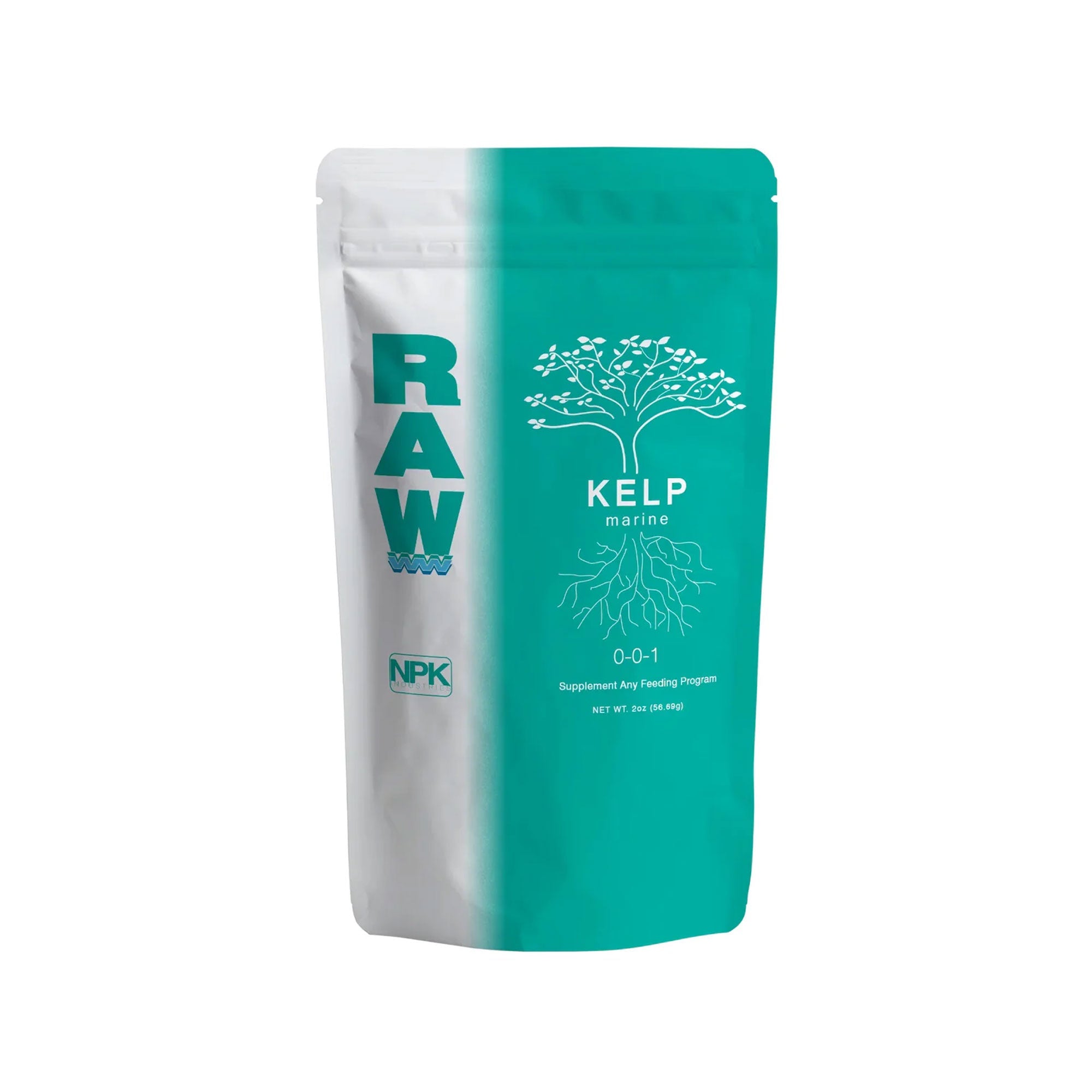
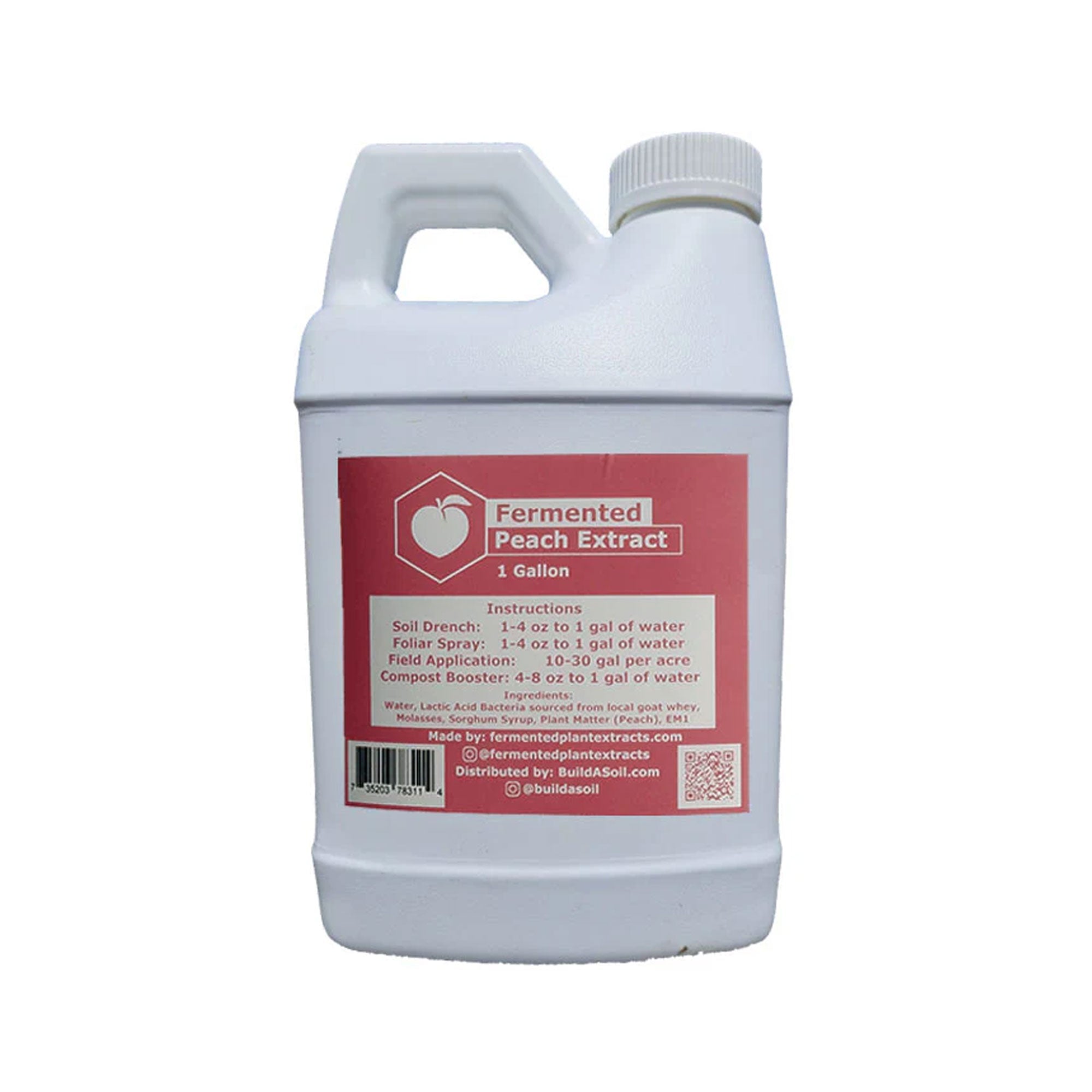
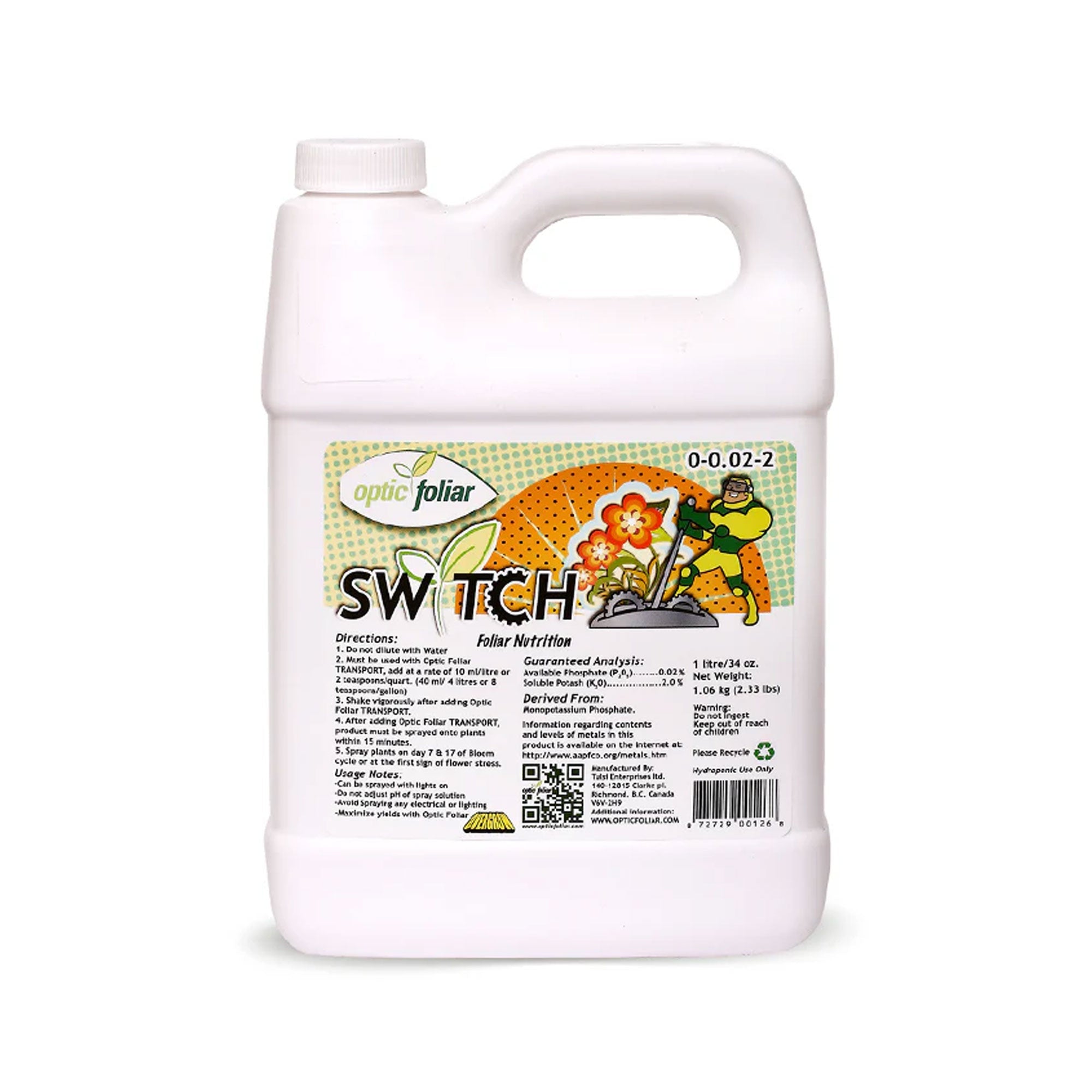
Plant Supplements & Additives for Hydroponics & Indoor Growing
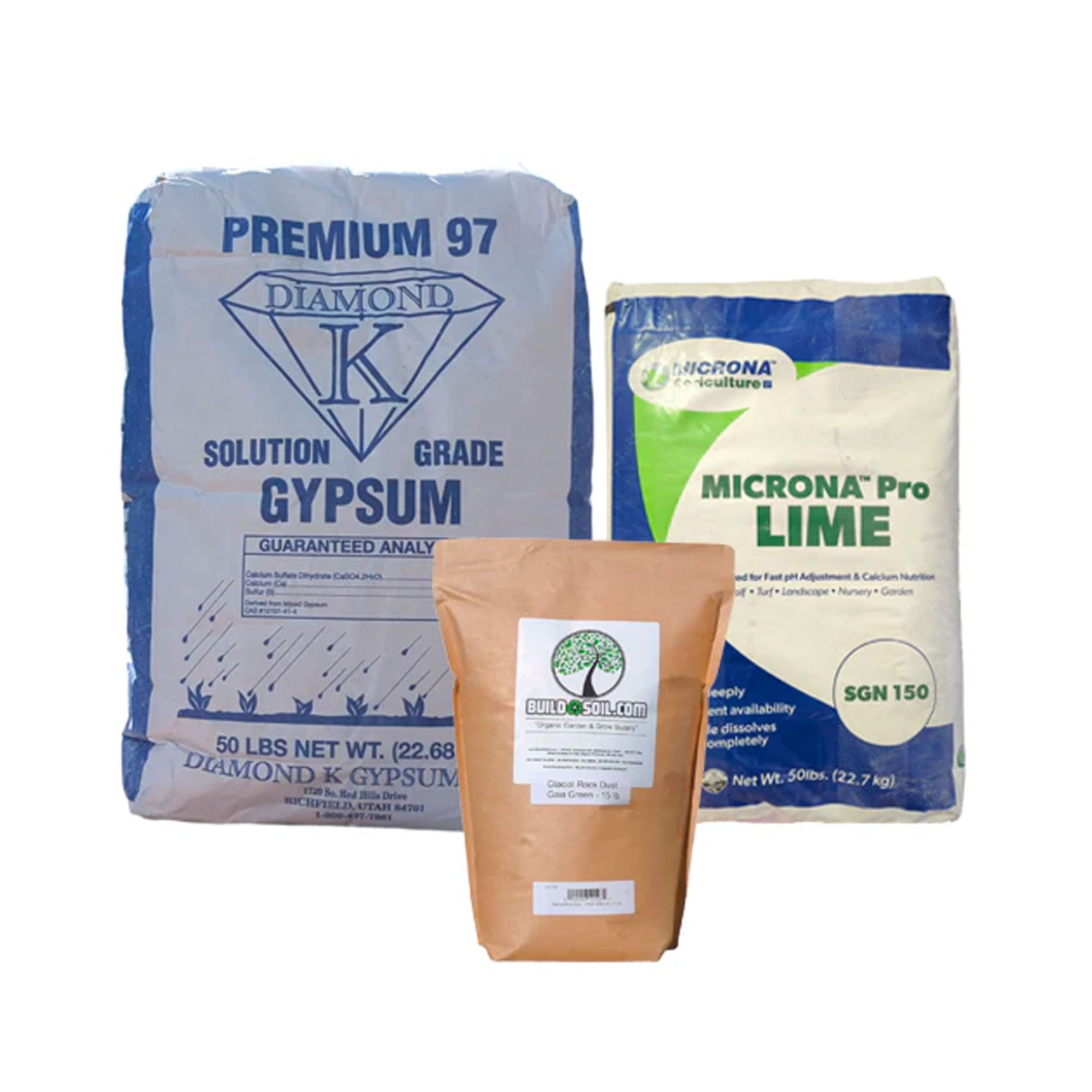
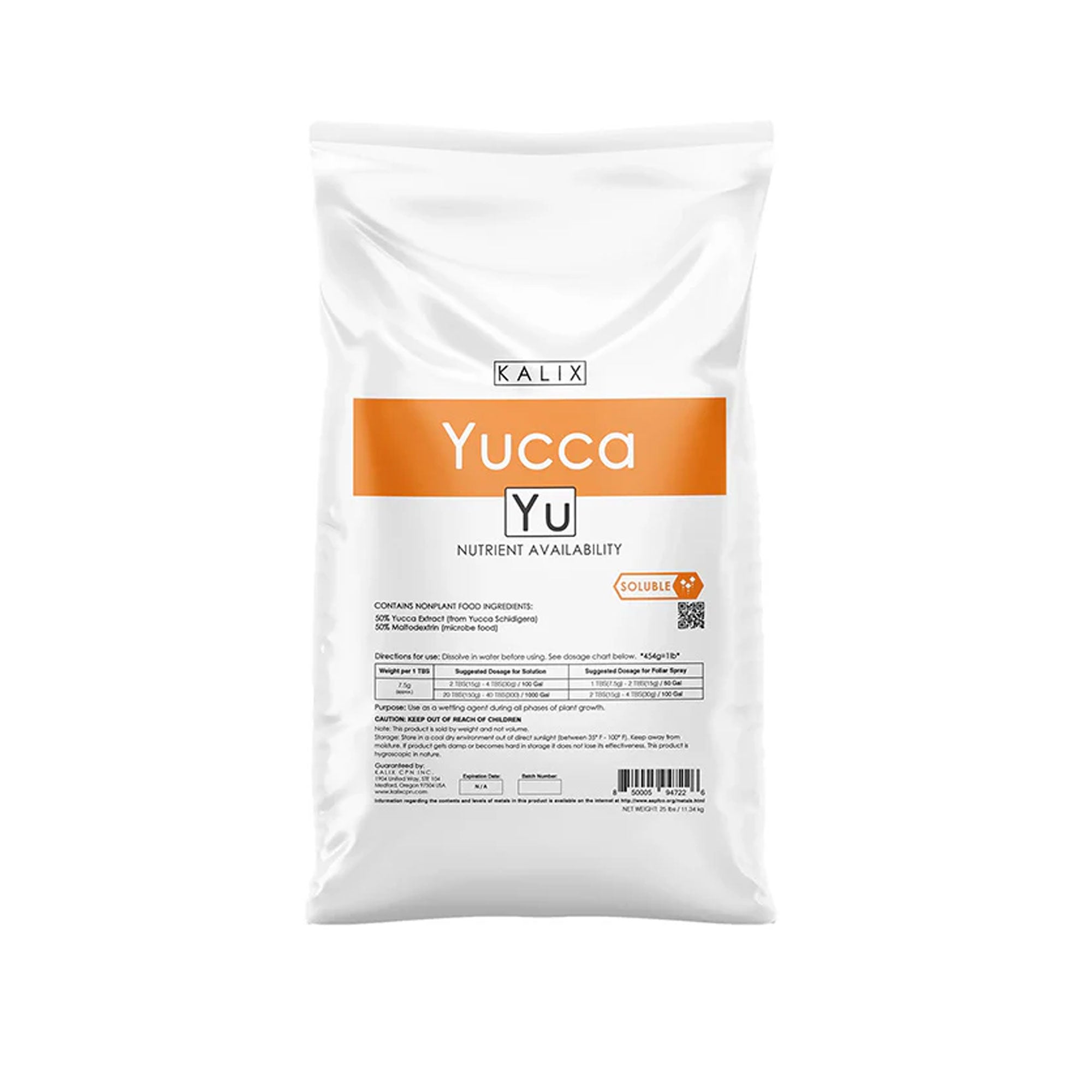
Plant supplements and additives are nutrient program components that address specific plant needs beyond what base nutrient formulas provide - bloom boosters that increase phosphorus and potassium at flowering onset, biostimulants that improve nutrient uptake efficiency, enzymes that break down dead root tissue in the substrate, and mineral supplements that fill the gap between what a base formula delivers and what a specific crop, water quality, or growth stage requires. A well-designed supplement program layers targeted inputs on top of a solid base nutrient foundation, with each addition addressing a measurable need rather than adding product for its own sake.
Major Supplement Categories
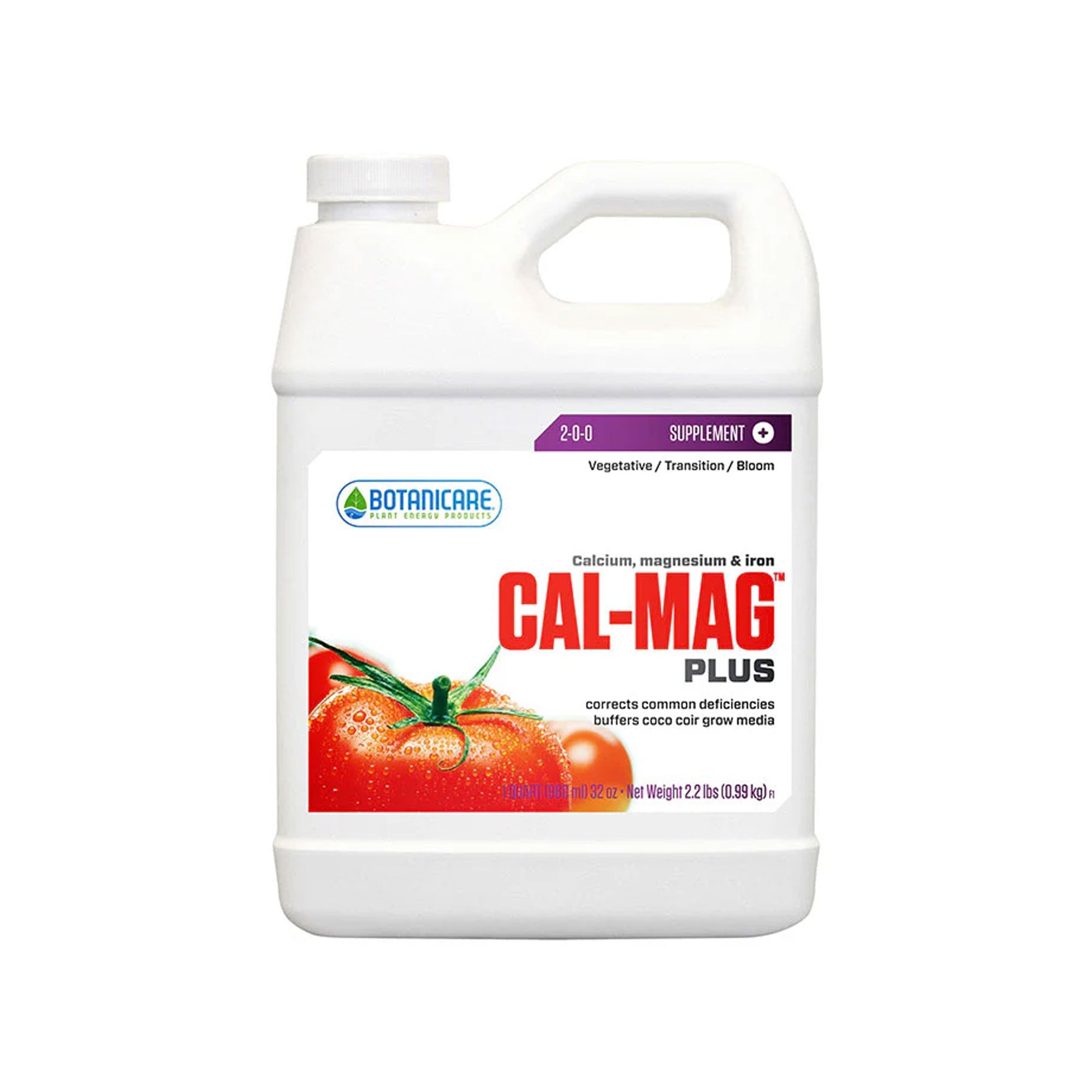
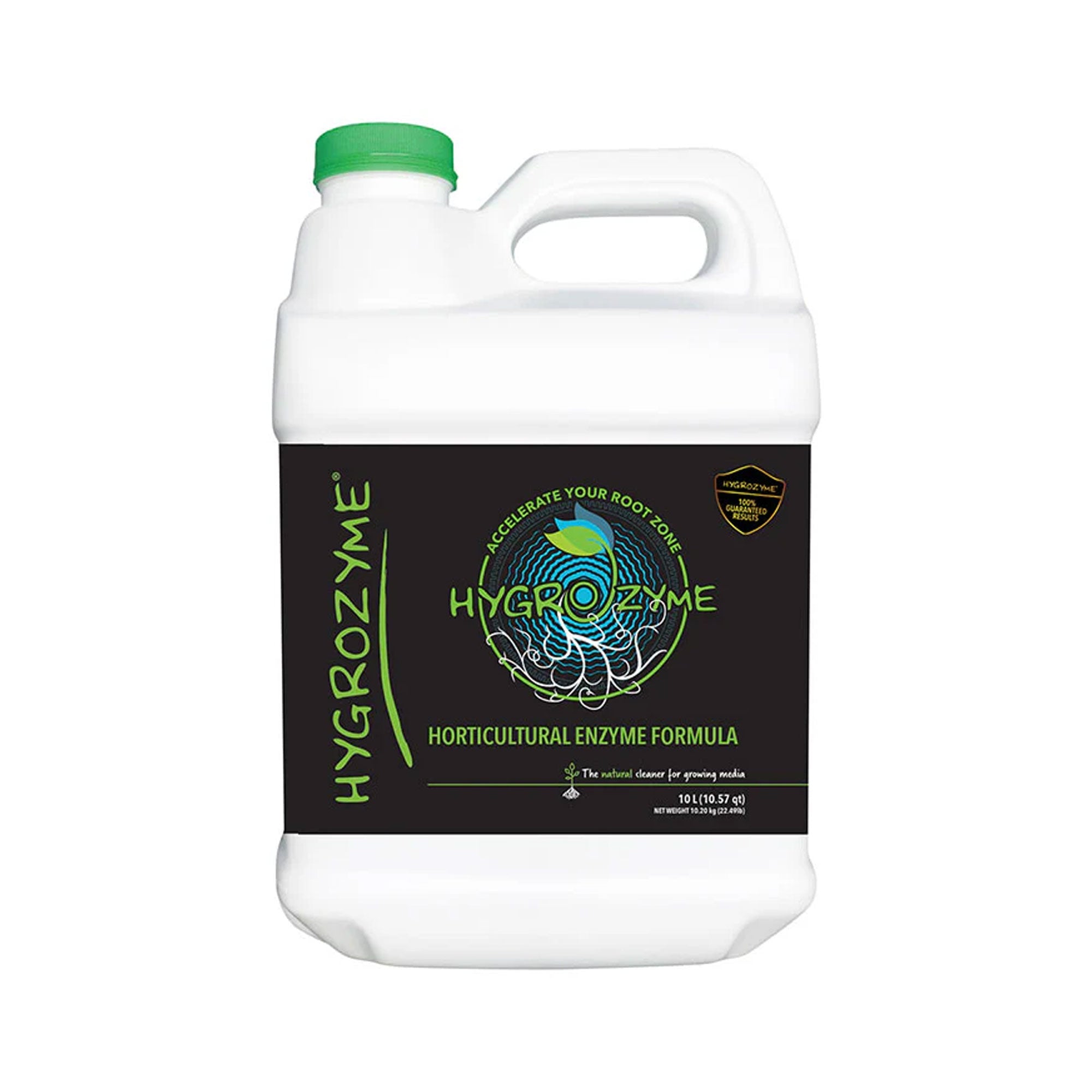
Bloom boosters and PK supplements increase phosphorus and potassium supply during the flower-building phase when demand for these elements peaks. Cal-Mag supplements correct the calcium and magnesium deficiencies common in soft-water and RO water programs. Silica strengthens cell walls and improves resistance to mechanical stress, heat, and pest feeding. Enzyme supplements (cellulase, protease, lipase) break down dead root material and organic matter in the substrate, preventing the anaerobic decomposition that produces root-disease-favorable conditions. Fulvic and humic acids improve chelation of trace minerals and root zone cation exchange capacity. Amino acid and vitamin supplements support root development and stress recovery. Browse all supplement categories in our complete hydroponic nutrients collection.
Supplement Philosophy
The most effective supplement programs start with a quality base nutrient and add targeted inputs with measurable rationale - not every supplement on the market is needed, and many programs run excellently with 3-5 products rather than 10-15. Start with base nutrients, cal-mag if water quality requires it, and silica; add bloom booster and enzymes; evaluate whether additional supplements are providing measurable benefit before expanding the program further. Fast shipping.
Plant Supplements FAQ
Do I need supplements if I am already using a complete base nutrient?
A quality two-part or three-part base nutrient provides all essential mineral elements, but several categories of supplementation add value even with a complete base. Cal-mag is commonly needed in soft-water and RO programs where the base formula is calibrated for average tap water mineral content that RO removes. Silica is not included in most base formulas at agronomically significant concentrations - it must be added as a standalone supplement. Enzymes are beneficial in all media-based programs for root zone health. Whether additional supplements (bloom boosters, biostimulants, amino acids) provide measurable production benefit depends on the base formula, crop, and growing conditions.
What is a bloom booster and when should I use it?
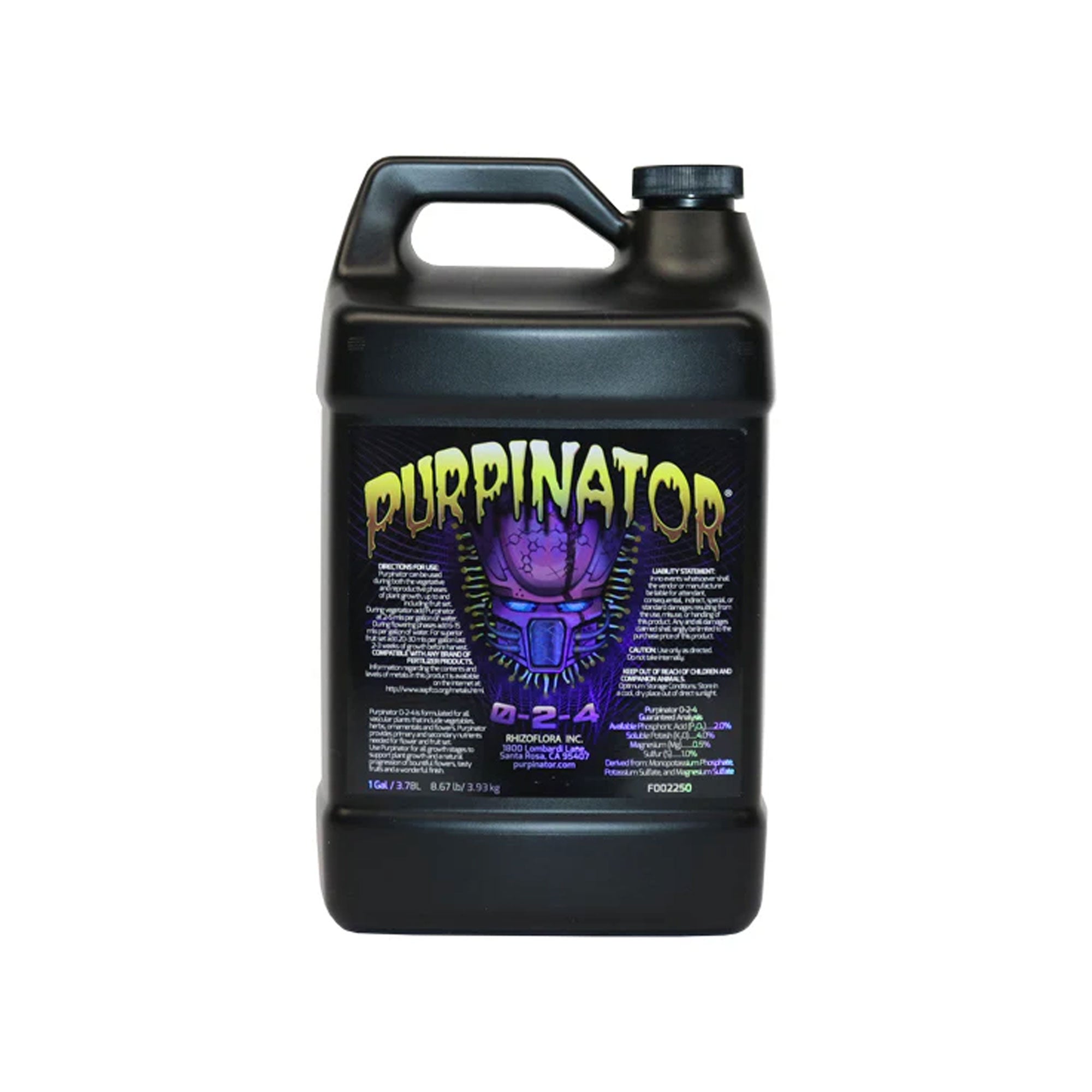
A bloom booster (PK supplement) provides elevated phosphorus and potassium to support the metabolic demands of flower and fruit development. During the flowering stage, plants shift energy from vegetative growth to reproductive structures (flowers, fruits, seeds) and their phosphorus and potassium demand increases. Most base nutrients are formulated with a vegetative-biased ratio; a bloom booster tilts the ratio toward the P and K levels appropriate for the flowering stage. Typical use: introduce at floral initiation (when first flower sites appear), increase through peak flowering, and taper in the final 1-2 weeks before harvest. Do not use bloom boosters during vegetative growth - excess P during veg can lock out zinc and iron.
What is the correct order to add supplements to a nutrient reservoir?
Safe addition order: (1) Start with clean water; (2) Add silica first if using - silica raises pH significantly and must be added and stirred before other nutrients; (3) Add cal-mag; (4) Add base nutrient Part A (calcium-dominant); (5) Add base nutrient Part B (phosphate/sulfate-dominant); (6) Add bloom booster and remaining supplements; (7) Add enzymes last (they can degrade in contact with concentrated nutrients); (8) Adjust pH after everything is added. Never combine concentrated silica and concentrated calcium in the same stock solution - they react and precipitate.
Can I mix all my supplements together into one stock solution?
Most supplements can be pre-mixed into a single stock solution for convenience, but with key exceptions: silica (potassium silicate) cannot be combined with calcium at high concentration - it forms insoluble calcium silicate deposits. Calcium-containing products (base nutrient Part A, cal-mag) cannot be combined in stock with phosphate or sulfate-containing products (base nutrient Part B, some bloom boosters) - calcium phosphate and calcium sulfate precipitation occurs in concentrated solutions. Keep these groups in separate stock tanks and combine only in the dilute final reservoir. All other supplements - enzymes, amino acids, humic/fulvic acids, and most biostimulants - can be combined in a single supplemental stock tank.
How do I know if a supplement is actually working?
Evaluate supplements by maintaining a control: run the supplement in some plants but not others in the same environment with the same base program, and compare growth rate, yield, and plant health at harvest. Without a control comparison, it is impossible to attribute observed plant performance to a specific supplement versus baseline nutrition, environmental conditions, and genetics. For commercial operations, the cost-per-gram-of-additional-yield metric determines whether a supplement's economic return justifies its cost. For hobby growers: track yields and plant performance with and without the supplement across comparable cycles to determine if the supplement provides a noticeable benefit worth its cost.