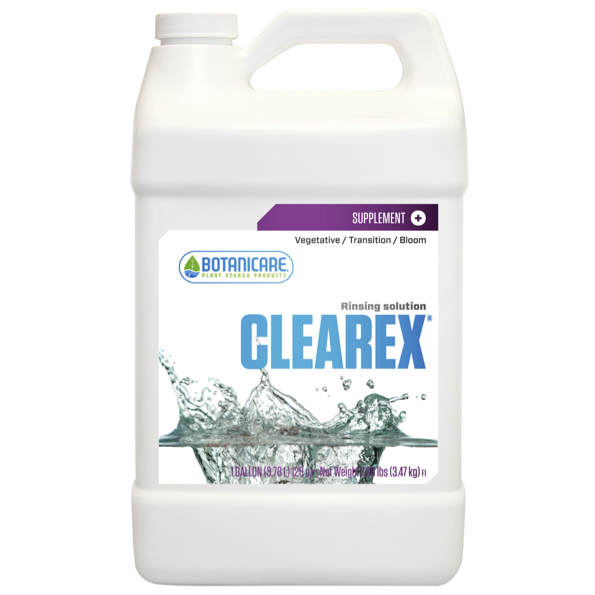
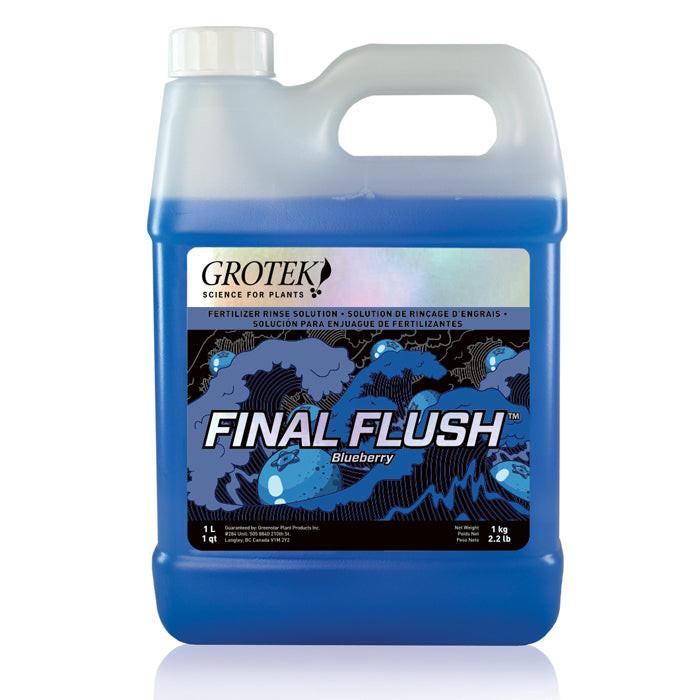
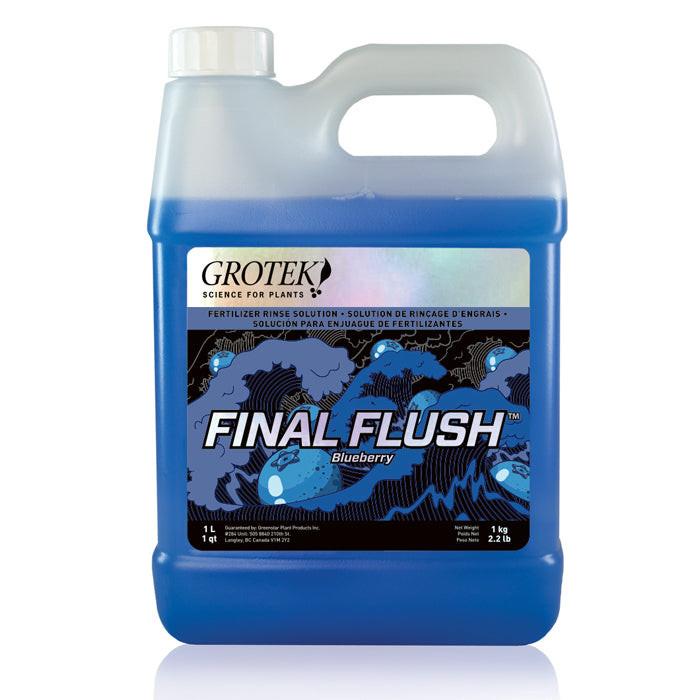
Plant Flushing Agents for Pre-Harvest Nutrient Clearing
Flushing agents are products designed to accelerate the removal of accumulated nutrient salts and mineral deposits from growing media and plant tissues in the final stage of the crop cycle before harvest. The concept behind pre-harvest flushing is that reducing the mineral load in the root zone and plant tissue during the final 1-2 weeks of flowering improves the quality of harvested material by allowing the plant to metabolize and redistribute stored mineral reserves before harvest. Whether through plain water flushing or flushing agent-assisted programs, the approach is widely practiced across both hobby and commercial growing operations.
How Flushing Agents Work
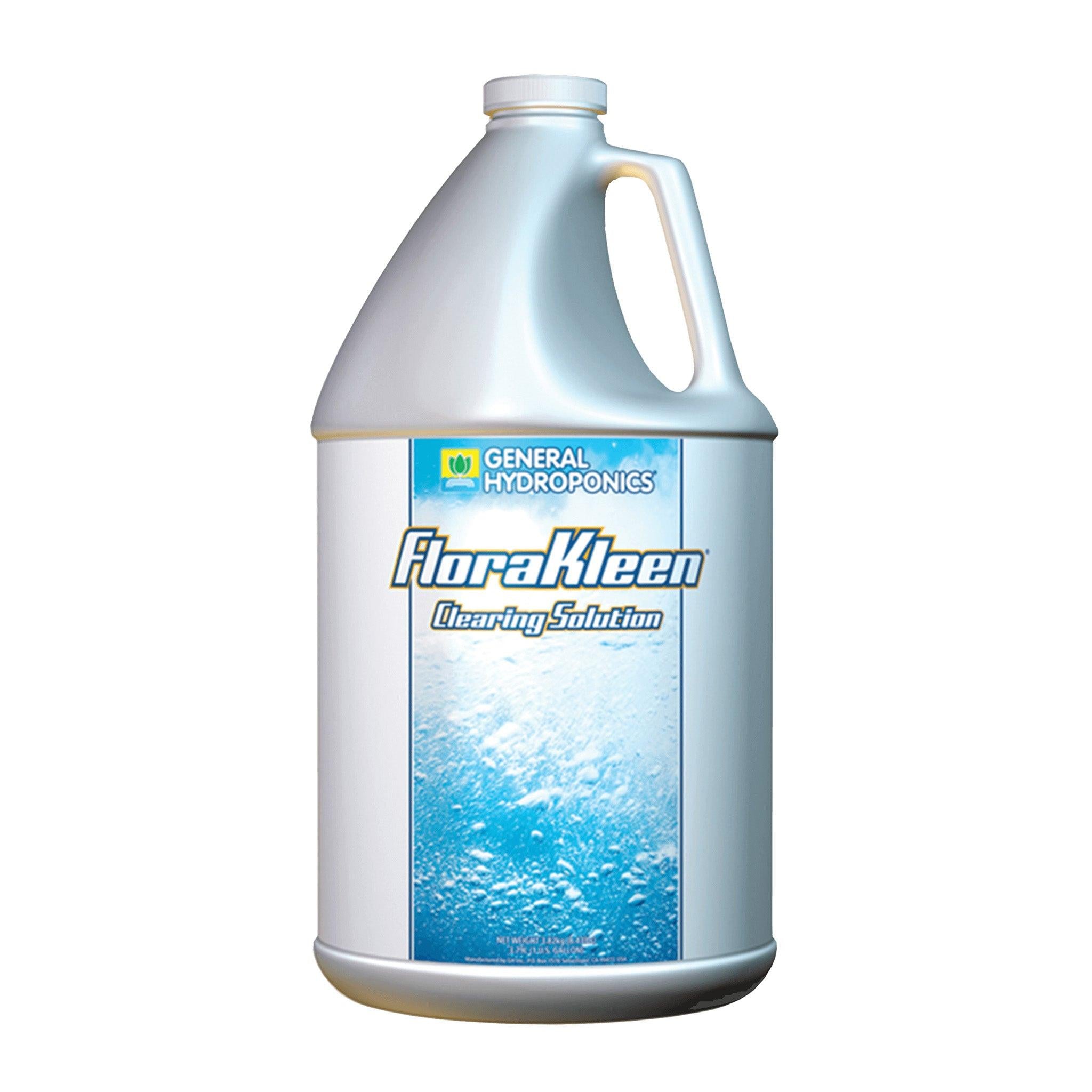
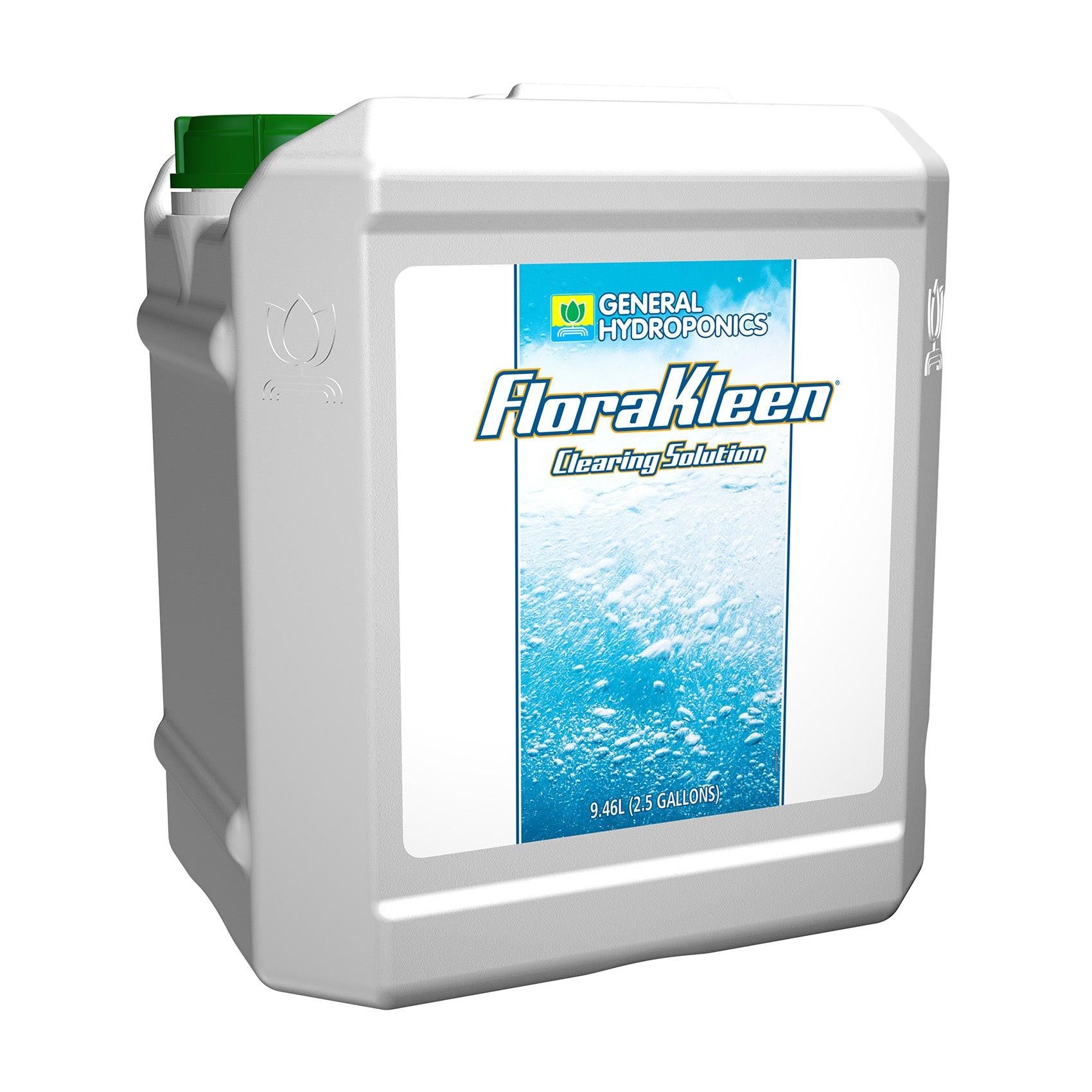
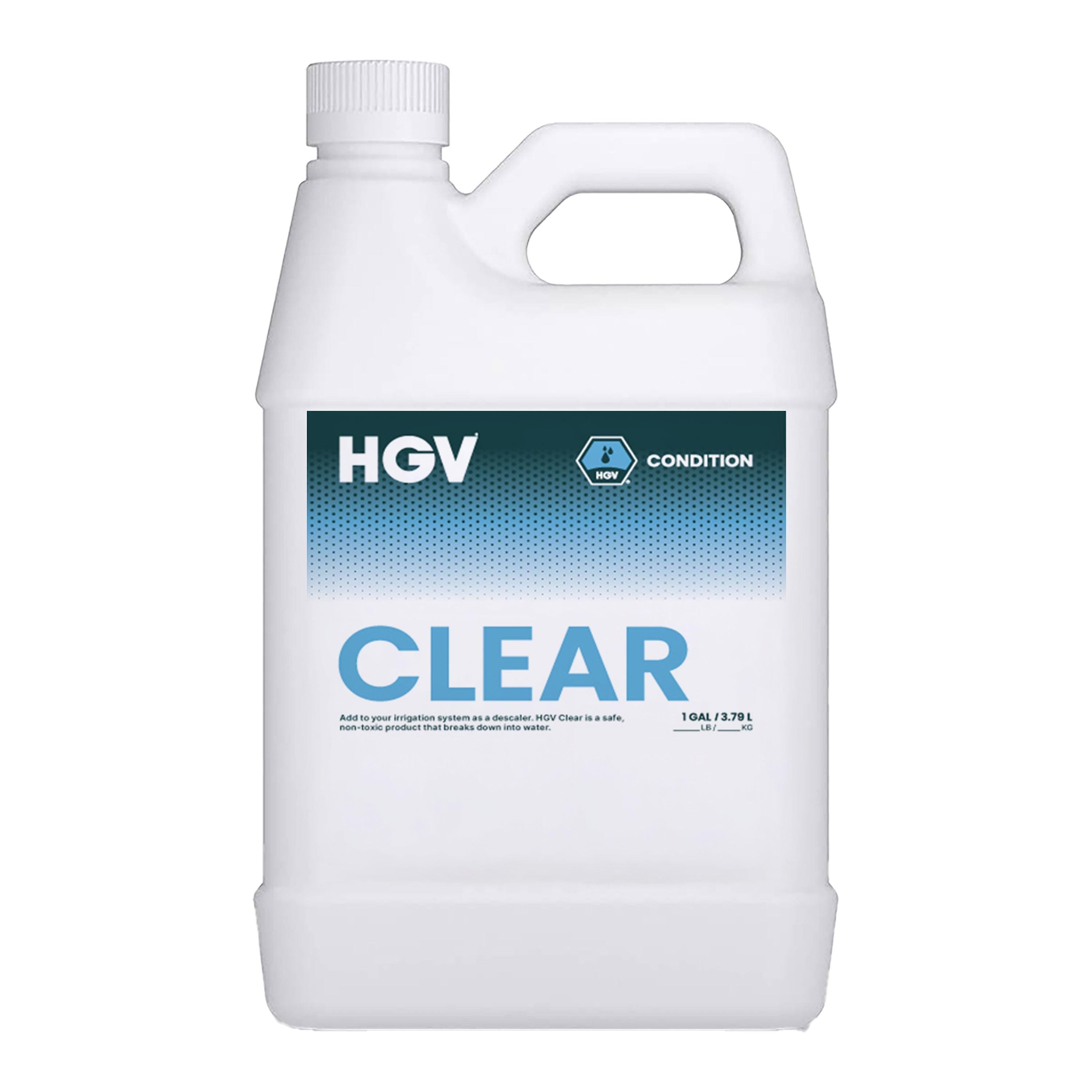
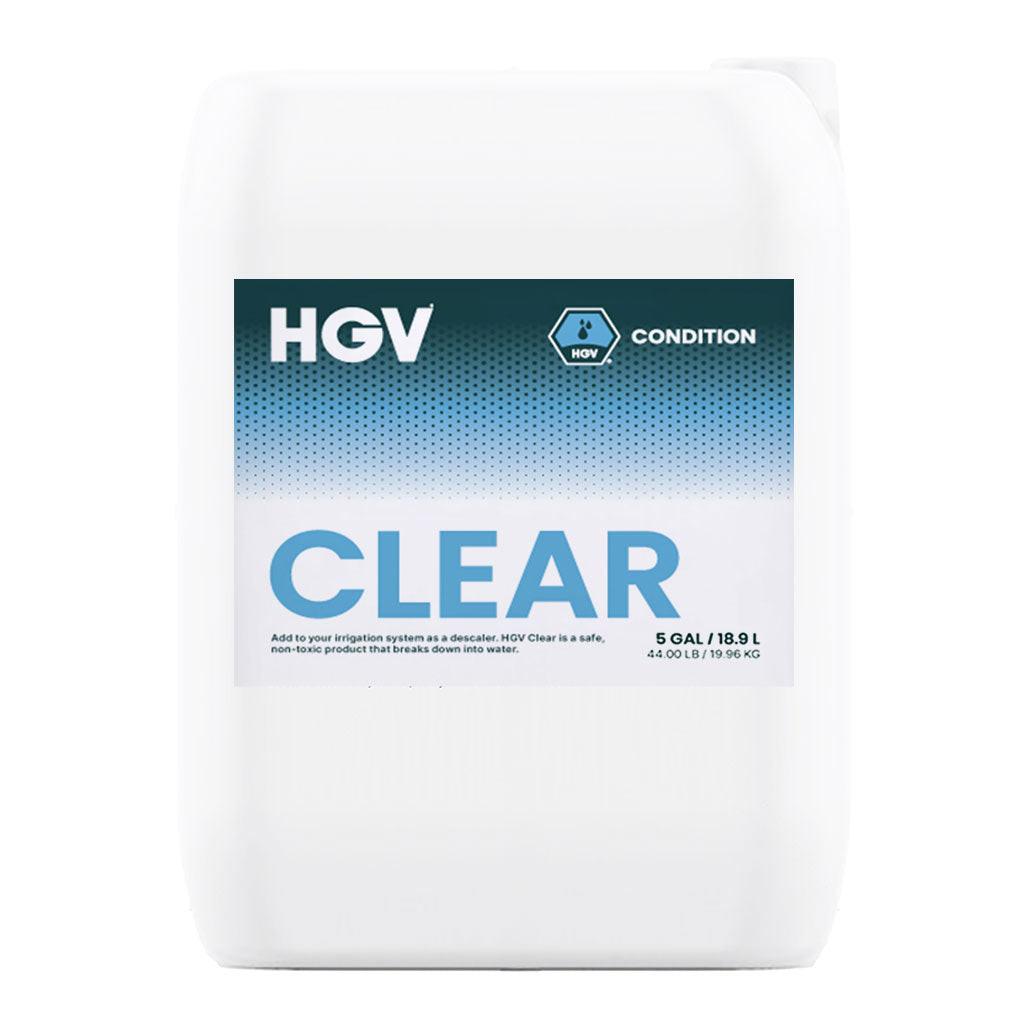
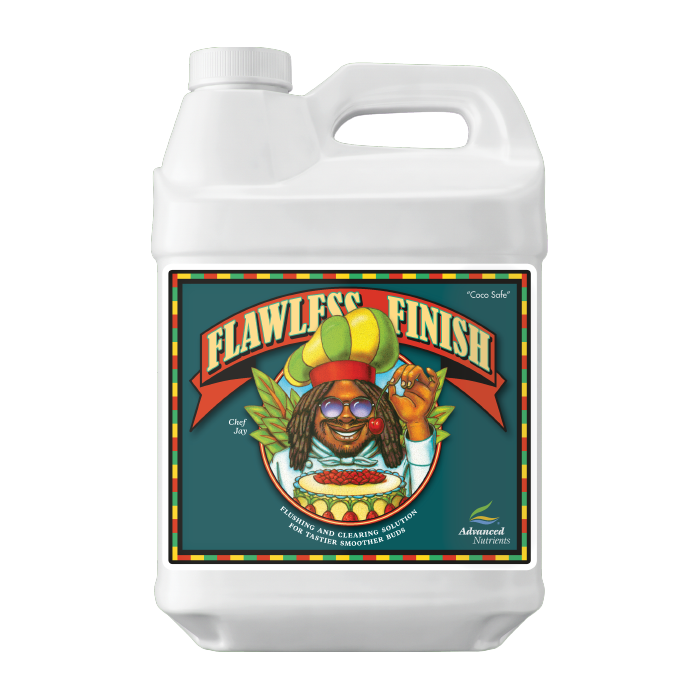
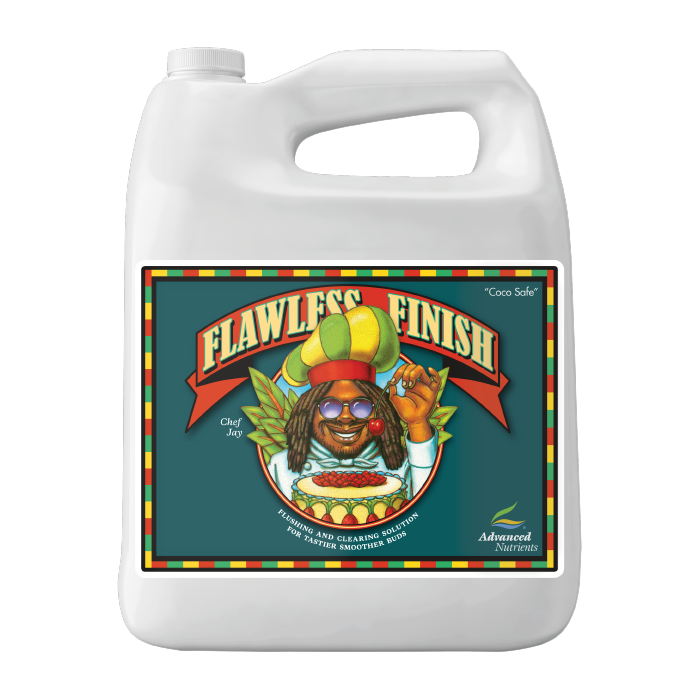
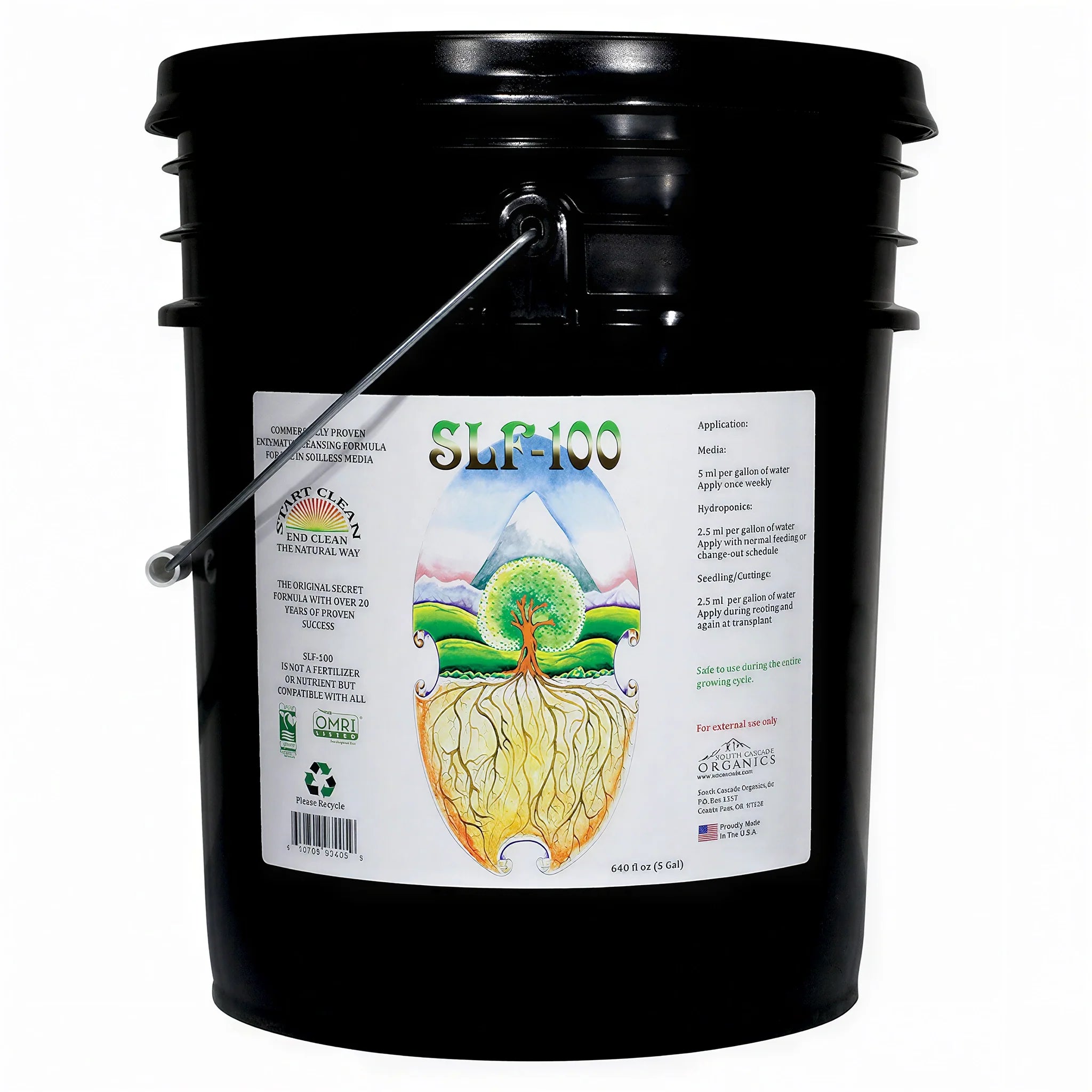
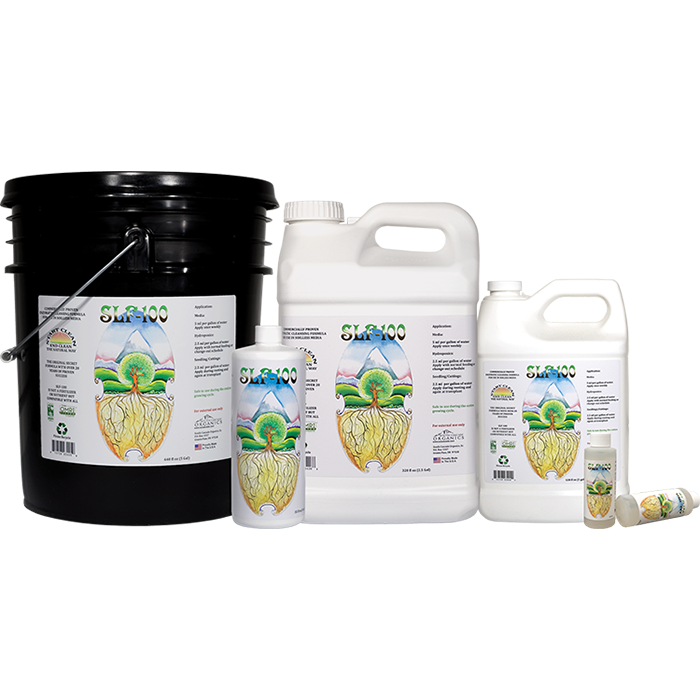
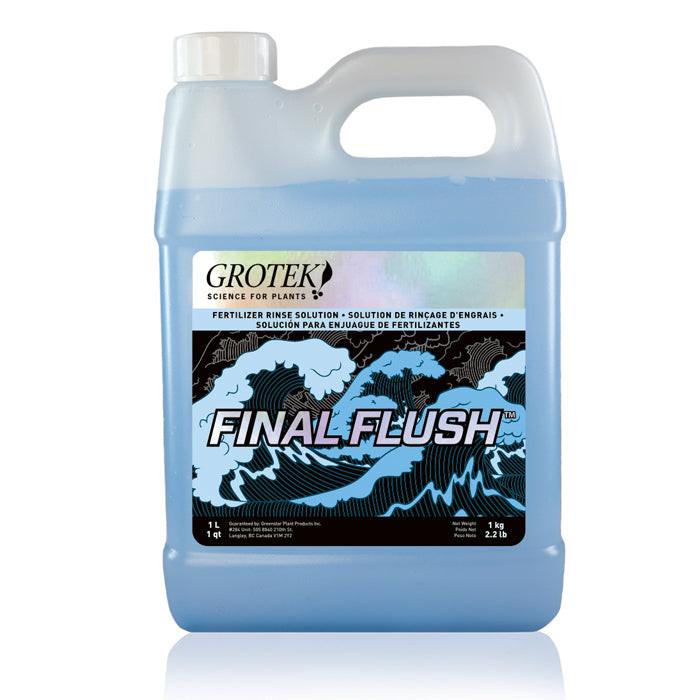
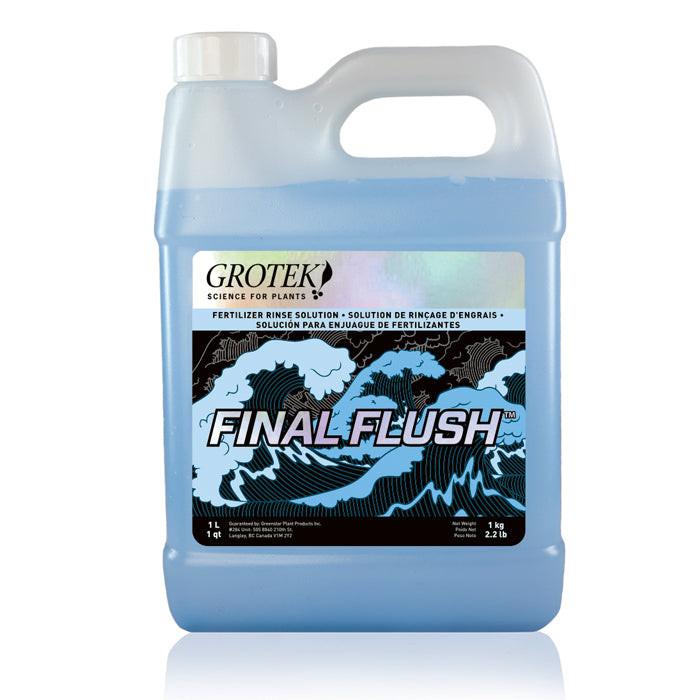
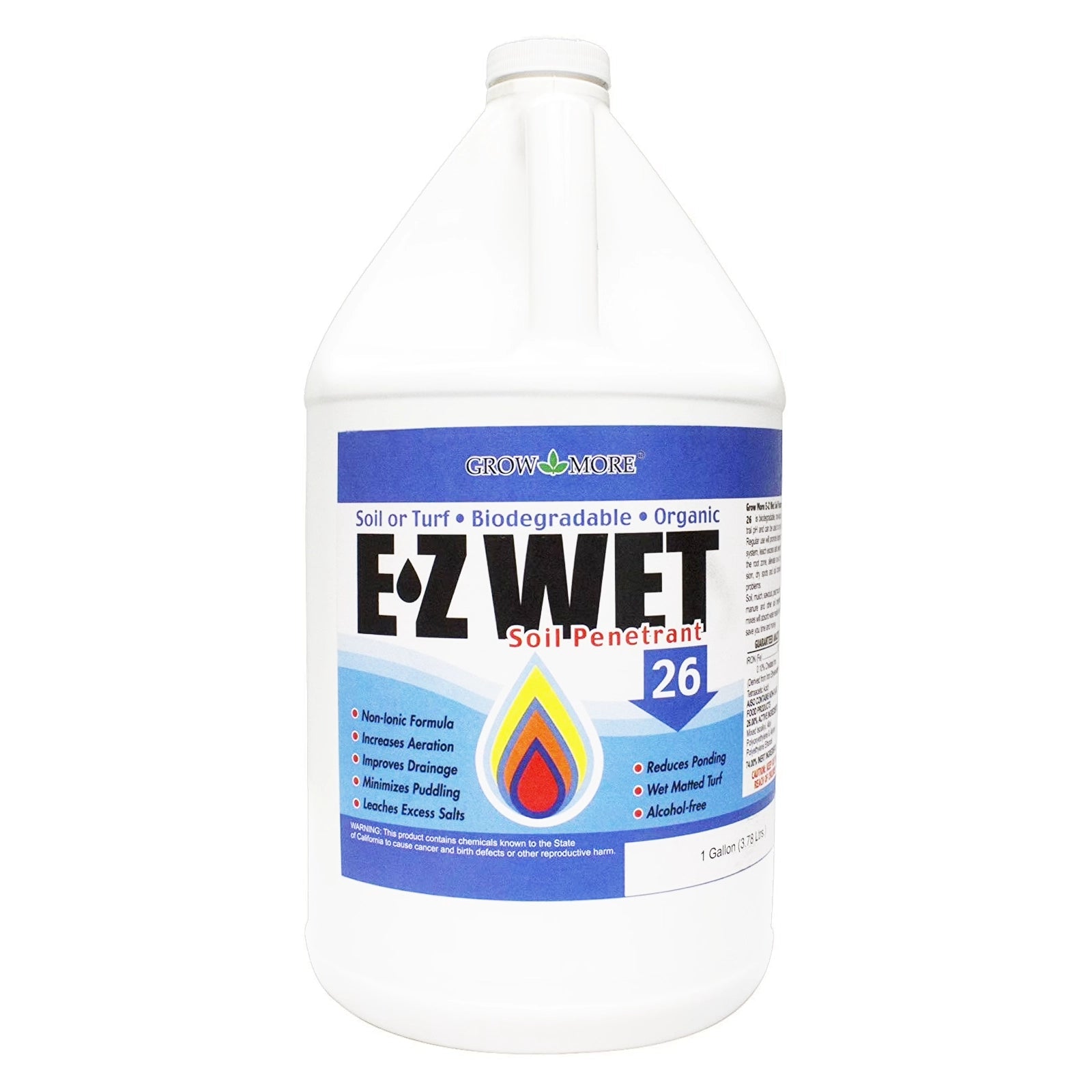
Flushing agents typically contain chelating agents, surfactants, or organic acid compounds that help release mineral salt bonds from root zone substrate particles and facilitate their removal in runoff. Florakleen (General Hydroponics), Final Phase (Advanced Nutrients), and similar products claim to accelerate salt removal more effectively than plain water flushing alone. Scientific evidence for improved outcomes from flushing agent products versus plain water flushing is mixed and crop-dependent - the most consistent benefit documented is in heavily fertilized growing media where salt accumulation is significant. For organic growing programs or heavily salted coco and soil media, flushing agents provide a more systematic clearing approach than plain water alone.
Flushing in Different Growing Systems
In drain-to-waste coco or soil: switch to plain water or a flushing solution for the final 7-14 days, watering to 20-30% runoff to progressively dilute the salt content of the root zone. Monitor runoff EC with a calibrated EC meter - when input EC (plain water or flushing solution) matches runoff EC, the media is cleared. In DWC and RDWC: drain and refill the reservoir with plain water (with or without flushing agent) for the final 7-14 days, running the system normally. In NFT and other thin-film systems: switch to plain pH-adjusted water for the final week. Pair with EC meters to track the clearing process. Fast shipping.
Flushing Agents FAQ
Do I need to flush plants before harvest?
Pre-harvest flushing is a common practice with advocates across hobby and commercial growing, but scientific evidence for definitive quality improvement from flushing specifically is nuanced. The clearest case for flushing: heavily fertilized grows with high EC programs where significant salt accumulation in the medium at harvest is likely. The weakest case: light-feeding organic soil programs where nutrient salt accumulation is minimal. Most growers run at least 7-14 days of reduced or zero EC at the end of cycle regardless of flushing agent use - this pre-harvest period appears to benefit final quality across multiple metrics. Whether a dedicated flushing agent outperforms plain water is the more debated question.
How do I know when flushing is complete?
The most reliable indicator: when the EC of runoff water from the growing medium matches the EC of your input water (plain water or flushing solution). If you are flushing with plain RO water at 0.0 EC and your runoff starts at 3.0 EC and drops to 0.1 EC over 7-10 days, the medium has cleared substantially. Monitor runoff EC daily with a calibrated EC meter. In DWC and recirculating systems, monitor the reservoir EC - it rises as accumulated plant tissue nutrients return to solution and falls as the plant draws them down. A stable near-zero EC in the reservoir is the clearing indicator in recirculating systems.
How long before harvest should I start flushing?
7-14 days before intended harvest is the standard recommendation for most growing programs and media types. Heavily salted coco or soil media with high baseline EC may benefit from up to 2 weeks of flushing. Lighter feeding programs in well-draining media may clear adequately in 5-7 days. Some growers in organic programs choose not to flush at all, believing the final weeks of minimal feeding in a living soil environment provides natural clearing without the need for a dedicated flush period. Match flush duration to your starting runoff EC and watch it drop rather than following a fixed number of days.
What is the difference between Florakleen and plain water flushing?
Florakleen (General Hydroponics) contains chelating agents designed to release mineral salt bonds from substrate particles, releasing accumulated salts into runoff more completely than plain water alone. In controlled comparisons on heavily fertilized coco, Florakleen typically produces faster EC reduction in runoff compared to plain water flushing at equivalent volumes. For lightly fertilized programs or organic soil where salt accumulation is minimal, the difference between Florakleen and plain water flushing in final outcomes is less significant. Florakleen is also used mid-cycle for system maintenance flushing - clearing salt buildup from recirculating systems and irrigation lines without stopping production.
Can I flush with tap water or should I use RO water?
Either works for flushing, with some considerations. RO water at near-zero EC provides the maximum EC gradient for driving salt out of the growing medium - every liter of flush water dilutes the root zone salts more aggressively than tap water carrying its own 150-300 ppm baseline TDS. Tap water with moderate TDS still produces effective flushing - the input EC just needs to be significantly below the current runoff EC to drive the clearing process. If your tap water runs above 300 ppm TDS, using RO water for the flush phase provides a cleaner and more complete clearing outcome, particularly for the final days before harvest.