Heavy clay
Clay that drains poorly
Add compost every year. Oregon State Extension says sand won't fix clay, and Iowa State notes gypsum mainly helps sodium-rich soils.

Garden soil amendments
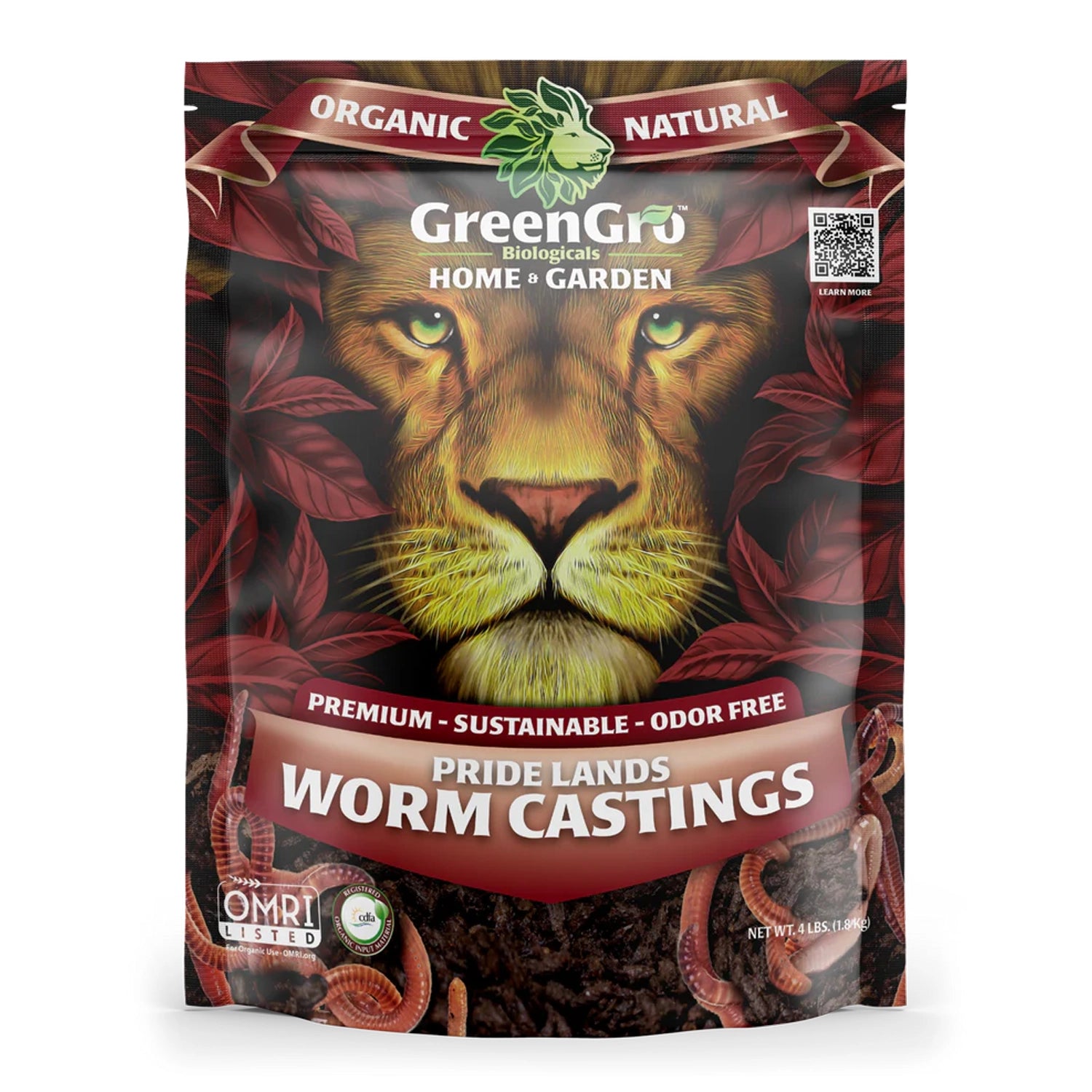
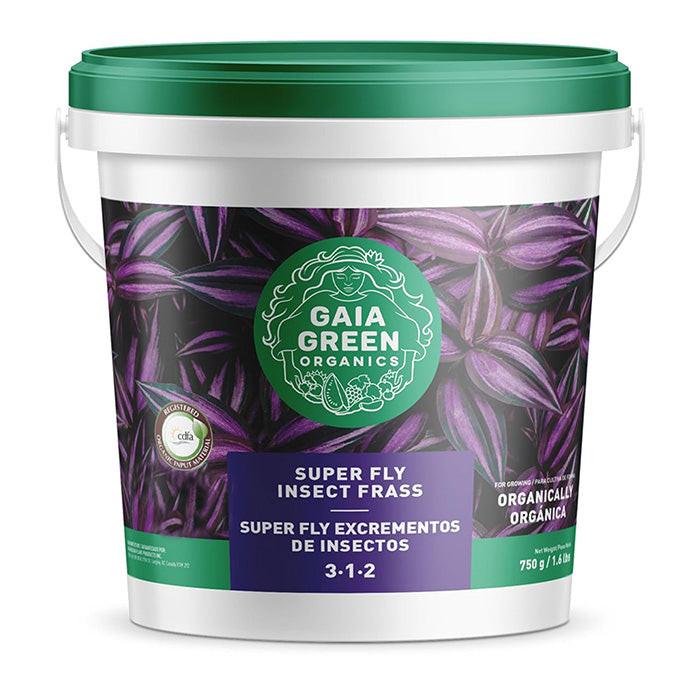
Most garden soil needs two things: organic matter every year, like compost or worm castings, and the one nutrient a soil test says is low. Blood meal or alfalfa meal adds nitrogen, bone meal adds phosphorus and calcium, kelp meal adds potassium and trace elements, and lime or sulfur moves pH. Unlike a fertilizer, an amendment also changes how soil holds water, drains and breathes. Shop in-stock castings, meals, kelp, minerals and microbes below.
Updated October 2026

Start with the problem you're solving. Each card jumps to the amendment type that fixes it.
Heavy clay
Add compost every year. Oregon State Extension says sand won't fix clay, and Iowa State notes gypsum mainly helps sodium-rich soils.
Sandy soil
Sand can't hold water, but organic matter can. Mix in compost or castings, and use coco, peat or vermiculite in containers.
Reusing potting soil
Spent mix is hungry, not ruined. Add a re-amend blend at the label rate plus at least 5% castings or compost.
Living / no-till soil
USDA NRCS sums it up: disturb soil less, keep it covered and keep roots growing. Feed it with castings, meals, kelp and rock dust.
Pale leaves
Reach for a nitrogen meal. Blood meal works fastest and feather meal lasts longest, per Colorado State Extension.
Soil test says pH is off
Test first. Lime raises pH and elemental sulfur lowers it, so apply only what the test calls for.
Organic and biological amendments feed the soil and the life in it. Minerals and structure amendments fix chemistry and texture. Each type covers what it does, how much to use and when you'd pick something else, with a couple of in-stock options.
Organic
Best forEvery bed and container mix, every year
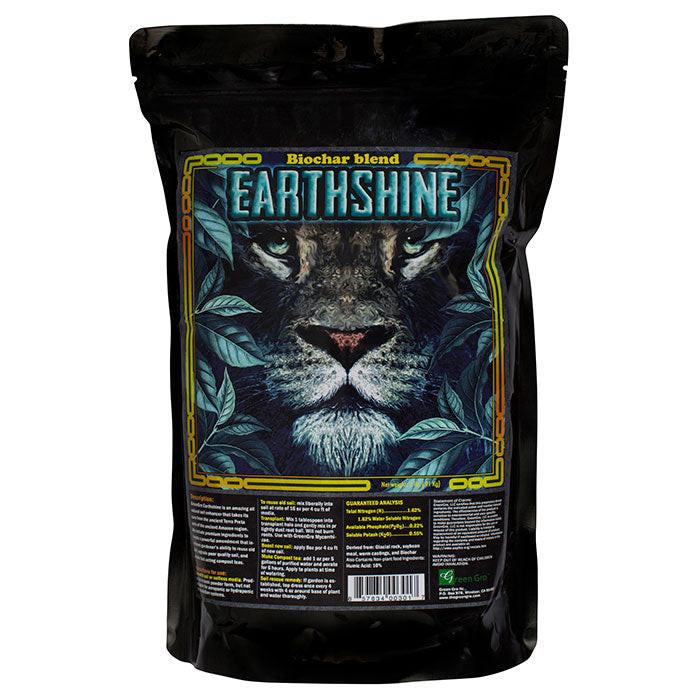
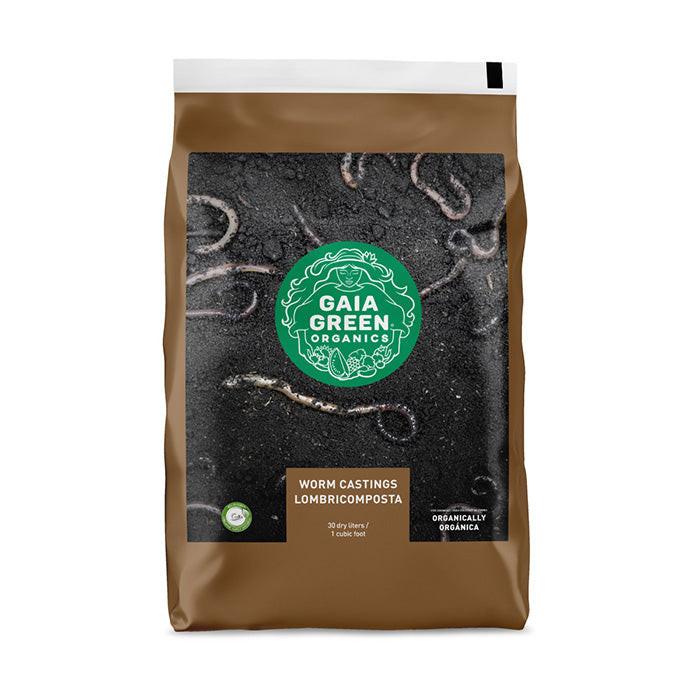
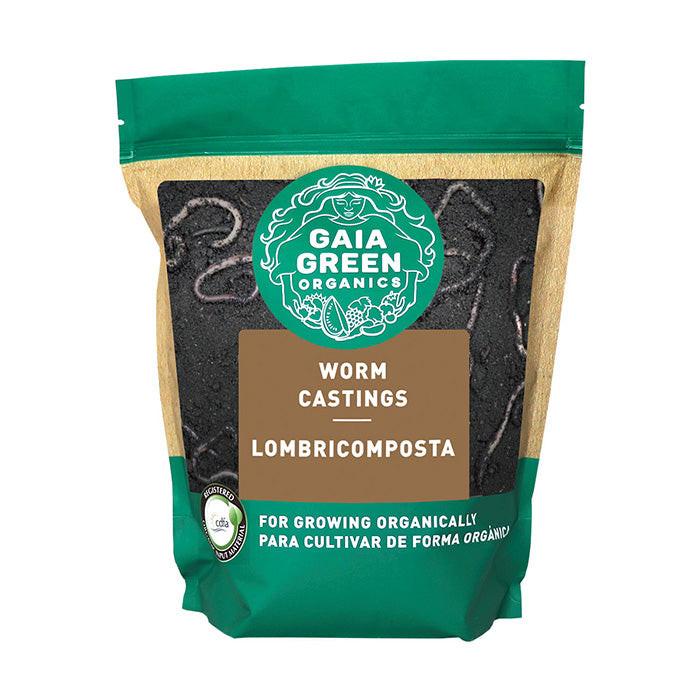
Compost is broken-down plant and manure matter, and worm castings are compost that's been through earthworms. Both open up clay, help sand hold water and feed soil life with a small, slow supply of nutrients. Colorado State Extension calls them soil builders, not a complete fertilizer.
Choose it when
Pick something else if
Shop Worm castings & compost
Shop all castings & compost →Organic
Best forPale leaves, leafy crops and heavy feeders
Blood, alfalfa, feather and crab meal are dried by-products that release nitrogen as soil life breaks them down. Blood meal (12-0-0) works fastest. Feather meal lasts longest, alfalfa meal (2-0-1) is gentle, and crab meal (4-3-0) adds calcium too, according to Colorado State Extension.
Choose it when
Pick something else if
Shop Nitrogen meals: blood, alfalfa & crab meal
Shop all organic meals →Organic
Best forRoots, bulbs, flowers and fruit
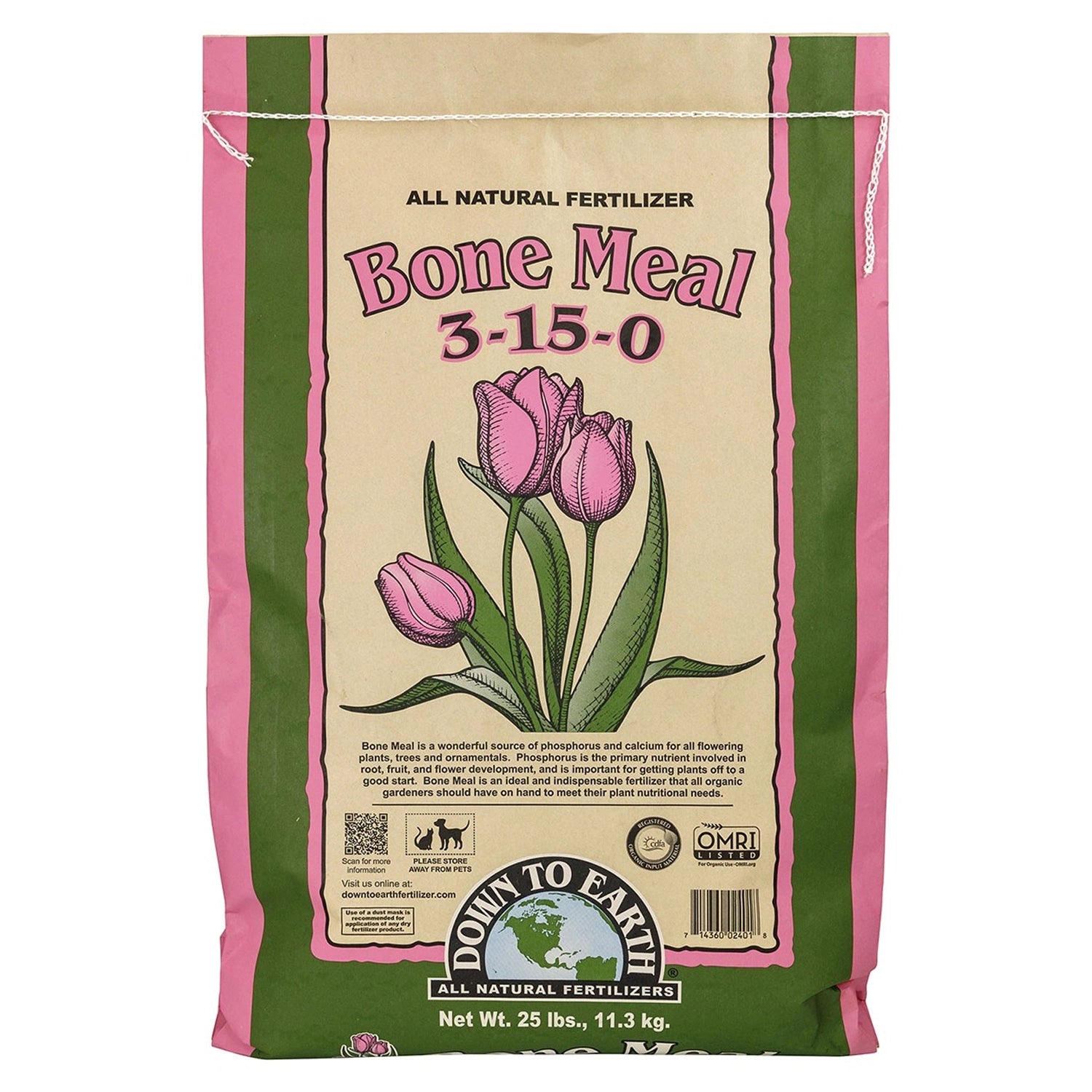
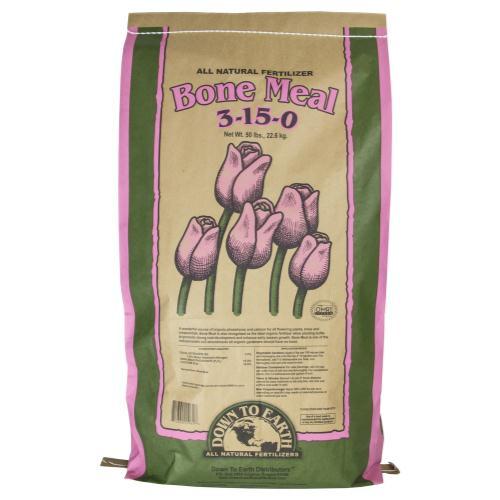
Bone meal (3-15-0) and fish bone meal (4-12-0) are ground bone that supplies phosphorus plus calcium. They break down over months, so work them into the root zone before you plant rather than sprinkling them on top.
Choose it when
Pick something else if
Shop Bone meal & phosphorus meals
Shop all organic meals →Organic
Best forPotassium, trace elements and steady vigor
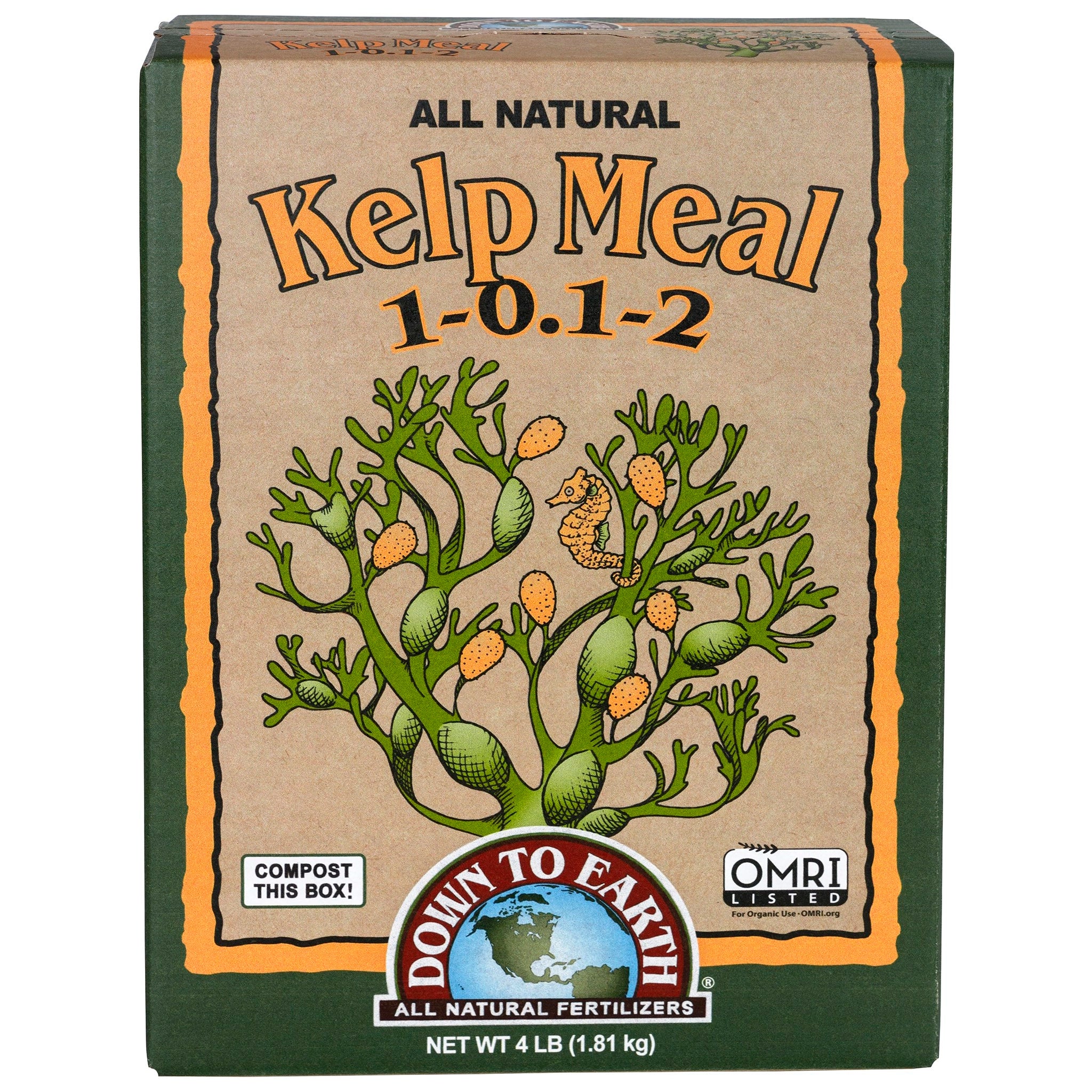
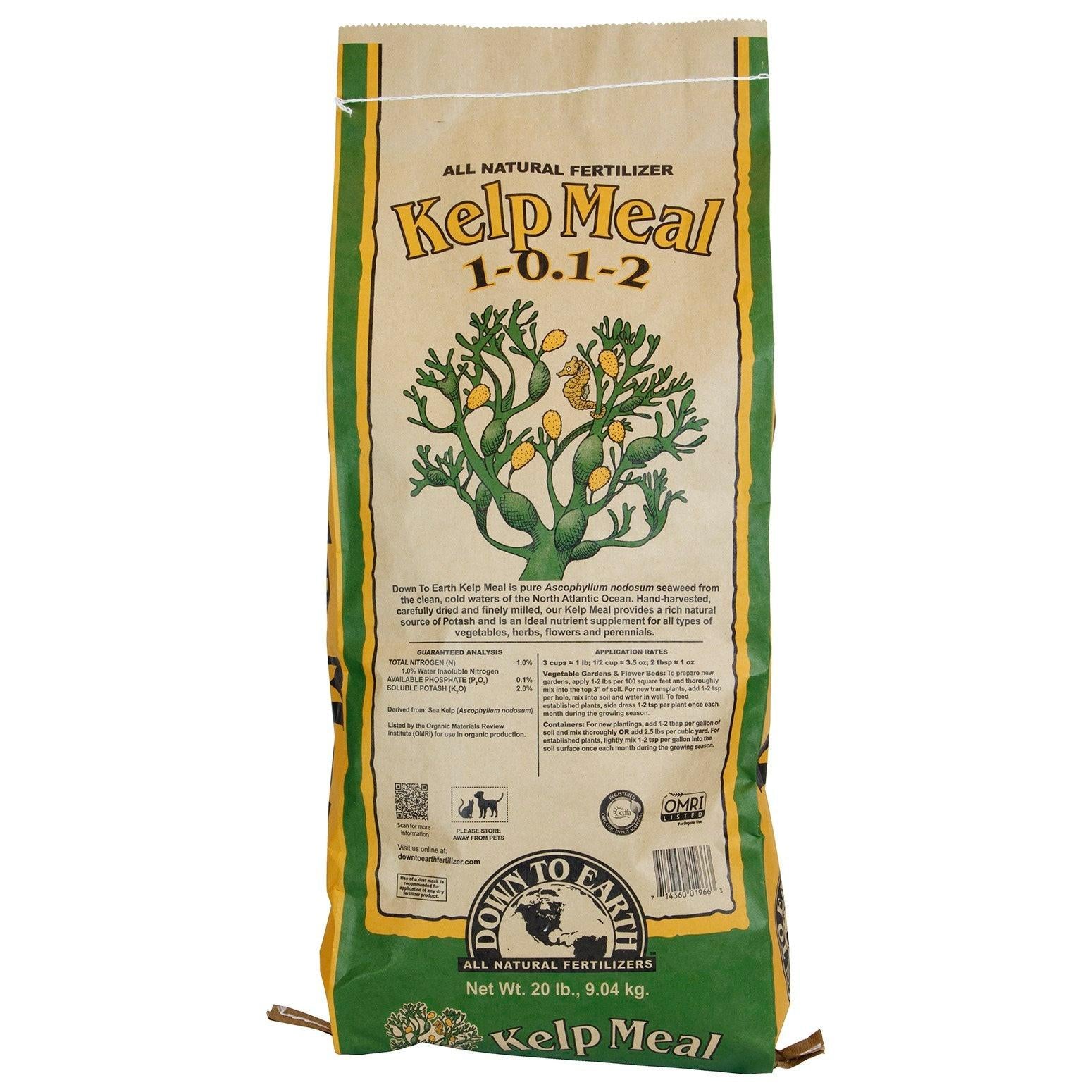
Kelp meal (1-0.1-2) is dried kelp you mix into soil, where it feeds slowly for months. Liquid kelp extract does the same job faster as a foliar spray or root drench. Either way you're adding potassium and trace elements more than bulk nutrients.
Choose it when
Pick something else if
Shop Kelp meal & kelp extract
Shop all kelp products →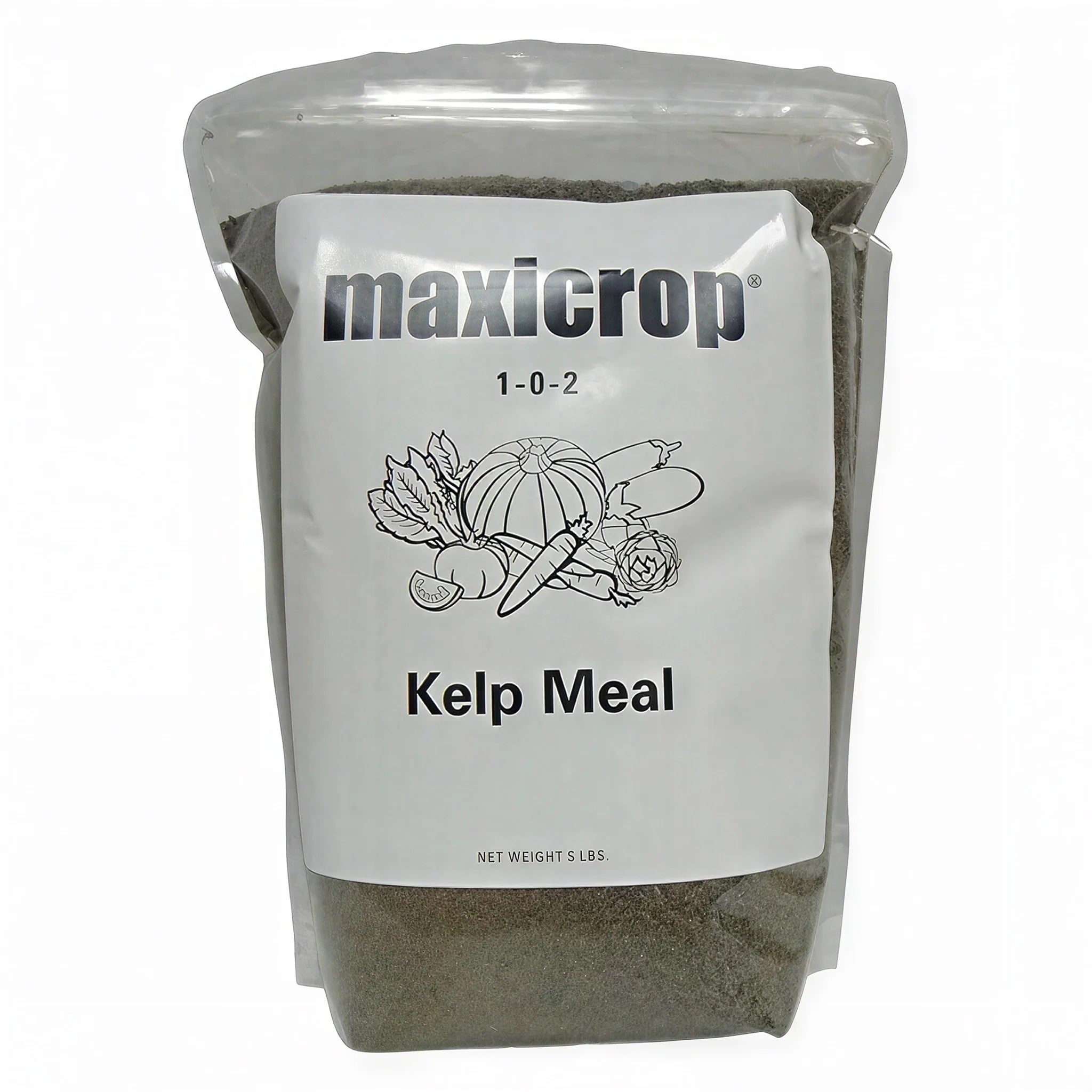
Mineral
Best forFixing pH and adding calcium and trace minerals
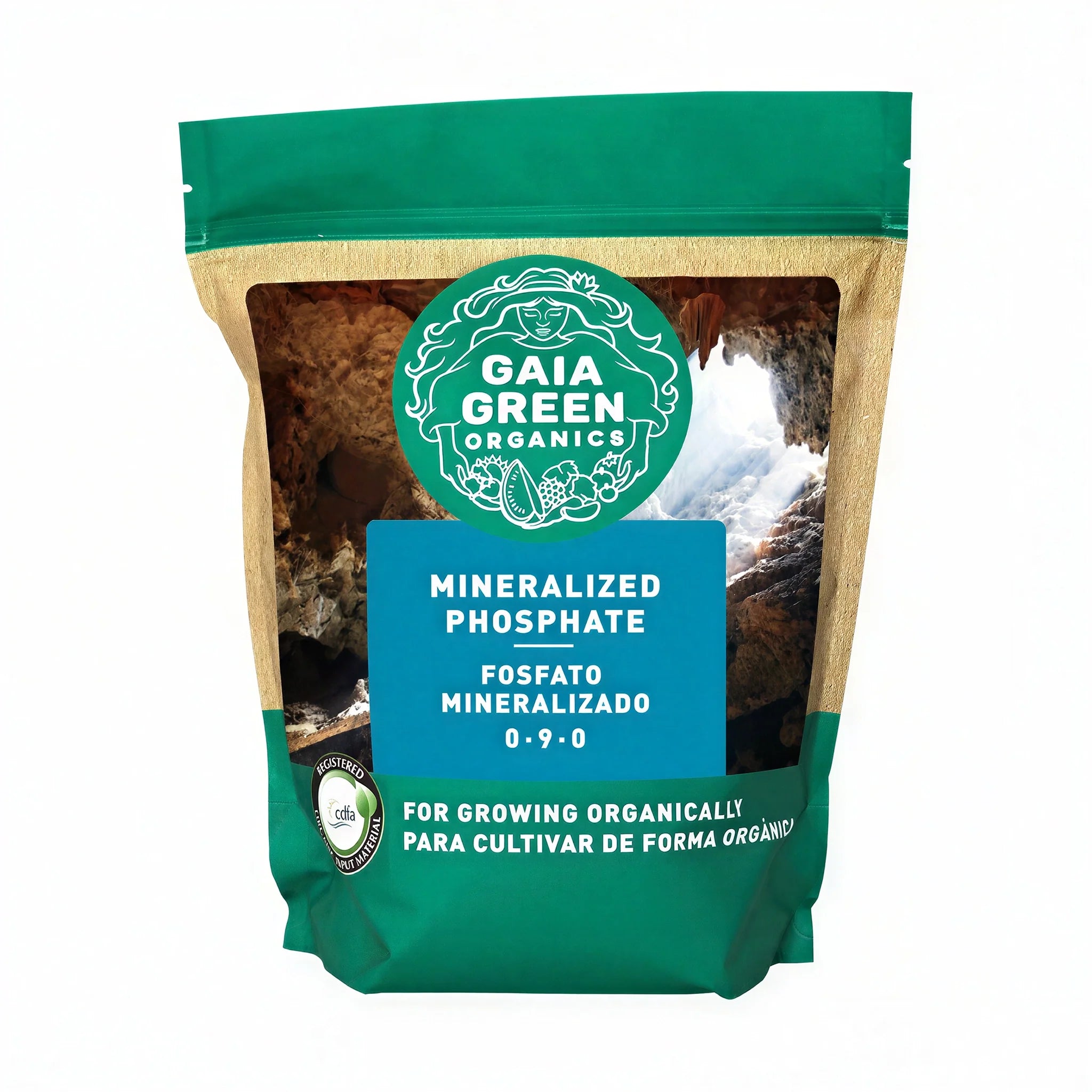
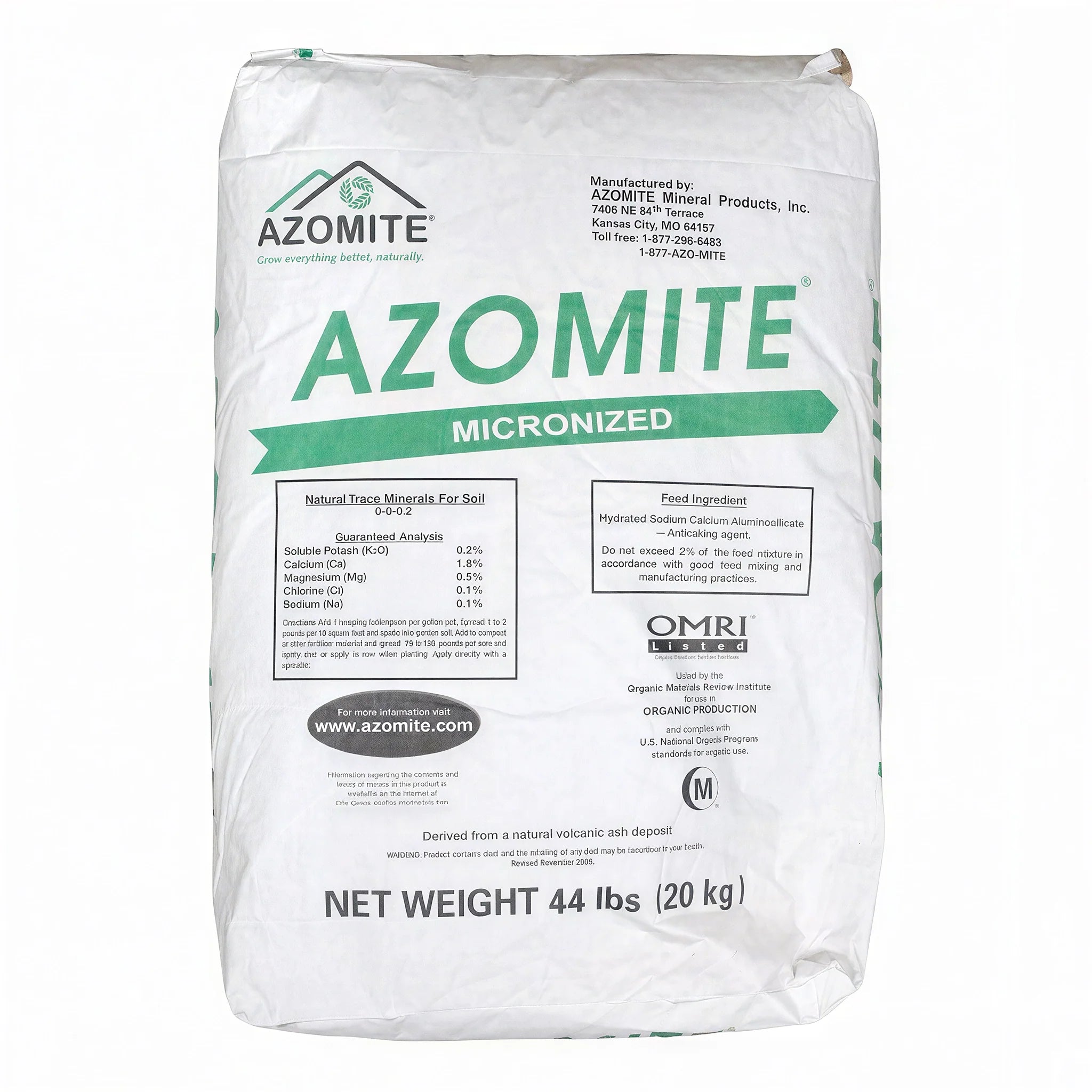
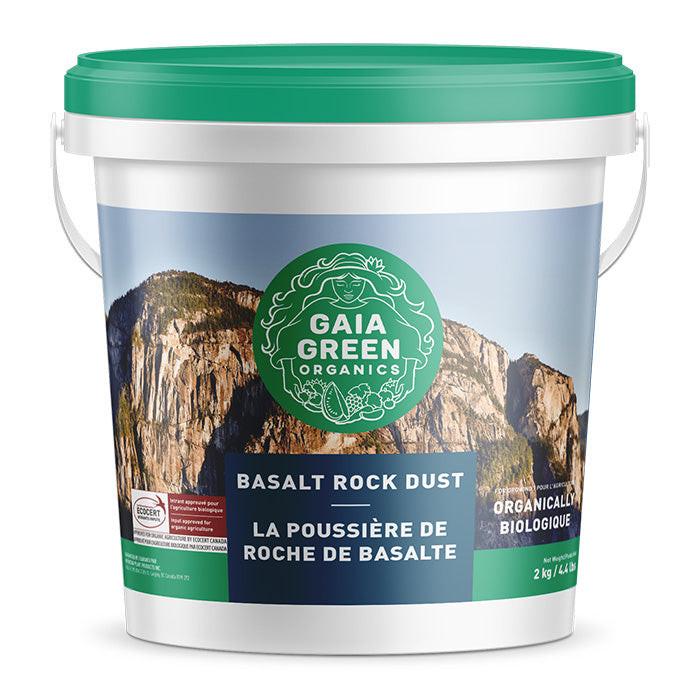
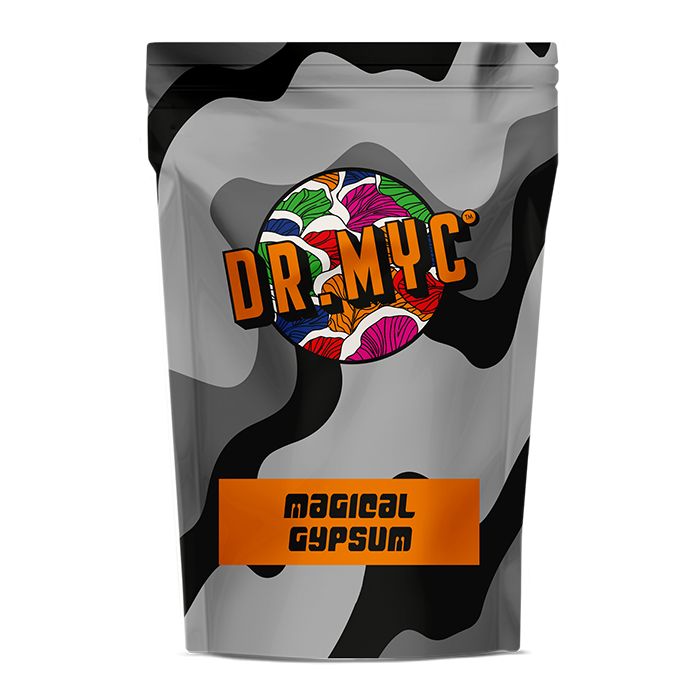
These are mined rock powders, and each does one job. Lime raises pH, elemental sulfur lowers it, and gypsum adds calcium and sulfur without moving pH. Azomite, basalt and glacial rock dust release trace minerals slowly. Oregon State Extension's advice holds for all of them: test first, then apply what the test calls for.
Choose it when
Pick something else if
Shop Azomite, lime & rock dust
Shop all minerals →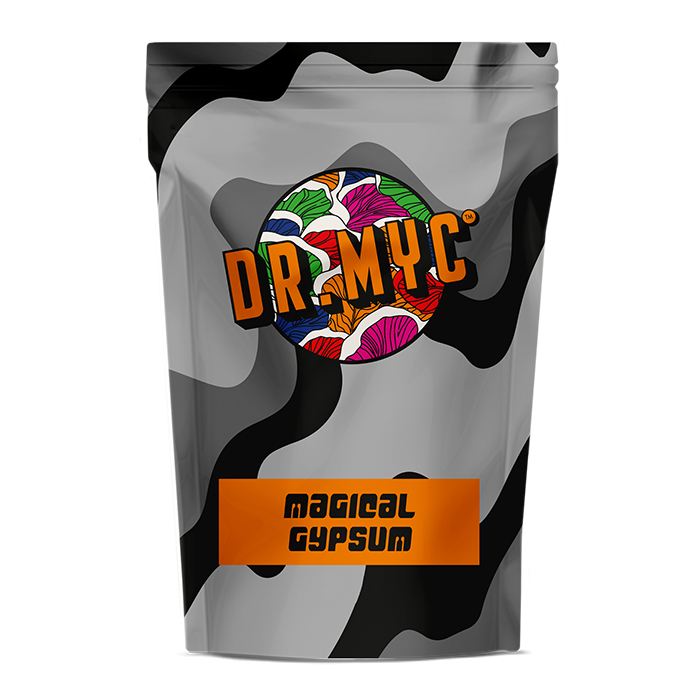
Structure
Best forDrainage, air and water holding in containers
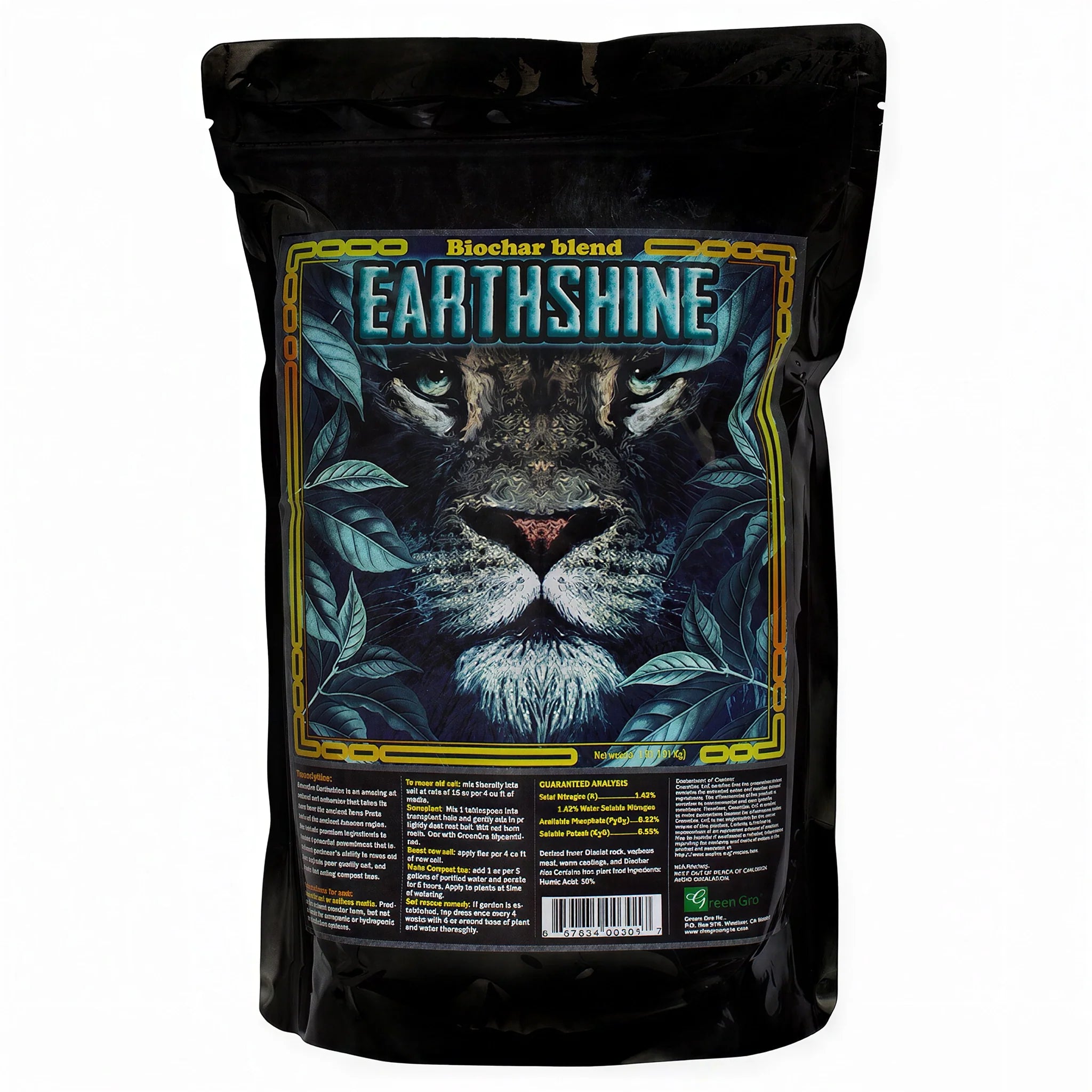
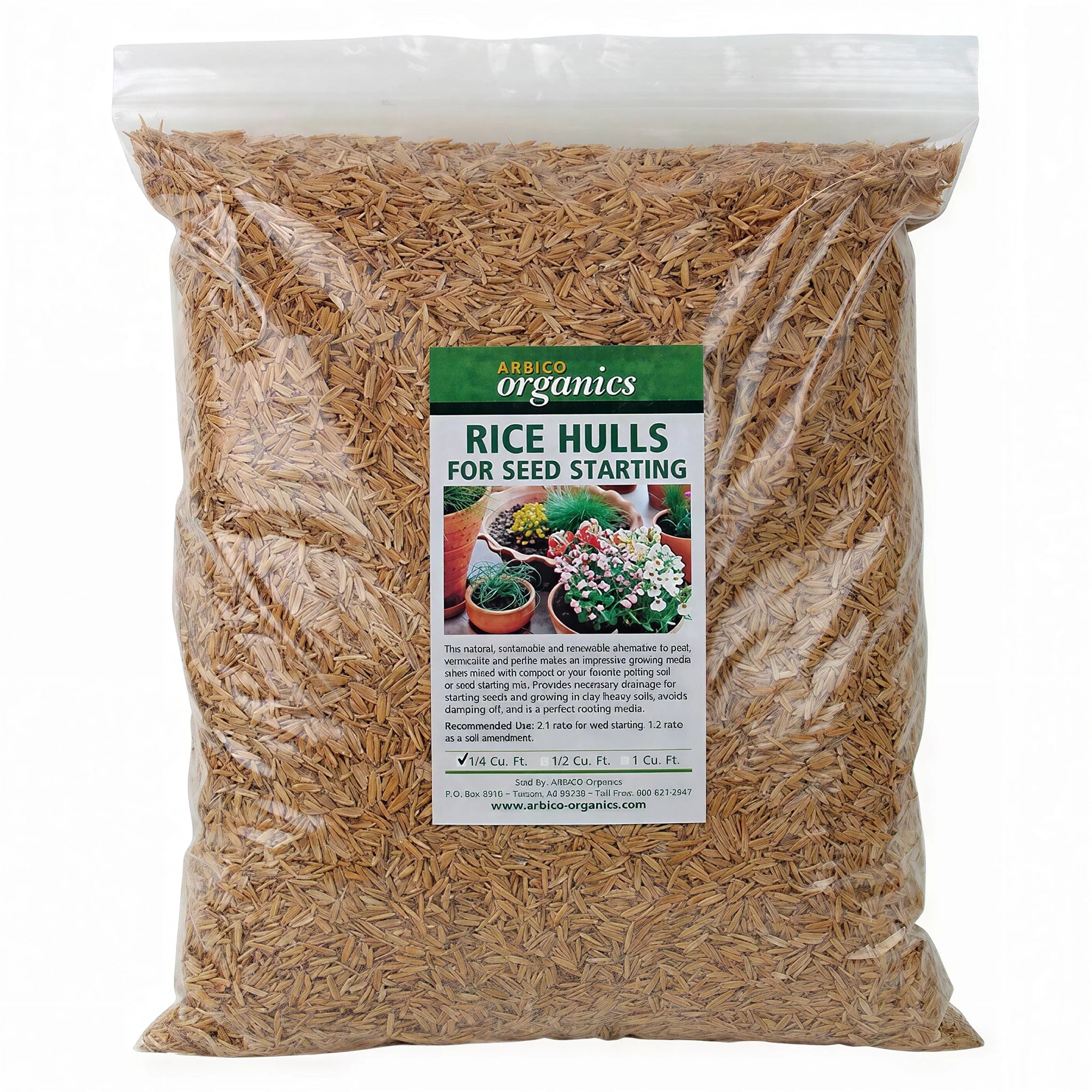
These change texture, not fertility. Perlite and rice hulls add air and drainage, while peat and coco hold water. Biochar is a stable form of carbon that works best charged with compost first. UMass Extension notes peat often makes up 30-80% of bagged potting mixes.
Choose it when
Pick something else if
Shop Structure: perlite, peat, coco & biochar
Shop perlite & vermiculite →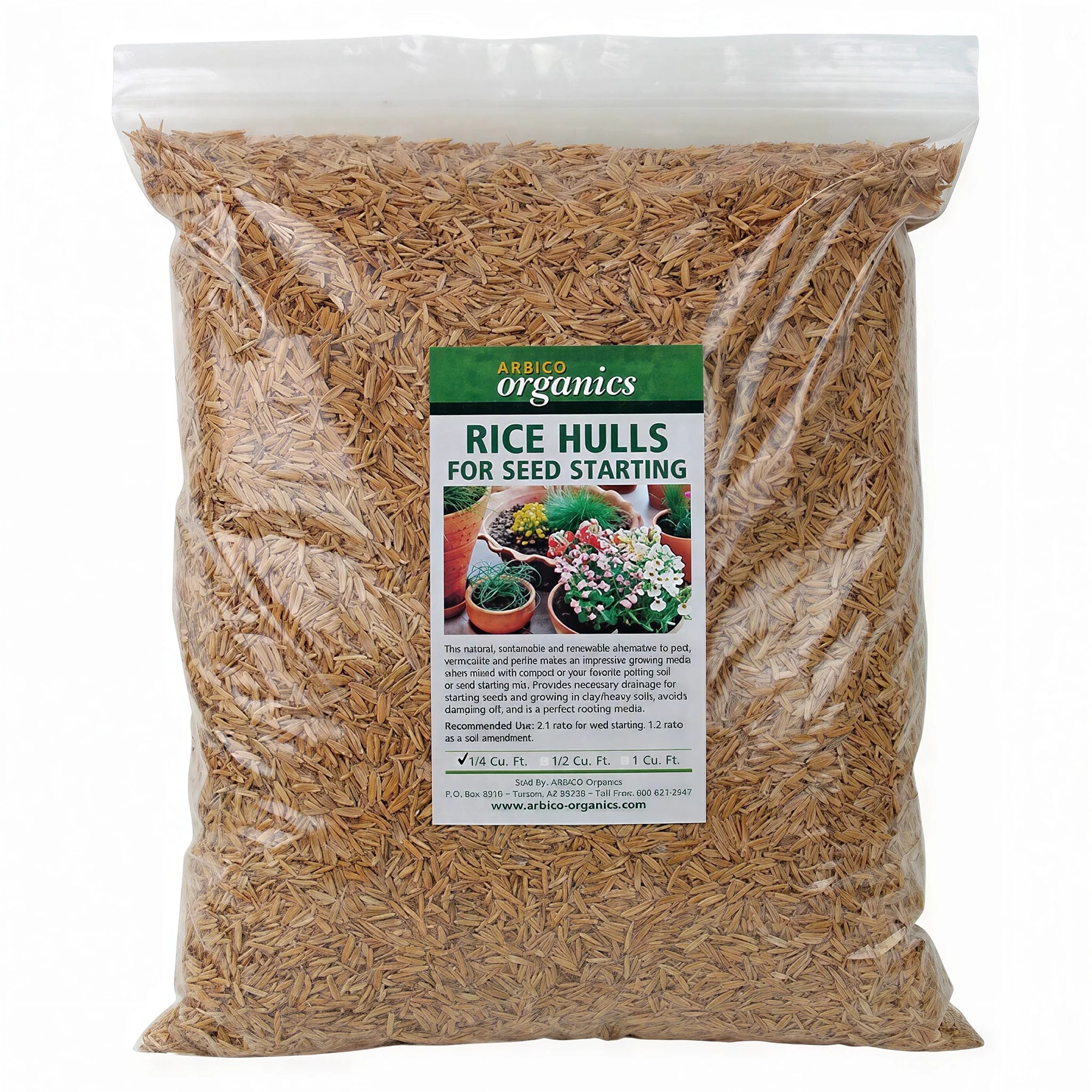
Some options ship free!
Reviews for ARBICO Organics Rice Hull Media AmendmentBiological
Best forRe-amending used soil and building living soil
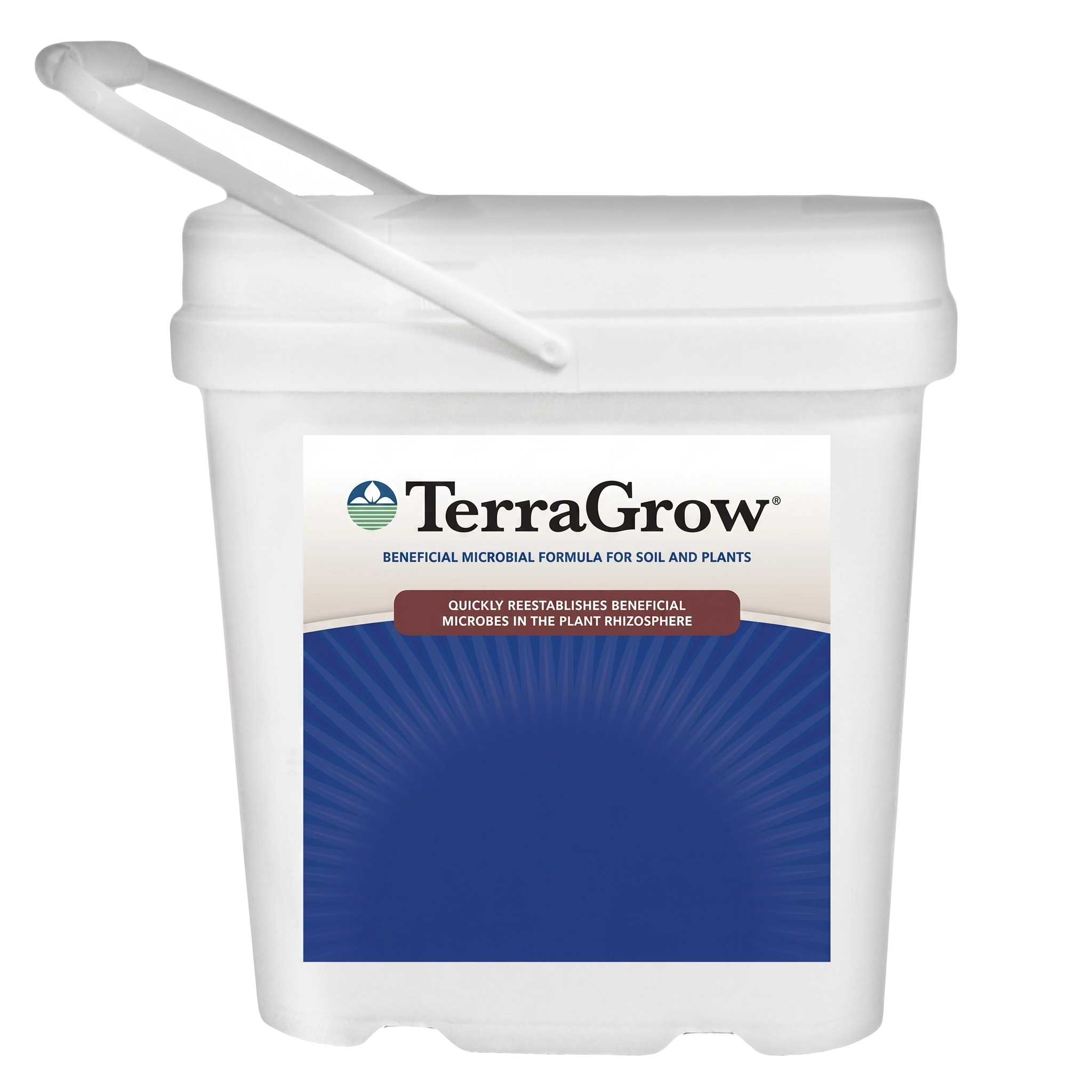
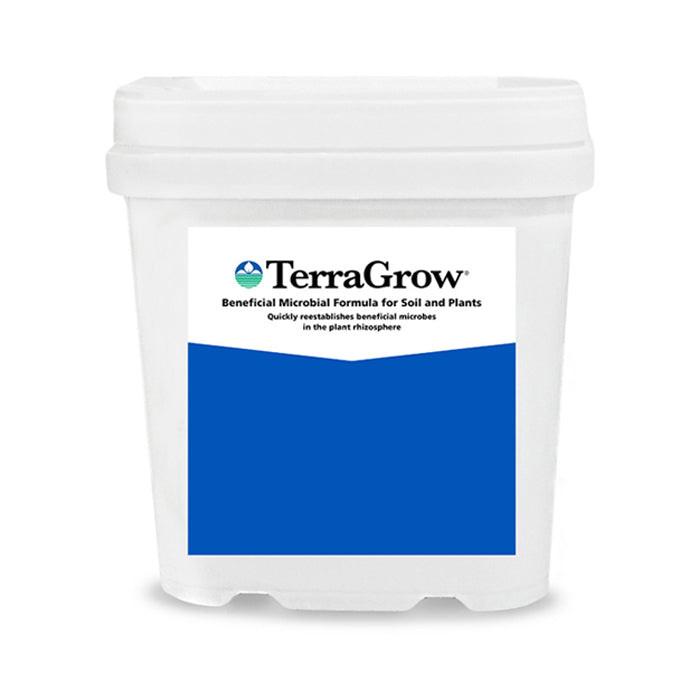
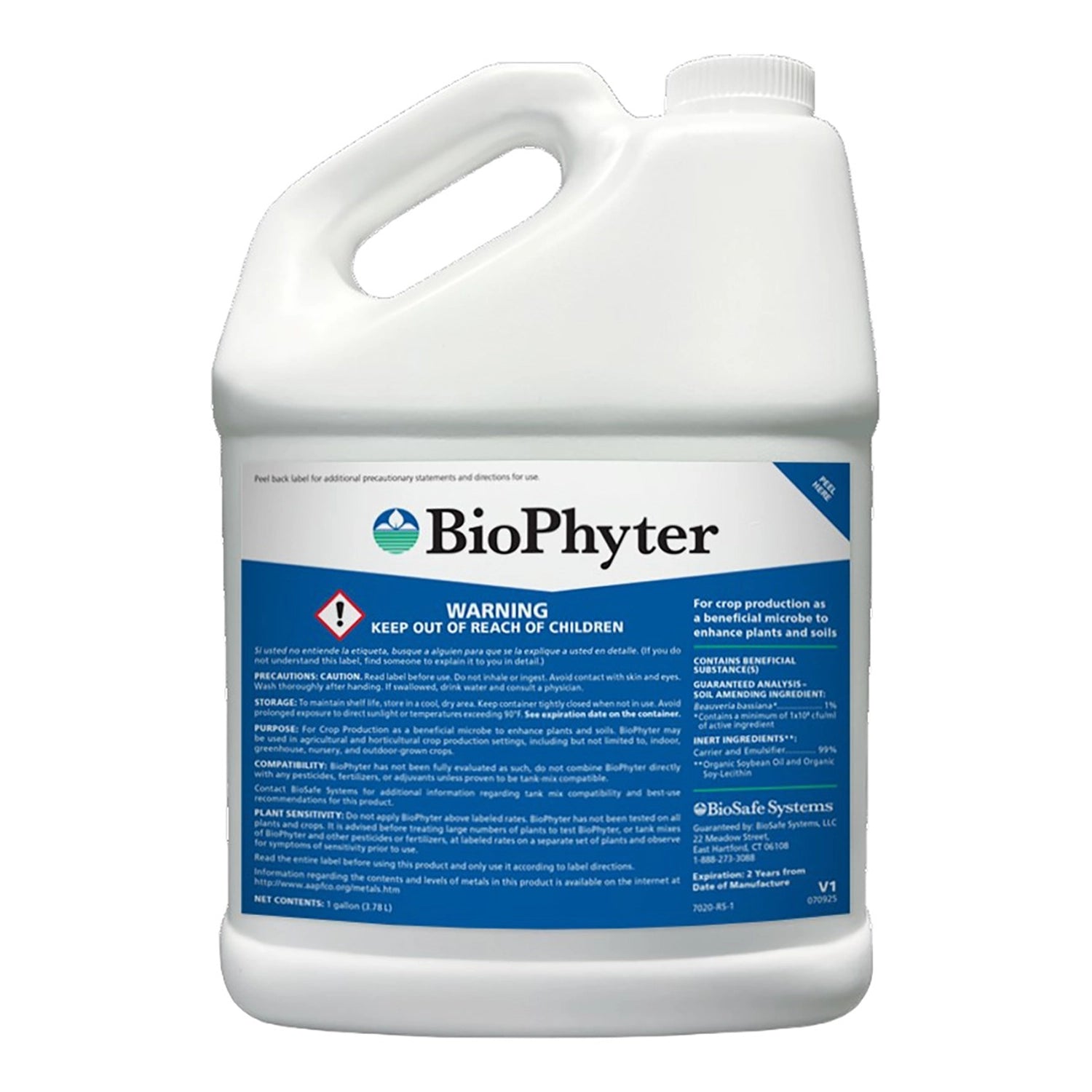
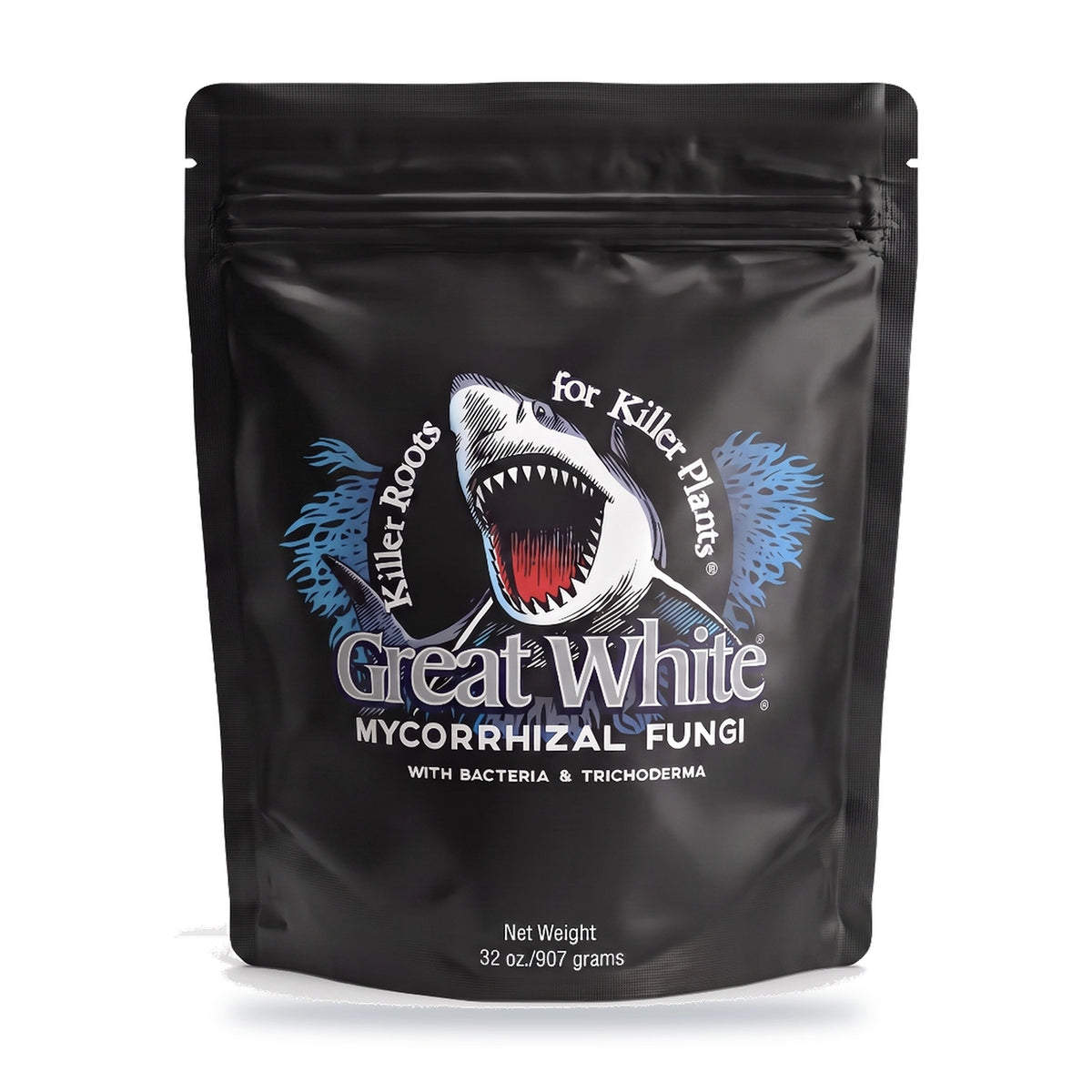
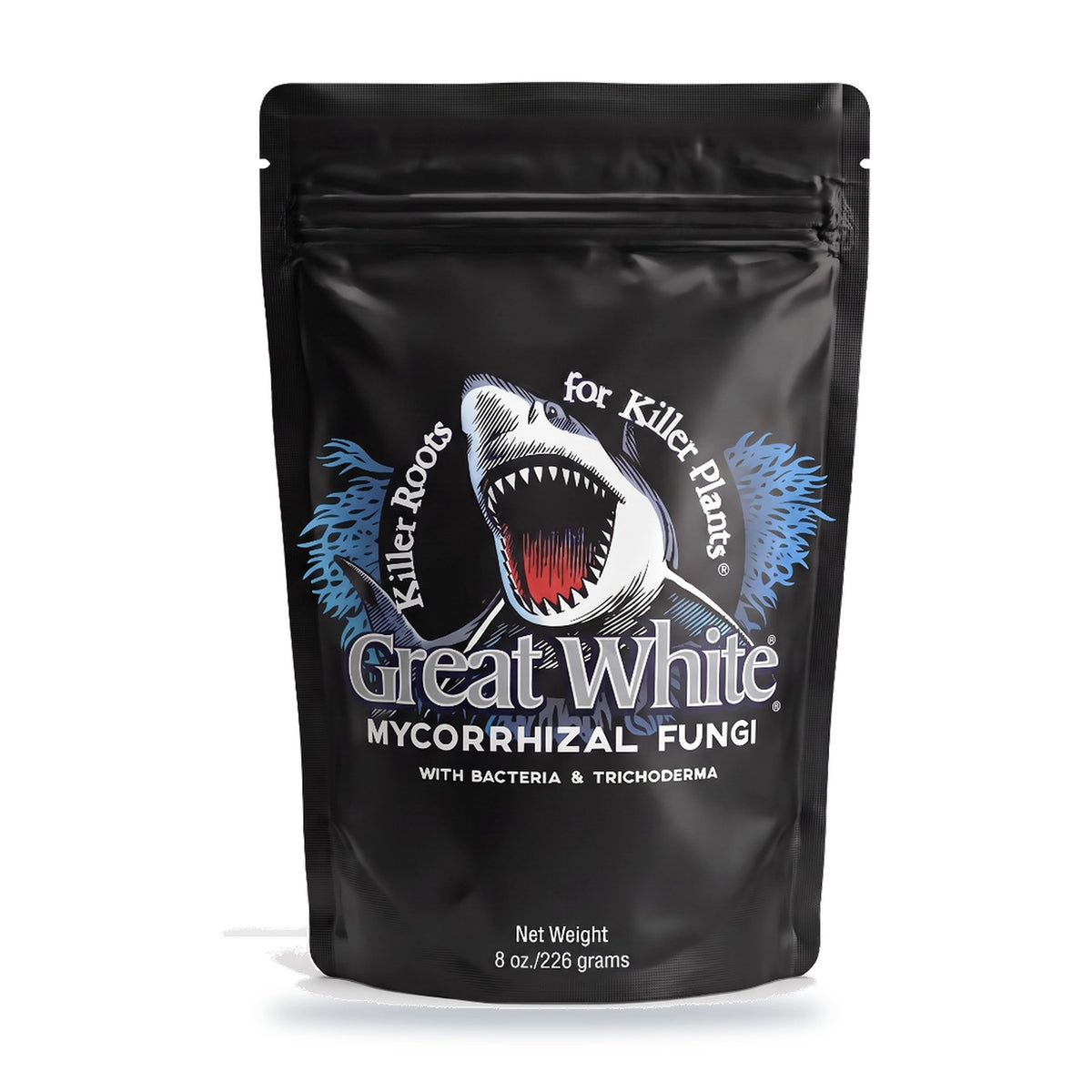
Kits are pre-measured blends of meals, kelp and minerals for re-amending used soil; most labels call for about 2.5 cups per cubic foot. Inoculants add mycorrhizal fungi or beneficial bacteria to roots and soil. Pair either one with castings and you've covered food and biology in one step.
Choose it when
Pick something else if
Shop Soil-building kits & microbes
Shop microbes & inoculants →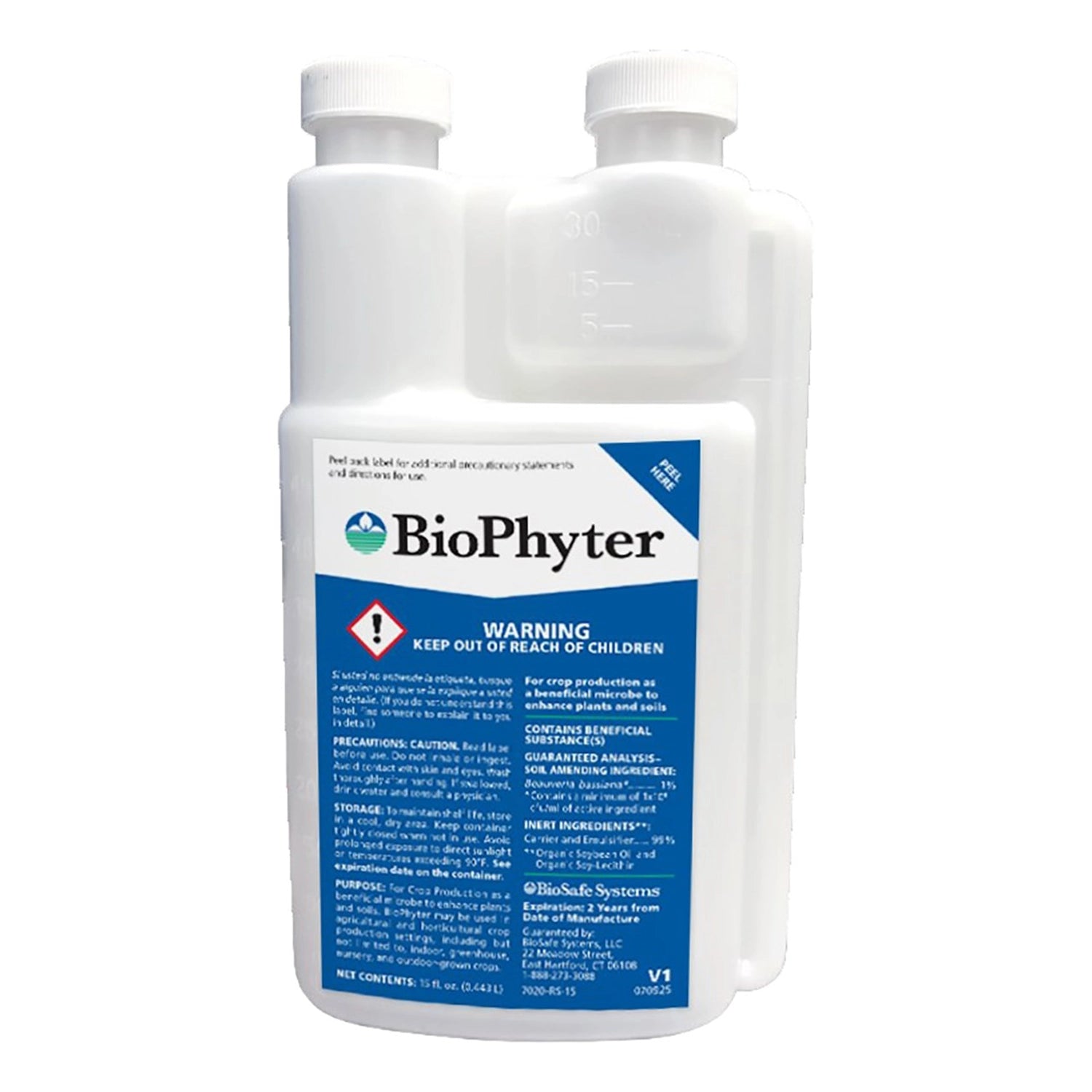
| Type | Main benefit | Typical NPK | Release speed | How much to use | Best for |
|---|---|---|---|---|---|
| Worm castings & compost | Structure, organic matter | 1-0-0 (castings) | Slow | 10-40% of mix; 0.25 in./yr on beds | All soils |
| Nitrogen meals (blood, alfalfa, crab) | Leafy growth | 2-0-1 to 12-0-0 | 1-4+ months | 2-10 lb / 100 sq ft | Heavy feeders |
| Bone meal & phosphorus meals | Roots, fruit, flowers | 3-15-0, 4-12-0 | 1-4 months | 2.5-5 lb / 100 sq ft | Low-phosphorus soil |
| Kelp | Potassium, trace elements | 1-0.1-2 | 4+ months | 1-2 lb / 100 sq ft | All-season boost |
| Azomite, lime & rock dust | pH, calcium, trace minerals | About 0 | Slow | Lime 5-10 lb; Azomite ½ lb per 100 sq ft | Soil-test fixes |
| Structure | Drainage, air, water | About 0 | n/a | Perlite 20-30%; peat 30-80% of a mix | Containers |
| Kits & inoculants | Re-amend, soil life | Varies | Slow | 2.5 cups / cu ft (re-amend) | Reusing soil |
Typical label and extension figures. Follow the product label, and test your soil before adding minerals.
Start with a soil test every 3 to 5 years, as UConn Extension recommends, and retest 3 to 6 months after liming. Top-dress established plants with meals about once a month in the growing season. One cubic foot is about 7.5 gallons, so multiply a per-gallon label rate by 7.5 to get the per-cubic-foot rate.
| Amendment | Per cu ft potting soil | Per 100 sq ft bed |
|---|---|---|
| Blood meal 12-0-0 | 1-2 tsp/gal (about 2.5-5 tbsp) | 2-3 lb |
| Alfalfa meal 2-0-1 | 2-4 tbsp/gal (about 1-2 cups) | 5-10 lb |
| Bone meal 3-15-0 | 1-2 tbsp/gal (about ½-1 cup) | 2.5-5 lb |
| Crab meal 4-3-0 | 1-2 tbsp/gal (about ½-1 cup) | 5 lb |
| Kelp meal 1-0.1-2 | 1-2 tbsp/gal (about ½-1 cup) | 1-2 lb |
| Azomite | 7-10 lb per cu yd (about 0.26-0.37 lb) | ½ lb |
| Garden lime | Per soil test | 5-10 lb |
| Re-amend kit | 2.5 cups | Per label |
Sources: Down To Earth labels, Azomite guidelines, Oregon State Extension EC 1503 and re-amend kit labels. Cubic-foot figures converted at 7.5 gal per cu ft and 27 cu ft per cu yd.
Blood meal is a fast-acting organic nitrogen source for pale, slow-growing plants. At 12-0-0 it's the strongest of the common meals, so a little goes a long way: about 1-2 tsp per gallon of soil or 2-3 lb per 100 sq ft, per the Down To Earth label. Water it in, keep it off stems, and test before you add more, since too much nitrogen can burn roots.
Blood meal feeds leaves; bone meal feeds roots, flowers and fruit. Blood meal is 12-0-0 nitrogen. Bone meal is 3-15-0, mostly phosphorus plus calcium, and it releases over months, so mix it in before planting. Skip bone meal if a soil test shows phosphorus is already high. In a WSU trial on onions, high soil phosphorus cut mycorrhizal root colonization by more than half.
Test the soil, add organic matter, then fix only what the test flags. Work compost or castings into the bed, about 3-4 inches for a new bed, then top it with roughly a quarter inch each year. Add a meal for whichever nutrient is low, and lime or sulfur only if pH is off. Oregon State Extension suggests retesting 3 to 6 months after liming.
Add organic matter every year and skip the sand. Oregon State Extension says no amount of sand changes clay texture, and Iowa State notes gypsum mainly helps sodium-rich soils, not ordinary clay. Work 3-4 inches of compost into the bed where you can, and keep the surface covered so roots and soil life keep opening it up.
Spent mix is hungry, not ruined, so feed it instead of throwing it out. Mix in a re-amend blend at the label rate (kits typically call for about 2.5 cups per cubic foot) plus at least 5% worm castings or compost, then water it in before you replant. Adding a mycorrhizal inoculant at planting helps a mix that's already grown a crop.
Yes, as a soil builder rather than a fertilizer. Castings run about 1-0-0, so they won't feed a hungry crop on their own, but they improve structure and add slow, steady nutrition. In Ohio State trials, researchers mixed 10-40% vermicompost into potting media. Most gardeners use 10-20% in container mixes, or a light top-dress on beds each year.
Tell us your bed count or acreage and we'll quote castings, meals, minerals and perlite for the job.
Sources