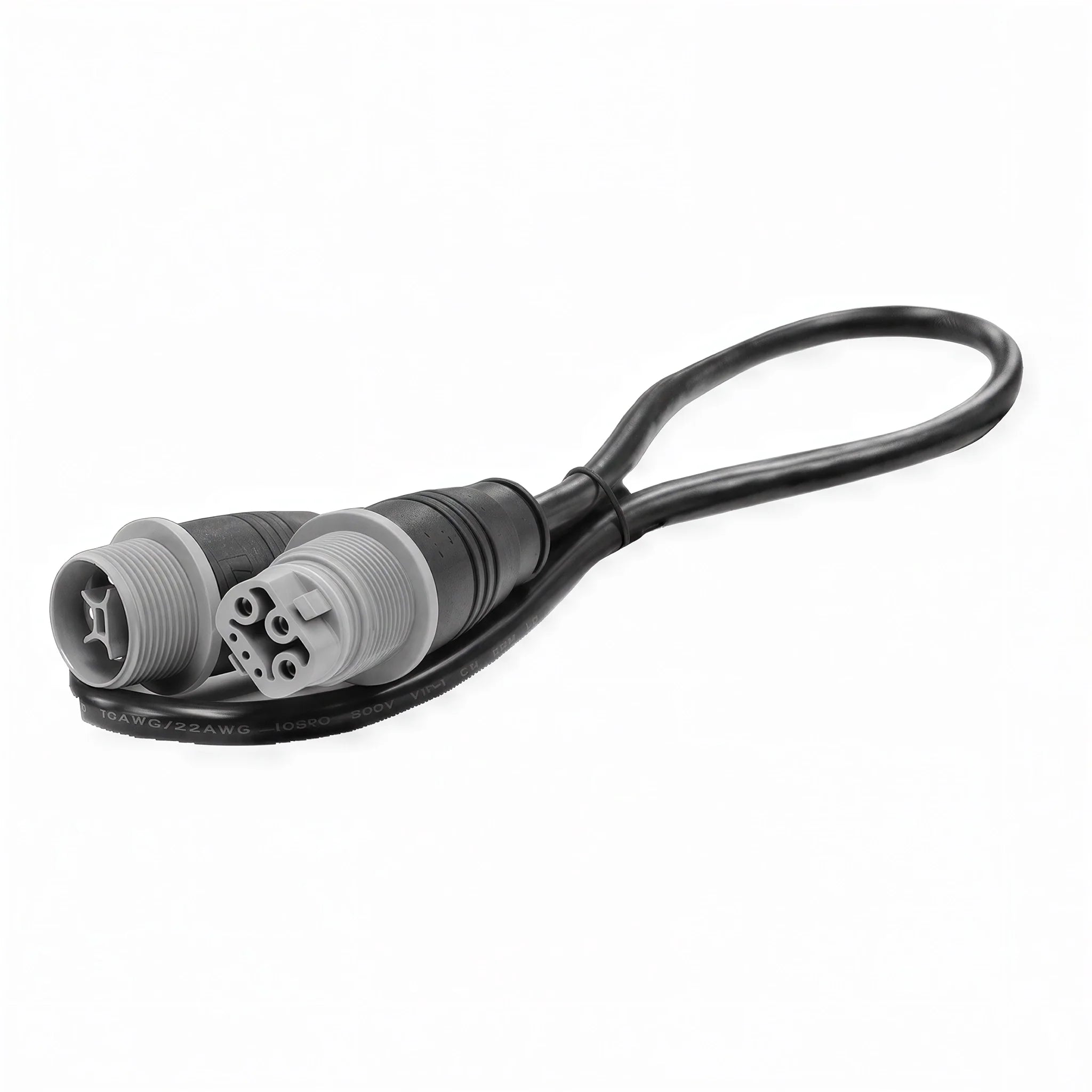
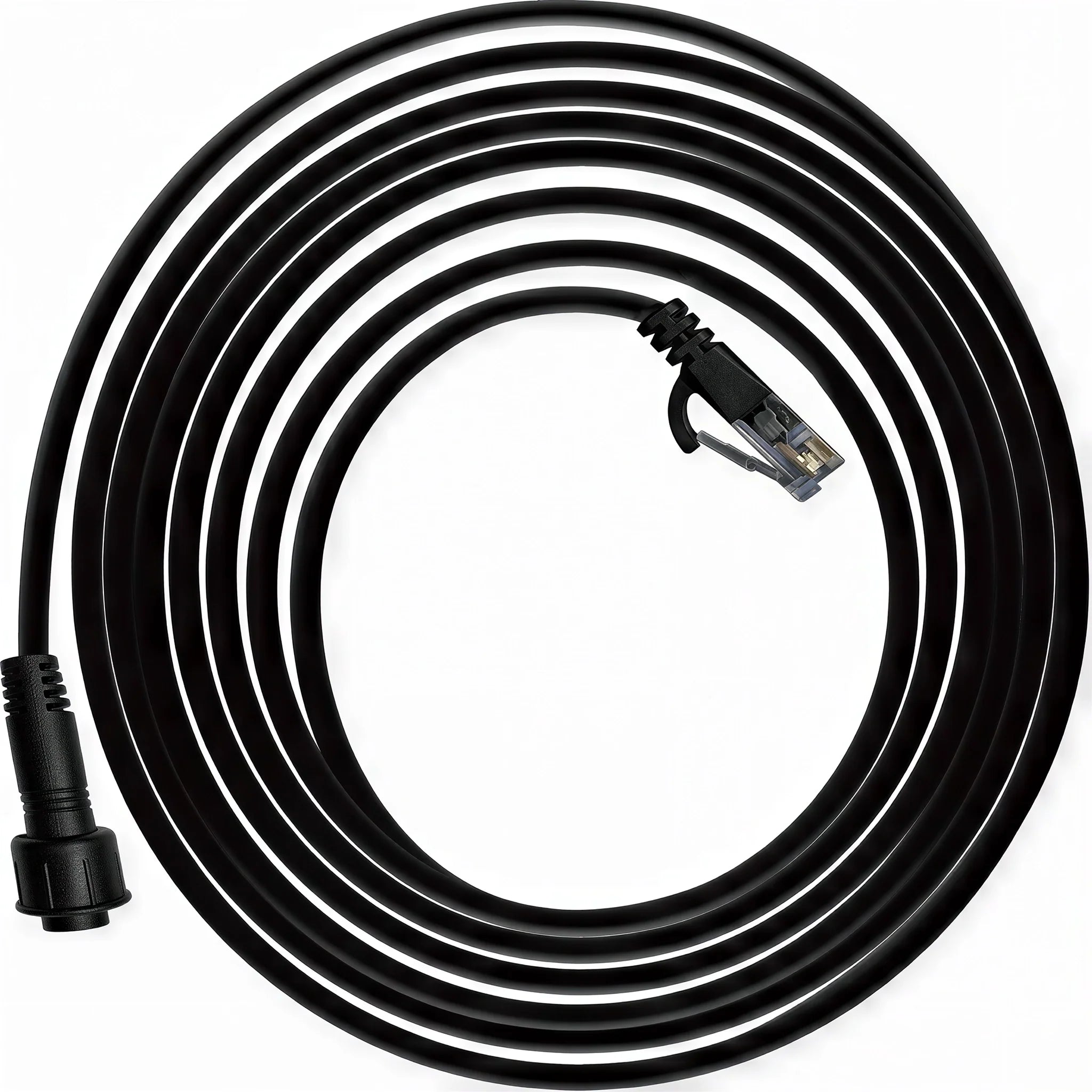
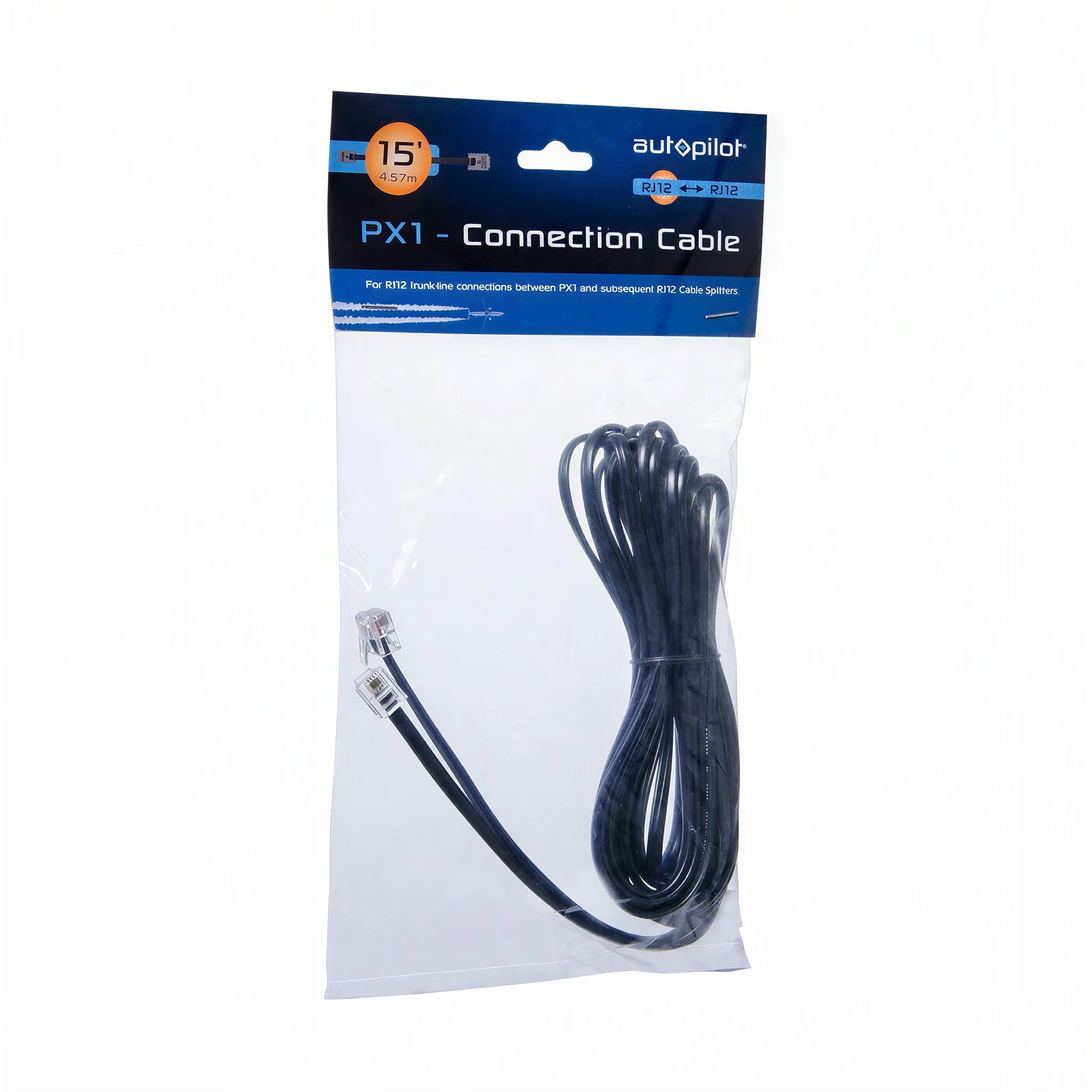
Grow Light Power Cords & HID Lamp Cords
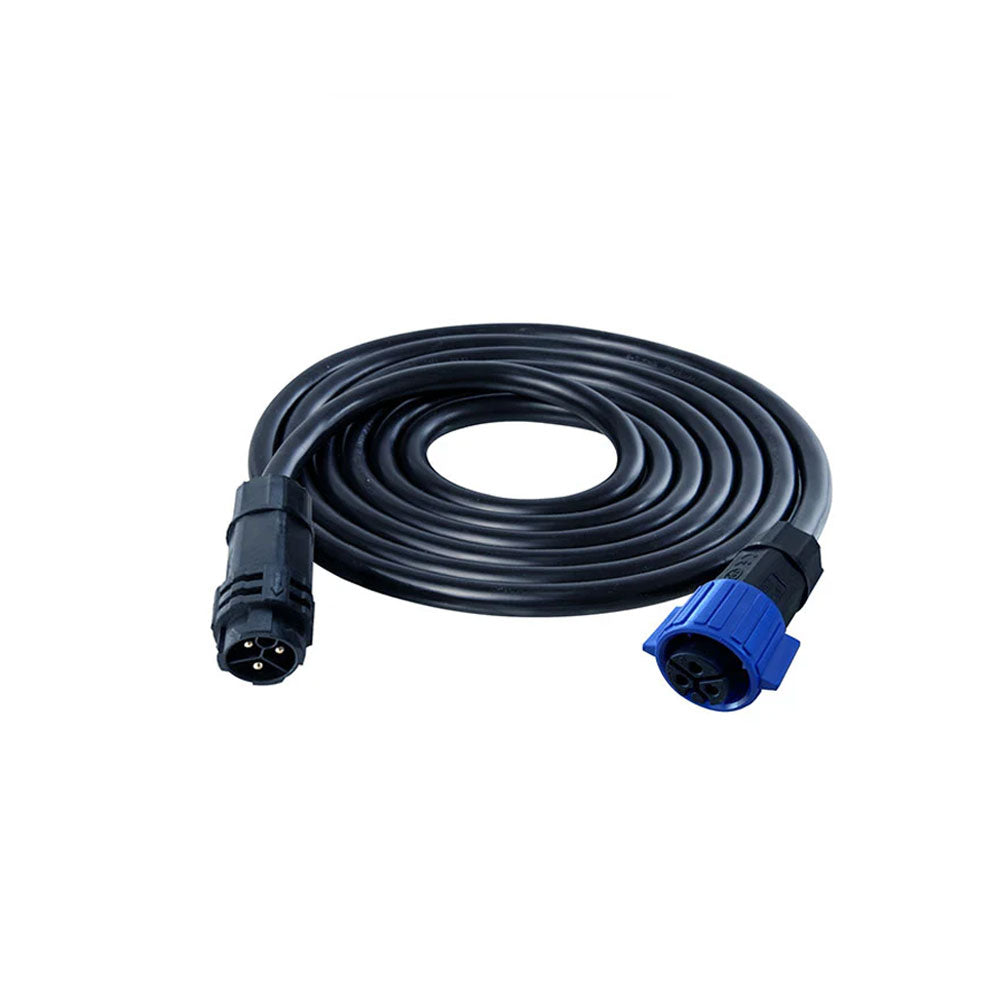
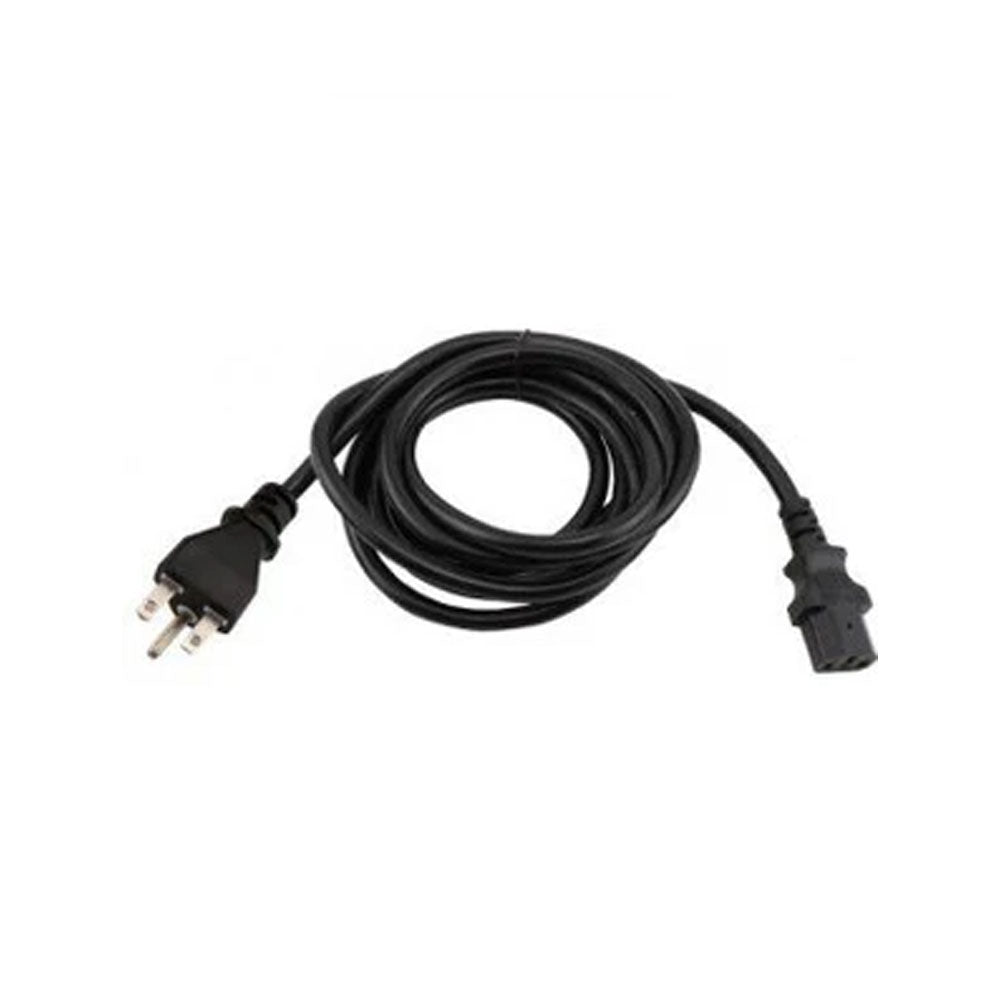
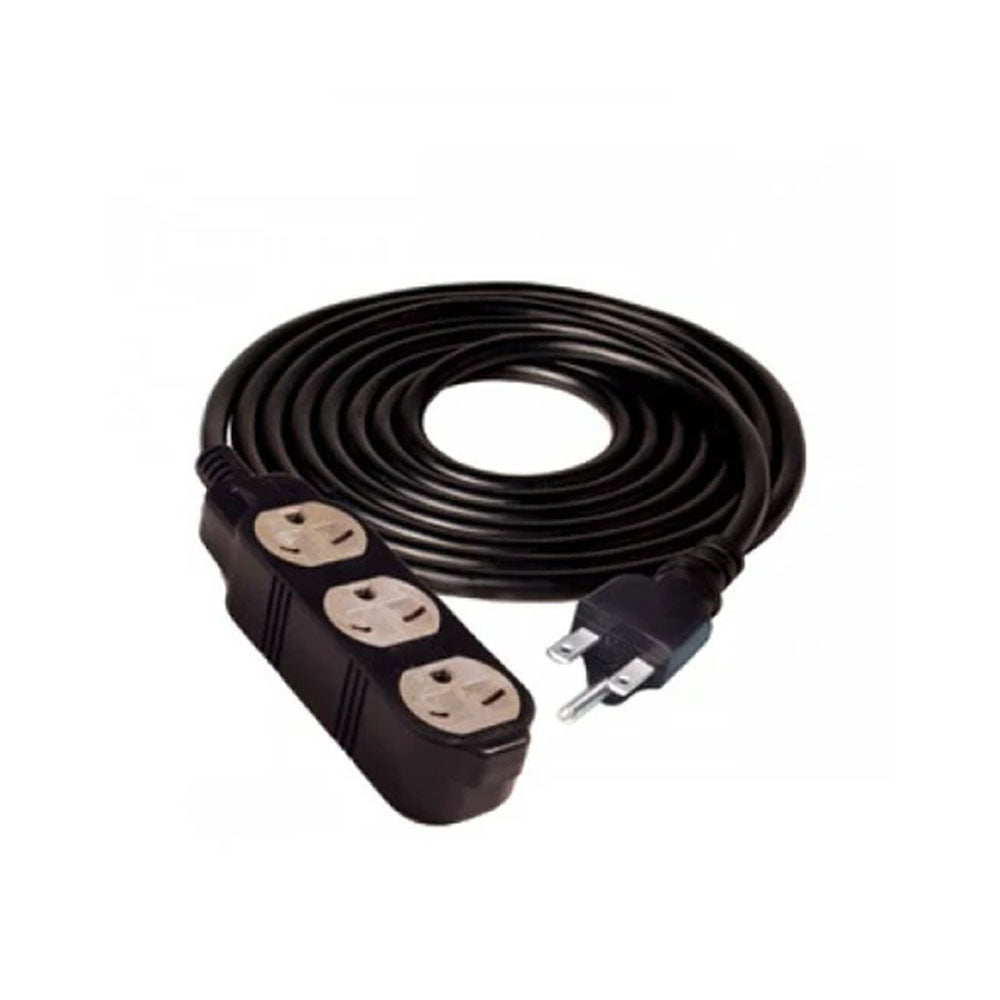
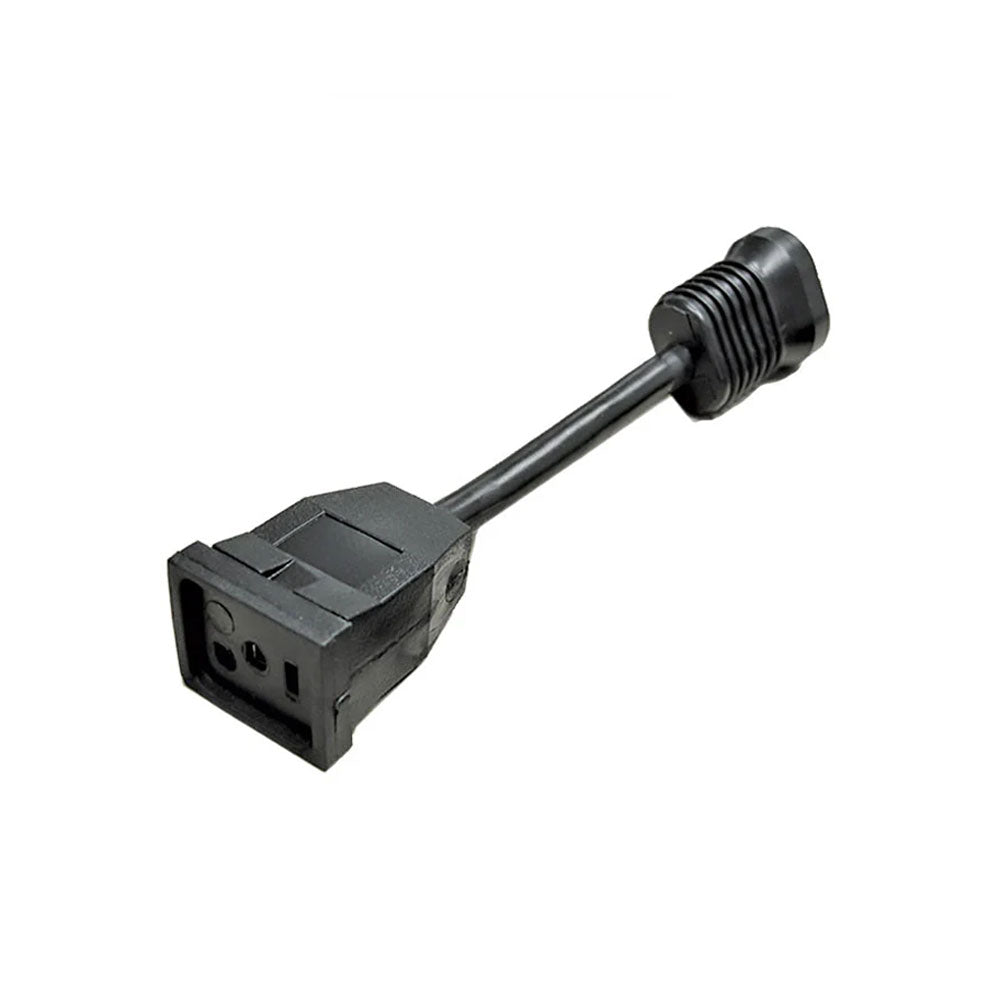
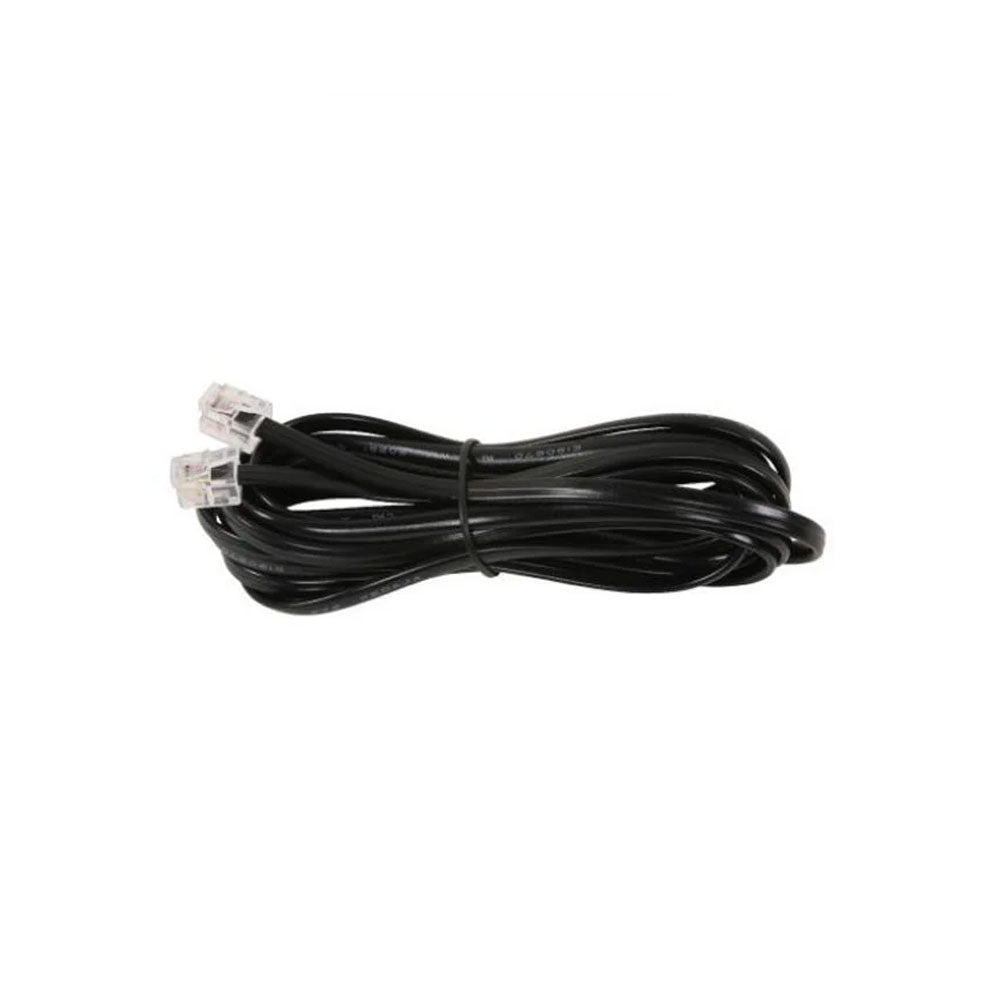
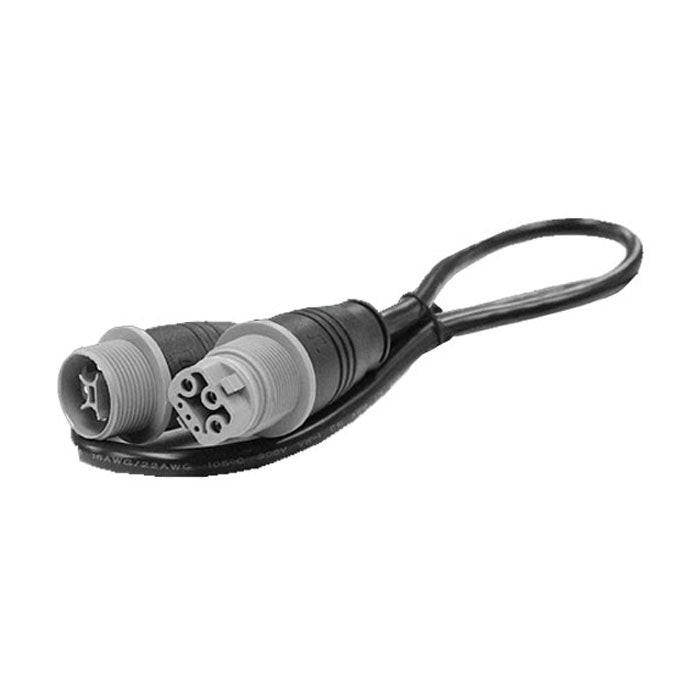
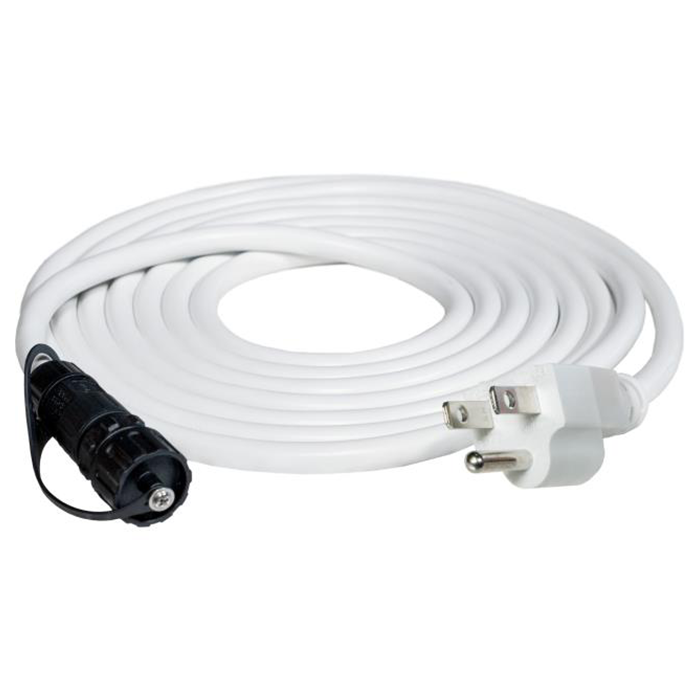
Grow light power cords and lamp cords are the electrical connections between HPS, MH, and CMH ballasts and their associated fixtures and lamps. Single-ended HPS and MH systems use two separate cords: a power cord connecting the ballast to the electrical outlet (typically 120V or 240V rated to the ballast wattage), and a lamp cord connecting the ballast output to the fixture's lamp socket. These cords are subject to heat exposure near the lamp, mechanical stress from hanging and repositioning fixtures, and the occasional sharp bend or crush from fixture weight -- making replacement cords a routine supply item in production operations that regularly reposition or swap fixtures.
Replacement Cords for HID Ballasts
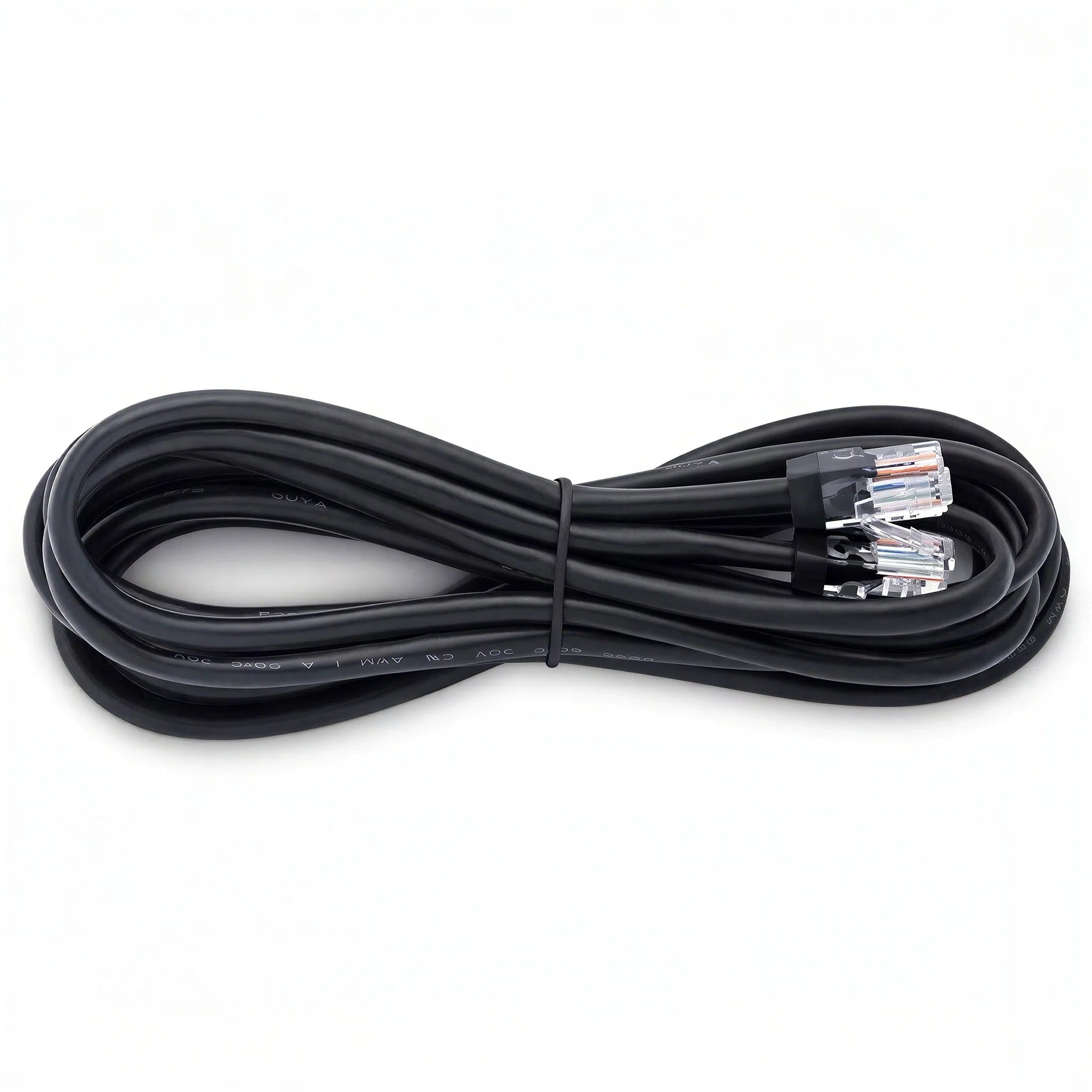
Replacement lamp cords for SE HPS and MH ballasts use Mogul (E39) socket terminations at the fixture end and ballast-specific connectors or bare-wire terminations at the ballast end. Verify the cord gauge (AWG) matches or exceeds the ballast's rated current draw: 14 AWG minimum for 600W ballasts; 12 AWG for 1000W ballasts on 120V circuits; 14 AWG adequate for 1000W at 240V. Extension lamp cords allow repositioning fixtures farther from a fixed ballast location -- useful for light-moving systems or large commercial rooms where ballasts are mounted on overhead racks away from the fixture hanging point. Browse our HPS and MH grow lights collection for complete fixture systems.
240V Power Cords & Adapters
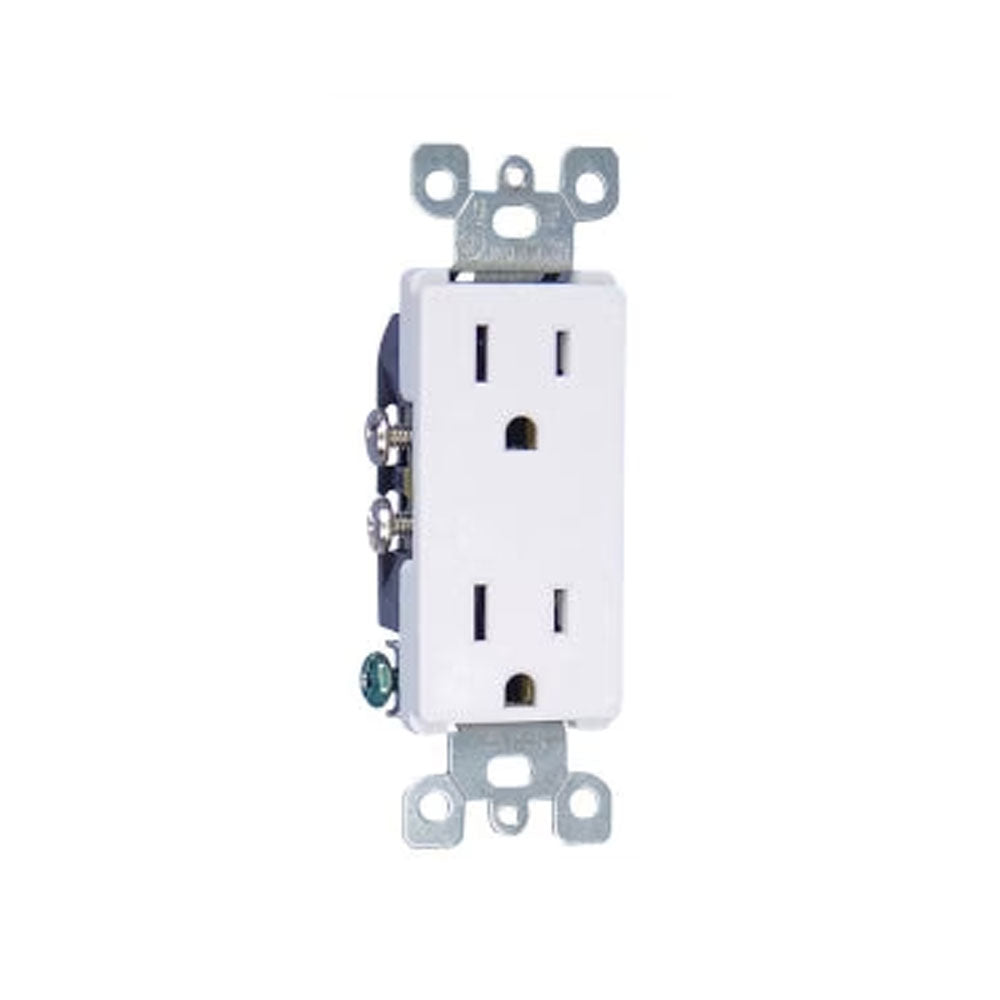
High-wattage HID ballasts (1000W) and commercial LED fixtures commonly run on 240V for reduced current draw and improved efficiency -- a 1000W ballast draws 8.3A at 120V versus 4.2A at 240V, significantly reducing wire gauge requirements and circuit loading. If your grow room has 240V outlets but your ballast came with a 120V cord, a correct 240V replacement cord with the appropriate plug type (NEMA 6-15 or 6-20 for 240V/15A or 20A circuits) allows operation at the more efficient voltage. Never connect a 120V ballast power cord to a 240V outlet -- use only cords rated for the operating voltage. Fast shipping.
Grow Light Power & Lamp Cords FAQ
Why would I need to replace a grow light lamp cord?
Lamp cords need replacement when: the cord insulation is visibly damaged, cracked, or melted near the socket from heat exposure; the socket connections show corrosion or oxidation that increases resistance and can cause arc faults; the cord has been sharply kinked or pinched under equipment weight, which can damage internal conductors while appearing outwardly intact; or when extending a fixture farther from its ballast than the original cord allows. Replacing a damaged lamp cord before it fails is far preferable to an in-cycle electrical fault -- inspect lamp cords when replacing bulbs and replace any cord showing heat damage or insulation degradation.
Can I use any lamp cord with my ballast?
Lamp cords must match the ballast's output voltage and current rating and use the correct connector type for your specific ballast brand. Most HPS and MH ballasts use standardized Mogul (E39) socket connections at the fixture end, but ballast-end connectors vary by manufacturer -- some use proprietary locking connectors that only mate with that brand's cords. Always source replacement lamp cords compatible with your specific ballast brand and model. Using a cord with incorrect connector type, inadequate current rating, or wrong voltage rating creates shock, fire, and ballast damage risk.
What is the difference between a 120V and 240V ballast power cord?
120V cords use standard NEMA 5-15 (standard US 3-prong) or 5-20 plugs rated for 15A or 20A at 120V. 240V cords use NEMA 6-15 or 6-20 plugs rated for 15A or 20A at 240V -- these have a different prong configuration that physically prevents connecting a 240V cord to a 120V outlet and vice versa. If your ballast is switchable between 120V and 240V, change both the internal ballast voltage setting AND the power cord to match -- operating at 240V with a 120V cord (or vice versa) will damage the ballast or cord.
How long can my lamp cord be from the ballast to the fixture?
Standard lamp cords are 8-15 feet. Extension lamp cords for longer runs are available in 25-50 ft lengths with appropriate AWG wire gauge for the run length -- longer runs require heavier gauge wire to keep voltage drop within acceptable limits. As a guideline: 14 AWG is adequate for runs up to 25 ft at 600W; 12 AWG is recommended for runs up to 50 ft at 1000W. For commercial light-mover or remote-ballast installations with runs over 50 ft, consult an electrician about wire sizing -- excessive voltage drop reduces lamp performance and can affect lamp warm-up characteristics.
Can I use grow light power cords with LED fixtures?
LED grow light fixtures typically use standard line-voltage power cords (120V or 240V IEC C13/C19 computer-style or NEMA plugs) rather than the specialized lamp cords used by HID ballasts. The "lamp cord" format (separate ballast-to-socket cord) is specific to HID systems where the ballast and fixture are separate components. Most LED fixtures are a single integrated unit with a standard power cord -- there is no separate lamp cord. Some large commercial LED fixtures use 240V IEC C19 connectors that require a matching cord; others use standard US plugs. Check your specific LED fixture's power input specification for the correct cord type.