Grow Light Socket Sets & Cord Assemblies
Grow light socket sets and cord assemblies cover the electrical components that connect grow fixtures to their power source - mogul base lamp sockets for HPS and MH bulbs, ballast socket connectors for DIY wiring projects, power cords in brand-specific and standard configurations, and multi-fixture daisy chain control cables. This collection is broader than traditional "socket sets" - it includes the full range of grow light accessory cable and connector products from Iluminar, ThinkGrow, Grow1, PHOTOBIO, and Gavita for both HID and LED grow light systems.
HID Socket Sets and Lamp Cords
Grow1 DIY Ballast Socket Connectors and lamp cord sets cover the socket hardware needed for custom HID fixture builds and socket replacements. A mogul base socket (the E39 large socket used by 600W and 1000W HPS and MH bulbs) with a lamp cord creates a functional HID socket assembly that connects to a compatible ballast. The Hydrofarm 5-foot Lock & Seal Lamp Cord Extension is used to extend reach between a ballast and a remote socket. For MiracleLED and SunBlaster screw-base LED products, the MiracleLED Easy Grow Plug-In Light Socket with 4-foot cord converts any standard outlet into a light socket for screw-in grow bulbs.
LED Power and Control Cables
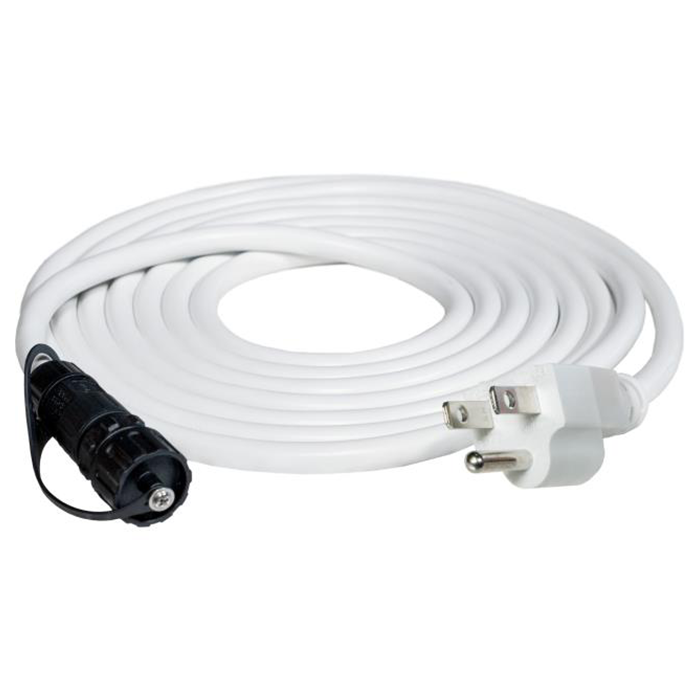
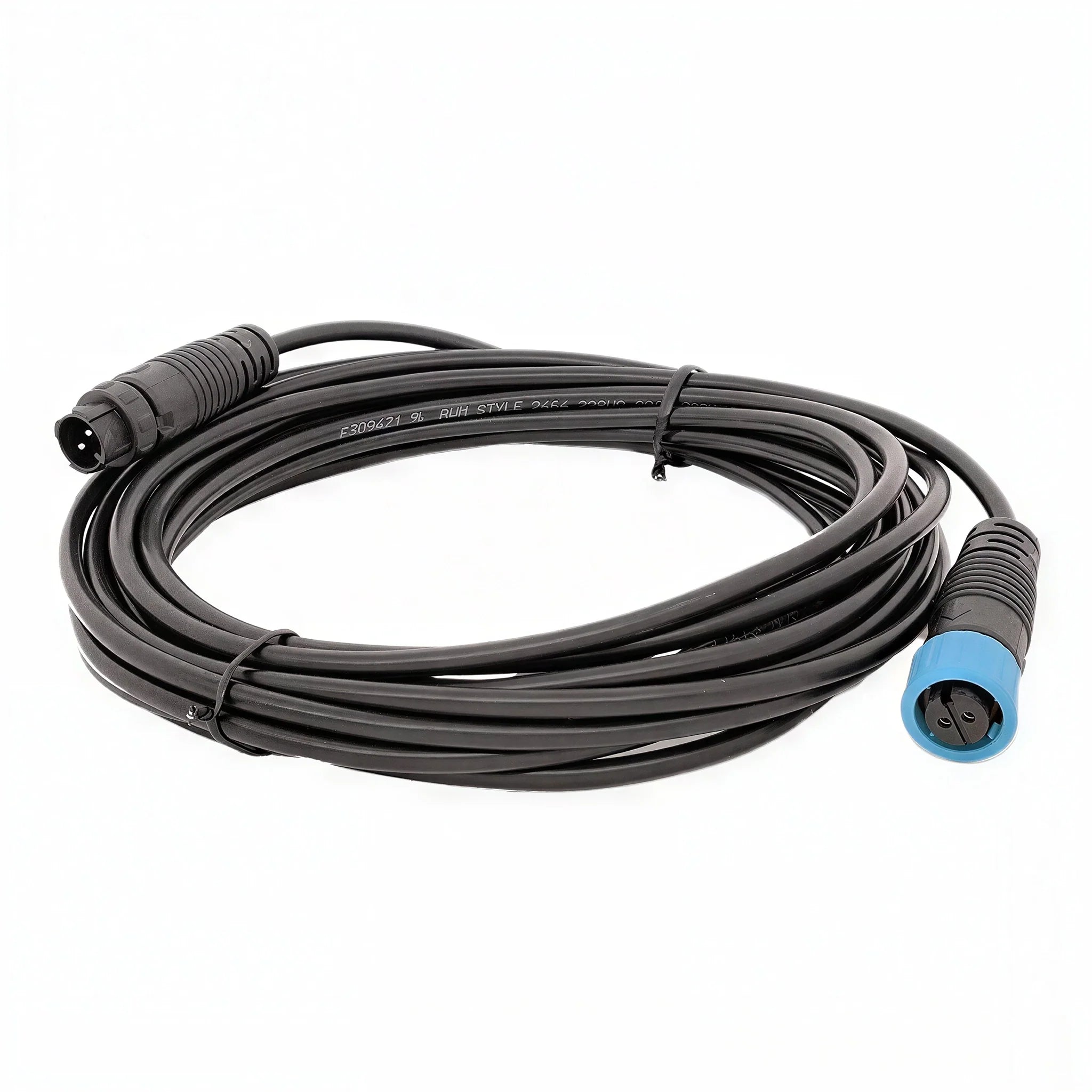
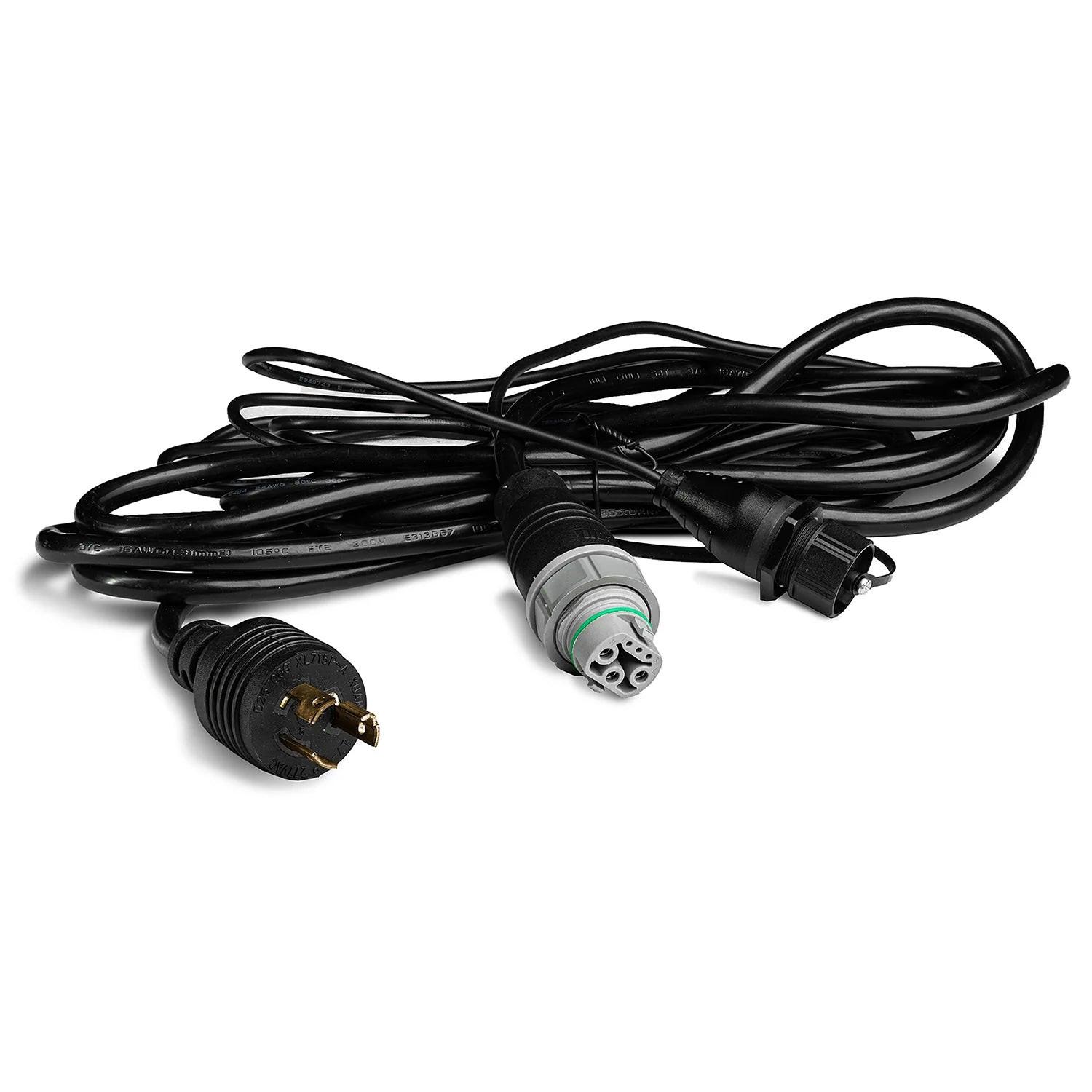
Modern commercial LED systems (Iluminar, ThinkGrow, PHOTOBIO, Gavita) use brand-specific power connectors and daisy-chain control cables that are not interchangeable between brands. Iluminar Cable Logic main-line and secondary power cables, ThinkGrow and PHOTOBIO daisy-chain control cables, and Gavita power cords are listed in this collection. Verify connector type and voltage before purchasing - LED fixture power cords are voltage-specific and brand-matched. Browse all lamp cords and power cords or see grow light bulbs. Fast shipping.
Grow Light Sockets & Cords FAQ
What is a mogul base socket and what bulbs use it?
A mogul base socket (E39) is the large-diameter screw socket used by high-wattage HID lamps - 400W, 600W, and 1000W HPS (high pressure sodium) and MH (metal halide) bulbs all use mogul base sockets. The mogul base is physically larger than the standard E26/E27 household bulb socket to accommodate the higher current and heat of high-wattage HID operation. Mogul sockets are used in all standard HID reflectors and ballast socket assemblies - if you need to replace a failed socket in an HID reflector or build a custom socket assembly, a Grow1 DIY mogul ballast socket connector with a compatible lamp cord is the component needed.
Are grow light power cords brand-specific?
For commercial LED systems - yes, in most cases. Iluminar uses Wieland GST18 connectors; ThinkGrow and PHOTOBIO use their own connector systems; Gavita uses Souriau or proprietary connectors depending on the fixture generation. These connectors are not cross-compatible between brands. For HID ballasts and reflectors that use standard NEMA plugs (5-15 for 120V, 6-15 for 240V), generic lamp cords and extension cords with matching plug configurations work across brands. If you are unsure of the connector type required for your fixture, check the fixture manual or contact our team at 888-815-9763 with the brand and model - we can confirm the correct cord before you order.
What is a daisy chain control cable used for in LED grow lights?
Daisy chain control cables connect multiple LED fixtures in sequence to a single controller or dimming interface - allowing all fixtures in a room to be adjusted from one point rather than individually at each fixture. In ThinkGrow, PHOTOBIO, and similar commercial LED systems, the daisy chain cable carries the 0-10V dimming signal from the controller (or from fixture to fixture) so that all connected fixtures dim in unison. The daisy chain cable is separate from the power cord - it carries only the low-voltage control signal. A room with 20 fixtures might use one controller connected by a single control cable to the first fixture, with daisy chain cables running fixture-to-fixture for the remaining 19, all responding to the single controller output.