Propagation Tools & Accessories for Cloning & Seedlings
Propagation tools and accessories are the supporting equipment for a successful cloning and seedling operation - beyond the trays, domes, lights, and media that form the core propagation setup. Precision cutting tools for taking clean cuttings, labels for tracking varieties and dates, clip-on thermometers for dome monitoring, misting bottles for humidity maintenance without disturbing young plants, and various small tools that make the propagation process more precise and organized. In commercial propagation programs running multiple varieties simultaneously, the organizational and precision tools in this category are as important to consistent results as the primary propagation equipment.
Cutting Tools for Cloning
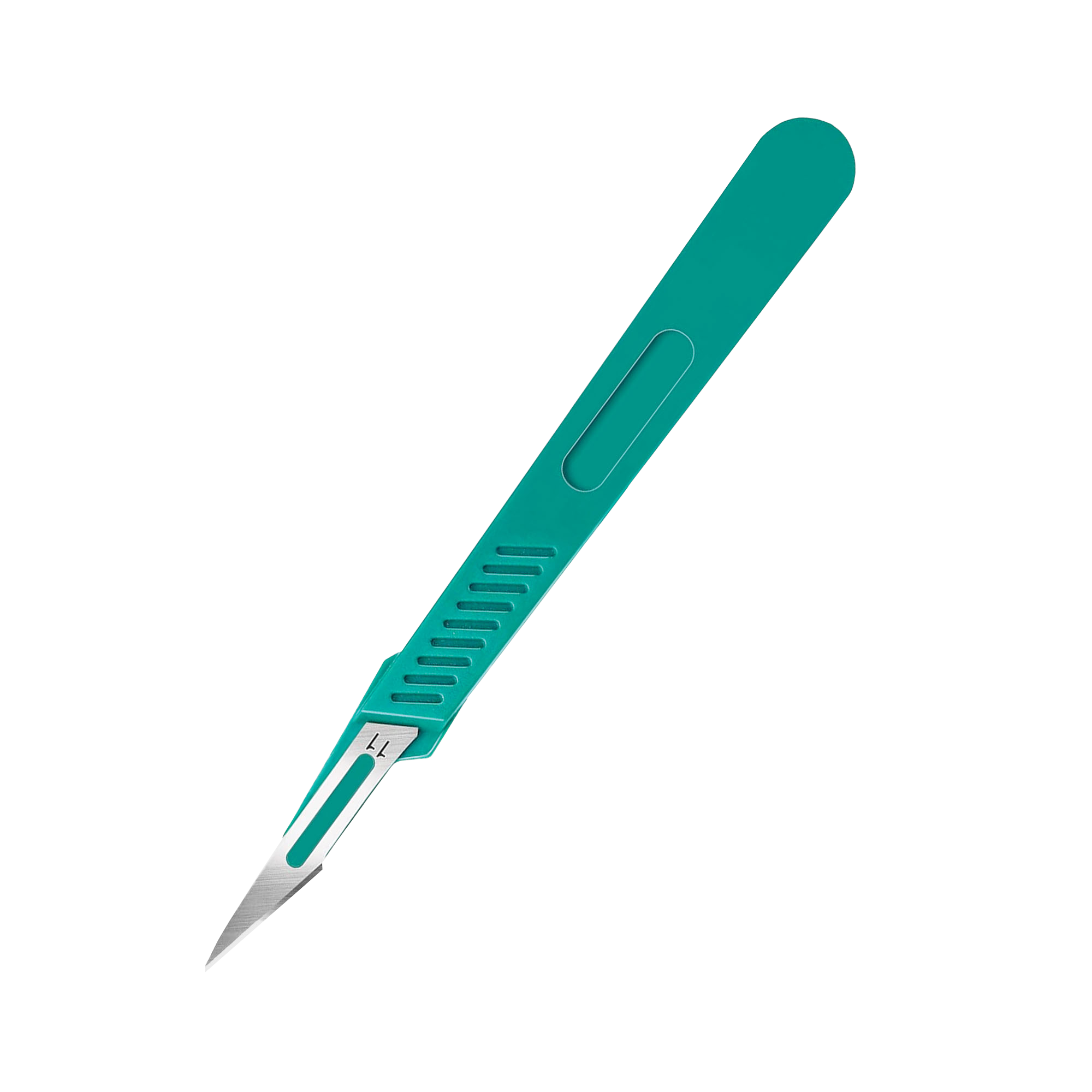
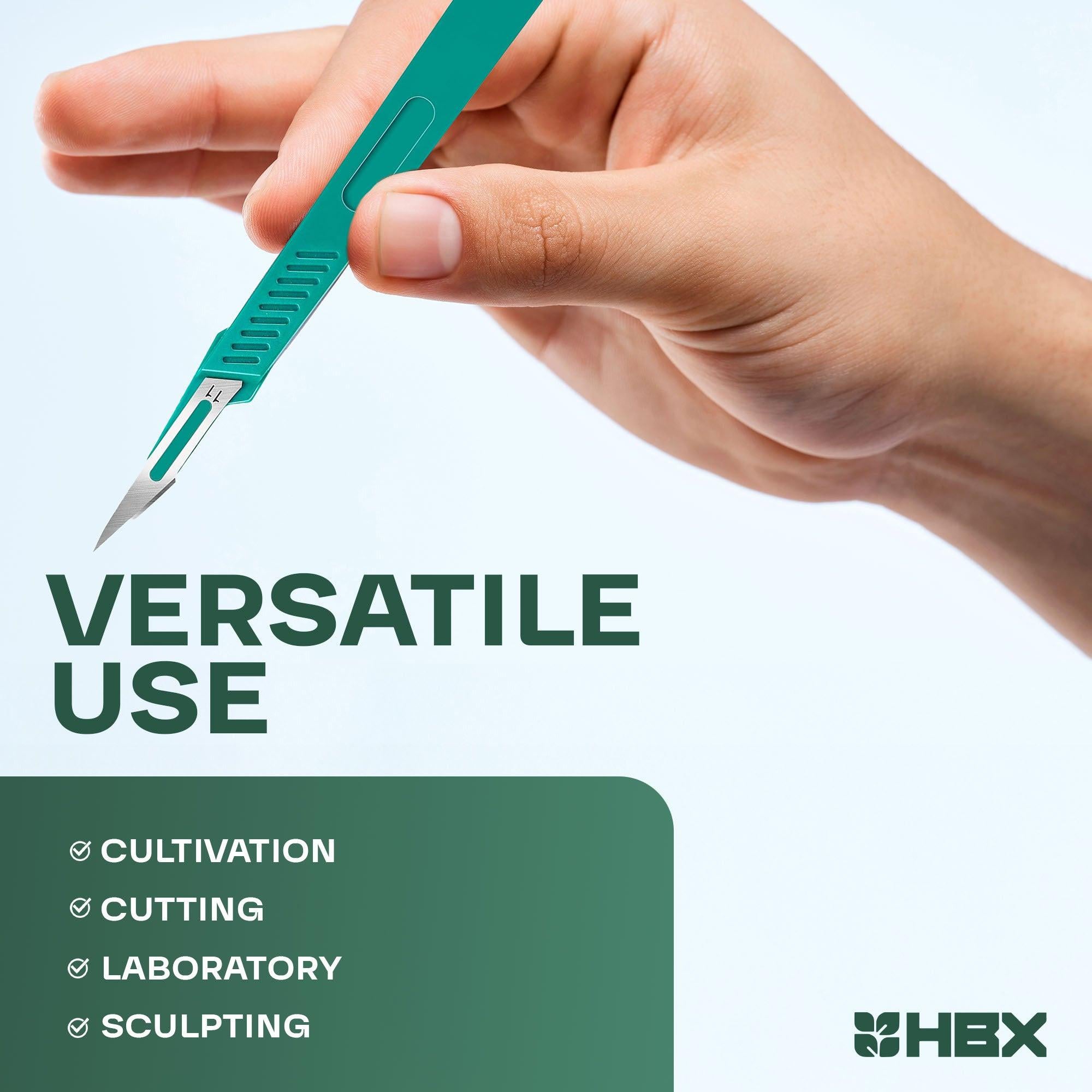
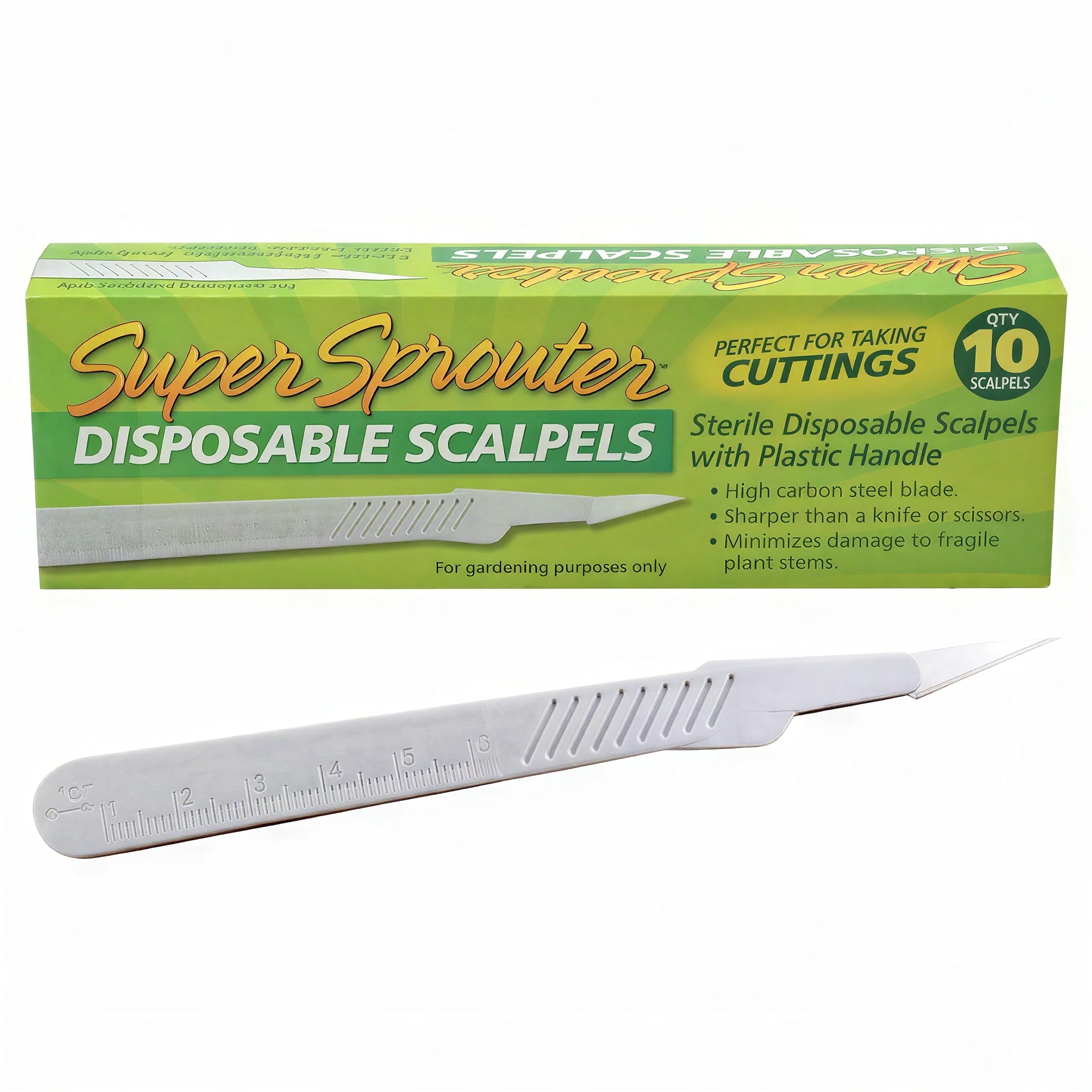
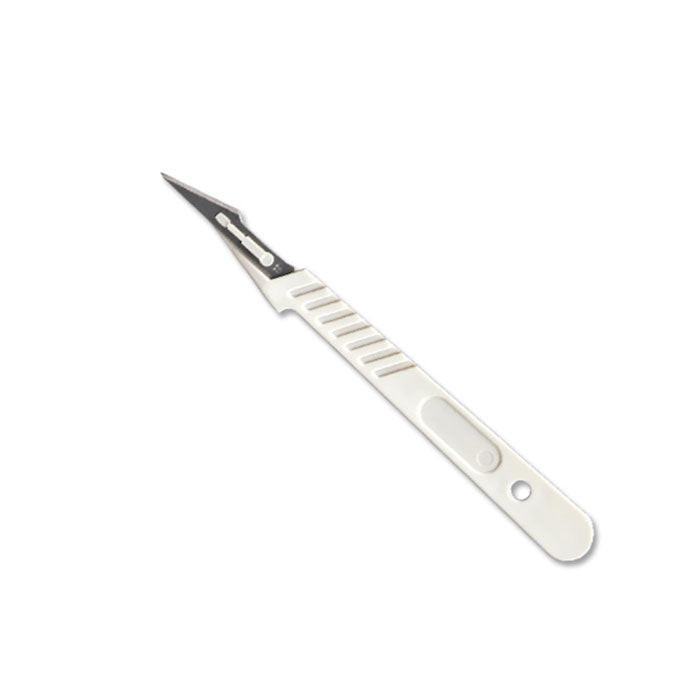
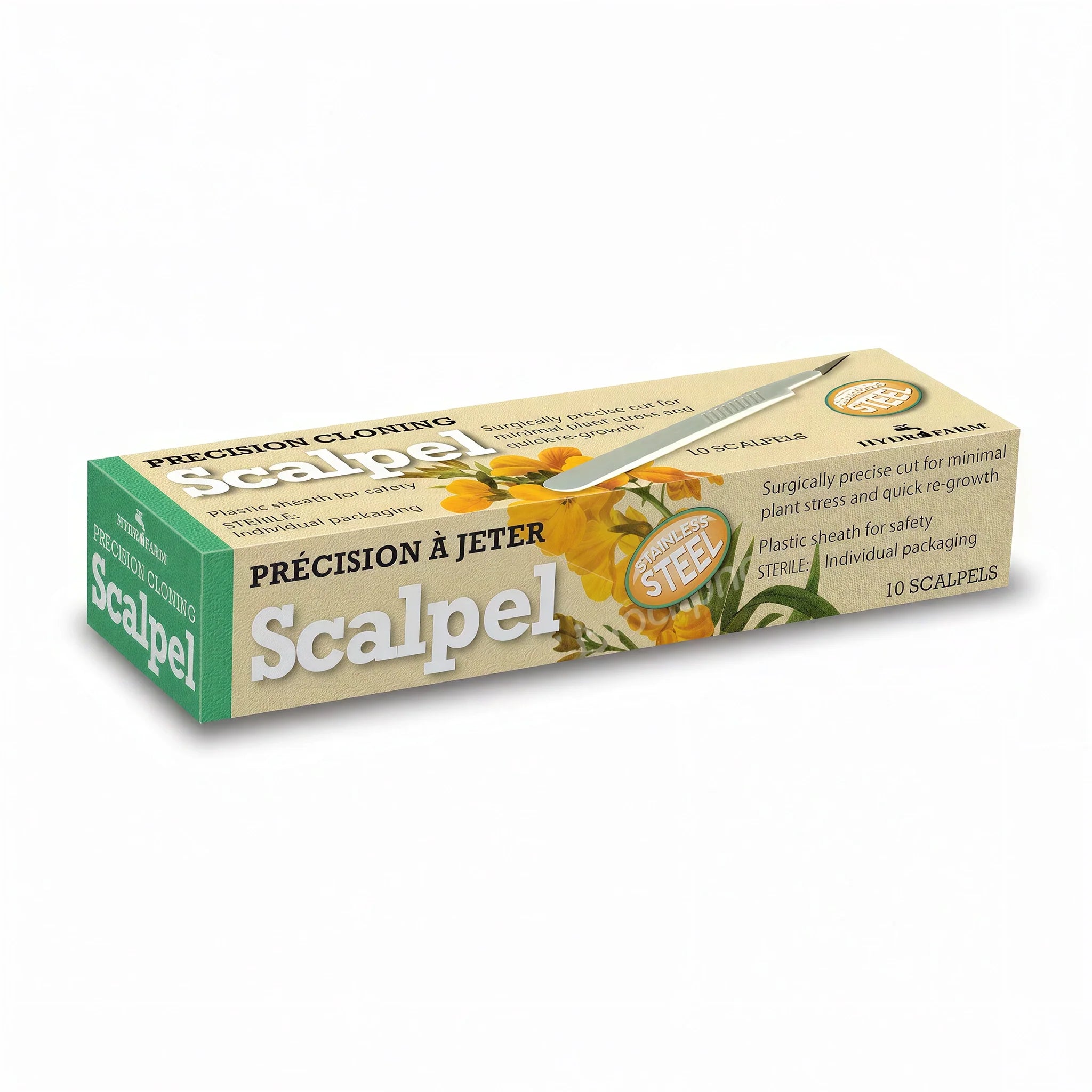
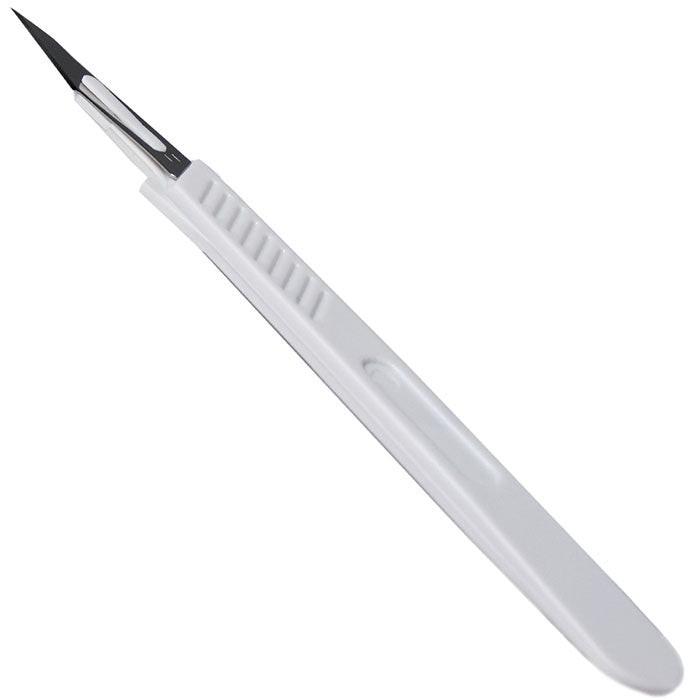
Clean cuts are fundamental to cloning success - a smooth, clean cut at a 45-degree angle exposes maximum stem surface area for rooting while minimizing crushing or tearing of the plant tissue that introduces contamination and slows root initiation. Dedicated clone cutters (single-use sterile scalpel blades or purpose-made propagation scissors) provide sharper, cleaner cuts than reusable scissors that dull over repeated use. Sterilize all cutting tools between each cut with isopropyl alcohol (91%+) to prevent cross-contamination between plants - one infected cutting can spread disease to the entire propagation batch through a shared contaminated cutting tool. See our full scissors and trimming supplies collection for cutting tool options.
Labels, Organization & Monitoring
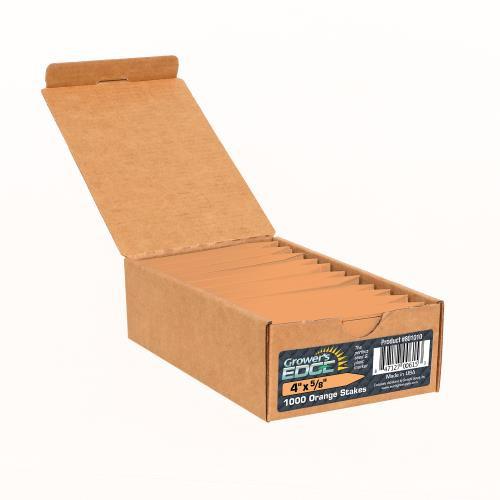
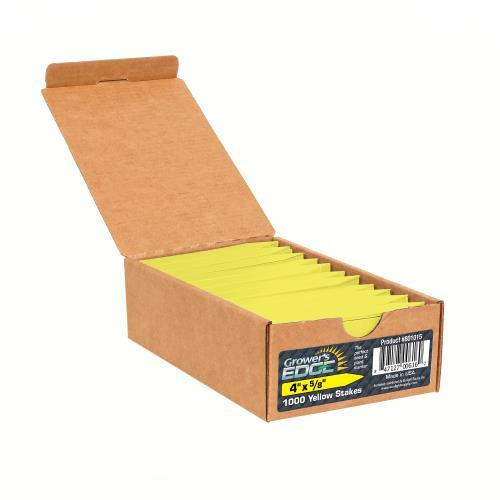
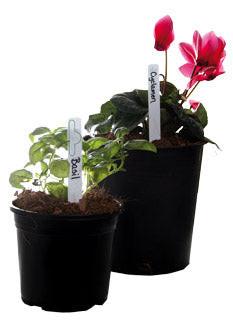
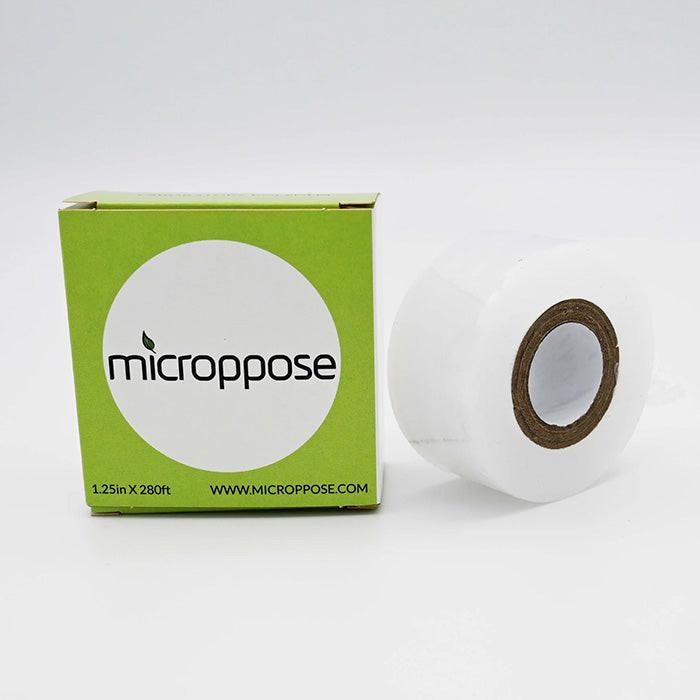
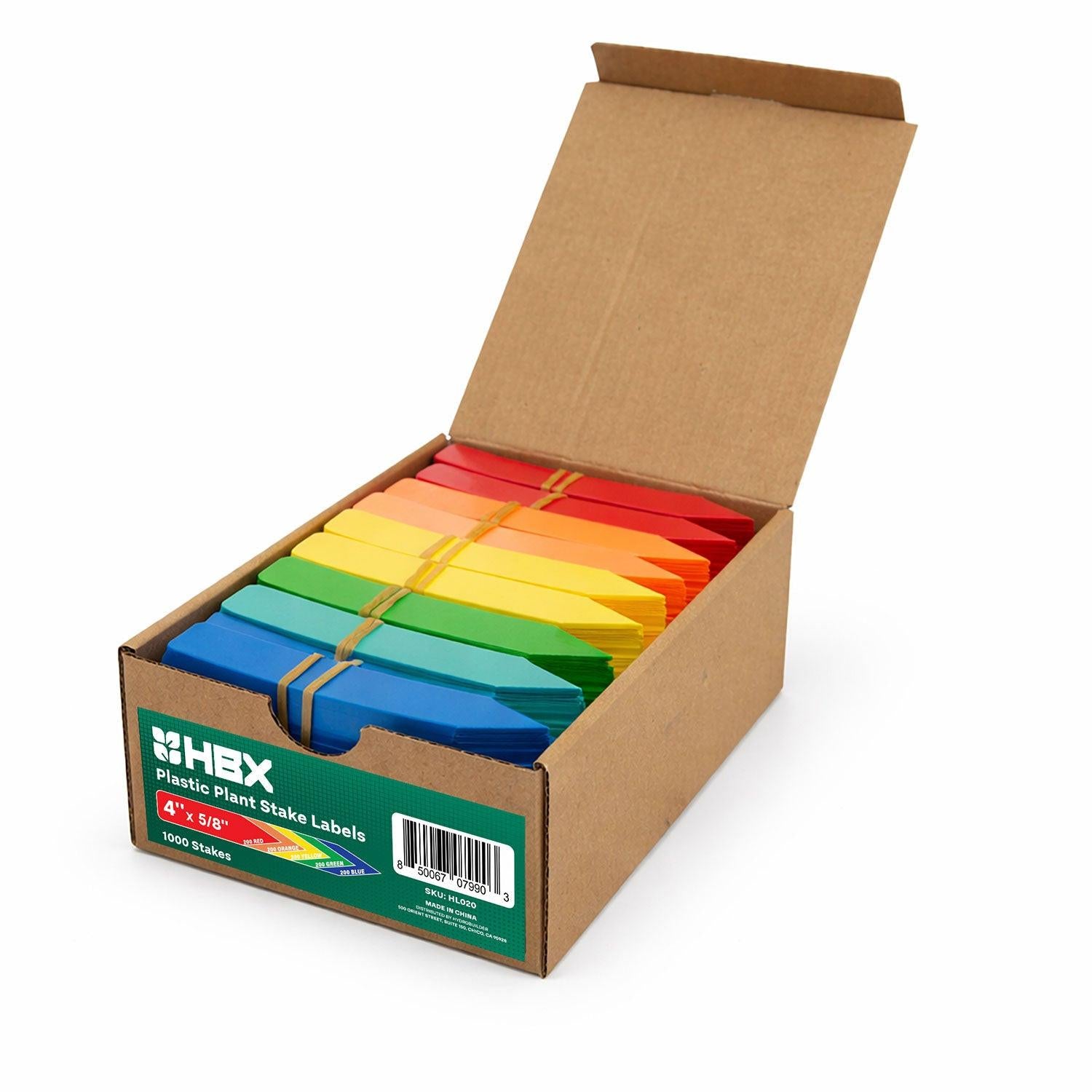
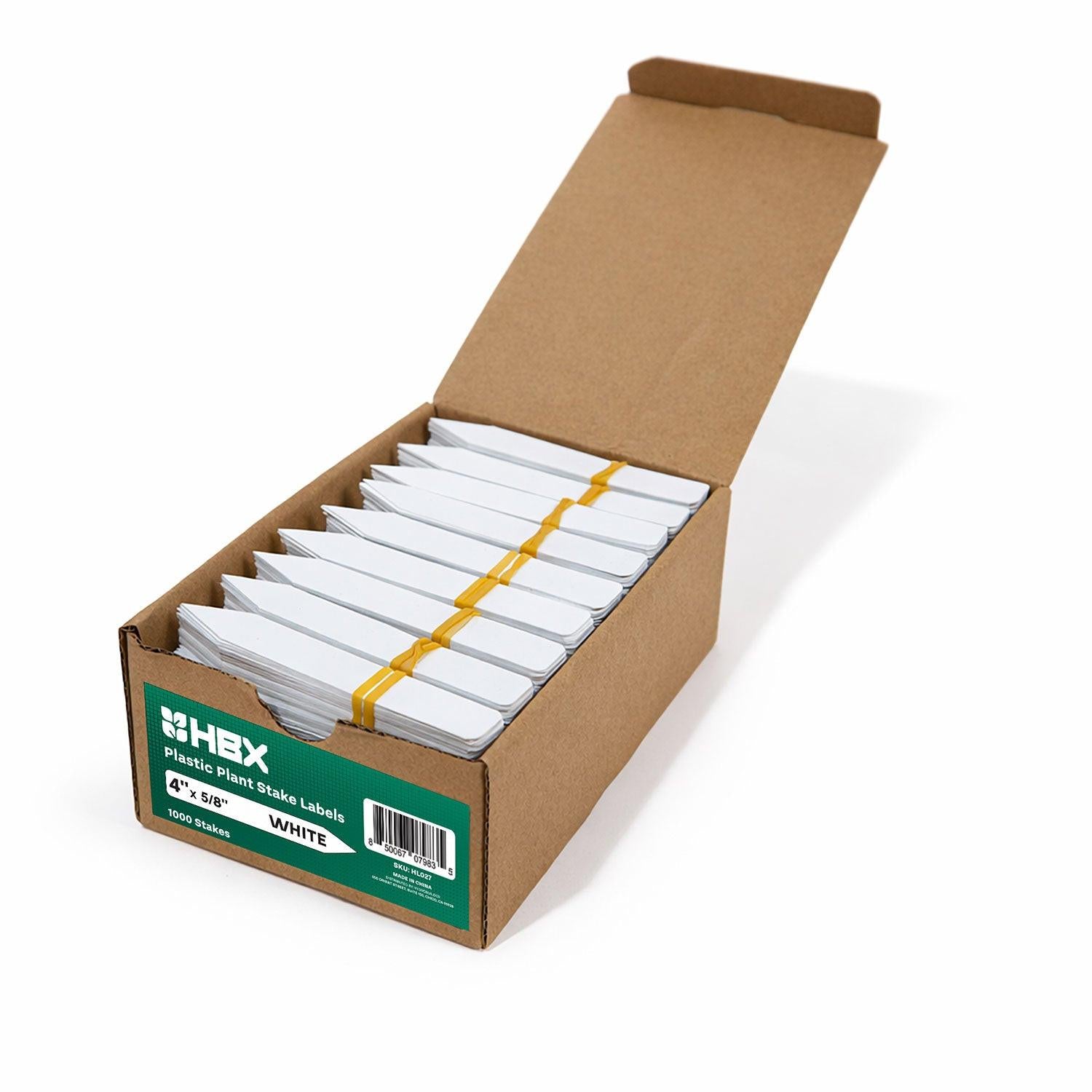
Variety labels and plant tags are essential for commercial propagation programs where multiple varieties are being propagated simultaneously - losing track of which cutting came from which mother plant creates confusion at transplant time and can result in misidentified production batches. Waterproof propagation labels that hold up in the high-humidity dome environment work better than standard paper garden labels that disintegrate in moisture. Small digital min/max thermometer/hygrometers clipped inside the dome provide actual dome conditions rather than relying on ambient room readings - dome conditions can vary significantly from room conditions when the dome is sealed over a heat mat. Browse our seedling starter kits for complete bundled propagation setups. Fast shipping.
Propagation Tools FAQ
What cutting tool is best for taking clones?
The cleanest cuts come from single-use sterile surgical scalpel blades - sharp enough to cut cleanly without crushing, and sterile out of the package so no alcohol cleaning is needed between cuts. Dedicated propagation scissors (sharp, clean-action models rather than garden pruners with thicker blades) are a practical alternative for growers taking many cuttings. Whatever tool you use, clean the blade with 91%+ isopropyl alcohol between each cut to prevent cross-contamination between plants. A dull or contaminated cutting tool is one of the most common causes of poor clone rooting rates.
Do I need a misting bottle for propagation?
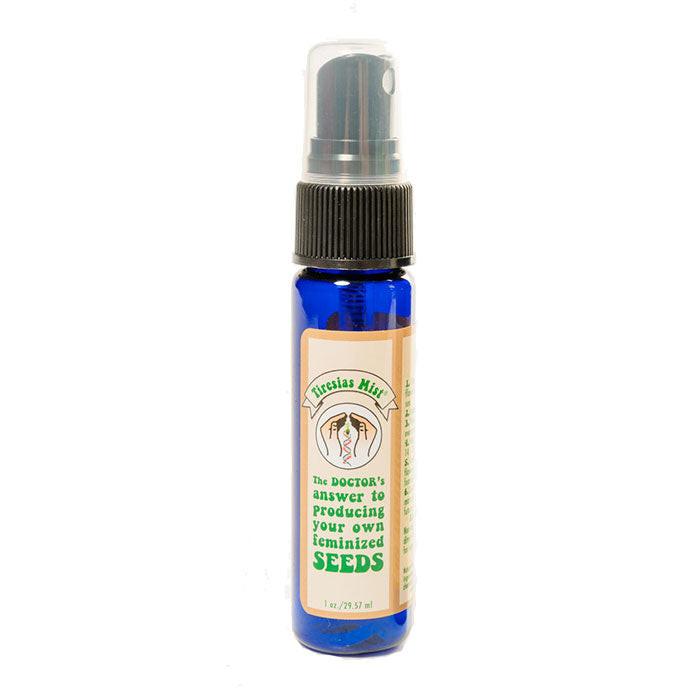
A fine-mist spray bottle is useful for maintaining humidity inside humidity domes without flooding the propagation medium. During the first 3-5 days of cloning (before roots establish), the stem must remain hydrated through foliar absorption since there are no roots yet. Lightly misting the cutting foliage 1-2 times per day while the dome is briefly opened for ventilation keeps the leaves from wilting without creating standing water in the propagation medium. Fine-mist bottles that produce a true fog (not large droplets) are more effective than standard spray bottles for this application.
How do I label cuttings so I can track varieties?
Waterproof plant labels (plastic stake labels or colored plant tags) that can be written with a permanent marker or printed label are the standard for propagation tracking. In high-humidity dome environments, standard paper labels disintegrate within days - use only waterproof plastic or vinyl label material. For commercial programs tracking many varieties: a label system with the variety name, mother plant ID, and cutting date provides the information needed to troubleshoot rooting problems by variety and maintain mother plant records. Color-coding by variety (different colored labels) speeds visual identification when working with a full tray of multiple varieties.
What temperature should I maintain inside a propagation dome?
Target 72-78 degrees F inside the dome for most common crops - warmer than most ambient indoor temperatures, which is why heat mats are standard equipment for propagation setups. At 72-78 degrees F with 75-85% RH inside the dome, most crops root in 7-14 days. Below 70 degrees F, rooting slows significantly; above 82 degrees F, heat stress on the unrooted cuttings can cause wilting and stress before roots establish. A small digital thermometer/hygrometer clipped inside the dome provides actual dome temperature readings for accurate management.
What else do I need for a complete propagation setup?
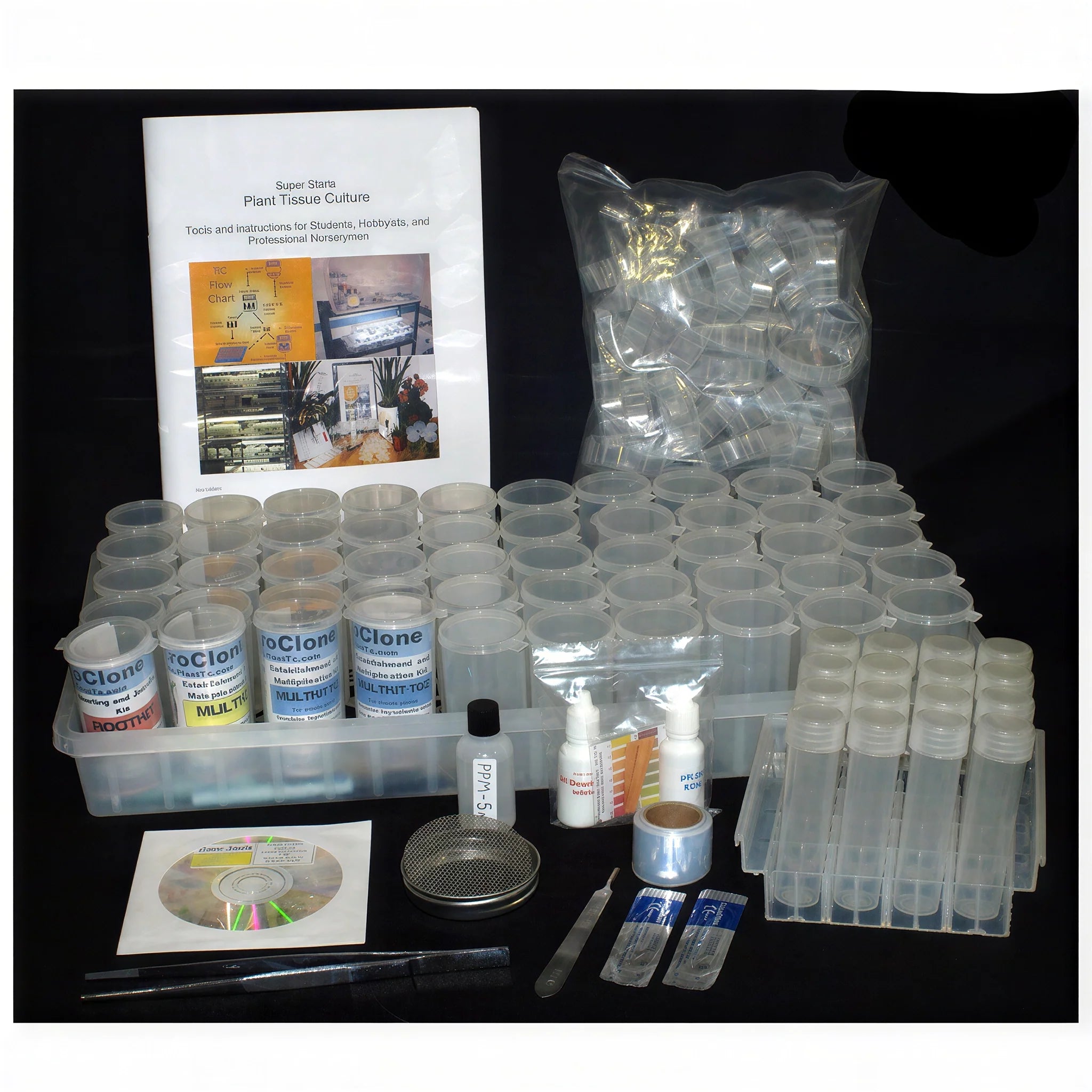
A complete propagation station includes: propagation medium (rockwool plugs, Root Riot, or Rapid Rooter), a seedling tray and matching humidity dome, a heat mat, propagation lighting (T5 fluorescent or low-intensity LED bar at 100-200 umol/m2/s), rooting hormone gel, cutting tools (scalpels or propagation scissors), plant labels, and a misting bottle. A small thermometer/hygrometer inside the dome rounds out the setup. Optional additions: a recycling timer for aeroponic or bubble cloner systems, a pH meter for pre-soaking propagation media, and a dilute nutrient solution for seedlings after cotyledons emerge.