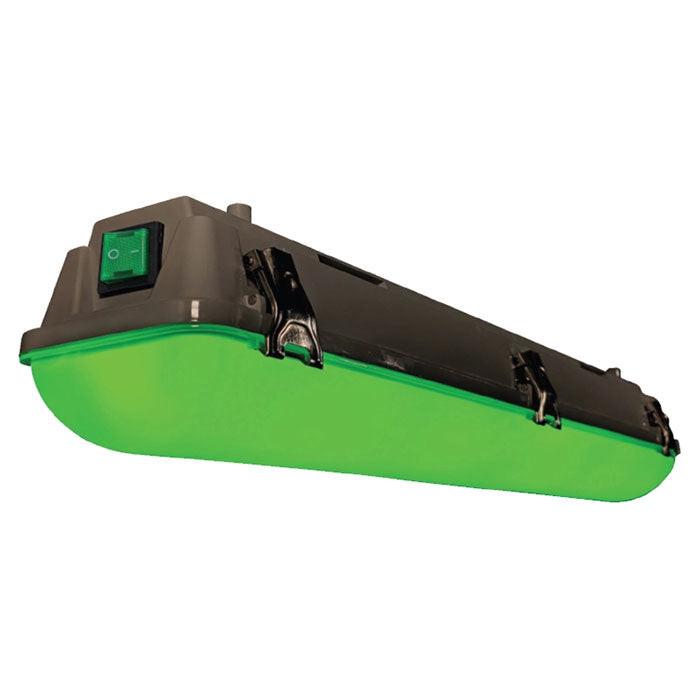
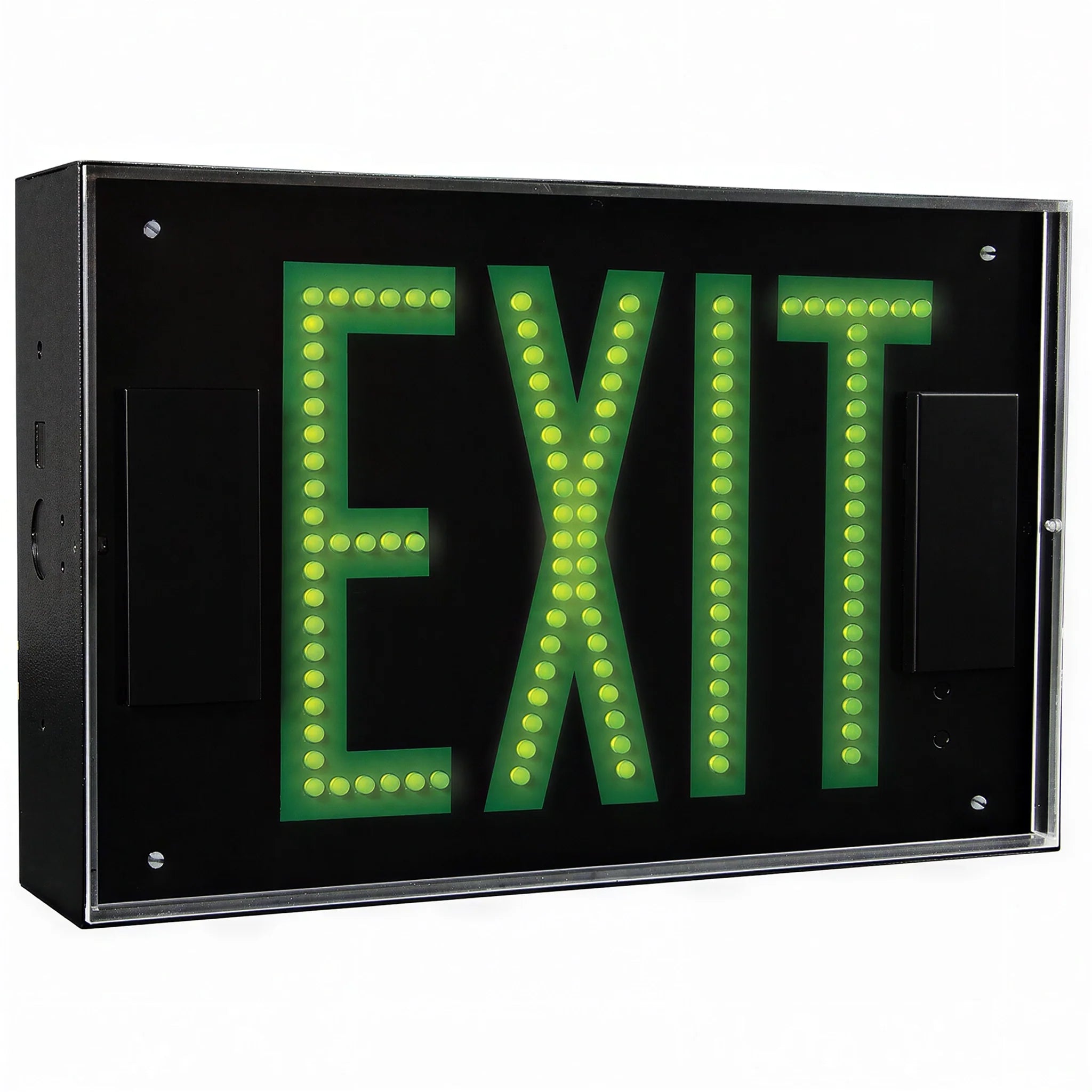
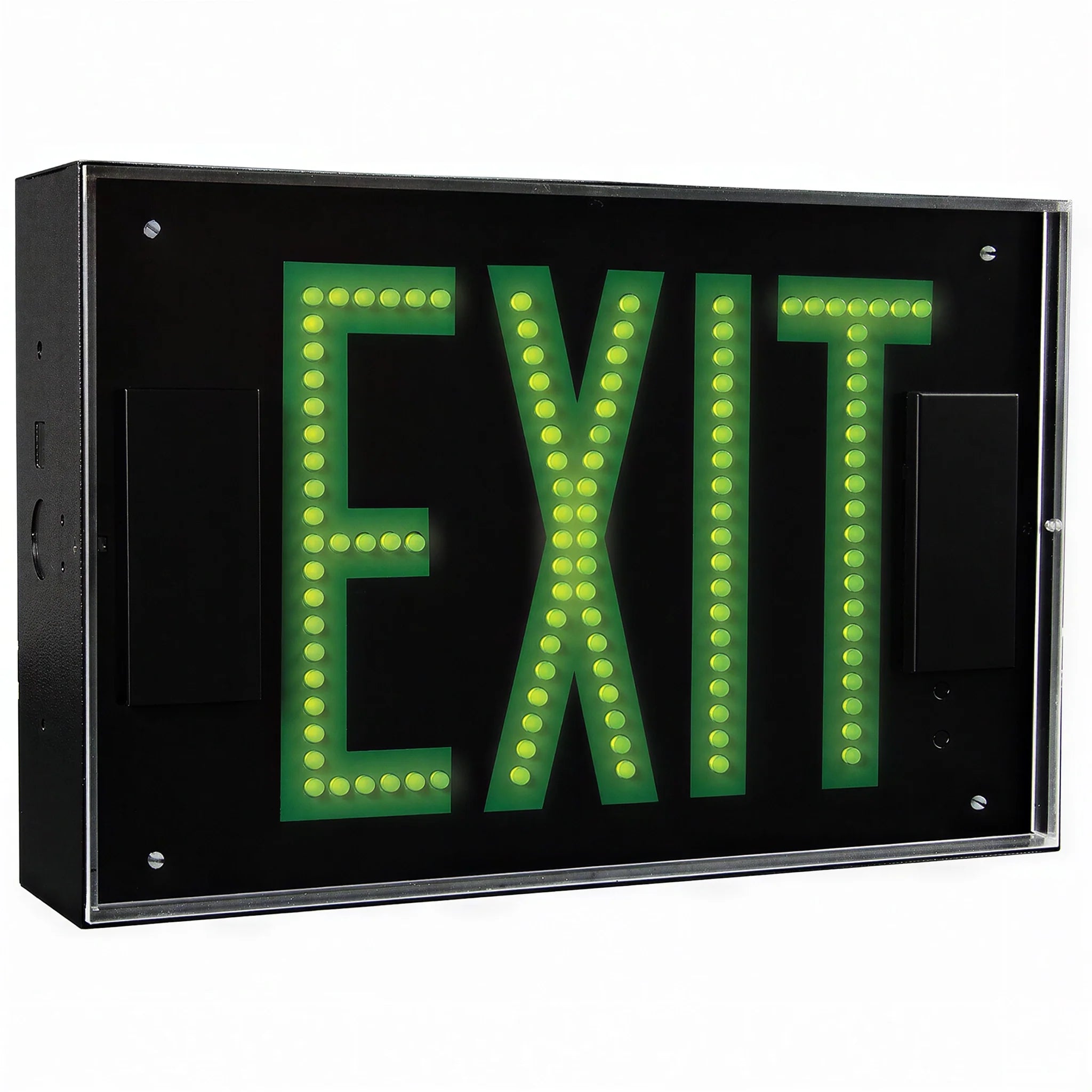
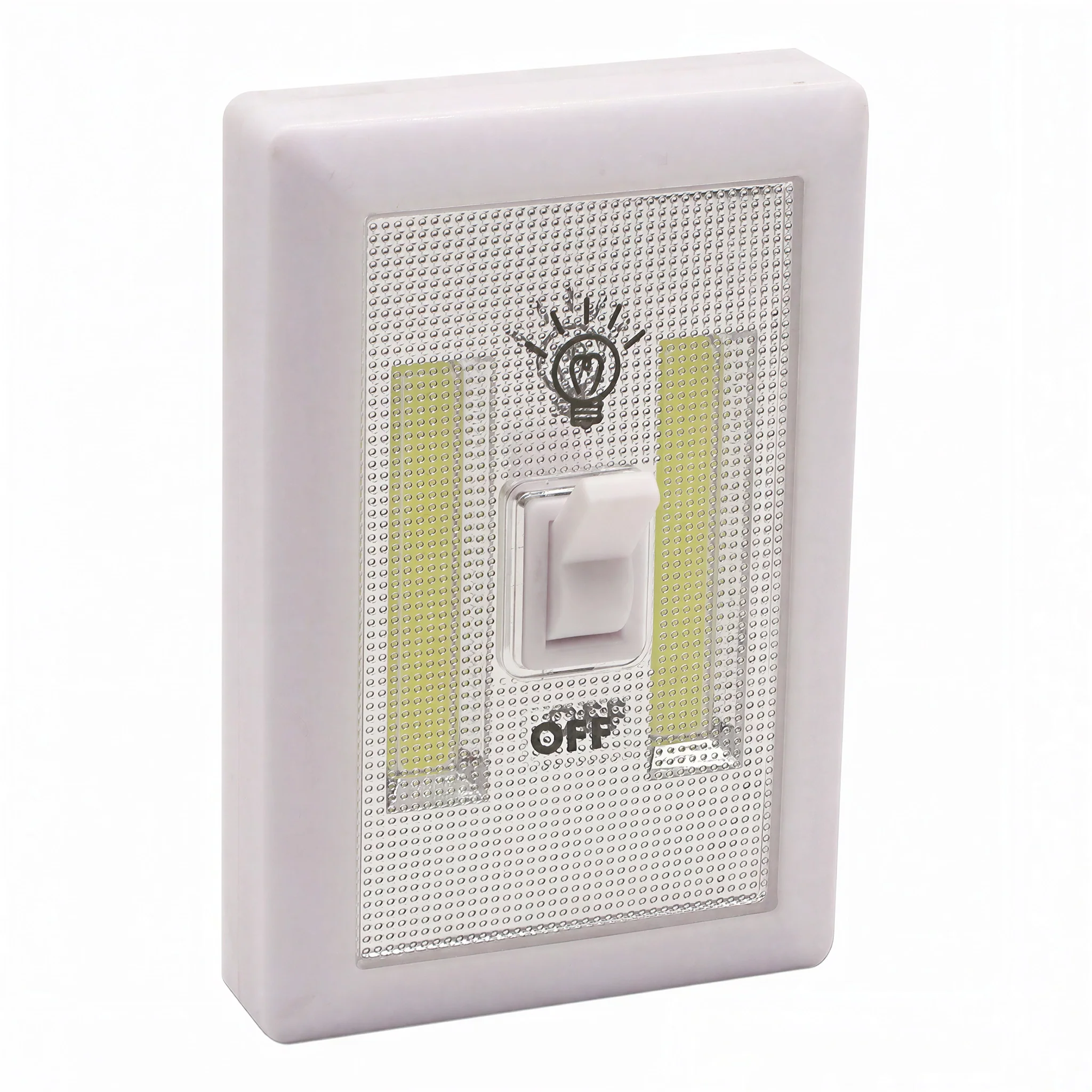
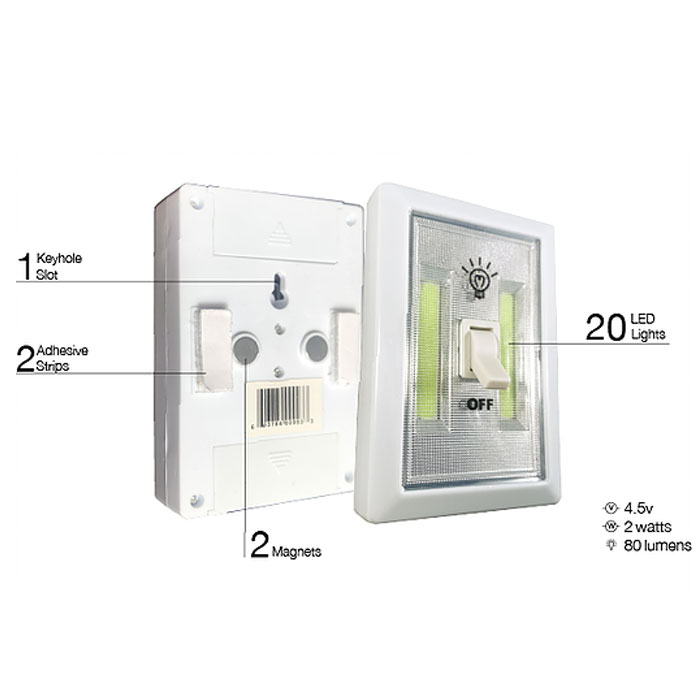
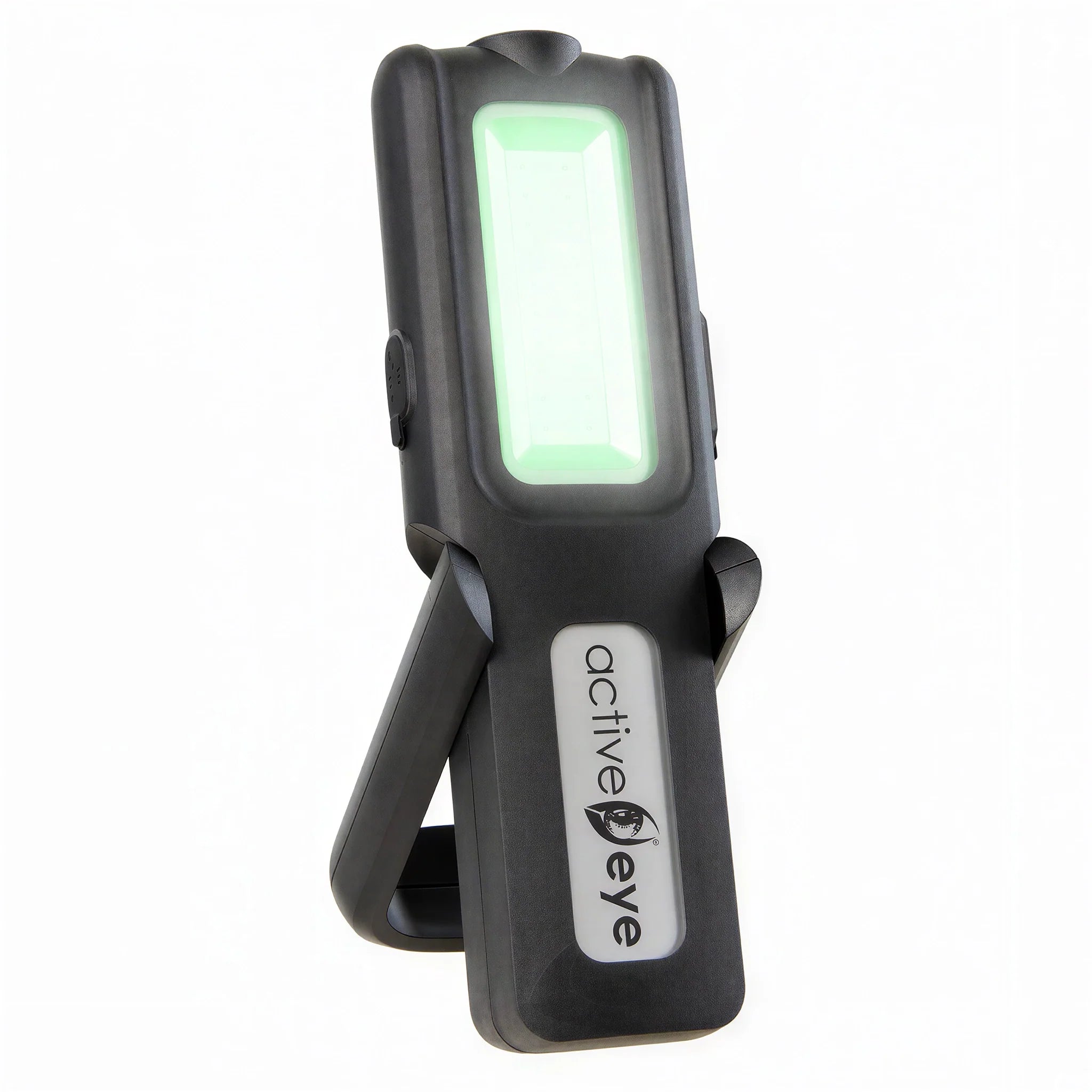
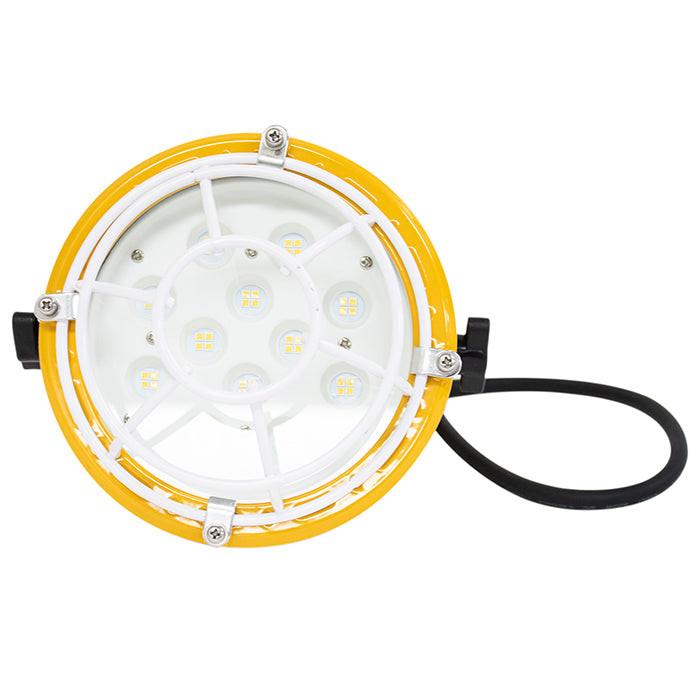
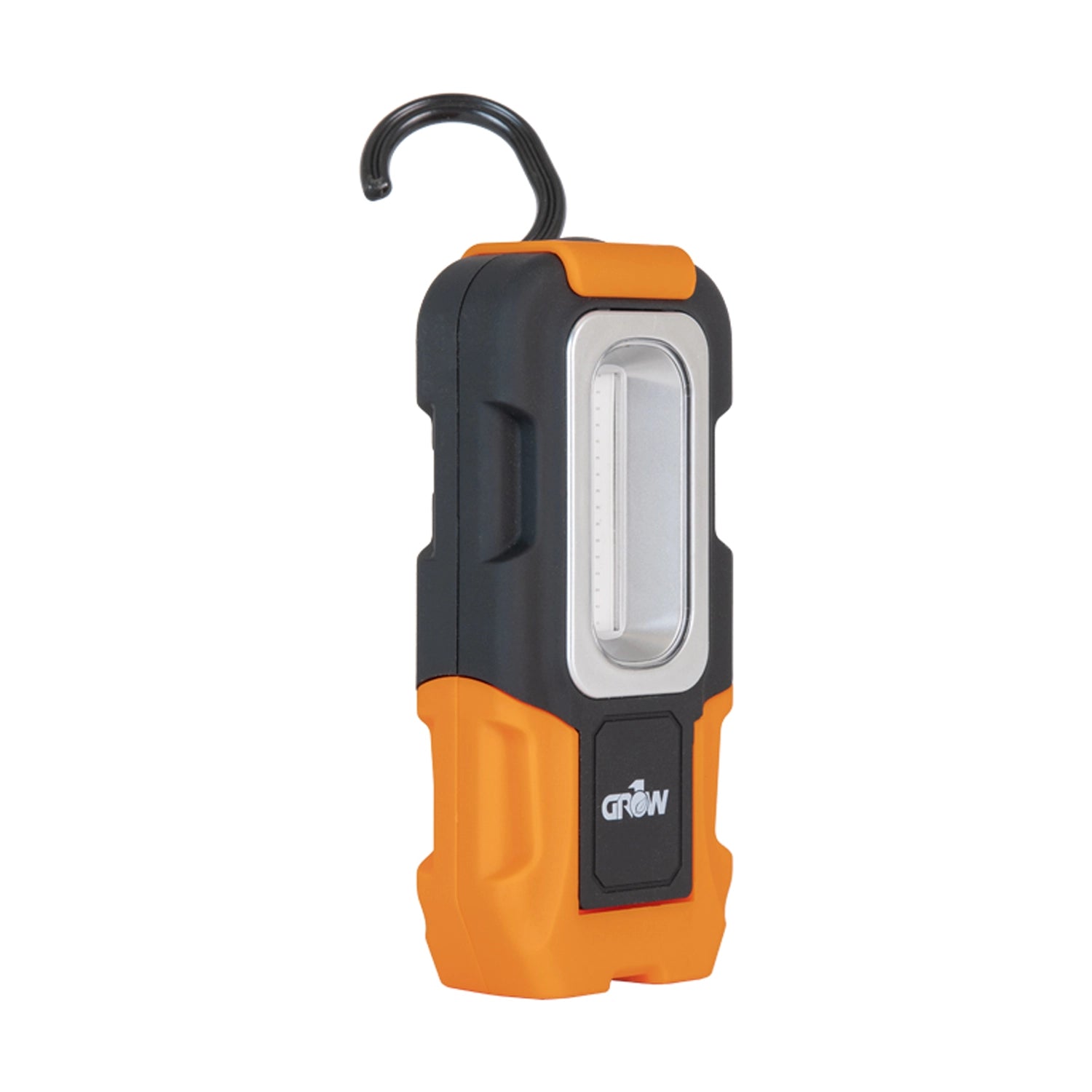
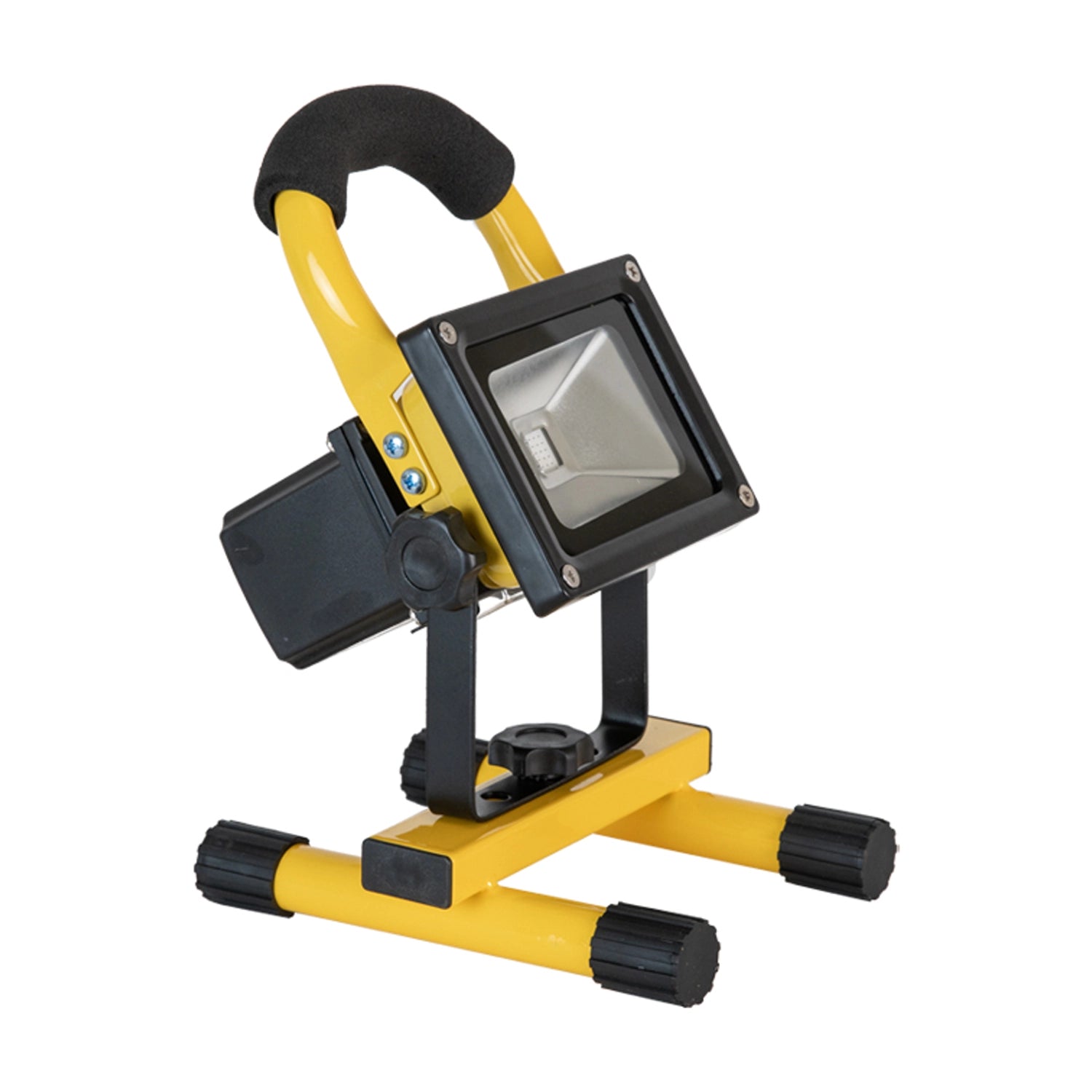
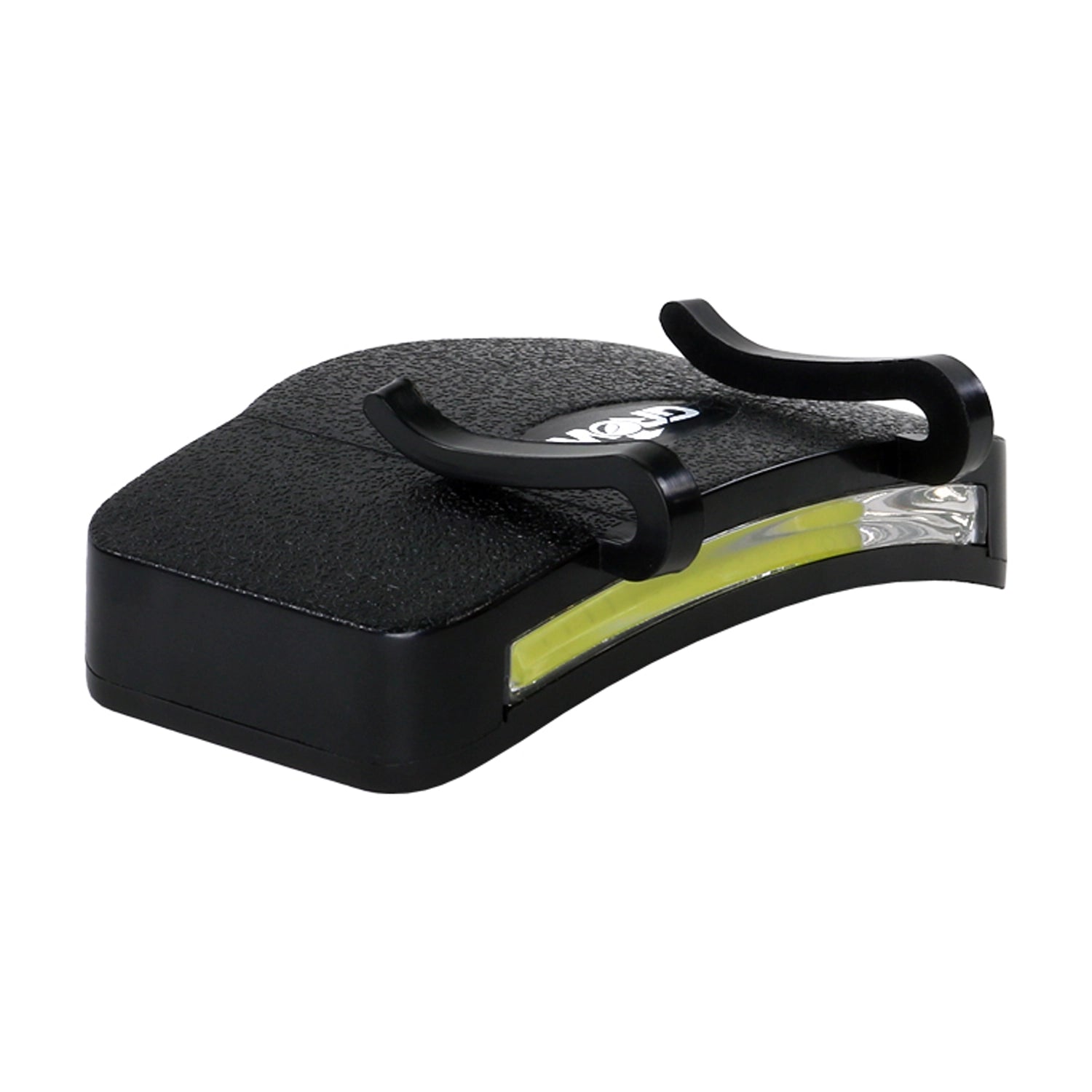
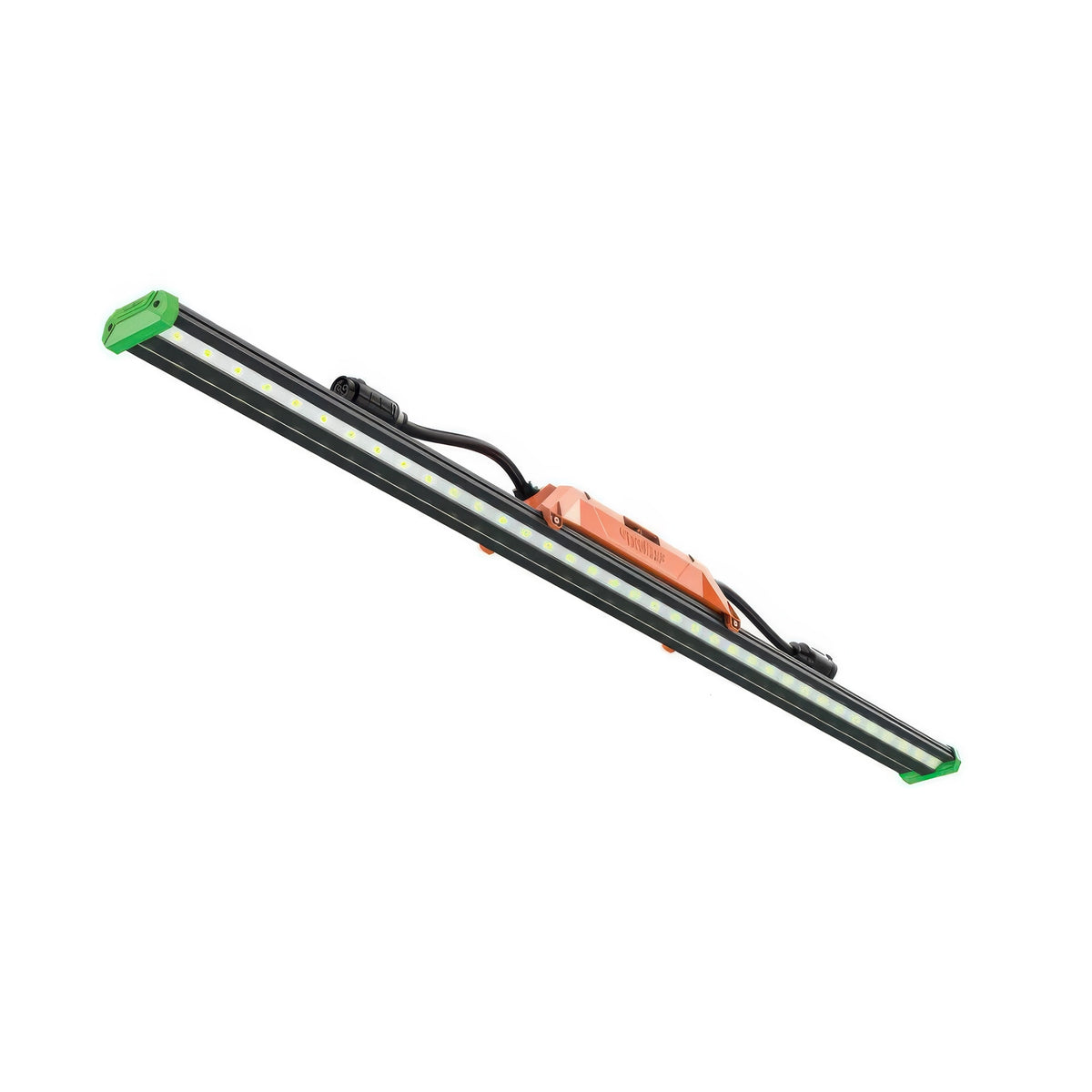
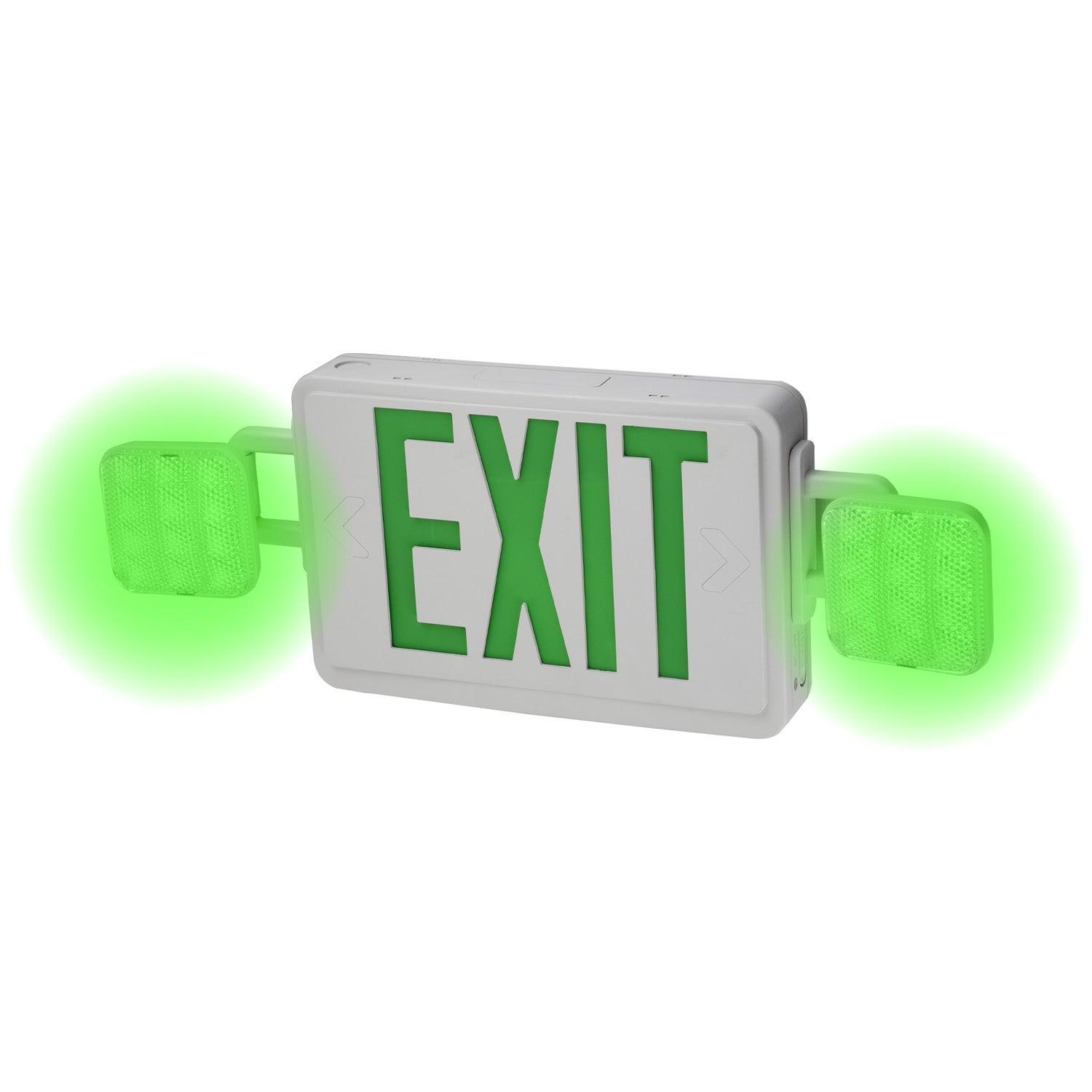
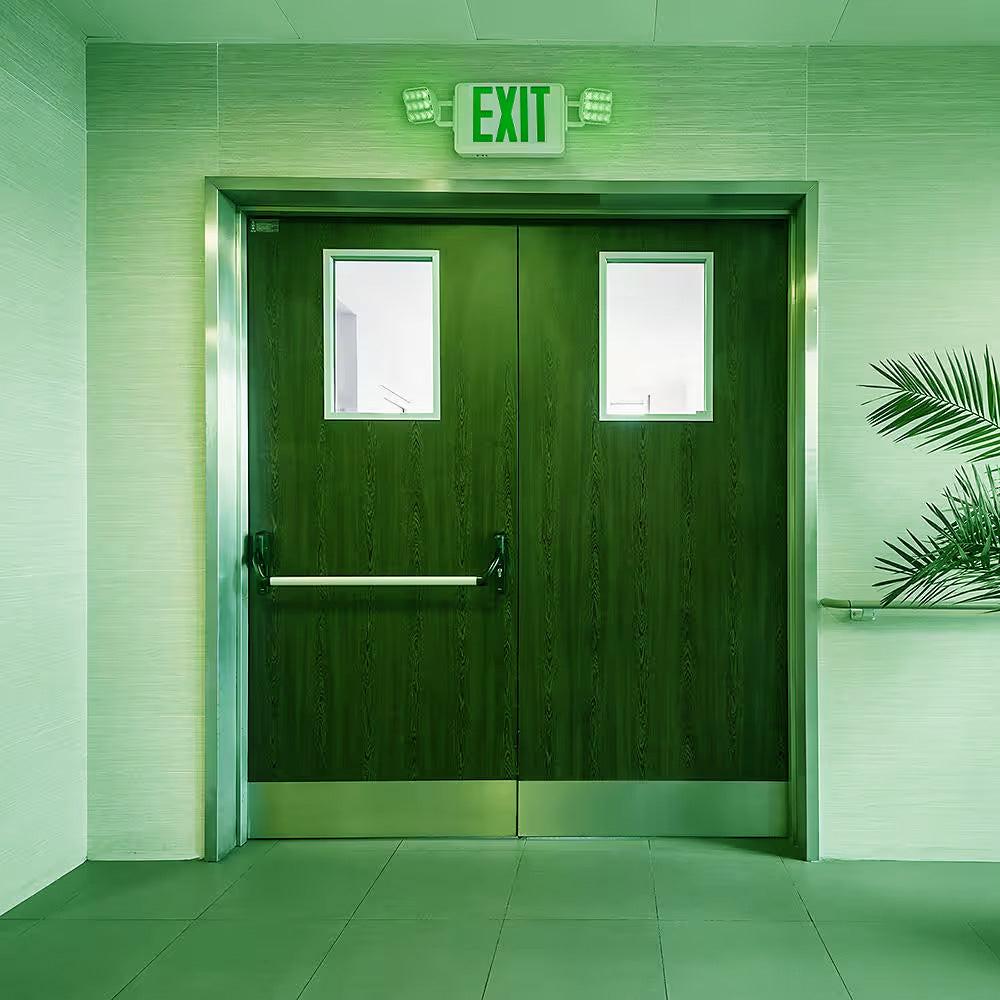
Plant-Safe Green Emergency Egress Lighting
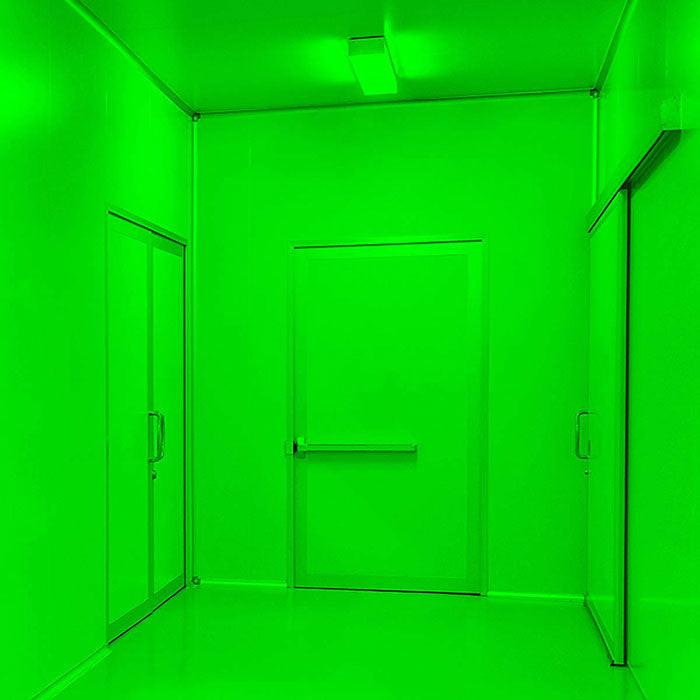
Standard white or red emergency lighting can disrupt photoperiod-sensitive crops in dedicated indoor grow rooms -- even brief exposure to white light during the dark period can reset the dark-period timing that triggers and maintains the flowering cycle in photoperiod-dependent plants. Plant-safe green emergency egress lighting uses green-spectrum LEDs (500-550nm) that have minimal effect on the phytochrome response controlling photoperiod in most common crops. Green light allows workers to safely navigate and exit a grow room during power outages without interrupting the crop's dark period.
Why Green Light Is Plant-Safe
Plants primarily absorb red (600-700nm) and blue (400-500nm) light for photosynthesis -- the green wavelengths (500-550nm) are largely reflected, which is why healthy plant leaves appear green to the human eye. More importantly for flowering crop management, the phytochrome photoperiod detection system in most crops responds primarily to red and far-red light. Green light at the intensities produced by egress fixtures (typically under 5 umol/m2/s) has minimal effect on the phytochrome state that governs dark period duration. This makes low-intensity green lighting the standard for dark period work lighting in photoperiod-sensitive crop production.
Compliance & Placement
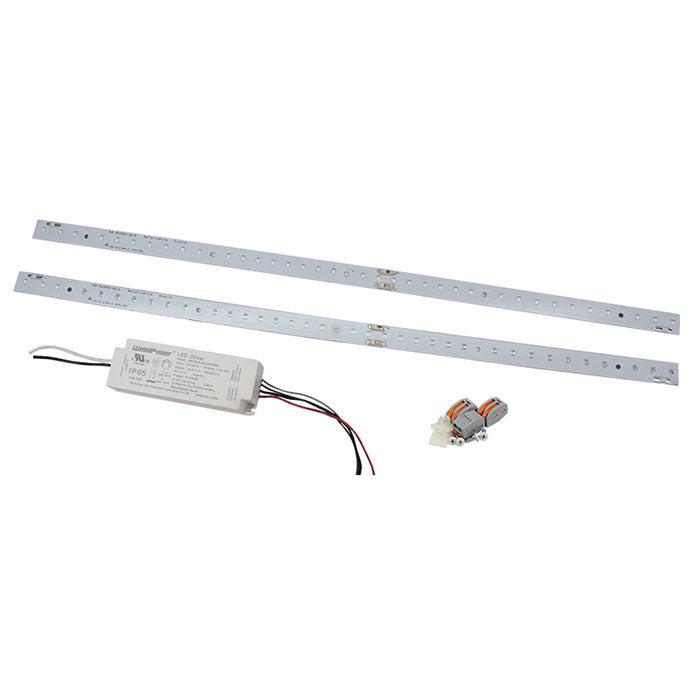
Emergency egress lighting in commercial buildings must meet NFPA 101 Life Safety Code and local fire code requirements for minimum illumination levels along egress paths. Plant-safe green egress fixtures are designed to meet these illumination requirements with green-spectrum LEDs while minimizing photoperiod disruption. Pair with grow room PPE and access control for a complete commercial facility biosecurity and safety program. For large commercial grow facilities, a lighting engineer should review the egress plan for both fire code compliance and adequate photoperiod protection. Fast shipping.
Plant-Safe Green Egress Lighting FAQ
Why is green light safe for plants during the dark period?
Plants absorb red and blue wavelengths most efficiently for photosynthesis, and the phytochrome system that controls photoperiod responses is triggered primarily by red and far-red light. Green wavelengths (500-550nm) are largely reflected by plant tissue -- which is why leaves appear green -- and have minimal effect on the phytochrome state that governs flowering responses when used at the low intensities typical of emergency lighting (under 5 umol/m2/s). This property makes green light the standard choice for work lighting during the dark period in photoperiod-sensitive crop production.
Can I use a regular green light bulb as plant-safe lighting?
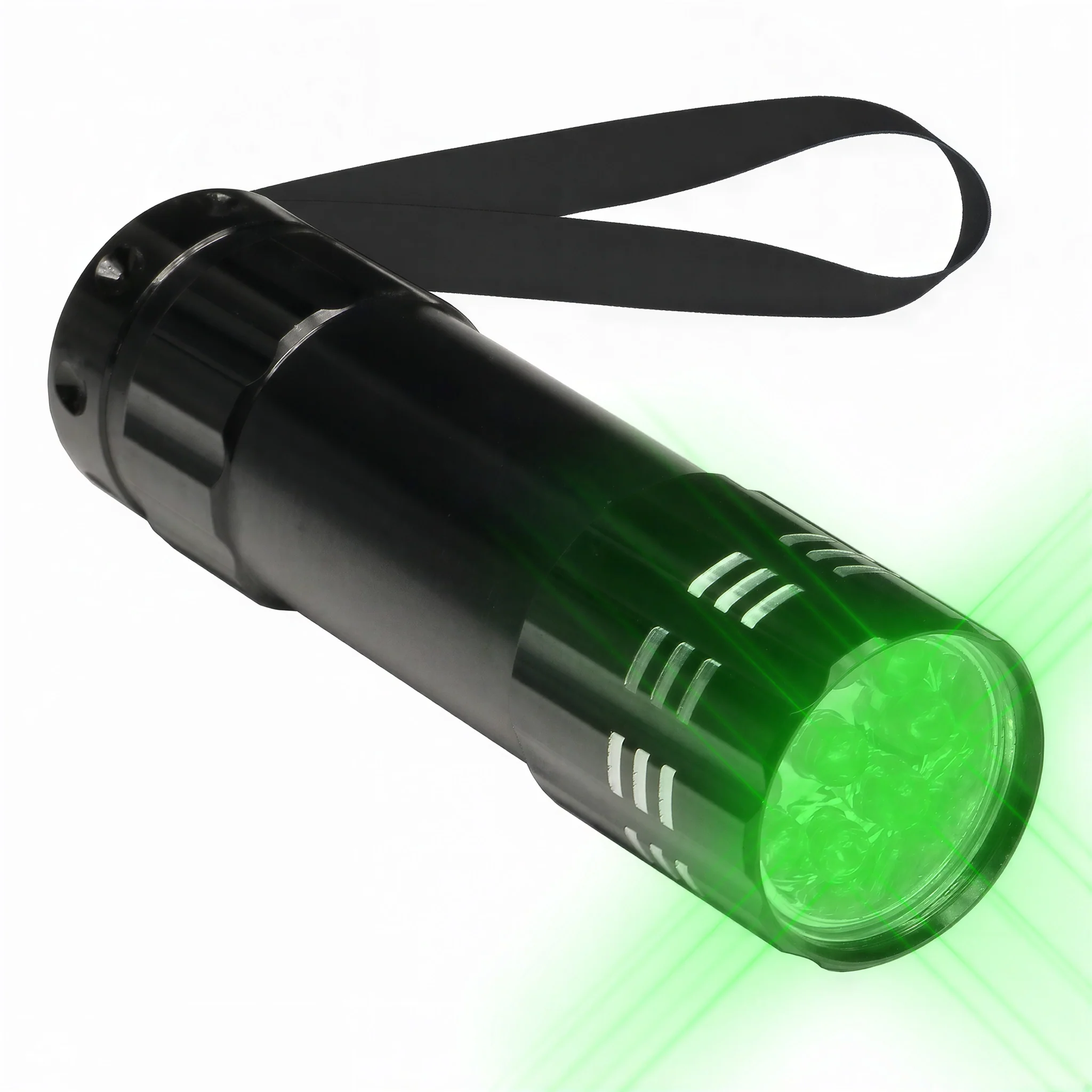
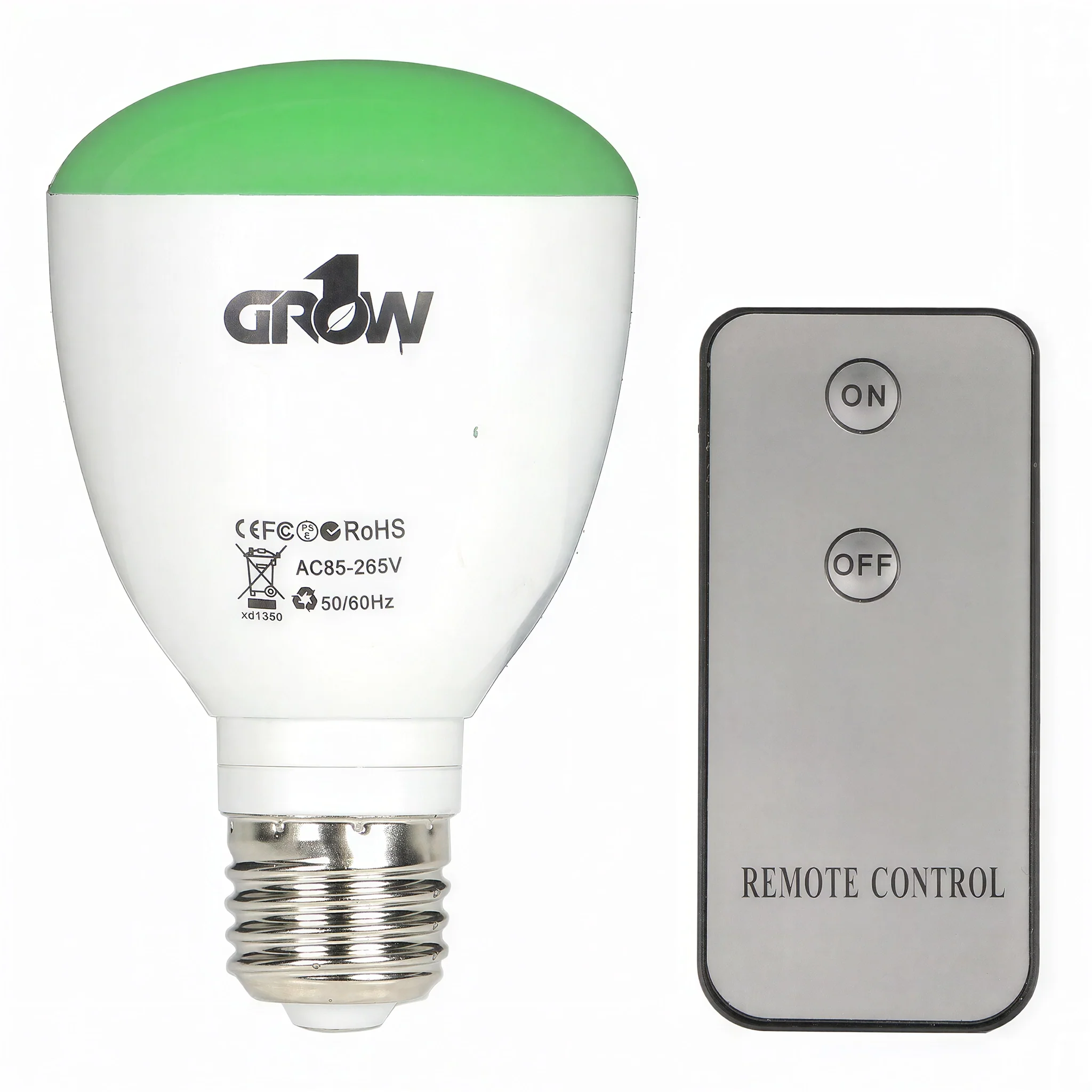
A standard green-painted or green-filtered LED bulb produces predominantly green light, but the spectrum quality and intensity should be verified before relying on it for dark-period work. Some "green" LED bulbs produce meaningful red and blue output alongside green, which can affect sensitive crops at close range. Dedicated plant-safe green egress fixtures use LEDs specified for minimal red/blue output in the 520-550nm range. For commercial grow rooms where compliance is required, use fixtures specifically rated for plant-safe green egress lighting rather than improvising with standard colored bulbs.
Does green light affect all crops equally?
Most common photoperiod-sensitive crops show minimal response to low-intensity green light during the dark period. However, some highly sensitive varieties or plants at critical stages of dark period induction may respond to green light at higher intensities or with extended exposure. As a best practice, limit green egress lighting use to necessary navigation and emergency egress only -- avoid using it as a general-purpose work light for extended inspection or maintenance work during the dark period.
Is plant-safe green lighting required by fire code?
Fire codes (NFPA 101 and local equivalents) require emergency egress lighting that provides minimum illumination along exit paths -- they do not specify spectrum. Standard white emergency lighting meets the illumination requirement but may not be appropriate for photoperiod-sensitive grow operations. Plant-safe green egress fixtures meet the illumination requirement of fire codes while providing photoperiod protection. For commercial grow facilities, work with your local fire marshal and a lighting engineer to confirm that green egress fixtures comply with applicable code requirements.
How bright can green grow room lighting be before it affects plants?
Research indicates that green light at intensities below approximately 5 umol/m2/s has negligible effect on phytochrome response in most crops. Emergency egress fixtures typically operate at 0.5-2 umol/m2/s at floor level -- well within the safe range. Extended exposure at higher intensities (above 10-15 umol/m2/s) for longer than 30 minutes during the dark period may begin to affect the most sensitive varieties. For conservative practice, keep green work lighting use to the minimum necessary for safe navigation and limit extended bright-green lighting work near canopy level during dark period hours.