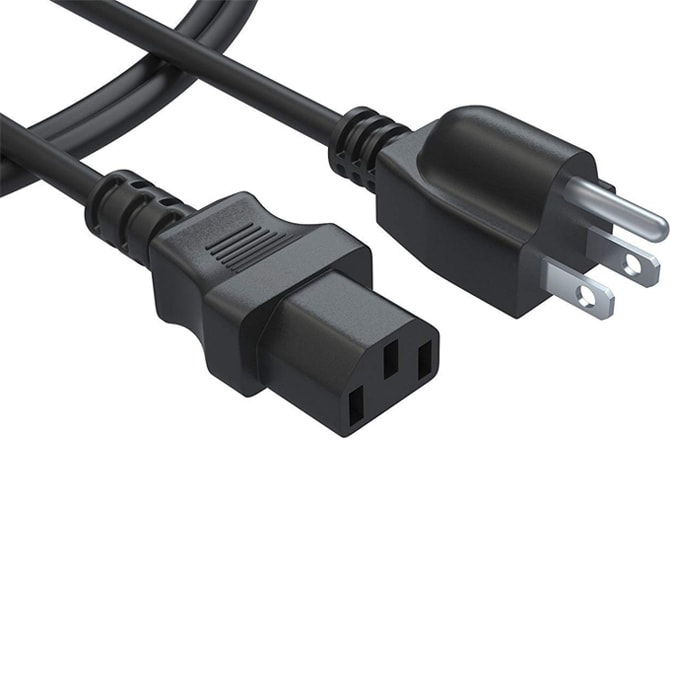
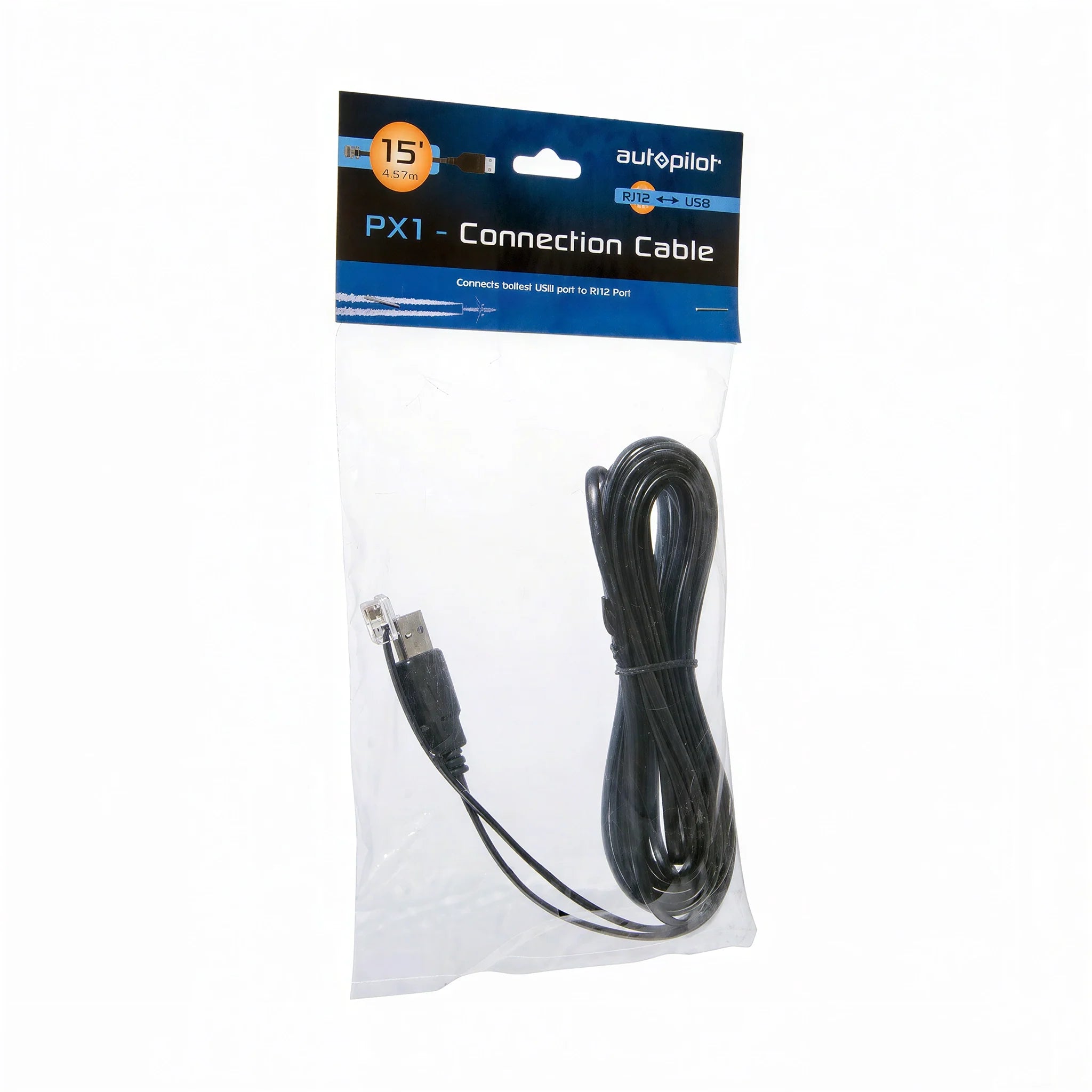
Grow Light Ballast Power Cords & Outlet Cables
Ballast power cords are the electrical supply cables that connect grow light ballasts to wall outlets or circuit breaker panels - distinct from lamp cords, which connect the ballast's output to the fixture socket. Power cords carry line voltage (120V or 240V) at the ballast's full rated current and are subject to continuous duty cycles, heat from nearby ballasts, and the mechanical stress of installation in production environments. When a ballast power cord becomes damaged, develops loose connections, or needs replacement for voltage conversion, having the correct replacement cord on hand is essential for minimizing production downtime.
120V vs. 240V Ballast Power Cords
Most digital HID ballasts are switchable between 120V and 240V operation. Running at 240V is generally preferable for 1000W ballasts - current draw at 240V (approximately 4.2A) is half that of 120V operation (approximately 8.5A), allowing more ballasts per circuit and reducing voltage drop in long runs. 120V cords use NEMA 5-15 (standard 15A 3-prong) or 5-20 (20A) plugs. 240V cords use NEMA 6-15 (240V 15A) or 6-20 (240V 20A) plugs - a different prong configuration that physically prevents connecting to a 120V outlet. When replacing or upgrading a ballast power cord for voltage change, also verify the ballast's internal voltage selector switch is set to match. Browse our related lamp cords collection for ballast-to-fixture socket cables.
Cord Length & Wire Gauge
Ballast power cords should be as short as practical - longer cords increase voltage drop, particularly on 120V circuits with high-current 1000W ballasts. For runs longer than 6 feet from the outlet to the ballast, use 12 AWG minimum at 120V (heavier gauge than standard 14 AWG cords). At 240V, 14 AWG is adequate for runs up to 25 feet at standard grow room wattages. Never use light-duty appliance cords (16 or 18 AWG) for grow light ballasts - these are not rated for continuous high-current loads. Fast shipping.
Ballast Power Cords FAQ
What is the difference between a ballast power cord and a lamp cord?
A ballast power cord supplies electricity from the wall outlet to the ballast - it carries 120V or 240V line voltage. A lamp cord (sometimes called a socket cord or fixture cord) connects the ballast output to the lamp fixture socket - it carries the ballast's transformed output voltage, which is significantly higher than line voltage for HPS and MH operation. Both are necessary for a complete HID grow light system, both are subject to wear and require replacement, and they use completely different connectors. Never interchange or substitute one type for the other.
How do I know if my ballast needs a 120V or 240V power cord?
Check the ballast's voltage selector switch (usually a slide or toggle switch on the ballast housing marked 120V/240V) and the outlet type you are connecting to. NEMA 5-15 and 5-20 outlets are 120V; NEMA 6-15 and 6-20 outlets are 240V. The plug on your replacement cord must match the outlet type AND the ballast's voltage selector setting must match the voltage. Mismatching - using a 240V cord but with the ballast set to 120V - will damage the ballast. Always verify both the outlet type and ballast voltage setting before ordering a replacement cord.
Can I extend a ballast power cord with a standard extension cord?
For runs beyond the standard cord length, use a properly rated heavy-duty extension cord - 12 AWG for 120V ballasts above 600W, 14 AWG for 240V ballasts, rated for the operating amperage at the specific run length. Standard household extension cords (typically 16 AWG) are not appropriate for grow light ballasts running continuously at 8-9A. Use an extension cord specifically rated for the load and run length, or have an electrician extend the circuit properly with appropriate wiring to avoid fire risk from undersized conductors.
What plug type does a 240V grow light ballast use?
The most common 240V plug configurations in grow room applications: NEMA 6-15P (240V, 15A, 2 flat horizontal blades + ground pin) and NEMA 6-20P (240V, 20A, 1 horizontal + 1 vertical blade + ground pin). The 6-15 is more common on standard digital ballasts up to 1000W at 240V. The 6-20 is used when the ballast draws more than 15A at 240V or when the circuit is wired to a 20A breaker. Verify the outlet type on your circuit before ordering a replacement cord - NEMA 6-15 and 6-20 cords are not interchangeable without an adapter.
How long should a ballast power cord last?
A quality ballast power cord in a well-managed grow room should last the ballast's service life (5-10 years) without replacement. Cords fail prematurely from: heat damage when the cord contacts a hot ballast housing (route cords away from ballast surfaces); mechanical stress at the strain relief where the cord enters the ballast plug (avoid sharp bends at this point); and connection degradation from repeated plugging and unplugging cycles. Inspect cords annually - look for discoloration (heat damage), cracking insulation, and any play in the outlet plug. Replace immediately at any sign of damage.