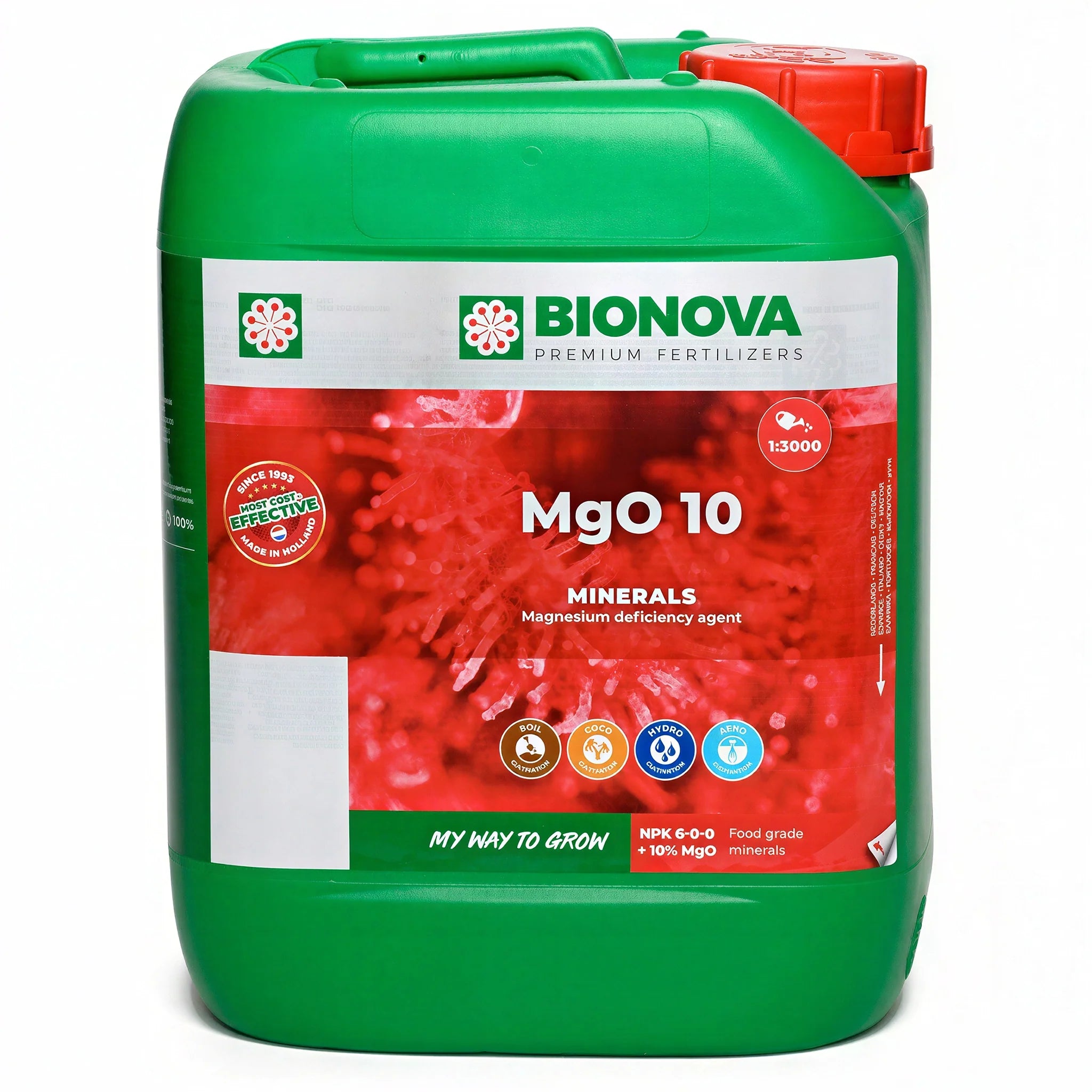
Mineral & Trace Element Supplements
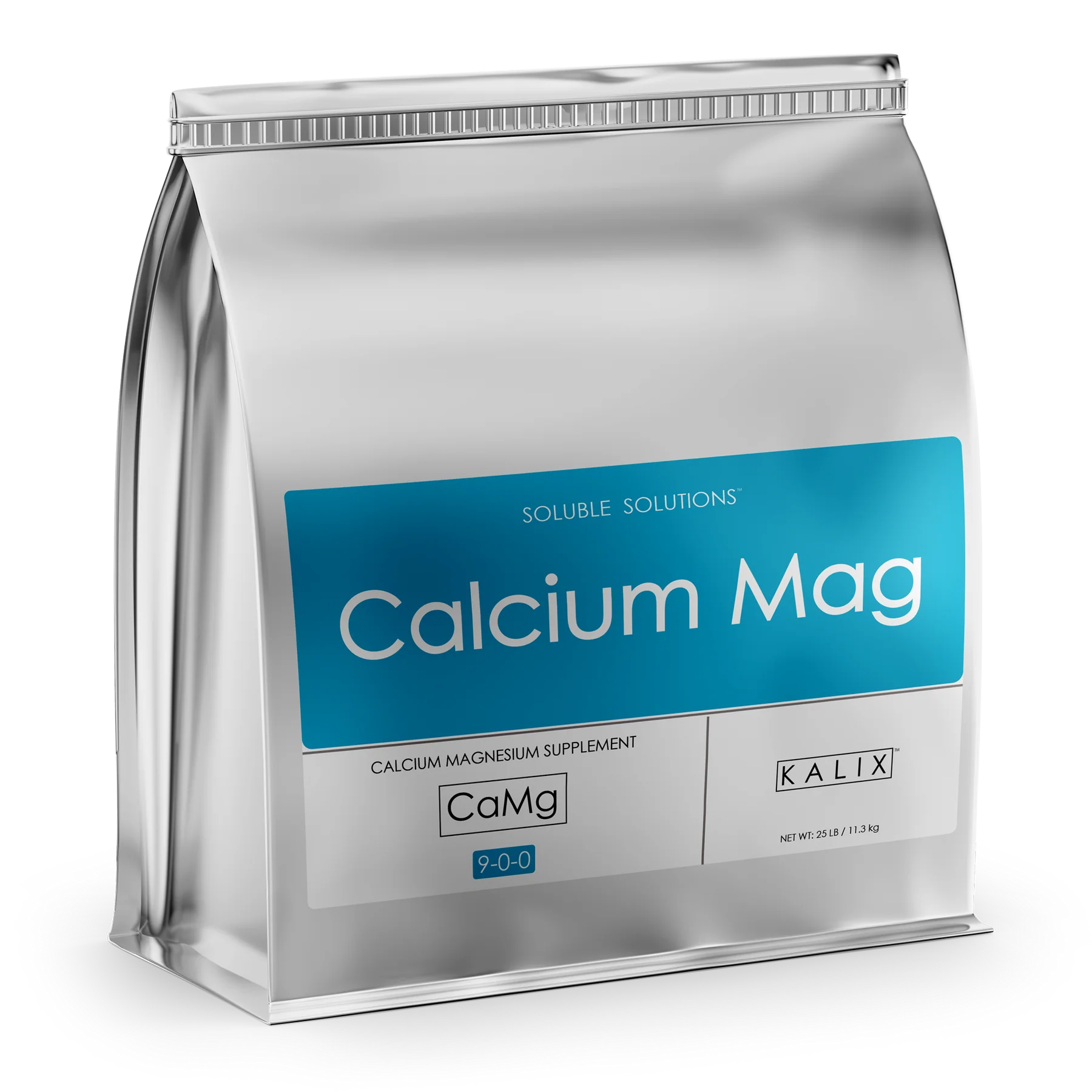
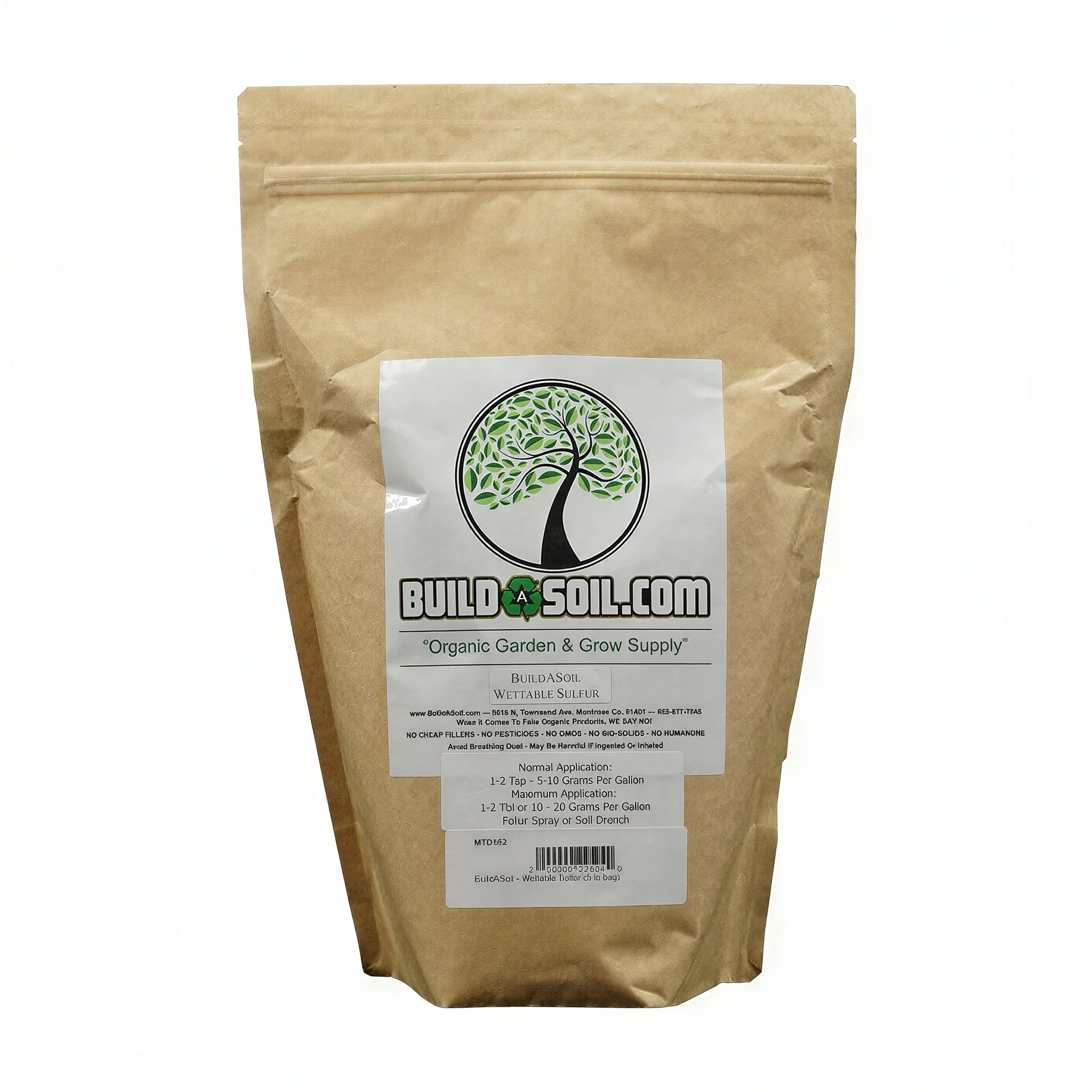
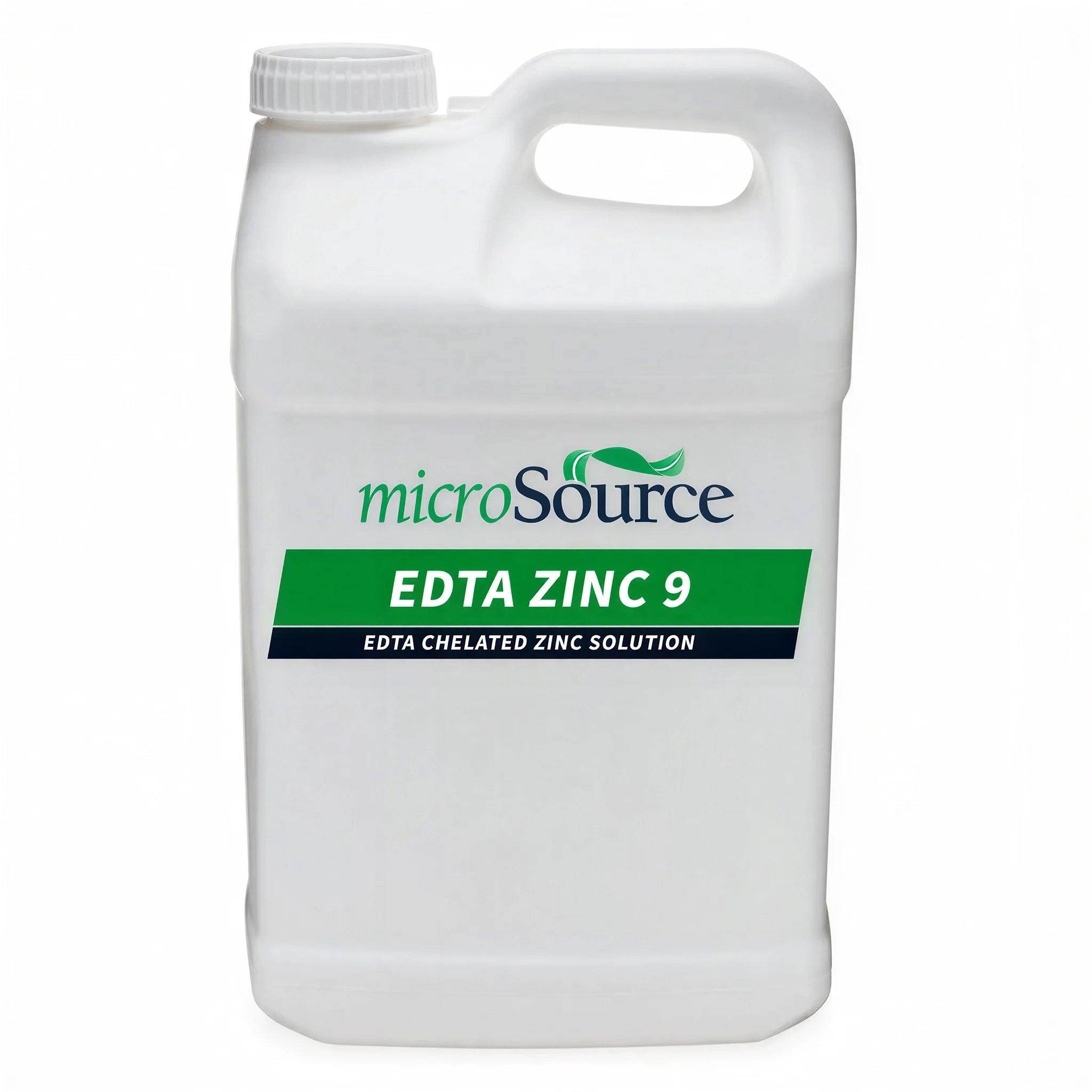
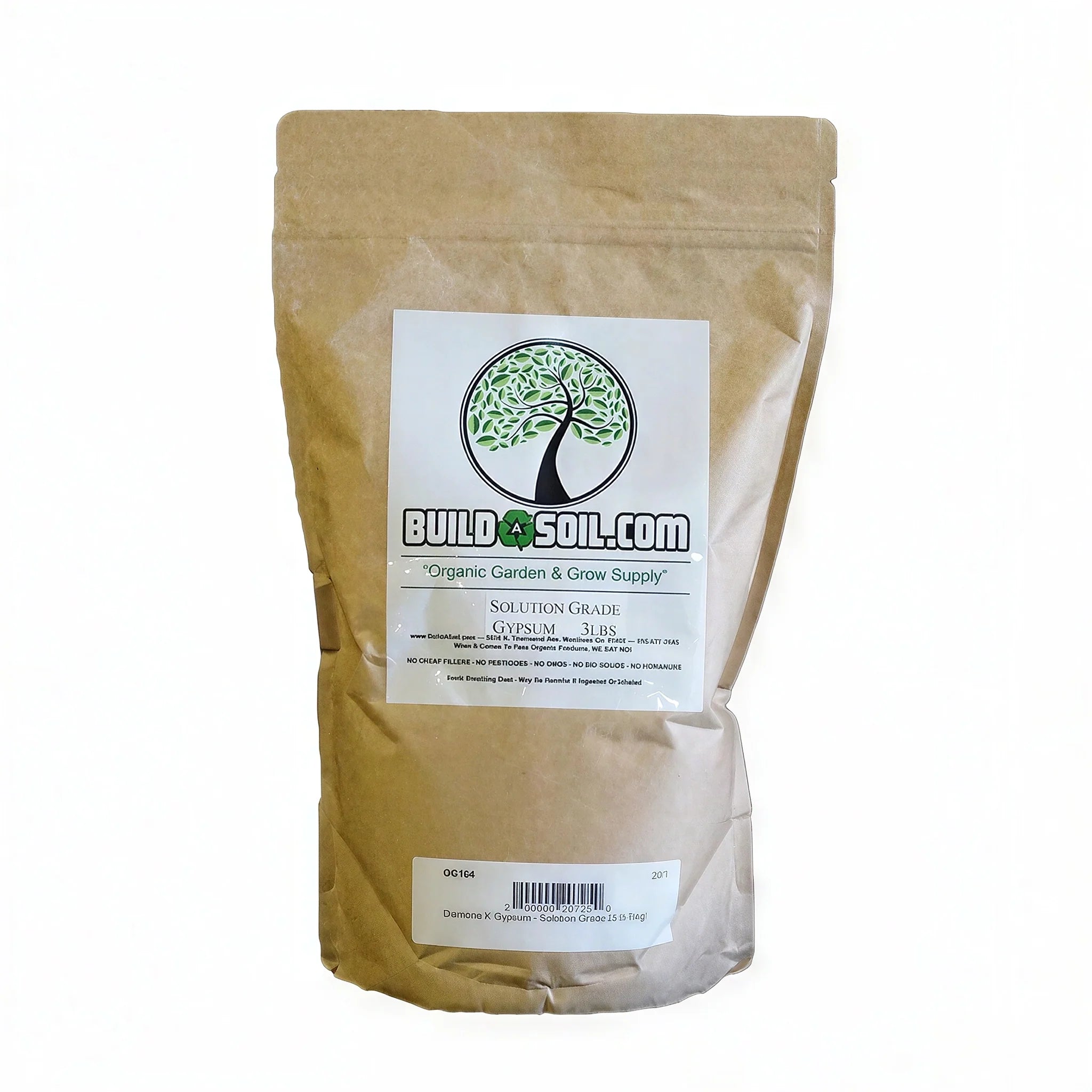
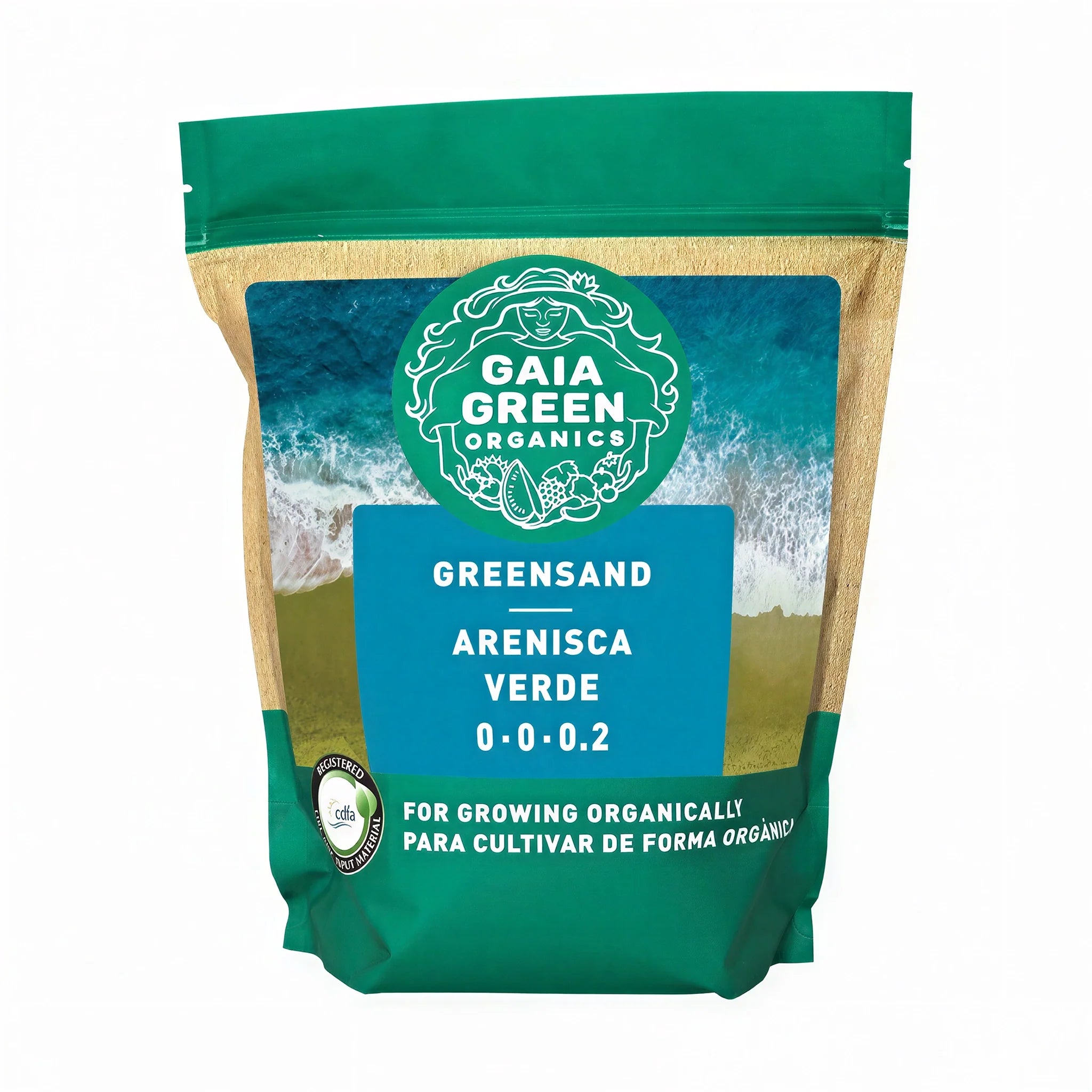
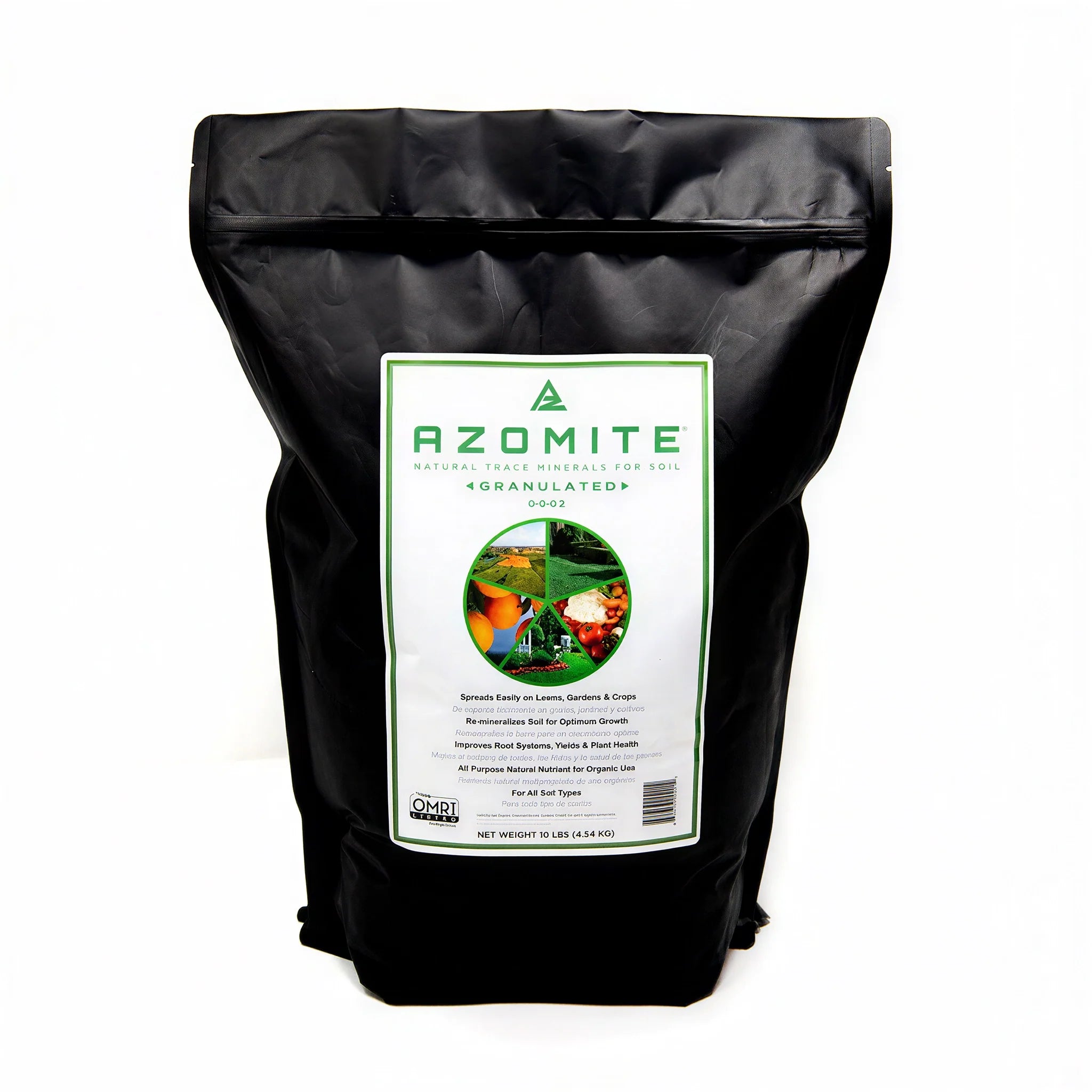
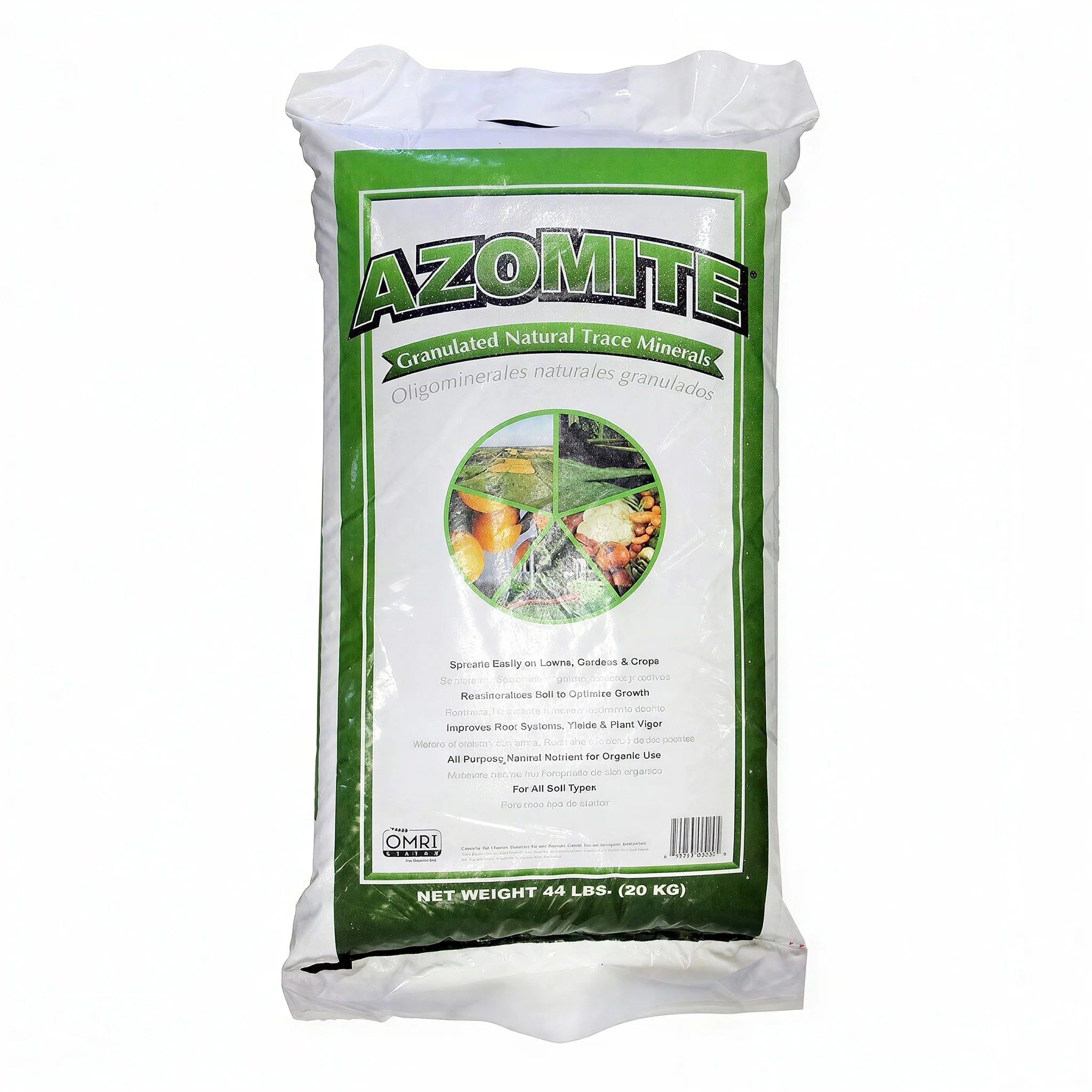
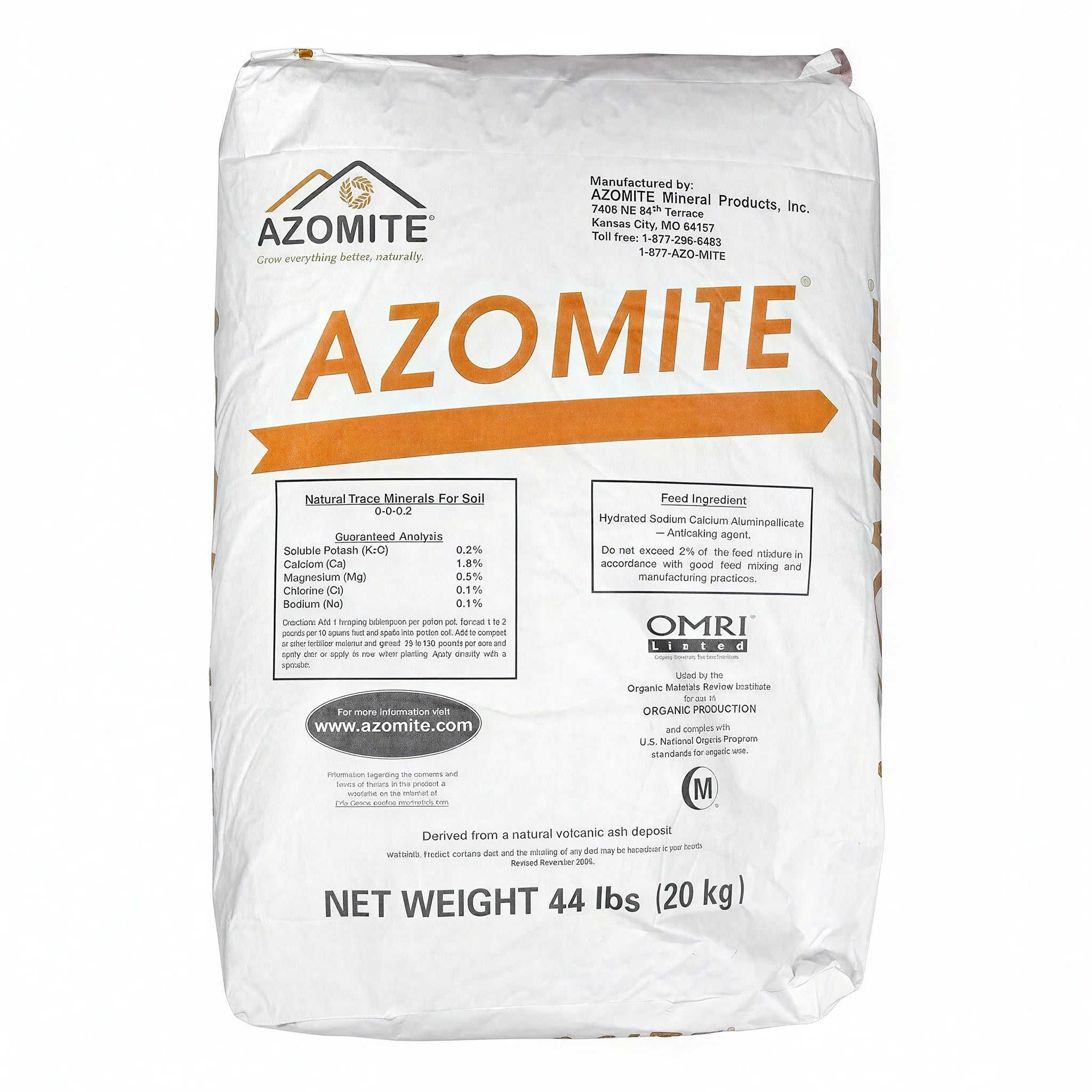
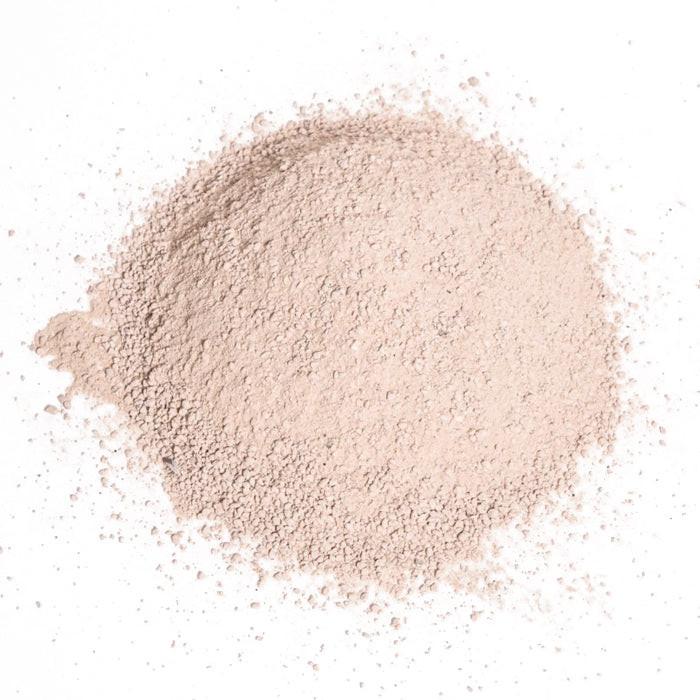
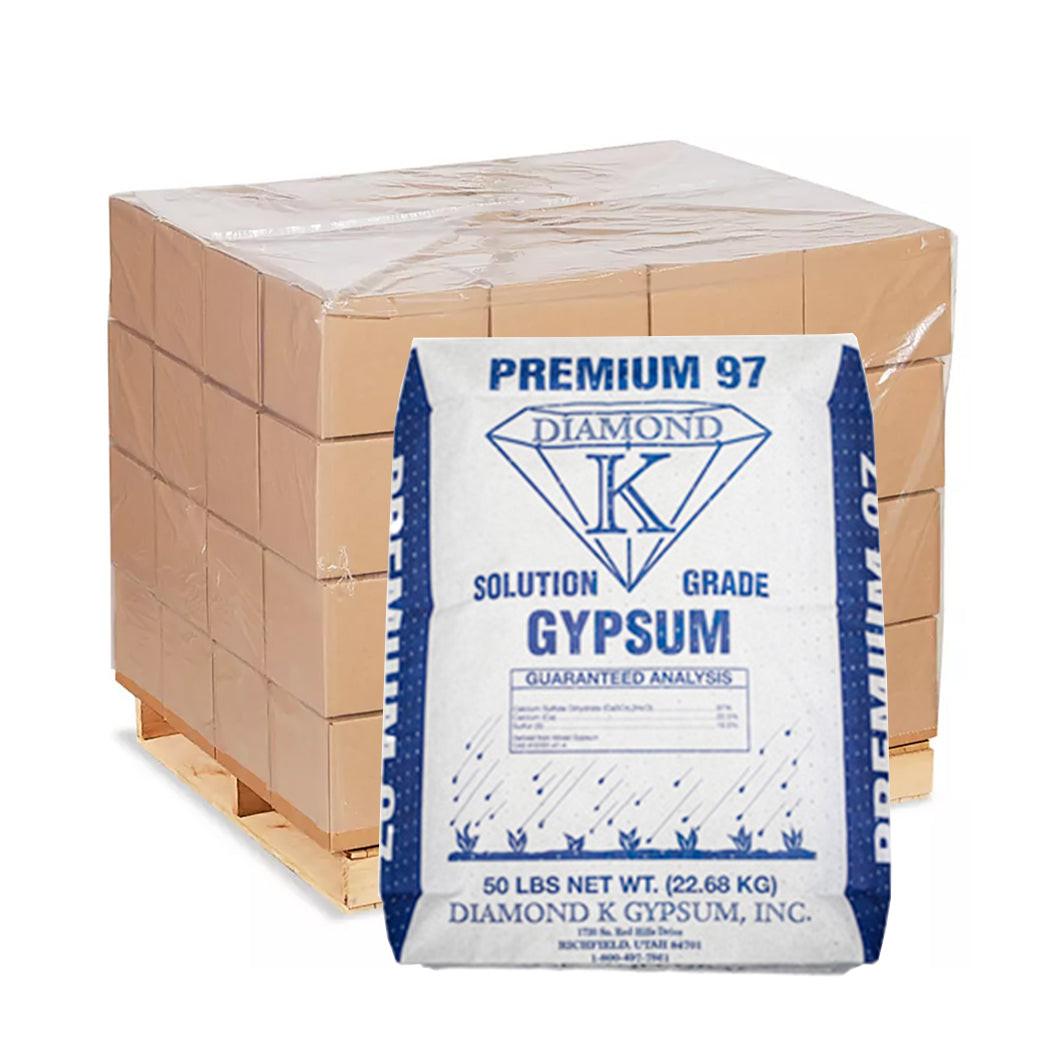
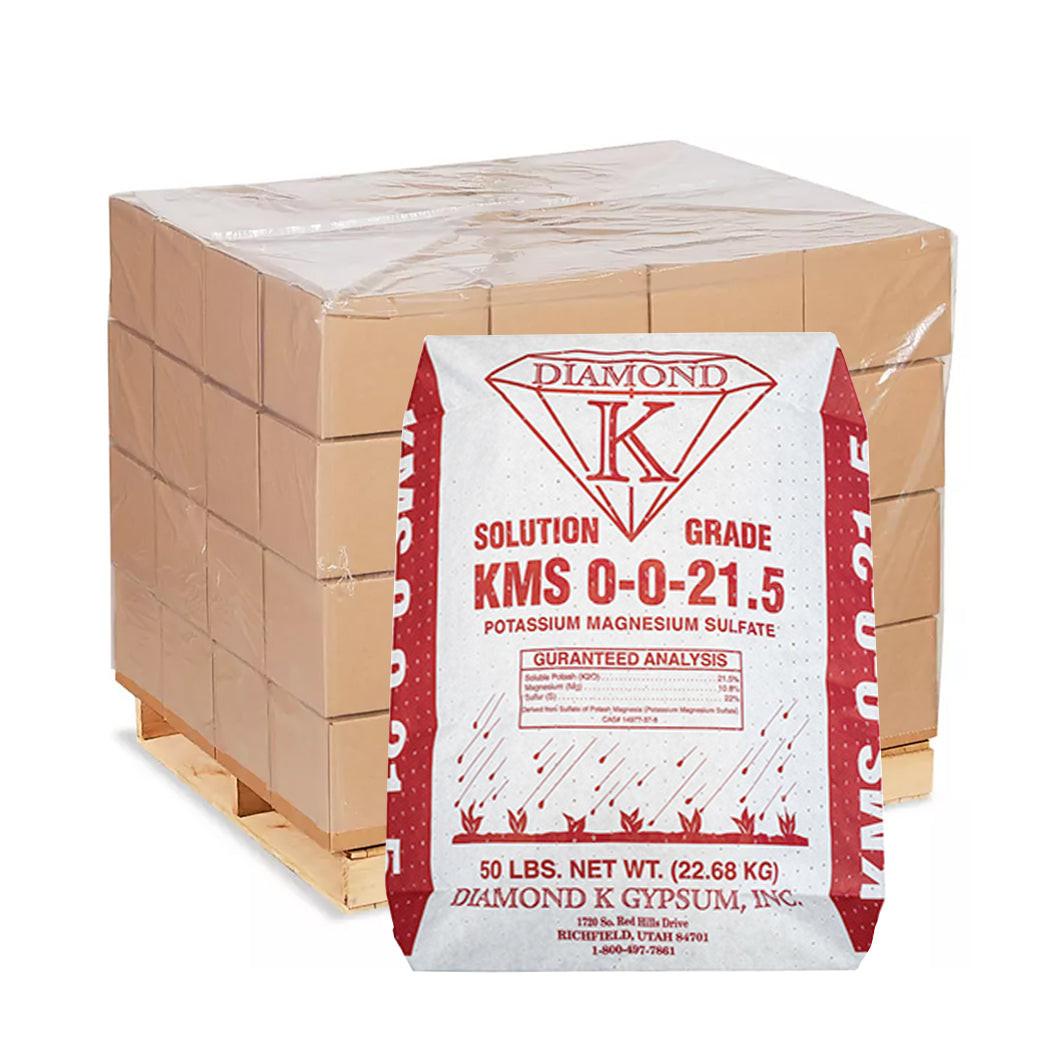
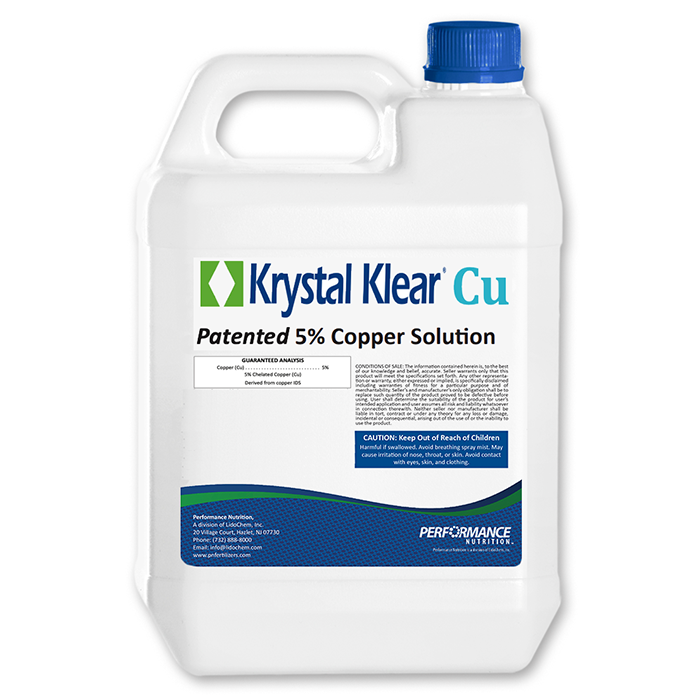
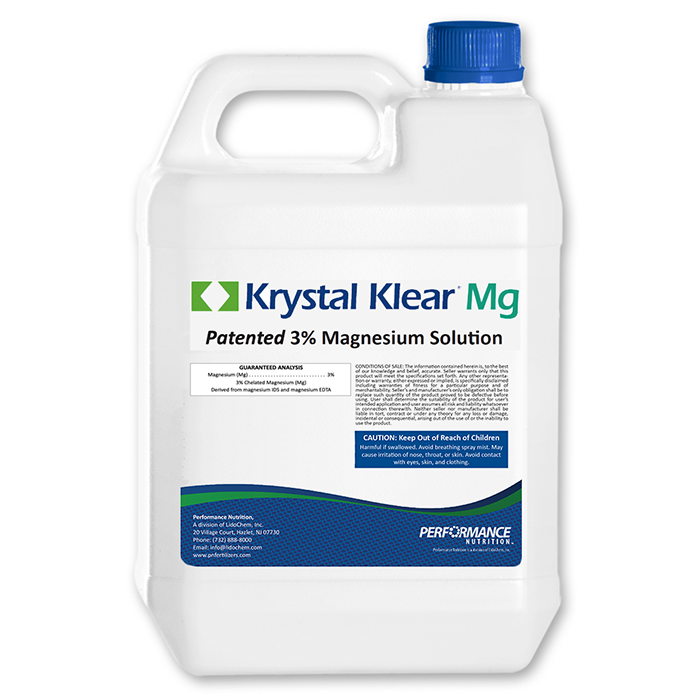
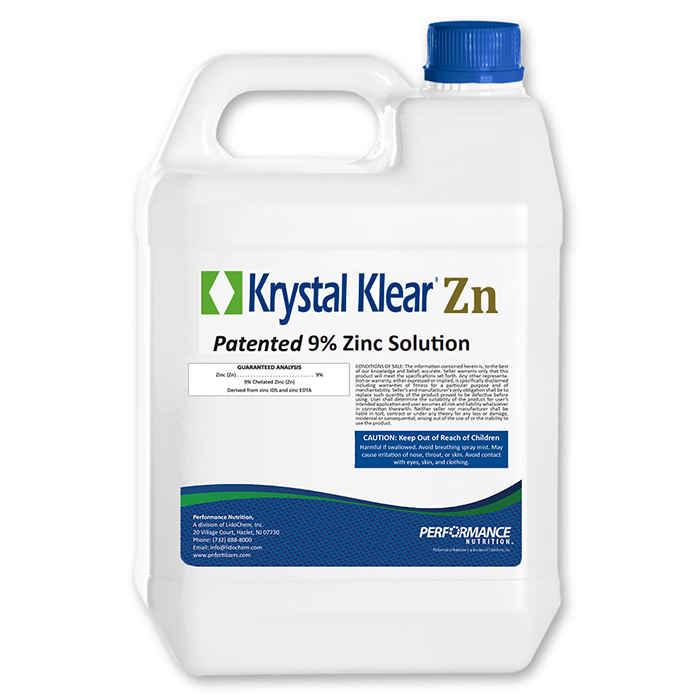
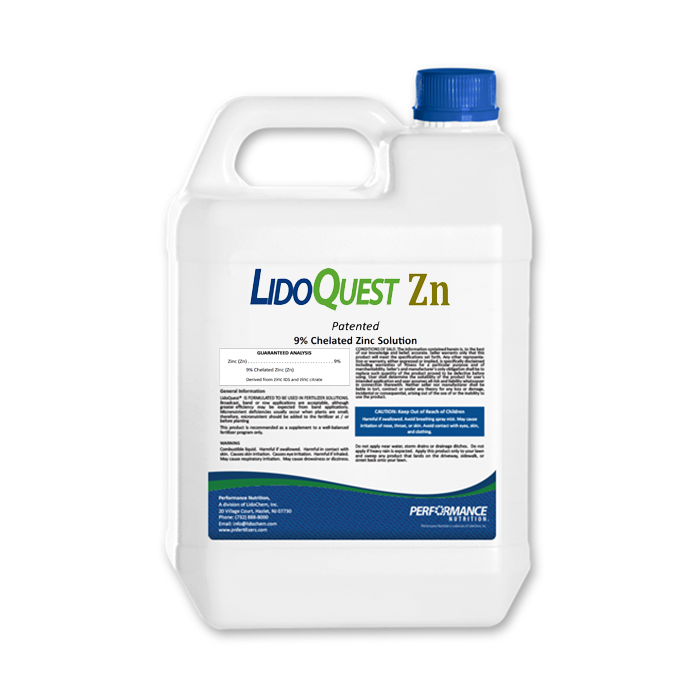
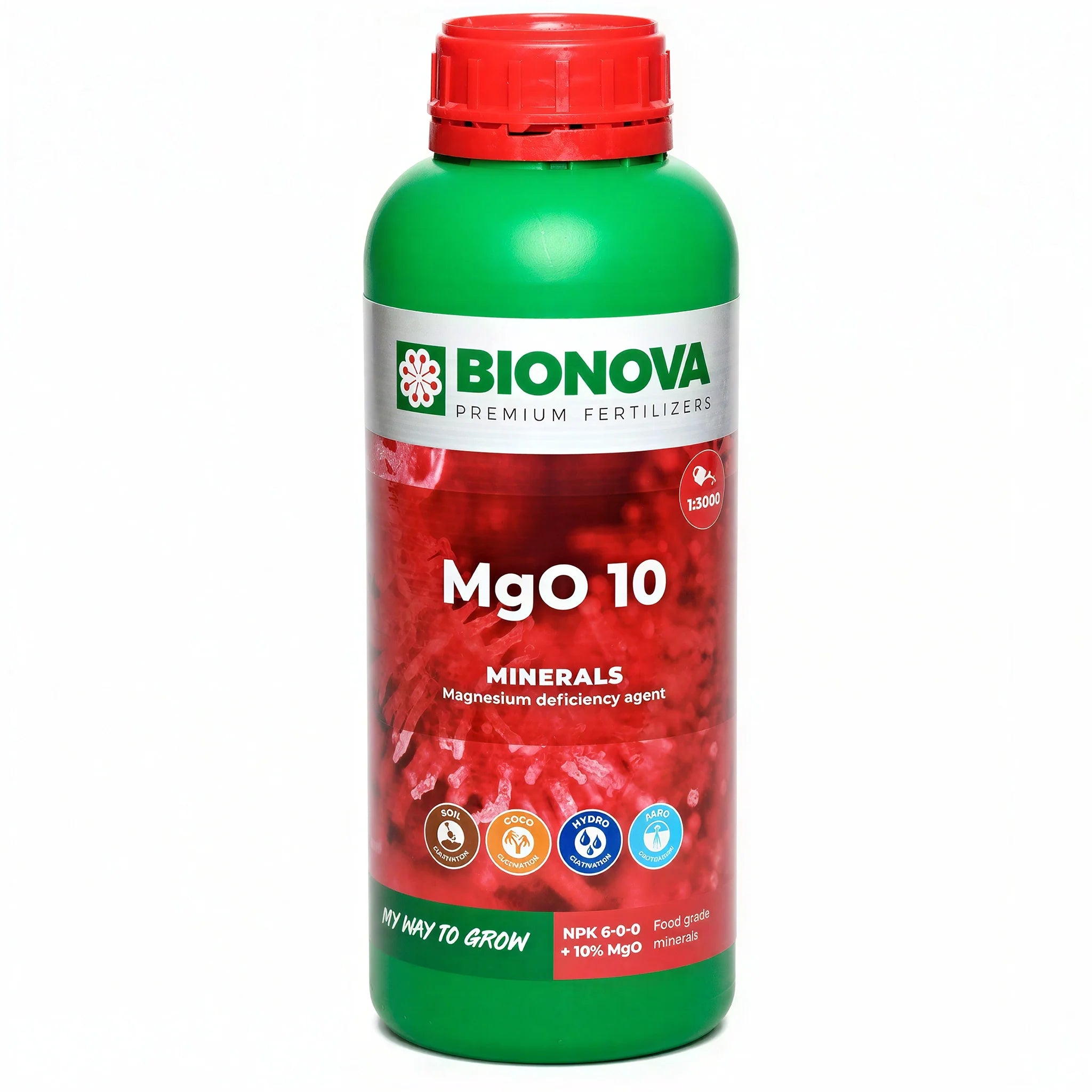
Mineral and trace element supplements correct specific nutrient deficiencies and strengthen plant physiology beyond what a standard two- or three-part base nutrient provides. Calcium and magnesium are the most commonly needed supplements in hydroponic and coco coir growing - they are consumed rapidly by fast-growing crops and are easily depleted in soft water or RO water systems where the base mineral content is near zero. Iron, zinc, manganese, boron, copper, and molybdenum are required in smaller amounts but are critical for enzyme function, chlorophyll production, and overall metabolic health.
Common Deficiency Scenarios
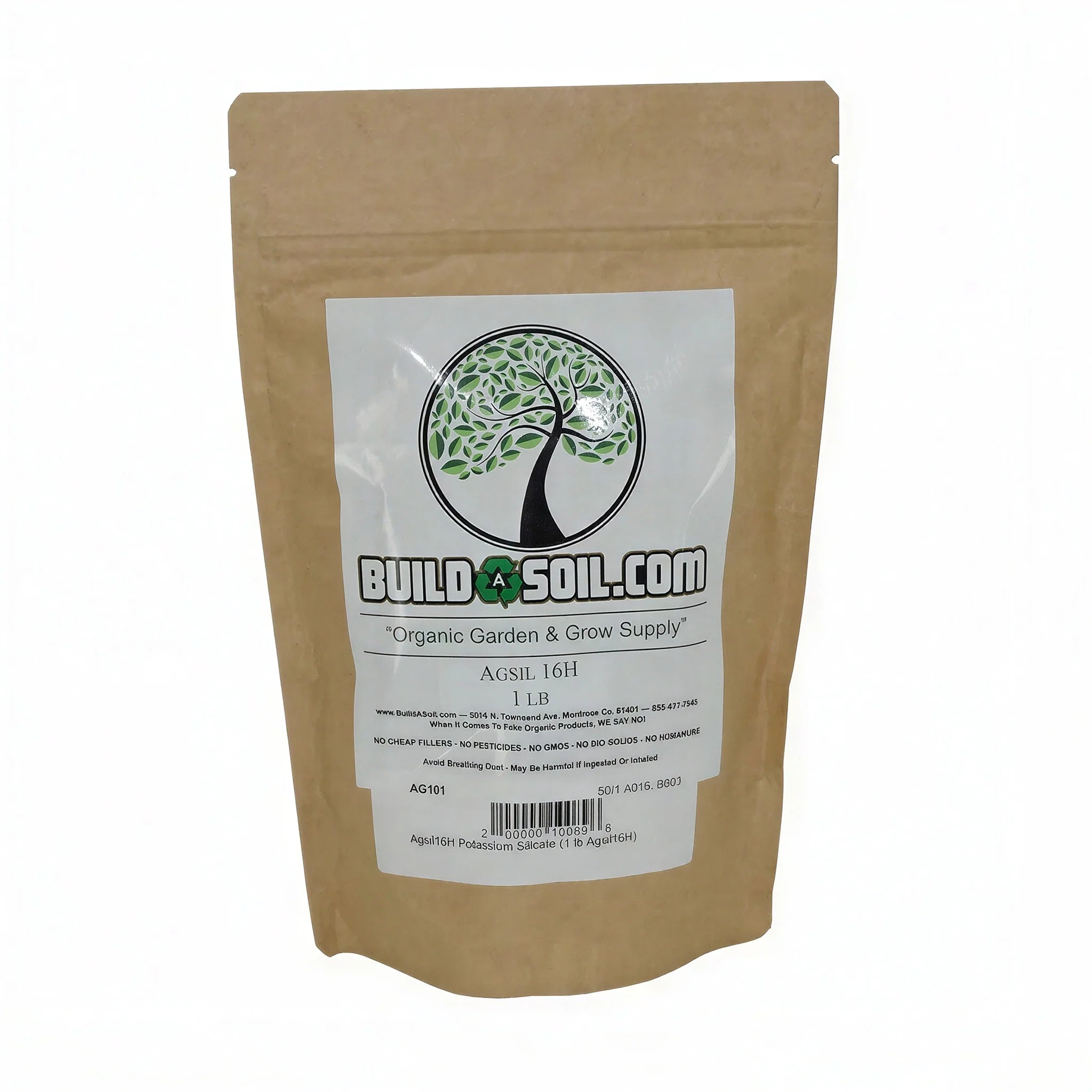
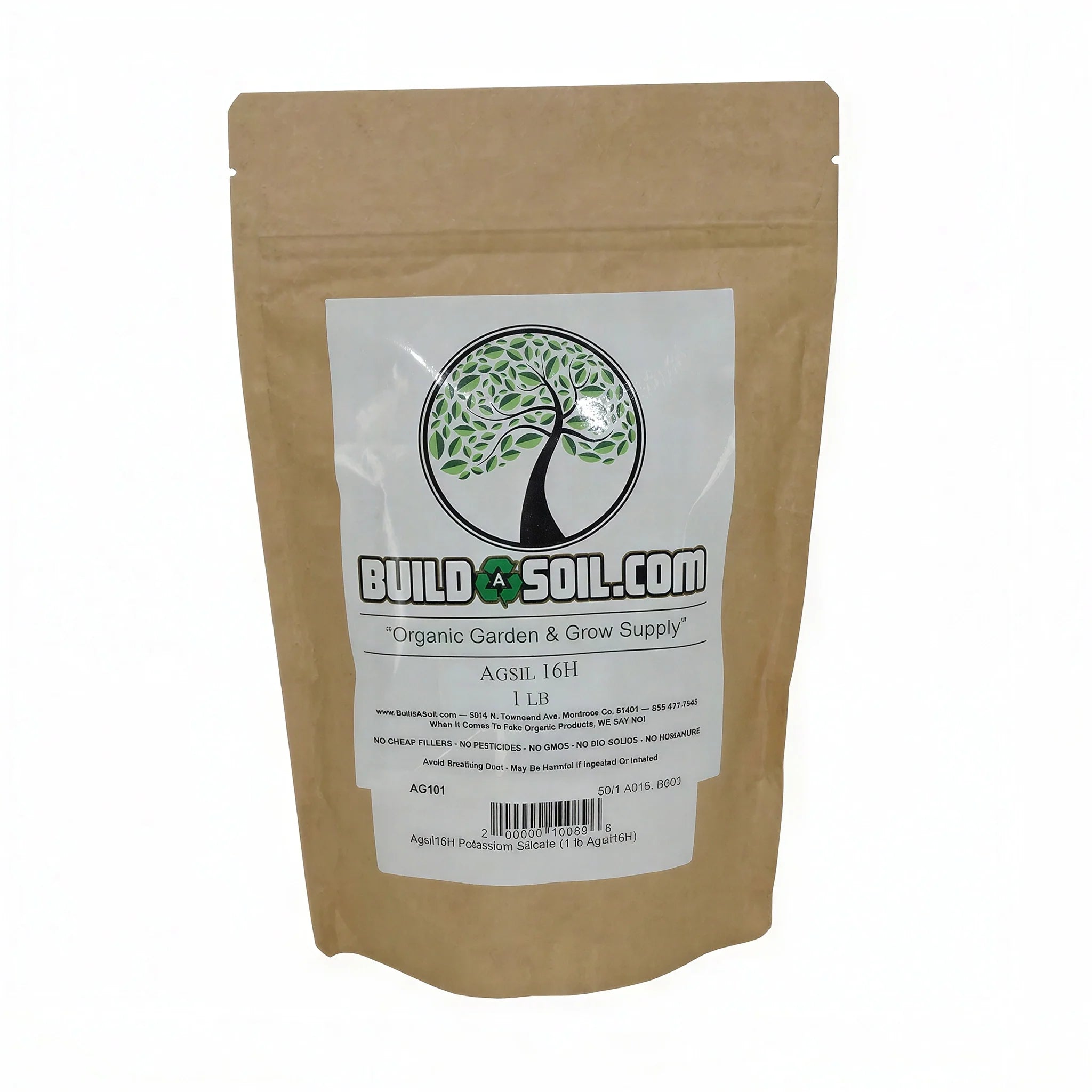
Cal-Mag deficiency is the most prevalent mineral issue in hydroponic growing rooms. Symptoms include interveinal chlorosis on new growth (magnesium), brown leaf tips and edges (calcium), and blossom end rot in fruiting crops. In RO water systems, supplemental calcium and magnesium must be added at every feed since the base water provides none. Silica supplementation strengthens cell walls and increases resistance to heat stress, mechanical damage, and pest pressure - it is particularly effective in high-intensity light and CO2 enrichment environments where growth rates push plant structure to its limits.
Mixing Order and Compatibility
Most mineral supplements are added to nutrient solution before the base nutrient components to prevent precipitation. Cal-Mag is typically added first. Silica should always be added first and pH adjusted before other nutrients are added - silica at high concentration can cause precipitation of other minerals if added out of order. Browse all nutrients or see hydroponic nutrients. Fast shipping.
Minerals & Elements FAQ
Do I need to add Cal-Mag if I am already using a complete nutrient line?
It depends on your base water quality. Most complete nutrient programs assume a certain minimum mineral content in source water. If you are using RO water or soft water with near-zero alkalinity, your base water provides no calcium or magnesium, and supplemental Cal-Mag is necessary at every feed. If you are using municipal tap water with moderate hardness (above 150 ppm), your base water may provide sufficient calcium and magnesium for most nutrient programs. Check your water report or test your tap water with an EC and hardness meter to determine if supplementation is needed.
What does a calcium deficiency look like in plants?
Calcium deficiency primarily affects new growth first since calcium is not mobile within the plant - it cannot be relocated from older tissue to new growth the way nitrogen and phosphorus can. Early symptoms include distorted or cupped new leaves, brown leaf edges on young growth, and tip burn on lettuce and other leafy crops. In fruiting crops, blossom end rot (dark, sunken tissue at the blossom end of fruit) is a classic calcium deficiency expression. Calcium deficiency is often associated with inadequate transpiration rather than actual solution deficiency - ensure proper airflow and VPD to support calcium uptake via the transpiration stream.
What are the benefits of silica supplementation in hydroponic growing?
Silicon is not classified as an essential nutrient for most crops but produces consistent benefits when supplied. It deposits in cell walls, increasing structural rigidity and resistance to mechanical damage, pest feeding, and heat stress. In high-light, high-CO2 production environments where plants are pushed to maximum growth rates, silica supplementation reduces the incidence of stem collapse and improves canopy architecture. Add silica first in nutrient mixing sequences, before any other components, and re-pH after addition.