Silica Supplements for Plants: Stronger Stems and Better Stress Tolerance
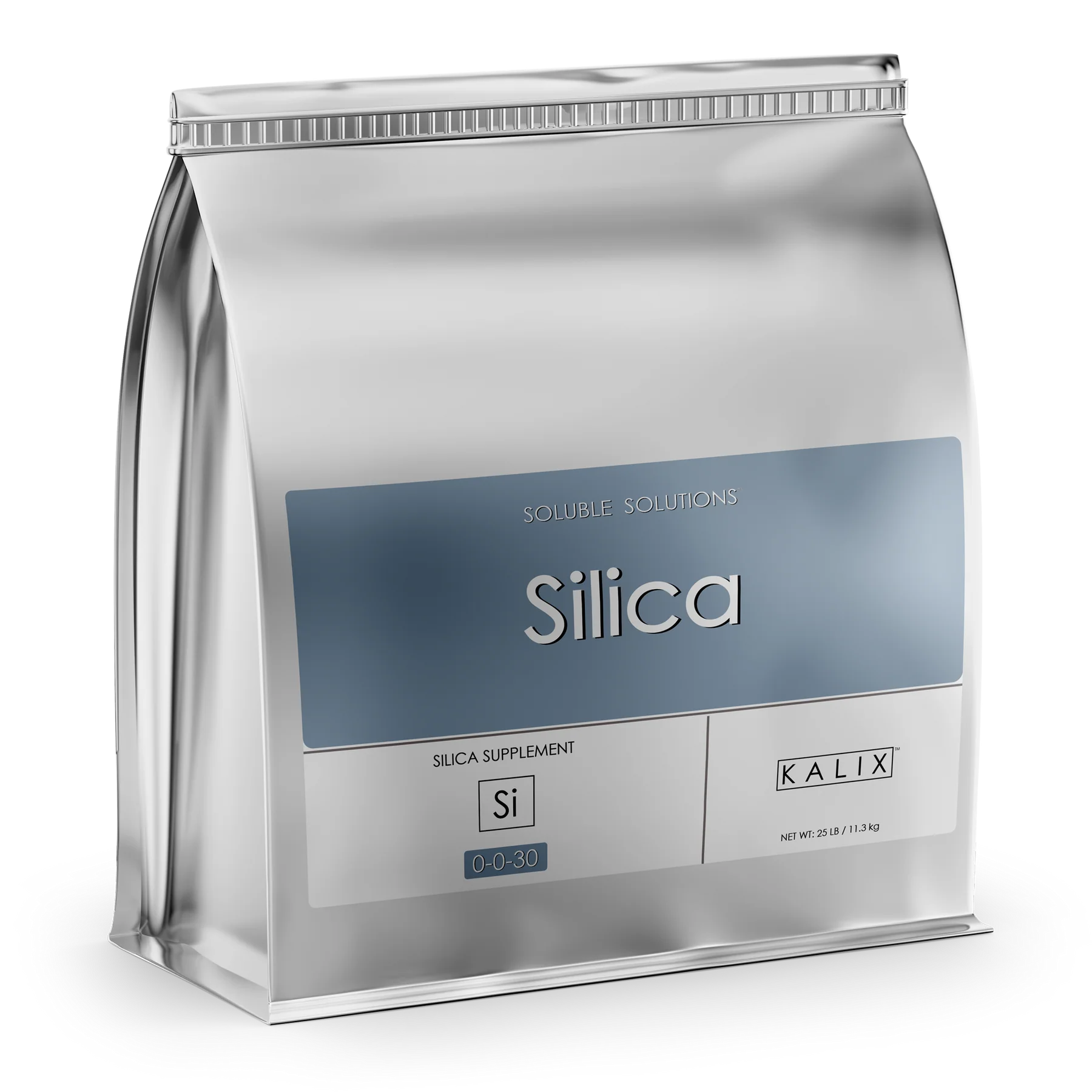
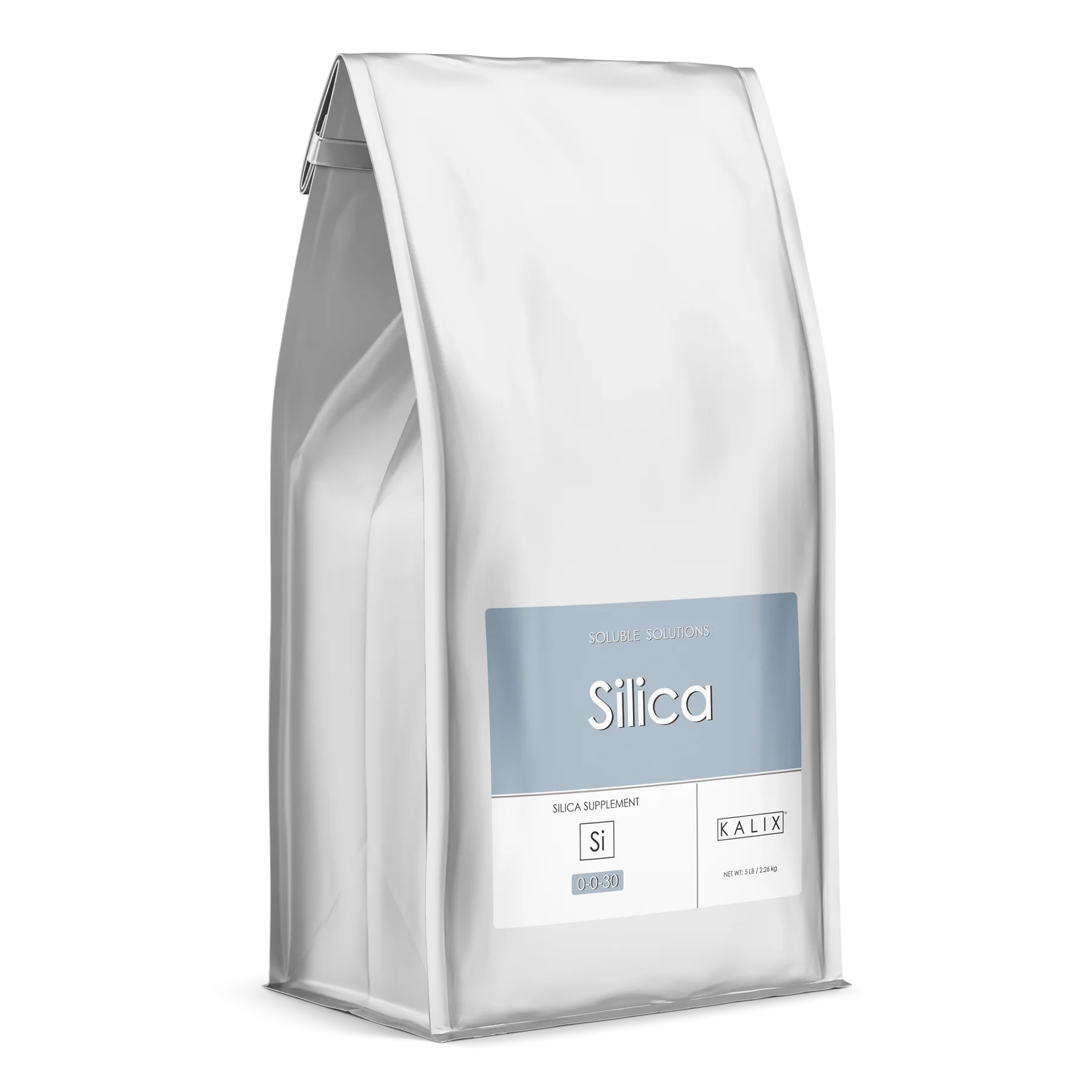
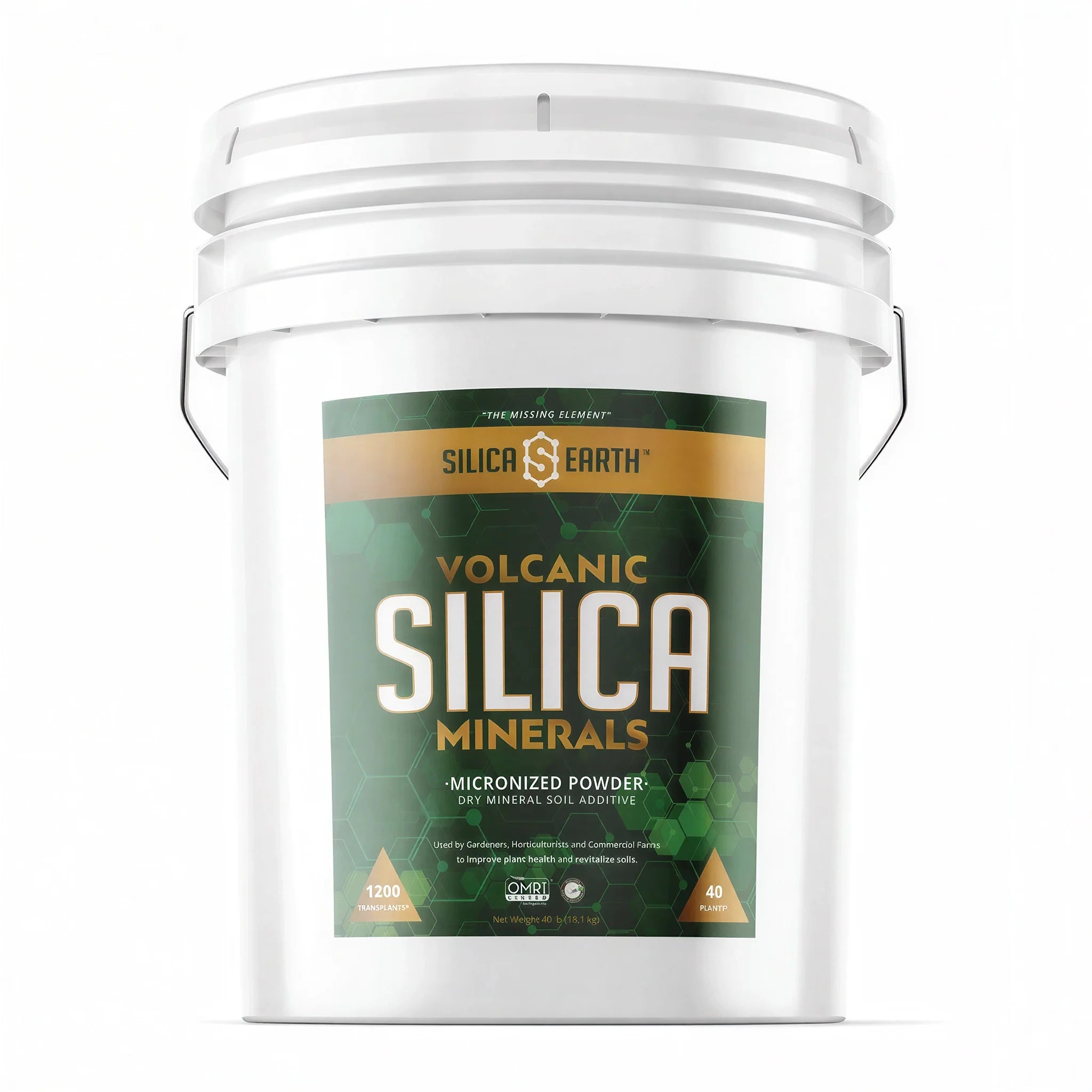
Silica supplements supply silicon, an element most plants can live without but many put to work in their cell walls when it's available. Silicon (Si) is the element. Silica (SiO2) is the form it takes once it's deposited in leaves and stems. Silicon isn't an essential plant nutrient, but it's widely used as a beneficial supplement, especially in coco, rockwool and hydro, where the growing media supply very little of it.
What Silica Does for Plants
Silica earns its place when plants are under stress. In university greenhouse trials, plants fed silicon got stiffer stems, slower powdery mildew, fewer root disease problems and better recovery from drought. The gains are real but modest: silicon buys time against mildew rather than stopping it, and plants grown without stress may show no difference at all. Stronger stems and branches are the top reason our customers buy silica, followed by heat and stress protection. Our silica for plants guide covers the research in full.
Potassium Silicate or Stabilized Silicic Acid?
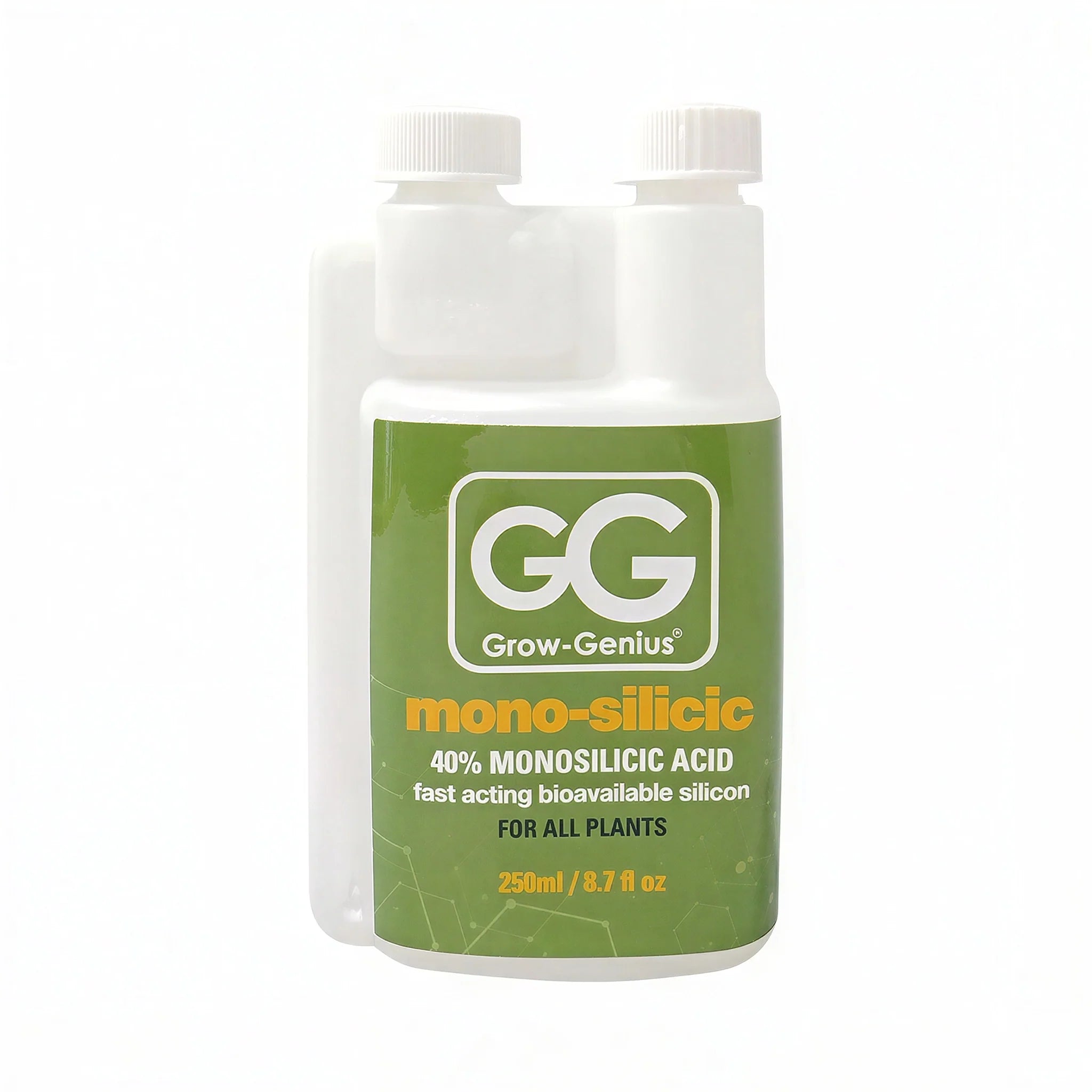
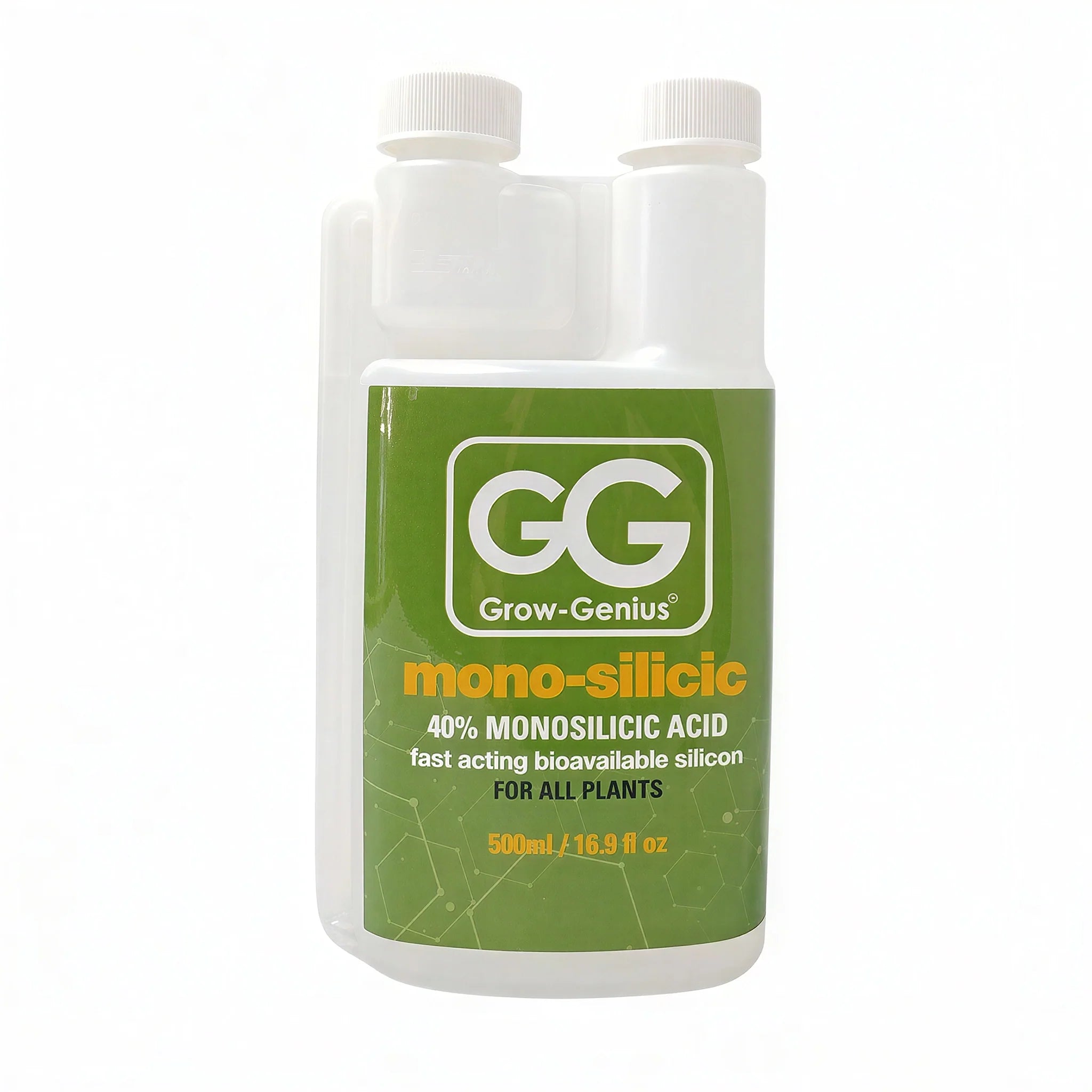
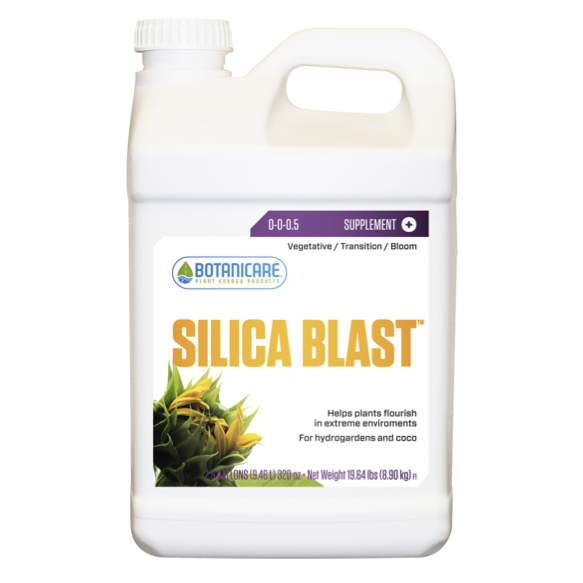
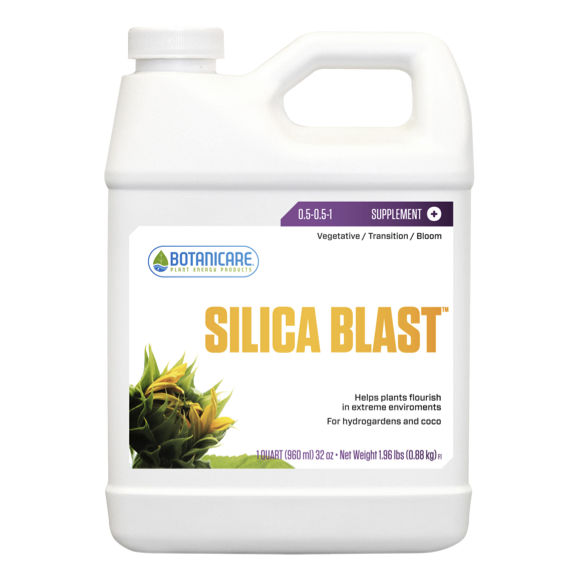
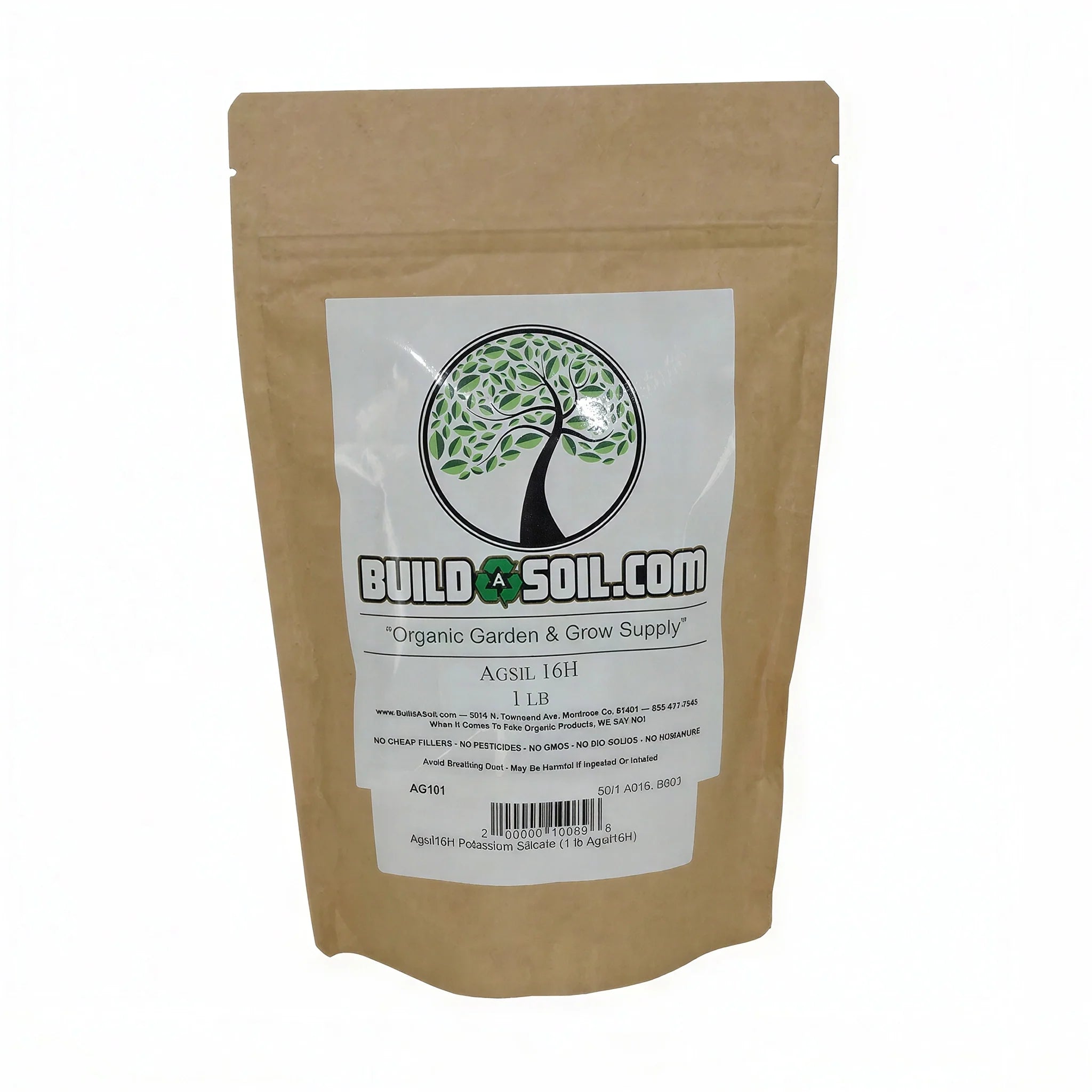
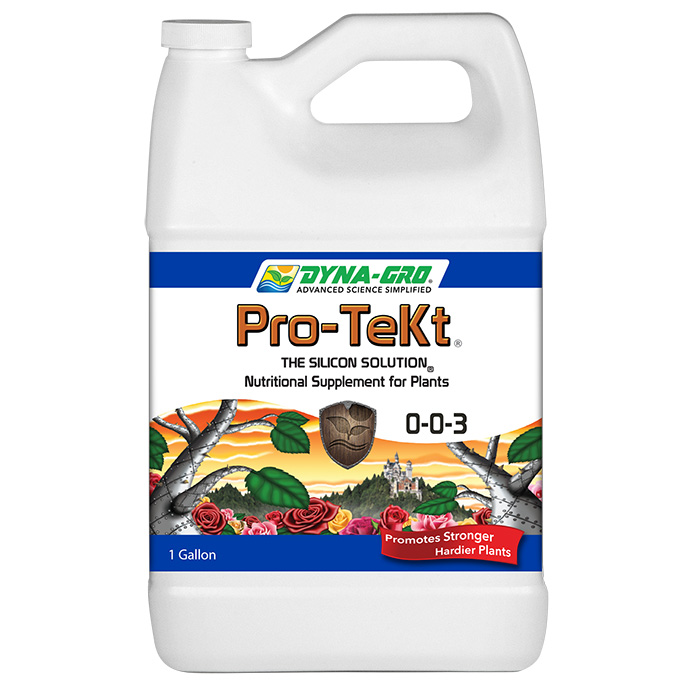
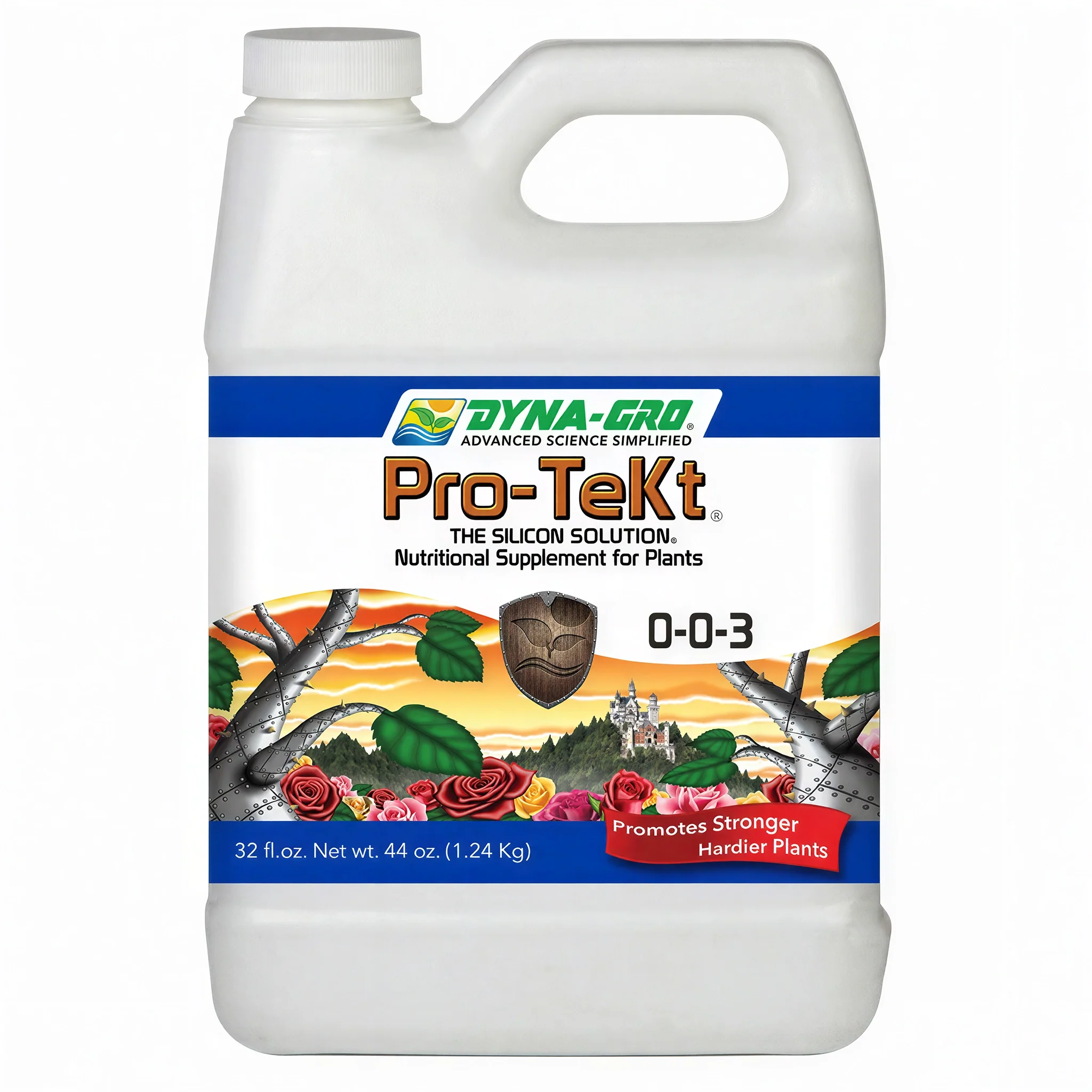
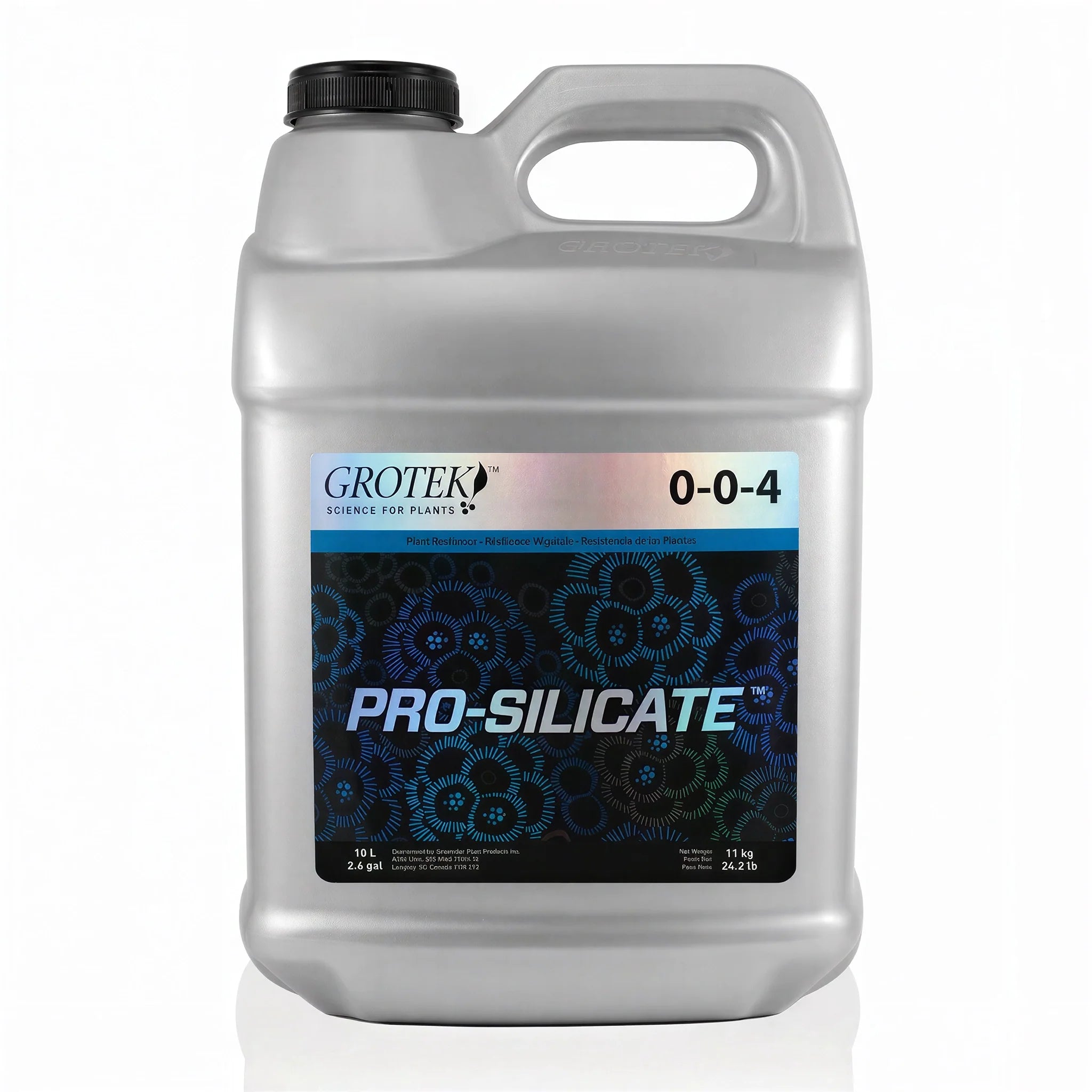
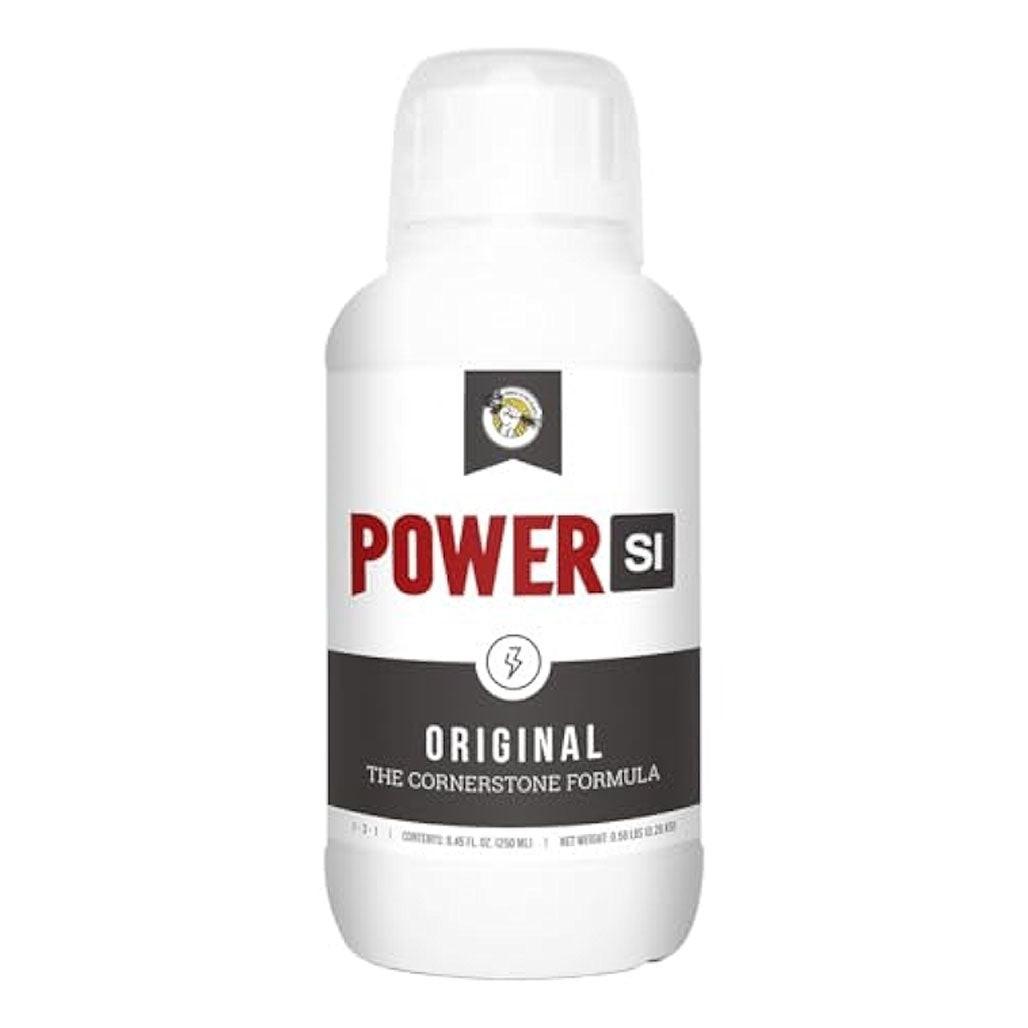
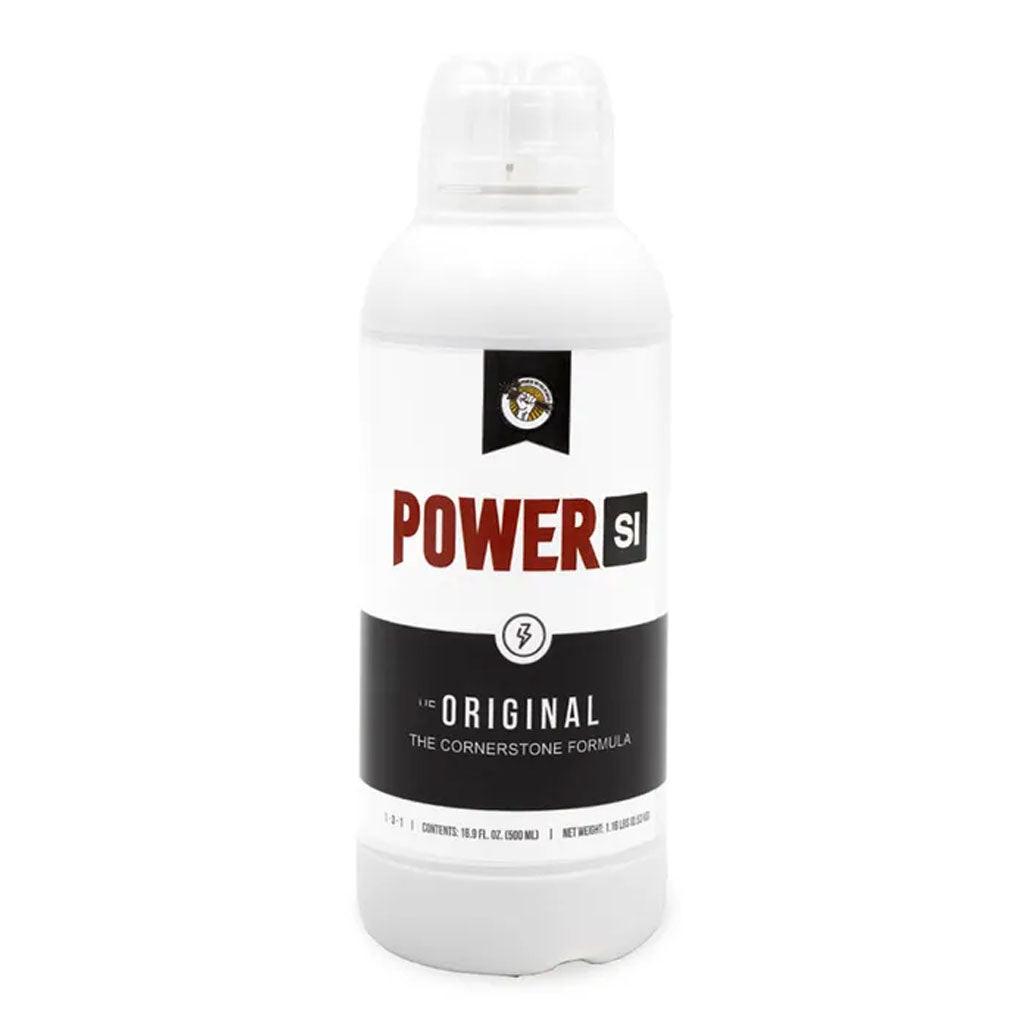
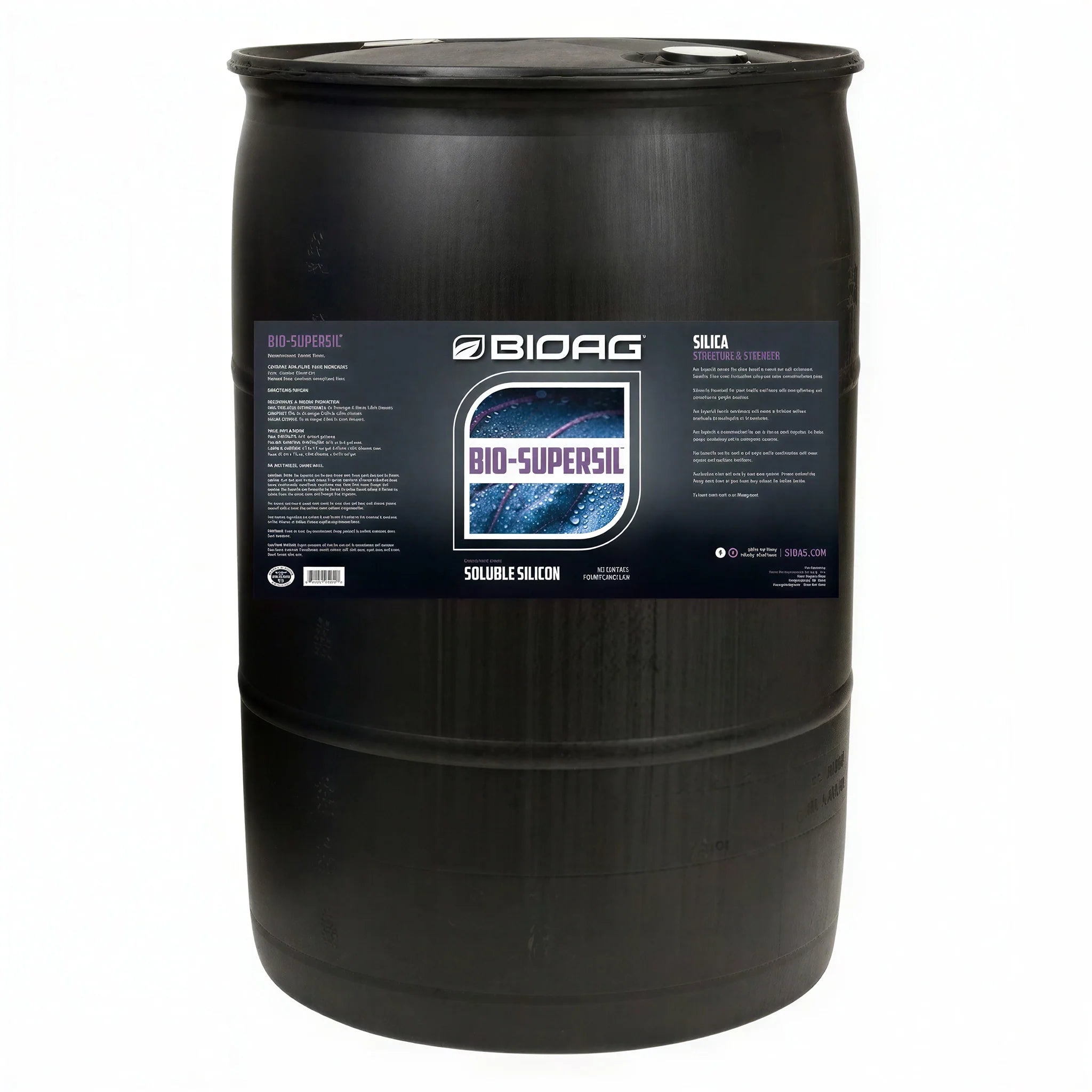
This collection has two main types. Potassium silicate liquids and powders, such as Armor Si, Silica Blast, ProTeKt, HGV Condition Level and AgSil 16H, are the standard. They're strongly alkaline and raise pH. Stabilized silicic acid products, such as Power Si, Silicium and Elite 91, are made to stay dissolved, and their makers say they move pH less. Independent research hasn't shown one type is better, so pick the one that fits how you mix. Labels report silicon as % Si, % SiO2 or % potassium silicate, and those numbers aren't interchangeable, so compare products by their own label rates.
How to Mix Silica
Add silica to plain water first, stir it in fully, then add your base nutrients, Cal-Mag and other supplements in your nutrient line's order. Measure EC and pH once everything is in, and adjust pH last. Most silica labels give this order, but a few differ, so follow the label of the product you're using. Silicate added after calcium can drop out of solution and clog drippers, and it should never share a concentrate tank with your A/B or cal-mag stock. Use the label rate, because product strengths vary widely. Silica adds to your EC, so read it with an EC meter after mixing.
Concentrated potassium silicate is strongly alkaline and can cause serious eye damage. Wear goggles and gloves when handling it, and never pour pH Down into the undiluted product.
Silica Supplements FAQ
When should I add silica to my nutrient solution?
First, into plain water, before any other nutrient. Stir it in fully, add the rest of your feed, then check and adjust pH once at the end. If your product's label gives a different order, follow the label.
How much silica should I use?
Use the rate on your product's label. Silicon content varies by more than tenfold between products, and brands report it in different units, so a rate that's right for one bottle can be far off for another. More isn't better: overuse can stunt some plants.
Is silica the same as silicone?
No. Silicone is a synthetic material used in sealants and tubing, and plants can't use it. Silica supplements contain potassium silicate or stabilized silicic acid, which release silicon in the form roots take up.