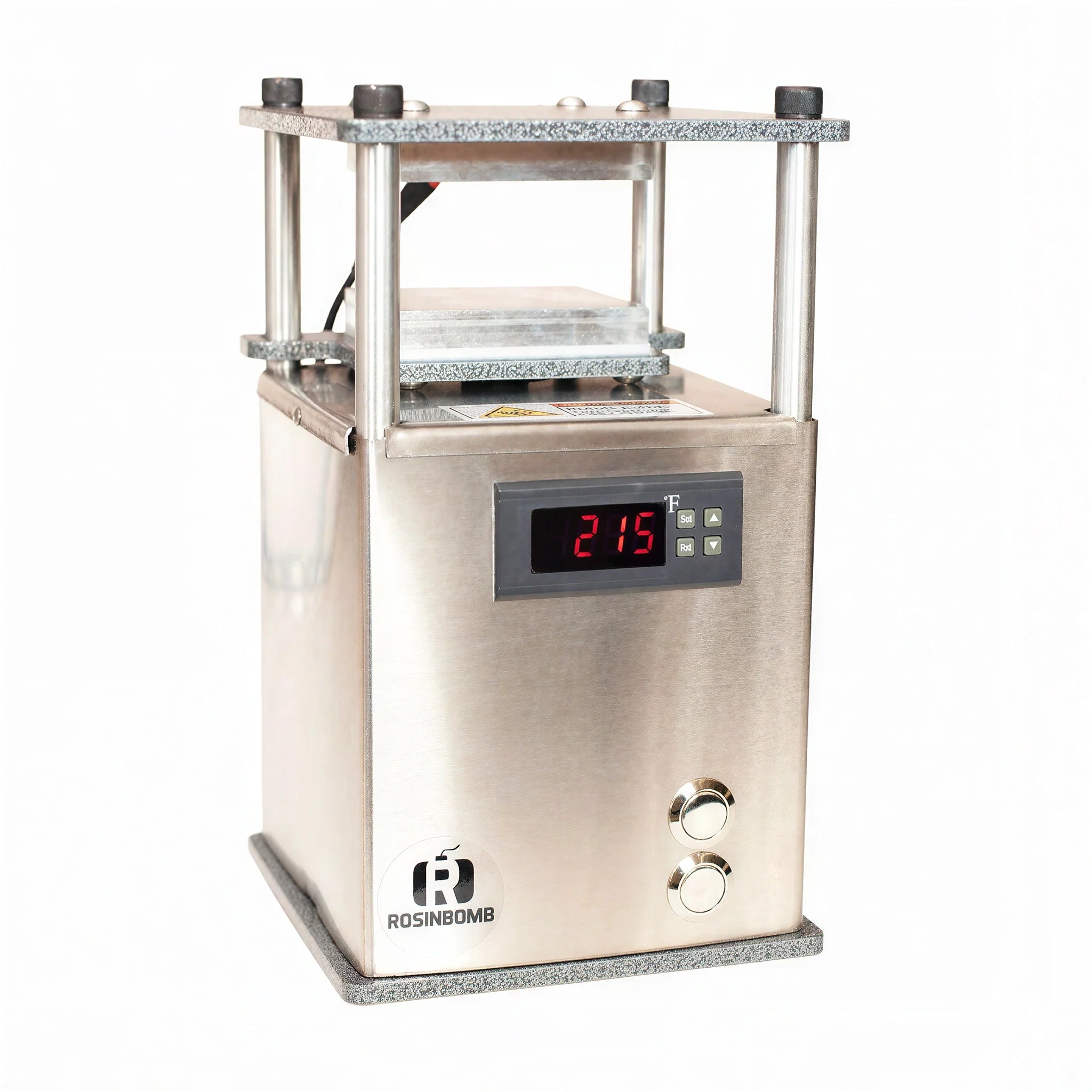
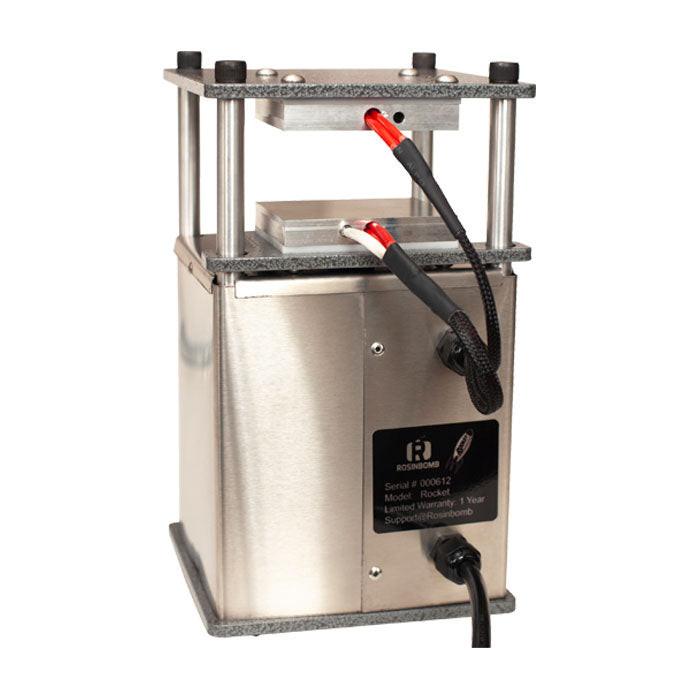
Electric Rosin Presses for Precise Solventless Extraction
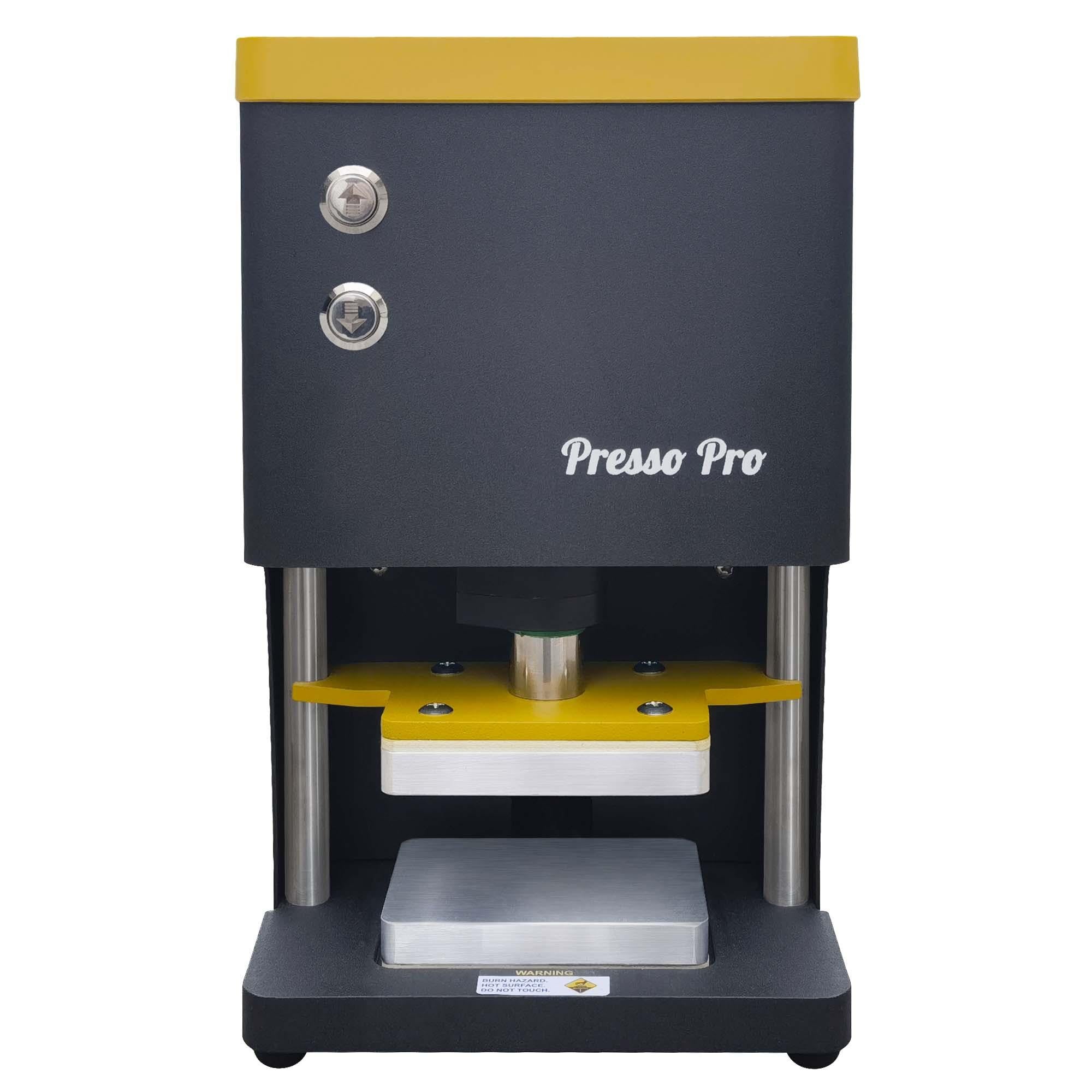
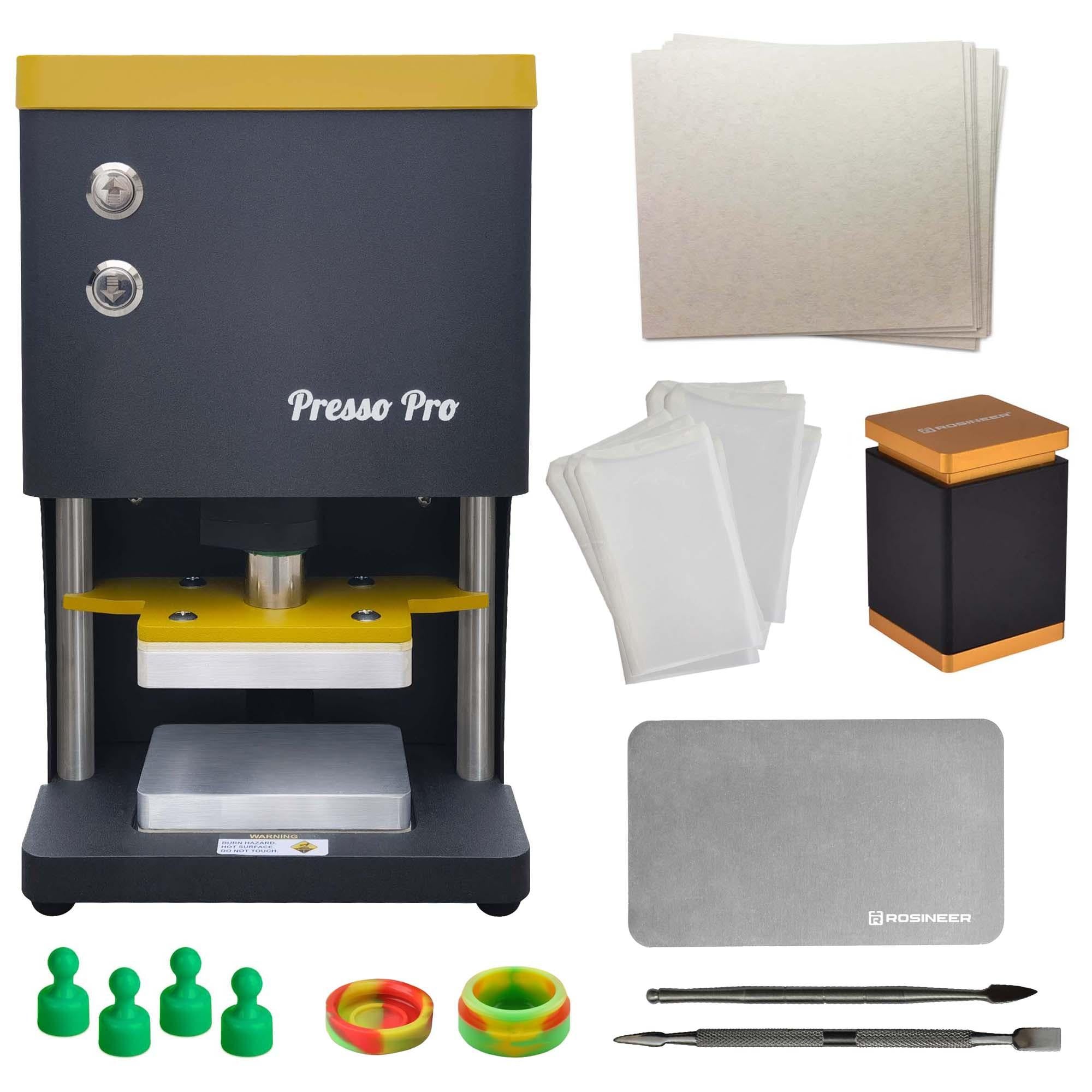
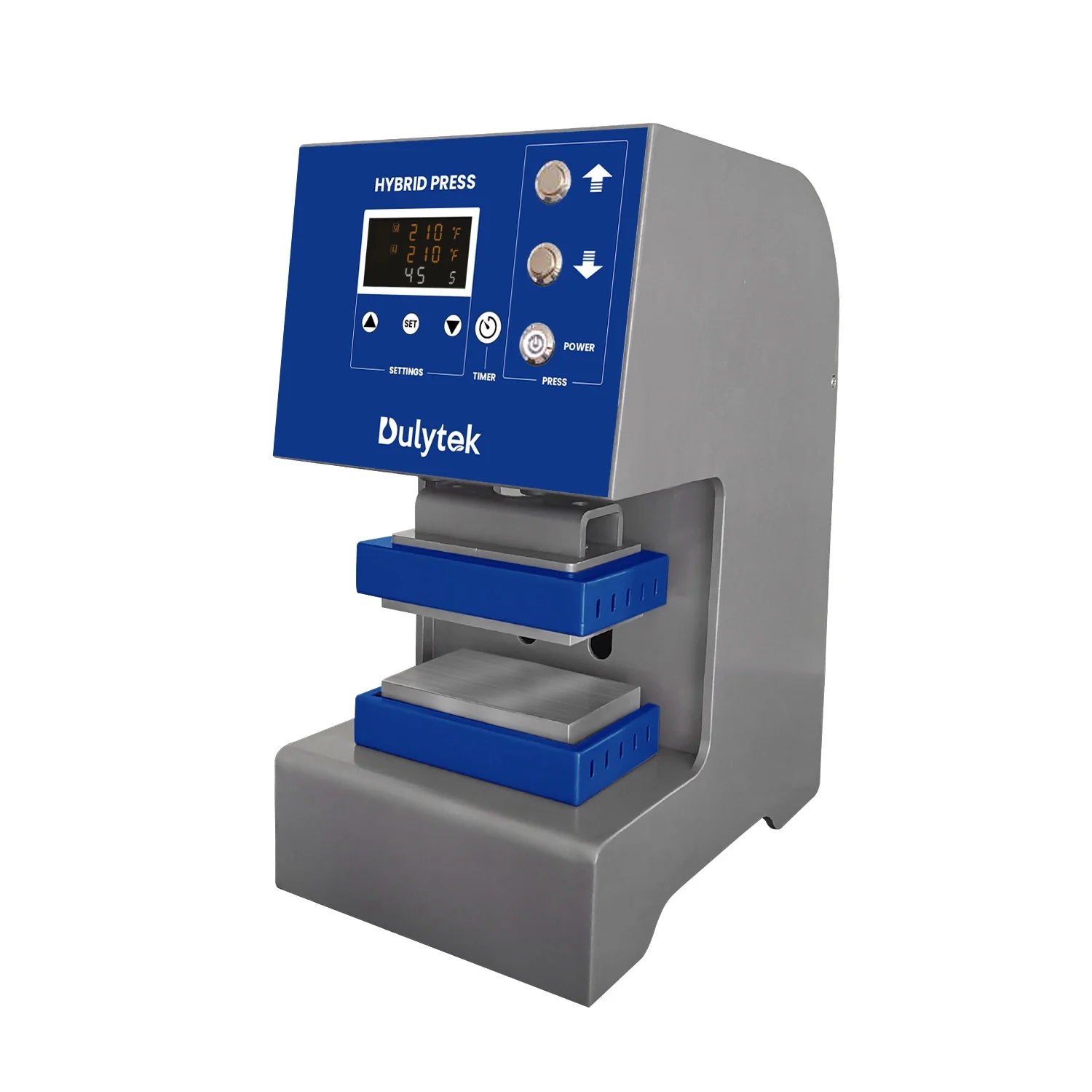
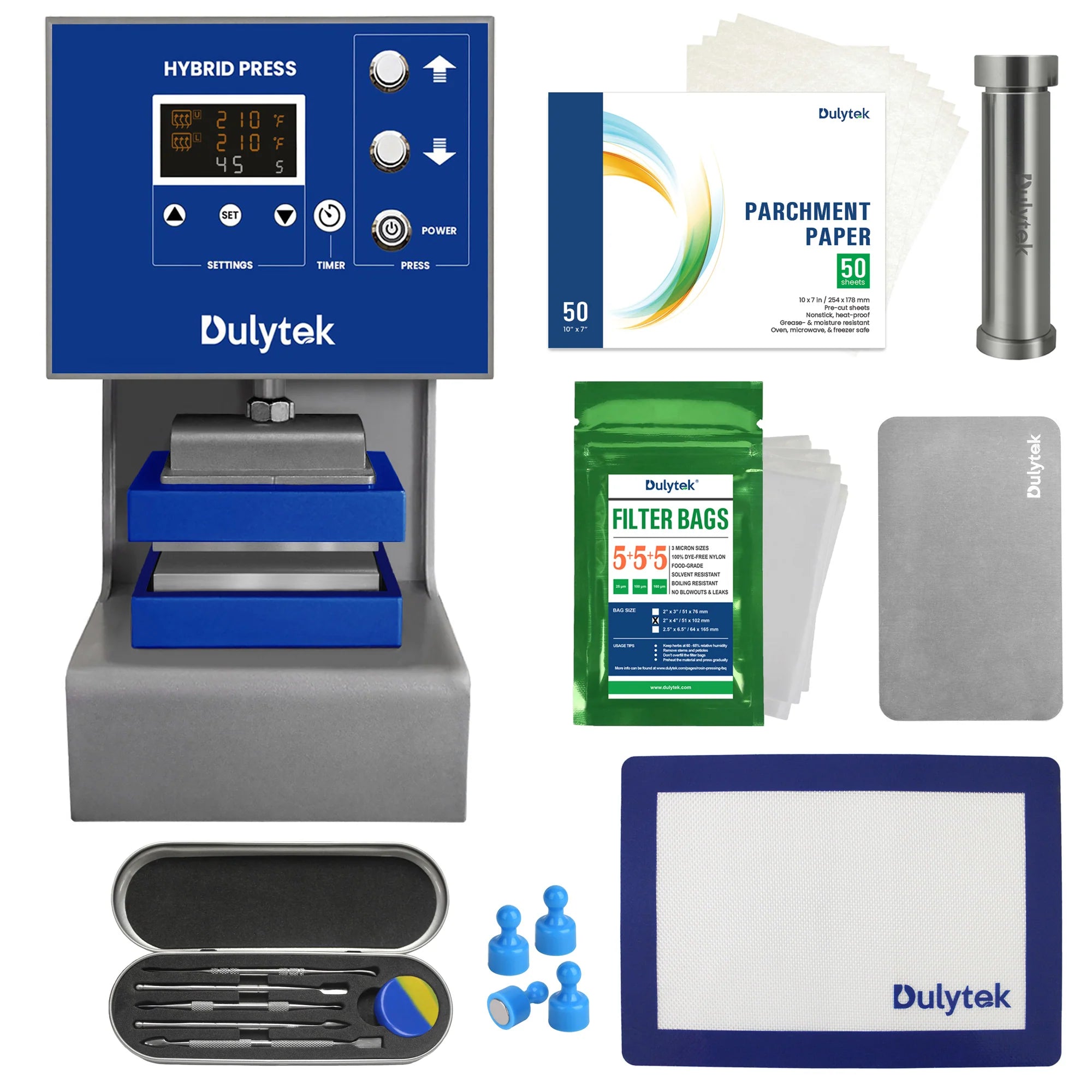
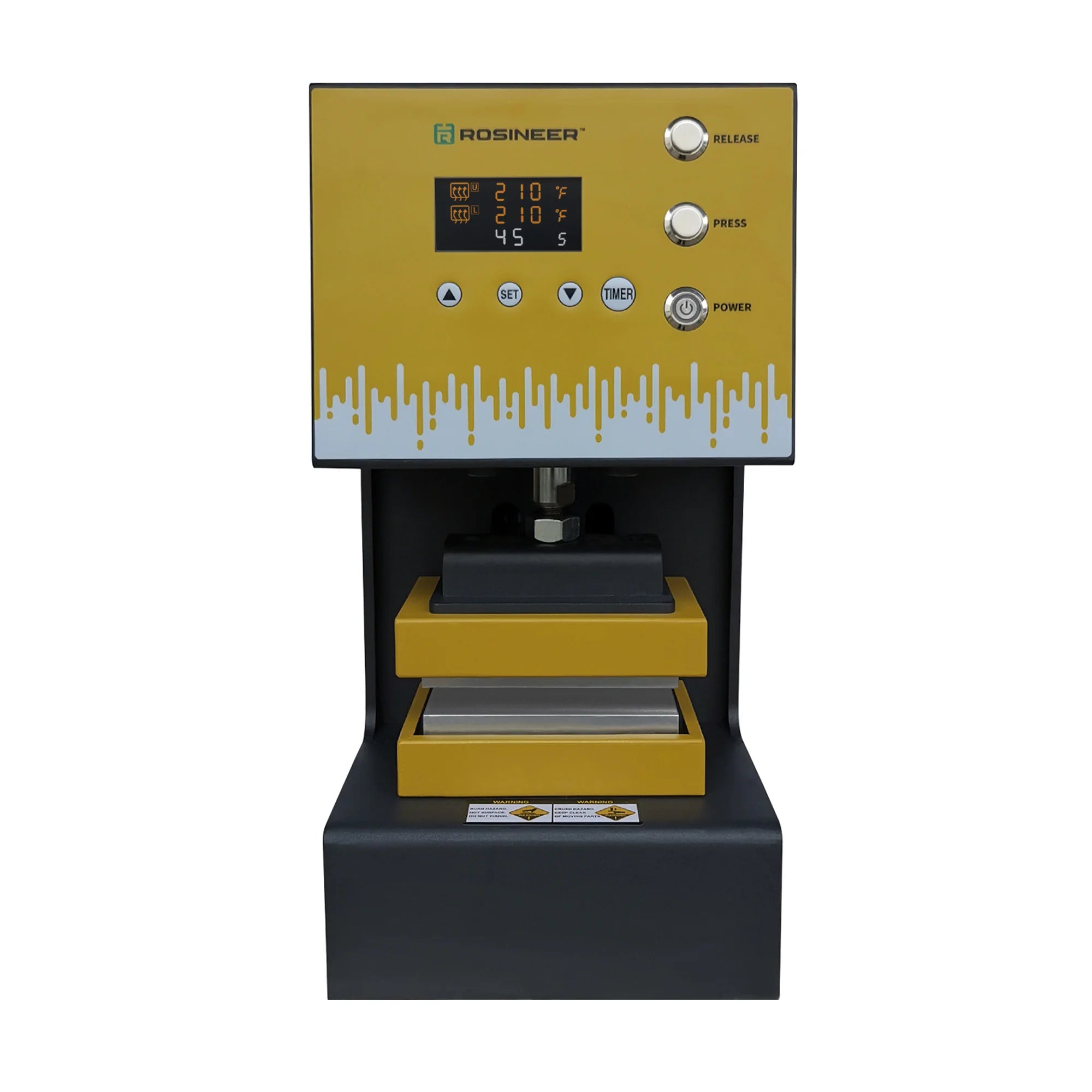
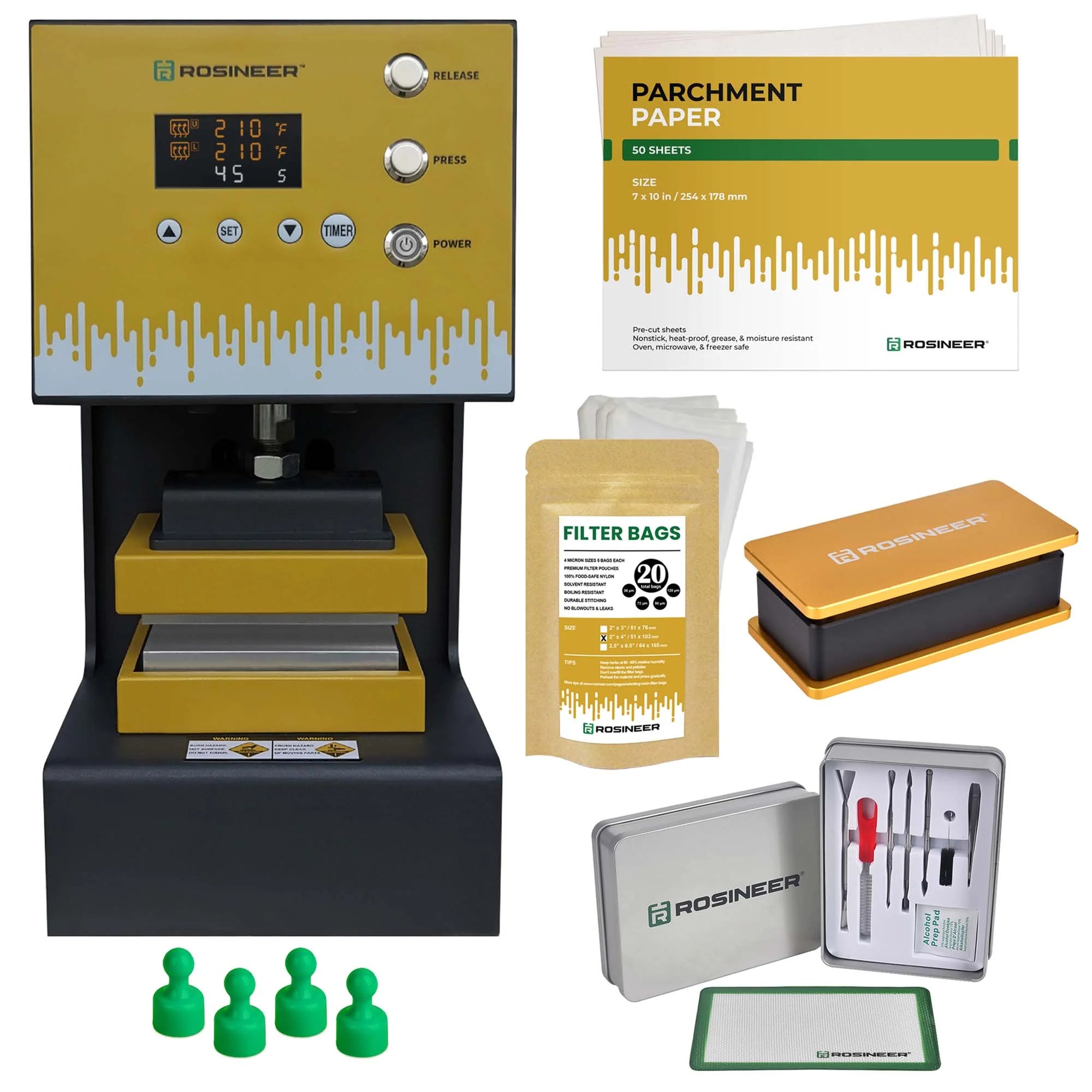
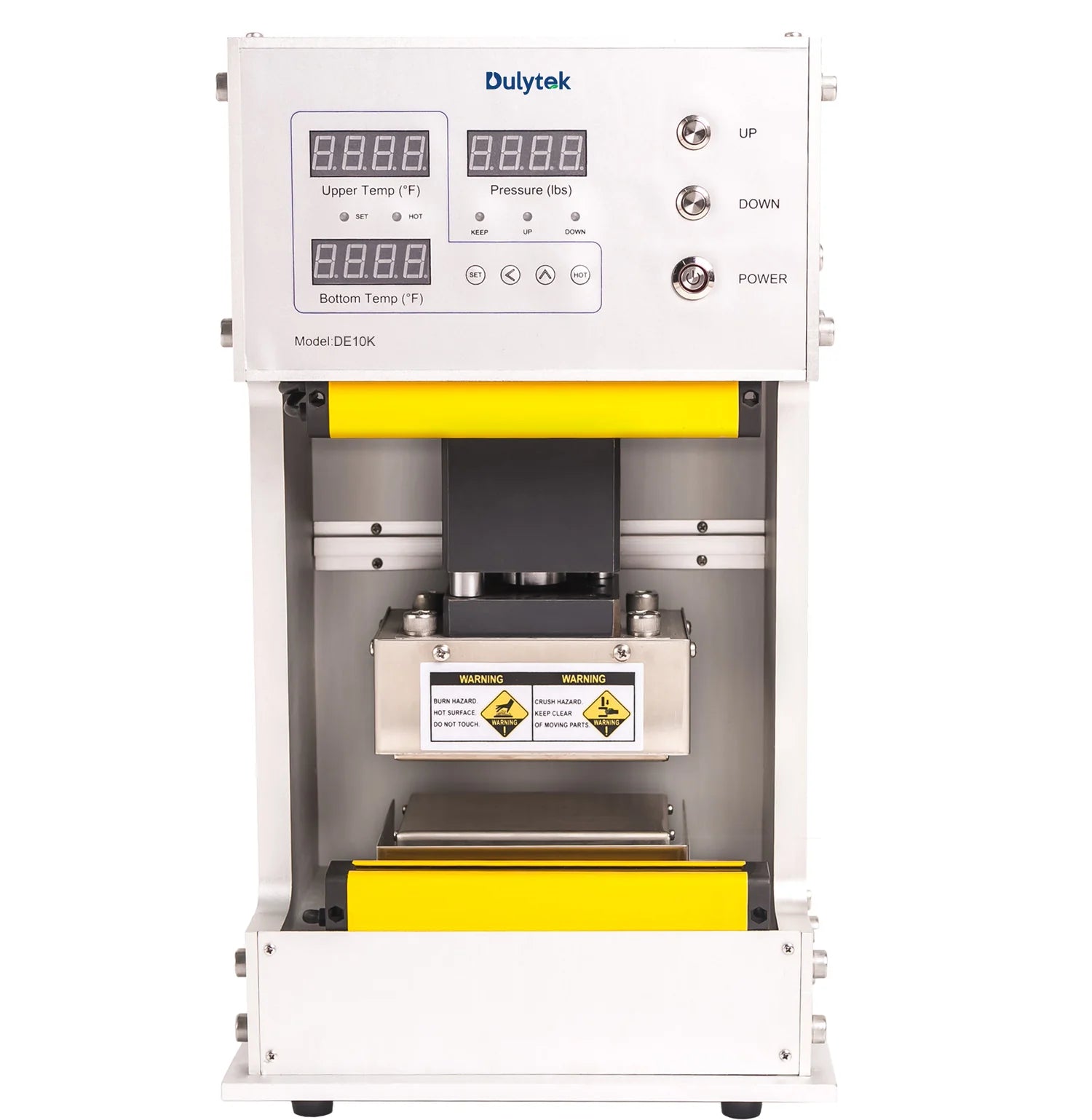
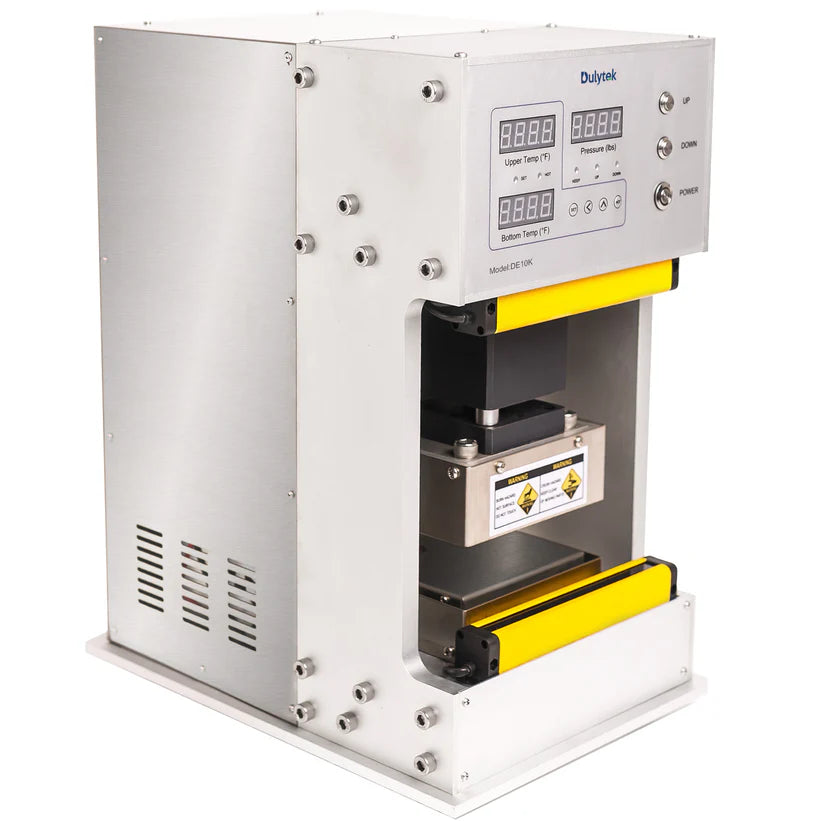
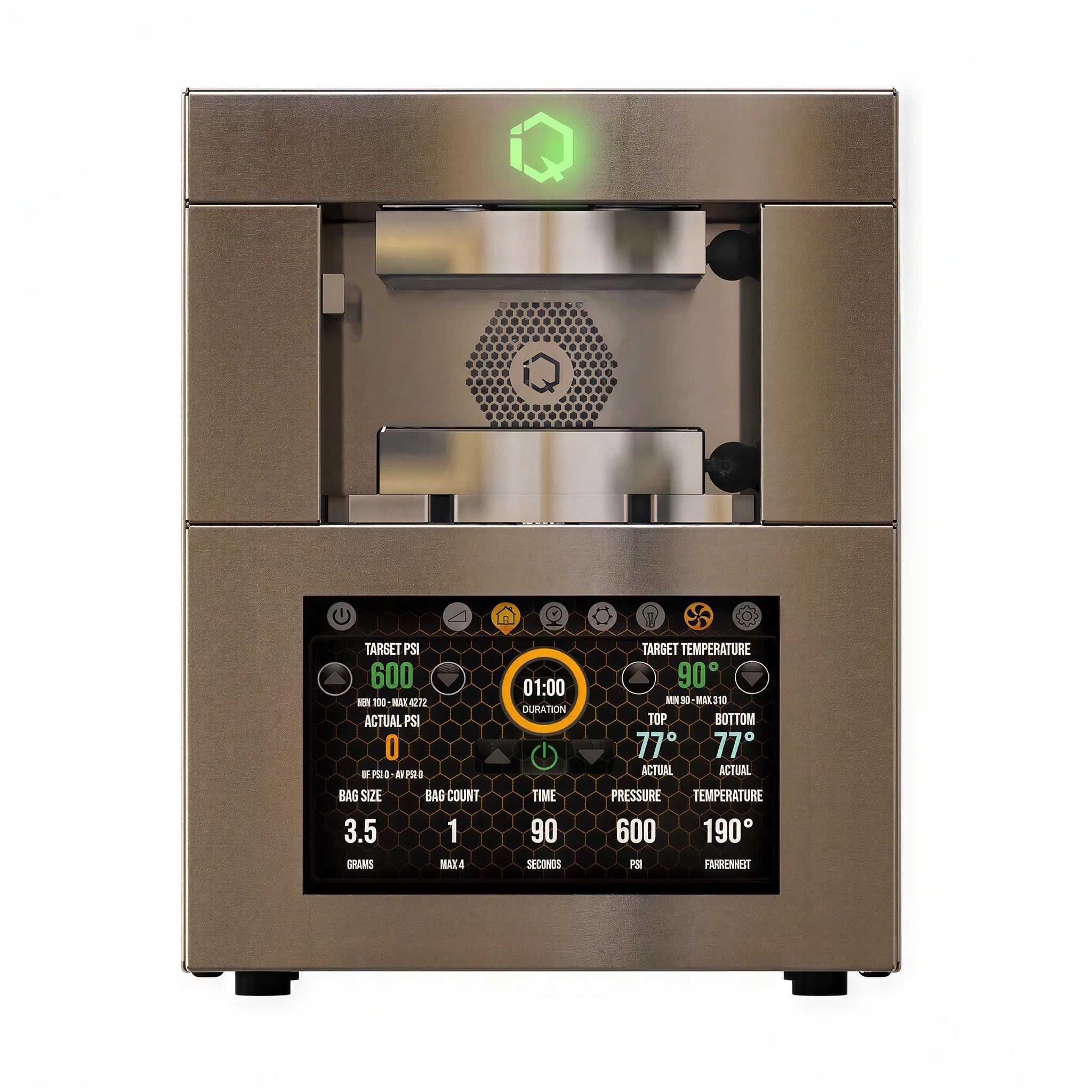
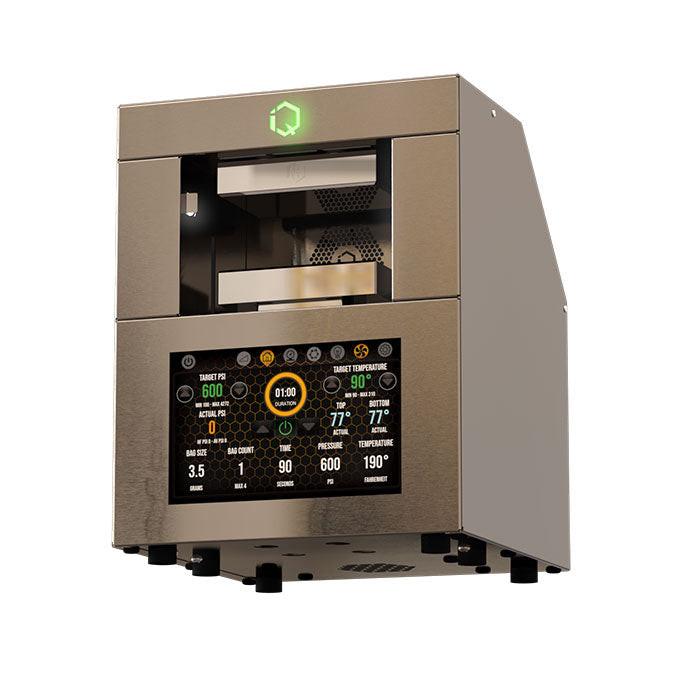
Electric rosin presses use a motorized or electric-hydraulic actuation system to generate and maintain plate pressure without manual pumping or pneumatic air supply. The electric mechanism delivers precise, programmable pressure control - digital displays show applied force in real time, and pressure can be ramped up gradually rather than applied all at once. This precision is the primary advantage of electric over pneumatic and manual press designs: the ability to apply specific, repeatable pressure profiles across batches produces more consistent output quality than the variable force of manual pressing or the rapid high-pressure delivery of pneumatic cylinders.
Electric vs. Pneumatic vs. Manual
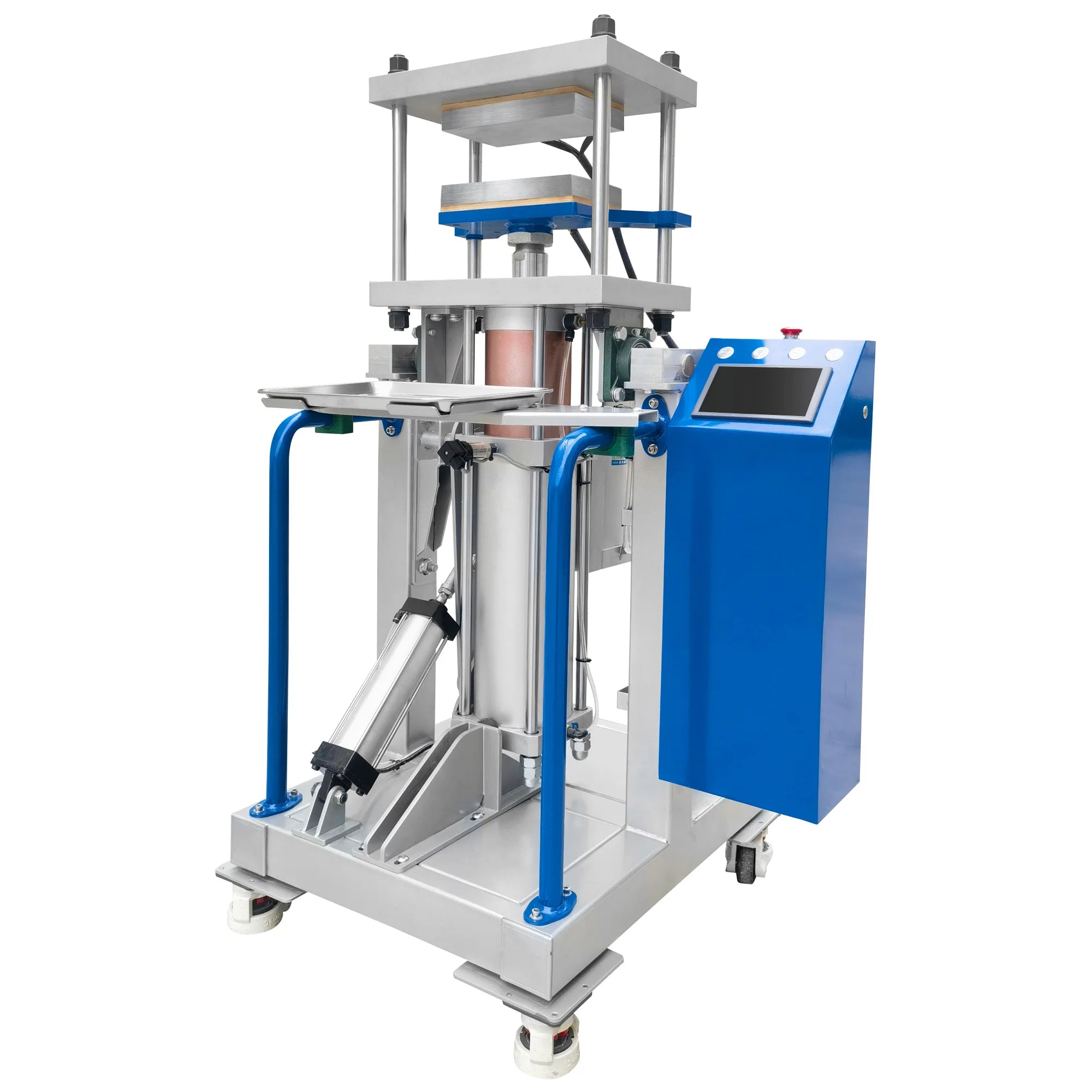
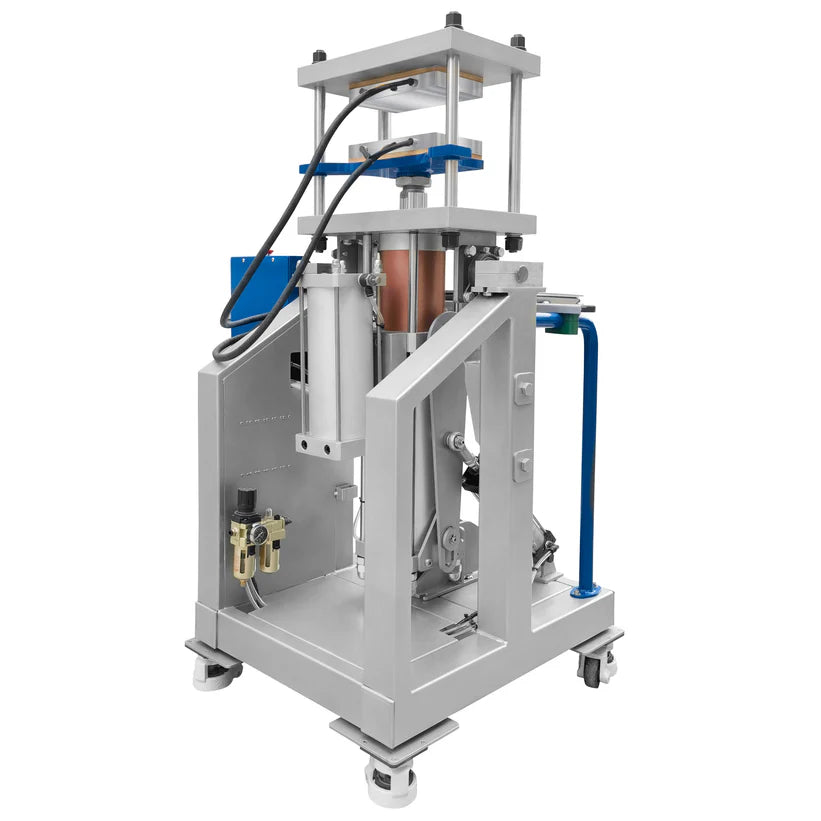
Each actuation type has distinct operational characteristics. Manual presses (lever or H-frame) require physical effort and are limited in maximum pressure. Pneumatic presses apply pressure very rapidly and require a compressor but offer less precise pressure graduation. Electric presses build pressure slowly and precisely - ideal for operators who want to tune pressure curves for different material types. Electric presses are typically quieter than pneumatic, require no air compressor, and allow the operator to program and save extraction profiles for different material batches. The tradeoff is higher purchase price than comparable pneumatic units and a dependence on electrical power (no option for remote or off-grid use). Browse all press types in our rosin presses collection.
Plate Sizes & Heating Systems
Electric press plate sizes follow the same range as other press types: smaller plates (2x4 inch to 3x5 inch) for personal and sampling use; larger plates (4x7 inch to 6x12 inch) for production. Dual-zone plate heating - independent temperature control for each plate surface - provides more uniform heat distribution across the plate area than single-element plates, reducing temperature gradients that produce inconsistent extraction across the press area. PID temperature controllers on quality electric presses maintain setpoint accuracy within 1-2 degrees F and recover quickly after each press cycle. Expert support available.
Electric Rosin Presses FAQ
What makes an electric rosin press different from hydraulic?
The key difference is how pressure is generated and controlled. Hydraulic presses (hand-pump or pneumatic) generate pressure through a hydraulic cylinder - fast, high-pressure, but somewhat less precise in pressure graduation. Electric presses use a motor-driven screw or electric hydraulic pump to build pressure slowly and with fine control - digital pressure readouts allow precise, repeatable pressure settings. For operators who want to experiment with and reproduce specific pressure profiles across different material types, electric presses offer more control. For high-throughput production where cycle speed matters more than precision tuning, pneumatic hydraulic presses are often preferred.
Do I need a compressor for an electric rosin press?
No - electric rosin presses do not require a compressed air supply. The electric motor or electric hydraulic pump generates pressure internally from standard electrical power. This makes electric presses simpler to set up than pneumatic models (no compressor purchase, no air lines, no compressor noise) and usable in locations where running compressed air is impractical. The electrical requirement is typically 110V or 220V standard power depending on the press model - verify the voltage requirement and available outlet type before purchasing.
What pressure can electric rosin presses achieve?
Electric rosin presses range from small personal-scale units generating 3-5 tons of force through commercial models generating 20-30+ tons. In terms of plate surface pressure: a 10-ton electric press with a 3x5 inch plate (15 sq in) delivers approximately 1,333 PSI - more than adequate for most botanical material. Larger commercial electric presses at 20-30 tons with 6x10 inch plates deliver comparable PSI at much higher absolute force, suitable for larger batch weights. Check both the tonnage rating and the plate size to understand actual surface pressure for your specific press model.
Can I save and repeat extraction profiles on electric presses?
Profile saving is a feature on higher-end electric press models - the ability to store temperature, pressure, and timer settings as named presets that can be recalled for different material types. Entry-level electric presses may have digital controls without profile saving; commercial-grade electric presses typically include full recipe management. If consistent, repeatable production across multiple material batches is important to your operation, verify the specific model includes profile storage before purchasing.
How long does an electric press cycle take vs. pneumatic?
Electric presses build pressure more slowly than pneumatic units - a full electric press cycle (ramp up, hold, release) typically takes 2-4 minutes depending on target pressure and ramp rate. Pneumatic presses reach full pressure almost instantly and cycle in 1-2 minutes. For high-throughput commercial production where cycle rate directly affects output volume per hour, pneumatic presses have a throughput advantage. For smaller-scale production where quality consistency is more important than cycle speed, the electric press's slower, more controllable pressure application is the preferred approach.