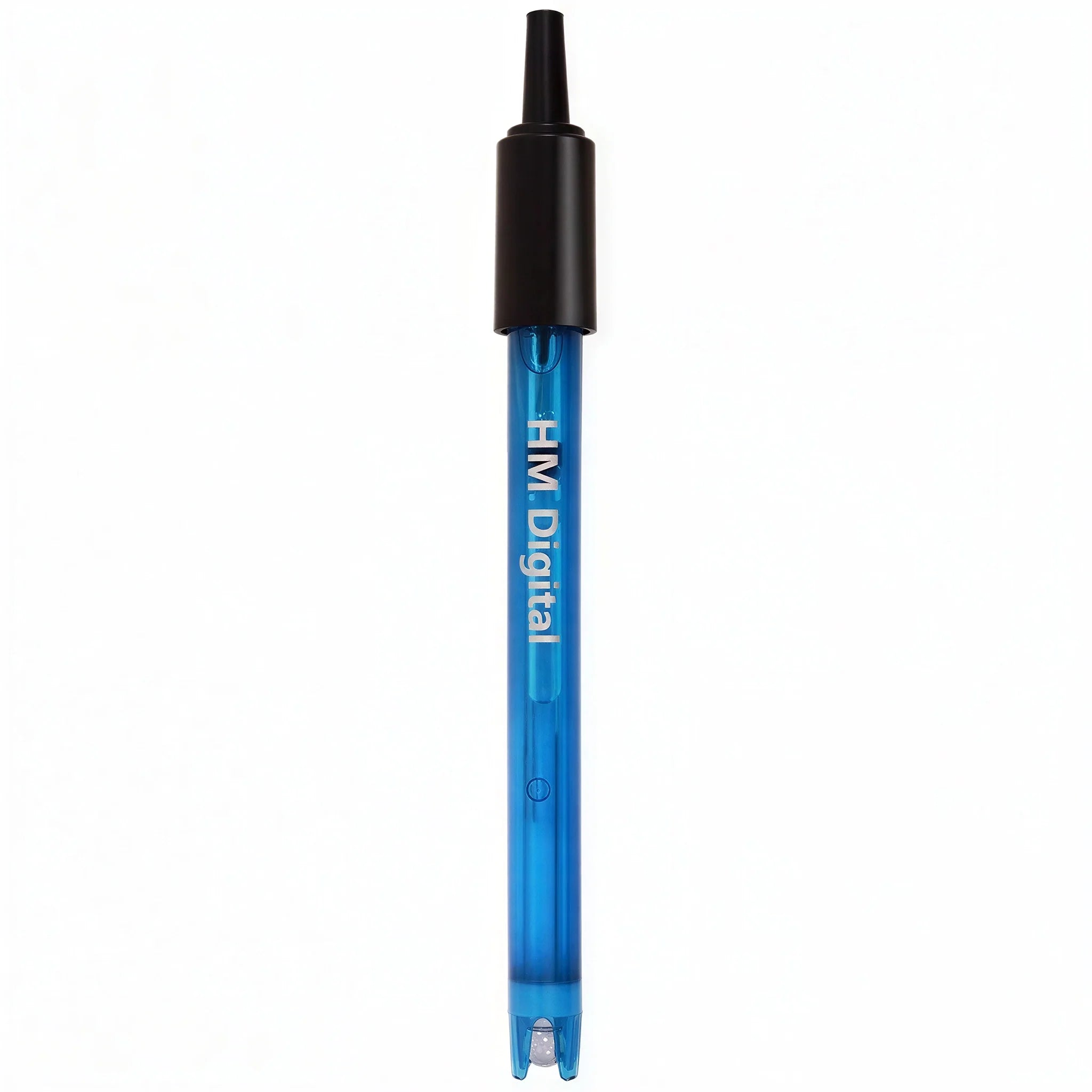
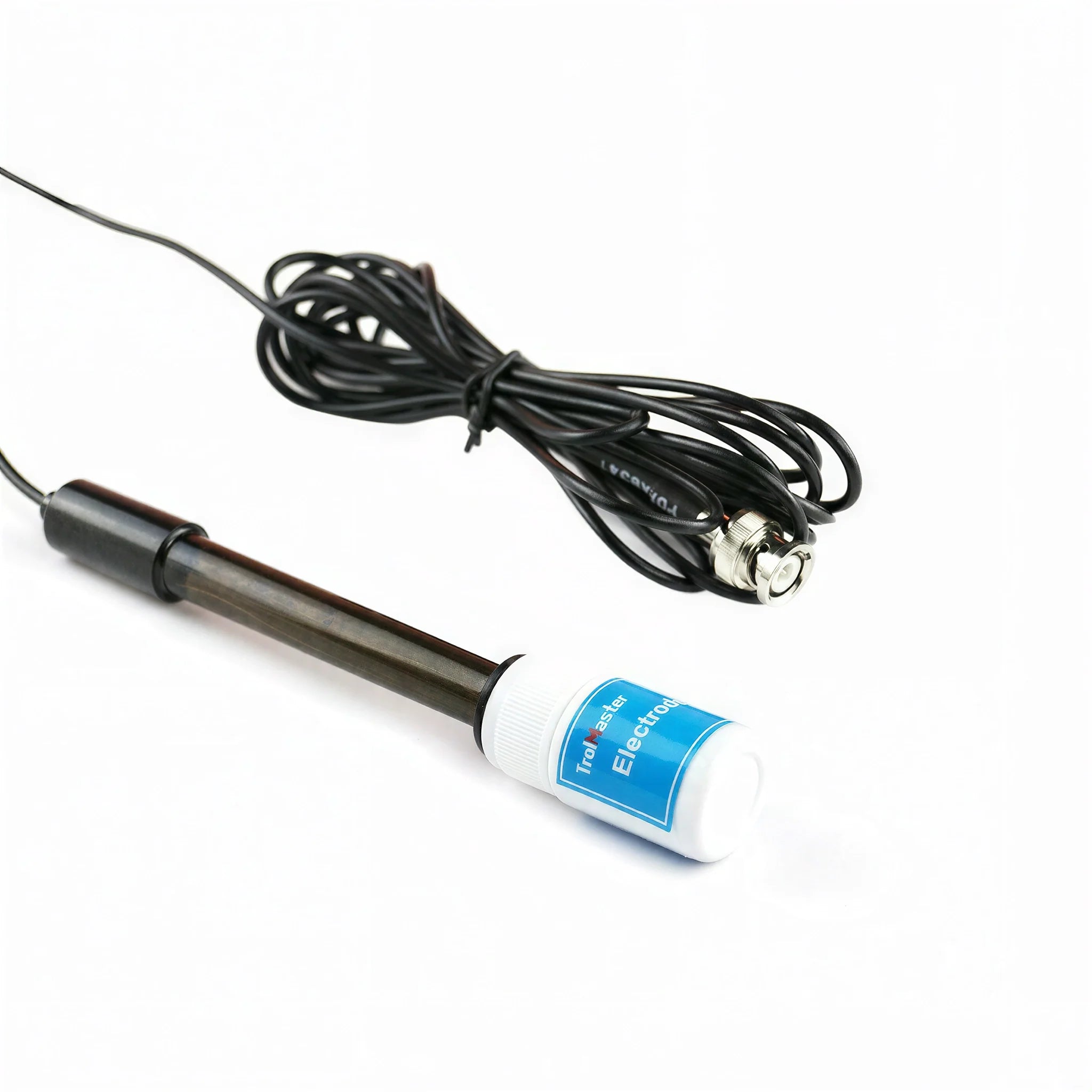
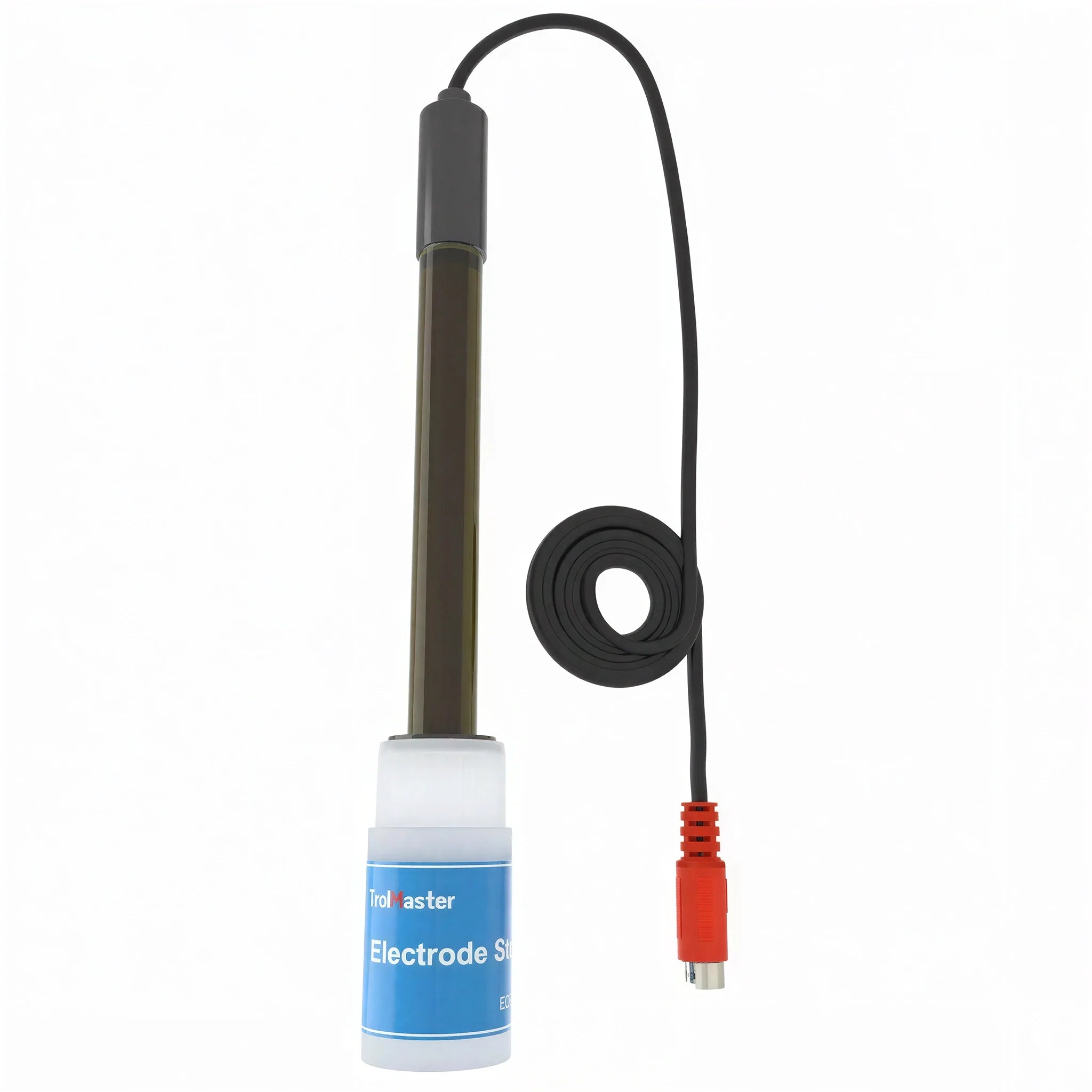
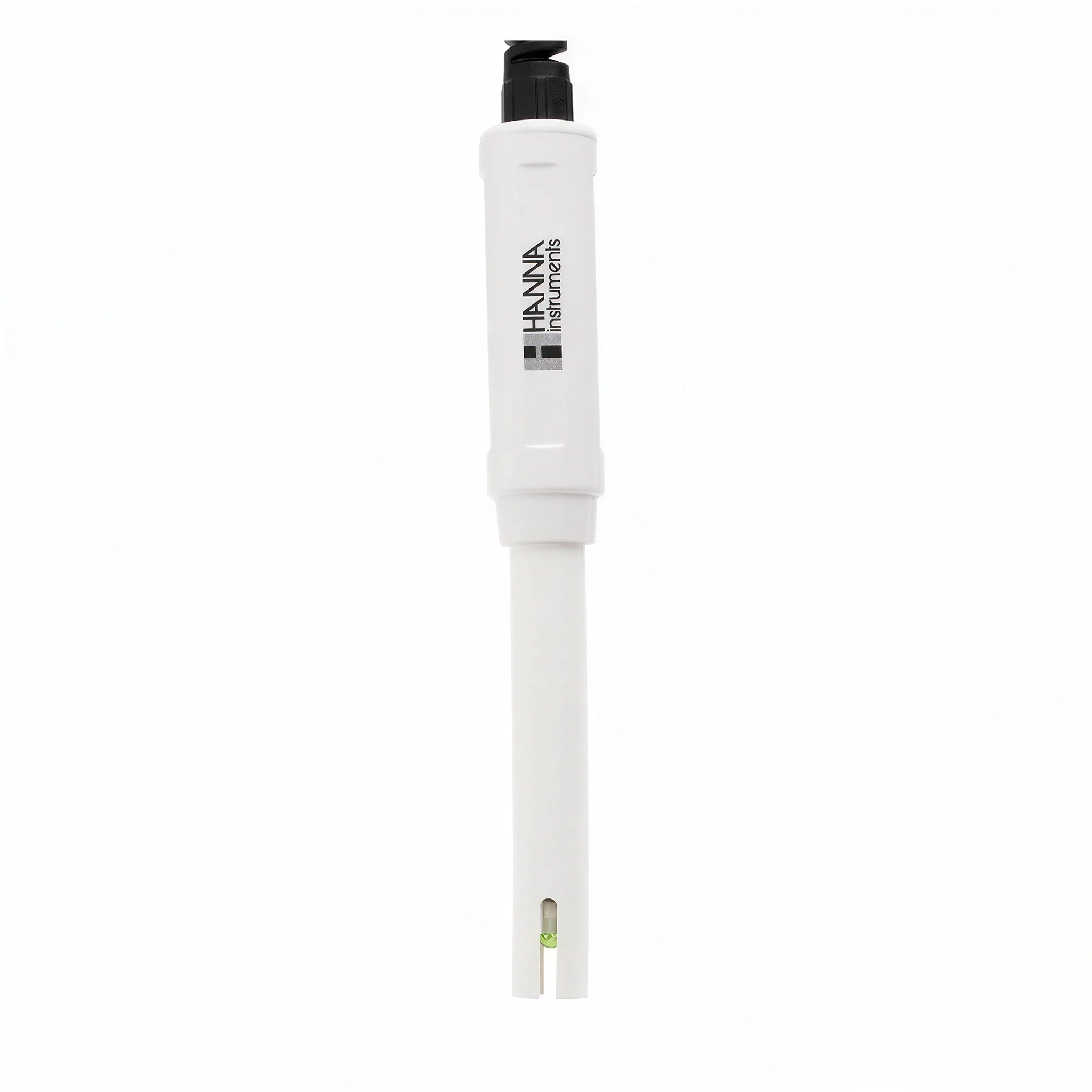
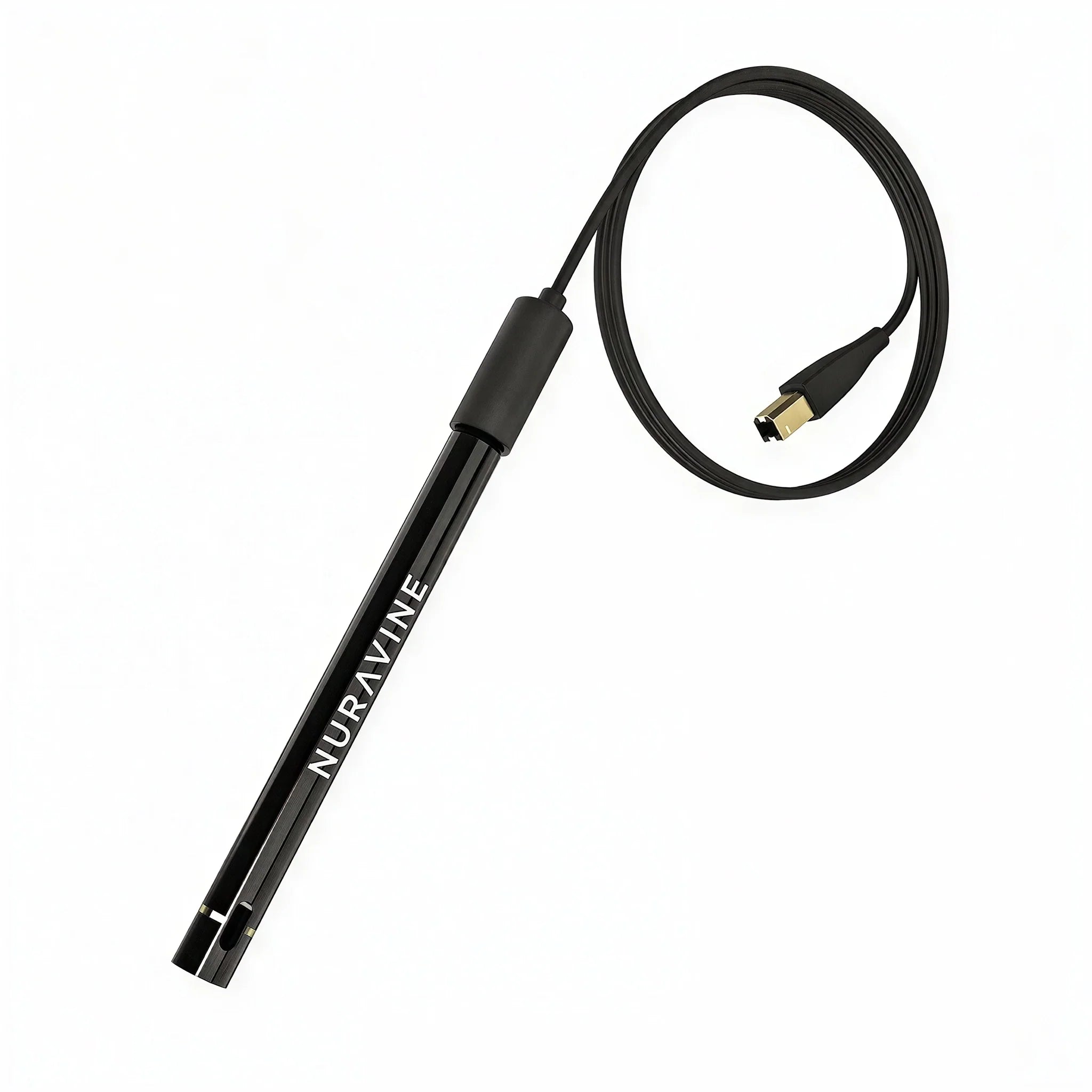
Replacement Probes, Electrodes & Meter Accessories
pH probes, EC sensors, DO membranes, and other meter components are consumable wear items with finite service lives - they degrade through use, chemical exposure, and physical aging regardless of how carefully the meter is maintained. Replacing a worn probe restores the meter instrument to new-probe performance without replacing the entire meter - typically at 20-40% of the cost of a new instrument. Maintaining a spare probe for critical instruments ensures that a probe failure does not interrupt production monitoring until a replacement arrives.
pH Probe Service Life & Replacement Indicators
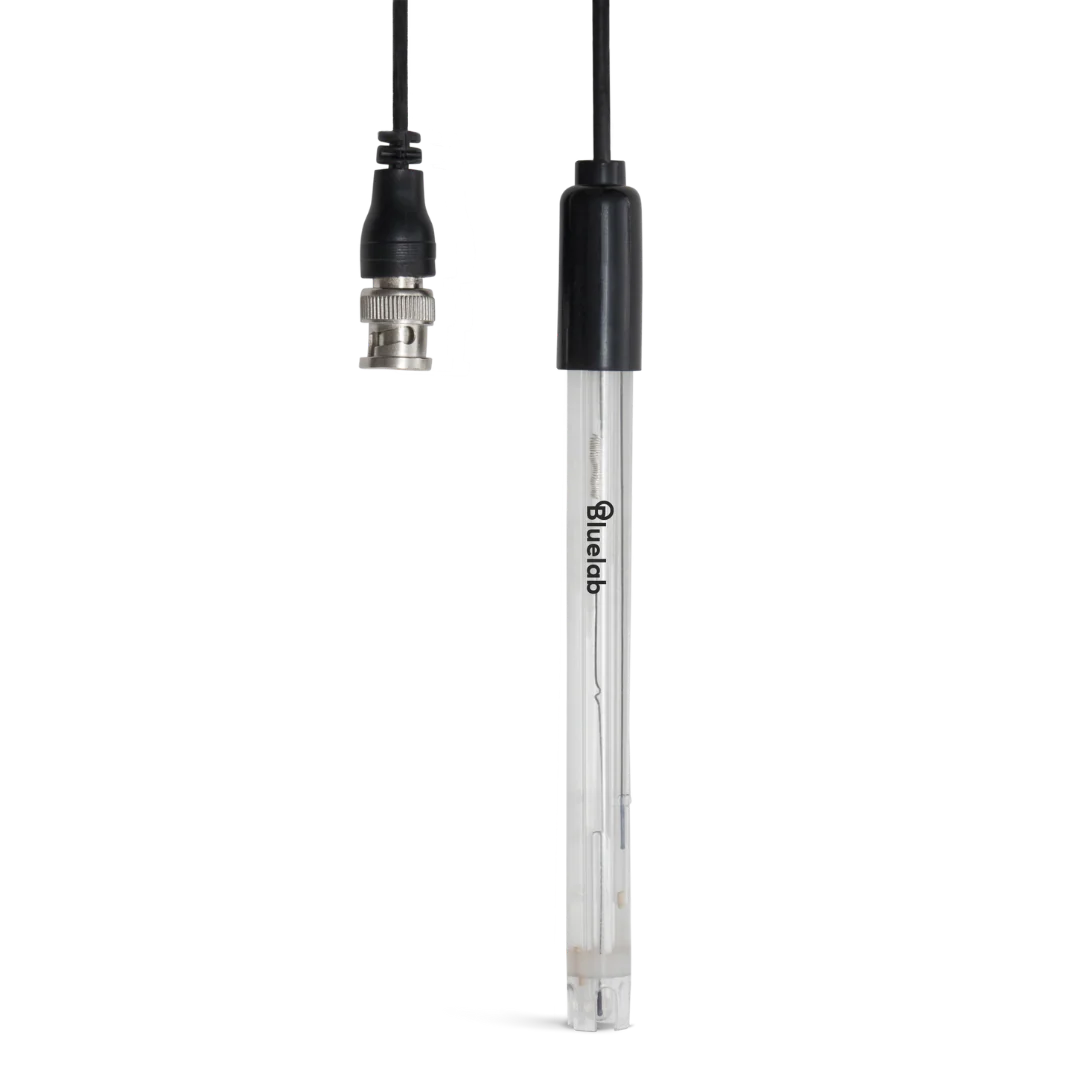
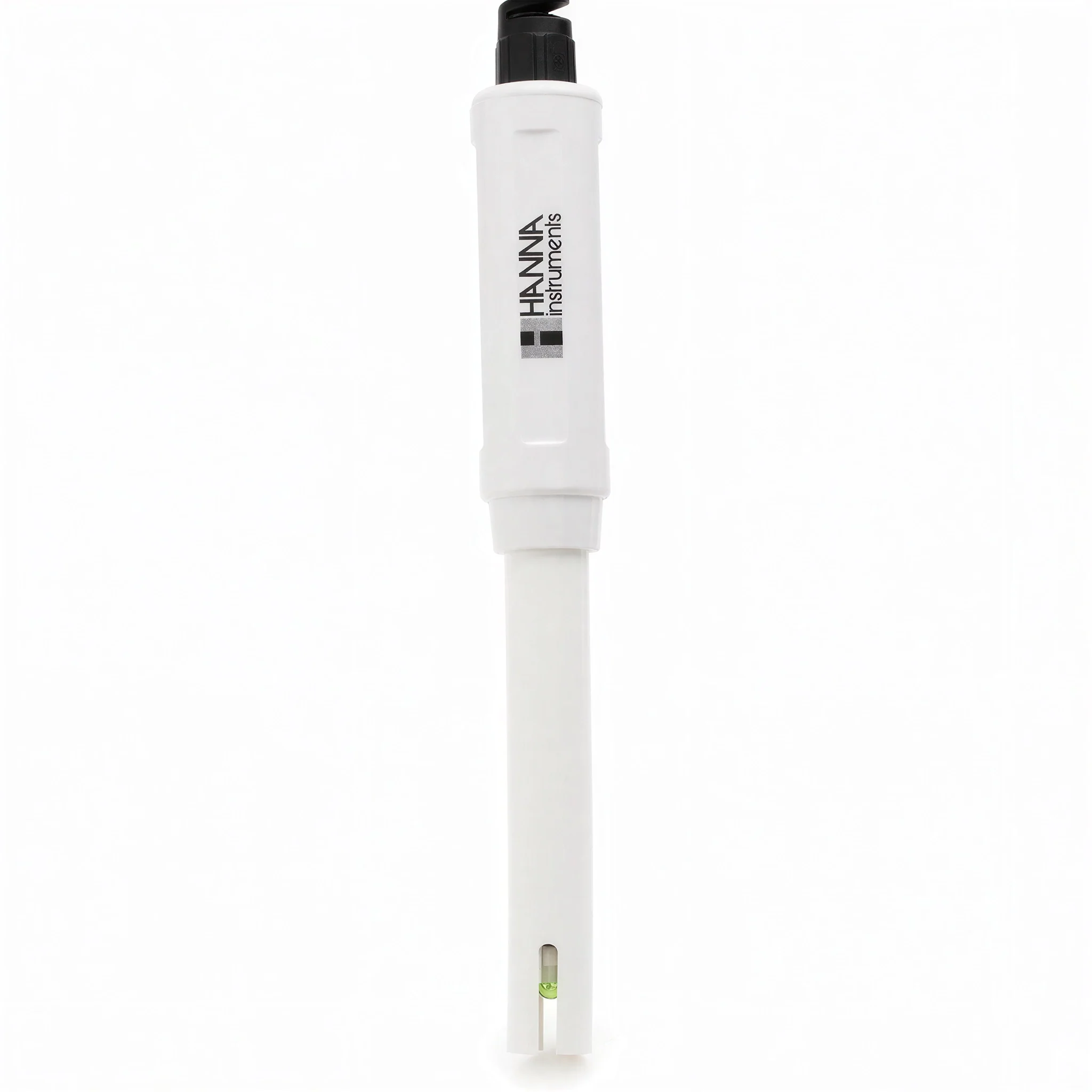
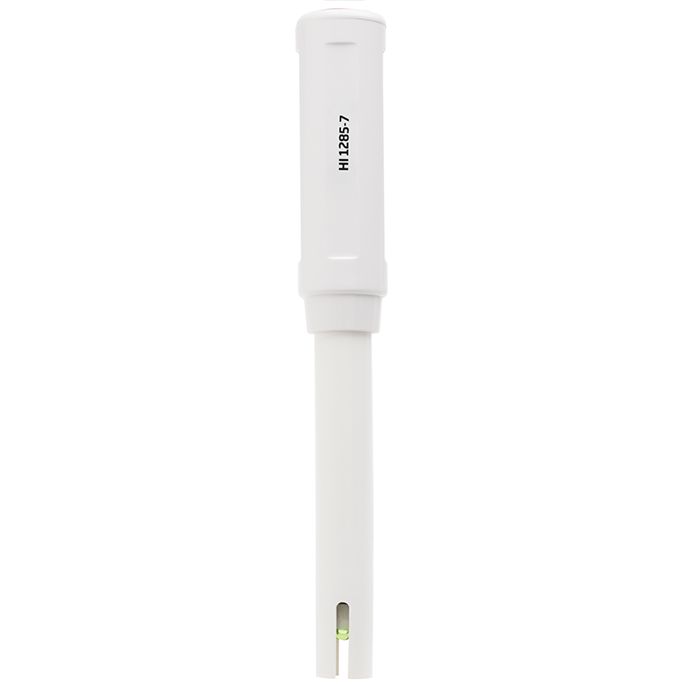
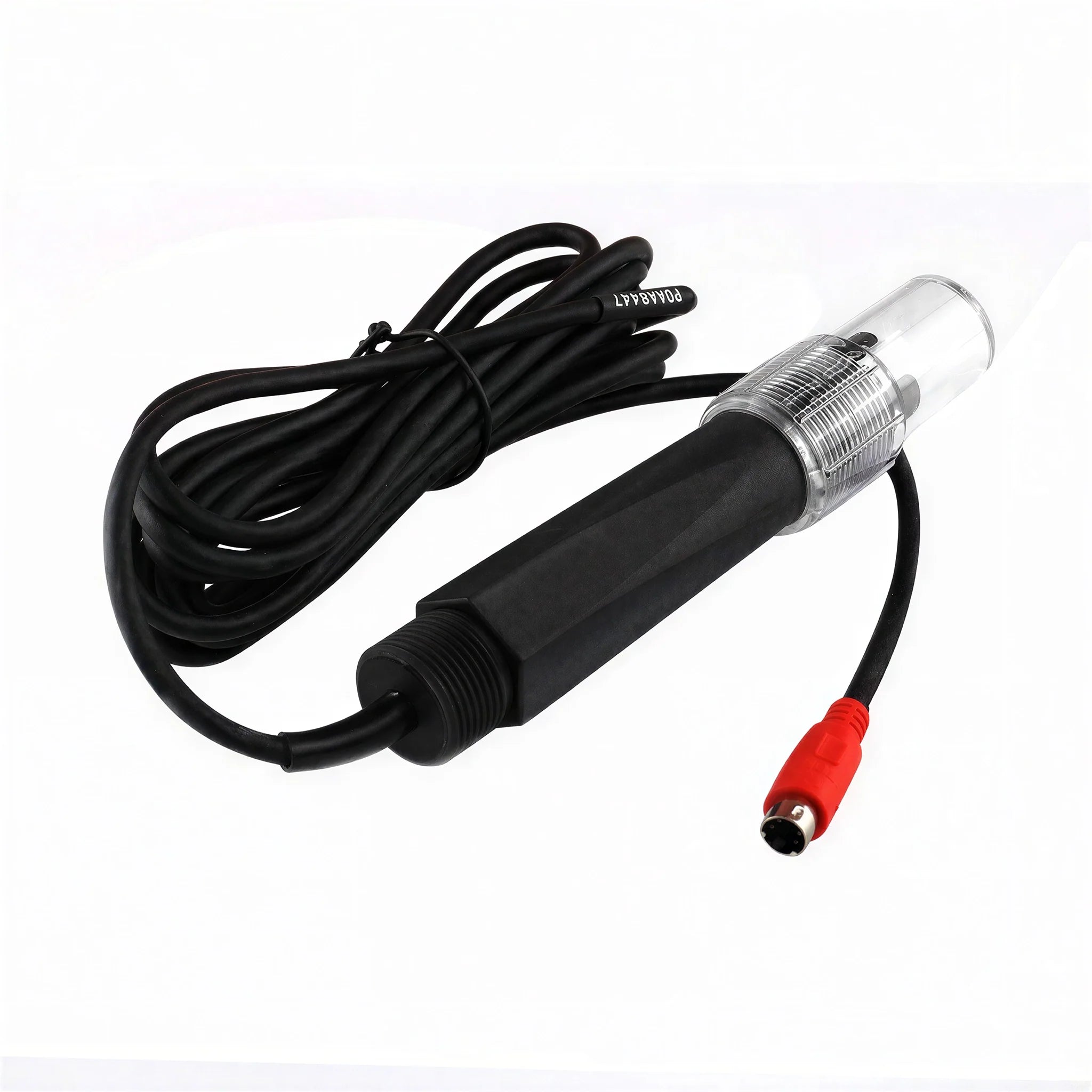
A well-maintained pH probe lasts 6-18 months in regular hydroponic use - longer with careful storage in KCl solution and minimal exposure to aggressive chemicals, shorter with rough handling, dry storage, or frequent contact with concentrated acids. Replace the pH probe when: calibration can no longer be completed successfully with fresh buffer solutions; response time to pH changes is sluggish (takes 30+ seconds to stabilize on a new sample); or readings are erratic or inconsistent between measurements of the same sample. Verify the replacement probe is specified for your specific meter model - electrode connector types and impedance specifications vary between meter brands and are not universally interchangeable. Browse pH meters and calibration solutions for the complete meter maintenance ecosystem.
EC Sensor & DO Membrane Replacement
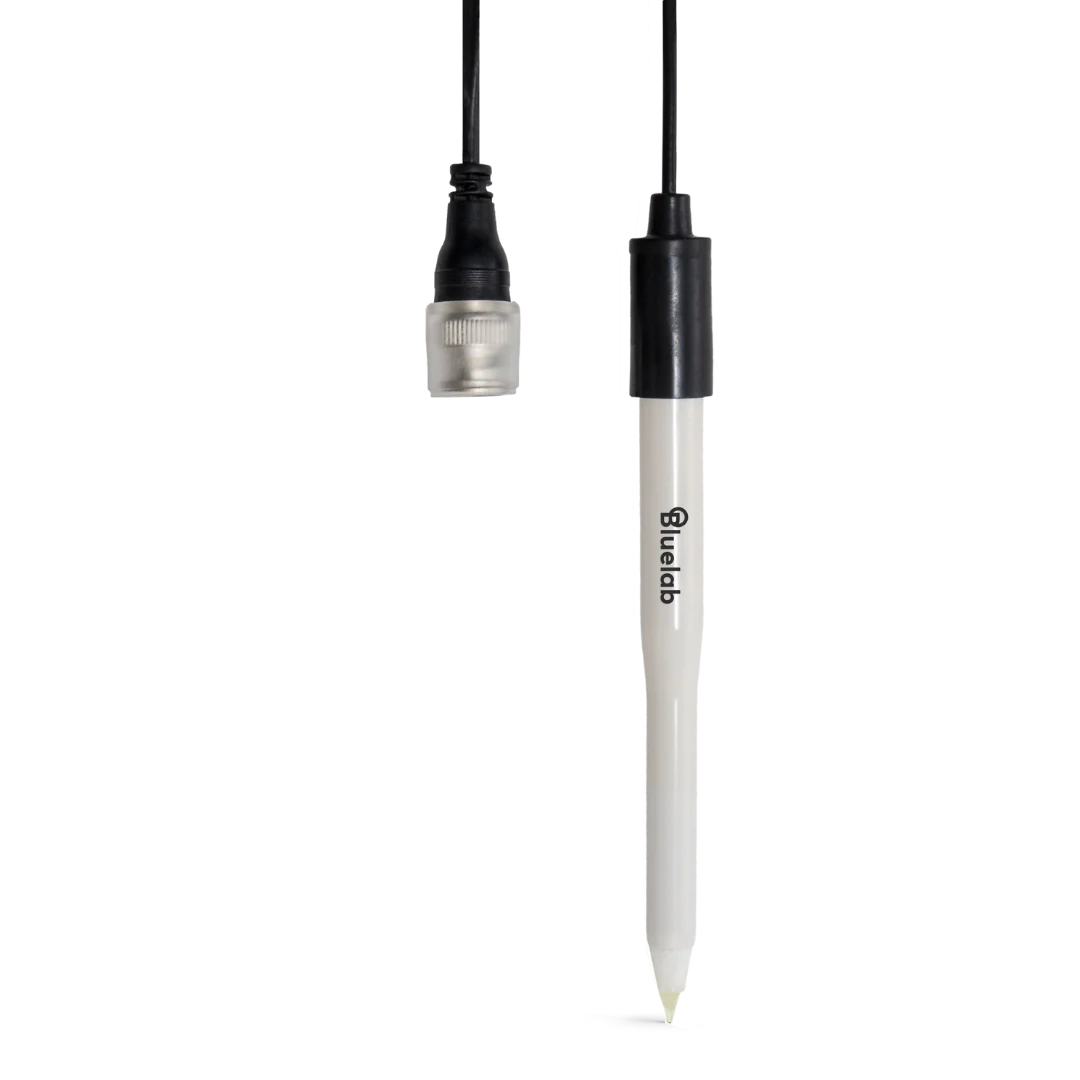
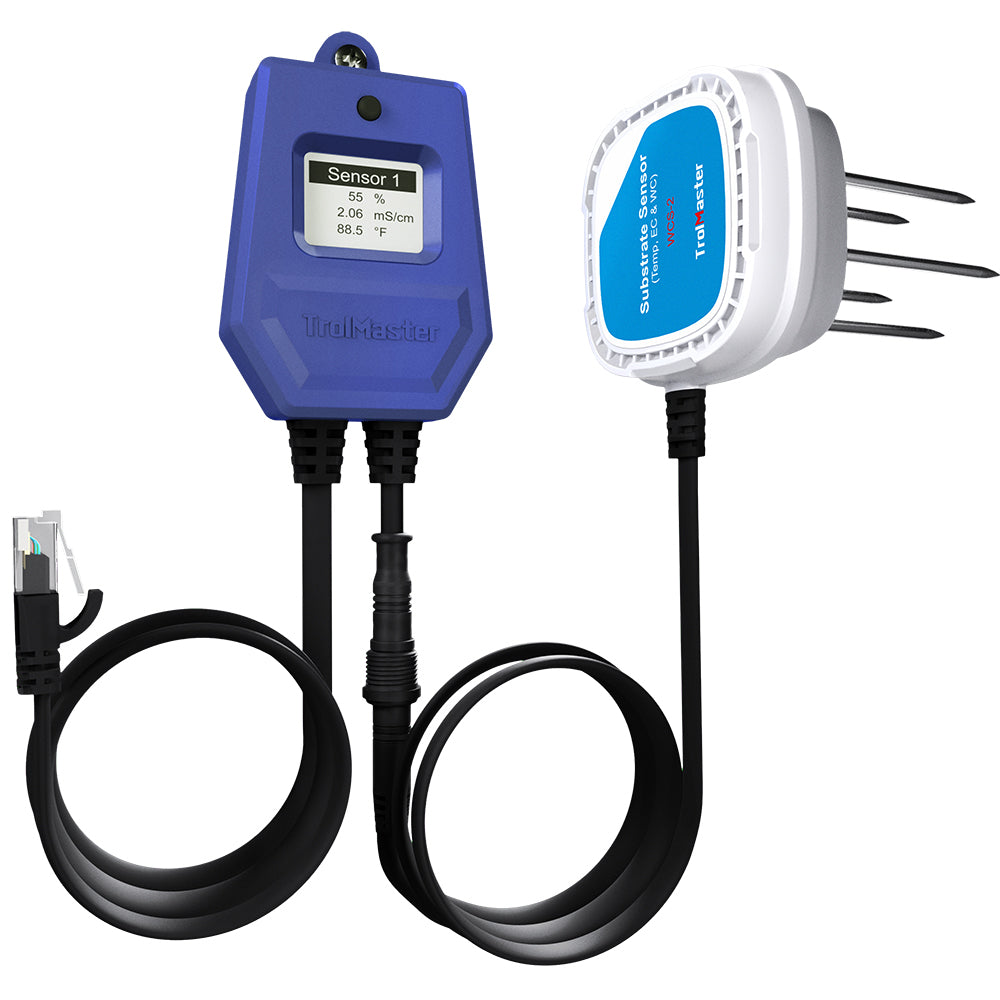
EC sensors (conductivity cells) are more durable than pH probes and typically last 2-5 years before significant drift. DO probe membranes and sensing caps (for optical probes) require replacement every 3-12 months depending on probe type and duty cycle. Most major meter brands sell replacement probe assemblies and membrane/cap kits through their own accessory catalogs - verify the replacement part matches the specific meter model and probe series. Fast shipping.
Replacement Probes & Accessories FAQ
How do I know when to replace my pH probe?
Replace the pH probe when: (1) two-point calibration cannot be completed successfully with fresh buffer solutions - the meter cannot adjust to match the buffer reference values; (2) measurement response is sluggish - the reading takes 30+ seconds to stabilize when the probe is moved from calibration buffer to sample; (3) readings are inconsistent between repeated measurements of the same sample; (4) the probe has been stored dry (not in KCl storage solution) for an extended period. A probe that has been dry-stored may partially recover with a 24-hour soak in storage solution, but if performance does not recover, replacement is needed.
Are replacement probes compatible across different meter brands?
Replacement probes are generally brand and model-specific - electrode connector types, thread sizes, and impedance specifications differ between manufacturers. A Bluelab replacement probe is designed for Bluelab meters; a Hanna replacement electrode for Hanna meters. Before purchasing a replacement, identify the specific meter model and verify the probe is listed as compatible. Some third-party probe manufacturers produce compatible replacements for popular meter brands at lower cost than OEM probes - verify performance specifications and warranty coverage before using third-party probes in production.
How do I store a pH probe to maximize its service life?
Store the pH probe submerged in probe storage solution (3M KCl or the manufacturer's recommended storage solution) at all times when not in use. The storage cap on most pH probes holds a small amount of storage solution against the probe tip - keep this full. Never store in distilled water, RO water, or dry - all of these deplete the internal KCl electrolyte through osmosis or evaporation, permanently degrading the probe's junction potential and measurement accuracy. A properly stored pH probe lasts 12-18 months in regular use; a probe stored dry or in wrong solution degrades within weeks.
What does it mean when my DO probe reading is drifting?
Dissolved oxygen probe reading drift indicates: (1) The membrane needs replacement - worn or fouled DO membranes allow partial or uneven oxygen diffusion, causing inaccurate or drifting readings; (2) The probe has not been given adequate warm-up time (polarographic probes require 15-30 minutes to stabilize before accurate readings); (3) The electrode fill solution (in polarographic probes) is depleted and needs replacement; (4) For optical probes: the luminescent sensing cap has reached end of life. Check the membrane/cap condition first as this is the most common cause of drift in actively used DO probes.
Can I use any KCl solution for pH probe storage?
Use only 3M KCl (potassium chloride) solution or the probe manufacturer's specified storage solution - do not substitute with generic KCl at different concentrations or with other salt solutions. The 3M concentration matches the ionic strength inside the pH probe's reference electrode junction; using different concentrations causes a concentration gradient across the junction that degrades the probe's reference potential. Commercial pH probe storage solution packets are available from meter manufacturers at low cost and are the safest choice for maintaining probe performance.