EC, PPM & TDS Meters for Hydroponic & Soil Growing
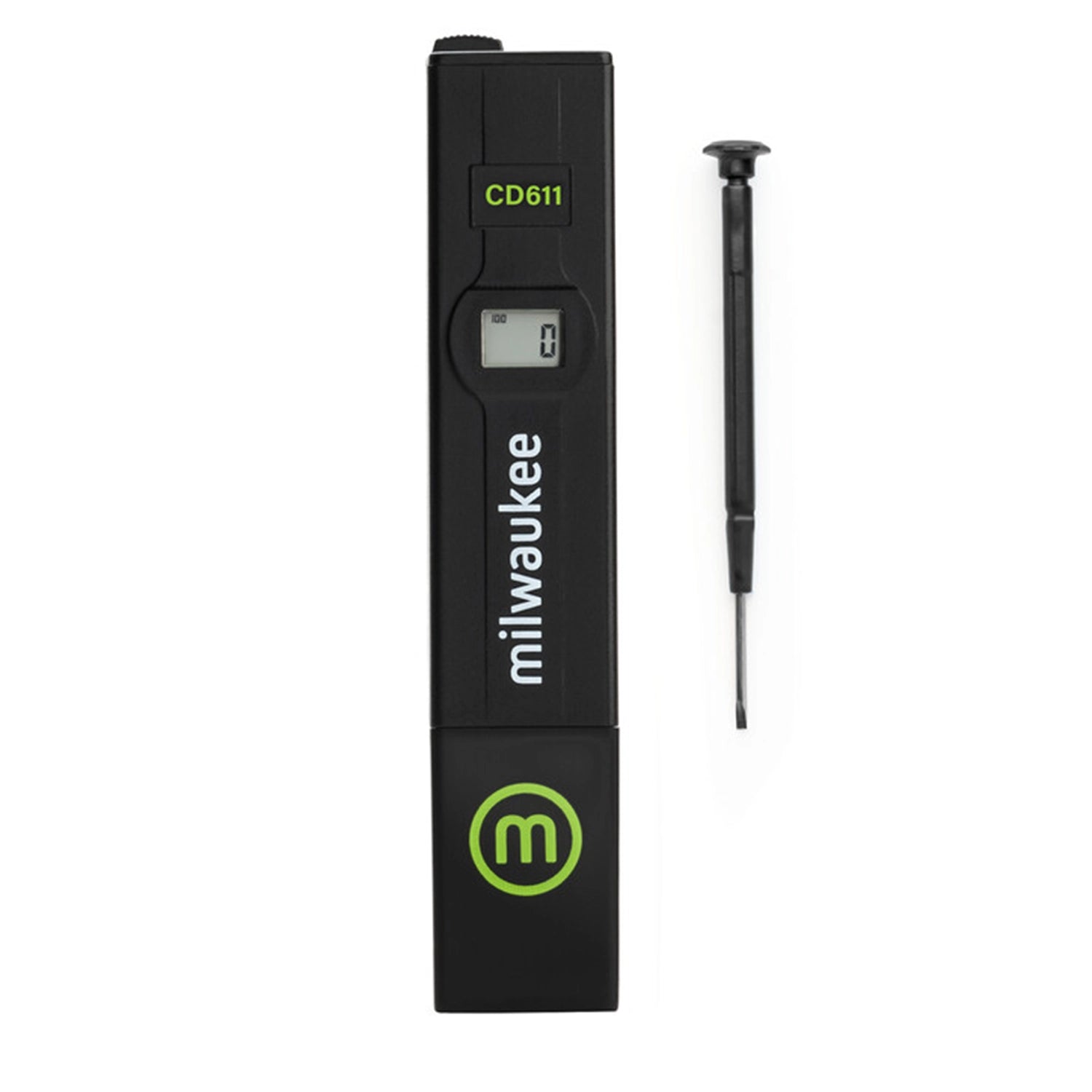
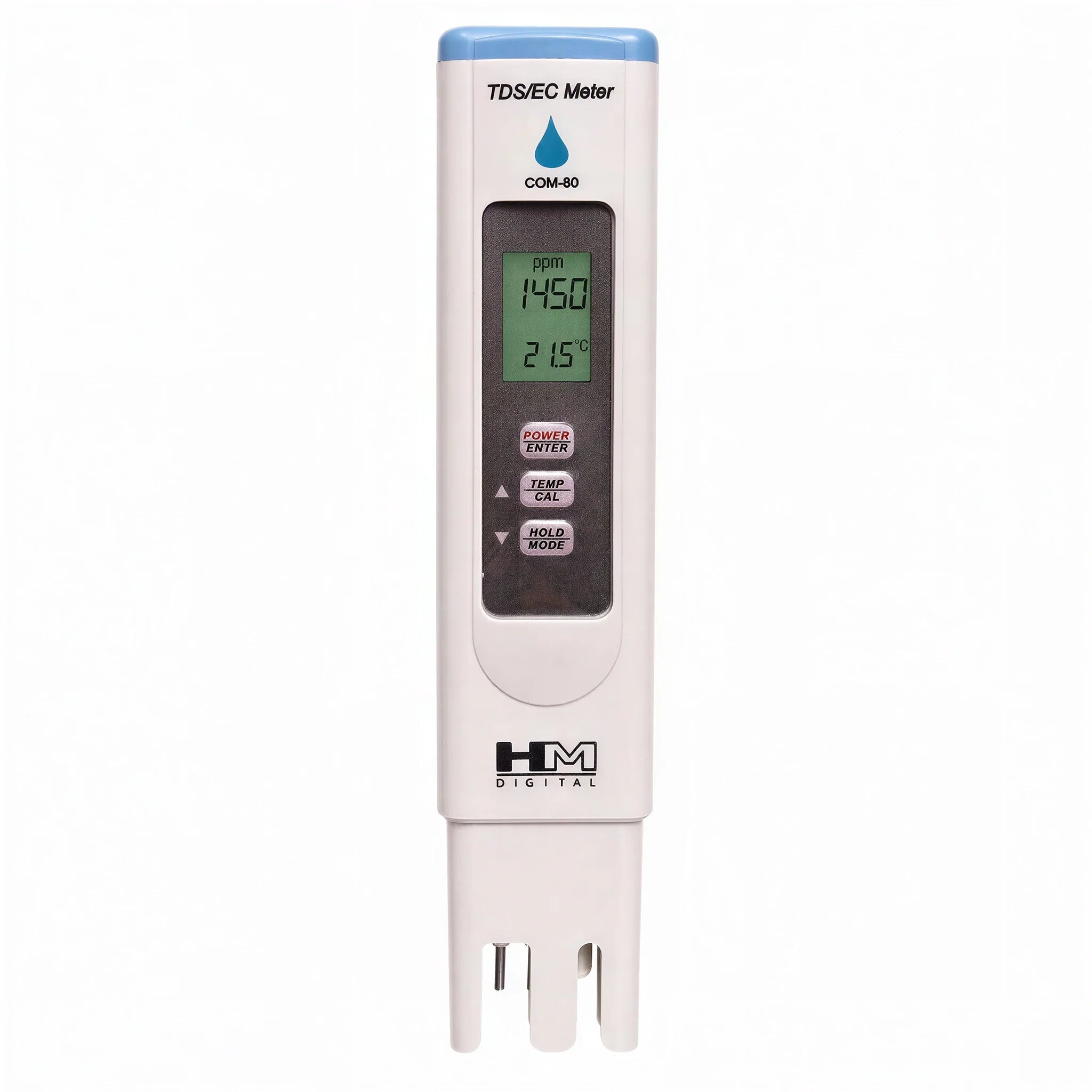
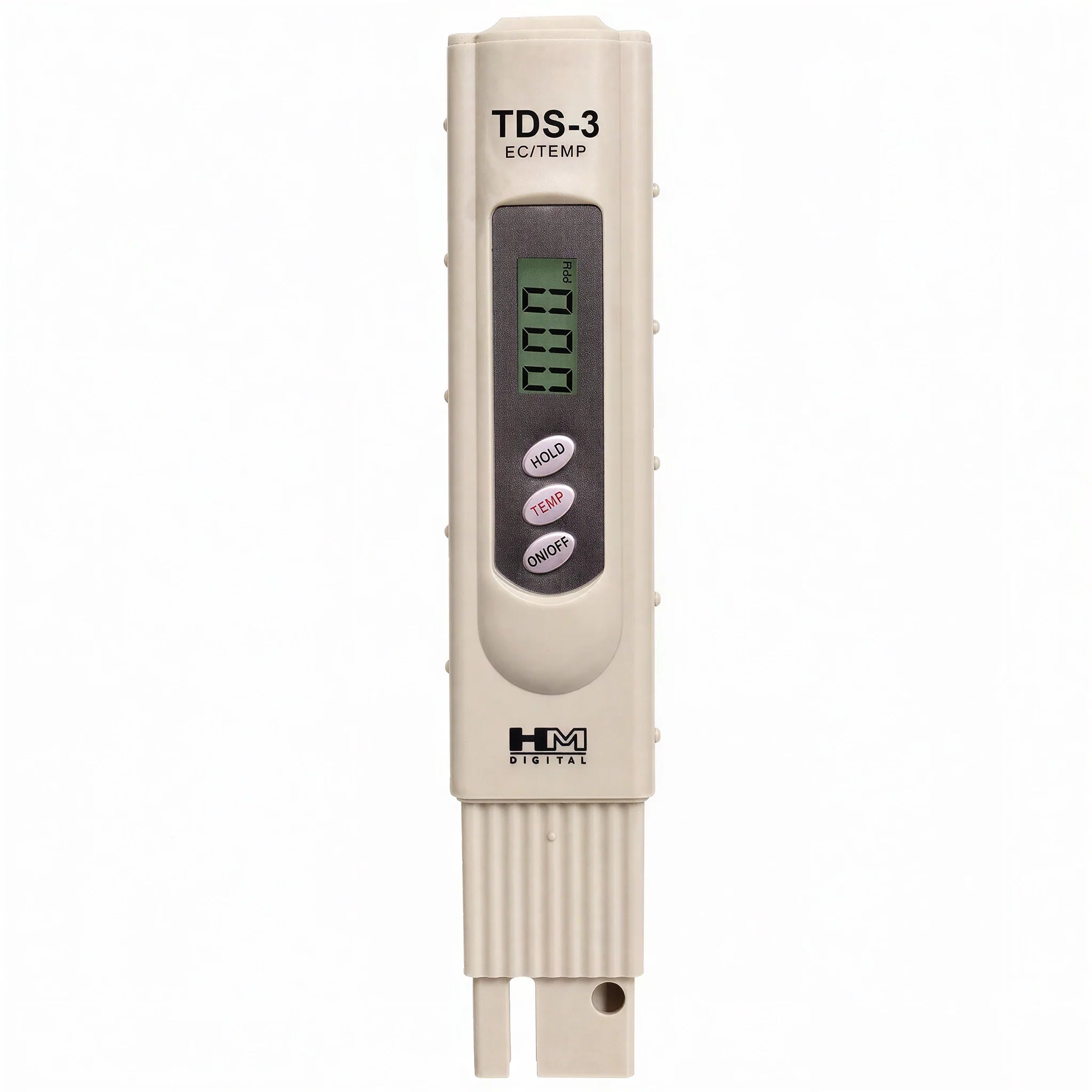
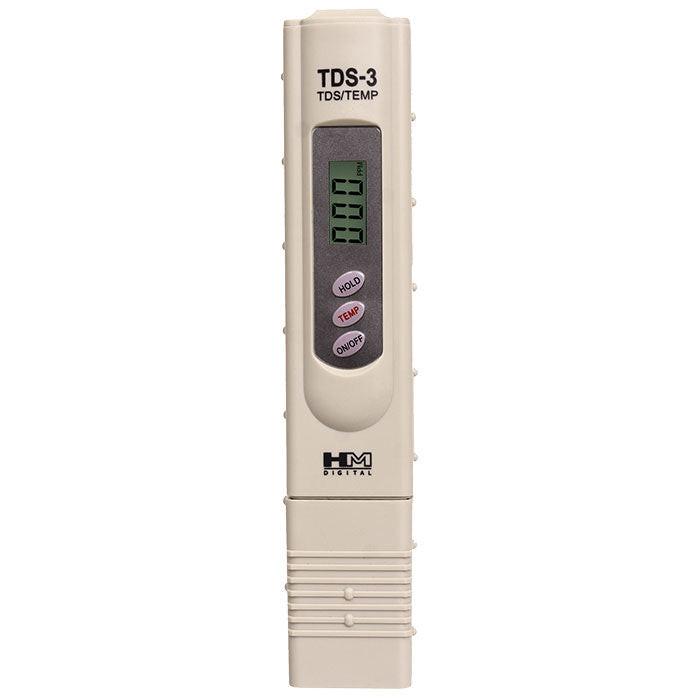
Electrical conductivity (EC), parts per million (PPM), and total dissolved solids (TDS) meters all measure essentially the same thing: the concentration of dissolved nutrients and minerals in a solution. EC is the primary measurement unit used by professional growers and nutrient manufacturers; PPM and TDS are derived values calculated from EC using a conversion factor. Together, these meters are the most important diagnostic tools in any hydroponic nutrient program - they tell you whether your plants are receiving the right nutrient concentration at every irrigation event and allow you to catch EC drift in recirculating systems before it becomes a plant health problem.
EC vs. PPM vs. TDS - What is the Difference?
Electrical conductivity (EC) measures how readily a solution conducts electricity, expressed in millisiemens per centimeter (mS/cm) or microsiemens per centimeter (uS/cm). It is the direct measurement output of these meters. Parts per million (PPM) and total dissolved solids (TDS) are conversions of EC using a manufacturer-specific conversion factor - typically either the 500 scale (used by Hanna and some other brands, where 1 mS/cm = 500 ppm) or the 700 scale (used by Bluelab and others, where 1 mS/cm = 700 ppm). This means a solution measuring 2.0 mS/cm EC reads either 1,000 ppm (500 scale) or 1,400 ppm (700 scale) depending on the meter. For consistency and to avoid confusion when following nutrient manufacturer feeding charts, always confirm which conversion scale a meter uses and use EC (mS/cm) as the primary reference when comparing across nutrient programs.
Meter Brands: Bluelab, Hanna Instruments & Apera
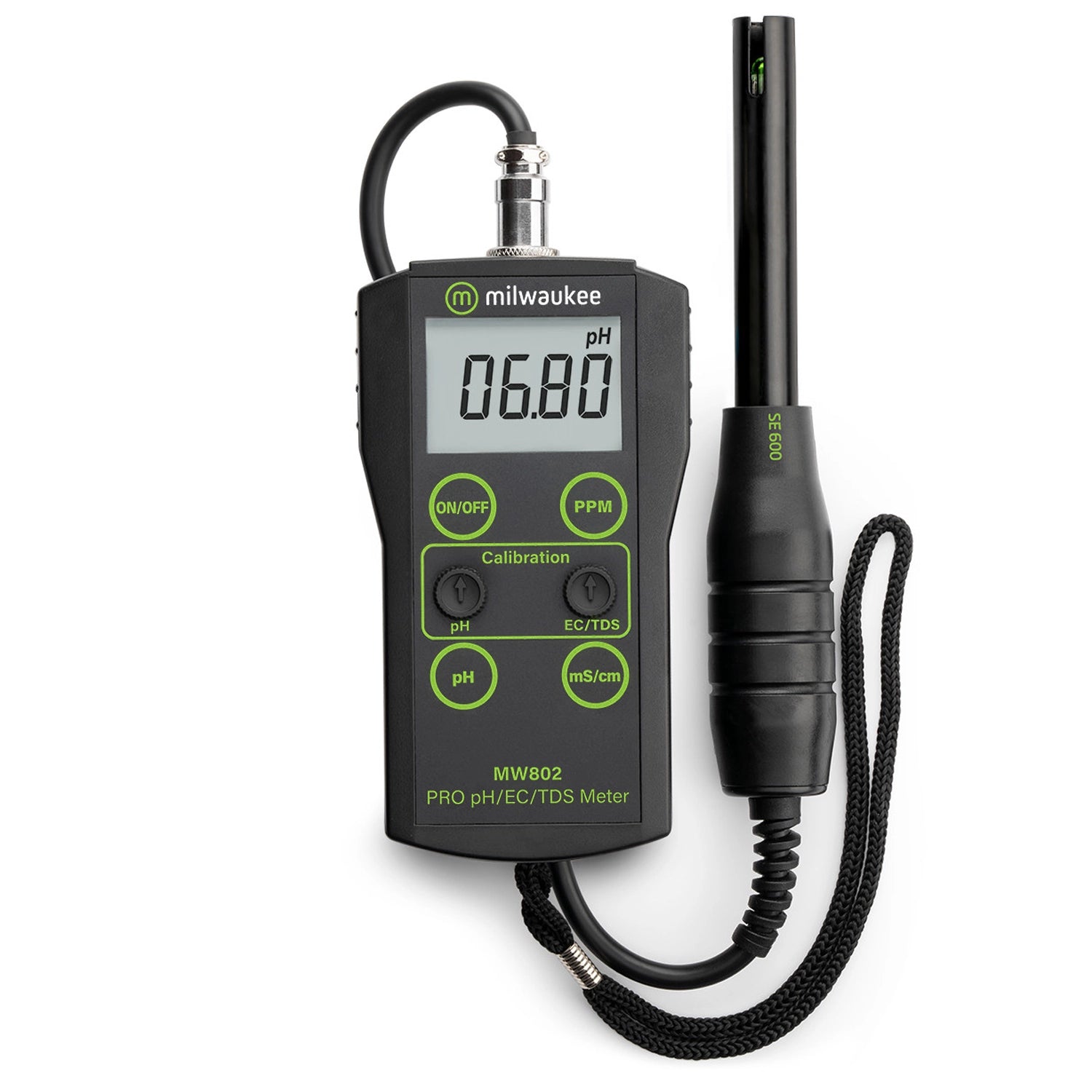
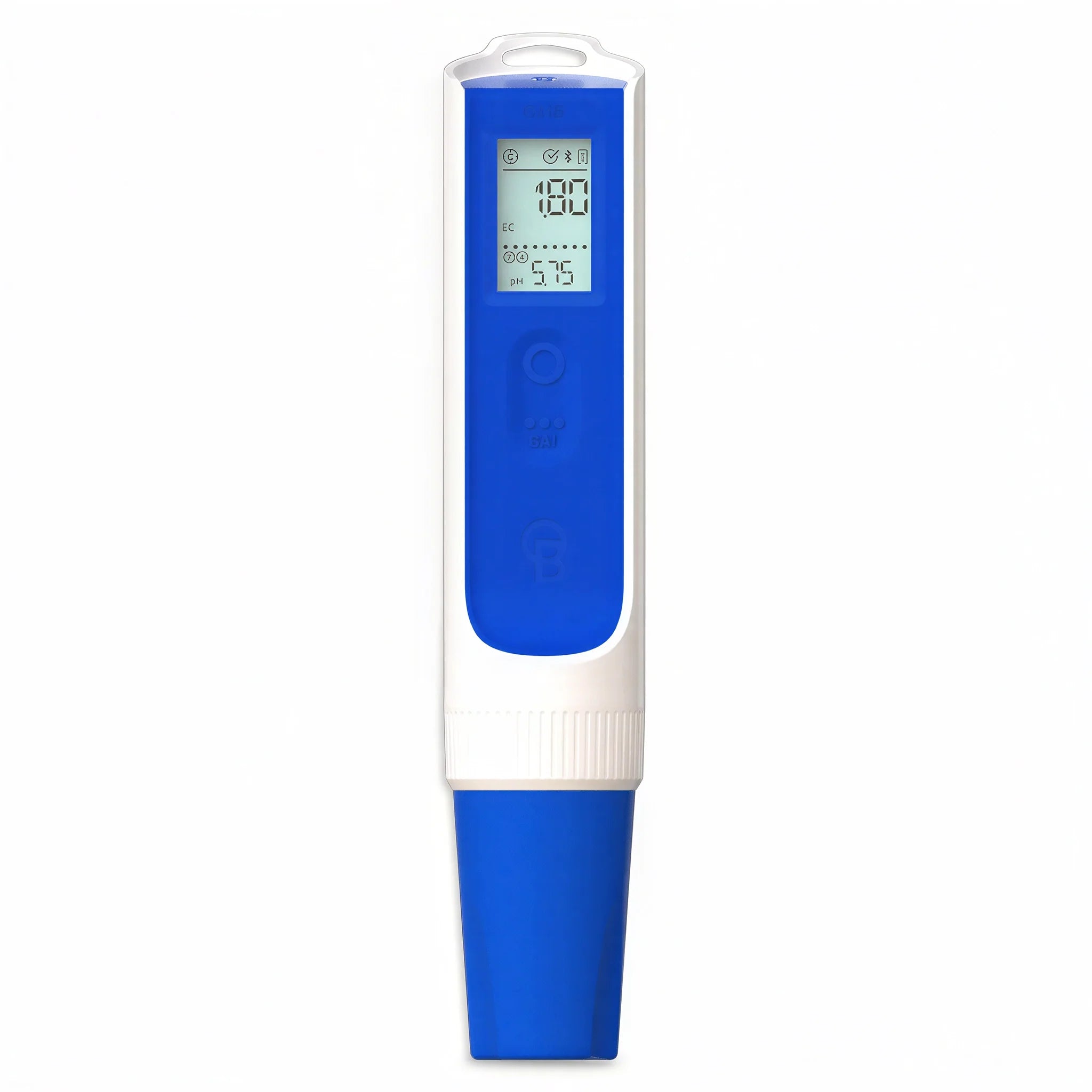
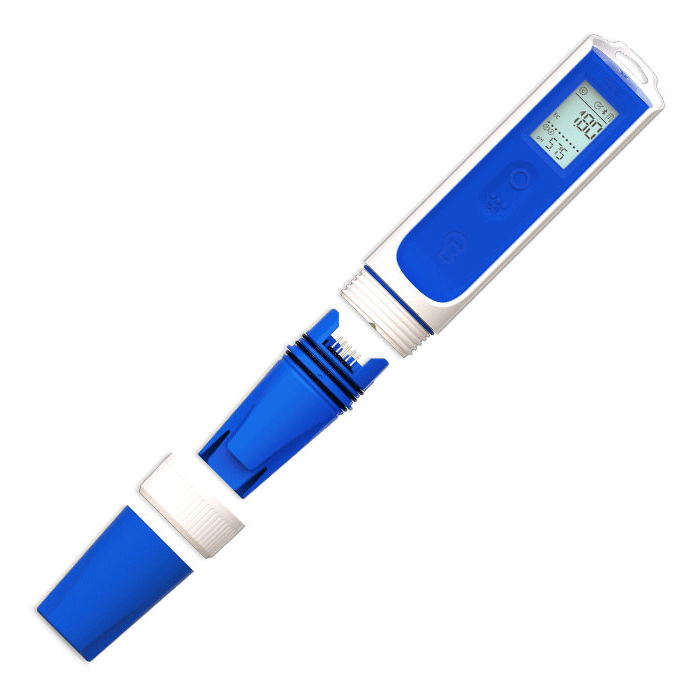
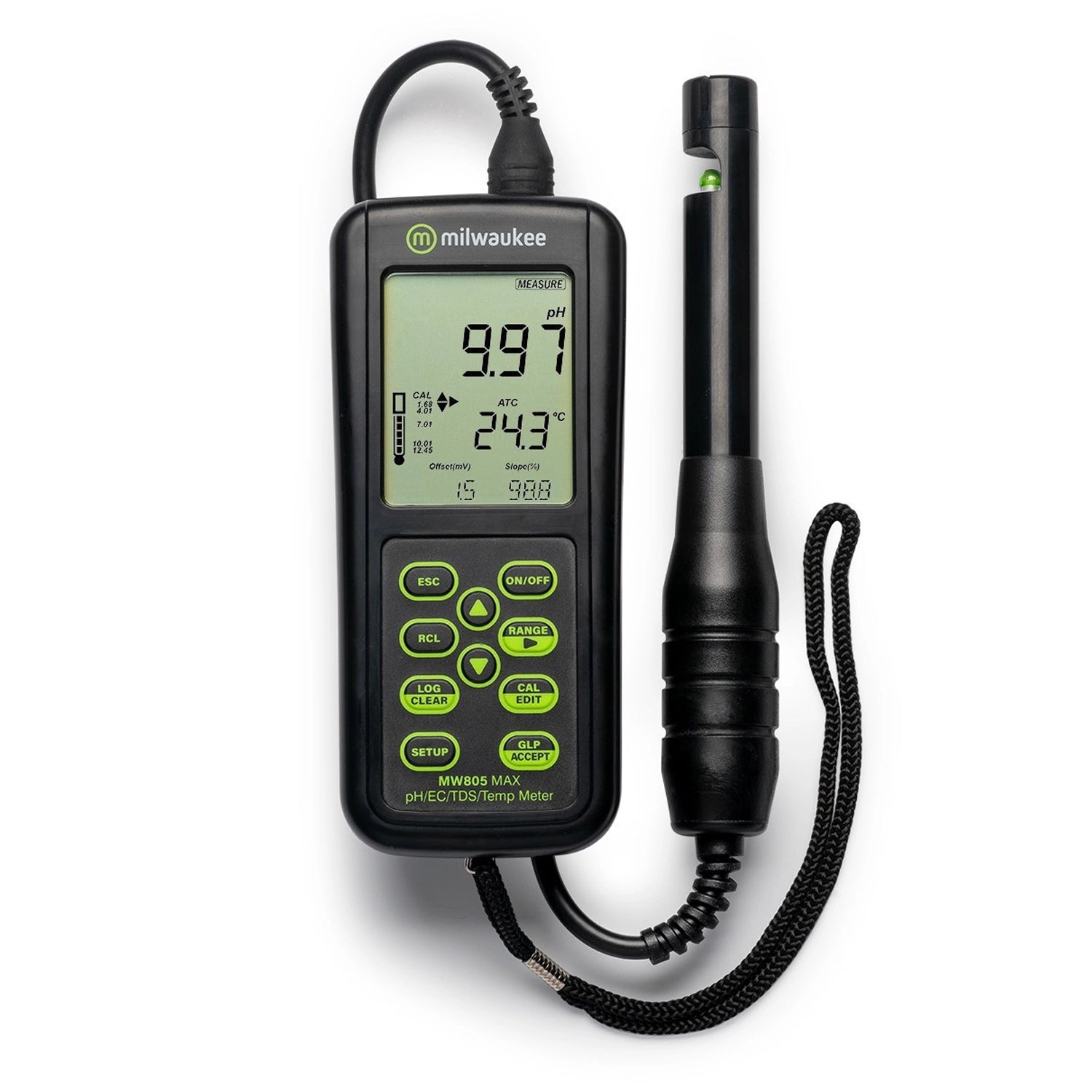
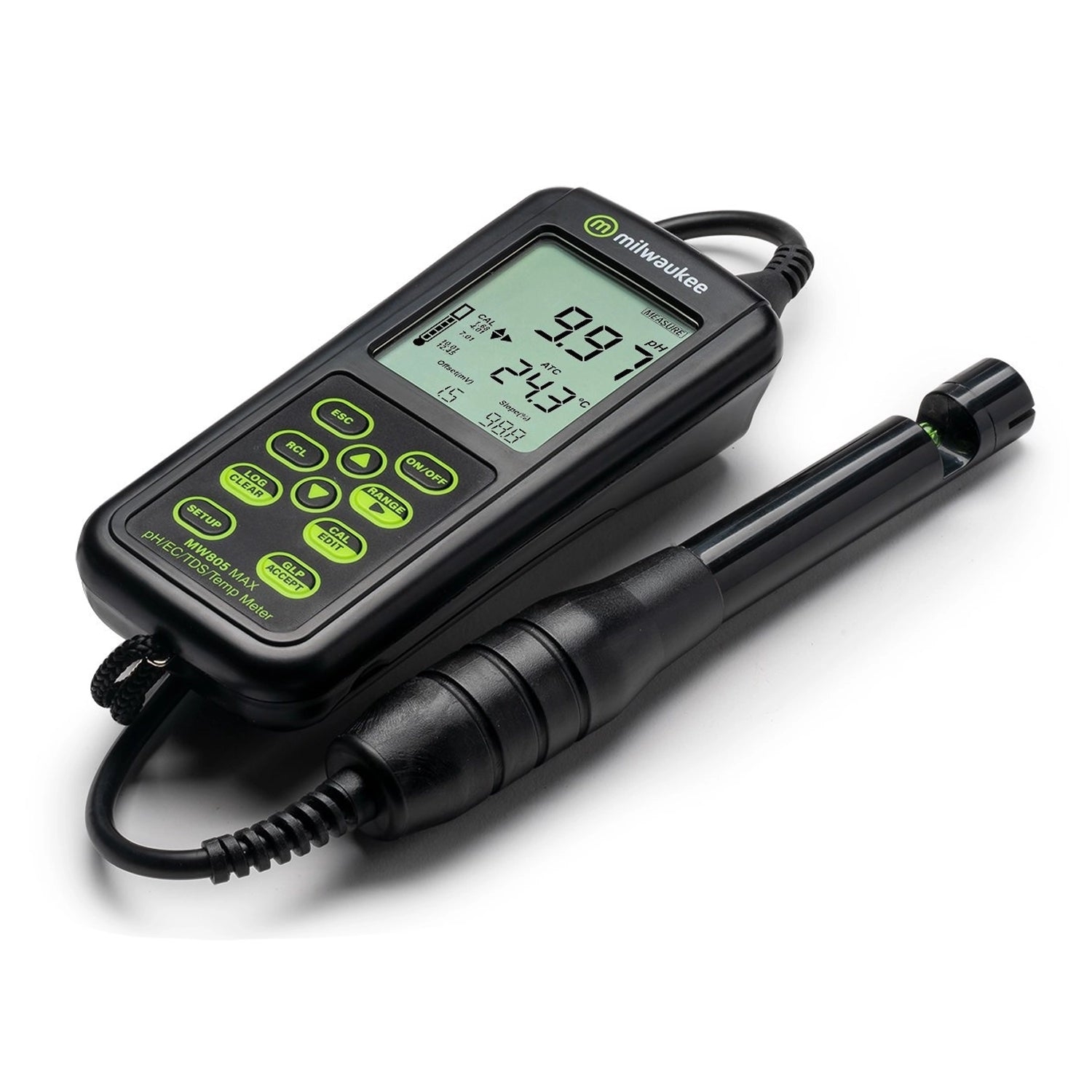
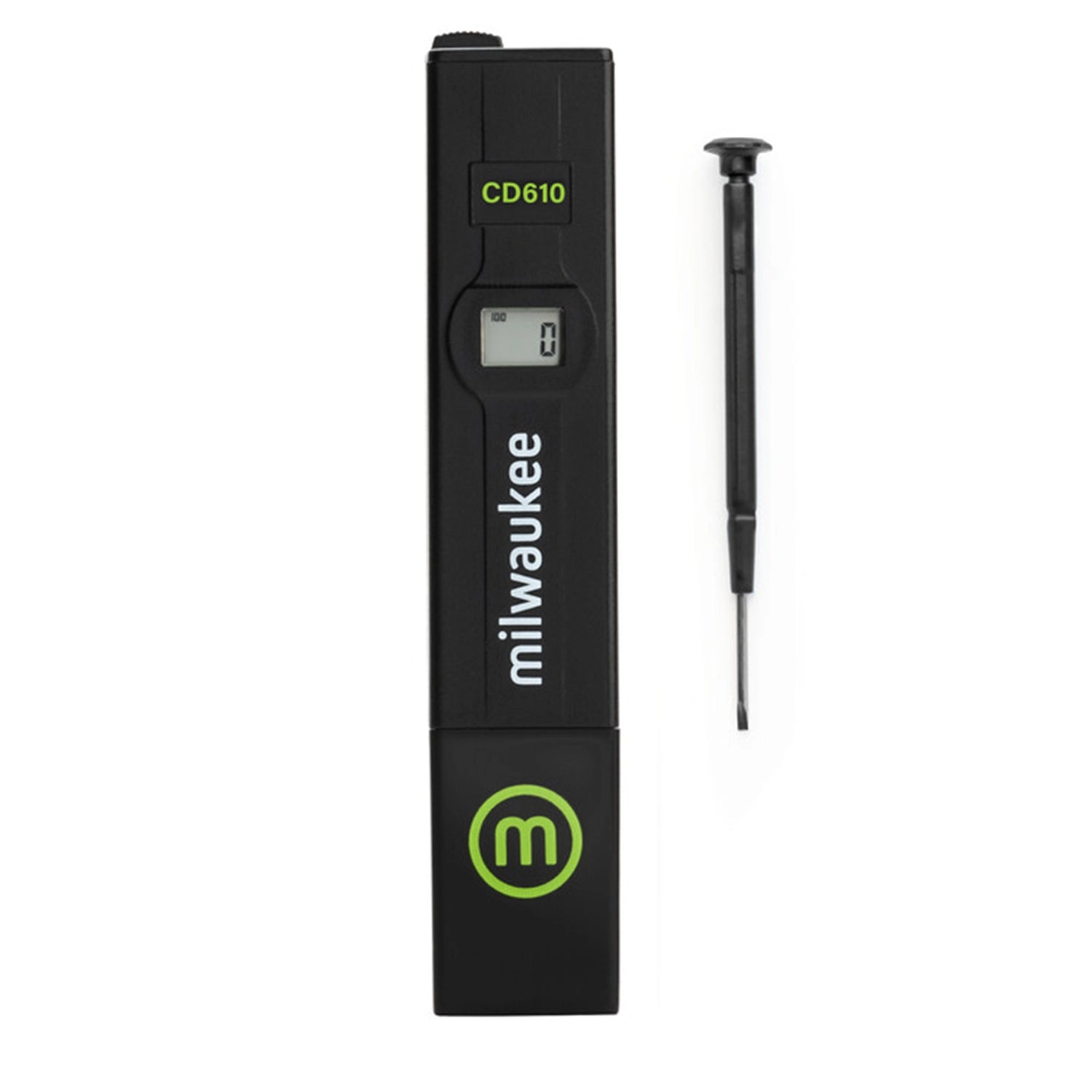
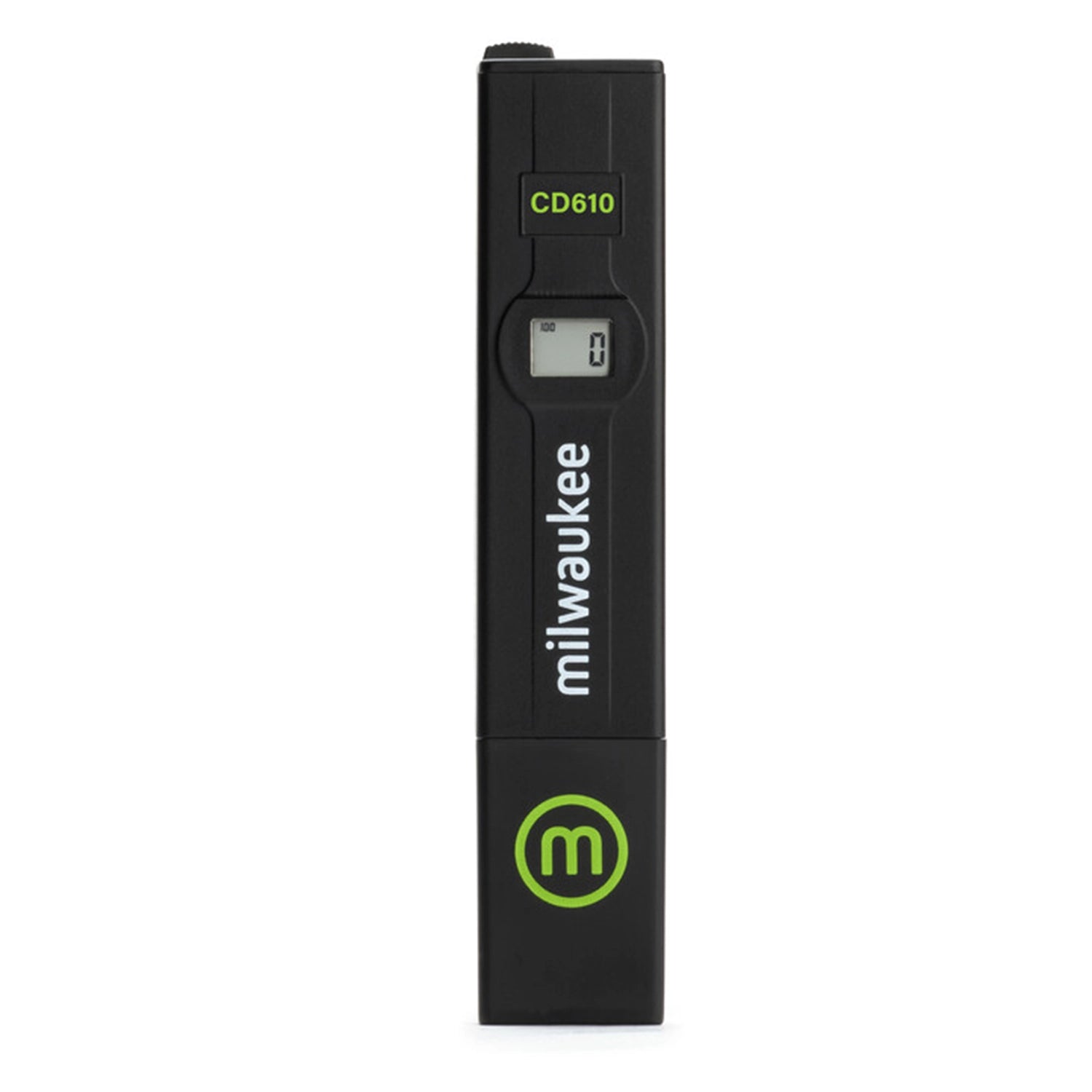
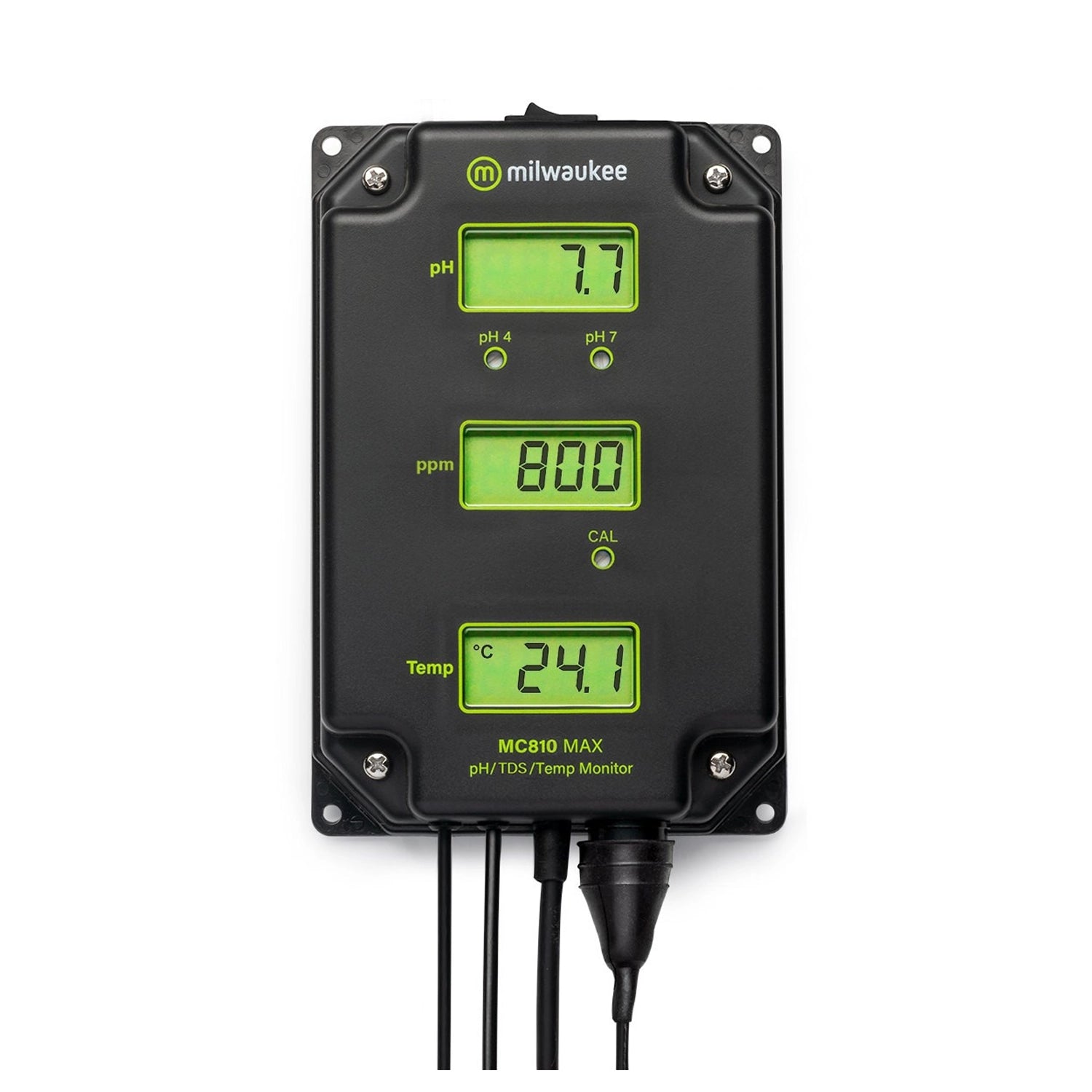
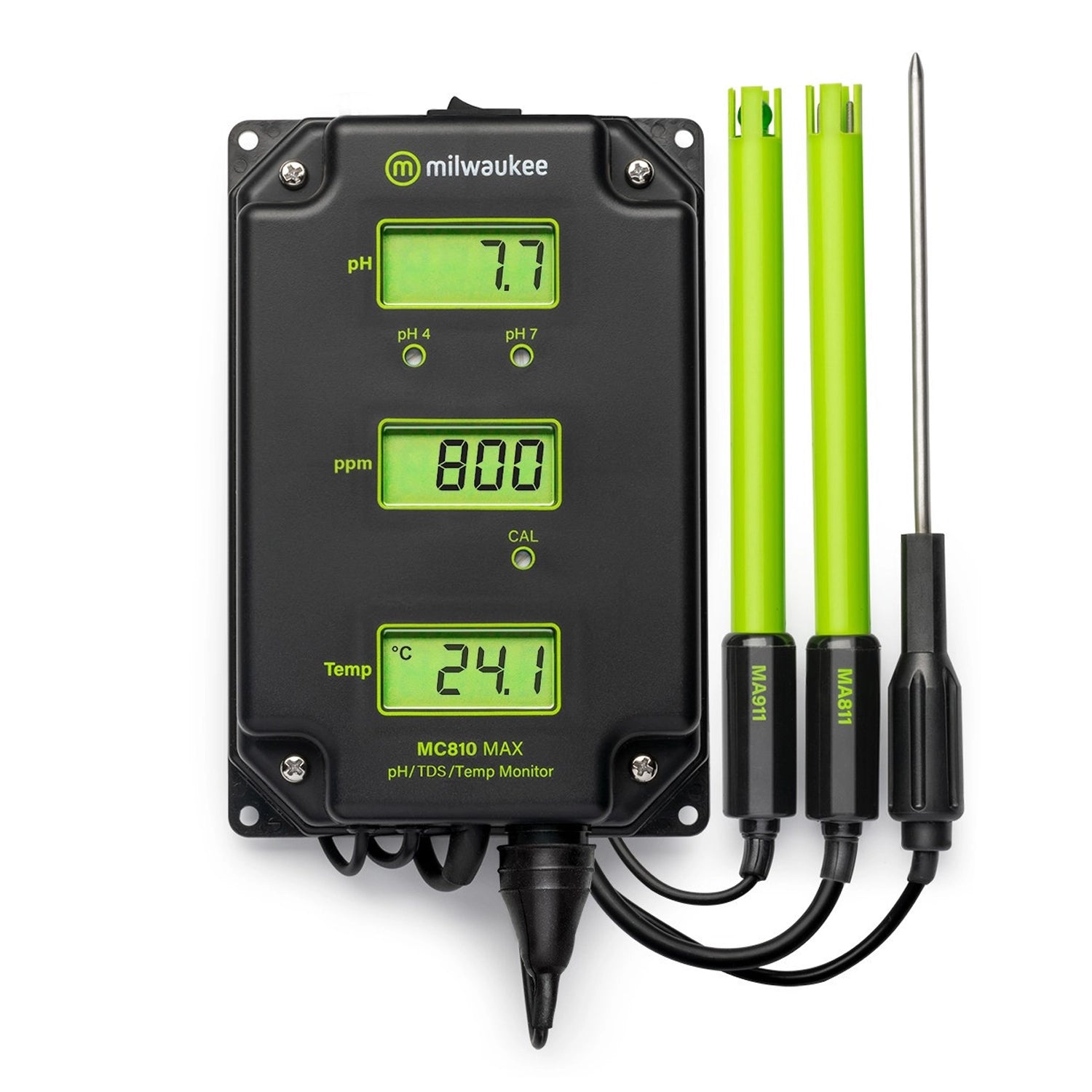
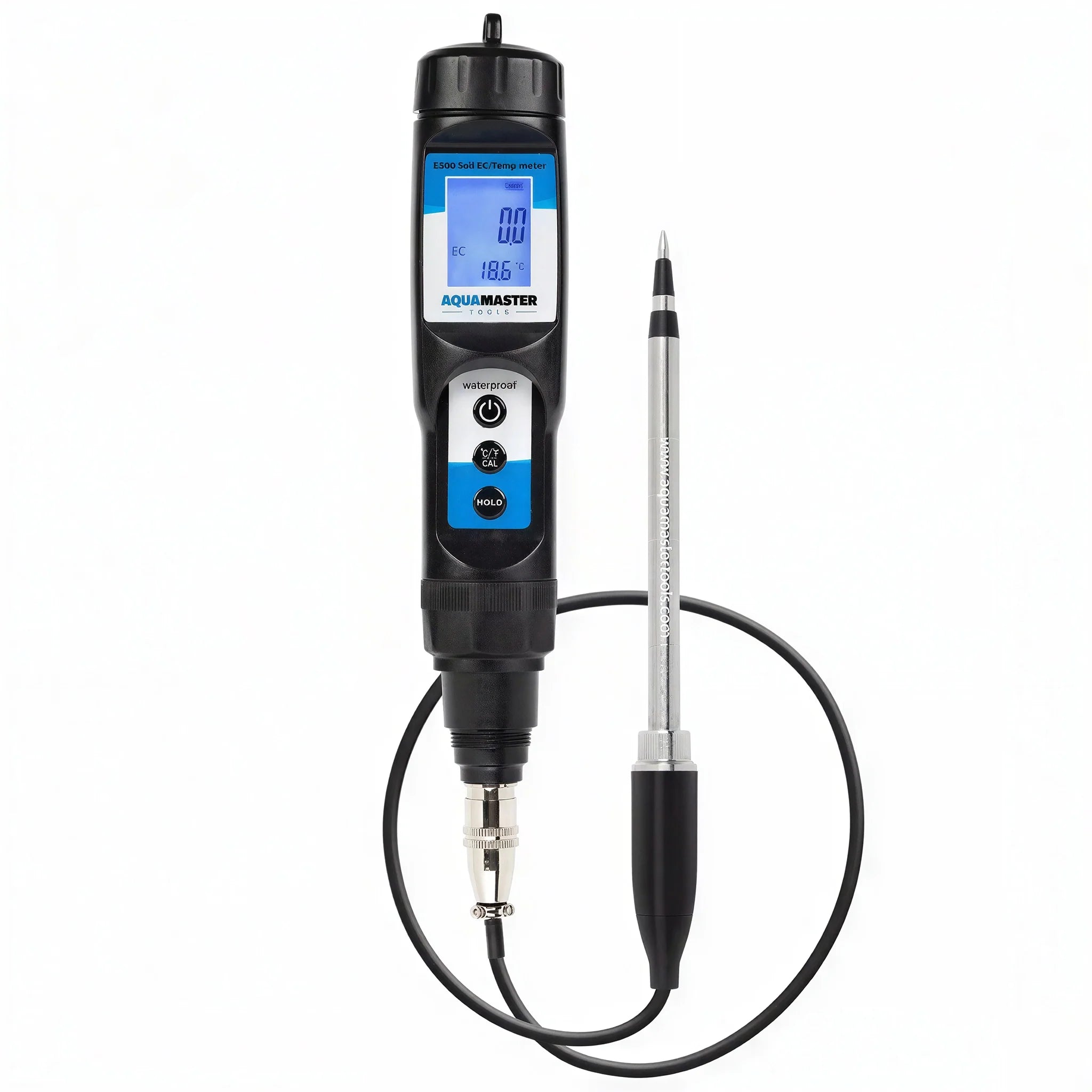
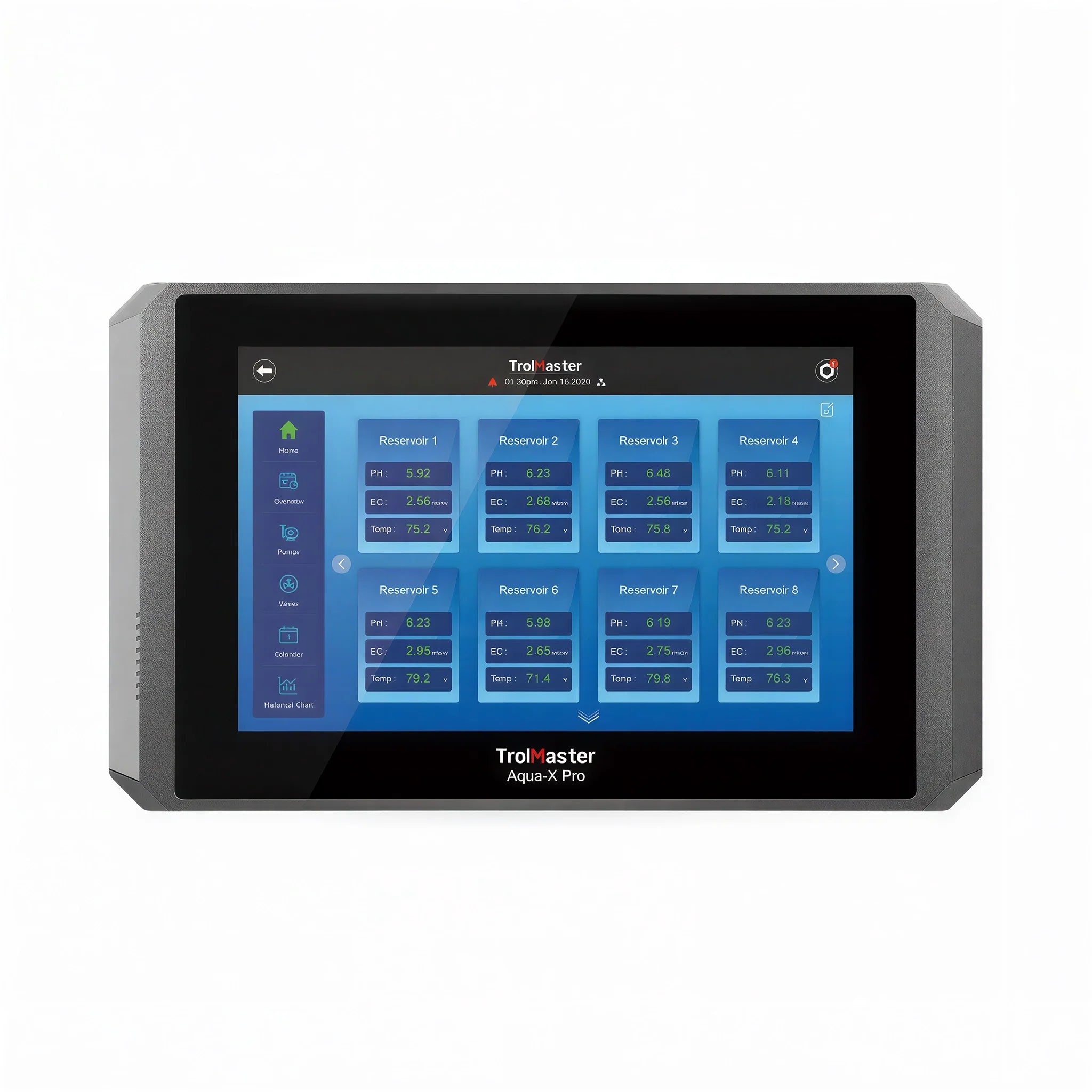
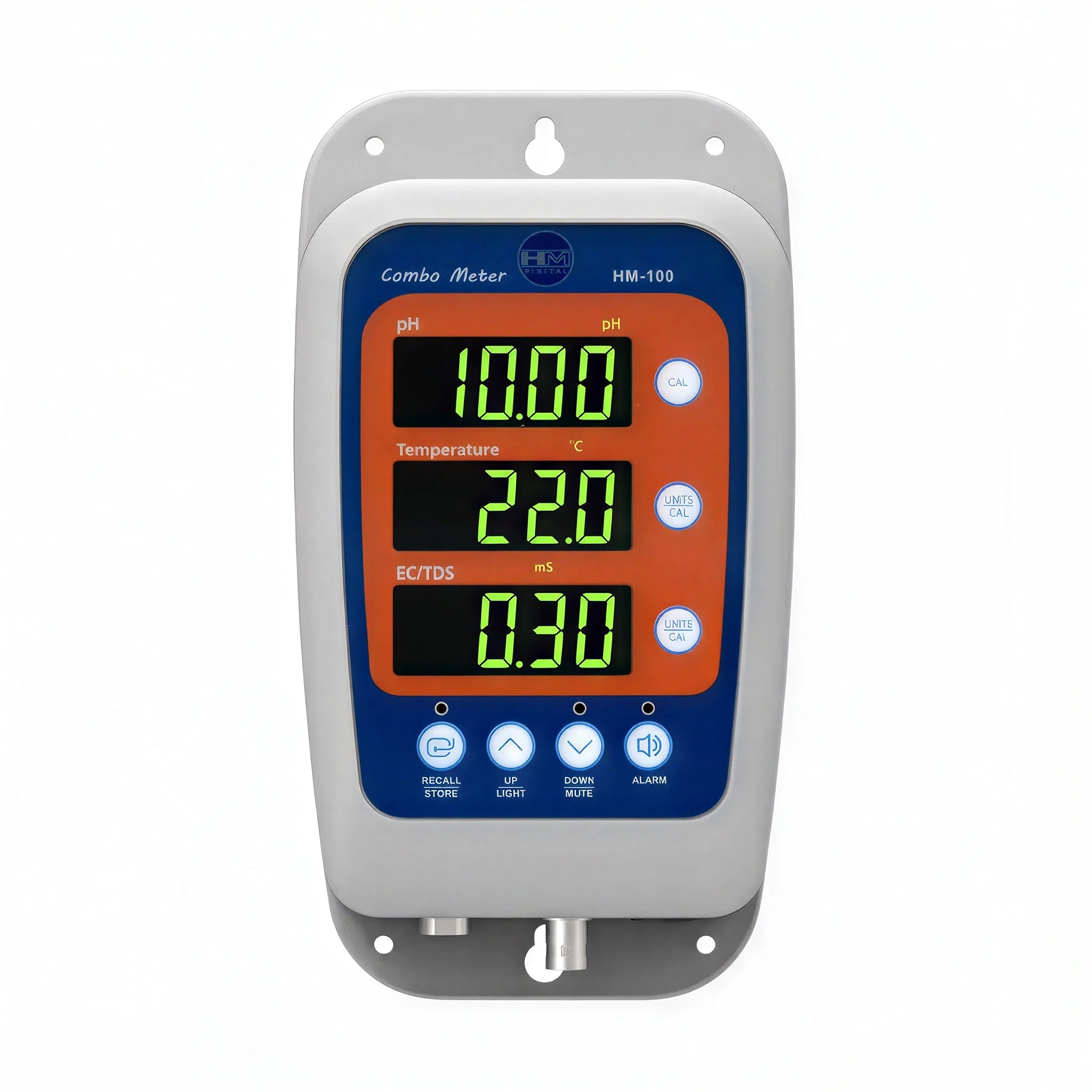
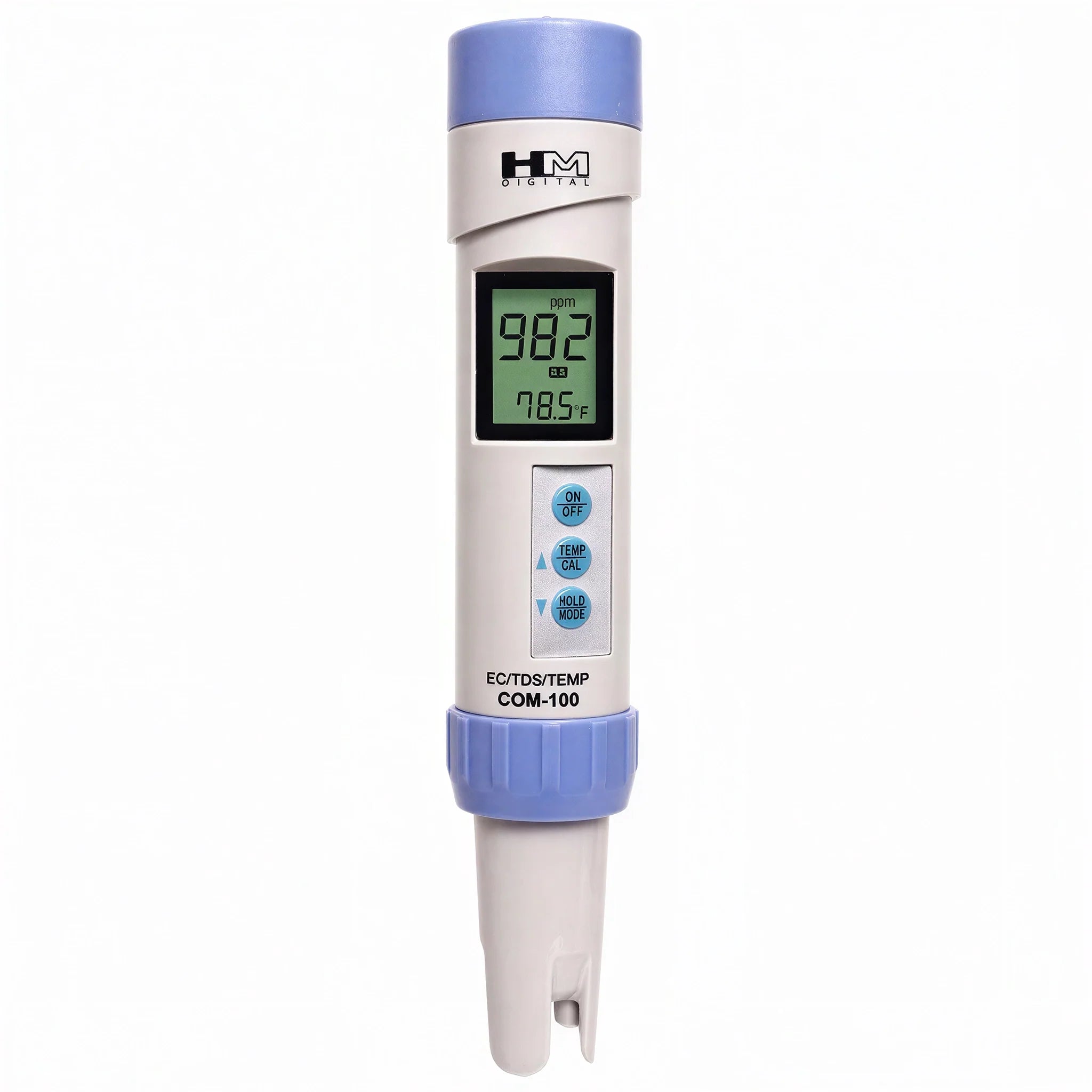
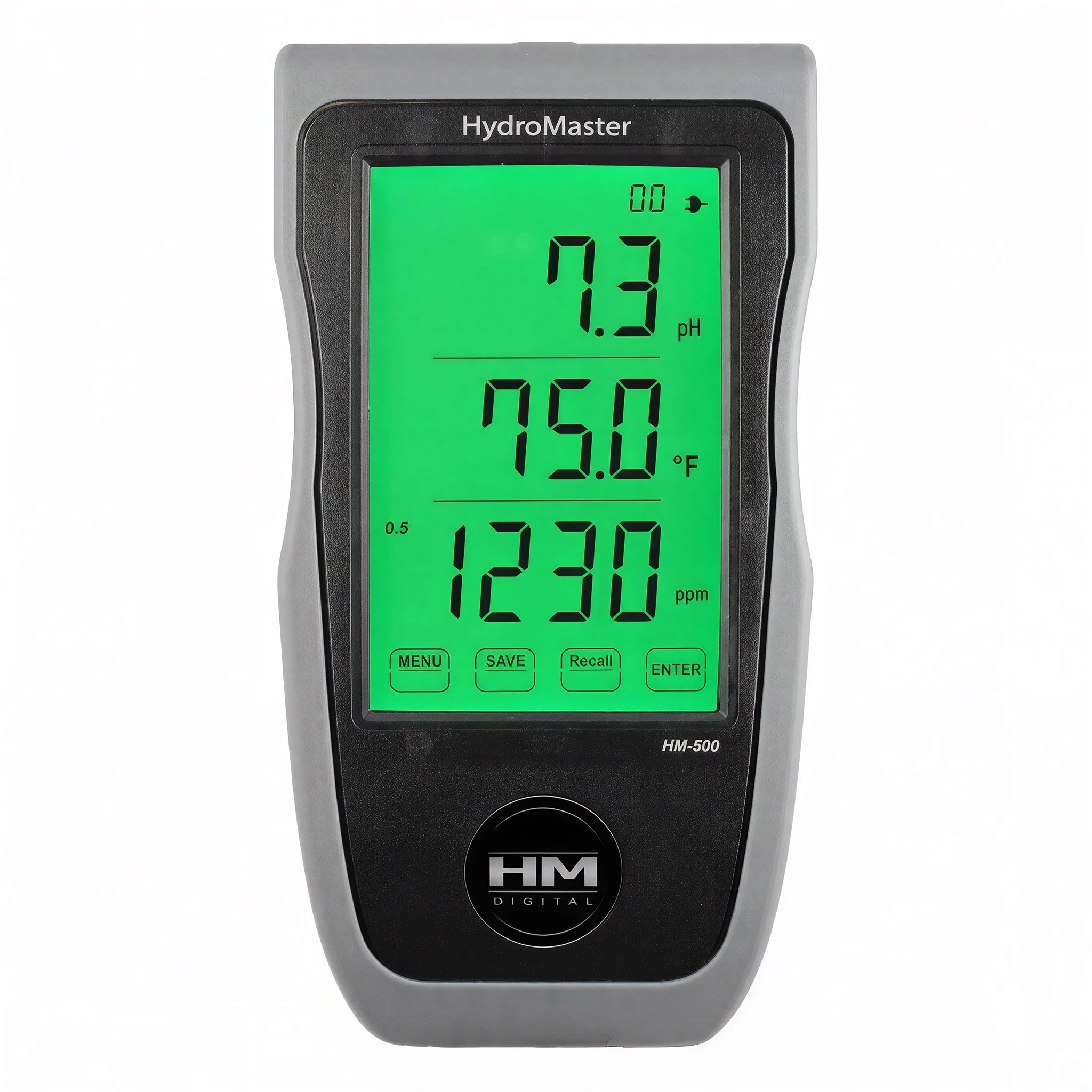
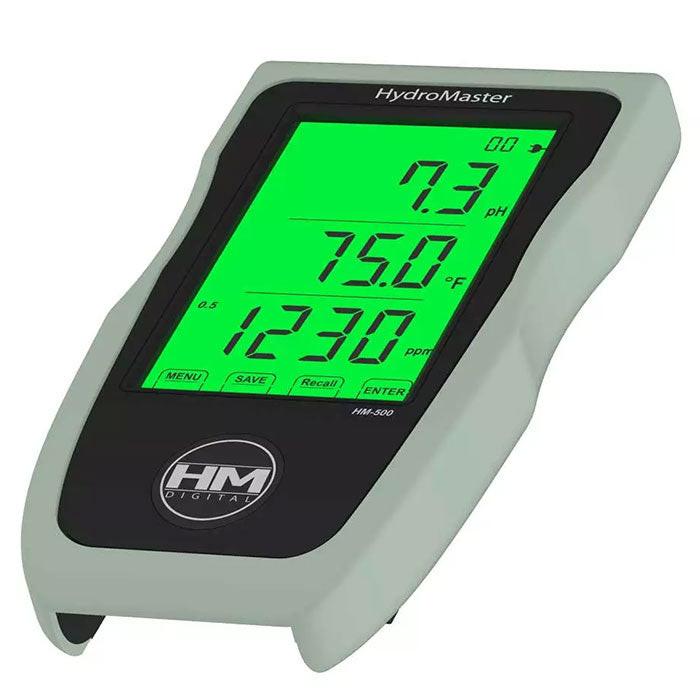
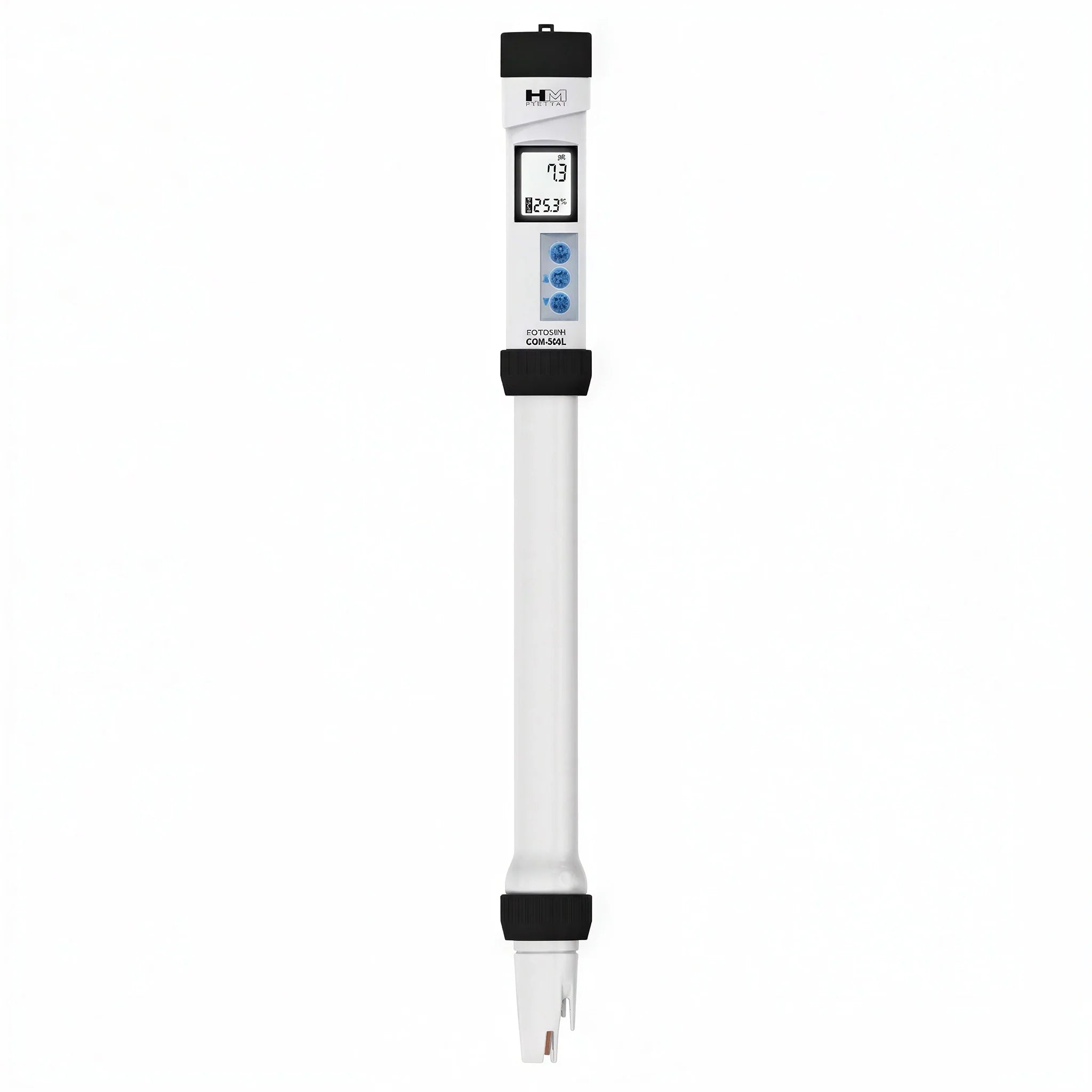
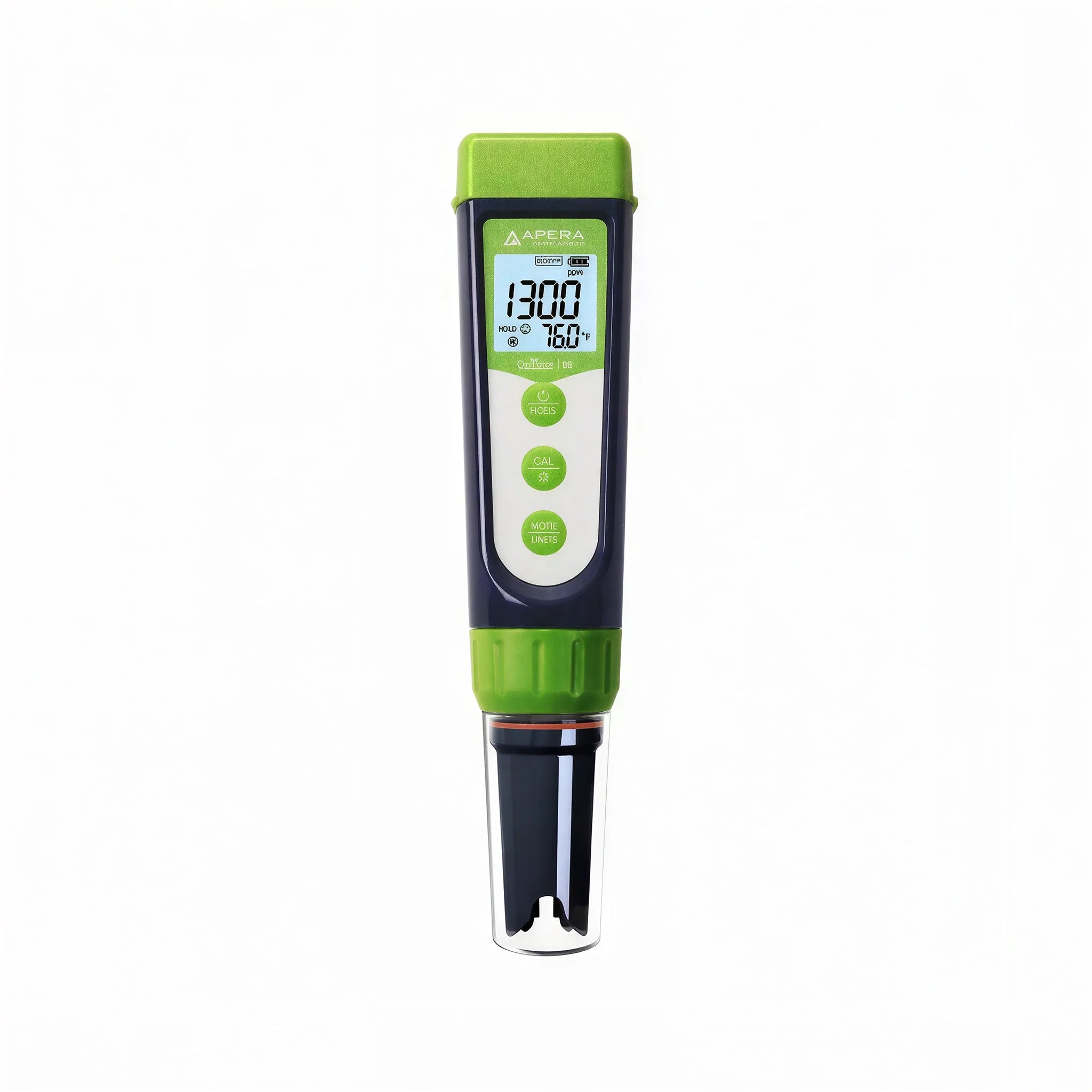
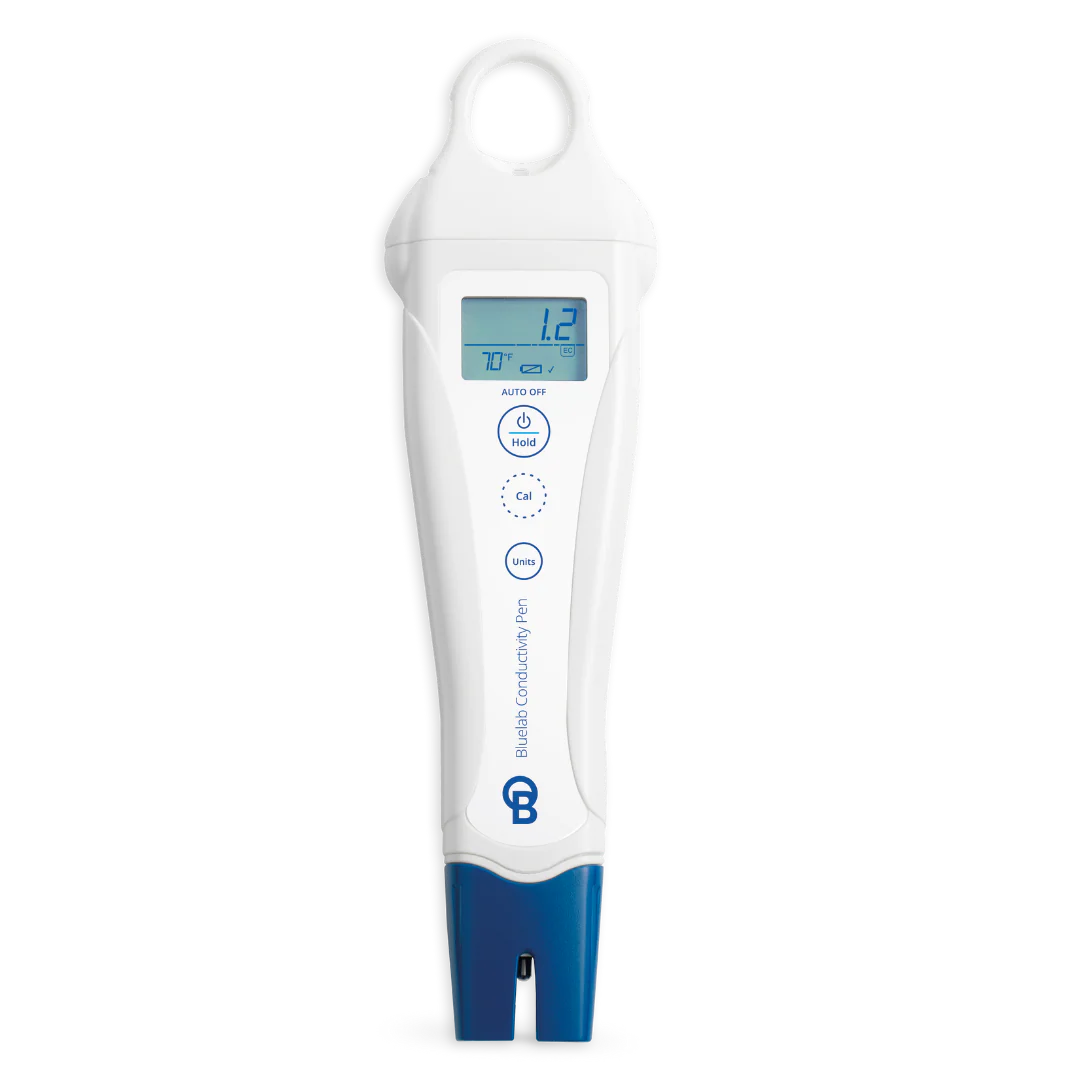
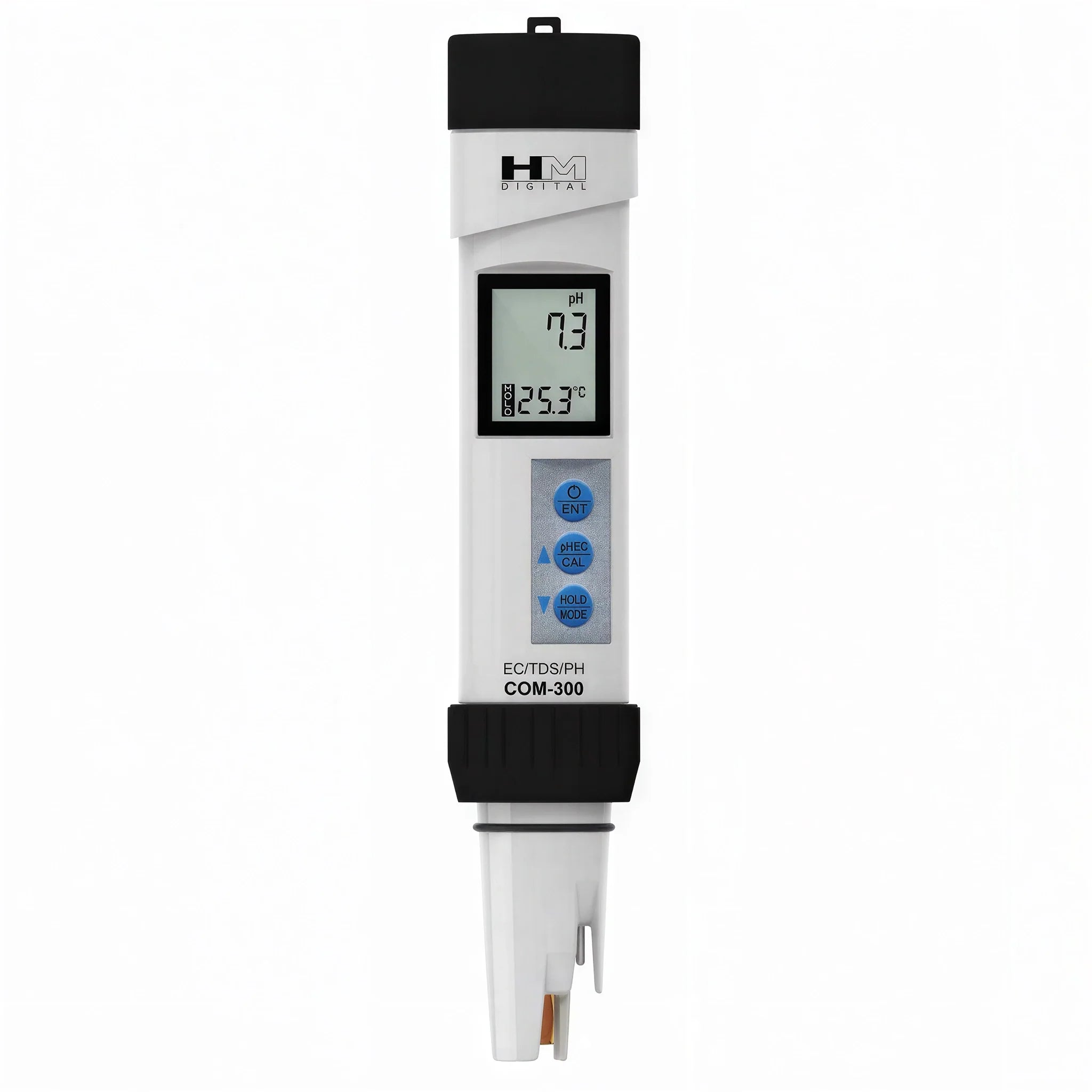
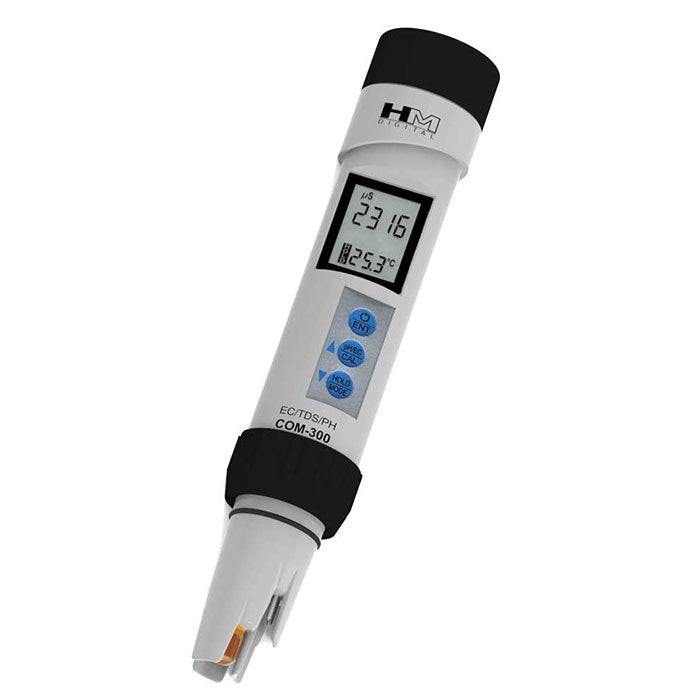
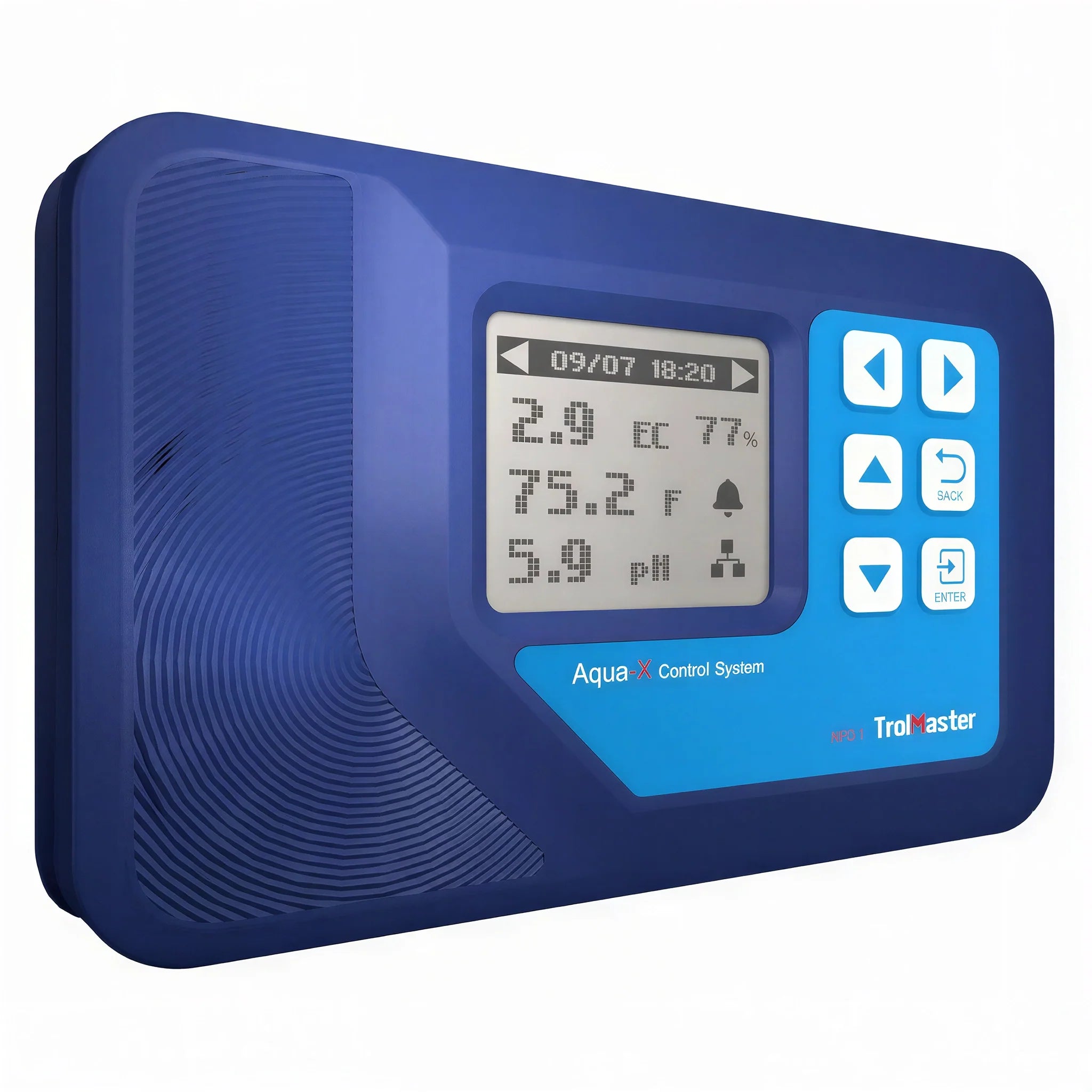
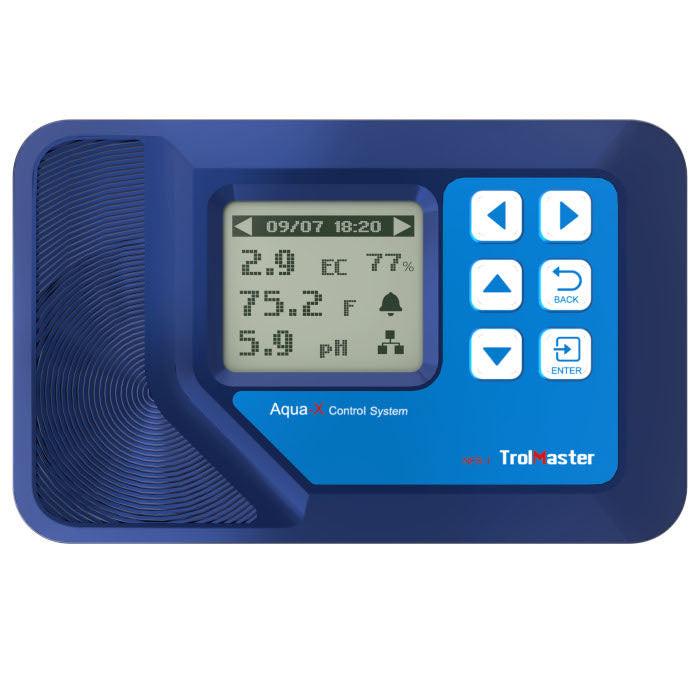
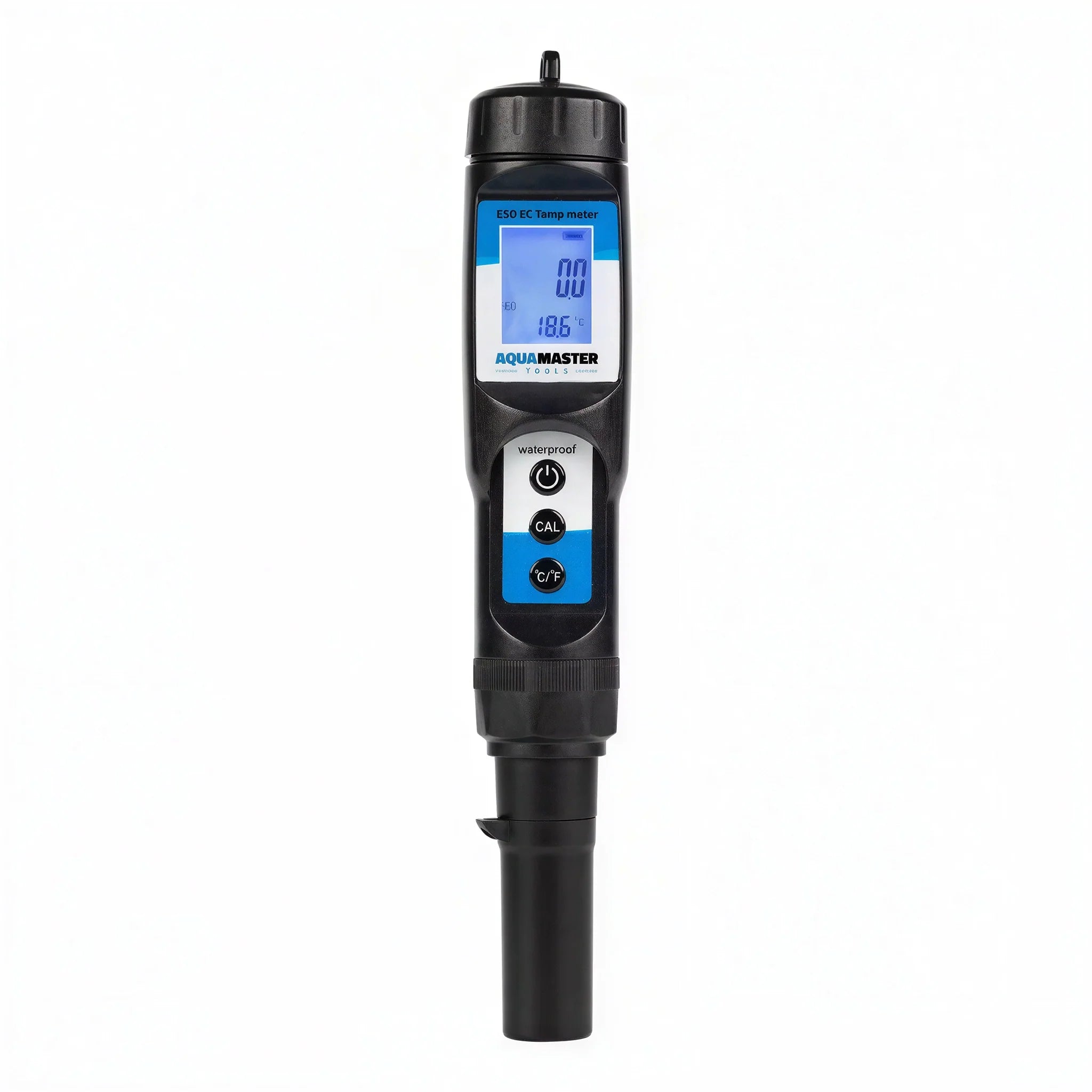
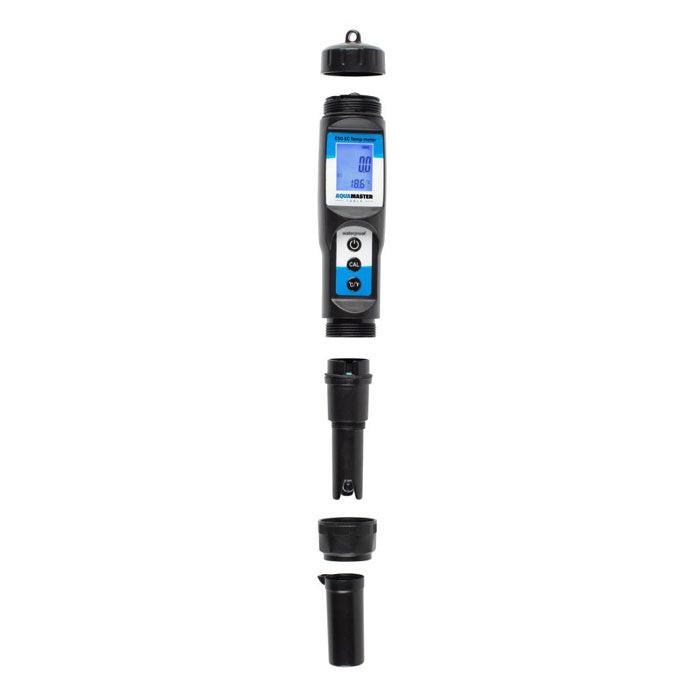
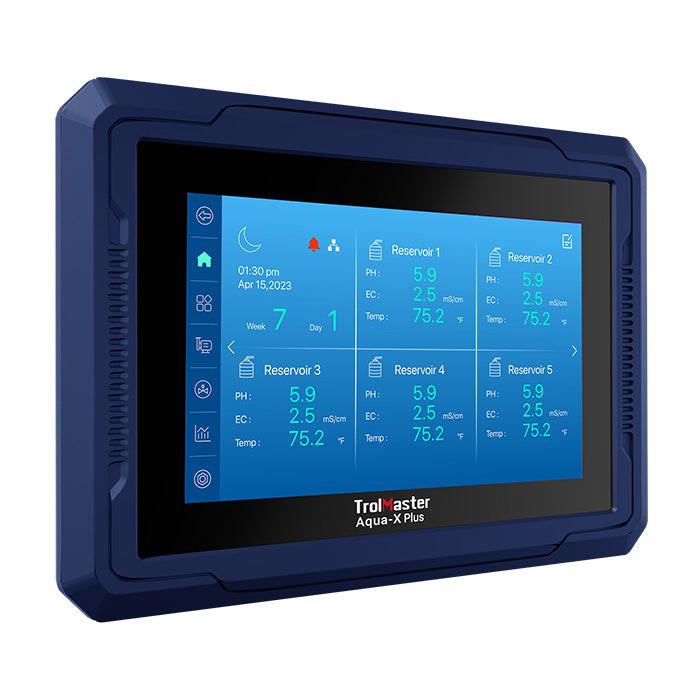
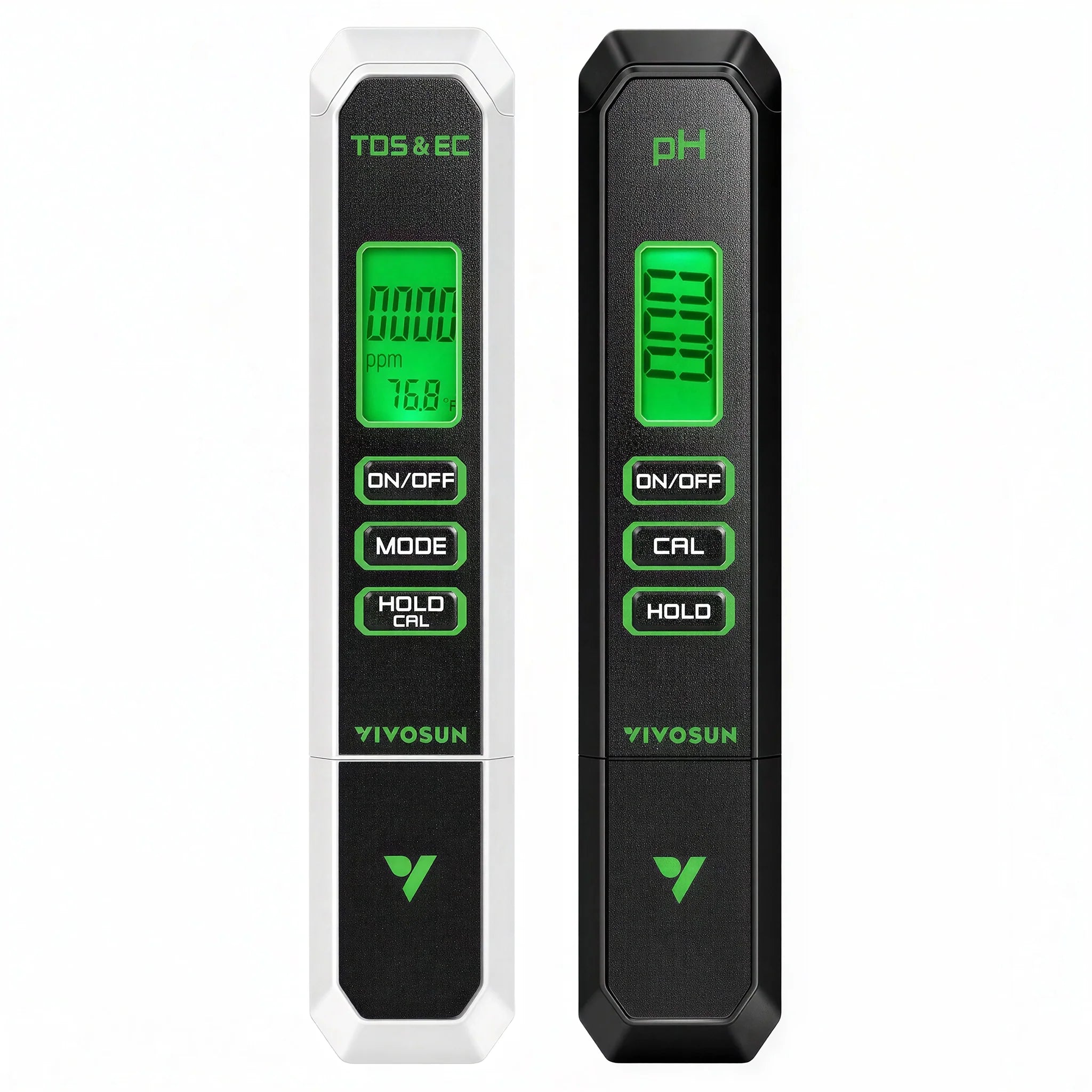
Hydrobuilder carries EC/PPM/TDS meters from Bluelab, Hanna Instruments, and Apera - all qualified brands with verified grower adoption and calibration accuracy appropriate for professional hydroponic use. Bluelab's Truncheon EC meter is the most widely used EC meter in commercial hydroponics - a durable, no-calibration-required design that provides reliable readings across a wide EC range and is routinely trusted in commercial production environments. Bluelab also produces the Combo Pen (pH + EC + temperature in one device) and the Pro Controller for automated continuous monitoring. Hanna Instruments produces precision laboratory-grade meters in a range of price points from basic TDS pens to research-grade benchtop units - their digital pens are popular for growers who want one-device simplicity with recognized accuracy. Apera offers a growing range of digital water quality testers with strong accuracy-to-price ratio and is well-regarded for their combo pH/EC/TDS pens.
When and How to Test EC
In recirculating hydroponic systems (DWC, RDWC, NFT), test EC daily. As plants absorb nutrients and water evaporates, EC drifts - top-offs with plain water lower EC while nutrient uptake without proportional water uptake raises EC. In coco and rockwool drip systems, test the EC of runoff from containers at each irrigation event or daily - runoff EC compared to input EC tells you whether nutrient concentration is accumulating (runoff EC higher than input) or depleting (runoff EC lower) in the medium. Target input-to-runoff EC within 0.2-0.5 mS/cm of each other for healthy coco management. Always calibrate your EC meter monthly with fresh calibration solution - probe fouling and sensor drift over time produce inaccurate readings. Pair with a pH meter for complete solution management, and use hydroponic nutrients formulated for the EC ranges your crop requires. with fresh calibration solution - probe fouling and sensor drift over time produce inaccurate readings that can cause nutrient management errors. Expert support available.
EC, PPM & TDS Meters FAQ
What is the difference between EC, PPM, and TDS meters?
All three measure the same thing - dissolved nutrient concentration in a solution - using different units. EC (electrical conductivity, in mS/cm) is the direct measurement. PPM (parts per million) and TDS (total dissolved solids) are EC converted by a multiplication factor - either the 500 scale (Hanna: 1 mS/cm = 500 ppm) or the 700 scale (Bluelab: 1 mS/cm = 700 ppm). A 2.0 mS/cm solution reads 1,000 ppm on a Hanna meter and 1,400 ppm on a Bluelab meter. Always record and communicate nutrient concentration in EC (mS/cm) to avoid confusion from different conversion scales when comparing feeding charts across nutrient brands or growing programs.
What EC should I be targeting in my hydroponic system?
Target EC varies by growth stage and crop type. General guidelines: seedlings 0.5-1.0 mS/cm; early vegetative 1.2-1.8 mS/cm; late vegetative 1.8-2.2 mS/cm; early flowering 2.0-2.4 mS/cm; peak flowering 2.2-3.0+ mS/cm (varies significantly by variety and environment); pre-harvest flush 0.0-0.5 mS/cm. Always follow the specific EC guidance from your nutrient program manufacturer as a starting point, then adjust based on plant response. High EC with slow plant growth and leaf edge tip burn indicates excess; low EC with yellowing and slow growth indicates deficiency. The EC meter is your primary tool for catching both conditions early.
How do I calibrate an EC meter?
Most digital EC meters calibrate with a single-point calibration using a reference calibration solution of known EC (typically 1.413 mS/cm or 2.764 mS/cm are common calibration standards). Rinse the probe with distilled water, dry gently, then submerge the probe in fresh calibration solution. Follow the meter's calibration procedure (typically pressing a calibration button and waiting for the reading to stabilize). Calibration solutions lose accuracy over time - use fresh solution from sealed individual-use pouches rather than reusing calibration solution from a bottle that has been opened multiple times. Calibrate monthly under normal use, or weekly if readings seem inconsistent.
What is a Bluelab Truncheon and why is it popular?
The Bluelab Truncheon is an EC meter designed specifically for hydroponic use that requires no calibration - a significant practical advantage over traditional calibration-dependent meters in a commercial growing environment. It uses an electronic reference system rather than a calibration buffer, maintaining accuracy over time without the monthly calibration maintenance that digital pen meters require. The Truncheon is durable, waterproof, and displays EC (mS/cm), ppm-500, and ppm-700 simultaneously. Its no-calibration design and durability have made it the default EC meter in many commercial hydroponic operations where meter reliability and minimal maintenance are priorities. For growers who want accurate EC readings without the calibration discipline, the Truncheon is the most practical choice.