Air Stones & Air Diffusers for Hydroponic Reservoirs
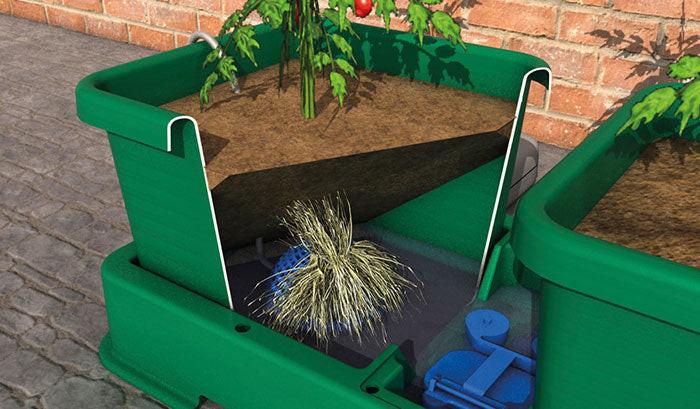
Air stones and air diffusers are the terminal components of a hydroponic aeration system - connected to an air pump via air tubing, they convert the pump's pressurized air output into fine bubbles distributed through the reservoir water. As bubbles rise through the water column, they transfer oxygen from the air into the dissolved oxygen pool of the nutrient solution, and they create circulation that prevents temperature and dissolved oxygen stratification in the reservoir. Adequate dissolved oxygen is fundamental to root health in DWC, RDWC, and any system where roots are in direct contact with the nutrient solution.
Air Stone Formats
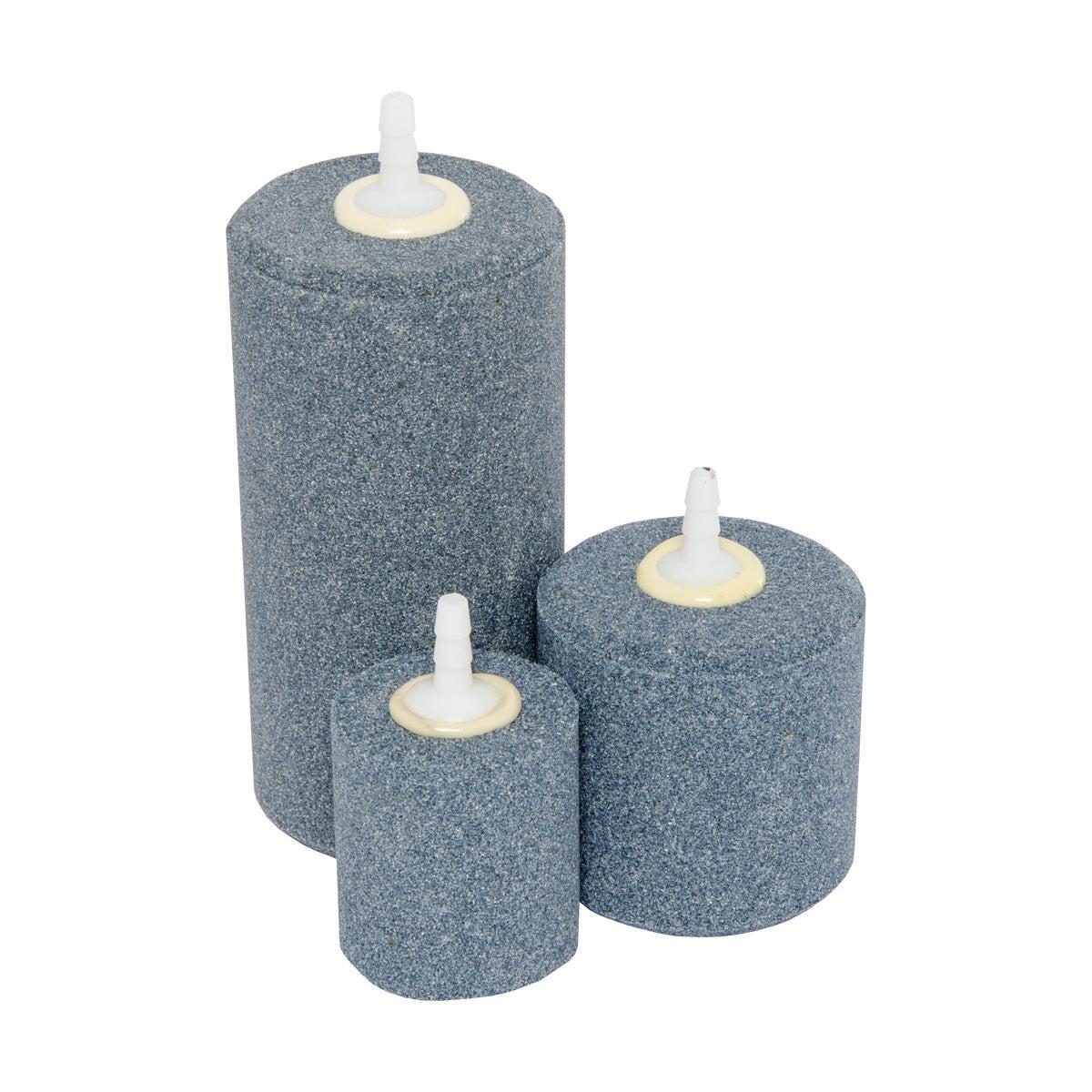
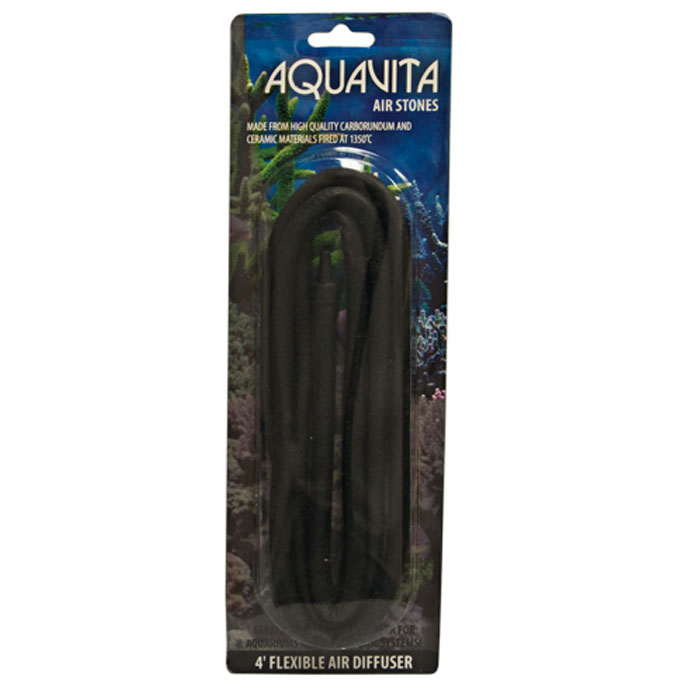
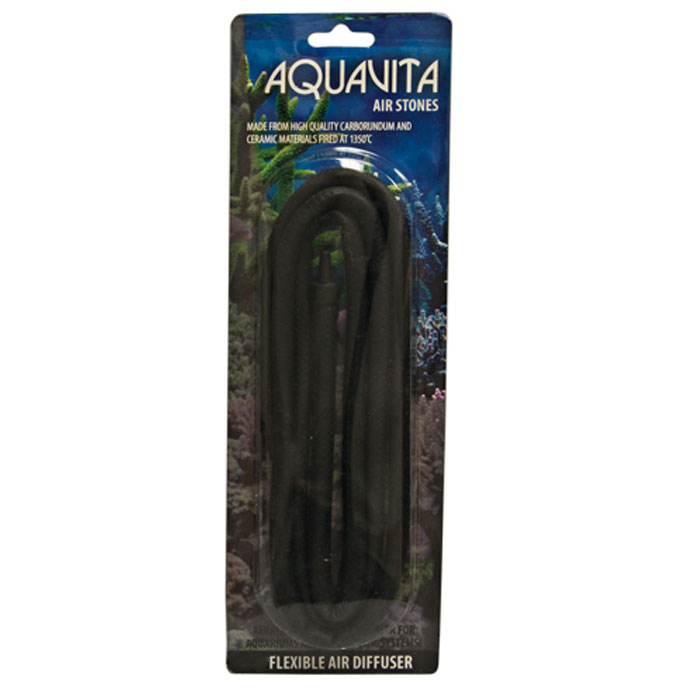
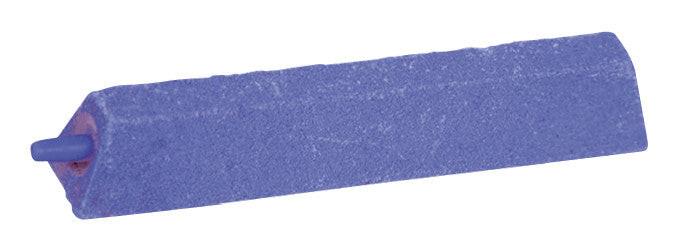
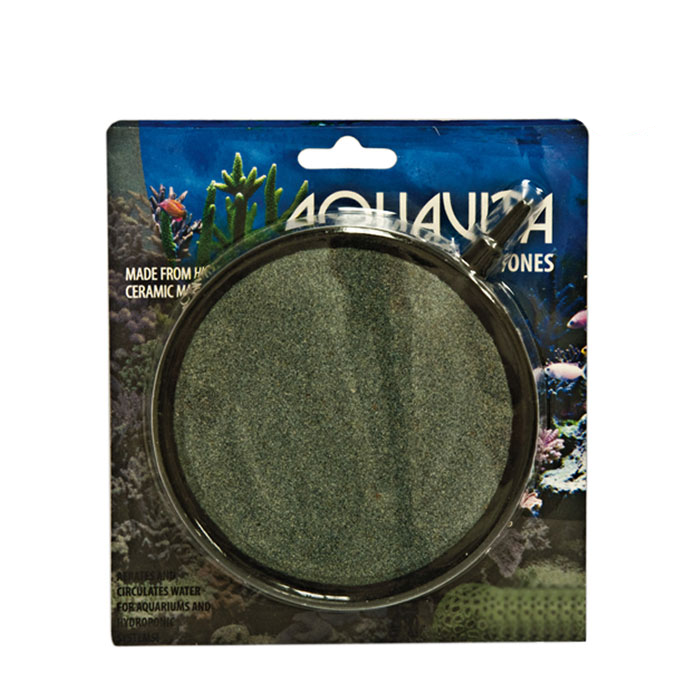
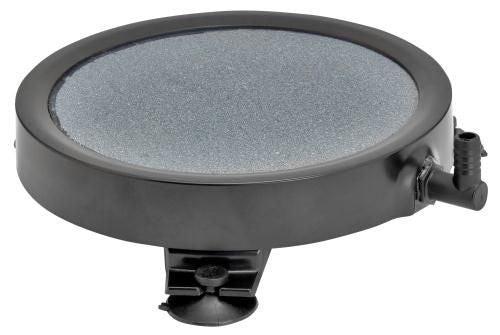
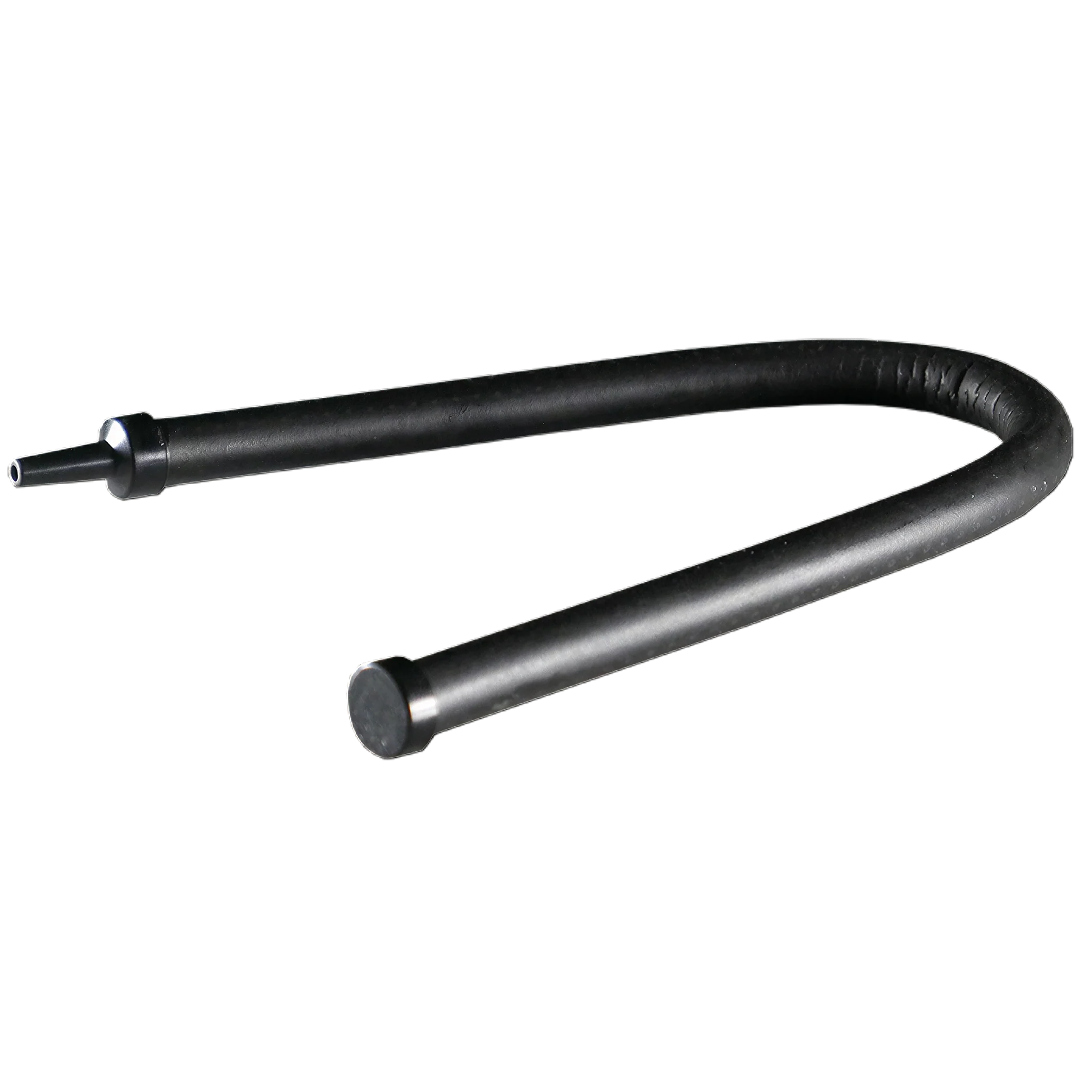
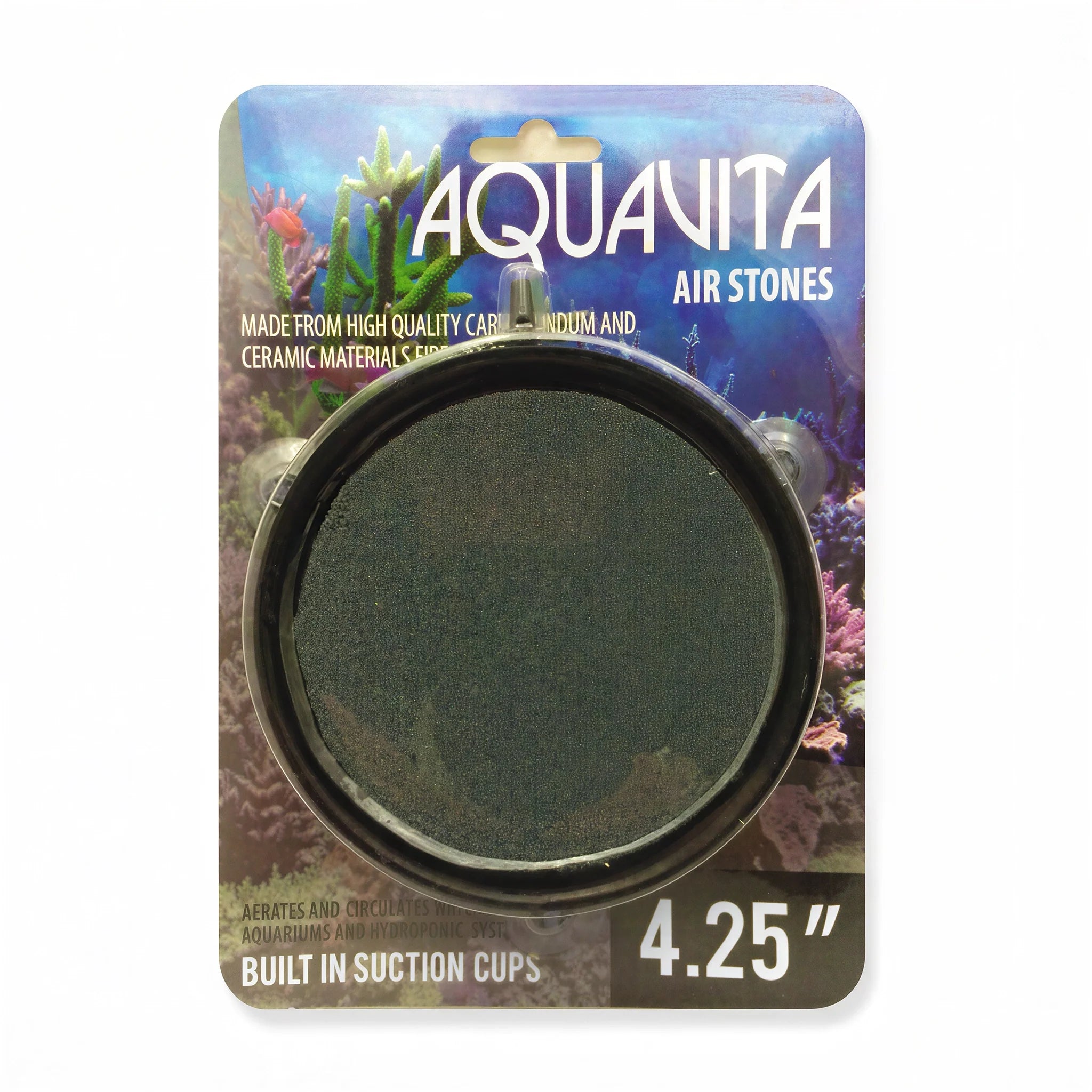
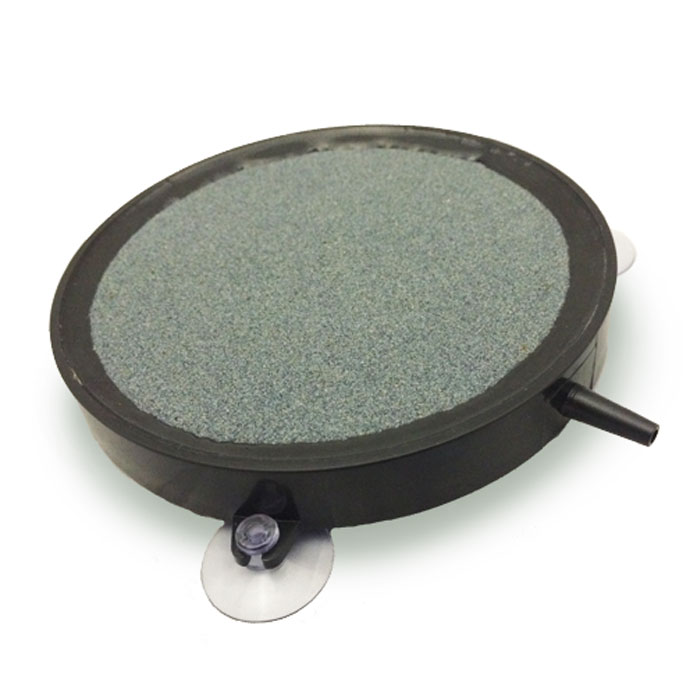
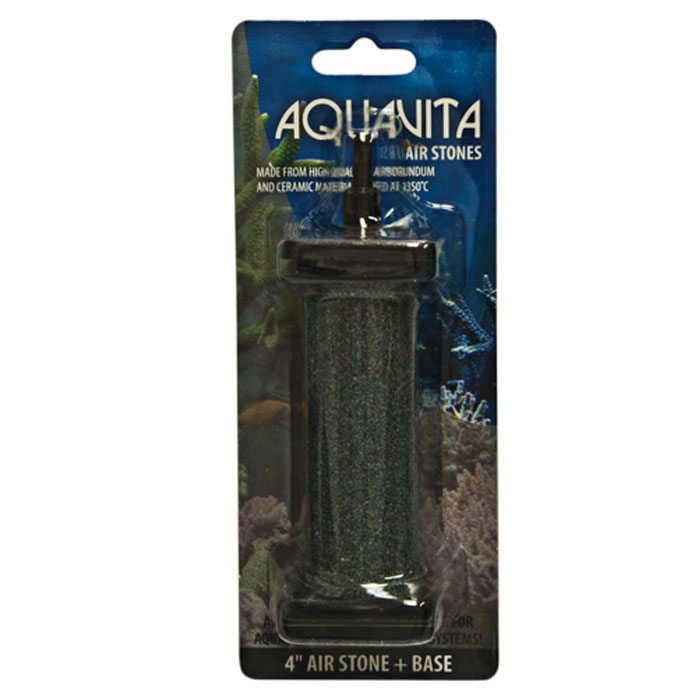
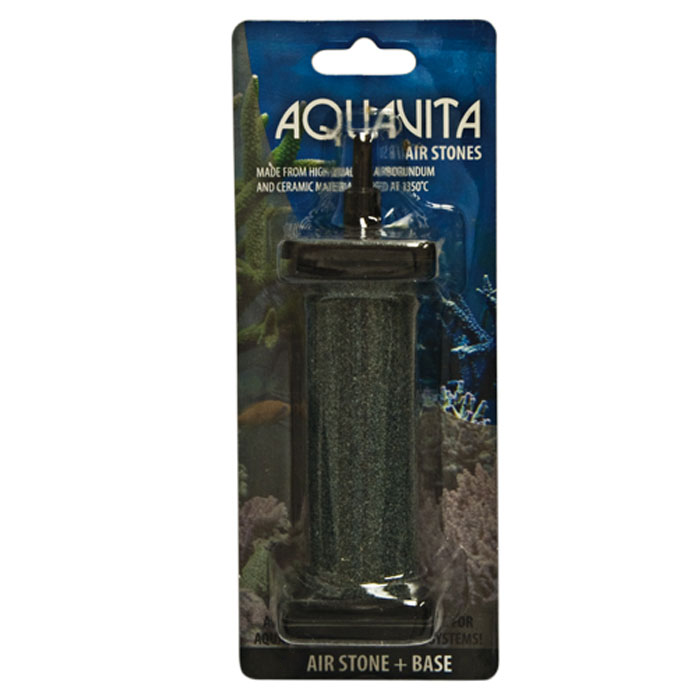
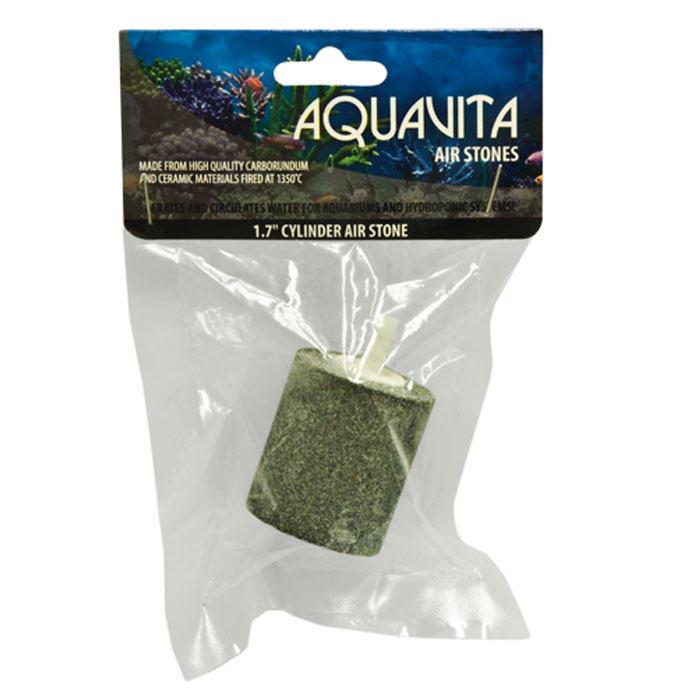
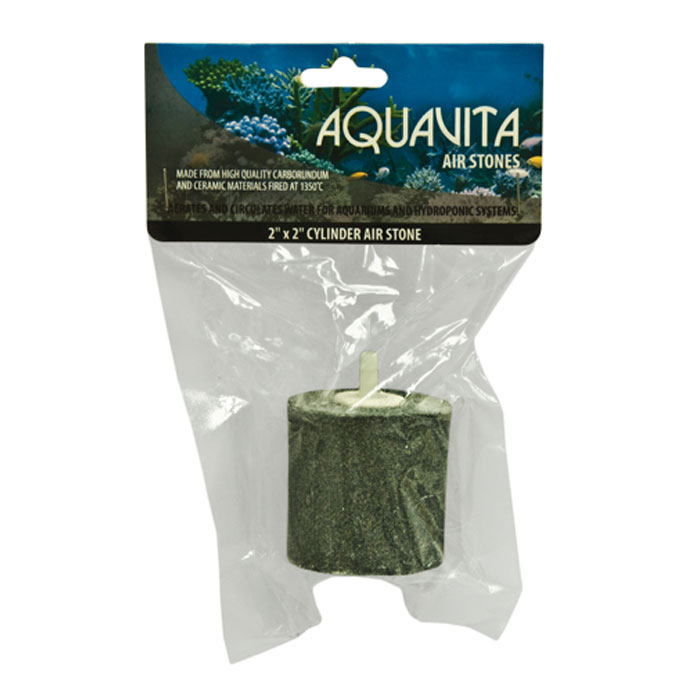
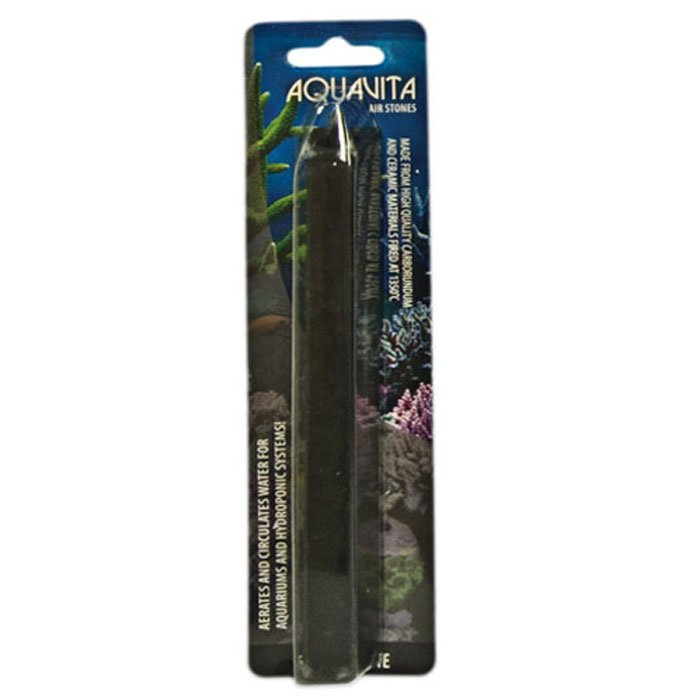
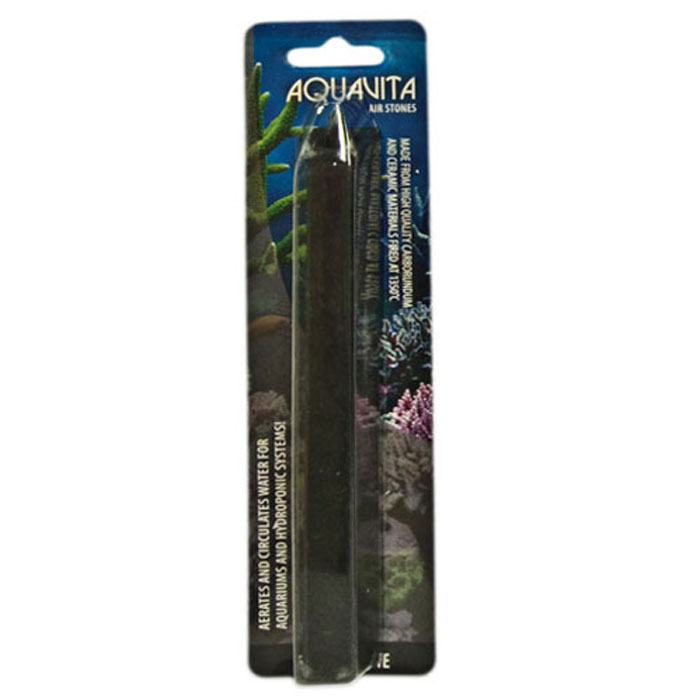
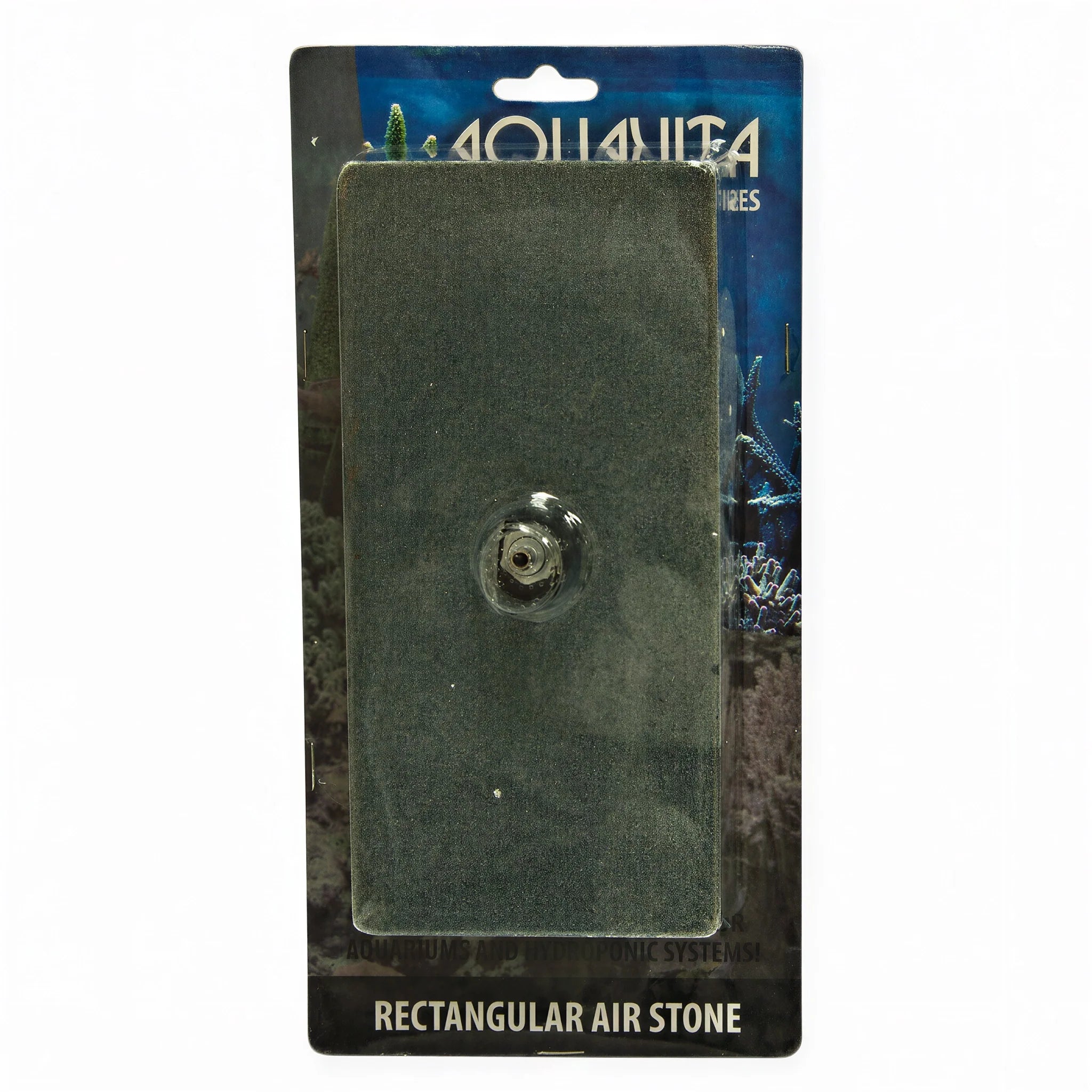
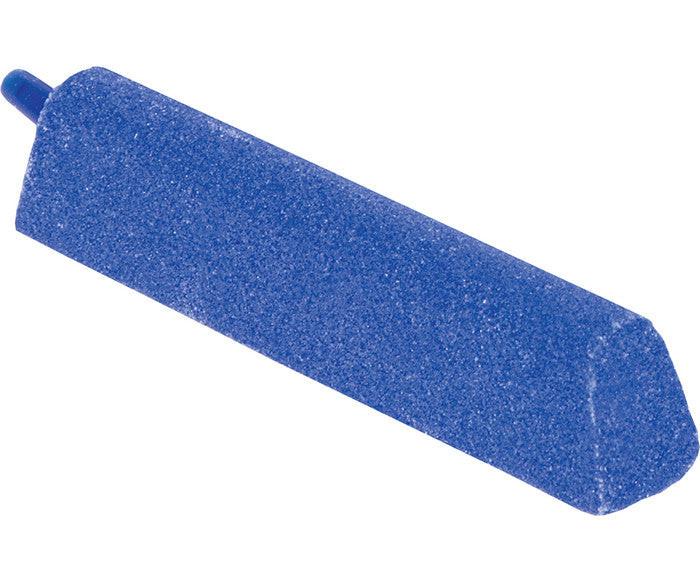
Cylindrical air stones (the classic aquarium format) produce moderate-sized bubbles from a mineral-bonded stone or ceramic element. Disc diffusers produce finer bubbles from a larger surface area, providing better oxygen transfer efficiency per unit of air pumped - the smaller the bubble, the larger the surface area-to-volume ratio and the more efficient the gas transfer. Flexible curtain diffusers (airstones in a long flexible tube format) allow distribution of aeration across the full reservoir floor rather than a single point. Membrane or ceramic disc diffusers in commercial formats produce the finest bubble size of any passive diffuser - approaching the micro-bubble range that dramatically improves DO transfer compared to standard stone aeration. For dissolved oxygen above what standard aeration can achieve - sometimes needed in commercial programs - see our nanobubble generator collection.
Sizing & Replacement
Air stones lose efficiency as the pores foul with mineral scale and biological deposits - a stone that produced fine bubbles when new produces coarser, less-efficient bubbles as it ages. Clean air stones monthly by soaking in dilute hydrogen peroxide (3%) or white vinegar for 30-60 minutes; replace when cleaning no longer restores fine bubble production. Match air stone size to reservoir volume: for DWC buckets (5-7 gallon), a 4-6 inch cylindrical stone or a 4-inch disc provides adequate coverage; for larger reservoirs (50-100 gallon), multiple stones or a long curtain diffuser ensure full coverage. Fast shipping.
Air Stones & Diffusers FAQ
How do I know if my air stone needs replacing?
Compare the bubble production now versus when the stone was new. A degraded air stone produces fewer, larger, coarser bubbles rather than a dense cloud of fine bubbles. Before replacing, try cleaning: soak in 3% hydrogen peroxide or 1:10 white vinegar dilution for 30-60 minutes, then rinse thoroughly. If cleaning restores fine bubble production, the stone is still functional. If bubbles remain coarse after cleaning, the pores are irreversibly fouled or the stone material has degraded - replace it. Air stones are inexpensive; replacing annually as a preventive practice is more reliable than running degraded stones.
What size air stone do I need for my DWC reservoir?
For a standard 5-gallon DWC bucket: a 4-inch cylindrical air stone or 4-inch disc diffuser provides adequate aeration with a quality single-outlet pump rated for 1-2 LPM output. For larger buckets or reservoirs (10-20 gallon): one 6-inch cylindrical stone or two 4-inch stones provide better coverage. For large commercial reservoirs (50+ gallon): multiple stones distributed across the reservoir floor, or a long curtain diffuser spanning the reservoir length, ensure even oxygenation throughout the water volume rather than concentrating aeration at one point.
Do I need air stones if I have a recirculating pump?
Recirculating pumps provide some dissolved oxygen through surface agitation at the return point and through turbulence in the flow, but typically less than dedicated air stone aeration provides. For RDWC systems: a combination of recirculation flow and air stones in each bucket site produces consistently higher DO than either alone. For simple DWC without recirculation: dedicated air stones are the primary DO delivery mechanism and are not optional for maintaining the 8+ mg/L DO target that healthy DWC root zones require.
Why do my roots turn brown even though I have air stones?
Brown roots in a DWC system with running air stones indicate: (1) DO may be adequate but root pathogens (Pythium) are present - air stones alone do not kill pathogens; (2) Reservoir temperature is above 68 degrees F, where Pythium thrives even with good aeration; (3) The air stones are fouled and delivering less oxygen than the air pump's output suggests; (4) Reservoir EC or pH is outside the range causing osmotic stress that appears as brown discoloration. Check reservoir temperature first - temperature is the most common contributor to root browning alongside pathogen pressure.
Can I run too much air in a hydroponic reservoir?
Excessive aeration is rarely a practical problem in standard DWC and reservoir setups - the water absorbs what it can and excess air simply vents at the surface without harm. The theoretical concern is that very aggressive surface agitation from very high airflow can increase CO2 outgassing from the reservoir, which can slightly affect pH stability, but this is only a consideration in extremely high-airflow scenarios. For practical growing purposes, err toward more aeration rather than less - the benefits of high DO are well-documented and the risks of over-aeration are negligible.