Scissor Cleaner & Trimming Tool Cleaning Solutions
Trimming scissors and machine blades accumulate resin rapidly during use - a sticky, tacky botanical resin coating that builds up between blade faces, around the pivot, and on cutting edges, creating friction that increases cutting effort and accelerates hand fatigue. Purpose-formulated scissor cleaners dissolve and release resin buildup more effectively and safely than improvised cleaning methods, restoring blade action to near-new performance. Regular cleaning during trimming sessions (every 30-45 minutes) and thorough post-session cleaning extends blade sharpness, reduces pivot wear, and makes each cutting session more manageable.
Cleaning Solutions
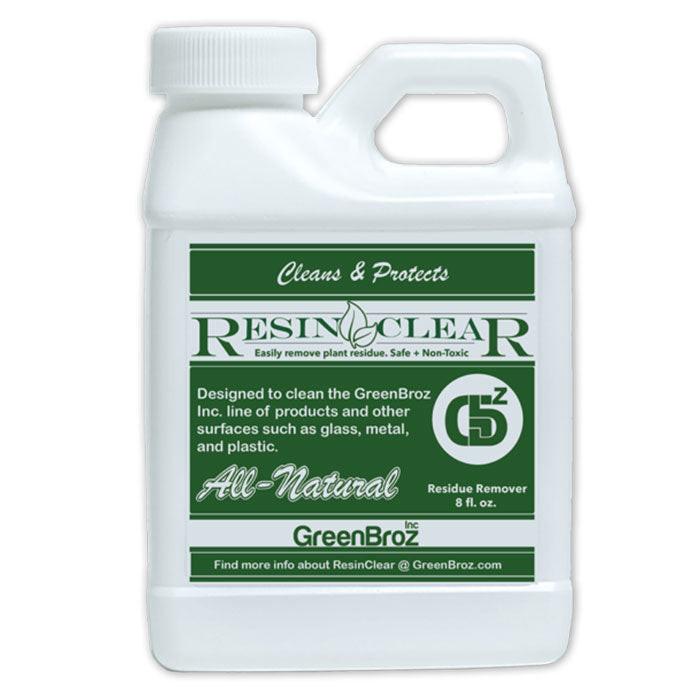
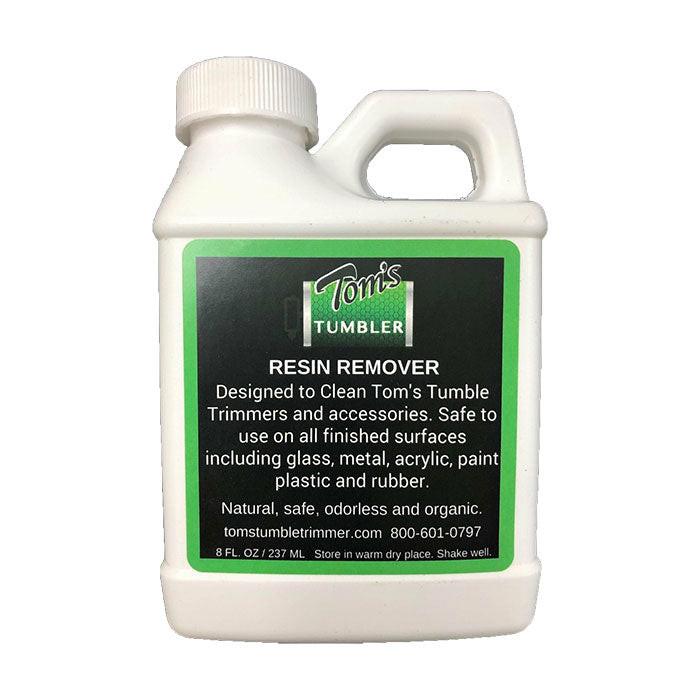
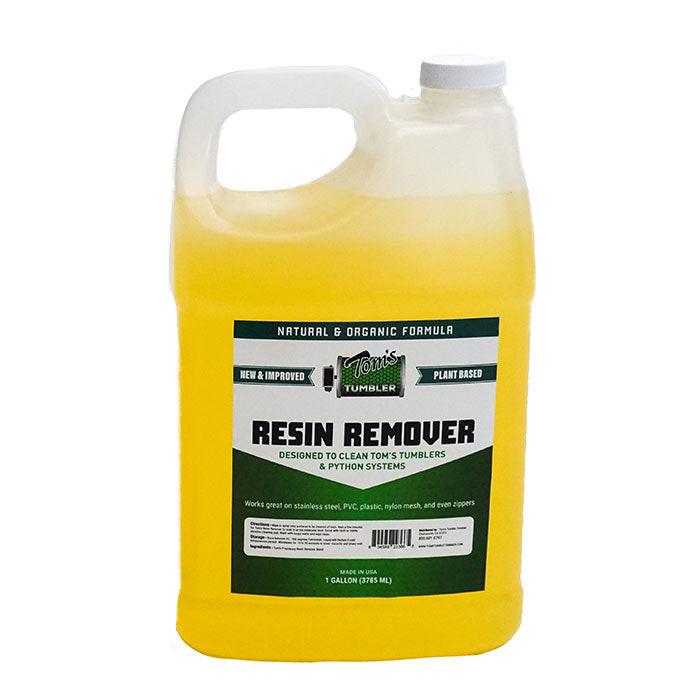
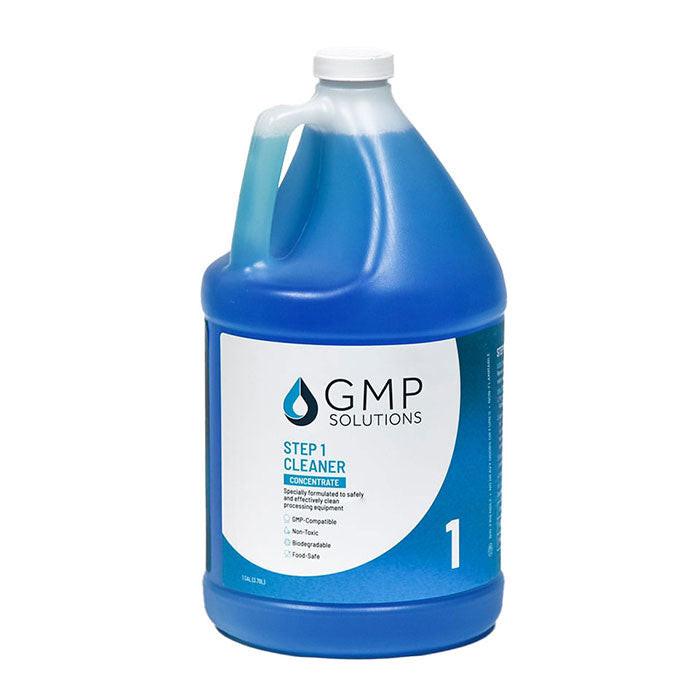
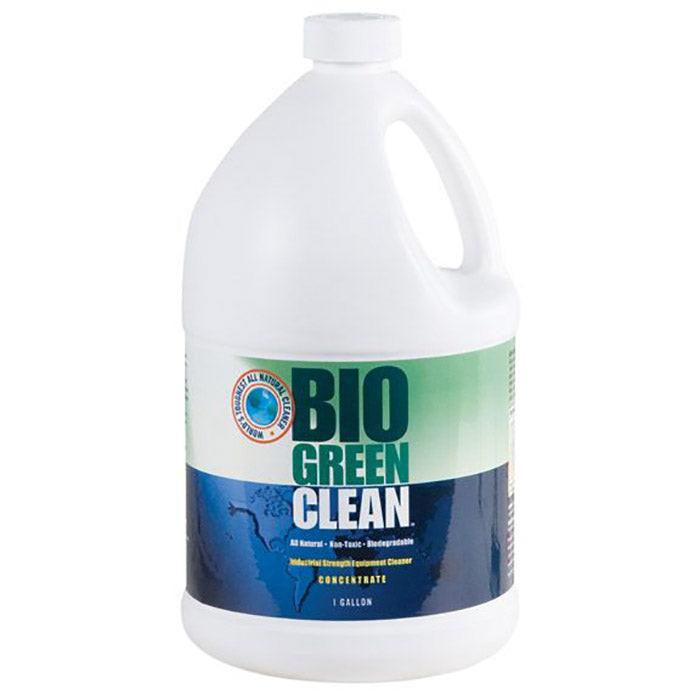
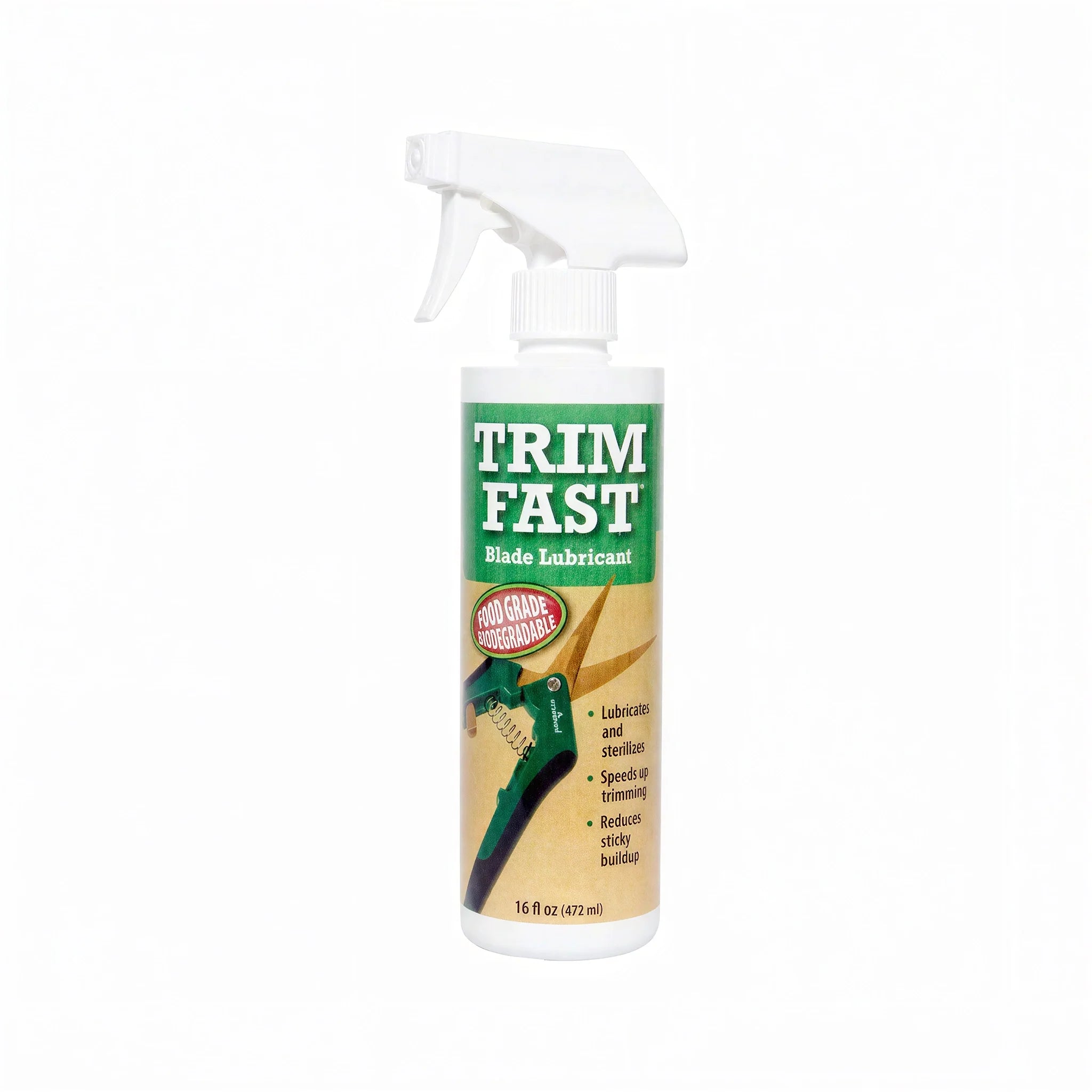
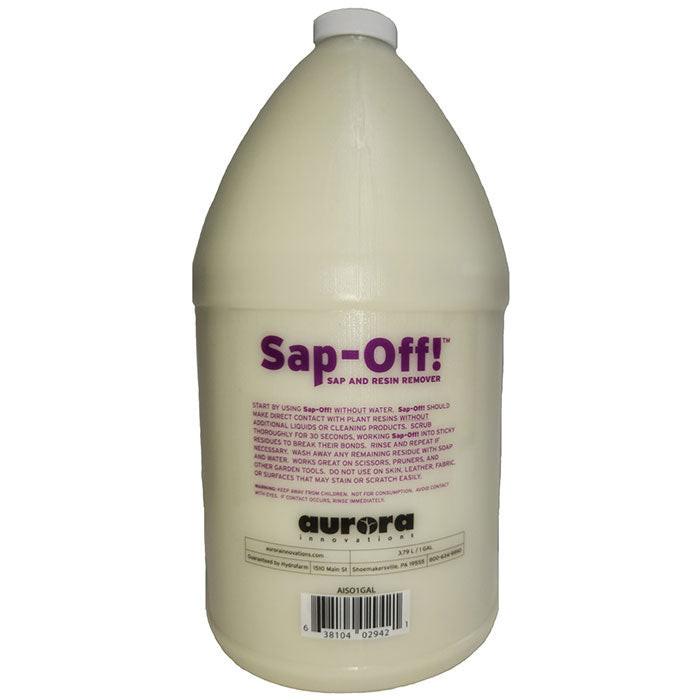
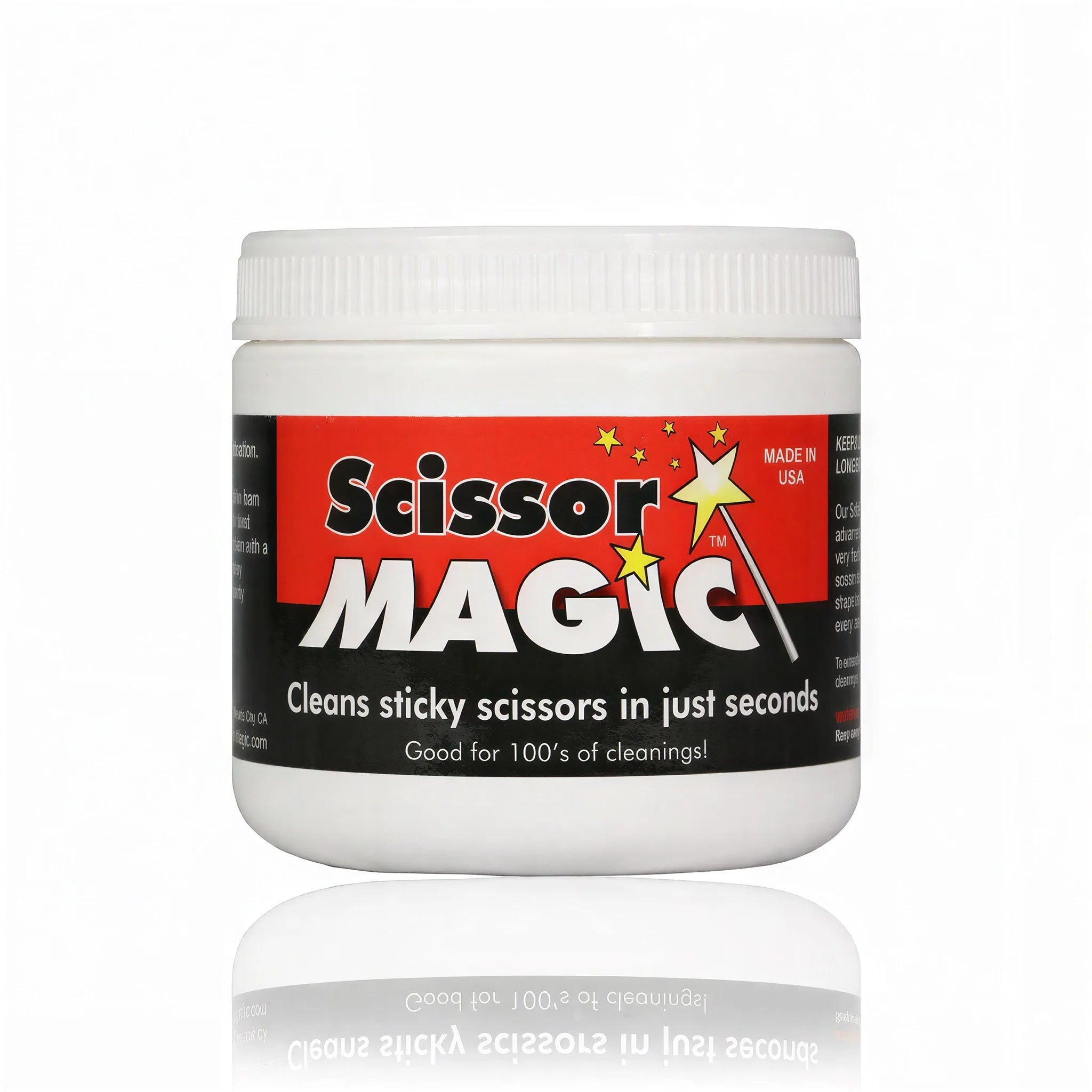
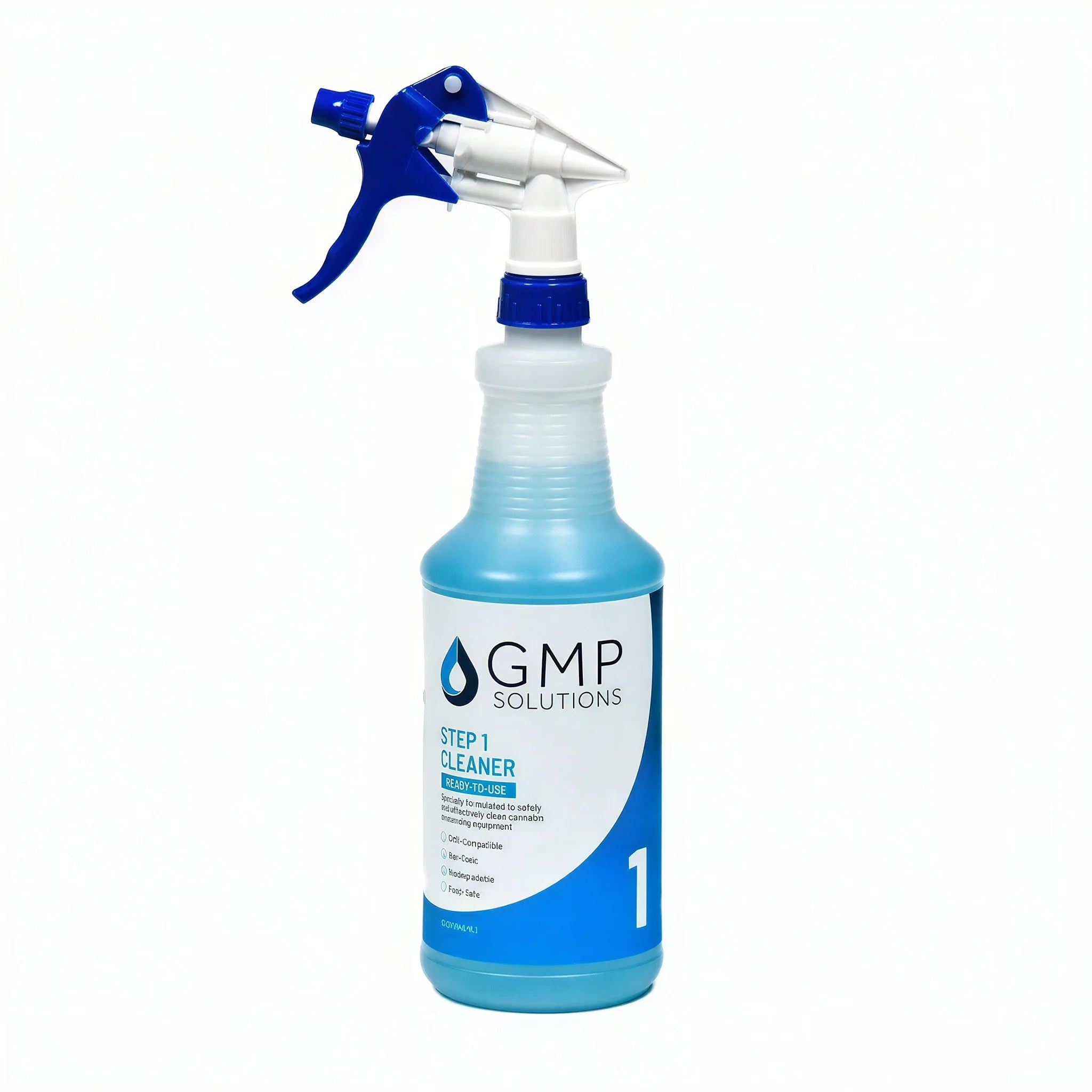
Isopropyl alcohol (IPA) at 91-99% concentration is the standard solvent for resin removal from trimming scissors - it dissolves the sticky components of botanical resin effectively, evaporates quickly without leaving residue, and is inexpensive and widely available. Purpose-formulated blade cleaners designed specifically for trimming tools often use IPA or ethanol as the primary solvent with surfactants that improve wetting on resin-coated surfaces and residue dispersants that reduce surface retackiness after cleaning. Citrus-based cleaners (d-limonene) dissolve resin effectively and leave a cleaner non-tacky surface compared to pure IPA, with a less sharp solvent odor - useful for enclosed trimming spaces where IPA vapor accumulation is a concern. For machine blade cleaning, the same solutions work with a larger-scale application approach.
Cleaning Technique
Quick mid-session clean: dip scissor tips in solvent for 15-30 seconds, then wipe dry with a lint-free cloth - restores cut action in under a minute. Full post-session clean: soak the full scissor blade in solvent for 5-10 minutes, scrub the pivot area and blade faces with a stiff brush, rinse with fresh solvent, and dry completely before storage. For hardened resin that does not dissolve quickly: freeze the scissors for 30 minutes first - cold makes the resin brittle and allows it to be flaked off mechanically before the solvent soak. Do not use hot water alone - it spreads and sets resin rather than dissolving it. Fast shipping.
Scissor Cleaner FAQ
What is the best way to clean sticky trimming scissors?
The most effective routine: dip scissor tips in 91-99% isopropyl alcohol for 30 seconds, then wipe with a lint-free cloth. For heavily built-up resin: soak the full blade in IPA for 5-10 minutes, scrub the pivot and blade faces with an old toothbrush, and wipe dry. For hardened, stubborn resin: freeze scissors for 30 minutes first to make the resin brittle, then use a fingernail or plastic scraper to remove the bulk of the buildup before the solvent soak. Never use water alone - it activates the sticky components of botanical resin rather than dissolving them.
Can I use rubbing alcohol to clean scissors?
Yes - 91% or higher isopropyl rubbing alcohol is the standard scissor cleaner for botanical resin. The higher the alcohol concentration, the more effective it is as a resin solvent: 91% IPA outperforms 70% IPA significantly because the higher water content of 70% IPA reduces solvent effectiveness and leaves a slightly tacky residue after drying. 99% IPA provides the best cleaning with the fastest evaporation and least residue. Standard 70% rubbing alcohol is a last resort if nothing else is available, but purpose-made blade cleaners or 91%+ IPA are noticeably better.
How often should I clean scissors during a trimming session?
Clean every 30-45 minutes of active trimming, or whenever the scissors feel noticeably sticky and require extra force to open and close. The resin buildup that causes stickiness accumulates quickly - within 20-30 minutes for fresh, resinous plant material. Waiting until scissors are fully clogged wastes energy (sticky scissors accelerate hand fatigue substantially) and damages the pivot over time as resin accumulates in the pivot mechanism. A 60-second mid-session clean every 30-45 minutes costs less time than the fatigue it prevents over a 4-6 hour trimming session.
Will cleaning solutions damage my scissor blades?
IPA and purpose-formulated blade cleaners do not damage quality stainless steel scissor blades or titanium-coated blades in normal cleaning use. Extended soaking (overnight or longer) in IPA is not necessary and may cause drying of any rubber grips or coatings, but the blade metal itself is unaffected. Avoid using abrasive cleaners or steel wool on scissor blades - they scratch the blade surface, creating microscopic texture that actually promotes resin adhesion. After cleaning and drying, a light application of food-grade scissor oil at the pivot maintains smooth action and prevents rust on pivot pins that are prone to moisture contact.
What is the easiest way to remove hardened dried resin from scissors?
Hardened, dried resin is significantly harder to remove than fresh resin. Most effective approach: freeze the scissors for 30-60 minutes - the cold makes the resin brittle and causes it to contract slightly. Remove from the freezer and immediately use a fingernail, wooden toothpick, or plastic scraper to flake off the bulk of the hardened resin while it is still cold and brittle. Then soak the blade in IPA for 5-10 minutes to dissolve the remaining film. This combined approach (mechanical removal of the bulk while brittle + solvent cleanup of the remainder) removes hardened resin far more effectively than solvent alone applied to room-temperature hardened buildup.