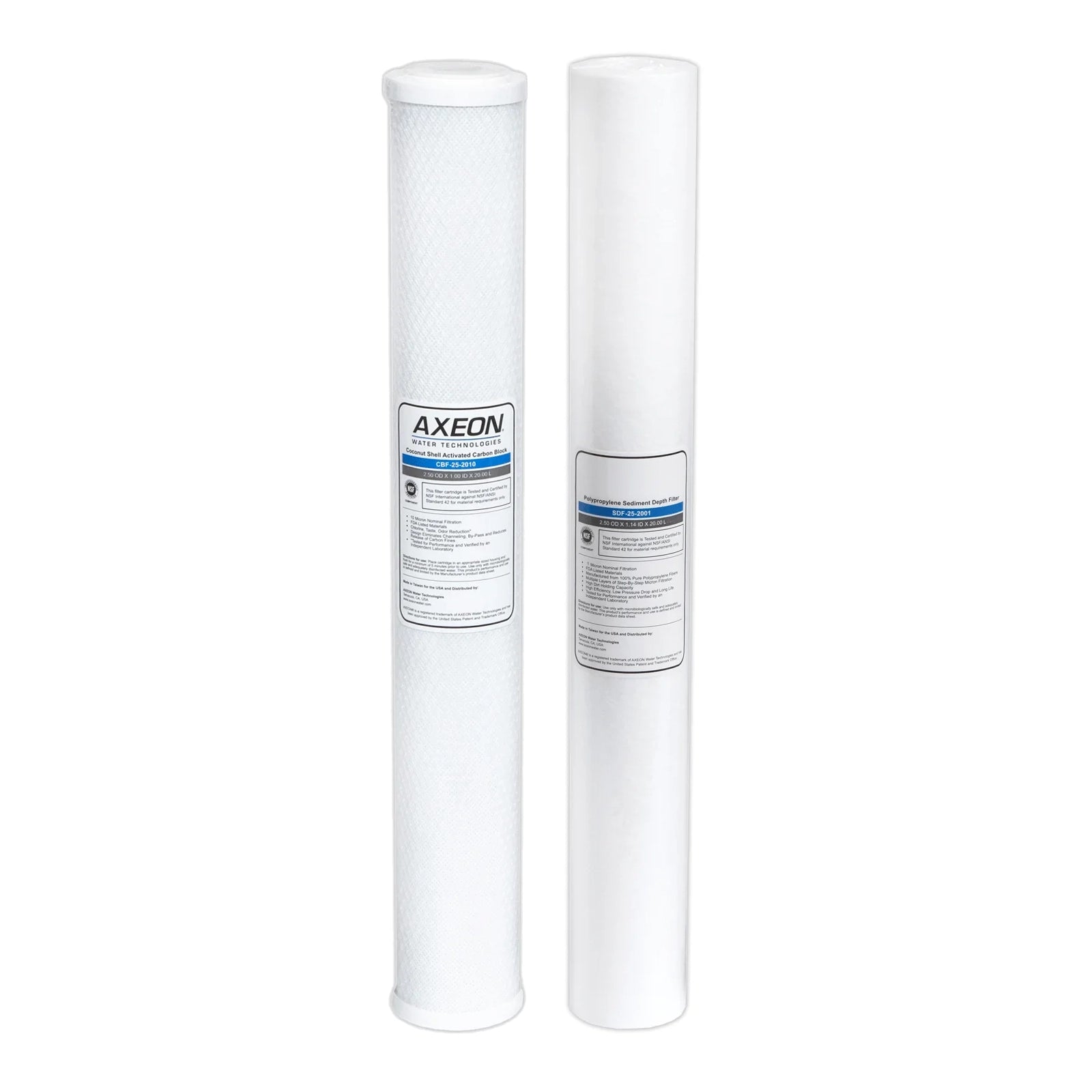
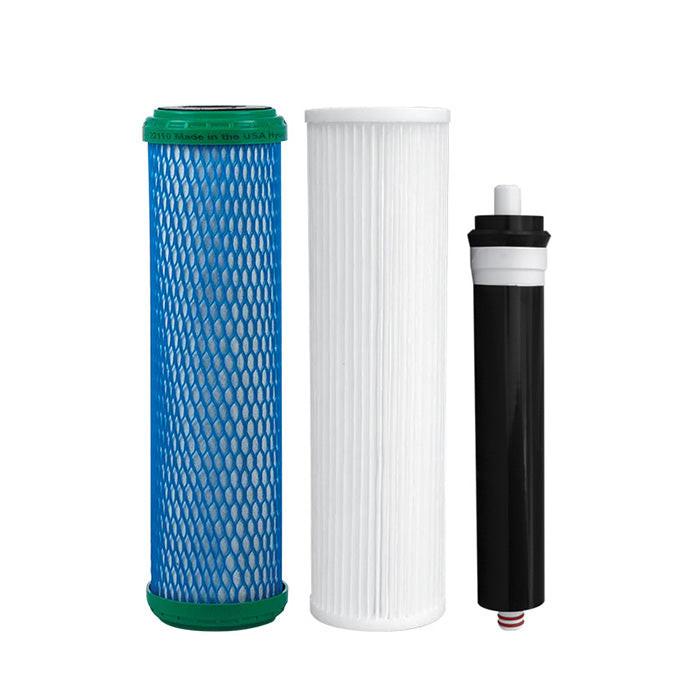
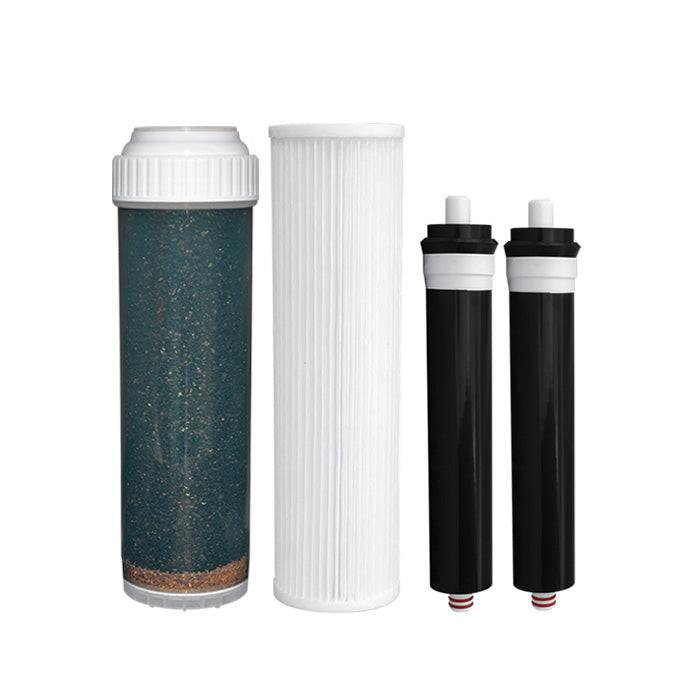
Replacement Filter Membranes & Cartridges
Replacement filter membranes and specialty cartridges restore filtration performance to installed water treatment system housings when the original media is exhausted or degraded. In multi-stage water treatment systems for growing applications -- RO systems, dechlorinators, DI polishers -- each stage uses a specific filter media that requires periodic replacement to maintain the water quality the system was designed to produce. A system running exhausted filter media continues to use electricity and water but no longer delivers the treatment its filtration stages are designed to provide.
Specialty Membrane Formats
Beyond standard sediment and carbon cartridges, growing applications use several specialty filtration membranes: nanofiltration membranes provide higher rejection rates than standard RO for specific contaminants; specialty ion exchange membranes target specific ions (calcium, magnesium, nitrate) without the broad mineral reduction of RO; ultrafiltration membranes (0.01-0.1 micron) remove bacteria and suspended colloids without the pressure requirements of RO; and UV disinfection sleeves (the quartz sleeve inside UV sterilizer units) require replacement when UV transmittance degrades after 8,000-10,000 hours of operation. Browse the full water filtration and treatment collection for complete systems alongside all replacement media.
Verifying Membrane Performance
Test water quality after membrane replacement to verify the new membrane is performing to specification: TDS rejection rate for RO membranes (should be 95-99% for new membrane); TDS reading for DI polisher output (should be 0-5 ppm for a properly functioning DI cartridge); and flow rate recovery after sediment filter replacement (flow rate should return to original installation rate). Fast shipping.
Filter Membranes FAQ
How do I know which replacement membrane fits my water treatment system?
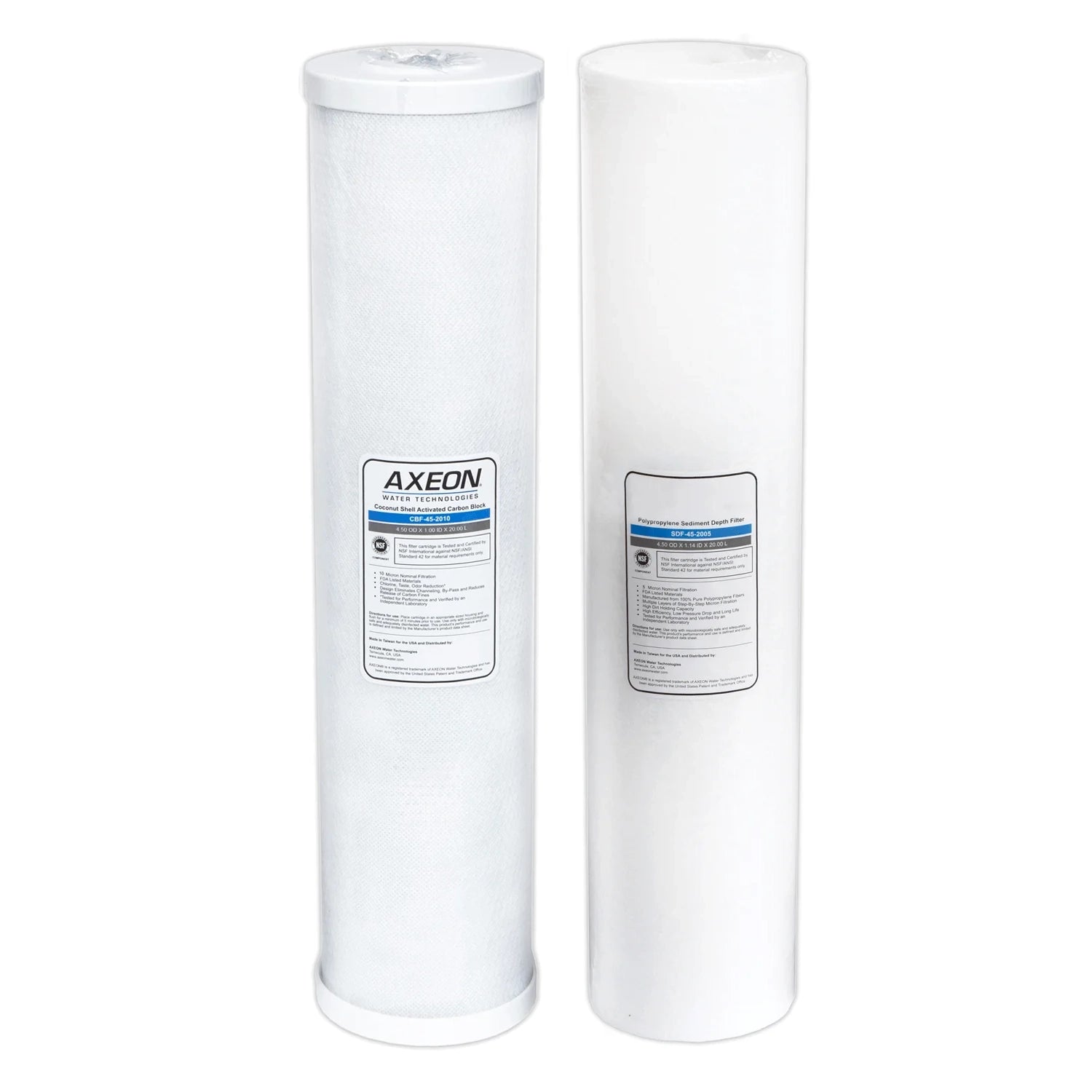
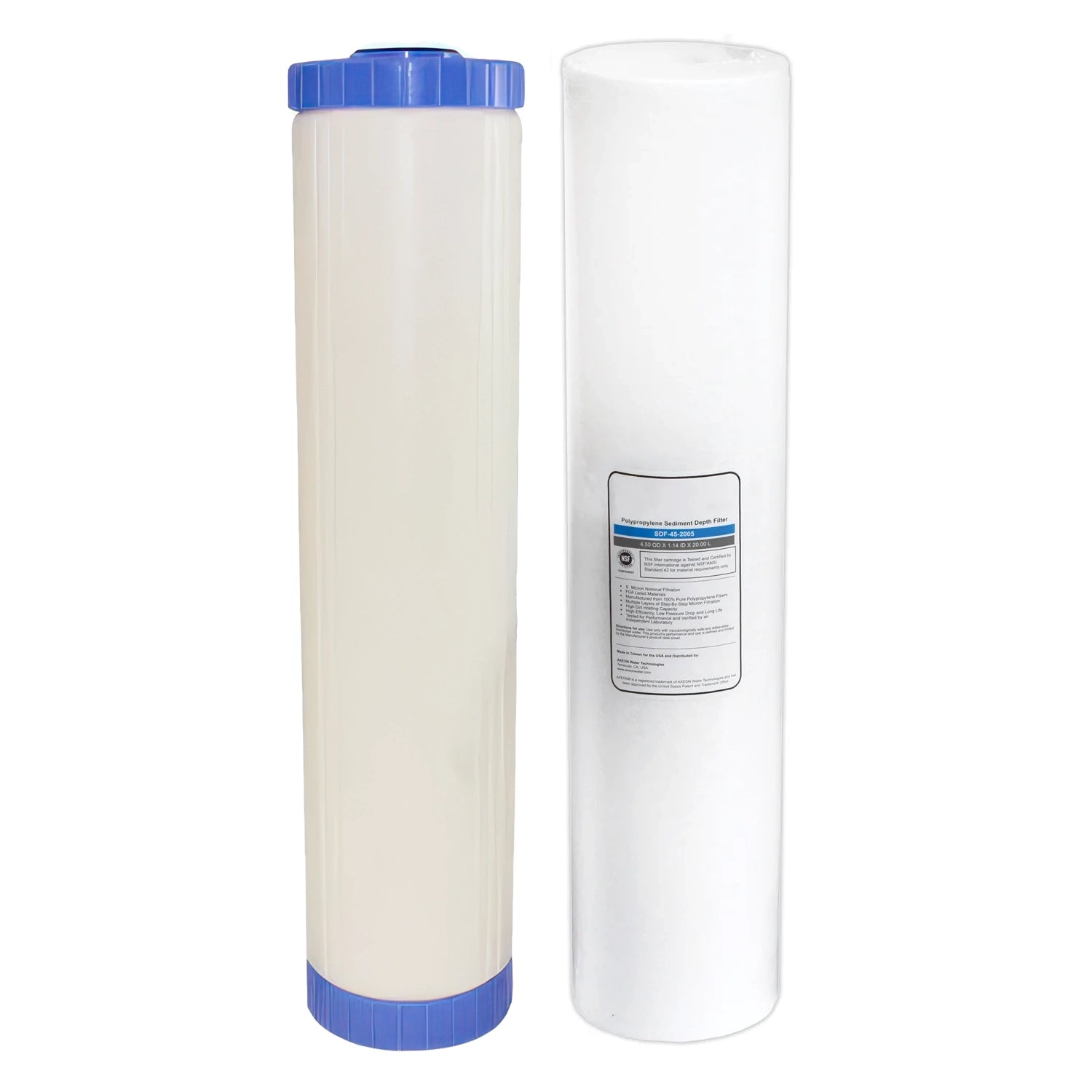
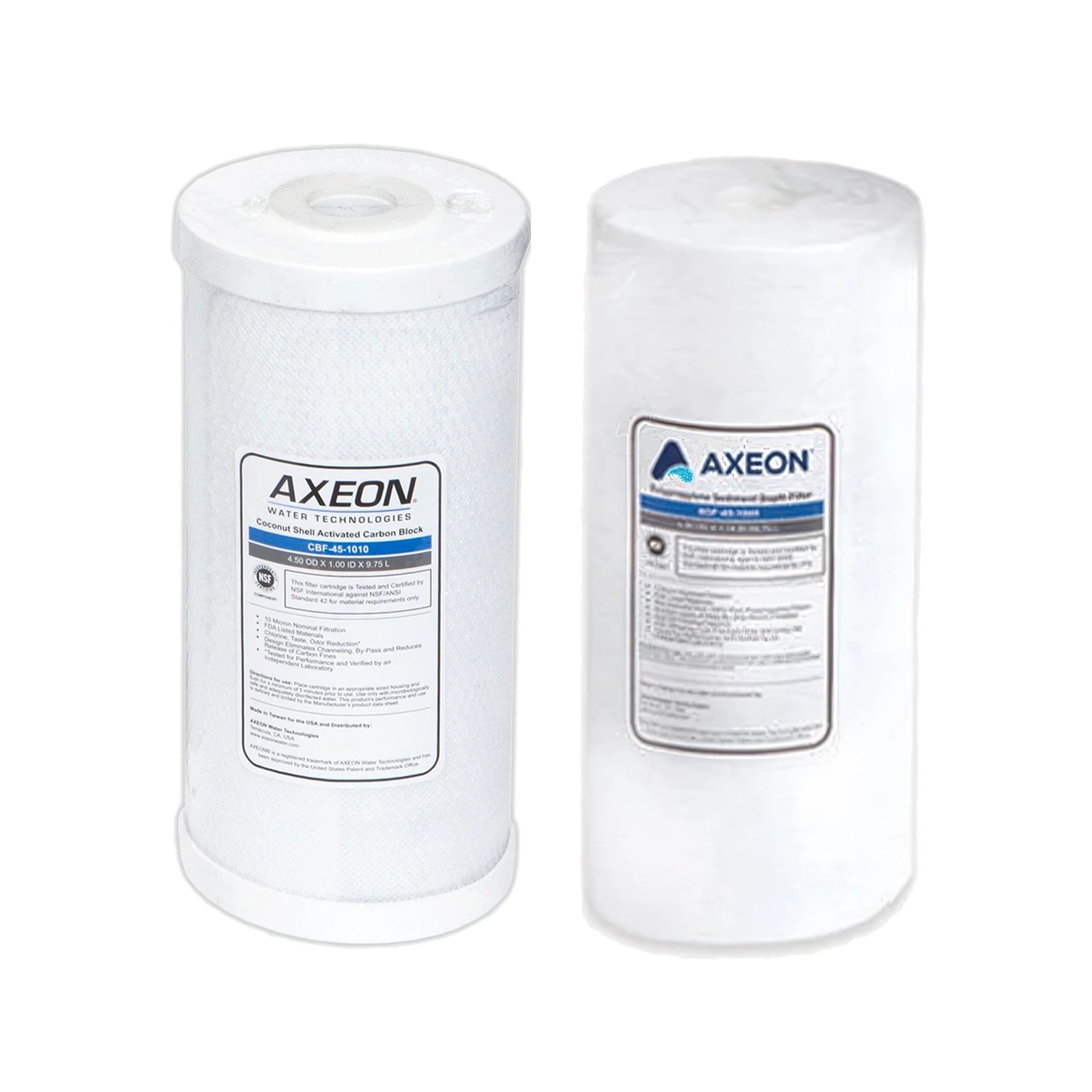
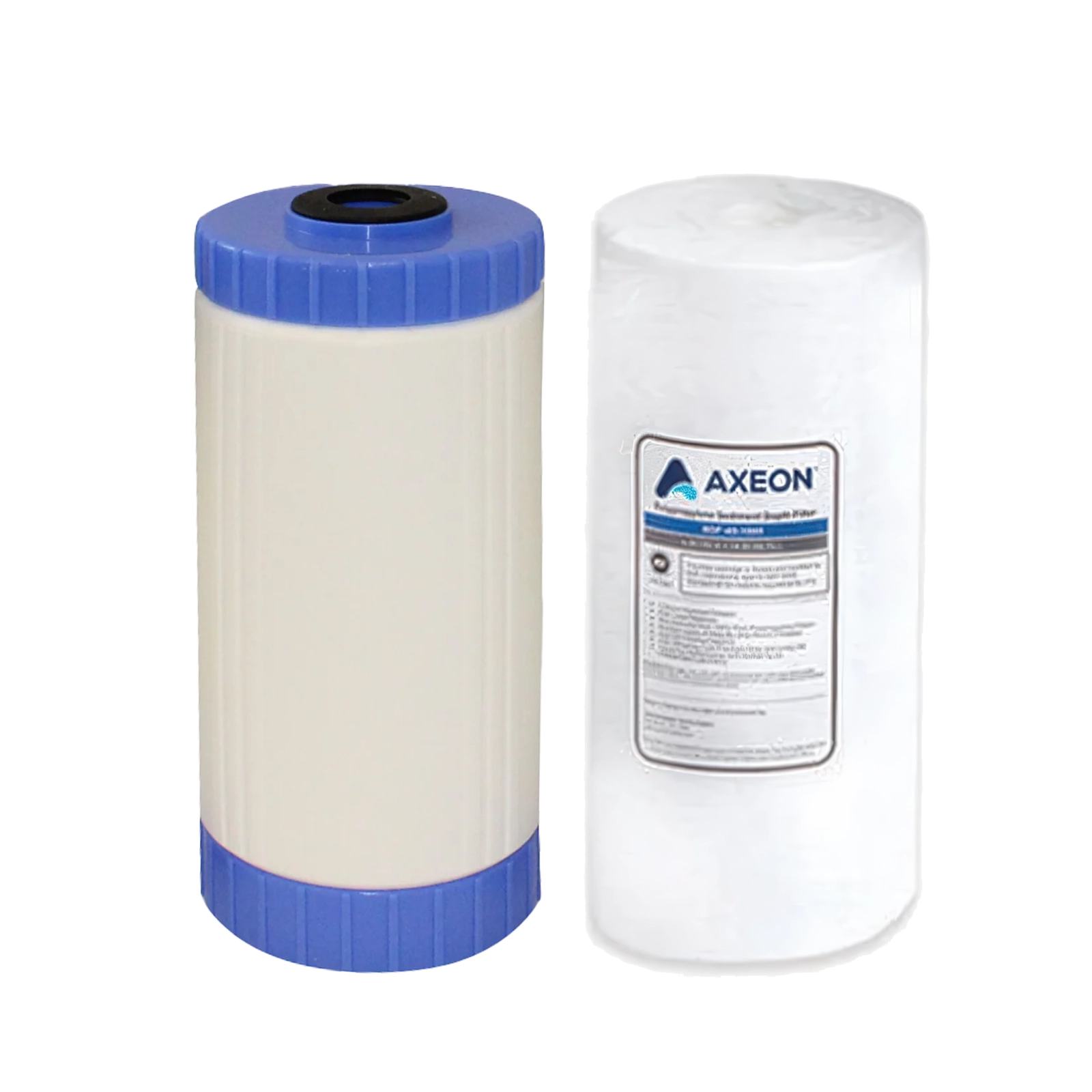
Identify the filter housing brand and model from the label on the housing, then source cartridges specified for that housing format. Standard membrane sizes for residential and horticultural RO systems: 2-inch diameter by 11.75-inch length for standard housings. Standard filter cartridges: 10-inch or 20-inch length in 2.5-inch or 4.5-inch diameter for standard filter housings. If the housing and cartridge are from the same manufacturer's matched system, use the manufacturer's replacement part numbers. For multi-brand systems, verify dimensions precisely -- seemingly similar cartridges from different brands may have slightly different end cap configurations that prevent proper seating.
What is a UV sterilizer sleeve and when should I replace it?
The UV sleeve (quartz sleeve) is the transparent tube that surrounds the UV lamp inside a UV water sterilizer -- it protects the UV lamp from direct water contact while allowing UV light to pass through into the water stream. Over time, the quartz sleeve develops mineral deposits and micro-scratches from water flow that reduce UV transmittance, decreasing the effective UV dose delivered to the water. Replace the sleeve every 12-18 months in production use or when the sleeve has visible mineral scale deposits that do not clean off with a soft cloth and dilute acid solution.
Can I mix filter membrane brands in my multi-stage system?
Most standard-size filter cartridges are interchangeable between brands as long as the physical dimensions match the housing. The important compatibility considerations: cartridge outer diameter and end cap style must match the housing; cartridge length must match the housing depth; and the filtration specification (micron rating for sediment filters, carbon type for carbon filters, GPD rating for RO membranes) should be equivalent to or better than the original specification. Avoid significant downgrades in filtration specification -- using a 50-micron sediment filter where a 5-micron was specified allows larger particles to reach downstream filtration stages.
How long does a UV lamp last in a water sterilizer?
UV lamps in water sterilizer units have a rated output life of approximately 9,000-10,000 hours of operation -- after which they continue to emit visible light but UV-C output has declined below effective germicidal levels. At 24-hour-per-day continuous operation, 9,000 hours represents approximately 12 months. Replace the UV lamp annually regardless of whether the lamp is still illuminated -- visual lamp operation does not indicate adequate UV-C output. Most UV sterilizer units have a lamp replacement indicator or hour meter; some have UV sensors that monitor actual UV output and alert when replacement is needed.
What is the difference between a filter cartridge and a filter membrane?
A filter cartridge is the general term for any replaceable filter element -- it includes the physical housing and the filter media inside. A filter membrane specifically refers to a semipermeable film or porous material that performs the filtration function by physical size exclusion or diffusion -- the thin-film composite membrane inside an RO housing is a membrane; the carbon-packed cylinder inside a carbon filter housing is a cartridge with carbon media. In practice, the terms are sometimes used interchangeably; in technical contexts, membrane refers to the thin film filtration elements in RO and nanofiltration systems.