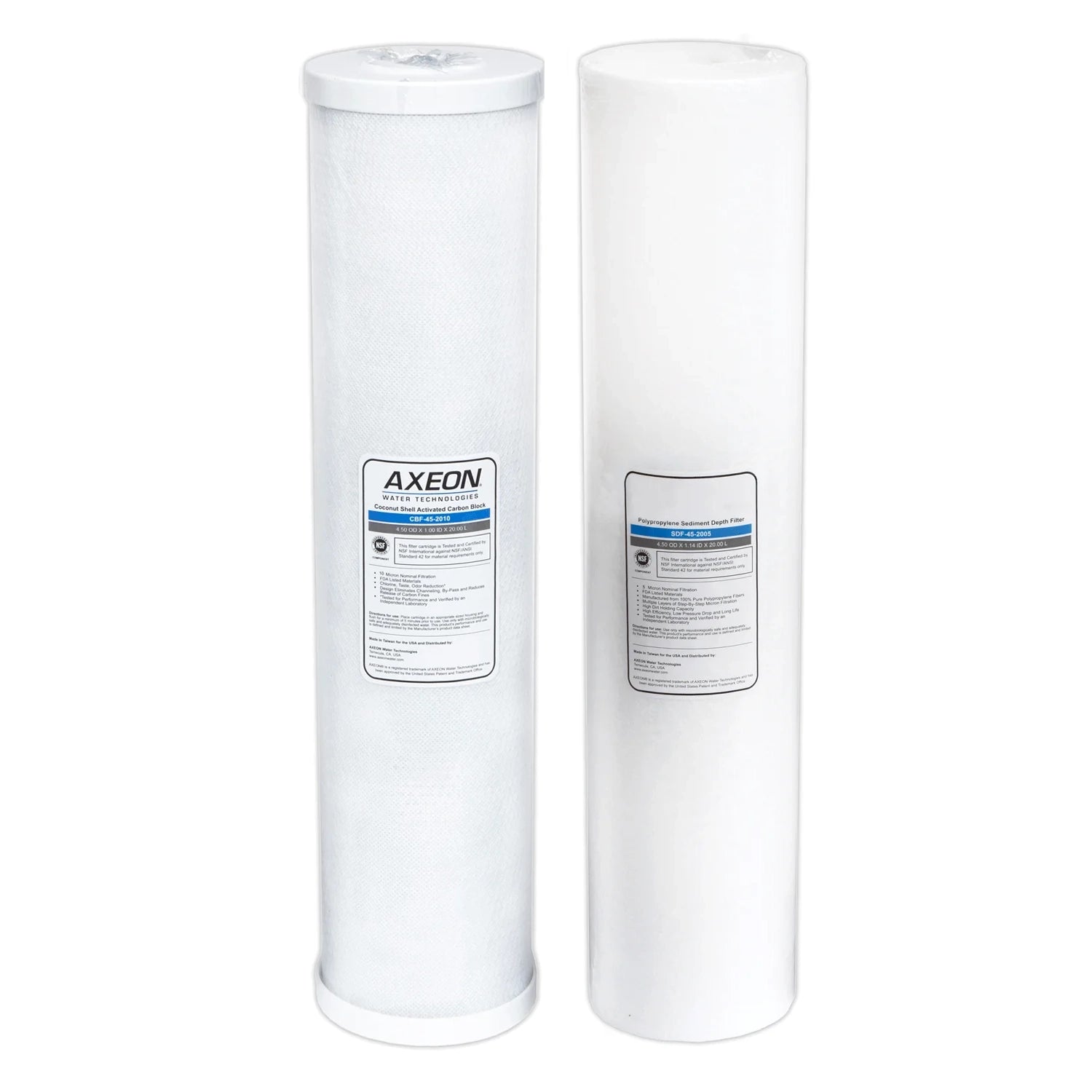
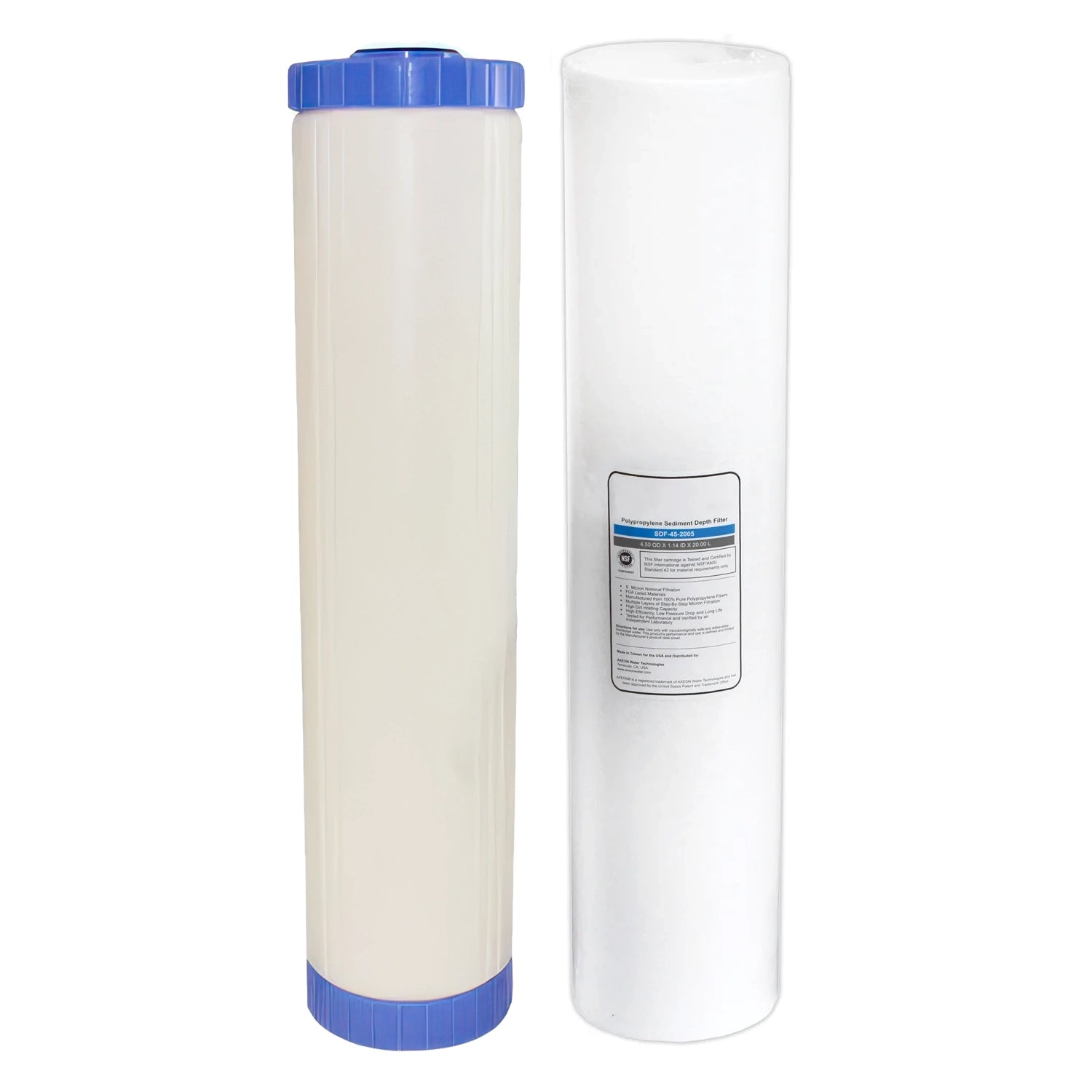
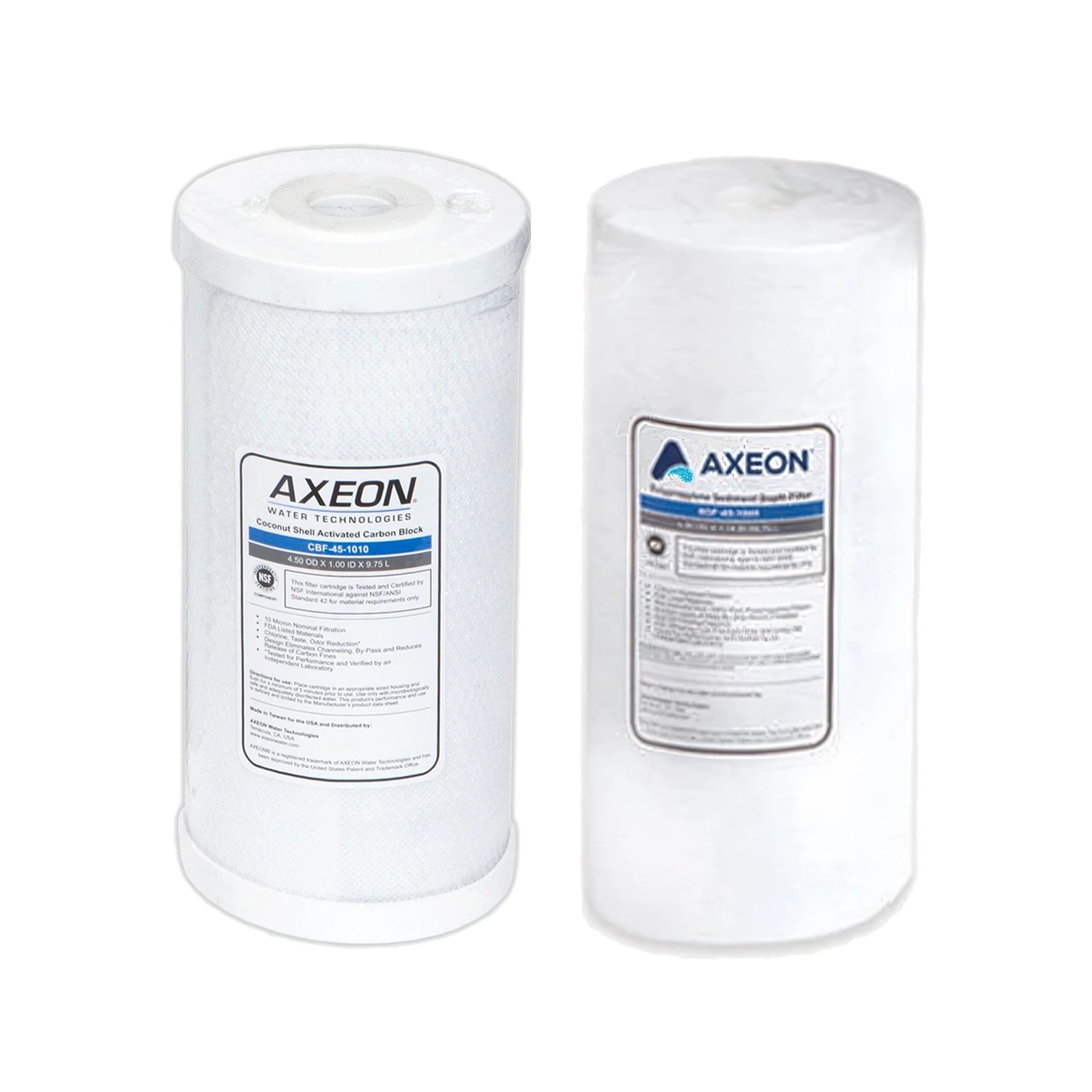
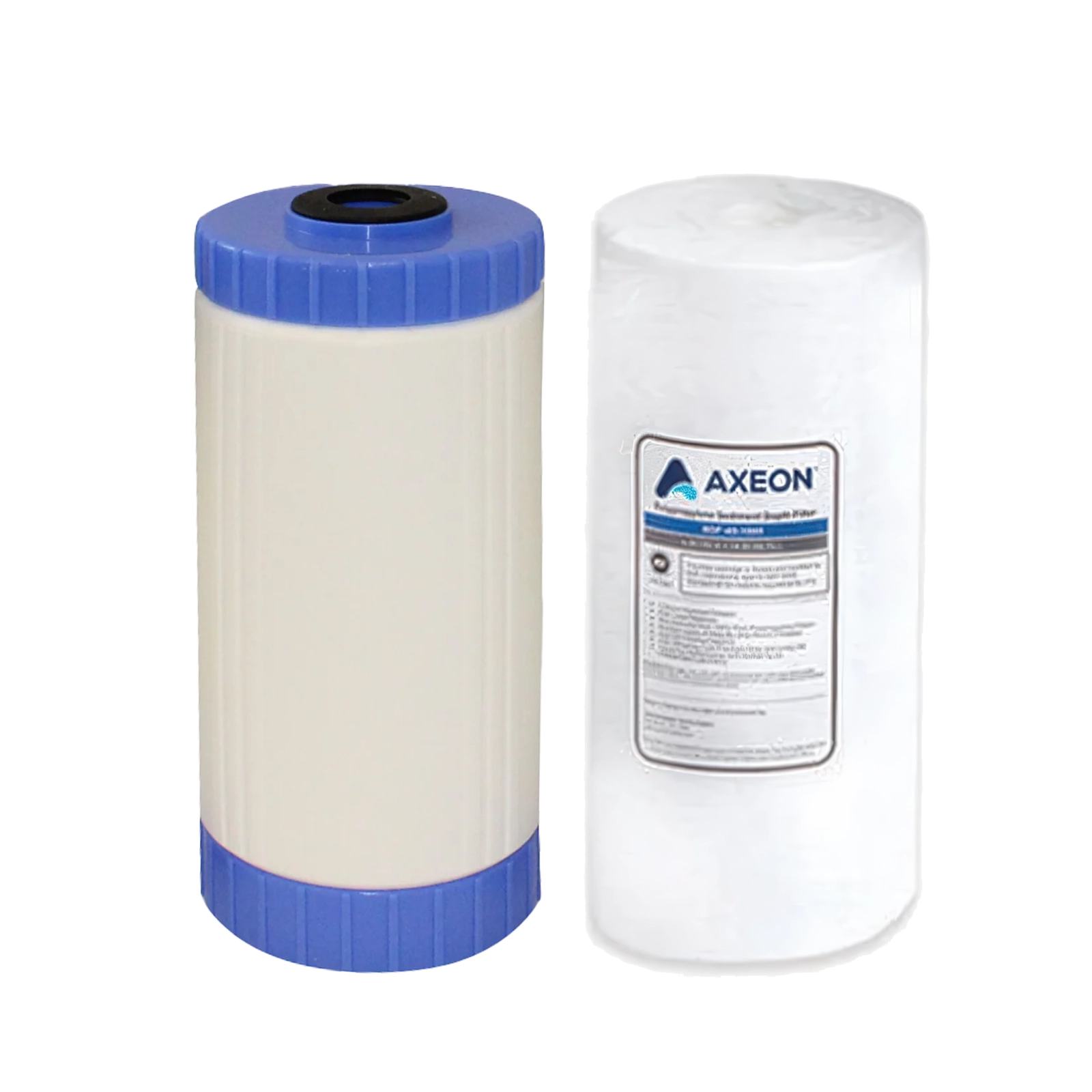
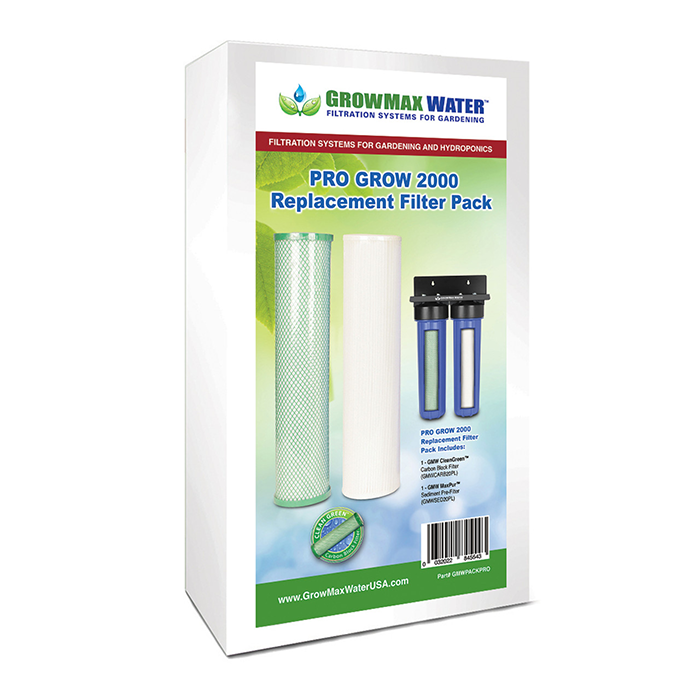
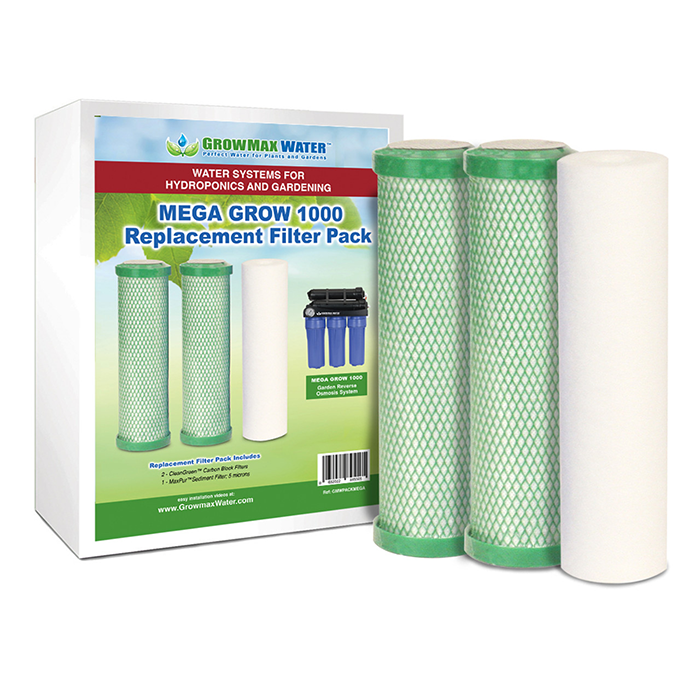
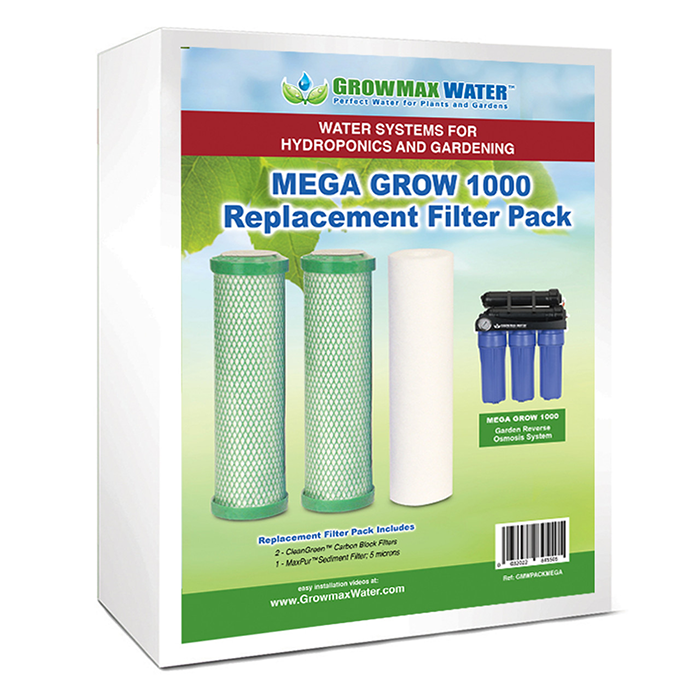
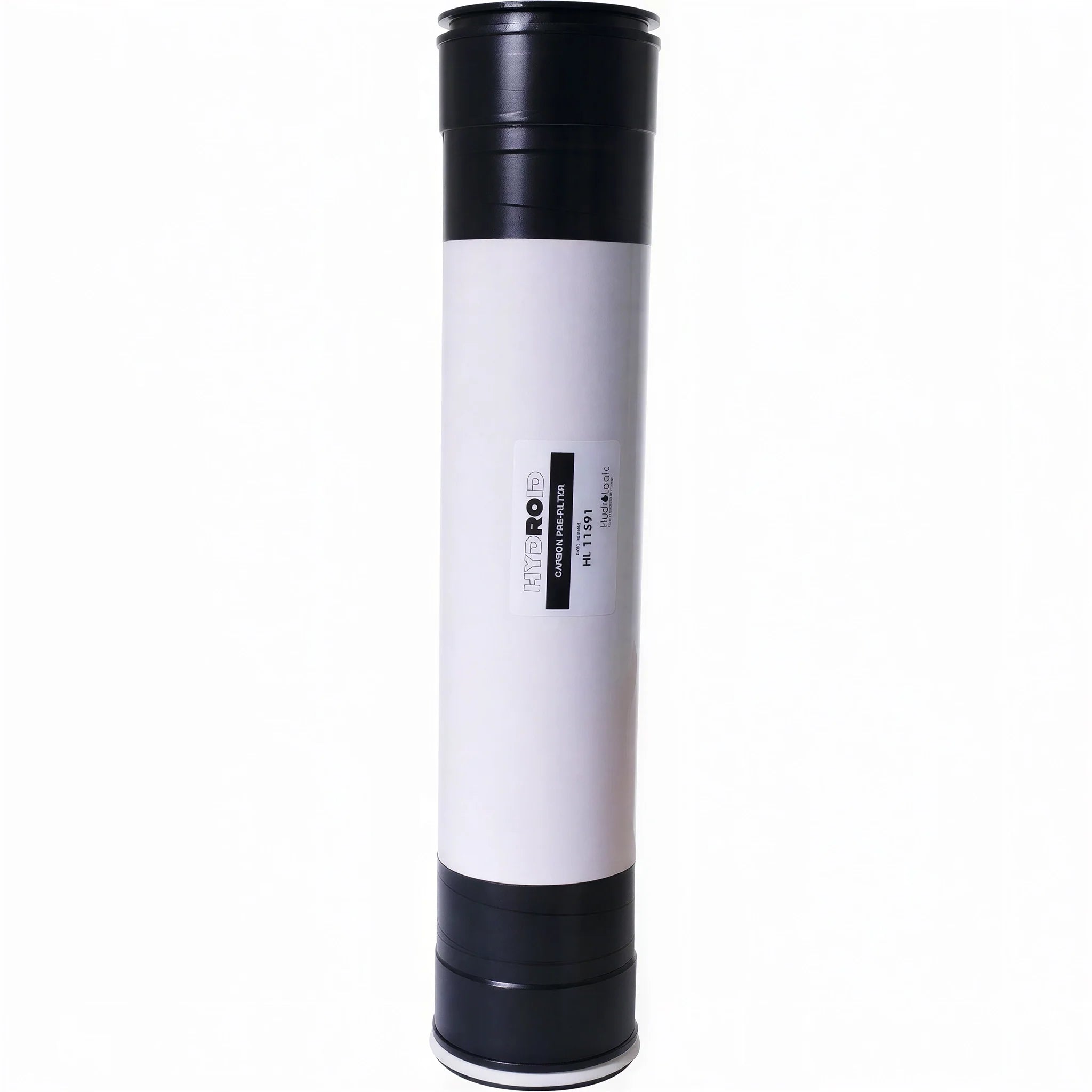
Replacement Sediment Filter Cartridges for Water Treatment
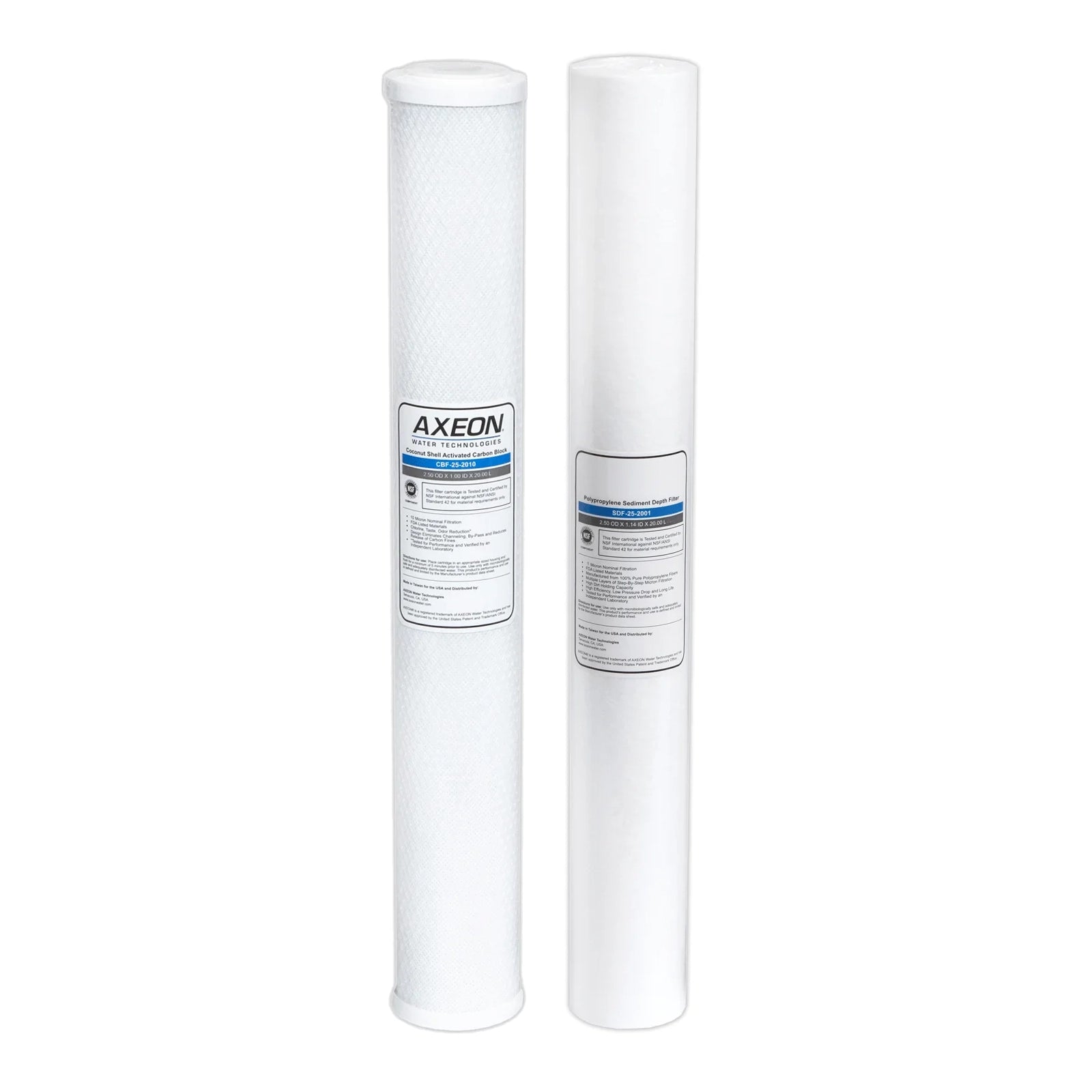
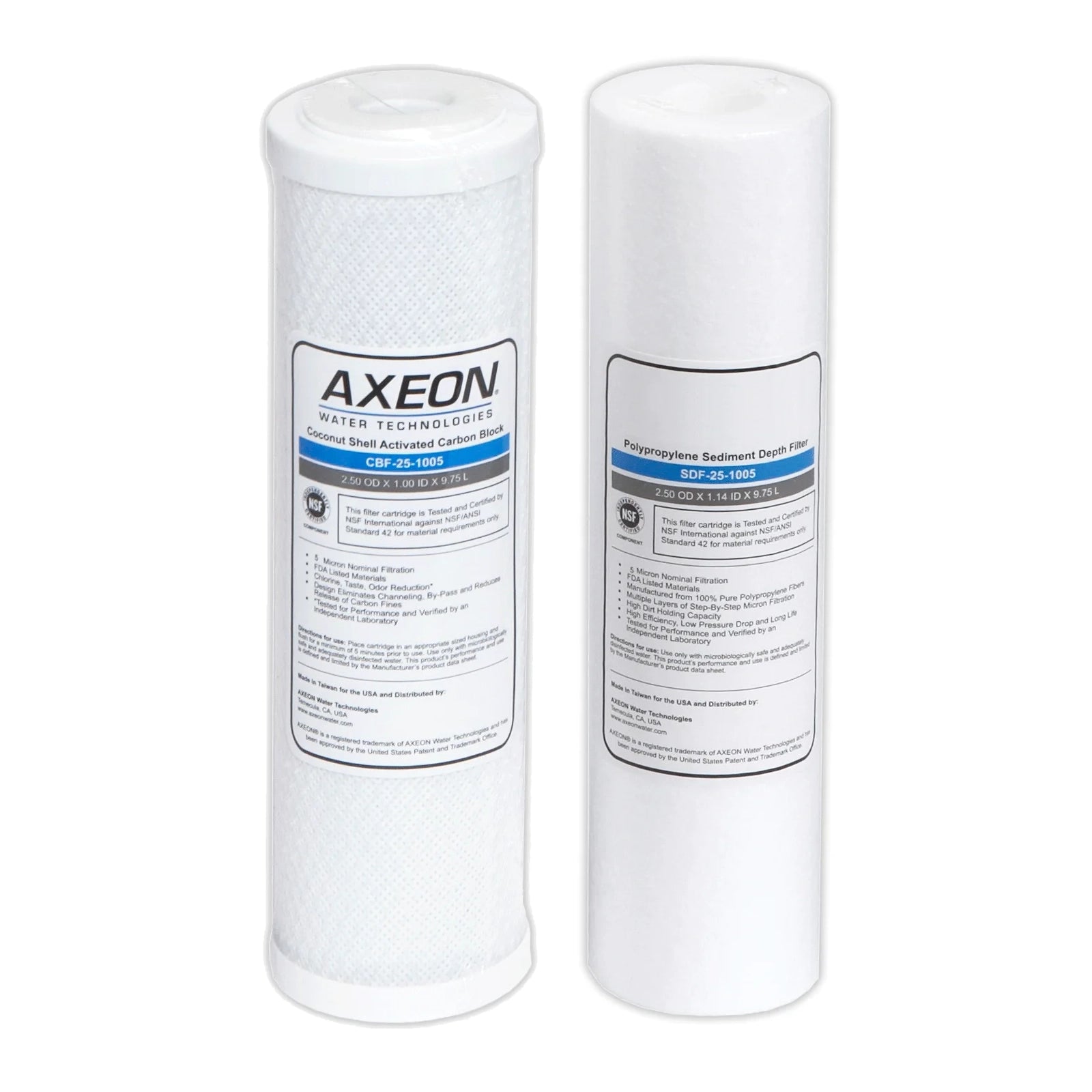
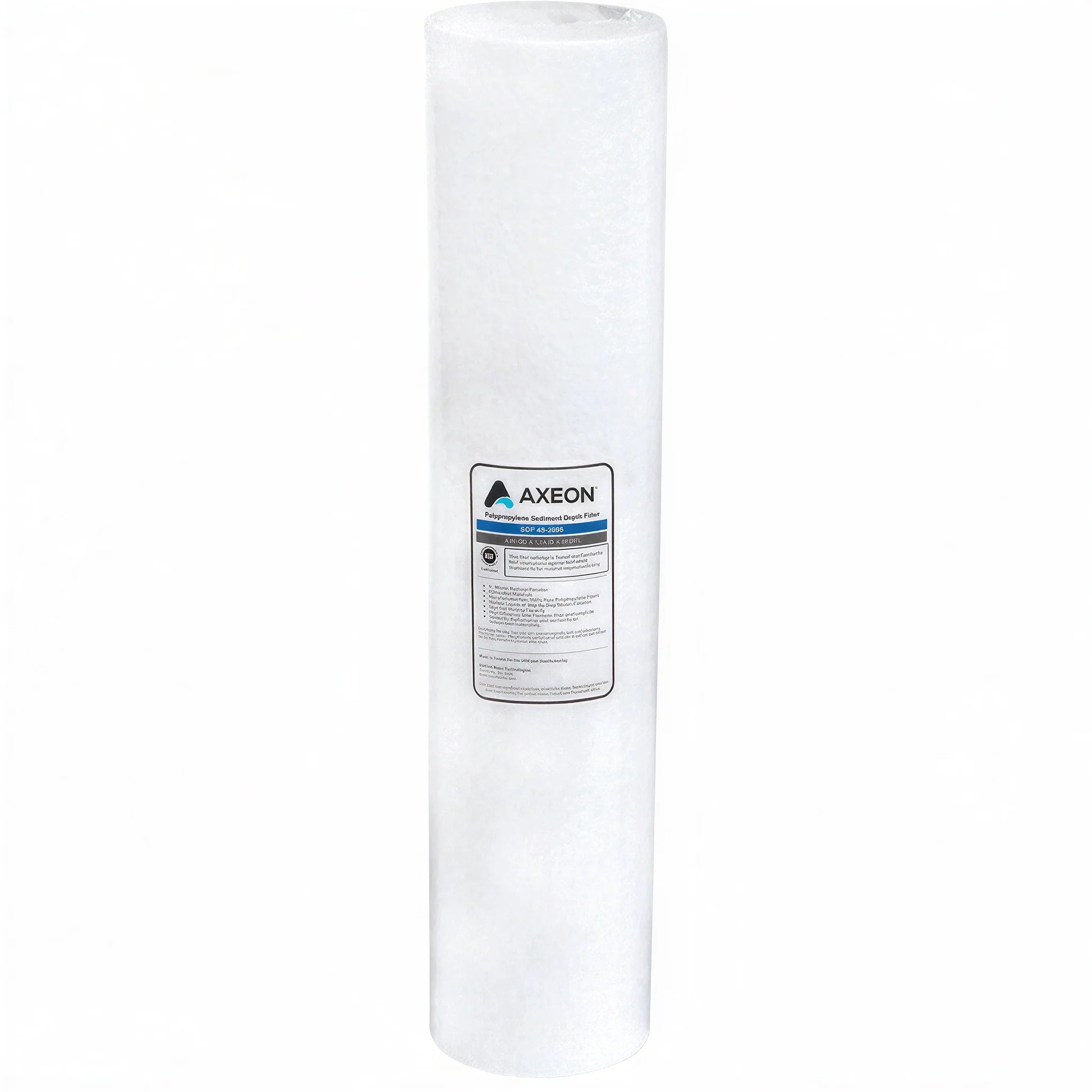
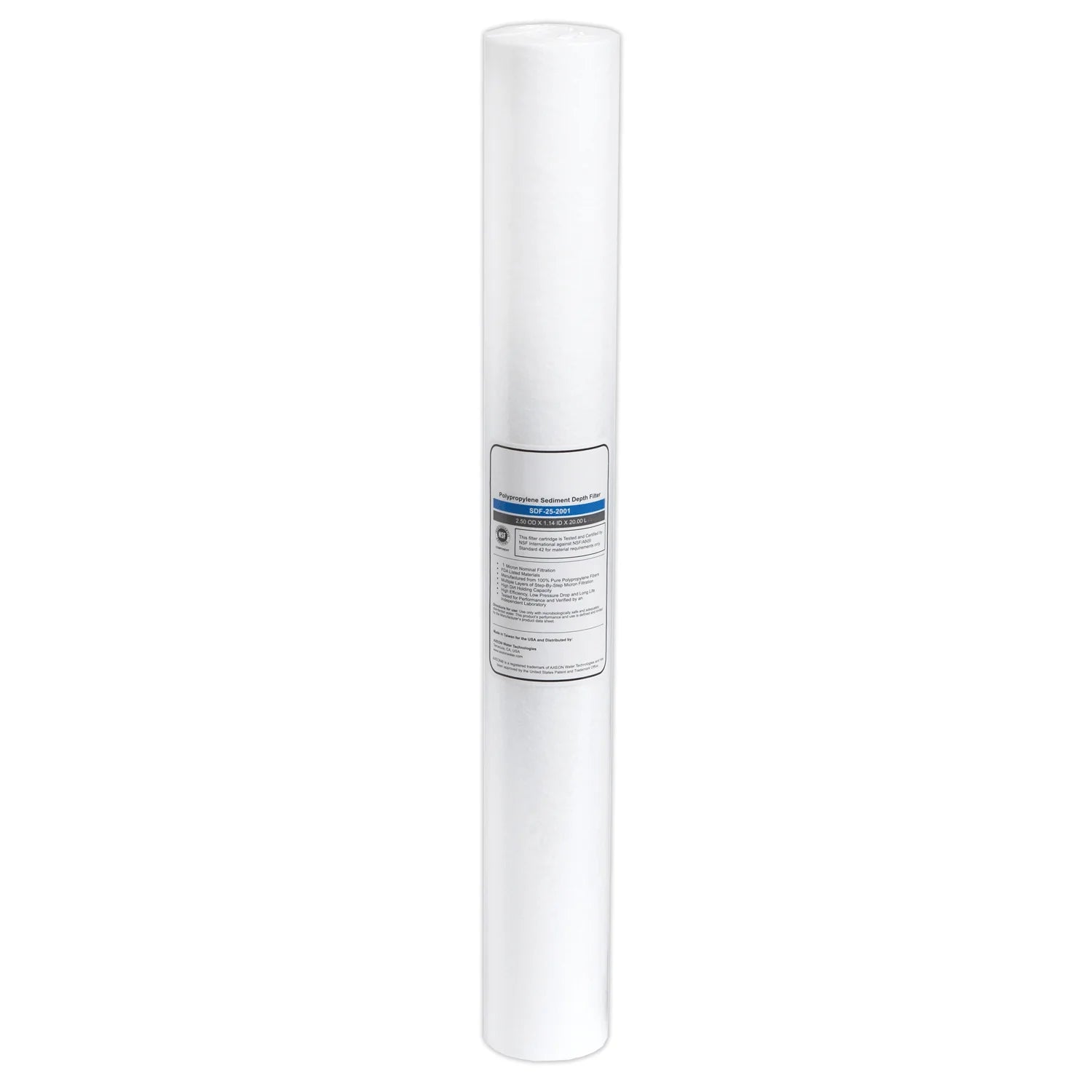
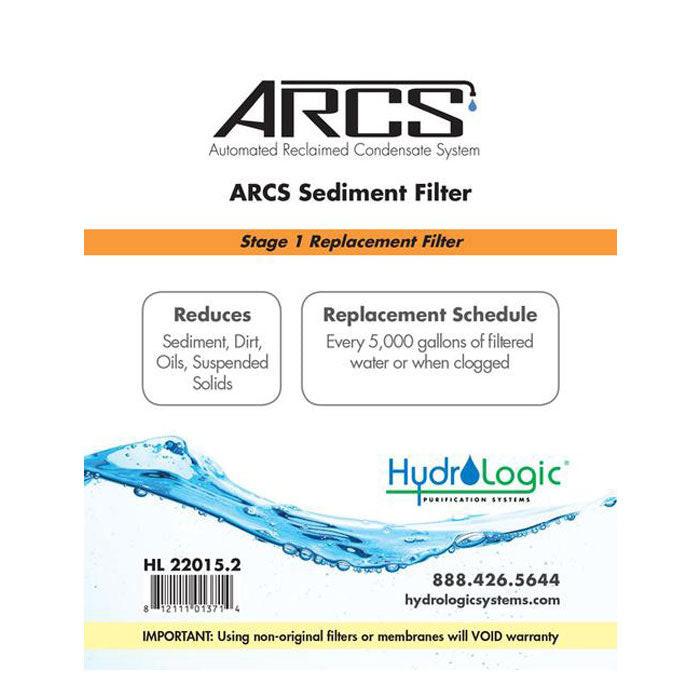
Sediment pre-filters remove suspended particles -- sand, silt, rust, and debris -- from source water before it reaches carbon filters, RO membranes, or distribution systems. As the first stage in most multi-stage water treatment systems, the sediment filter's primary job is protecting downstream filter stages from particle loads that would prematurely foul them. A clogged carbon filter or RO membrane that has been fouled by sediment that a functioning pre-filter would have stopped costs significantly more to replace than the sediment pre-filter cartridge that could have protected it.
Micron Ratings & Selection
Sediment filter micron rating indicates the particle size the filter captures. Lower micron numbers capture smaller particles but restrict flow more and require more frequent replacement. Common ratings: 50-100 micron for coarse pre-filtration to extend the life of finer downstream filters; 20-25 micron for general well water and municipal water sediment removal; 5 micron as a final pre-filter protecting RO membranes (the standard pre-RO sediment stage); 1 micron for very high-clarity applications. In multi-stage systems, use staged sediment filtration -- a coarse filter first (20-50 micron), then a fine filter (5 micron) -- rather than relying on a single fine filter for all sediment removal. Browse all replacement cartridges in our complete water filtration collection.
Cartridge Types
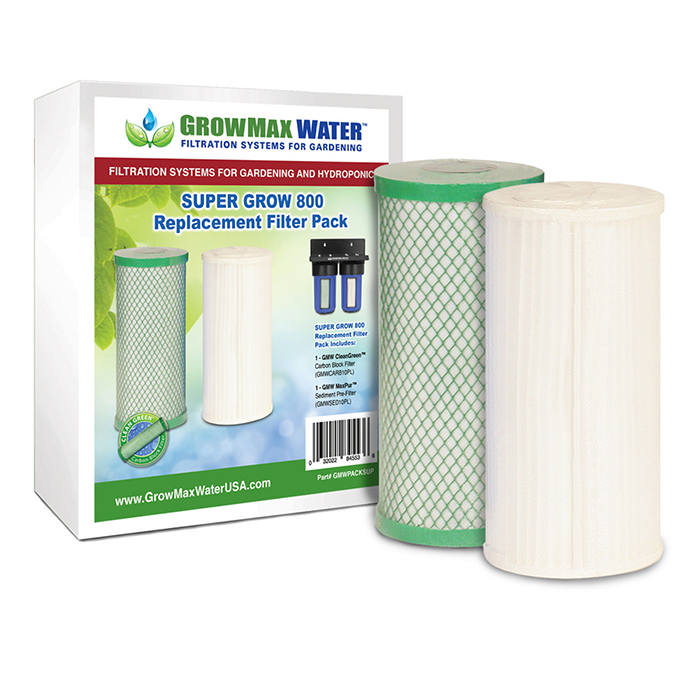
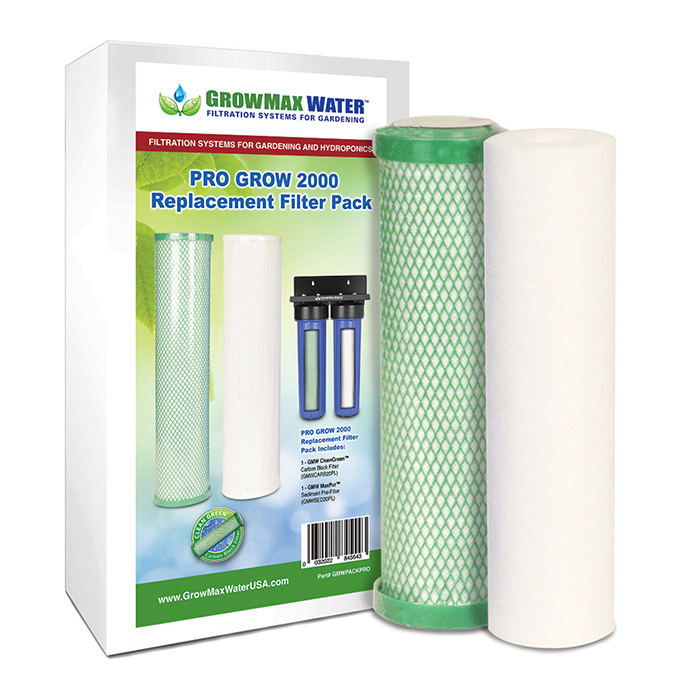
Spun polypropylene (depth) filter cartridges capture particles throughout the full depth of the filter media -- higher dirt-holding capacity per cartridge than surface filters. Pleated polyester (surface) filter cartridges are washable and reusable -- they capture particles on the surface rather than throughout the depth, allowing cleaning with a spray rinse. For grow room applications where replacement frequency and cost matter, pleated washable cartridges can reduce operating cost in the sediment pre-filter stage. Fast shipping.
Sediment Filters FAQ
How often should I replace sediment pre-filters?
Replace sediment pre-filters every 3-6 months in most growing applications -- or sooner if water flow rate has noticeably decreased or if the filter appears heavily discolored when inspected. High-turbidity water (visible cloudiness, elevated particle load) requires more frequent replacement. The most reliable indicator: measure supply pressure before and after the sediment filter. A pressure drop above 8-10 PSI across the filter indicates heavy loading that warrants replacement or cleaning regardless of time in service.
Can I wash and reuse sediment filter cartridges?
Pleated polyester sediment cartridges are designed for cleaning and reuse -- rinse with clean water directed against the pleats, working from the clean inside surface outward to push captured particles out rather than deeper into the media. Spun polypropylene depth cartridges are generally single-use -- the particle capture throughout the media depth makes complete cleaning difficult without damaging the fiber structure. Even washable pleated cartridges eventually reach end of service life when the media is permanently stained or particles have become embedded in the polyester fibers beyond what rinsing can remove.
What micron sediment filter do I need before my RO membrane?
Use a 5-micron sediment cartridge as the final pre-filter before an RO membrane. Most RO system manufacturers specify a 5-micron pre-filter as the minimum protection for the RO membrane -- larger particles that pass a 5-micron filter can physically scratch and foul the membrane surface. In very turbid water with high particle load, precede the 5-micron filter with a 20-50 micron coarse pre-filter to extend the 5-micron cartridge service life. Replace the 5-micron filter every 3-6 months or when pressure drop across the pre-filter stage exceeds 5-8 PSI.
What is the difference between a sediment filter and a carbon filter?
A sediment filter removes suspended particles (sand, silt, rust, debris) through physical straining -- particles are captured in or on the filter media by size exclusion. A carbon filter removes dissolved chemical contaminants (chlorine, chloramine, volatile organic compounds, taste and odor compounds) through adsorption -- the contaminant molecules attach to the activated carbon surface. Sediment filters do not remove dissolved contaminants; carbon filters do not remove suspended particles effectively. Most complete water treatment systems use both in sequence: sediment pre-filter first to protect the carbon filter from particle fouling, then carbon filtration.
How do I know if my sediment filter is clogged?
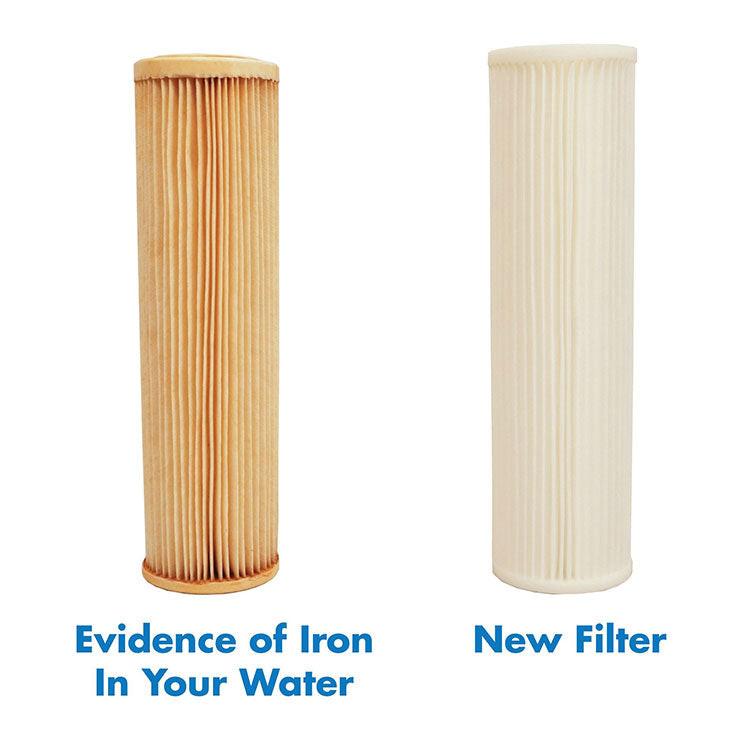
Three indicators of a clogged sediment filter: (1) Reduced water flow rate -- the most noticeable symptom; fill a bucket or measure the time to fill the reservoir and compare to when the filter was new; (2) Pressure drop -- the pressure before the filter is significantly higher than after (requires two pressure gauges or a differential pressure gauge); (3) Physical inspection -- the filter appears brown or discolored from captured sediment when removed from the housing. Severe clogging in a pre-RO filter also manifests as reduced RO production rate as the low post-filter pressure starves the RO membrane of its required inlet pressure.