UV Water Sterilizers for Hydroponics
Ultraviolet (UV) water sterilizers use UV-C light (254nm wavelength) to inactivate bacteria, algae, and pathogens in irrigation water as it passes through the UV chamber, without adding any chemicals to the water or creating residues that affect plant growth. In hydroponic systems, UV sterilizers are used on recirculating reservoir water to prevent pathogen proliferation and algae growth in lines, manifolds, and growing media. In water filtration systems, UV sterilization is commonly used as the final stage after sediment and carbon filtration to ensure microbiologically clean water before nutrient mixing.
GrowoniX UV Filters
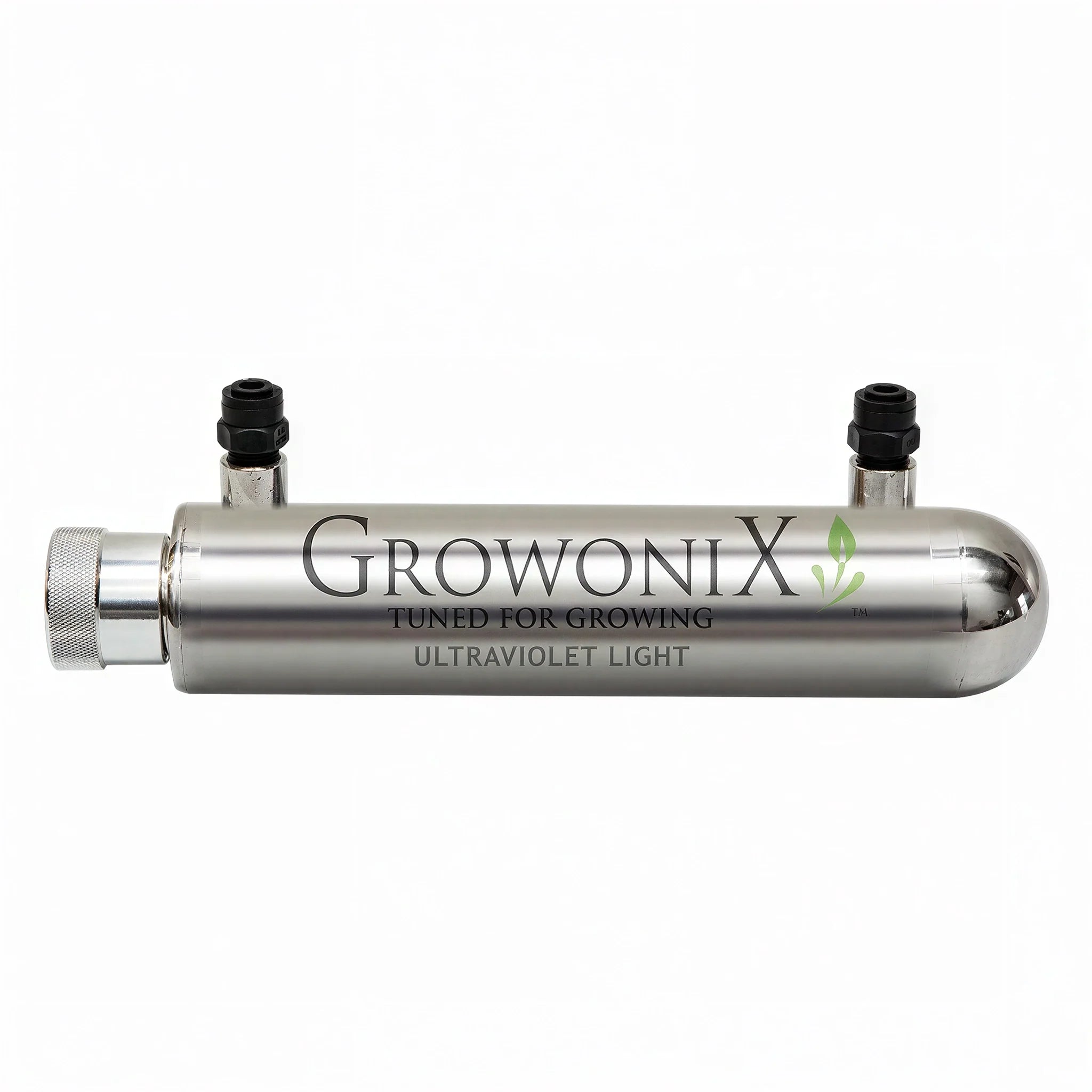
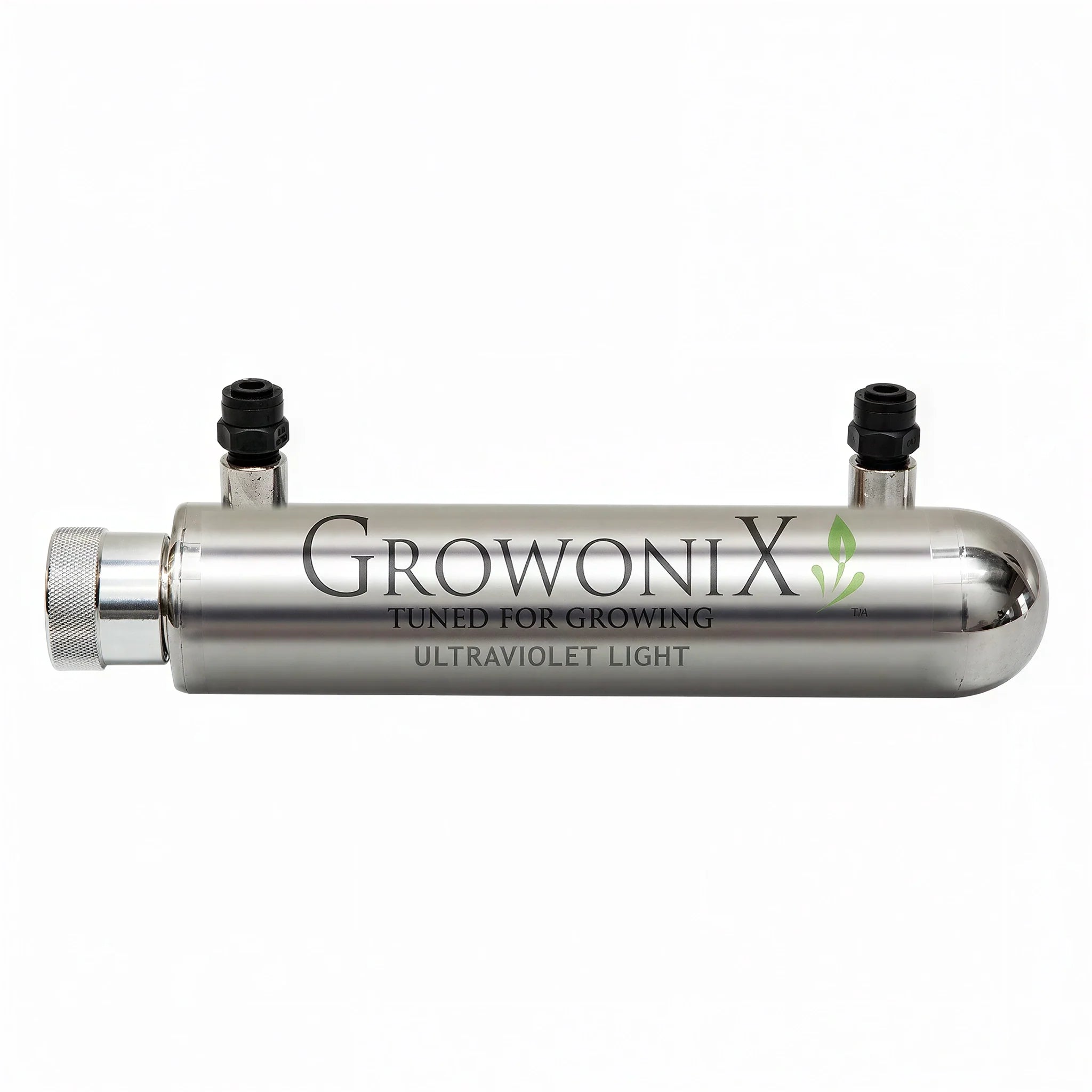
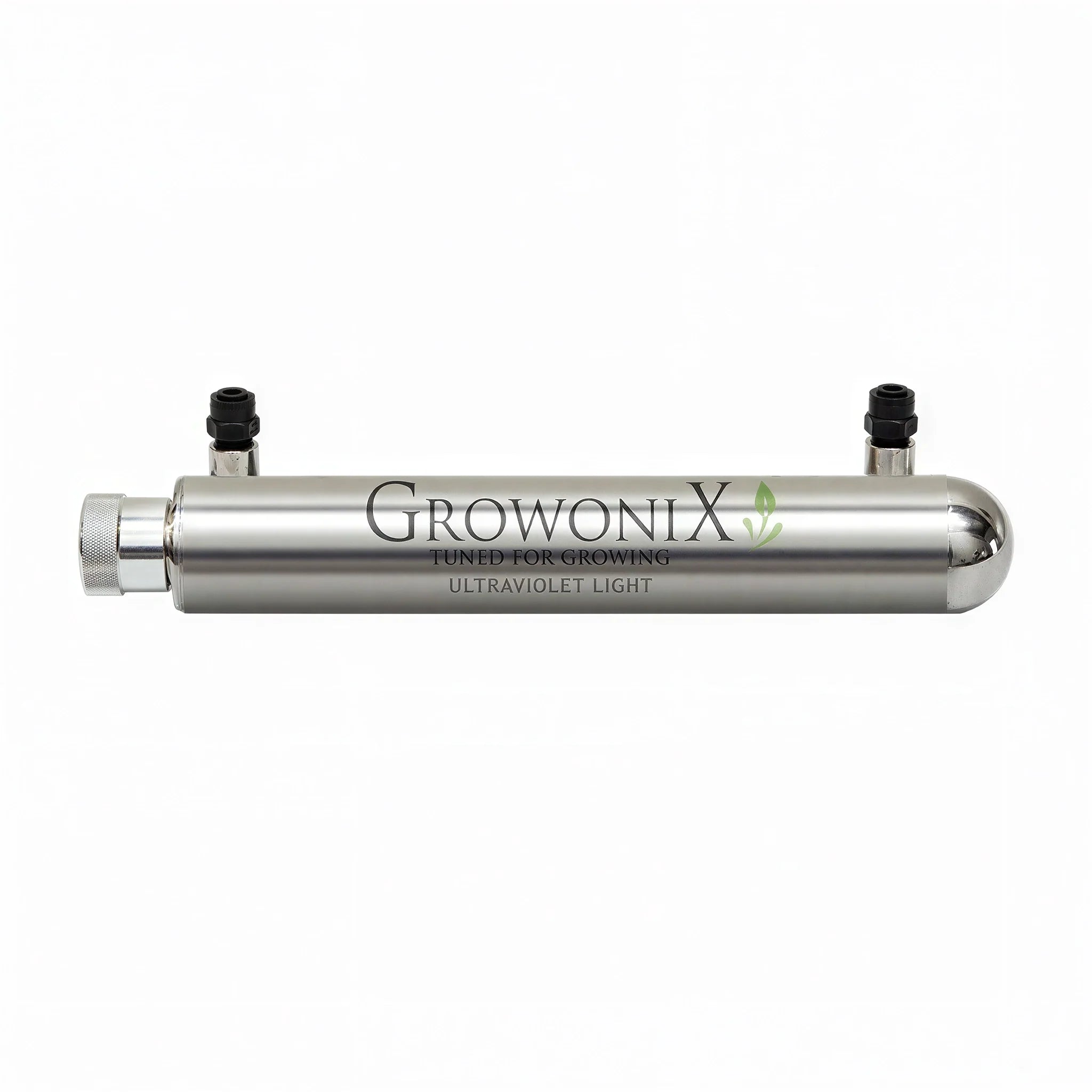
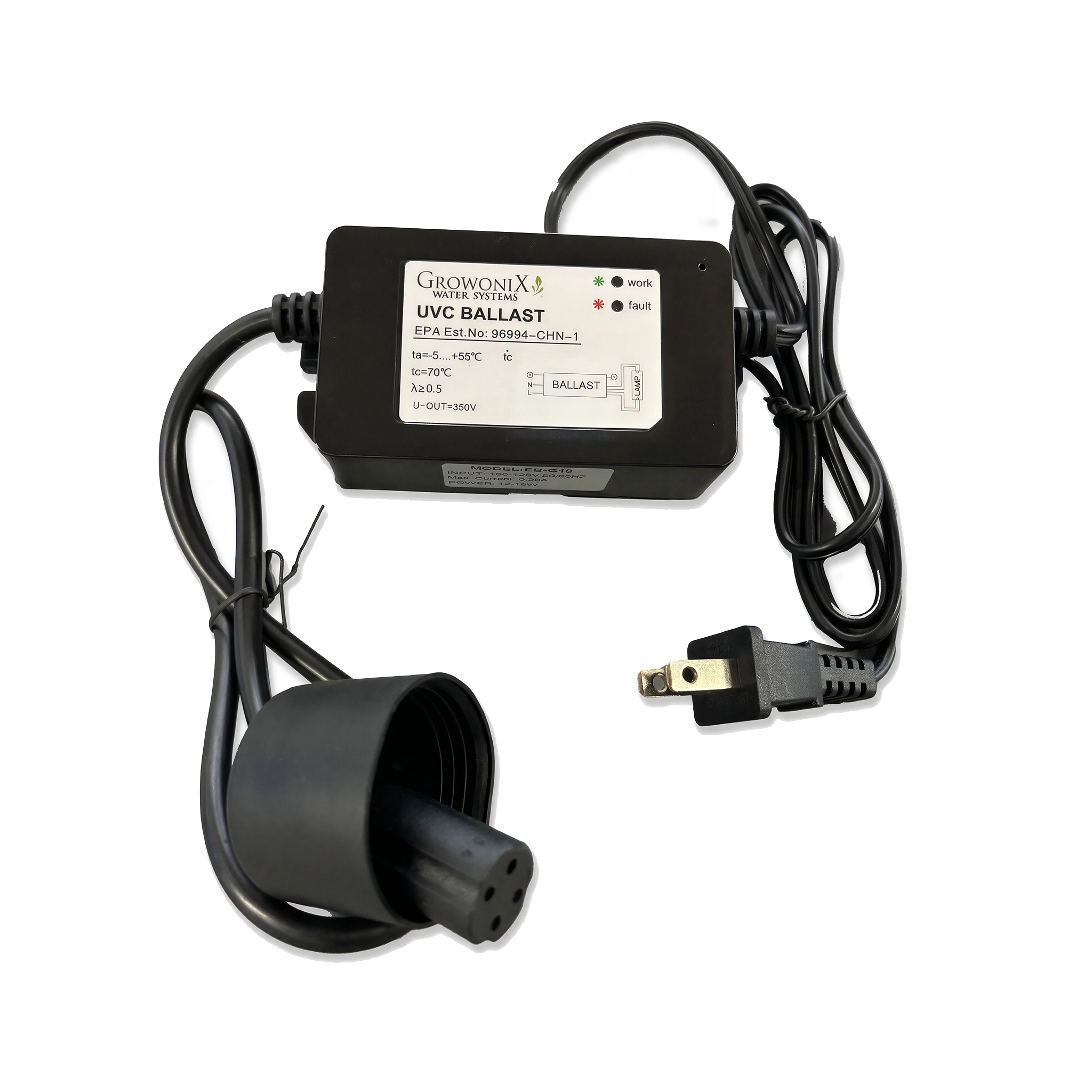
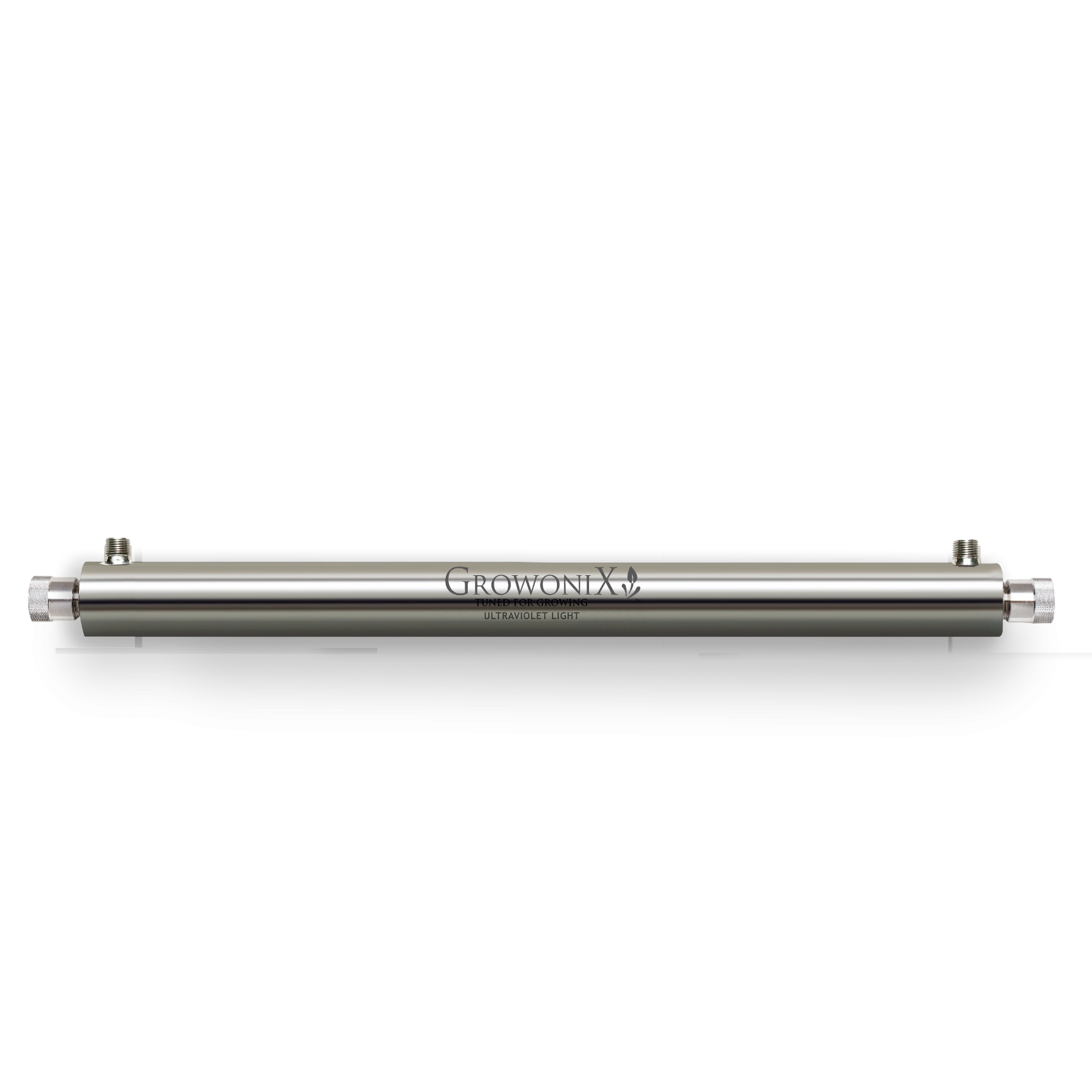
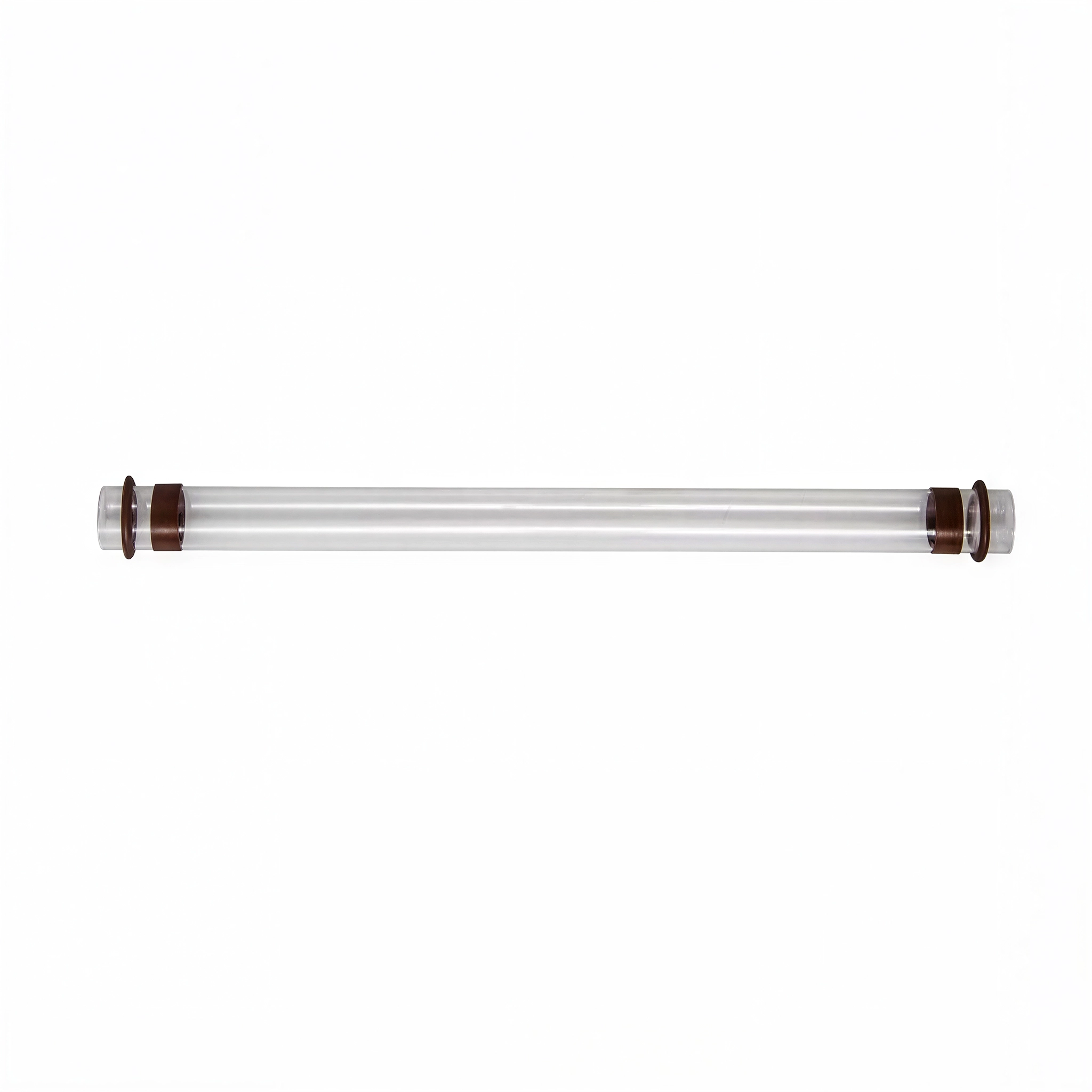
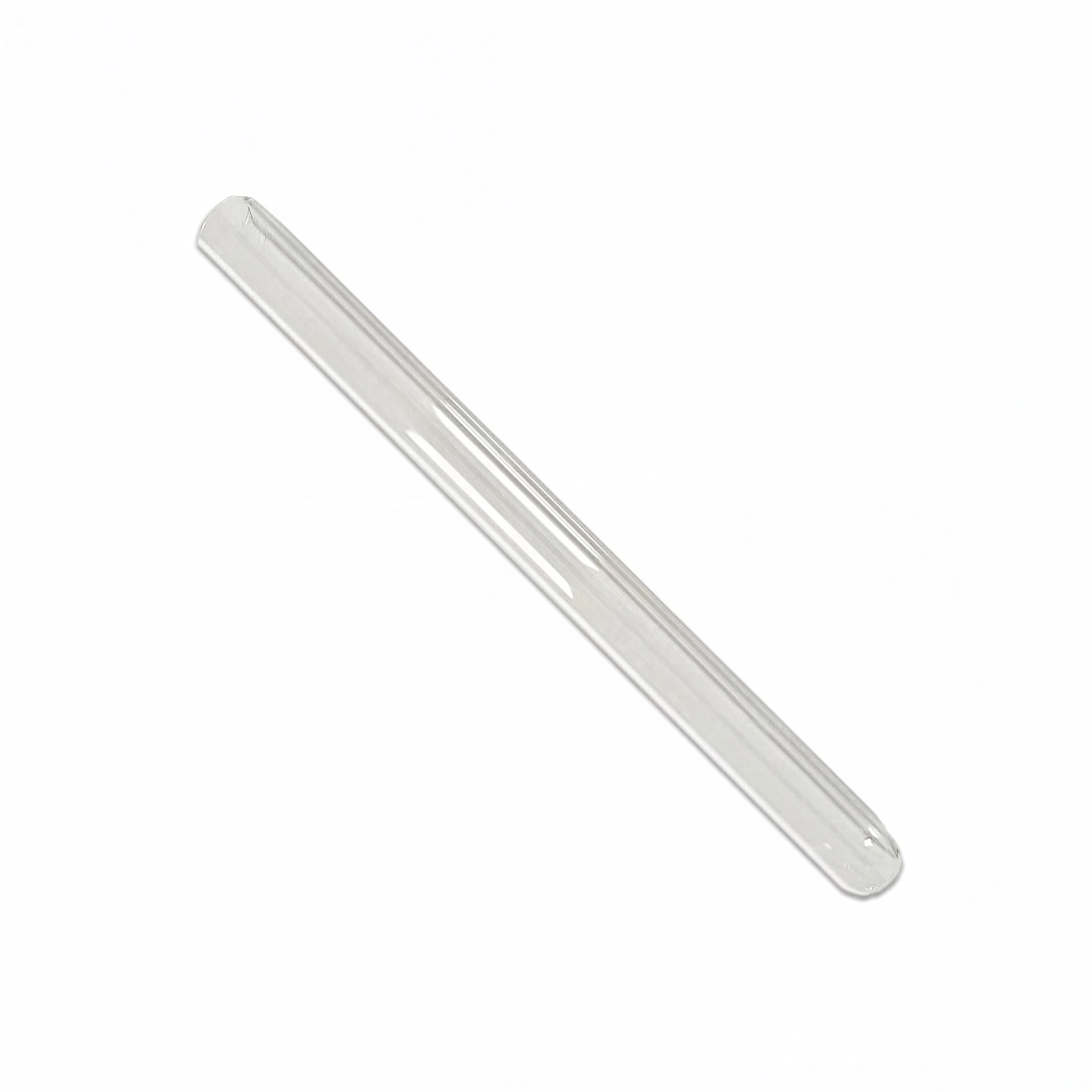
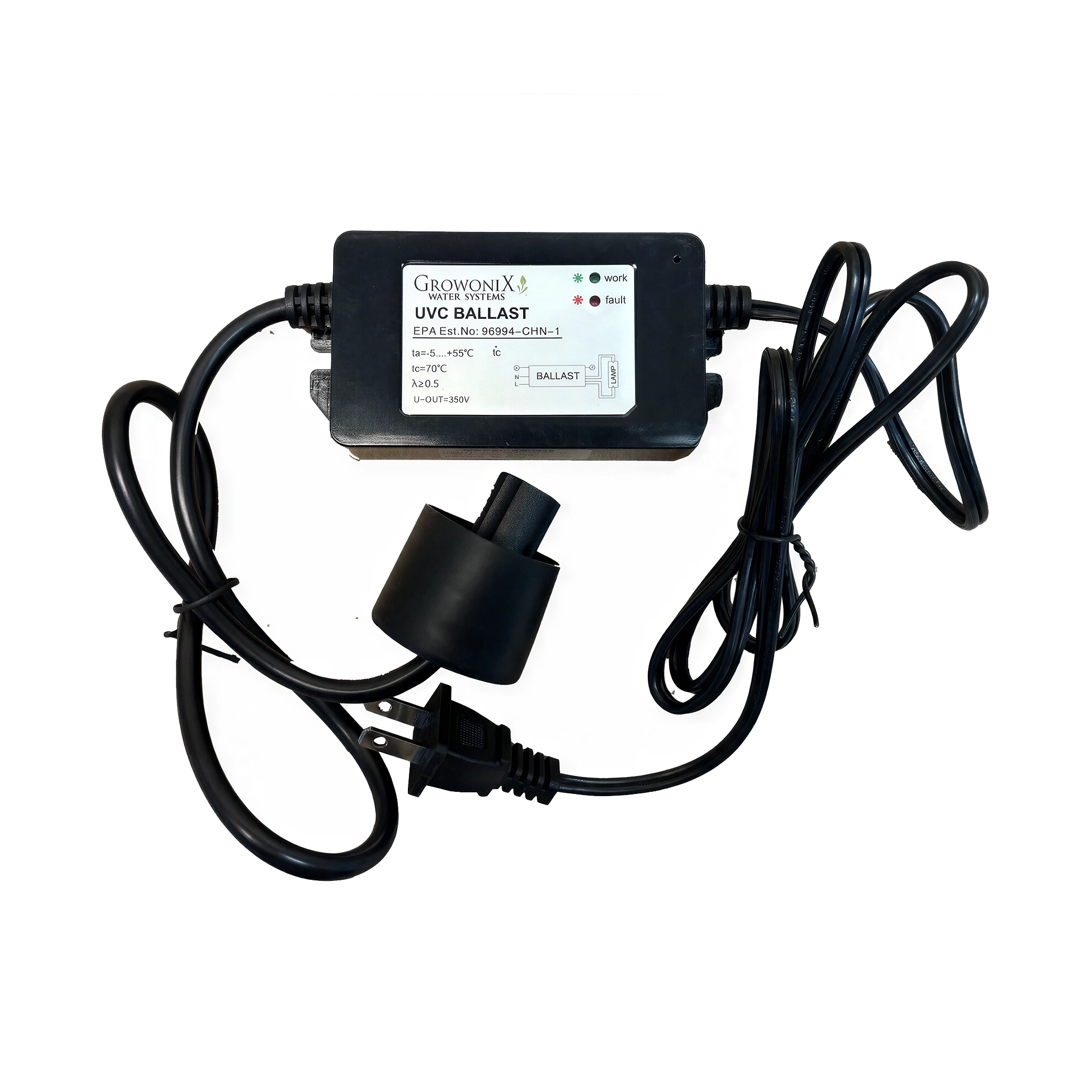
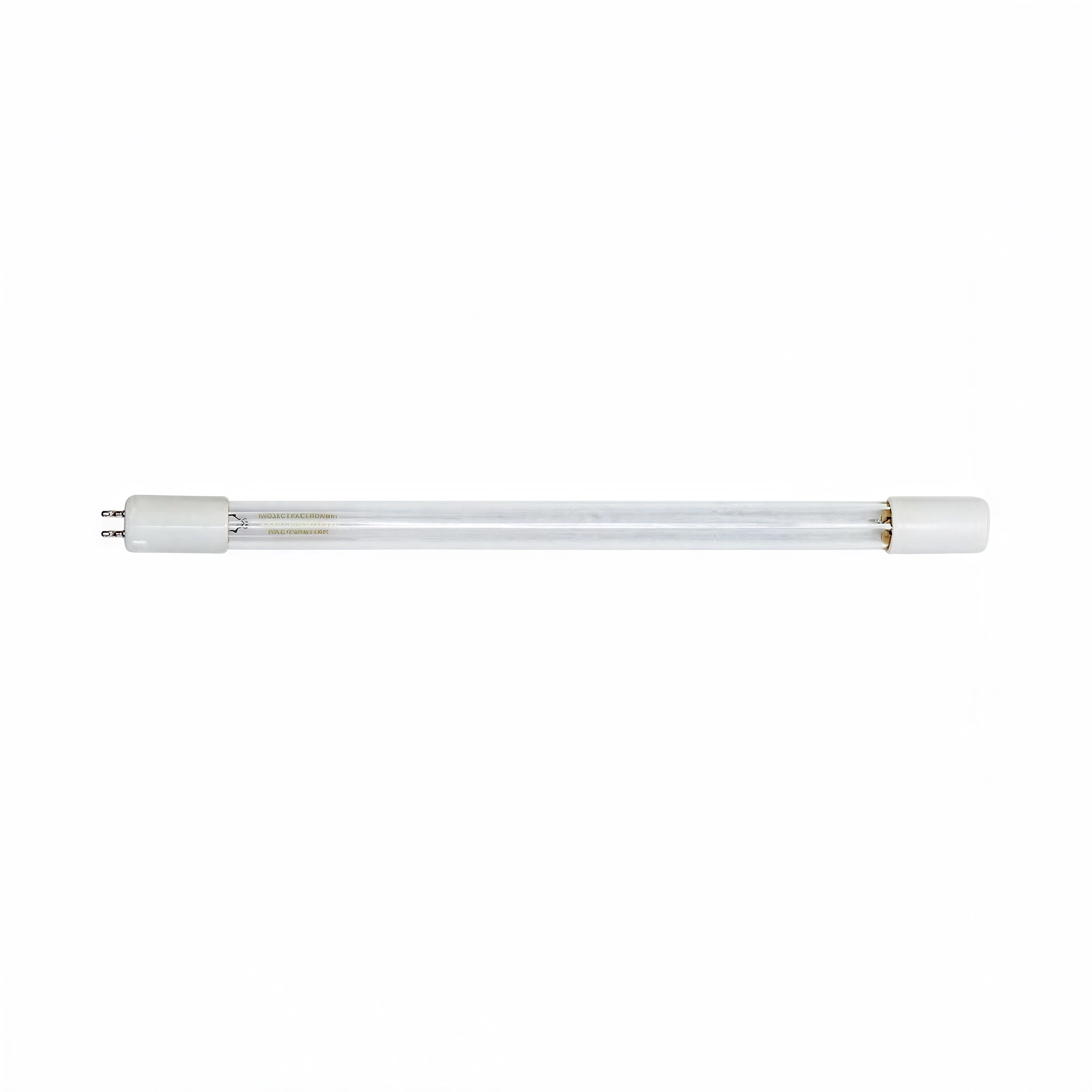
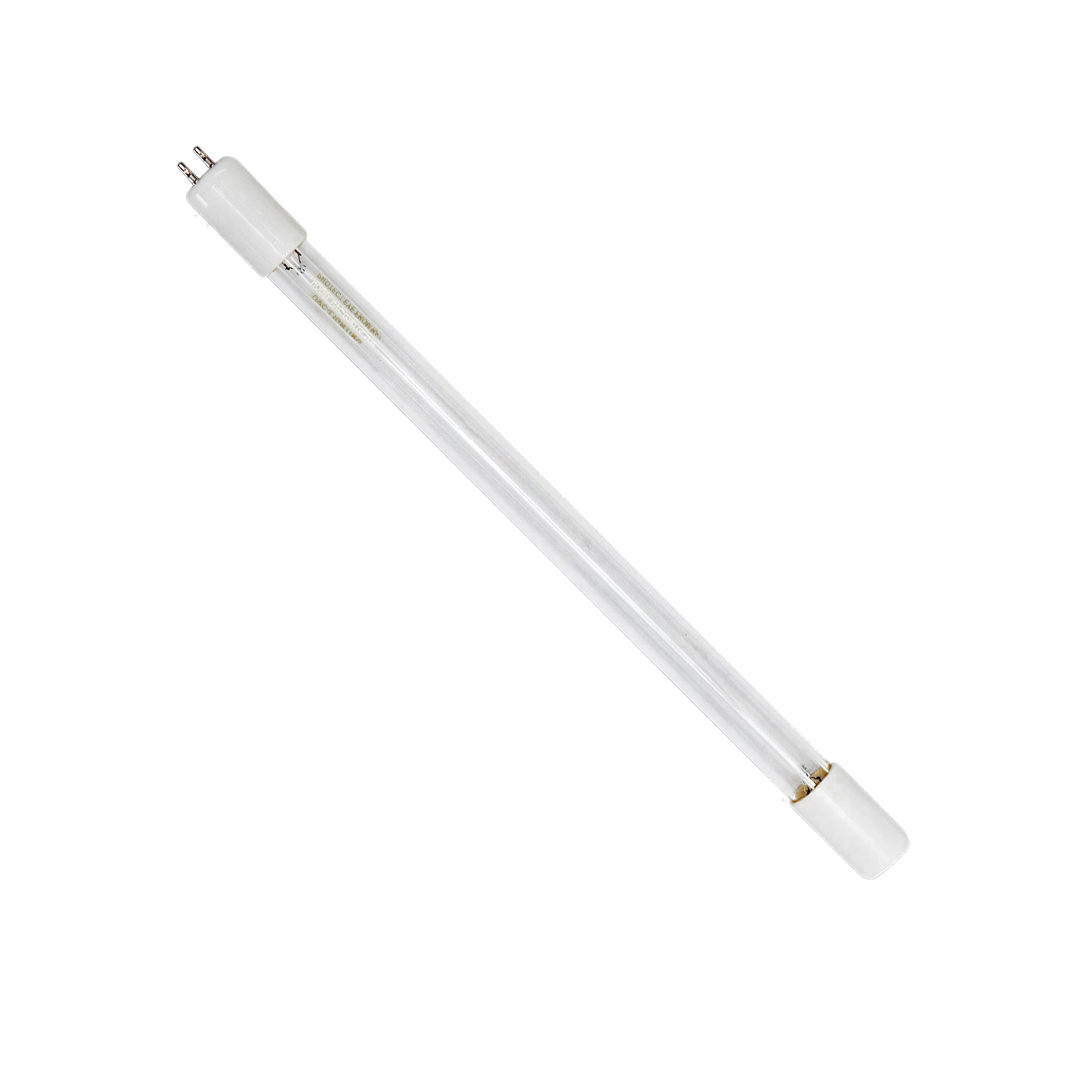
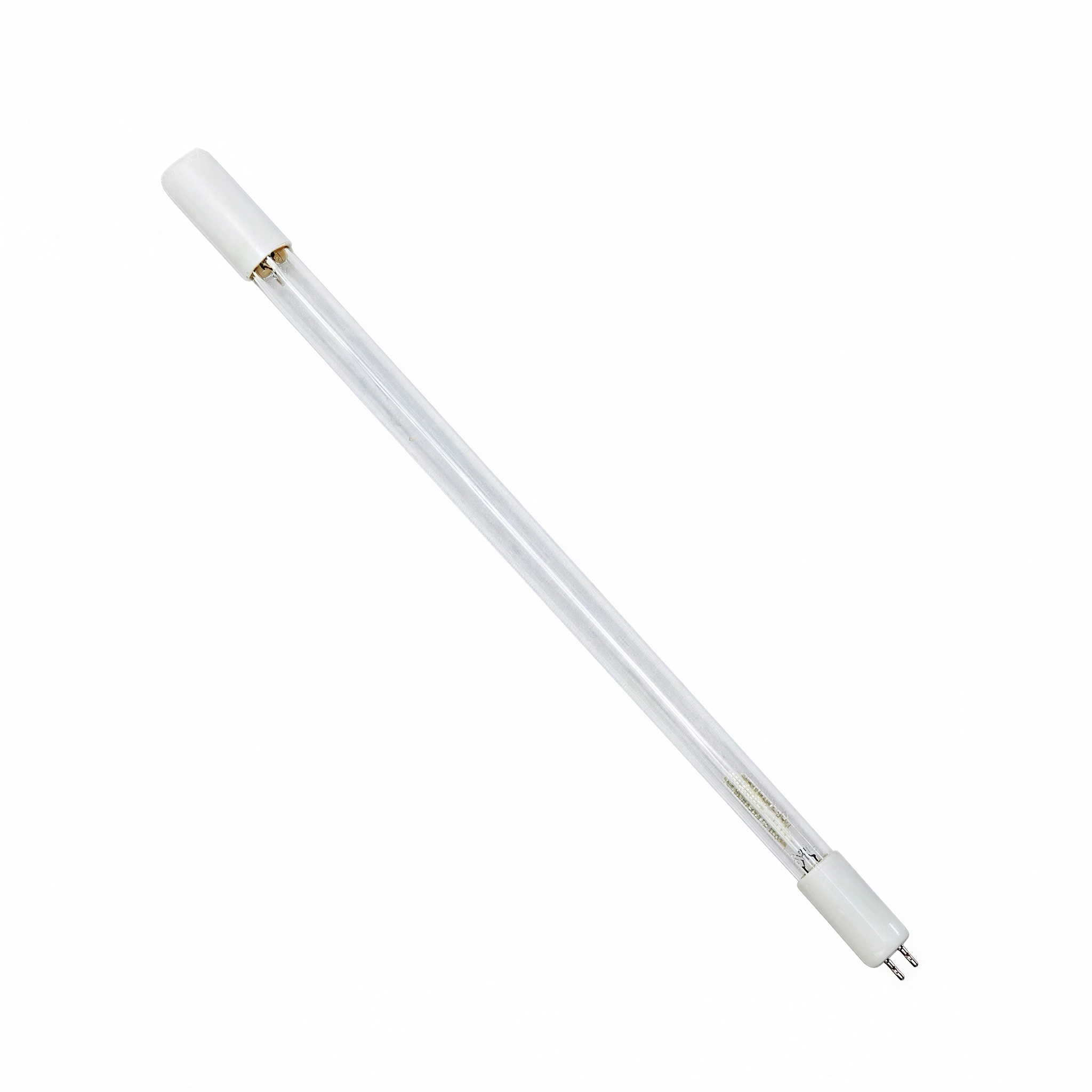
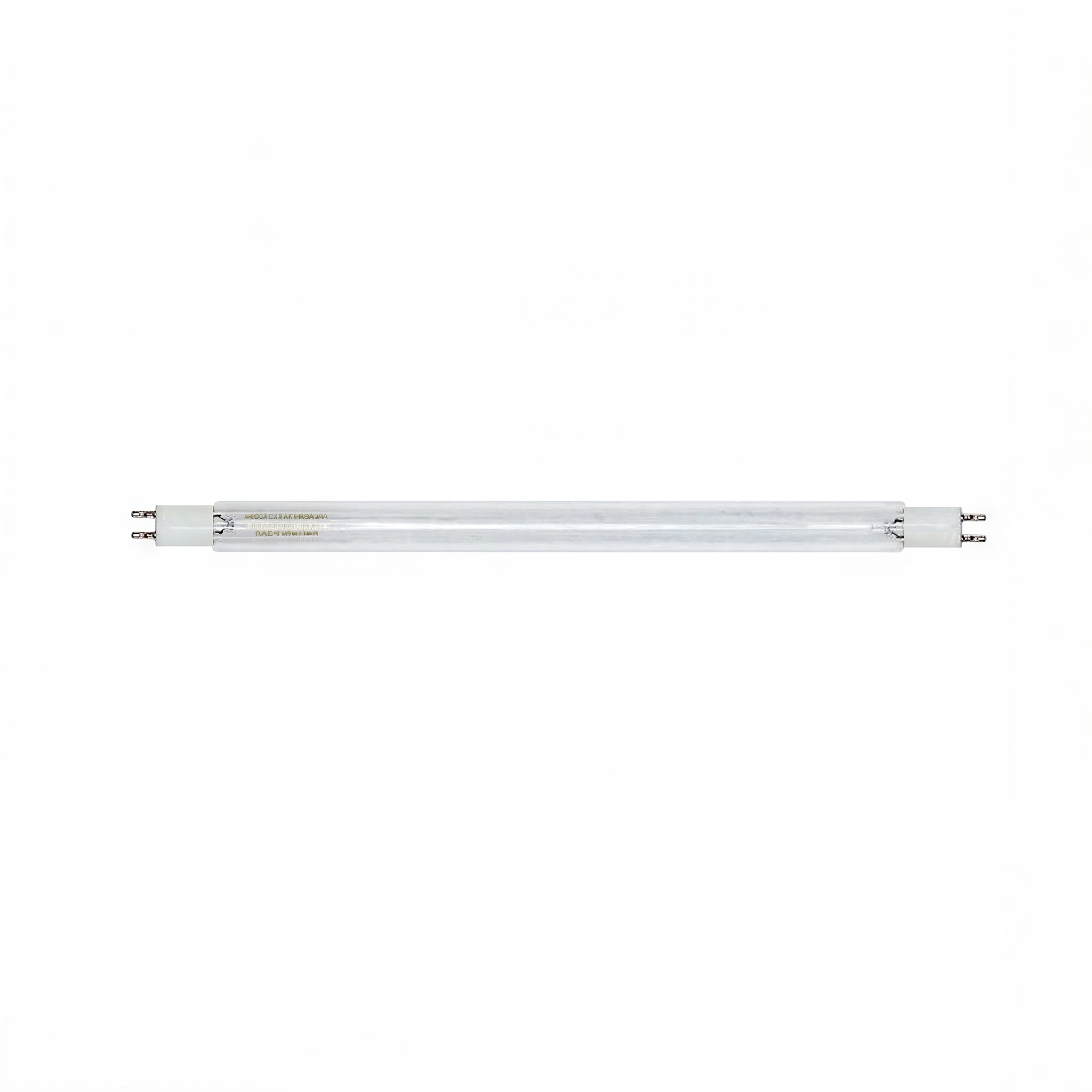
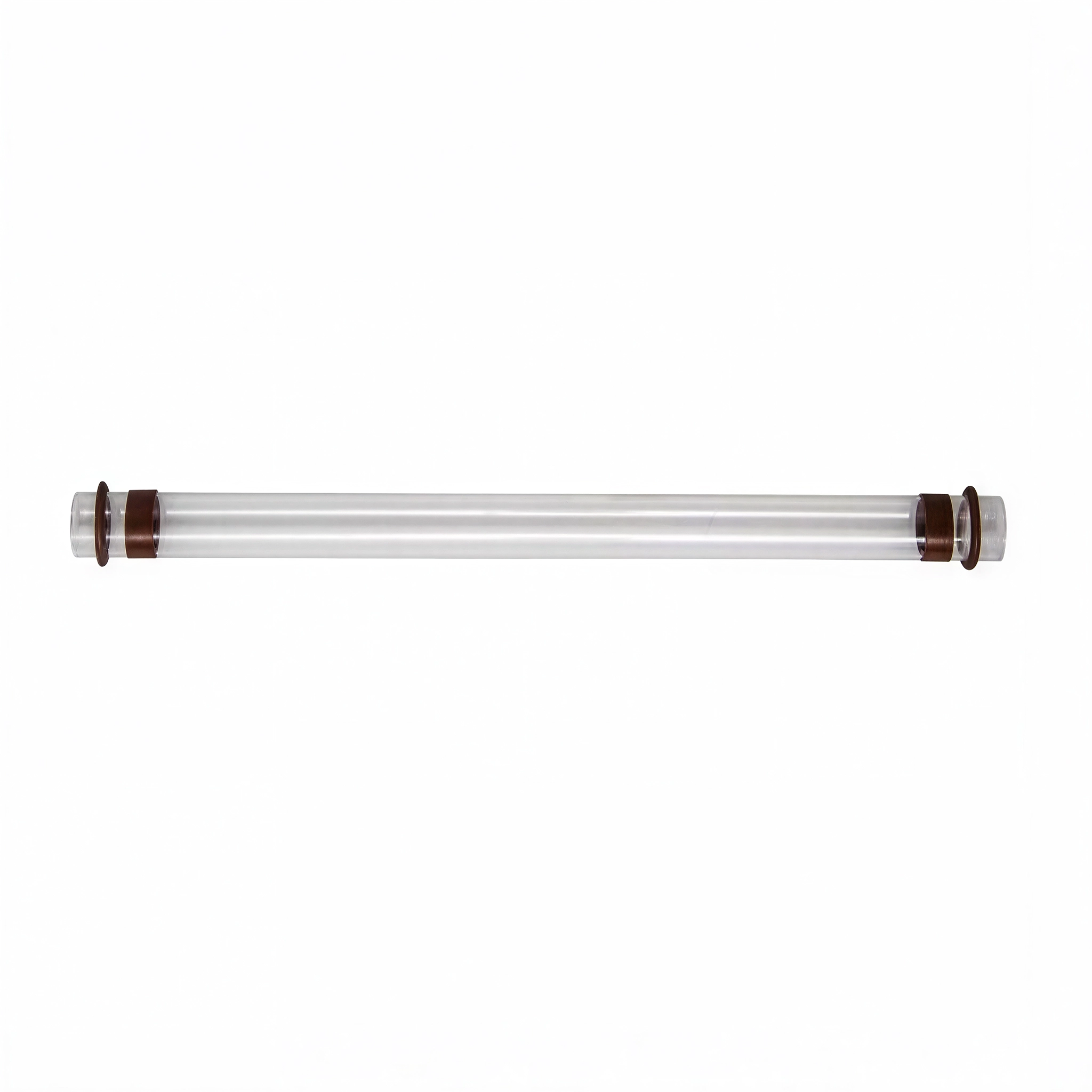
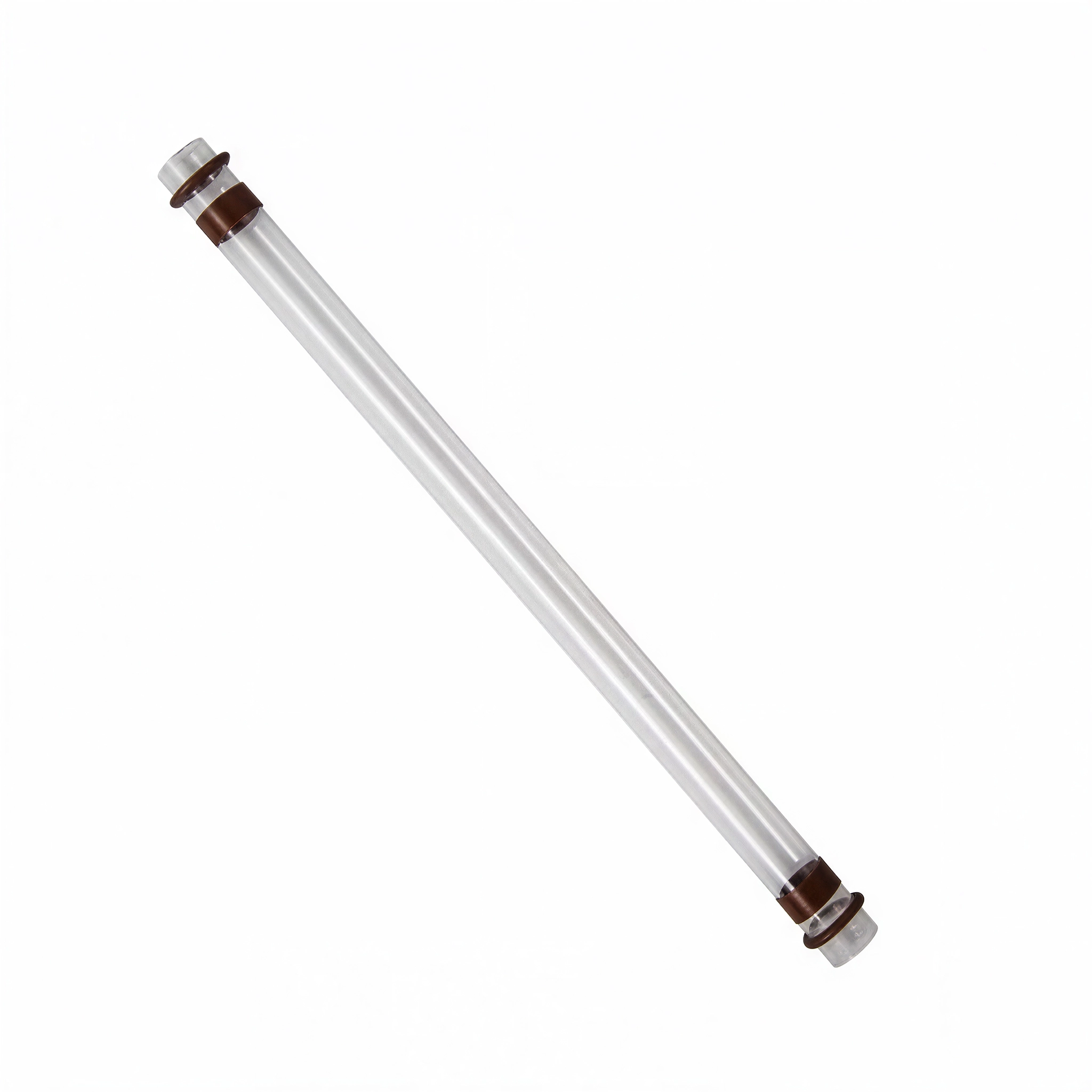
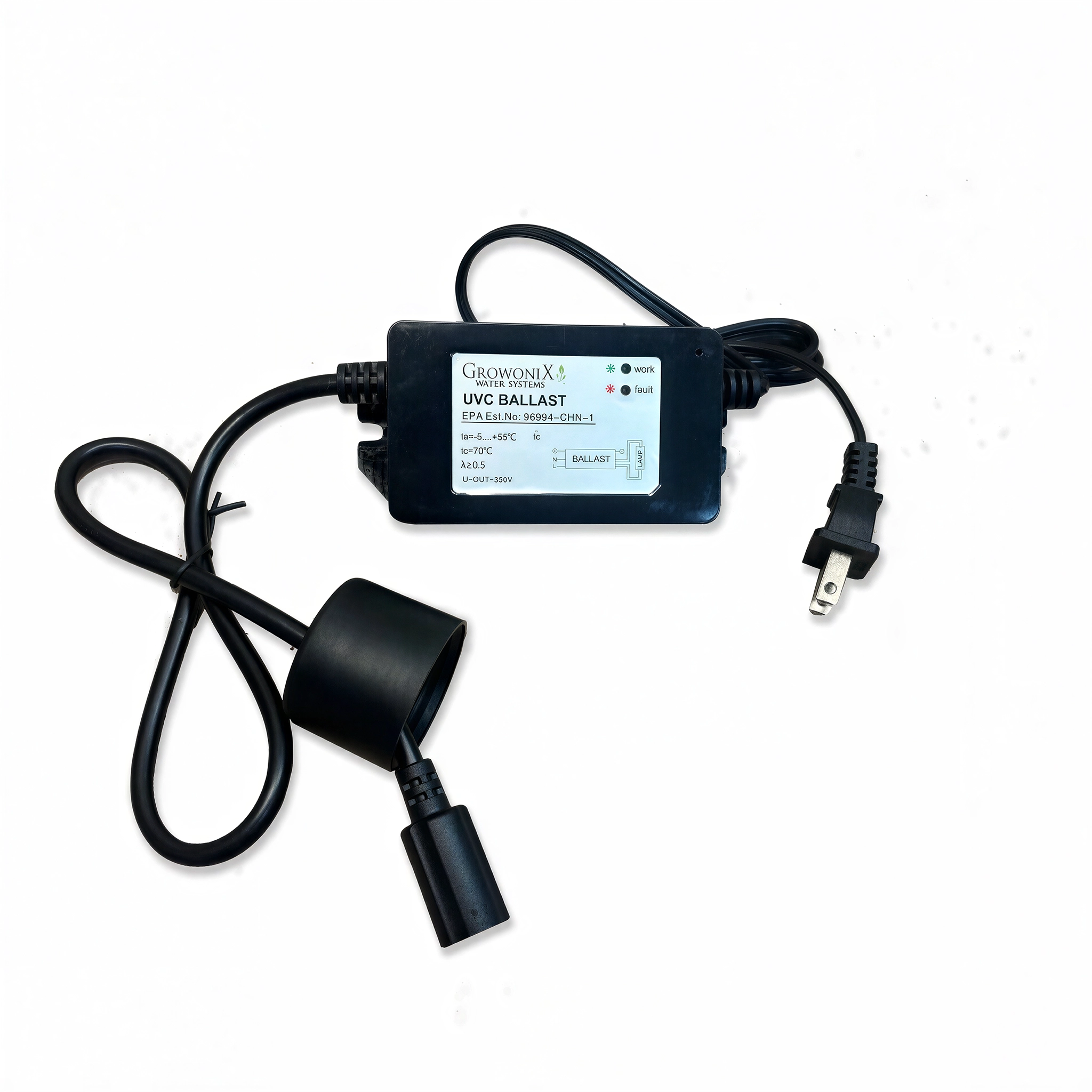
GrowoniX produces the primary UV water filter line at Hydrobuilder - the XL Ultraviolet Water Filter and the UV-1530 (1 GPM) and related models provide inline UV sterilization at various flow rates for hydroponic and greenhouse water treatment applications. GrowoniX UV units are sized by flow rate (GPM) at the UV chamber - the unit must match your actual irrigation flow rate to ensure adequate contact time with the UV-C lamp for effective pathogen inactivation. UV lamps require annual replacement to maintain effective output; GrowoniX replacement bulbs and UV-LB ultraviolet lamps are stocked separately for ongoing maintenance.
EnviroKlenz UV Replacement Bulbs
EnviroKlenz provides replacement UV bulbs for compatible air and water treatment systems. UV bulb replacement is essential maintenance - UV-C output degrades over time even as the lamp continues to operate, and a depleted lamp provides little to no sterilization despite appearing to function normally. Browse all water filtration products including GrowoniX RO systems. Expert support available - call 888-815-9763.
UV Water Filters FAQ
How does a UV water sterilizer work in a hydroponic system?
A UV water sterilizer passes irrigation water through a chamber containing a UV-C lamp (254nm wavelength). As water flows past the lamp, UV-C radiation penetrates microbial cells and disrupts their DNA, preventing reproduction and inactivating bacteria, algae, Pythium, and other waterborne pathogens. The process adds no chemicals to the water and leaves no residue - the treated water is microbiologically clean but chemically unchanged. For effective sterilization, water flow rate must be low enough to ensure adequate UV exposure time; overflowing a UV unit's rated capacity reduces contact time and sterilization effectiveness. UV sterilizers do not remove dissolved solids, sediment, or heavy metals - they are typically used as the final treatment stage after physical filtration.
Where in a hydroponic system should a UV sterilizer be installed?
In recirculating systems (RDWC, NFT, ebb-and-flow), install the UV sterilizer on the return line from the growing zone back to the reservoir - after plants have received irrigation but before water re-enters the reservoir. This placement treats any pathogens picked up during circulation before they have a chance to proliferate in the warm, nutrient-rich reservoir environment. In water filtration setups, install UV as the final stage after sediment pre-filters and carbon filters - sediment and organic matter in water absorbs UV radiation and reduces effectiveness, so pre-filtration must precede UV treatment for it to function properly.
How often do UV bulbs need to be replaced?
UV-C lamps should be replaced annually even if they continue to illuminate. UV-C output degrades over time - a one-year-old lamp may produce as little as 60-70% of its original UV-C intensity while appearing visually identical to a new lamp. Declining output means declining sterilization effectiveness; pathogens and algae that would have been inactivated by a new lamp survive exposure to a depleted one. Annual replacement is the standard interval for irrigation and aquatic UV systems in commercial use. Mark the installation date on the unit and set a calendar reminder for annual replacement. Replacement bulbs for GrowoniX UV filters are available in this collection.