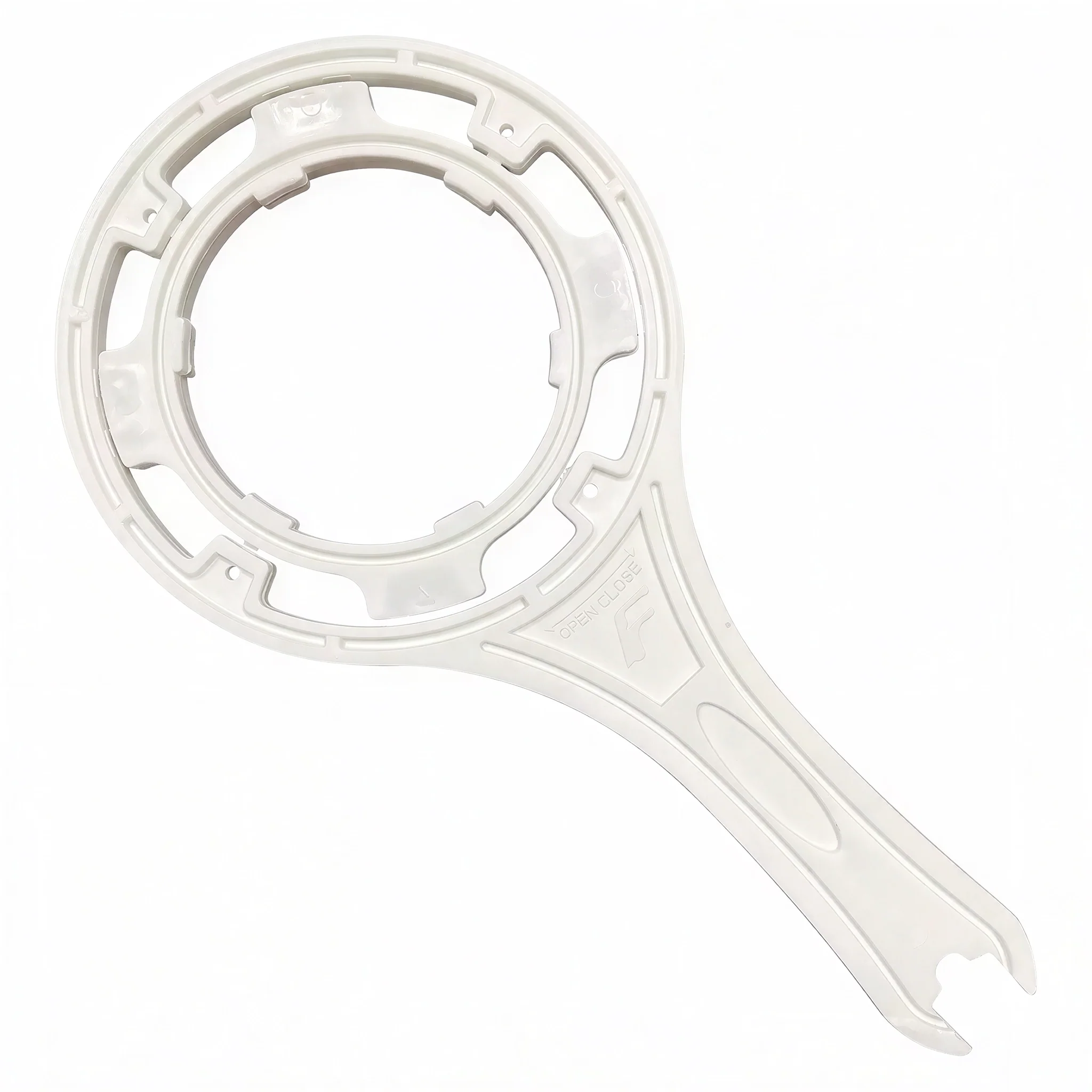
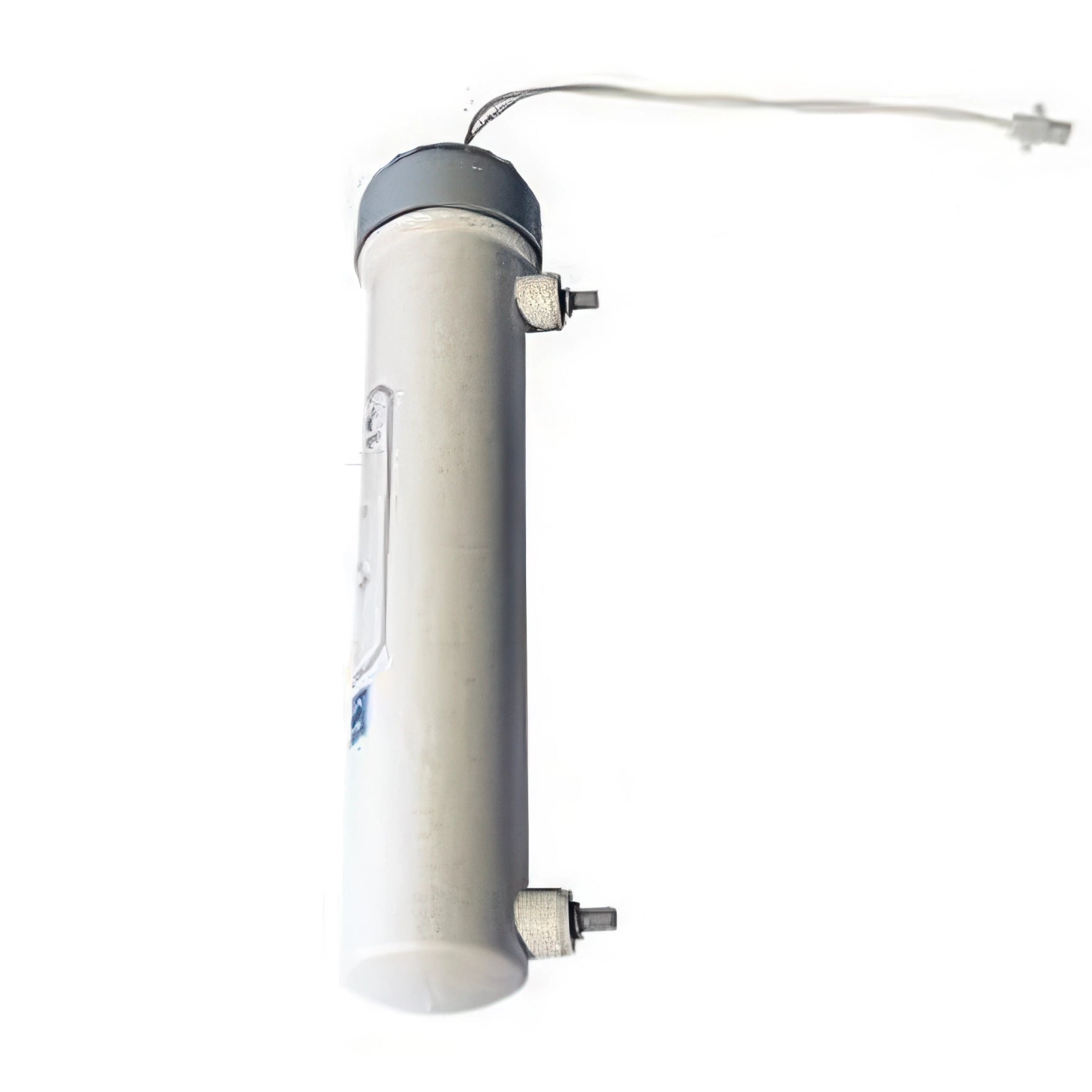
Water Filter Upgrade Kits, Parts & Accessories
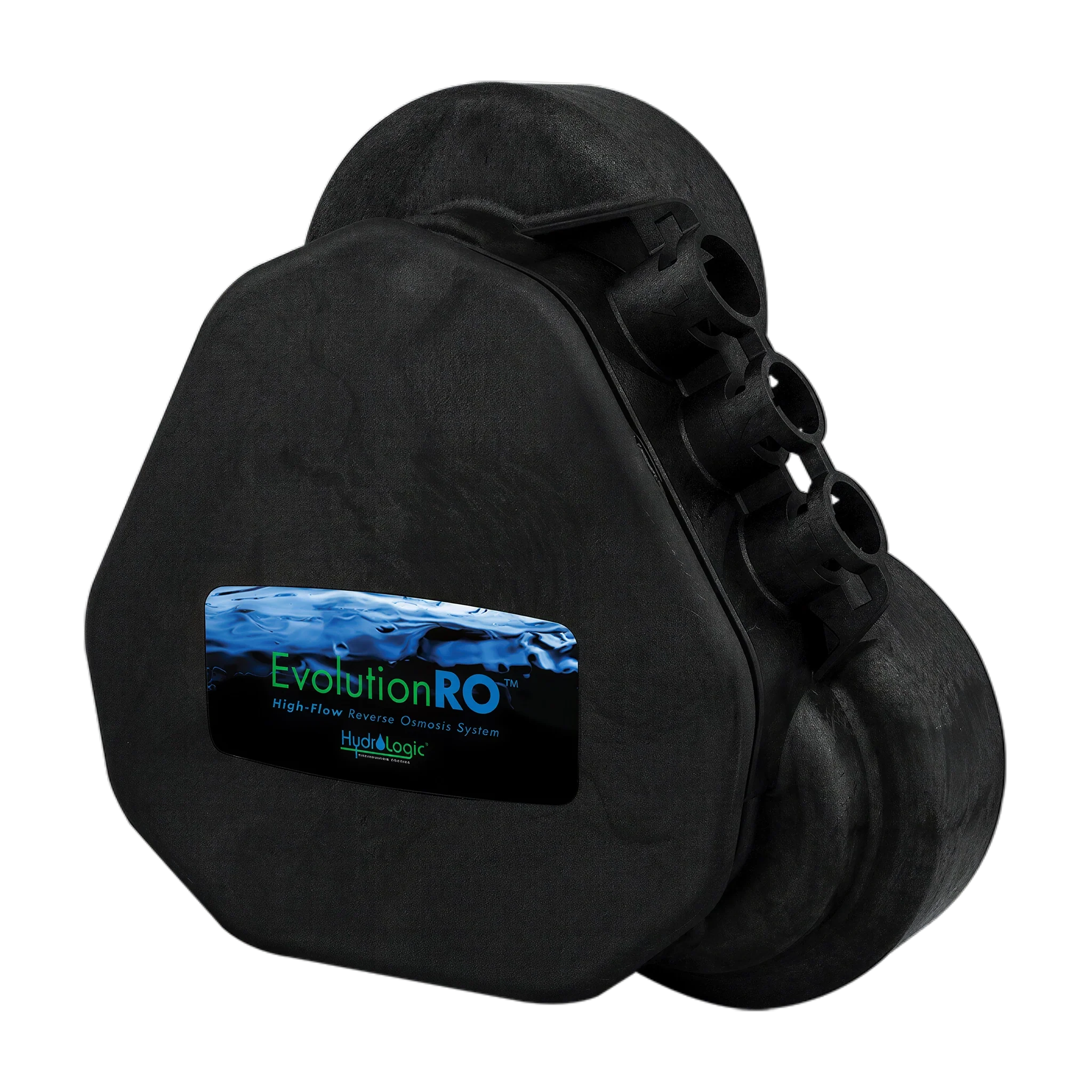
Water filter components and accessories allow upgrading, expanding, and servicing existing water treatment systems without replacing entire filter housings or system assemblies. As growing operations scale or source water quality changes, the original filter configuration installed may no longer meet the treatment requirements - adding a pre-filter stage, upgrading to a larger housing, adding a pressure gauge for monitoring, or connecting the system to a booster pump to restore pressure are common upgrade paths that add-on components enable without a complete system replacement.
Common Upgrade Components
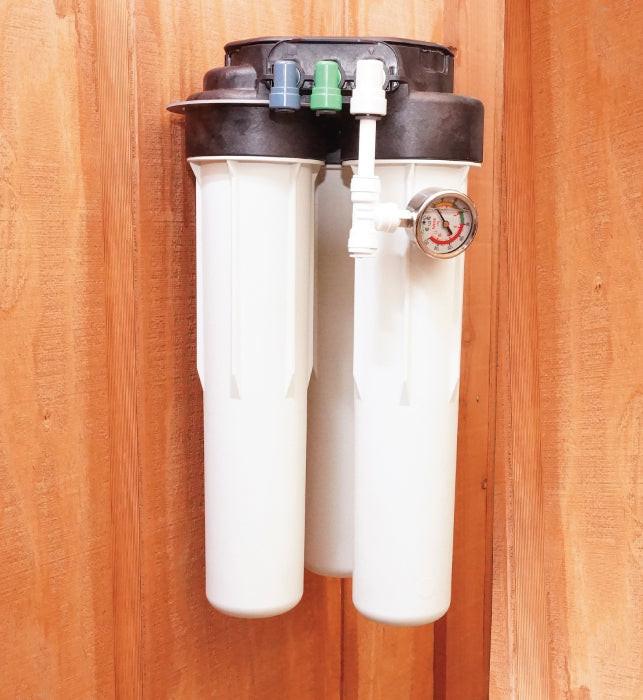
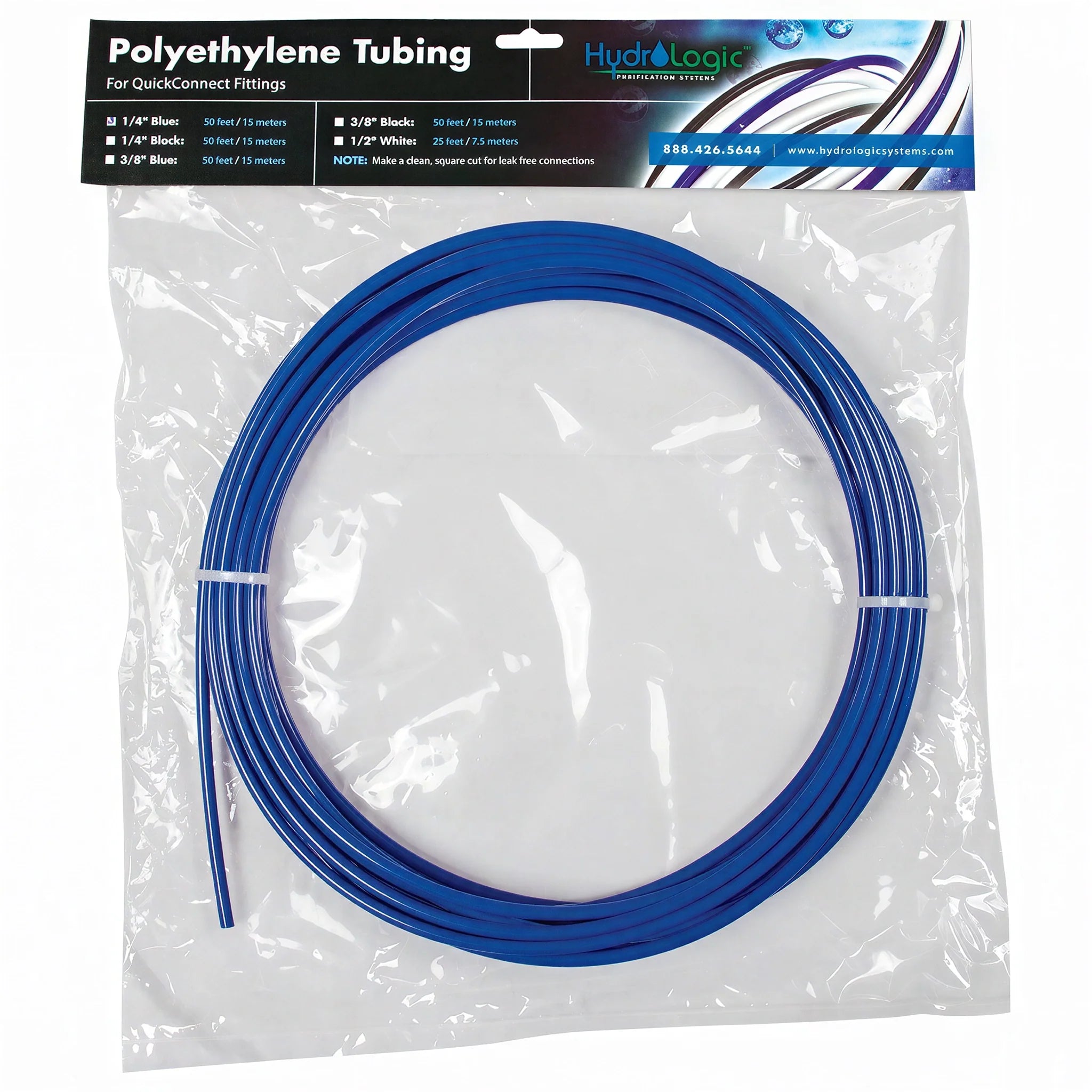
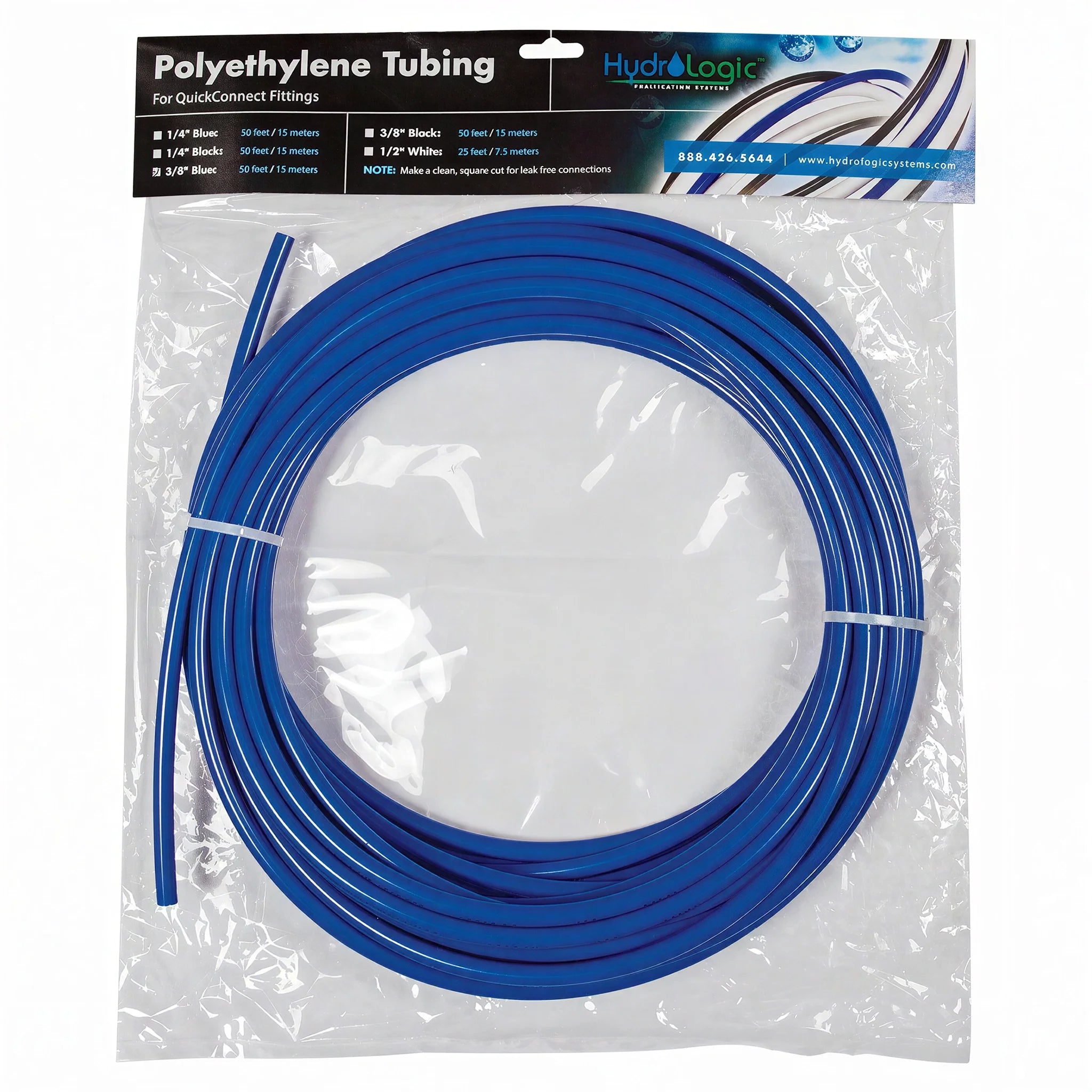
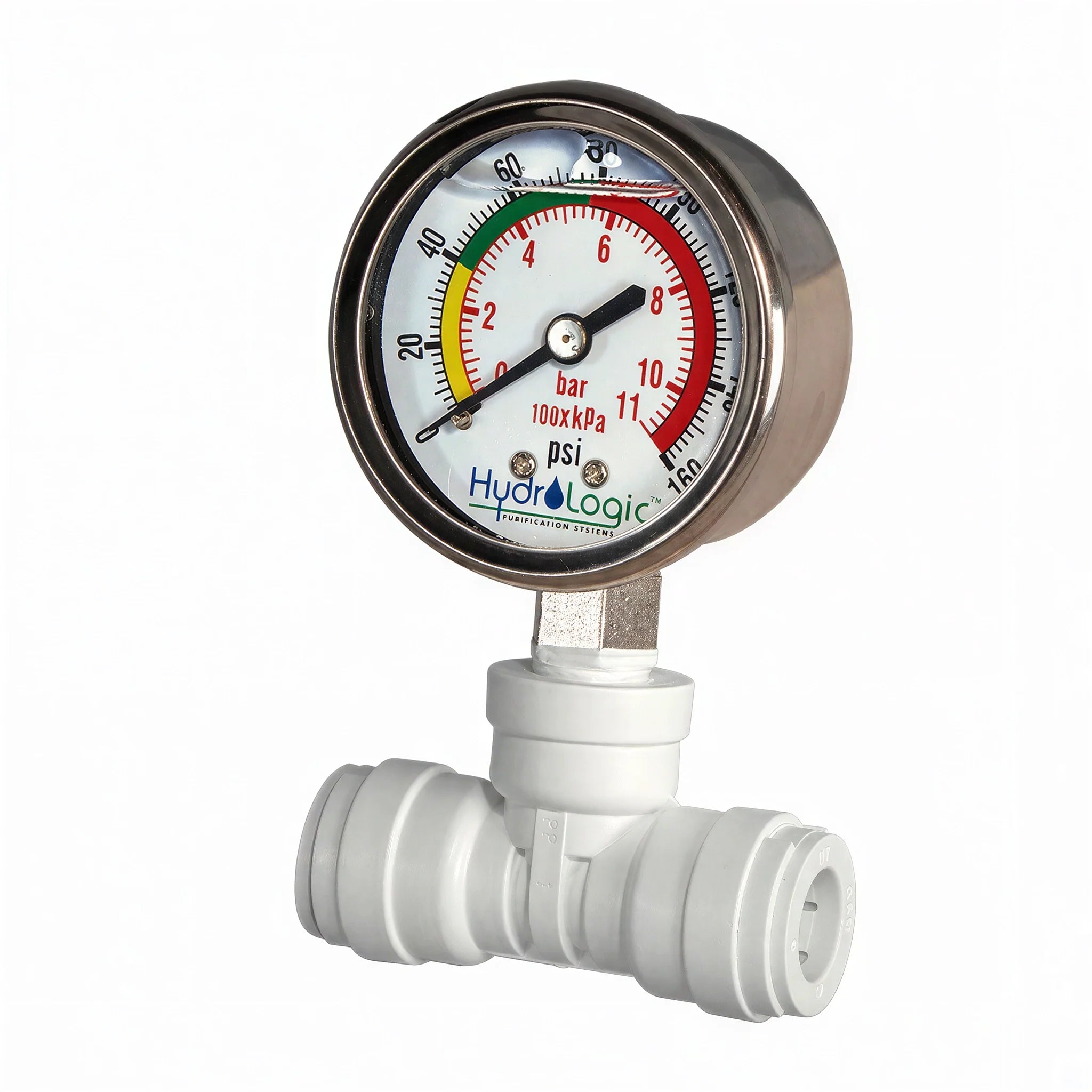
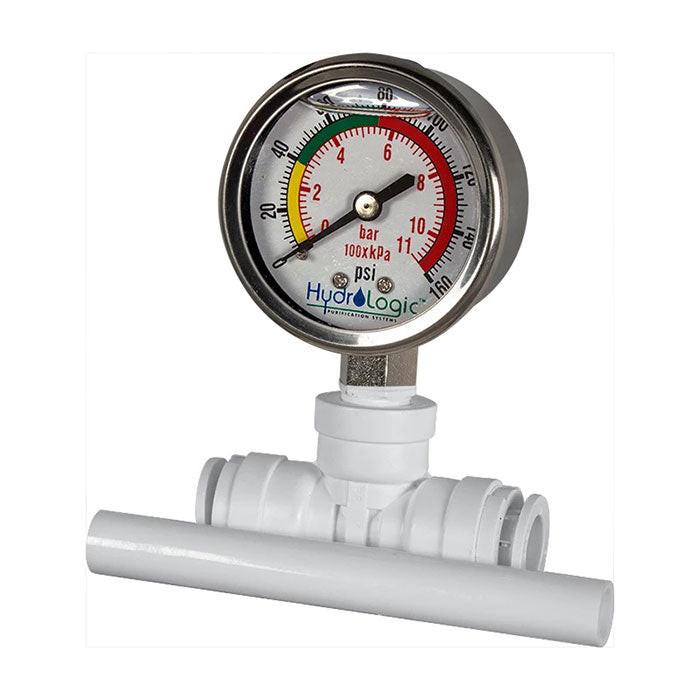
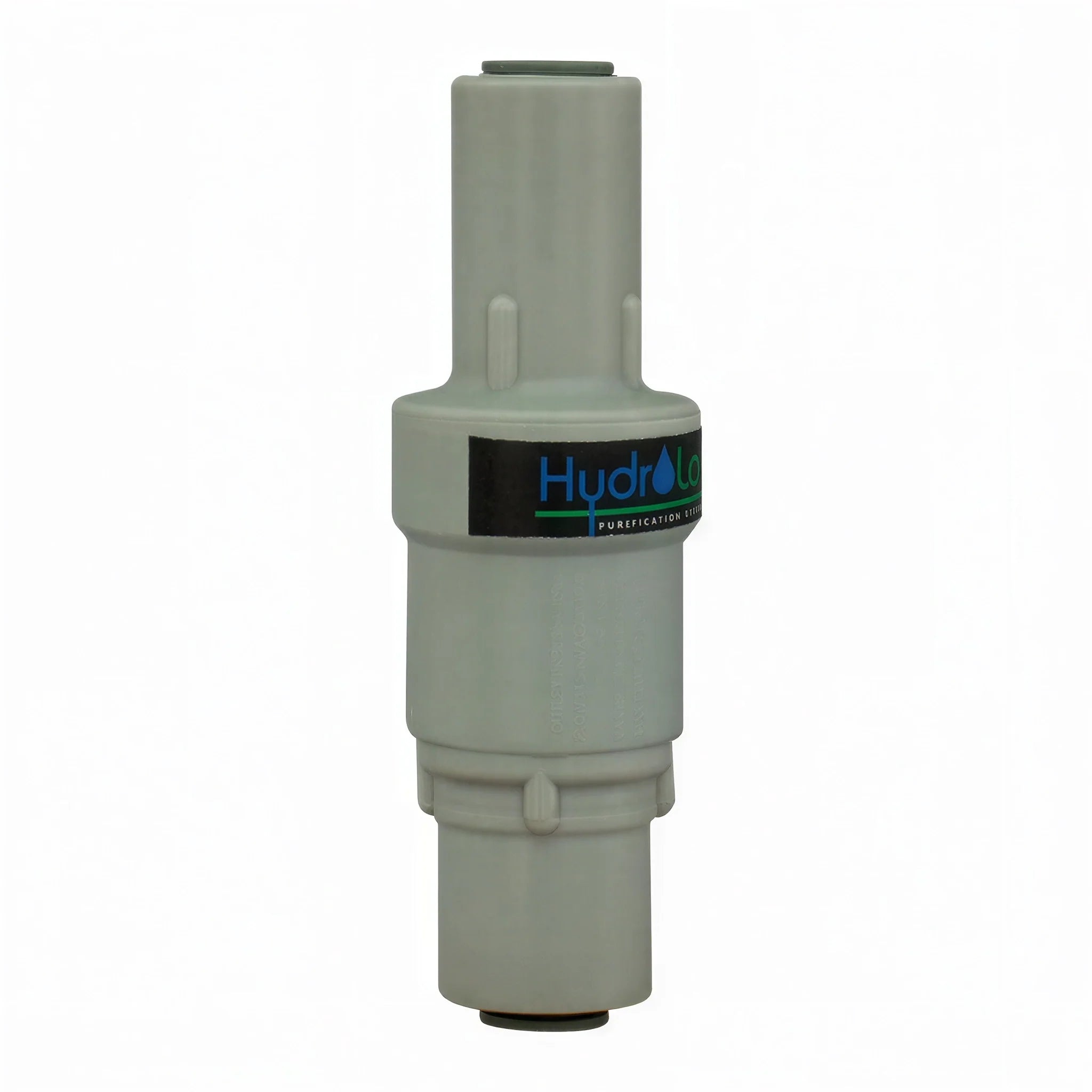
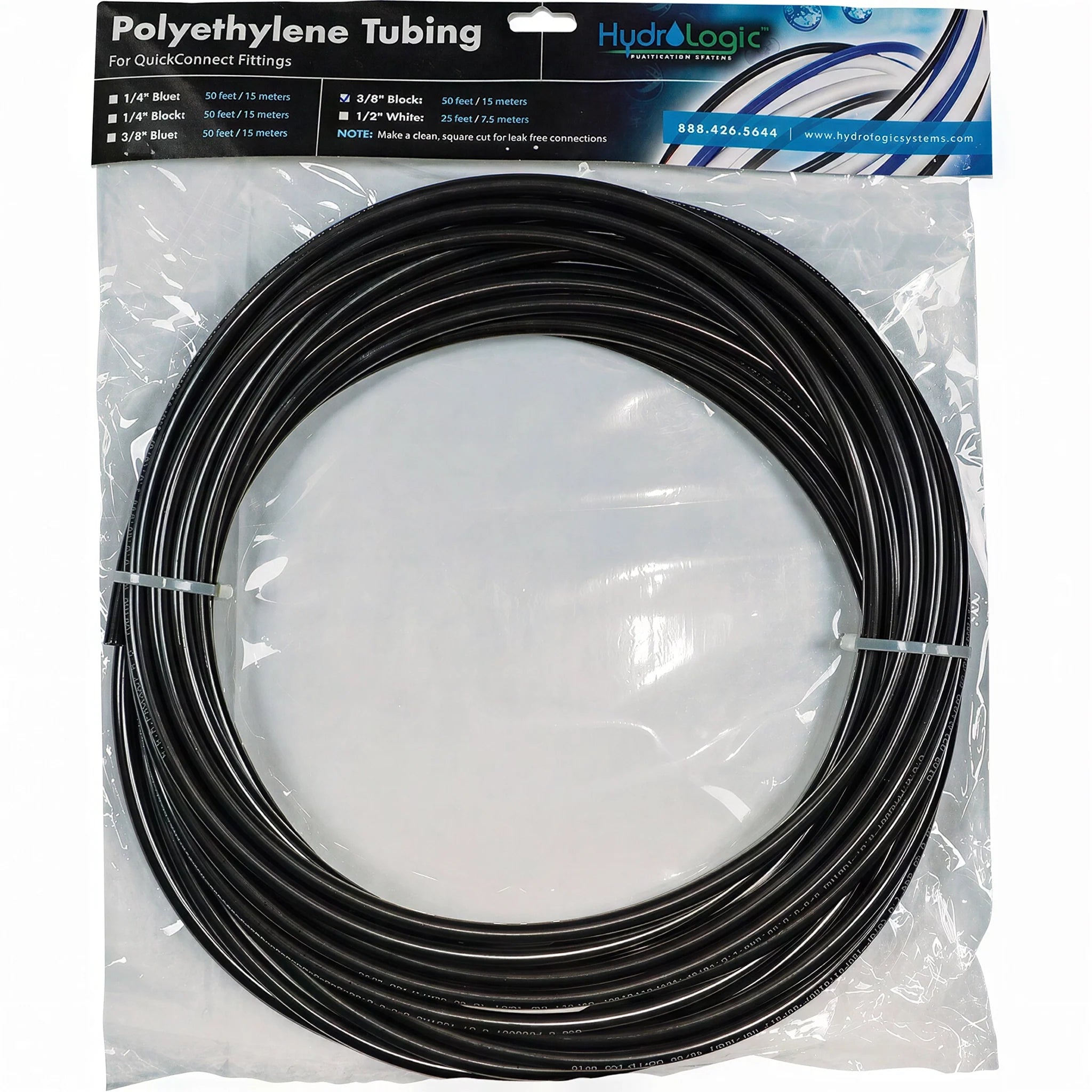
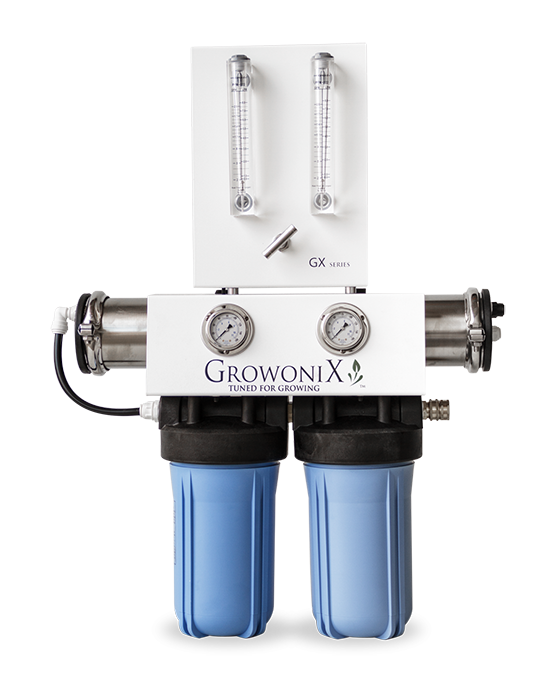
Inline filter housings in 10-inch and 20-inch sizes allow adding additional filtration stages to existing systems - a second housing in series adds a polishing stage, a different media type, or a sediment pre-filter that protects downstream finer-media stages from clogging too quickly. Pressure gauges installed on filter housing inlet and outlet ports allow monitoring the pressure differential across the filter - a rising differential indicates the filter is loading with particles and approaching the end of its service life. Quick-connect fittings and tubing adapters integrate filter housings into existing plumbing configurations without dedicated plumbing skills. Browse our complete water filtration collection for complete systems alongside components.
System Pressure & Flow
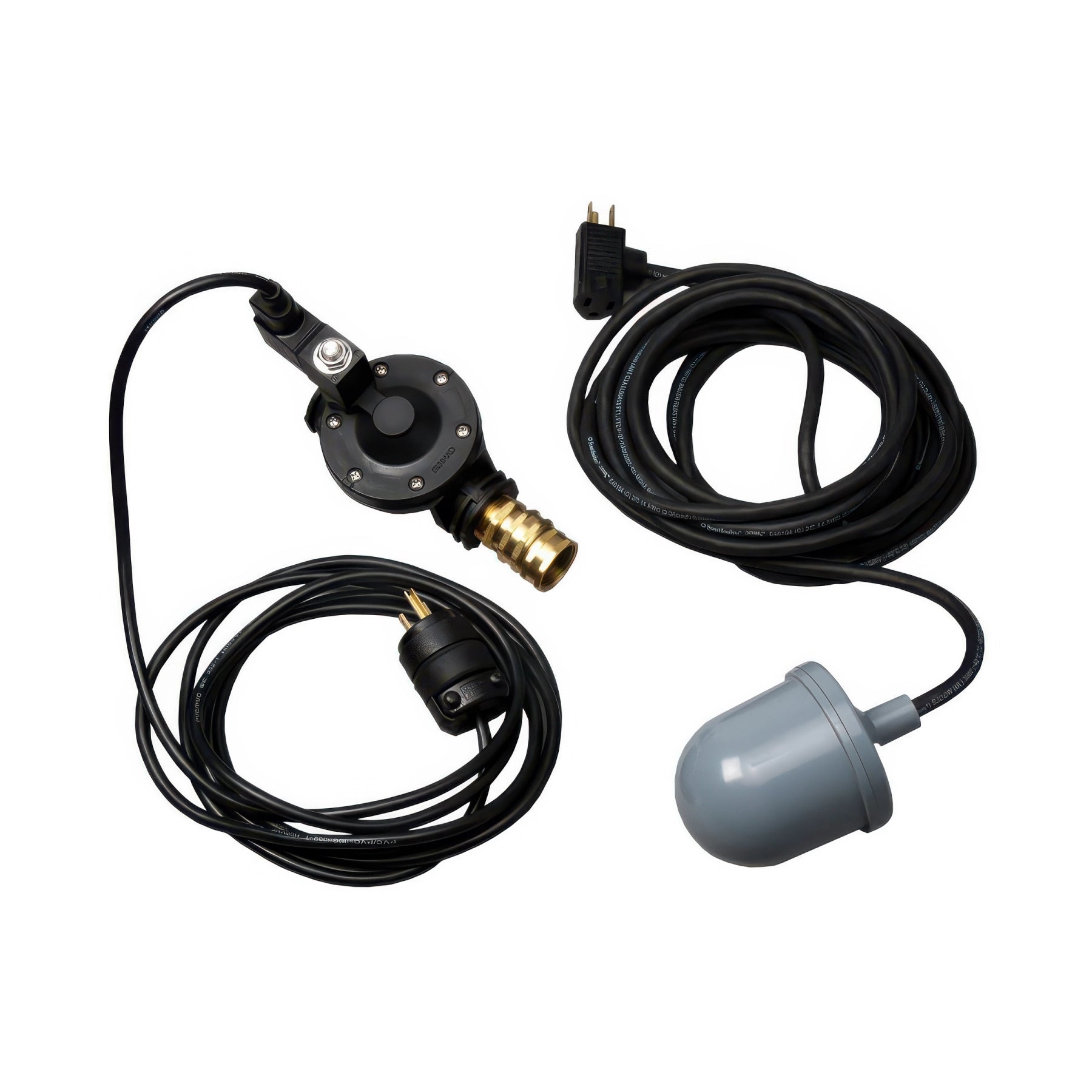
Every filter stage in a water treatment system adds pressure drop - resistance that reduces pressure and flow rate downstream of the filter. As filters load with particles, this pressure drop increases. Monitoring inlet and outlet pressure with installed gauges identifies when pressure drop has exceeded the threshold where flow restriction is affecting downstream equipment. A booster pump restores pressure after filtration stages in systems where supply pressure is insufficient to push adequate flow through multiple filter stages. Fast shipping.
Water Filter Components FAQ
How do I know when to add a pre-filter stage?
Add a sediment pre-filter when: your primary carbon or specialty filter is loading and requiring replacement significantly faster than its rated service life; you can see visible turbidity or particles in your source water; or your RO membrane is fouling faster than expected. A 5-10 micron sediment pre-filter installed before the primary carbon stage extends the carbon filter's service life by removing the large particles that would otherwise reach the smaller-pore carbon media. Pre-filter cartridge replacement is inexpensive; the pre-filter pays for itself by reducing main filter replacement frequency.
What does a pressure gauge tell me about my filter system?
A pressure gauge at the filter inlet shows supply pressure entering the system. A second gauge at the outlet shows delivered pressure after filtration. The difference between the two (pressure differential) indicates how much flow resistance the filter is adding. A new clean filter adds minimal pressure drop. As the filter loads with particles over its service life, the pressure differential grows - when it reaches 8-10 PSI above the clean-filter baseline, the filter is nearing the end of its service life and should be replaced soon. Without gauges, filter loading is invisible until flow rate drops noticeably - gauges provide advance warning.
Can I add more housing stages to my existing filter system?
Yes - most filter systems use standard housing sizes (10-inch or 20-inch housings with 1/4-inch, 3/8-inch, or 1/2-inch inlet/outlet ports) that accept add-on housings in series. Connect additional housings downstream of the existing system using standard compression or push-fit fittings matching the port size. Install them in order from coarsest to finest filtration - sediment pre-filter first, then carbon, then specialty media if any. Each additional housing adds pressure drop; verify the total pressure drop across all stages still leaves adequate supply pressure for downstream equipment.
What is a booster pump and when do I need one?
A booster pump increases water pressure in the supply line, compensating for low incoming water pressure or the pressure drop caused by multiple filter stages. RO membranes require 60-80 PSI inlet pressure for optimal rejection rate and flow - if supply pressure is below 40 PSI or drops significantly through pre-filter stages, a booster pump installed before the RO membrane improves membrane performance. For non-RO systems, a booster pump is needed when supply pressure after filtration is insufficient to maintain adequate flow rate through drip emitters, irrigation lines, or filling equipment.
How do I find the right replacement fittings for my filter system?
Identify the port thread size and type on the existing filter housing. Most residential and horticultural filter housings use 1/4-inch NPT, 3/8-inch NPT, or 1/2-inch NPT threaded ports. Measure the thread diameter or check the housing documentation. Quick-connect push-fit fittings in these sizes allow tool-free tubing connections; compression fittings provide more secure connections for permanent installations. When adding a new housing in series, match the new housing port size to the existing system tubing size to avoid requiring reducers at every connection.