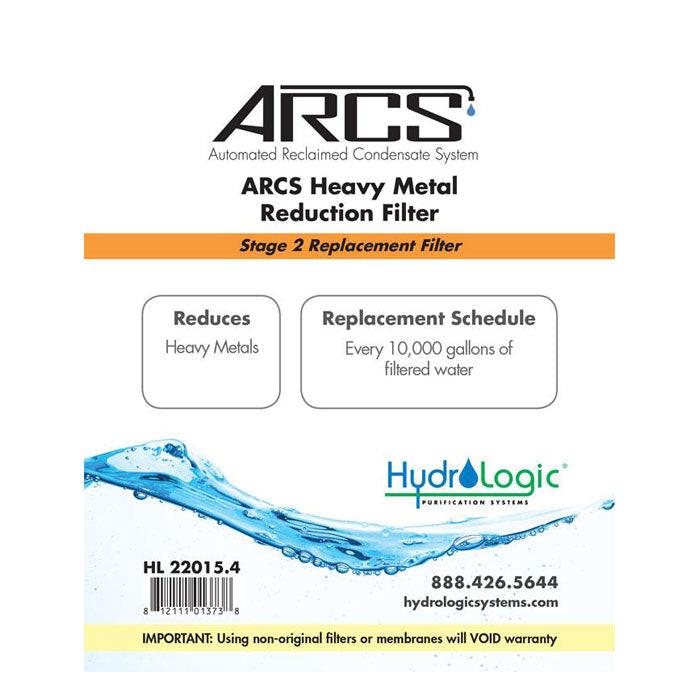
Heavy Metal Reduction Filter Cartridges for Hydroponics
Heavy metal reduction filter cartridges remove dissolved heavy metals -- lead, copper, mercury, cadmium, and other metallic contaminants -- from source water before it enters a hydroponic or irrigation system. KDF (kinetic degradation fluxion) media is the most common active technology in heavy metal reduction cartridges -- a granular copper-zinc alloy that uses electrochemical oxidation-reduction reactions to convert dissolved heavy metals into insoluble forms that are captured in the filter bed. Unlike carbon block filtration that removes organic compounds and chlorine, KDF specifically targets inorganic metallic ions that carbon alone does not address effectively.
Why Heavy Metal Filtration Matters for Growing
Municipal water sources regularly contain trace levels of lead and copper from aging distribution infrastructure -- copper and lead pipes in older buildings can leach significant concentrations into first-draw water. In hydroponic programs where recirculating nutrient solution continuously concentrates minerals over time, even low initial heavy metal concentrations can accumulate to phytotoxic levels over weeks of recirculation. KDF filtration at the water intake point removes heavy metals before they enter the system, protecting both plant health and the accuracy of EC measurements that rely on consistent solution chemistry. Browse our full water filtration collection for complete system options.
Cartridge Replacement & Sizing
Heavy metal reduction cartridges are sized by flow rate (GPM) and cumulative water volume capacity (total gallons before media exhaustion). Replace cartridges per manufacturer recommendations based on total volume filtered -- typically 10,000-25,000 gallons depending on source water metal concentration. For systems with high inlet metal concentrations (detectable lead or copper in municipal tests), replace cartridges more frequently. KDF cartridges are often combined with carbon block pre-filters in RO filter systems for comprehensive water treatment. Fast shipping.
Heavy Metal Filter Cartridges FAQ
What metals do KDF cartridges remove from water?
KDF media effectively removes or reduces lead, copper, mercury, nickel, chromium, and other dissolved heavy metal ions through electrochemical reduction. It also removes chlorine and hydrogen sulfide as secondary benefits. KDF does not remove dissolved mineral salts (calcium, magnesium, sodium) that contribute to water hardness or total dissolved solids -- a separate softening or RO filtration step is needed if TDS reduction is the goal.
Do I need a heavy metal filter if I use RO water?
A quality RO membrane removes 95-99% of dissolved heavy metals alongside other dissolved solids -- RO filtration provides heavy metal protection as an inherent part of its function. A separate heavy metal reduction cartridge before the RO membrane can protect the membrane from heavy metal fouling and extend membrane life in water supplies with high metal concentrations. For RO systems in areas with very old plumbing, adding a KDF pre-filter stage is a low-cost way to protect the RO membrane investment.
How do I know if my water has heavy metal contamination?
Request a water quality report from your municipal water utility (required to be published annually under the EPA Safe Drinking Water Act) -- it lists detected contaminants and their levels. For well water or older buildings with suspected lead or copper plumbing, a certified water test kit or laboratory test provides a direct measurement of your specific water supply. Simple lead test strips are available for preliminary screening, though laboratory tests provide more reliable quantitative results for making filtration decisions.
Can heavy metals affect plant growth?
Yes -- lead, copper at elevated levels, and mercury are phytotoxic at concentrations that may accumulate in recirculating hydroponic systems over time even when initial levels are within safe municipal water standards. Copper is an essential micronutrient at trace levels but toxic at elevated concentrations -- copper piping in older plumbing can leach enough copper to create phytotoxic conditions in small recirculating reservoirs after weeks of concentration. Lead provides no plant nutritional function and is toxic to plants and humans at elevated concentrations. Heavy metal filtration at the water intake prevents this accumulation.
How long does a heavy metal reduction cartridge last?
Heavy metal reduction cartridge life depends on source water metal concentration and total volume filtered. Most residential-grade KDF cartridges are rated for 10,000-25,000 gallons at typical municipal water metal concentrations. For a hydroponic system filling a 50-gallon reservoir twice per week (100 gallons per week), a 10,000-gallon cartridge lasts approximately 2 years. For high-metal-content source water (above 10 ppb lead or copper), replace cartridges more frequently -- the media exhausts faster with higher inlet concentrations.