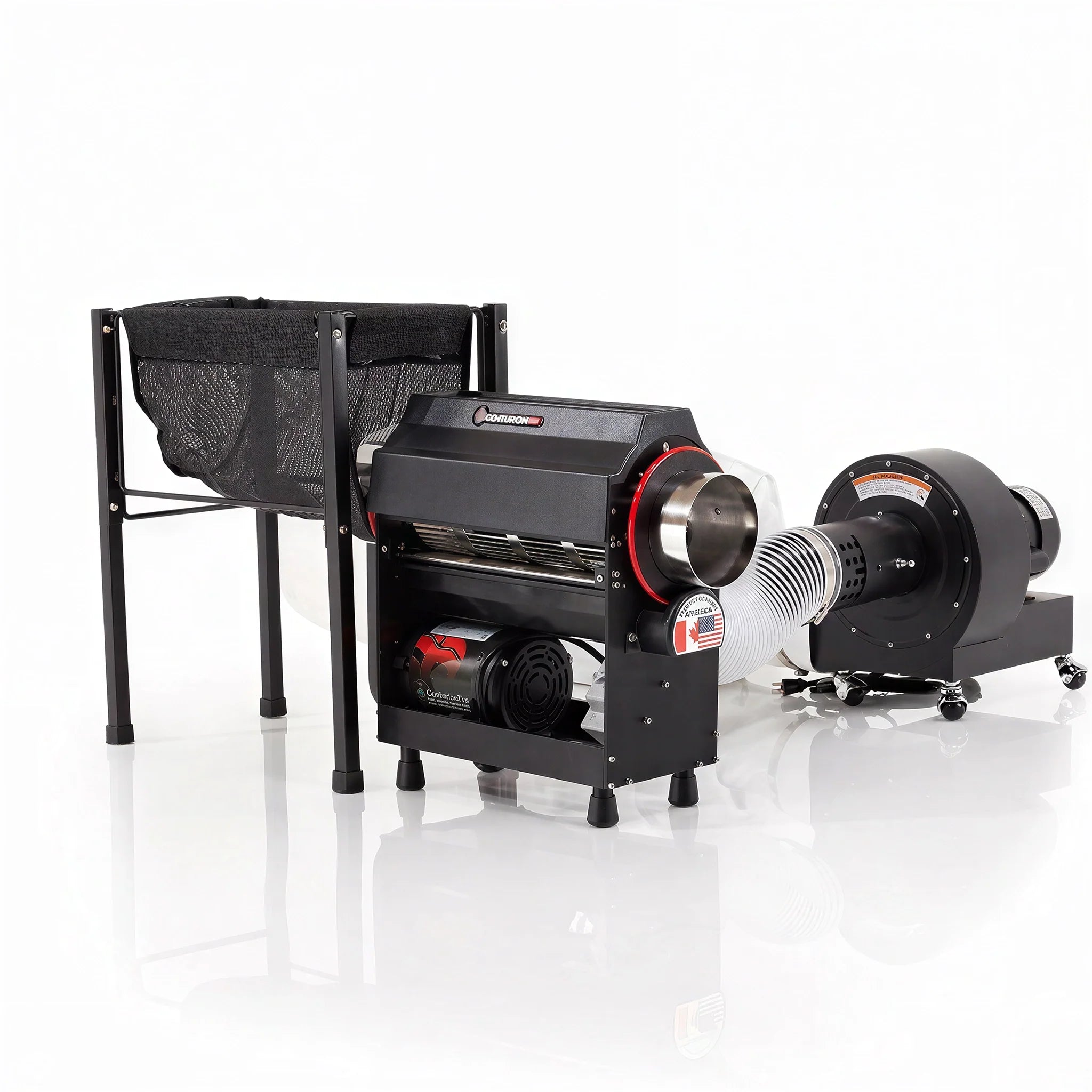
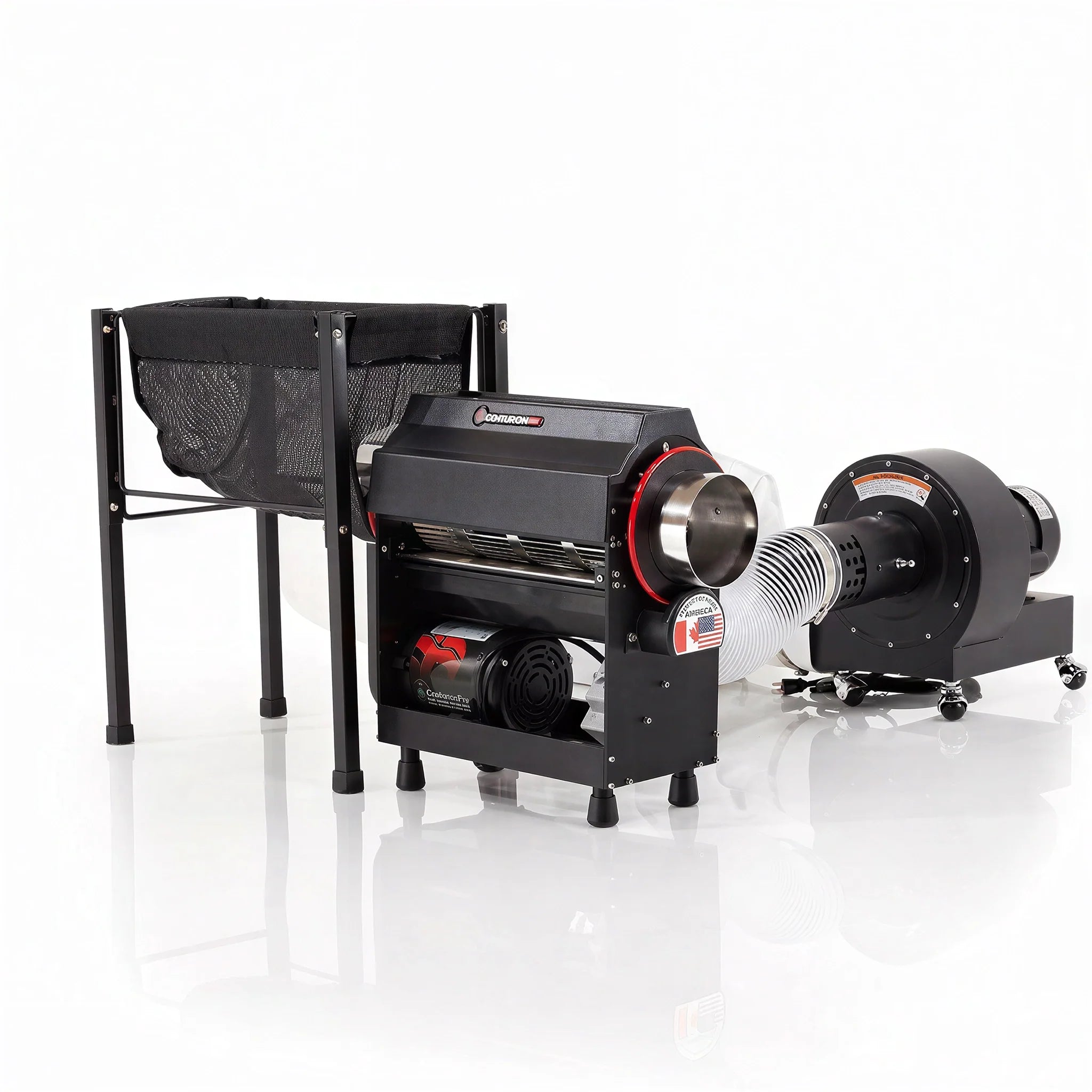
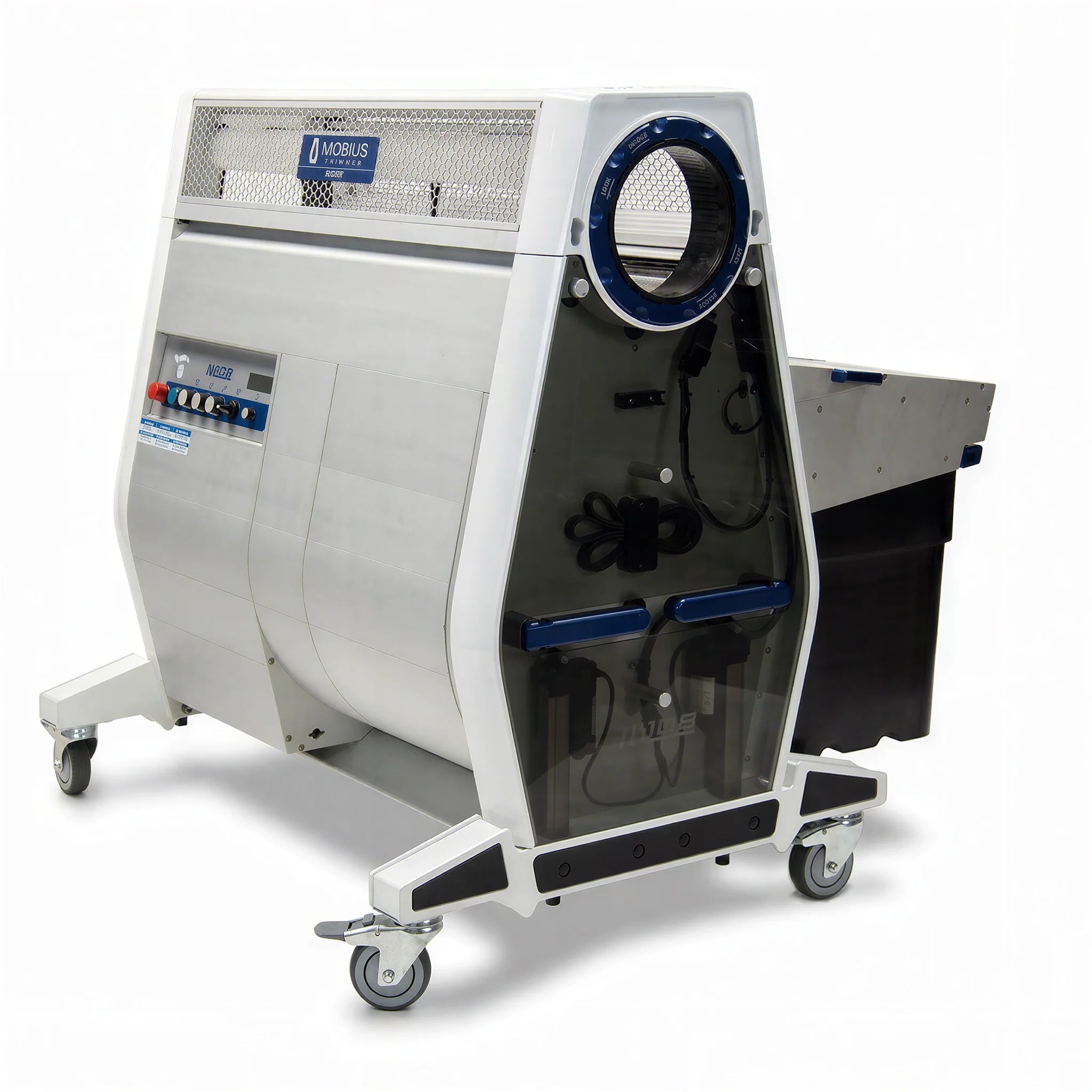
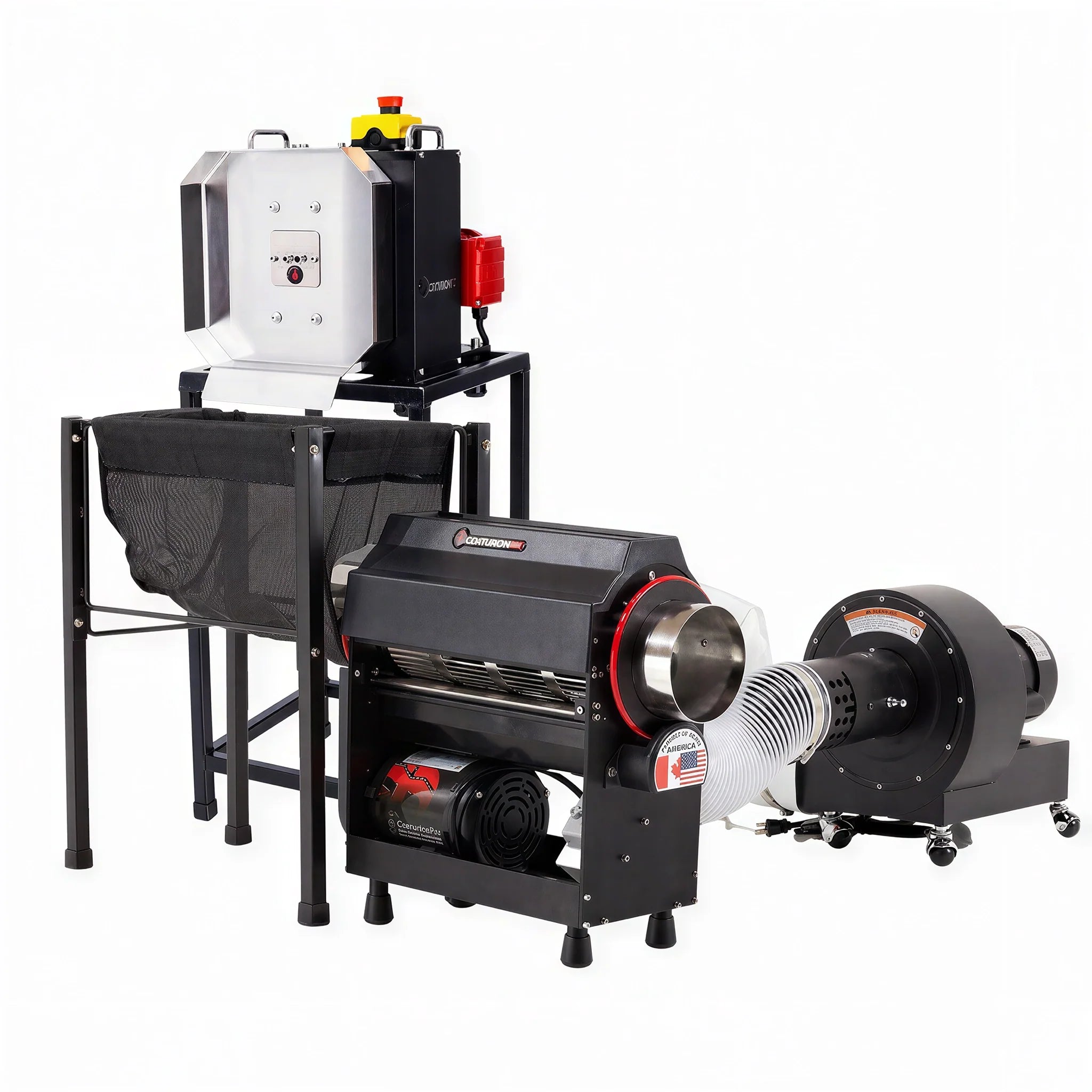
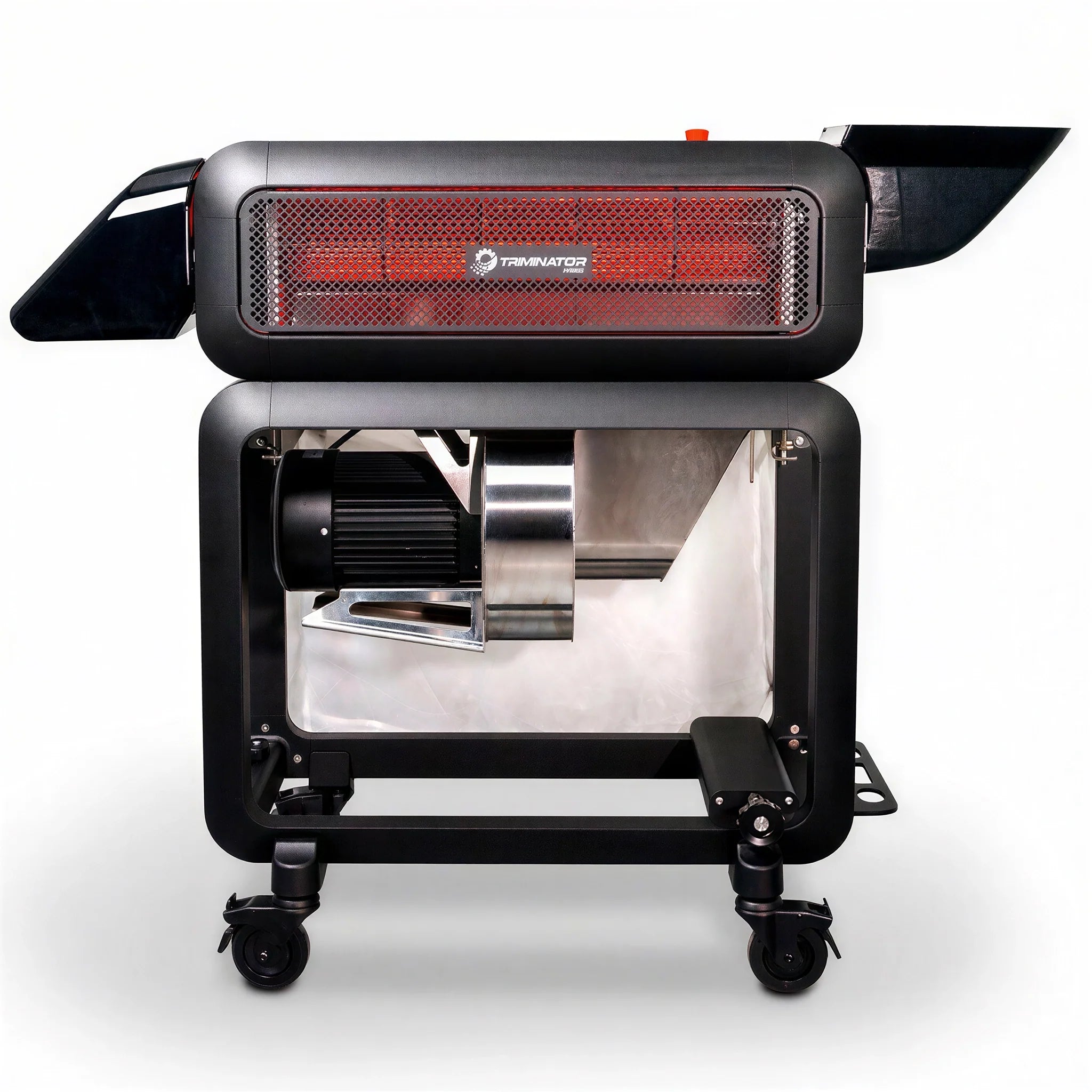
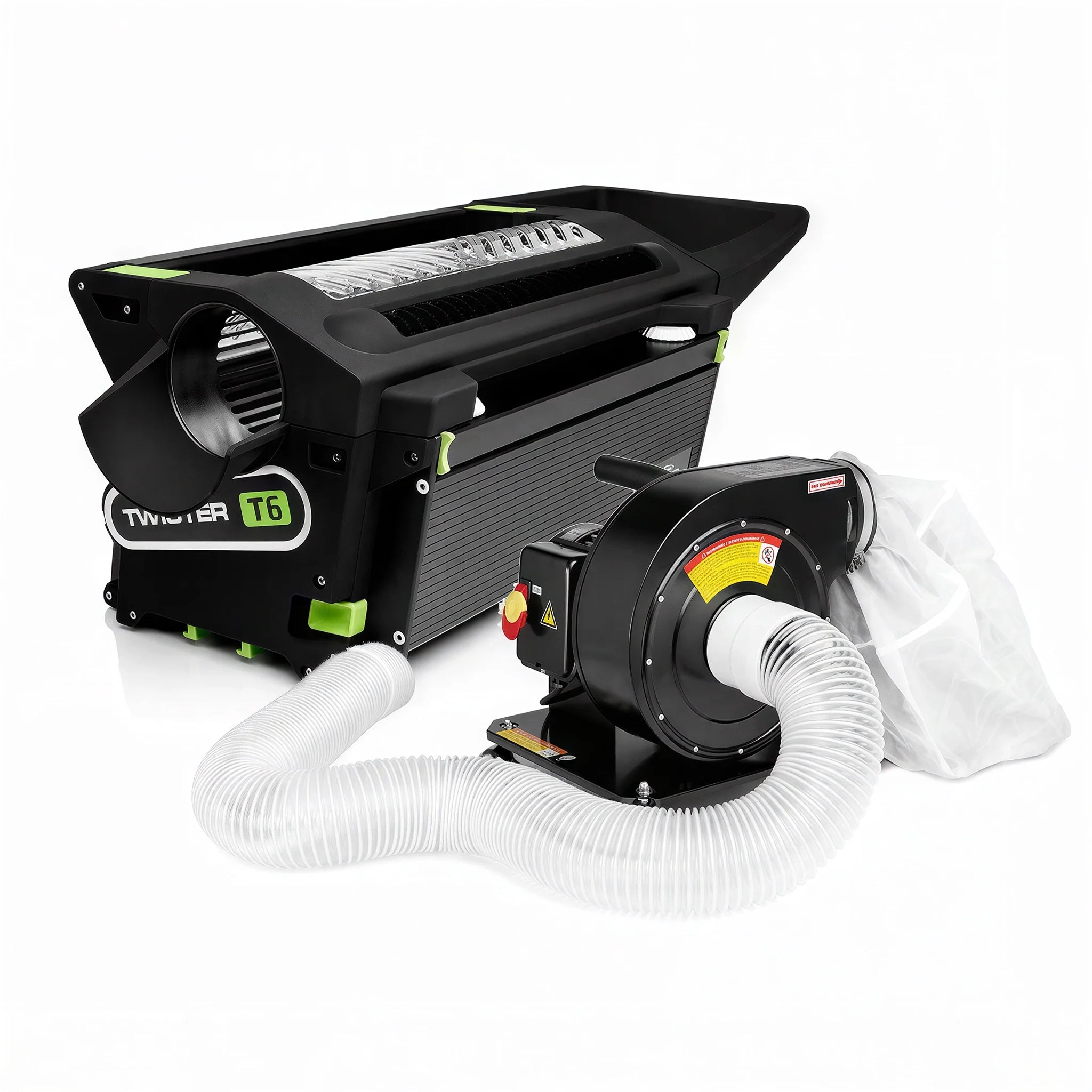
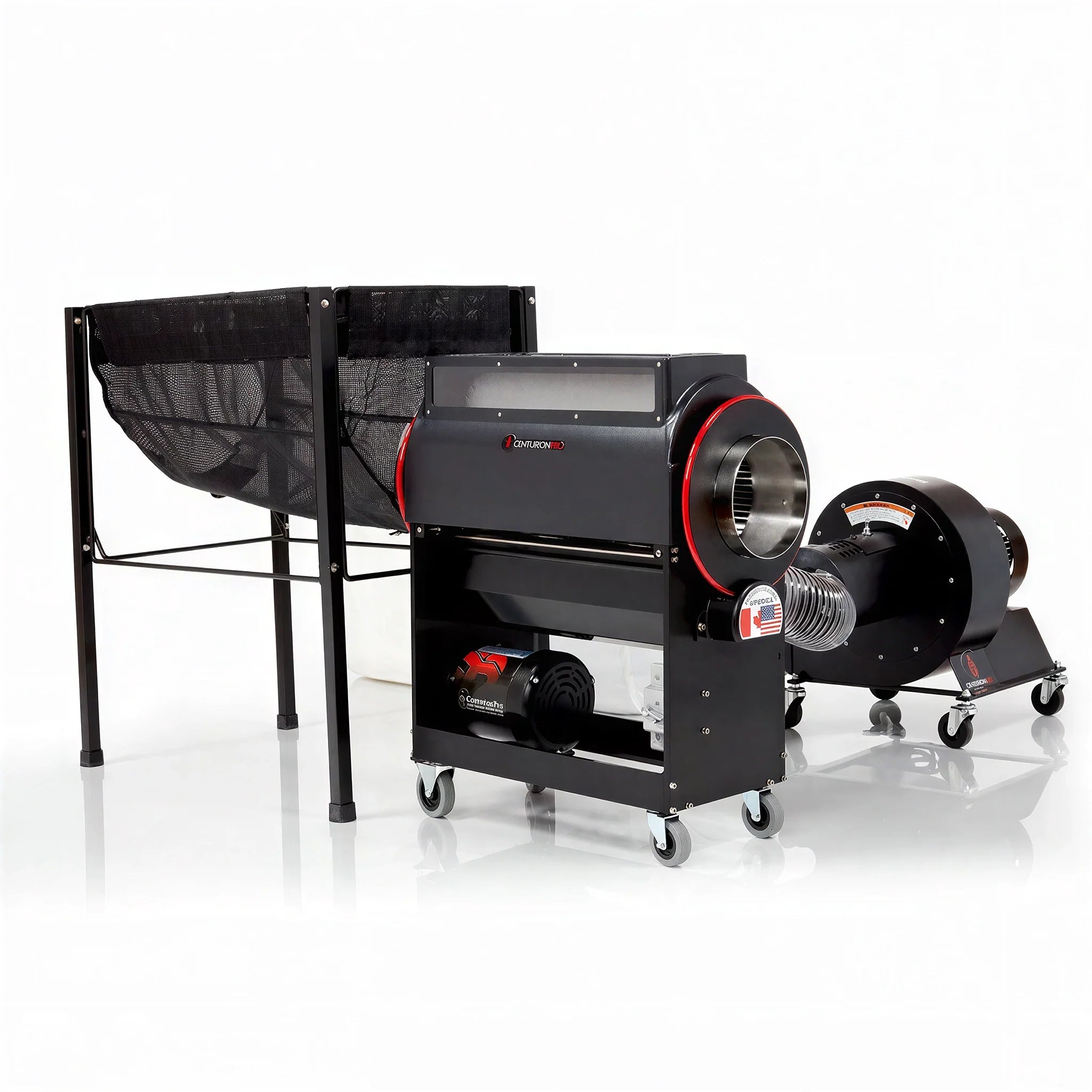
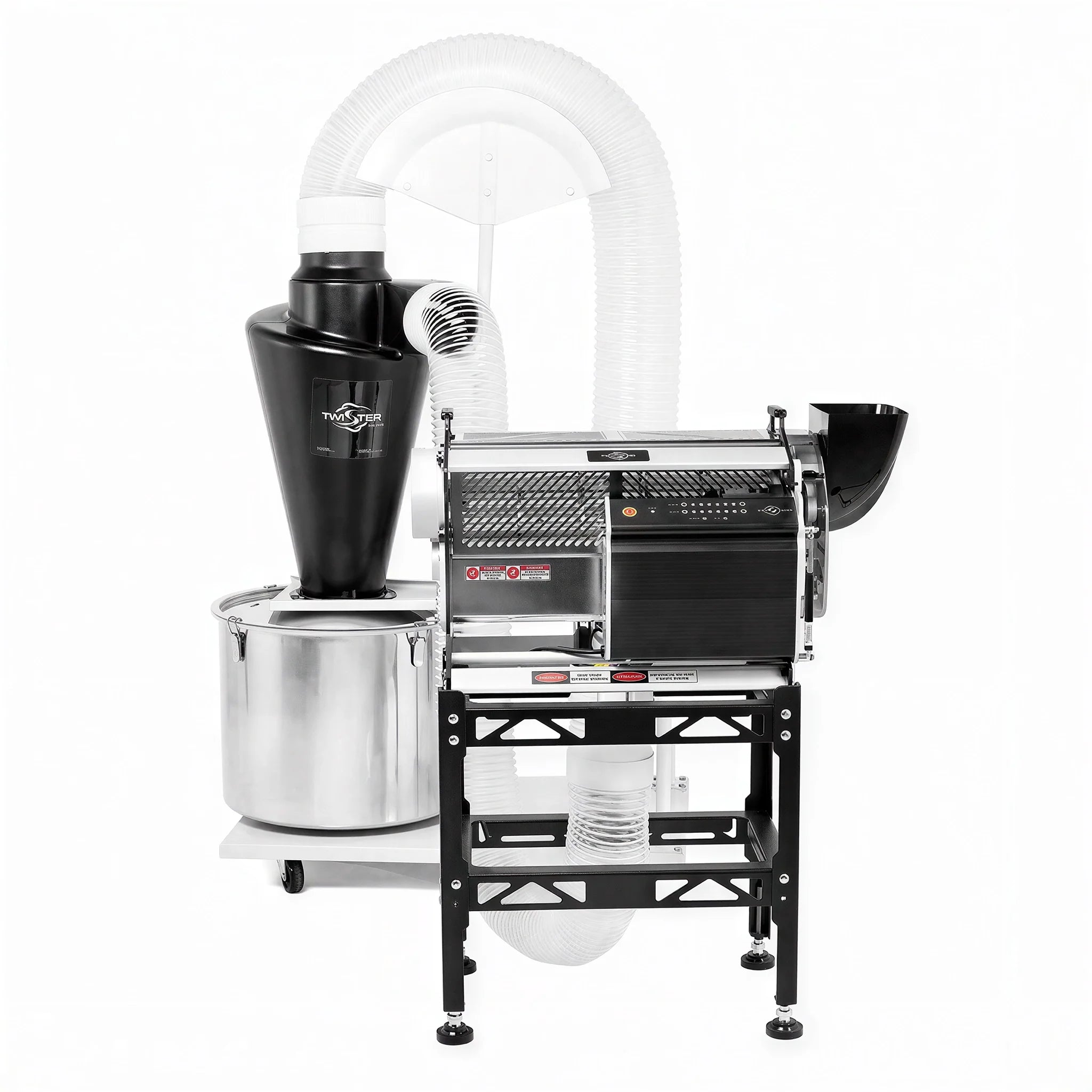
Wet Trimming Machines for Fresh-Harvest Processing
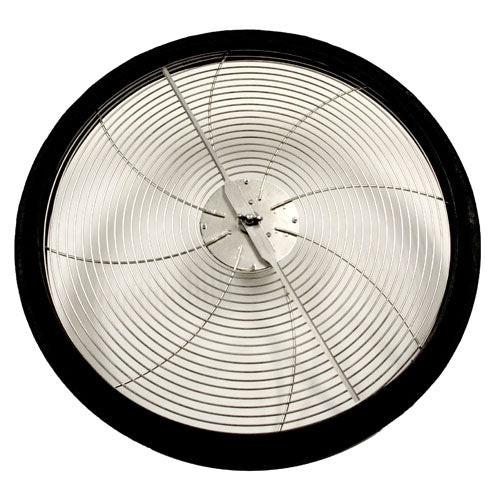
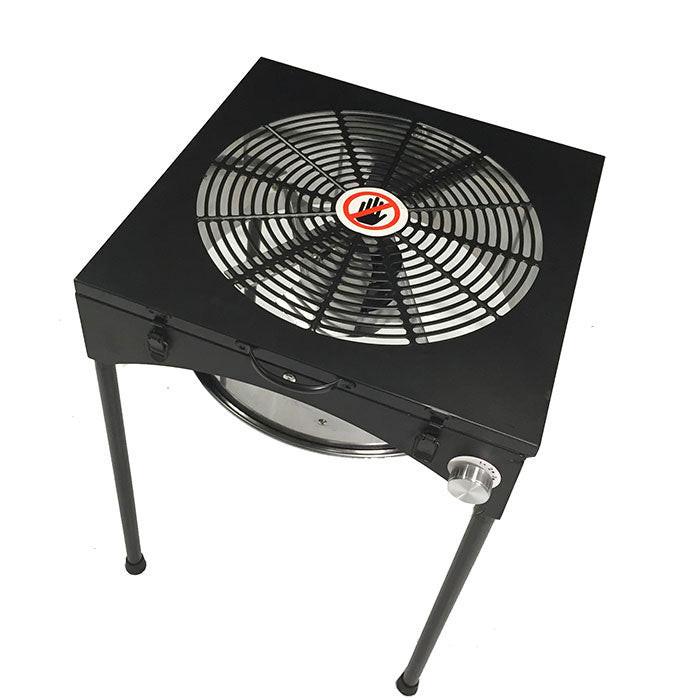
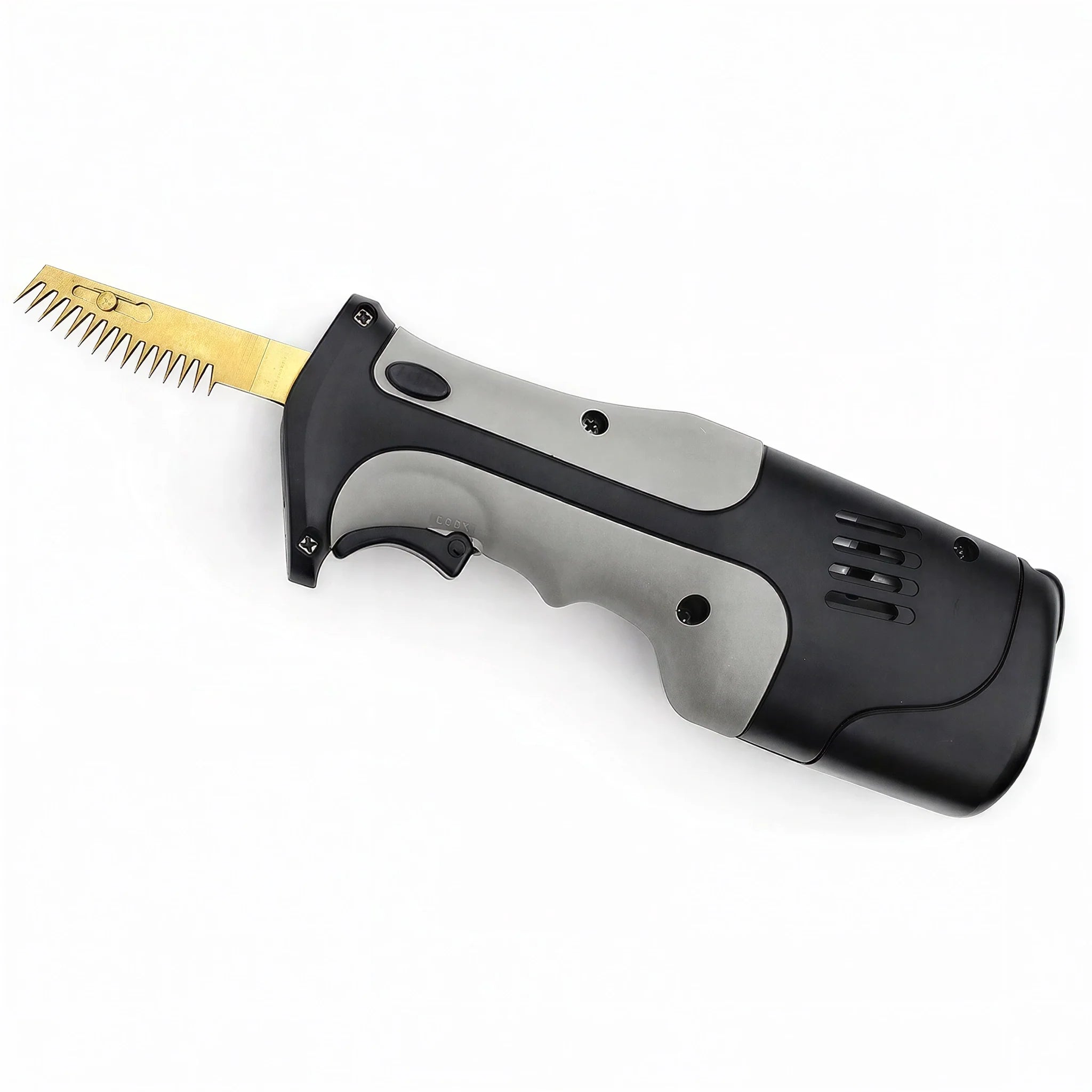
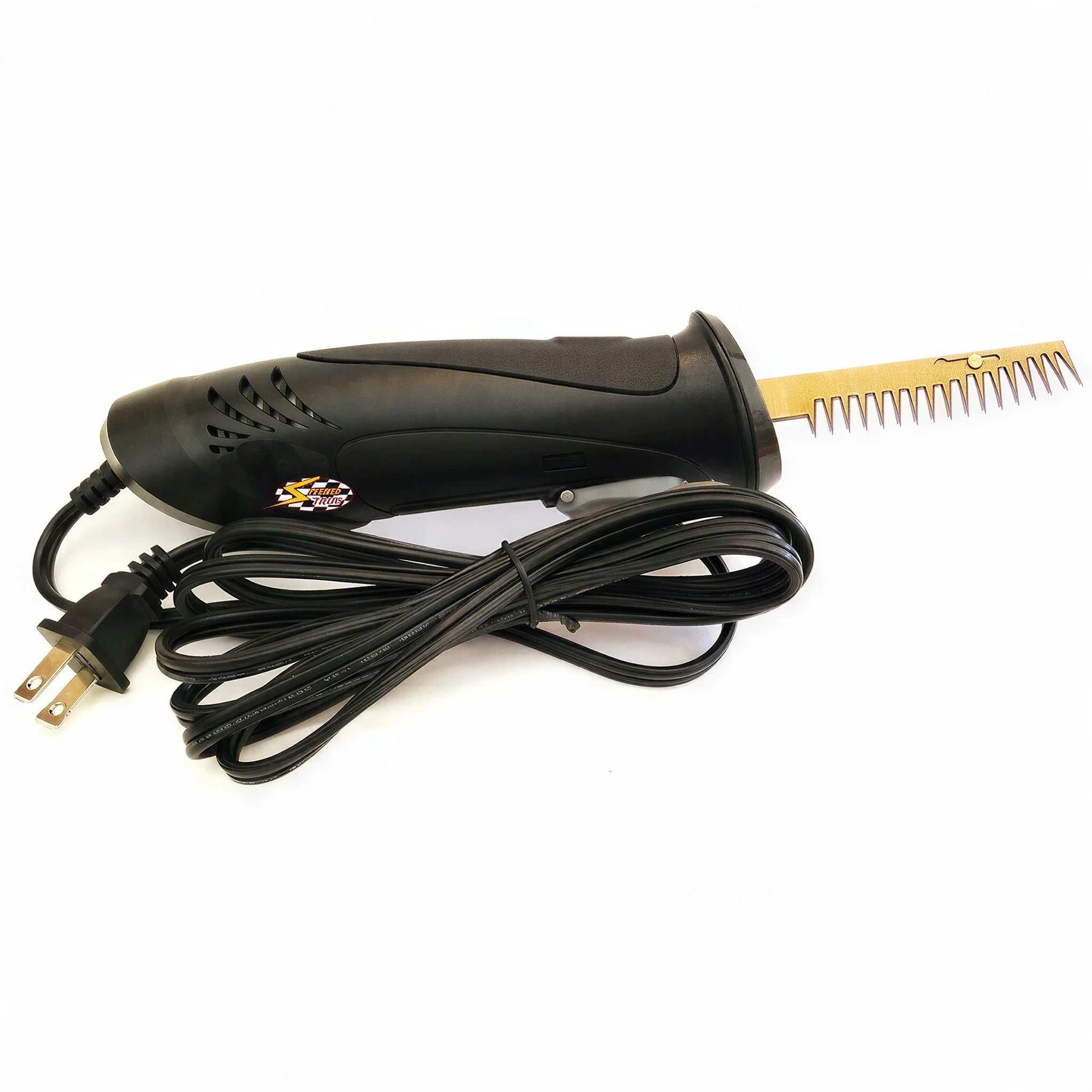
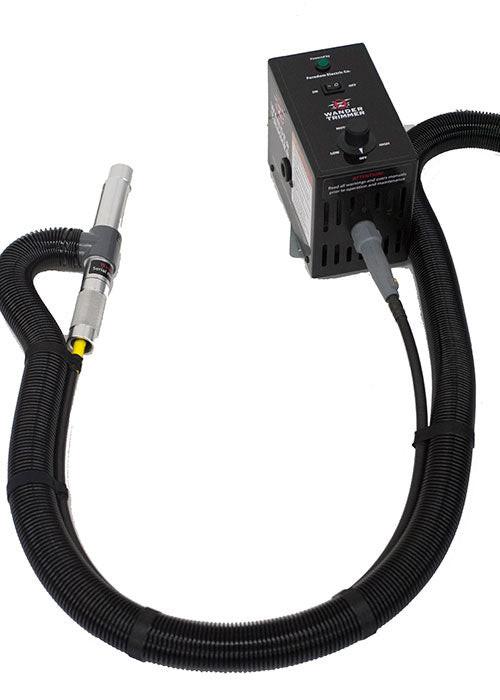
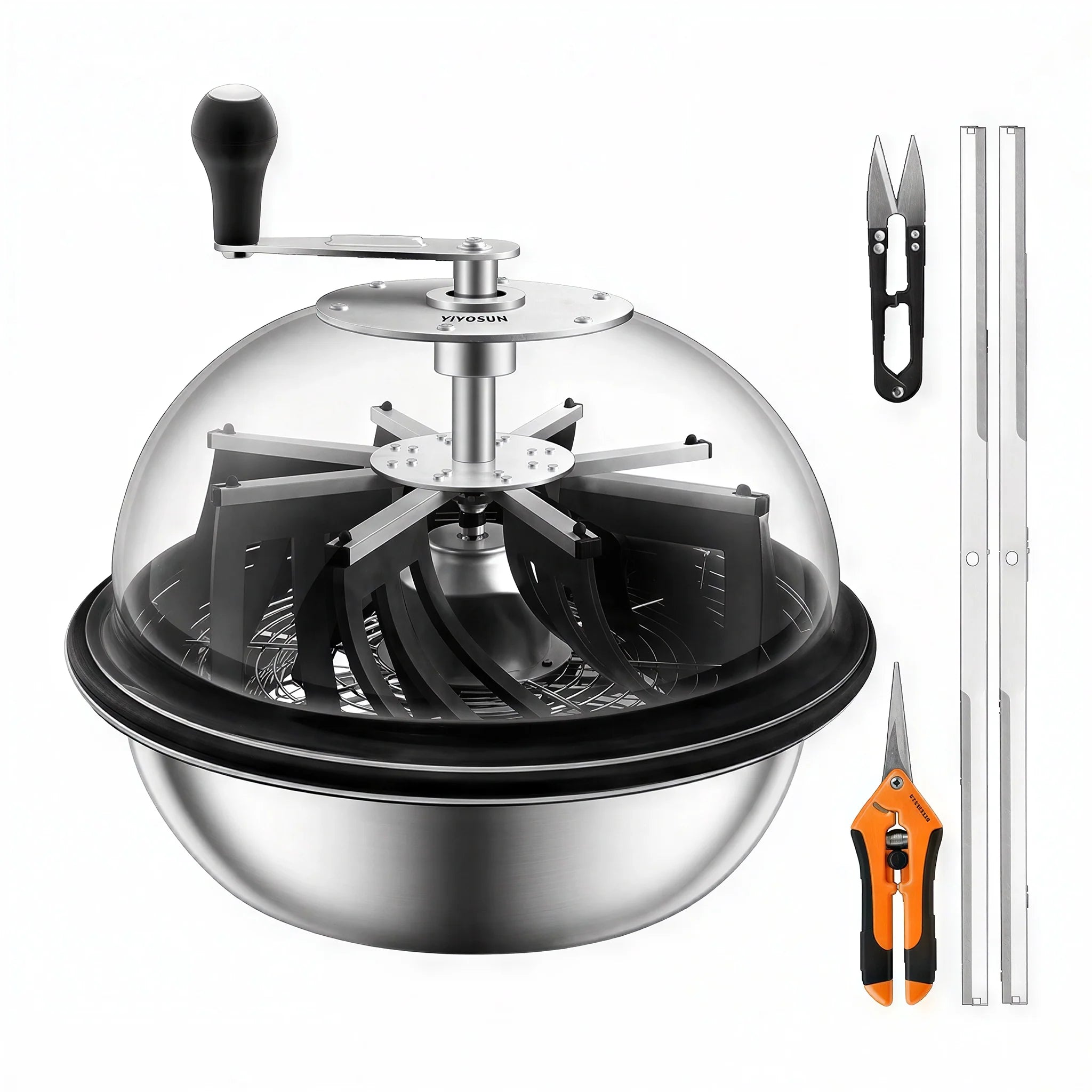
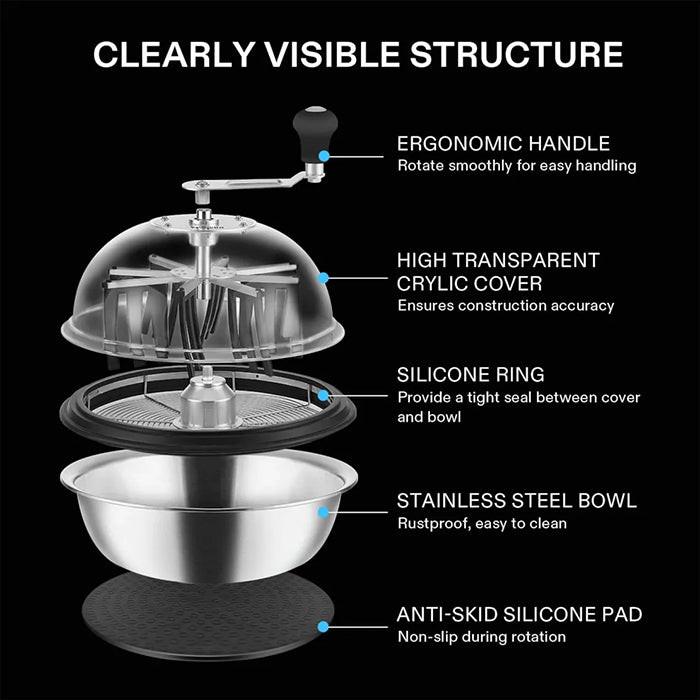
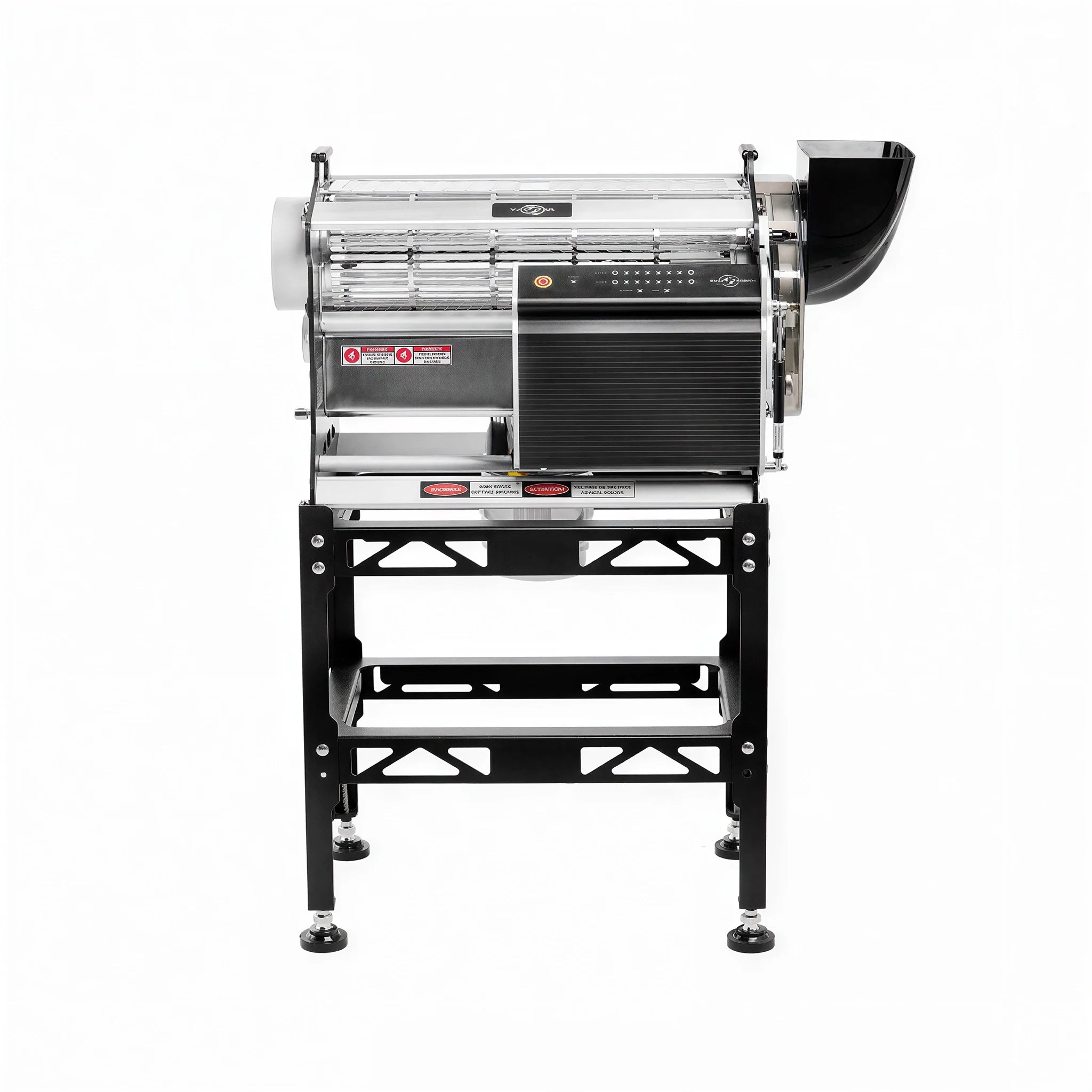
Wet trimming machines are electric drum trimmers specifically engineered to process freshly harvested plant material before the drying phase - when leaves are still turgid, green, and easy to cut cleanly. The wet state of fresh material is actually the most forgiving for machine trimming: pliable leaves present themselves to the cutting blades naturally, the drum speed can run faster without risk of the material becoming brittle, and the overall trim quality from a wet pass is typically cleaner and faster than dry trimming the same material after it has dried and curled. For operations prioritizing throughput and labor efficiency over the slower dry trim approach, wet trimming machines process material at the peak of its workability.
Wet vs. Dry Trimming Machines
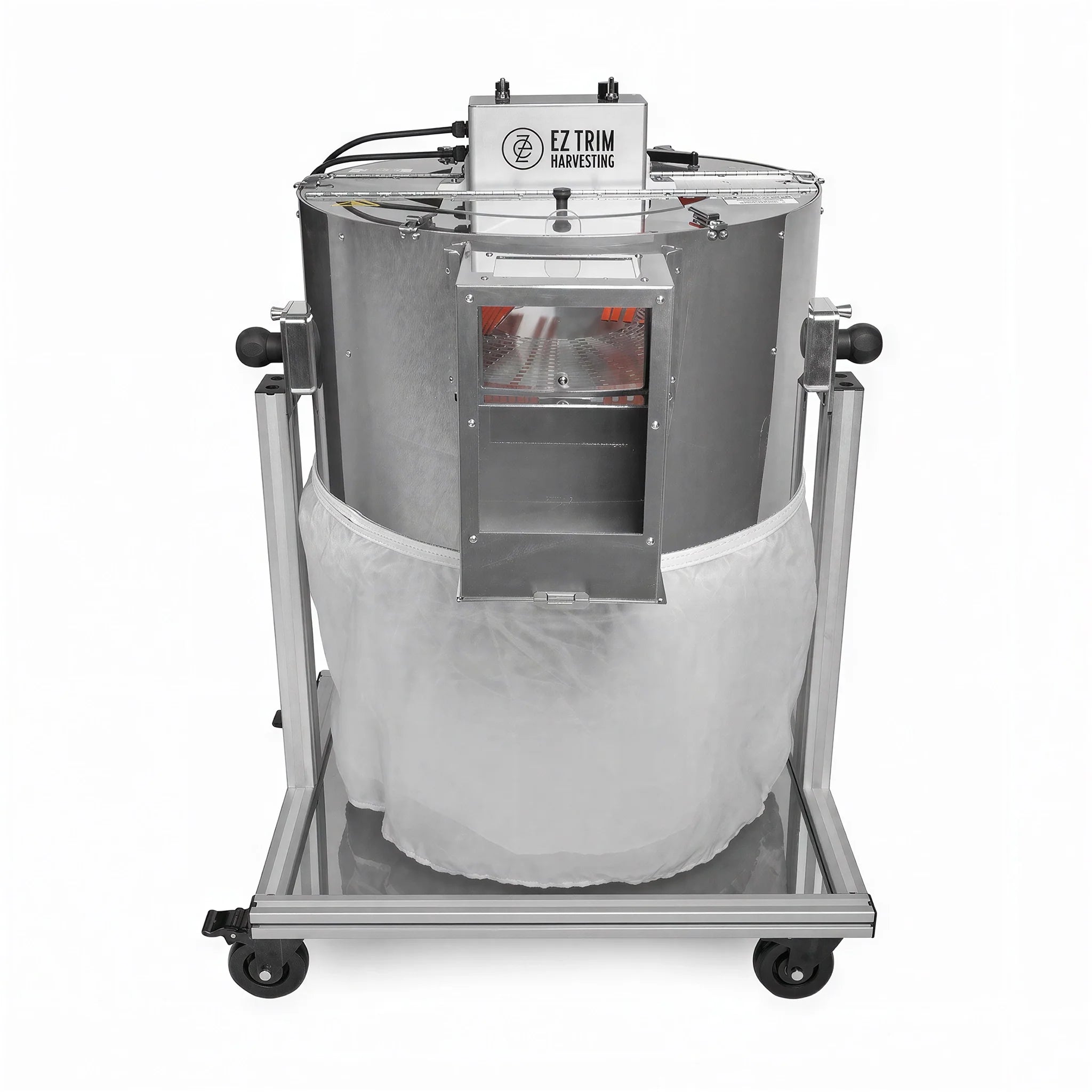
While many electric drum trimmers handle both wet and dry material with speed adjustments, purpose-designed wet trimmers optimize for freshly harvested material specifically - with drum designs, blade geometry, and collection systems suited to the higher moisture content and stickiness of fresh plant material. Dry-optimized trimmers often struggle with wet material clogging the blade openings or the sticky resin coating blades excessively at wet-material temperatures. Wet trimmers are designed for easy disassembly and cleaning after processing fresh material, which generates much more resin residue than dry material. Browse our full trimming machines collection for all trimmer types including dedicated dry trimming machines.
Processing Rate & Quality
Wet trim machines process material significantly faster than dry trimming the same quantity - wet material feeds through the drum more freely and the leaves cut cleanly before they have dried and curled around flower structures. The tradeoff: wet trimming removes more leaf material than a careful dry trim pass, and wet-trimmed material dries faster (more leaf removed = faster moisture loss) which can be too fast in low-humidity environments. Control drying rate post-wet-trim by managing the drying room environment rather than attempting to compensate with leaf retention. Fast shipping.
Wet Trimming Machines FAQ
What is the difference between wet and dry trimming?
Wet trimming processes freshly harvested plant material immediately after cutting, before the drying phase. Leaves are still turgid and present naturally to machine blades, producing fast, clean cuts and faster overall processing. Dry trimming processes material after the drying phase is complete - leaves have dried and curled, making them harder for machine blades to catch cleanly and requiring lower drum speeds to prevent breaking brittle flower structures. Many growers prefer dry trimming for quality reasons (slower drying rate preserves aromatic compounds); others prefer wet trimming for throughput efficiency. Machine choice should match whichever approach your operation uses.
Can I use a wet trimming machine for dry material?
Some wet trim machines handle dry material with speed adjustments, but performance is generally better for the material state the machine was designed for. Running dry material through a wet-optimized trimmer at wet-trim speeds shatters brittle dried structures; running wet material through a dry-optimized trimmer at dry-trim speeds clogs blade openings with sticky fresh resin. If your operation trims both wet and dry, look for a machine explicitly rated for both material states with separate speed settings, or invest in separate optimized machines for each. Check the manufacturer documentation for the specific trimmer before purchasing.
How do I clean a wet trimming machine after use?
Wet material generates significantly more resin residue than dry material - clean the machine immediately after the wet trim session before resin hardens. While the machine is still at ambient temperature (resin is softer when slightly warm): disassemble the drum, blades, and collection screens per the manufacturer instructions; scrape excess material from all surfaces; soak removable components in isopropyl alcohol (91%+) for 10-20 minutes; scrub with a stiff brush; rinse with clean isopropyl and allow to dry completely before reassembly. Freezing resin-coated components for 30 minutes before cleaning makes hardened residue more brittle and easier to remove.
What drum speed should I use for wet trimming?
Wet material tolerates and benefits from higher drum speeds than dry material - the turgid leaves are not fragile and the higher speed presents them more effectively to the cutting blades. Most wet trim machines recommend their higher speed settings for fresh material. Start at the manufacturer's recommended wet-material speed and observe the output quality: if leaves are not being caught and cut cleanly, increase speed; if flower structures are showing mechanical damage, reduce speed. The optimal speed varies with specific material characteristics - denser, stiffer material may tolerate lower speeds; loose, leafy material benefits from higher speeds.
How fast does a wet trimming machine process material?
Wet trimming machines process material faster than equivalent dry trim setups because wet material feeds more freely through the drum. Mid-scale tabletop wet trimmers process 1-3 lbs per hour of wet-weight material. Commercial stand-up wet trimmers process 5-15+ lbs per hour. Note that wet weight is significantly higher than dry weight - 1 lb of wet material typically produces 0.15-0.25 lbs of dried trimmed product after drying. Size your trimming machine to your wet-weight throughput requirements, then account for the weight reduction in dry yield projections.