LED Grow Lights Under 100 Watts
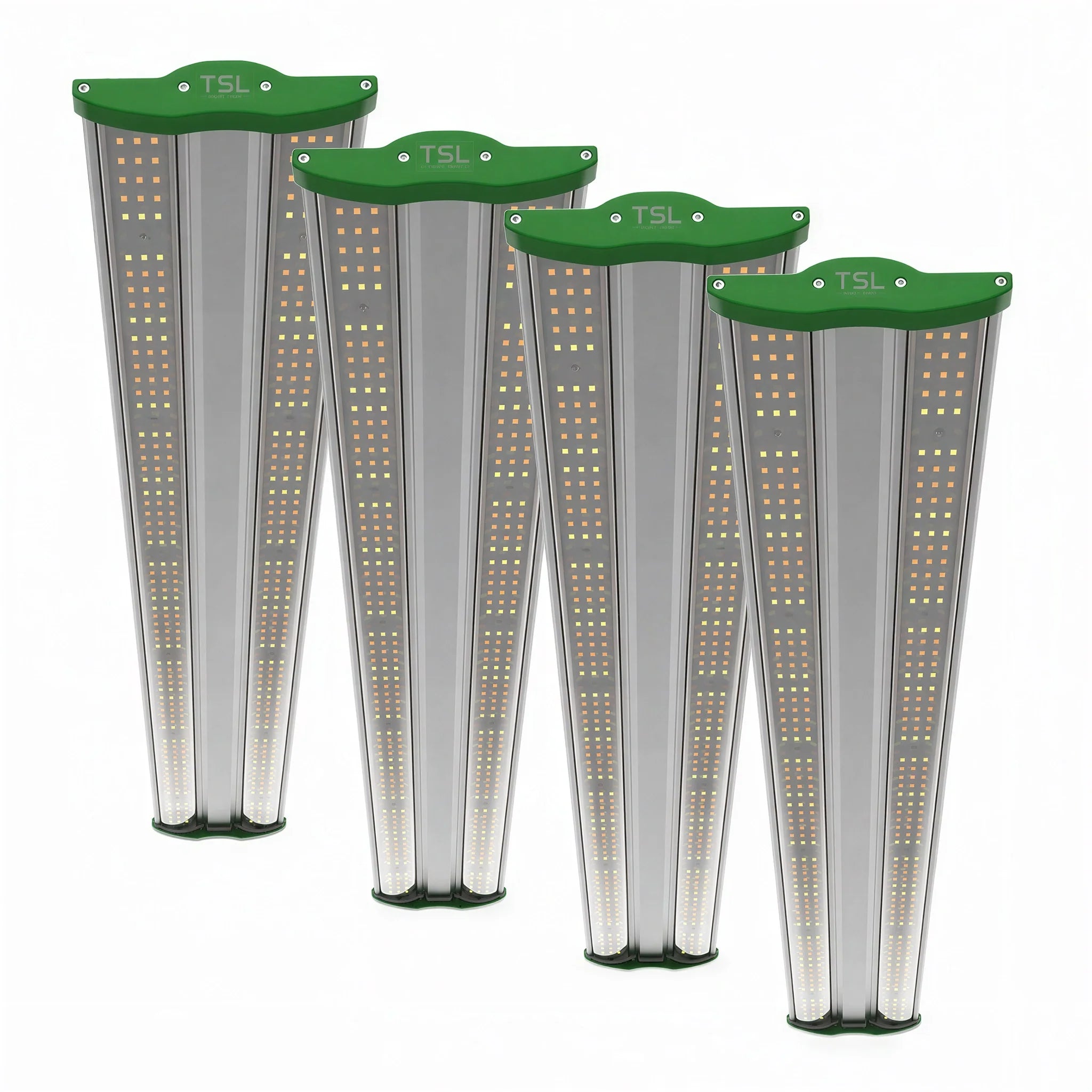
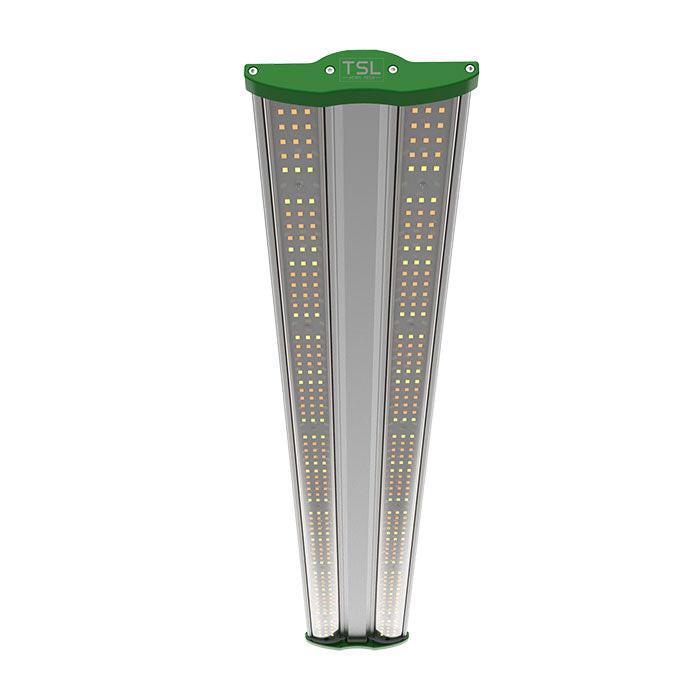
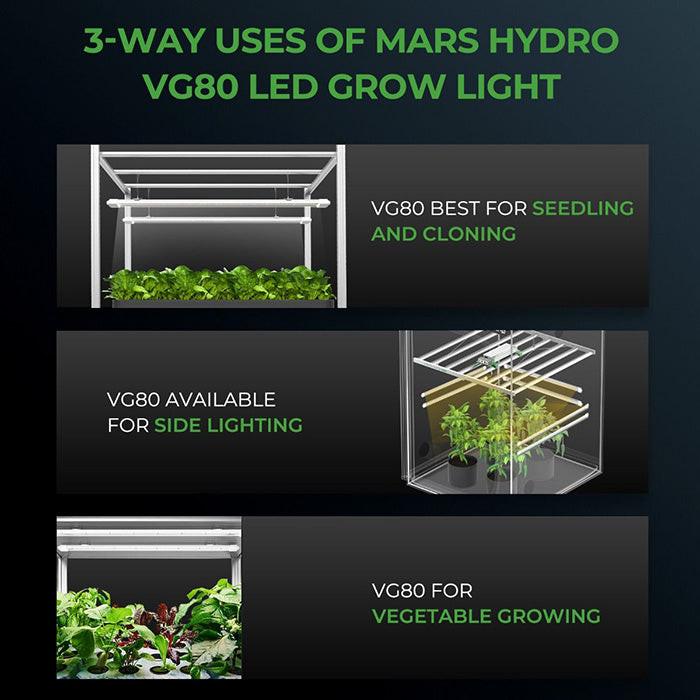
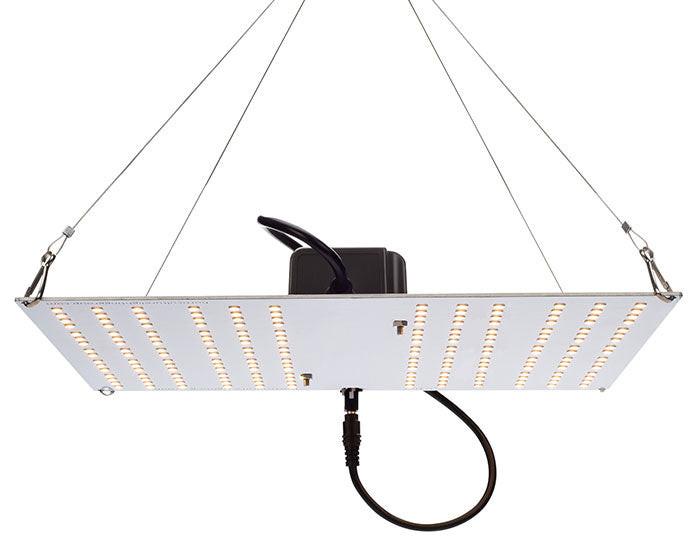
Sub-100W LED grow lights cover the lowest-wattage end of the spectrum -- propagation bars, seedling panels, supplemental under-canopy lights, and small personal grow fixtures that prioritize low heat output and electricity efficiency over maximum PPFD output. At under 100 watts, LED fixtures are practical for seedlings and clones (which require low to moderate light intensity), as supplemental lighting below the main canopy of a larger grow, as sole-source lighting for microgreens and sprouts, and as vegetative-stage lighting in very small spaces where managing heat from a larger fixture is a constraint.
What Sub-100W LED Is Good For
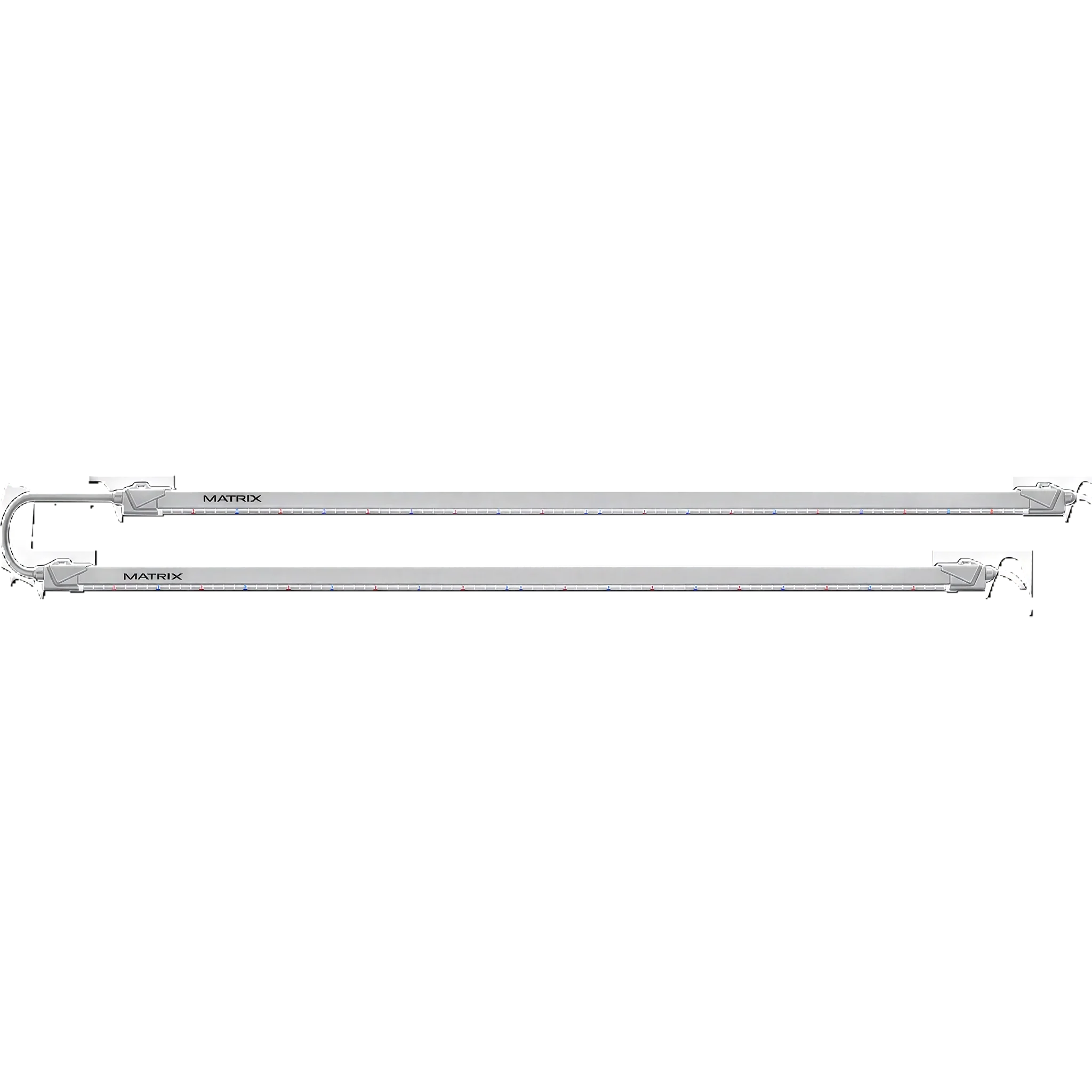
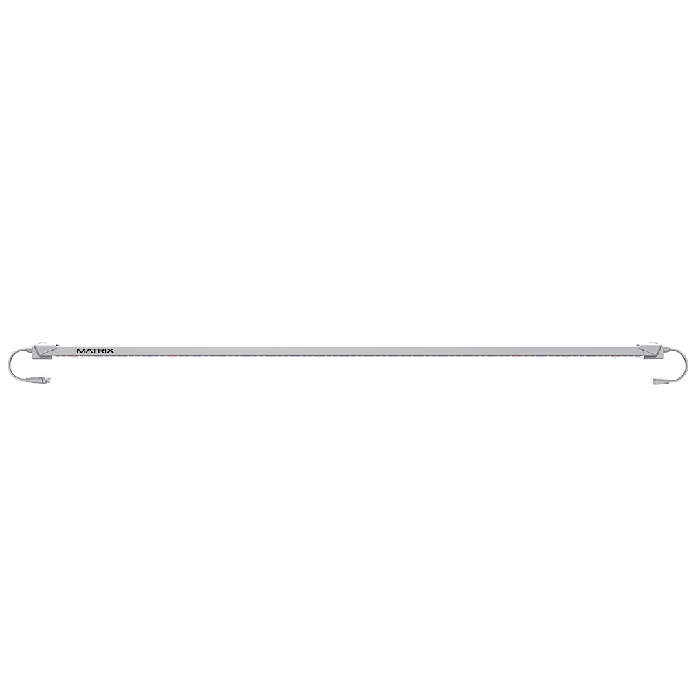
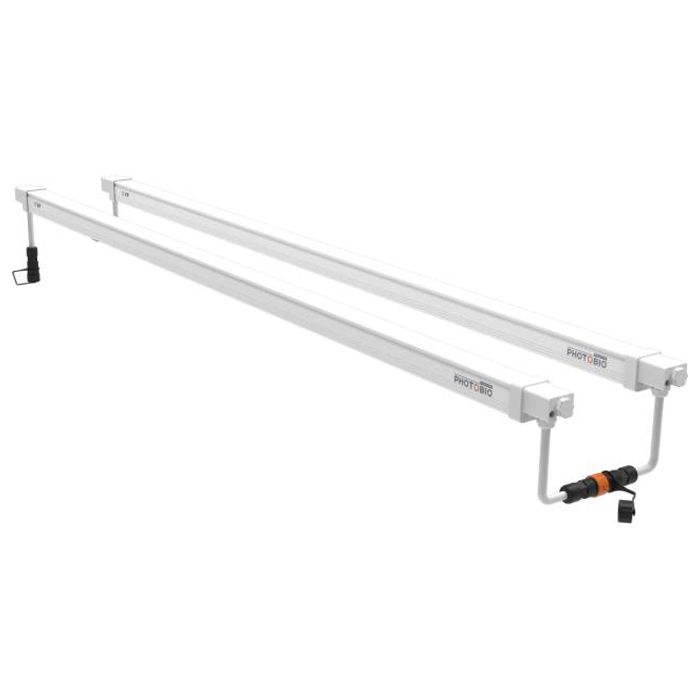
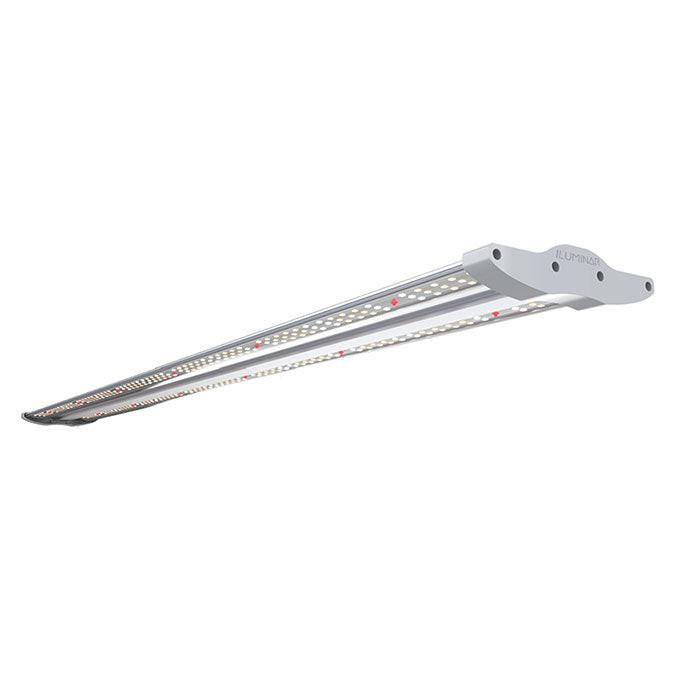
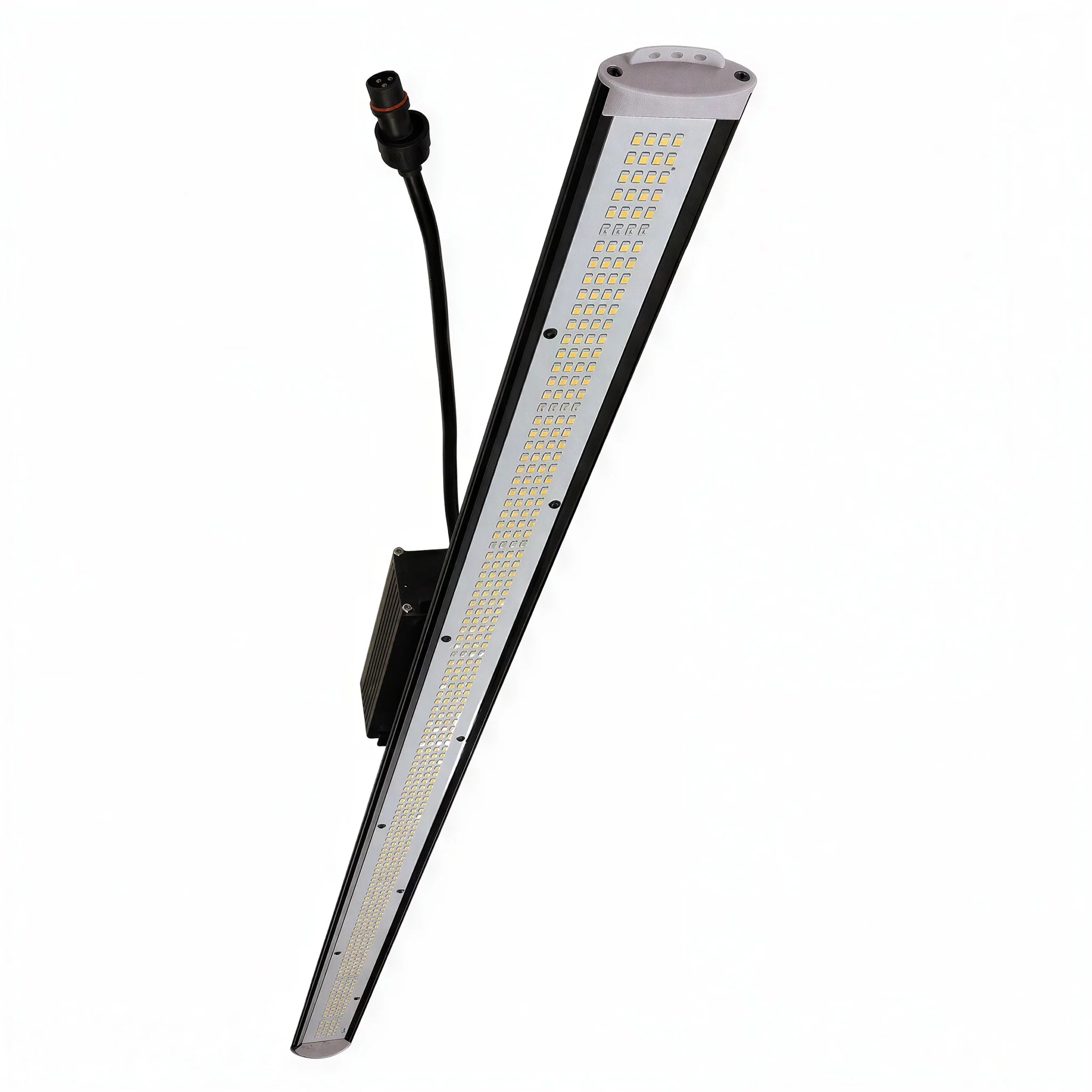
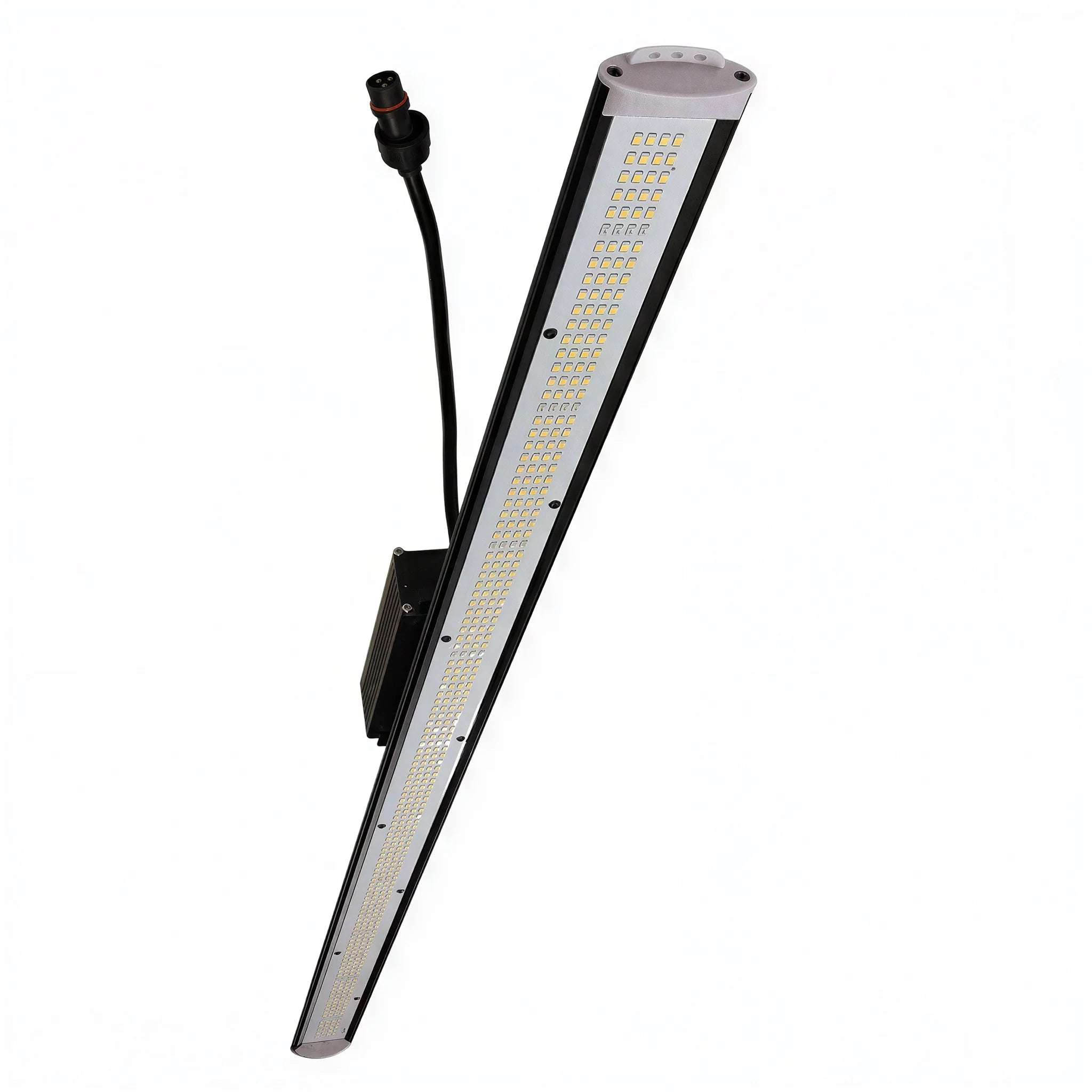
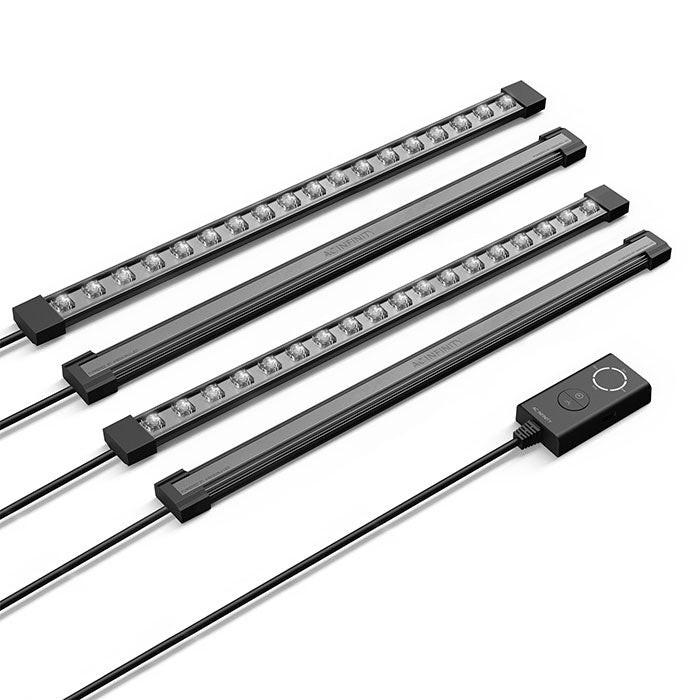
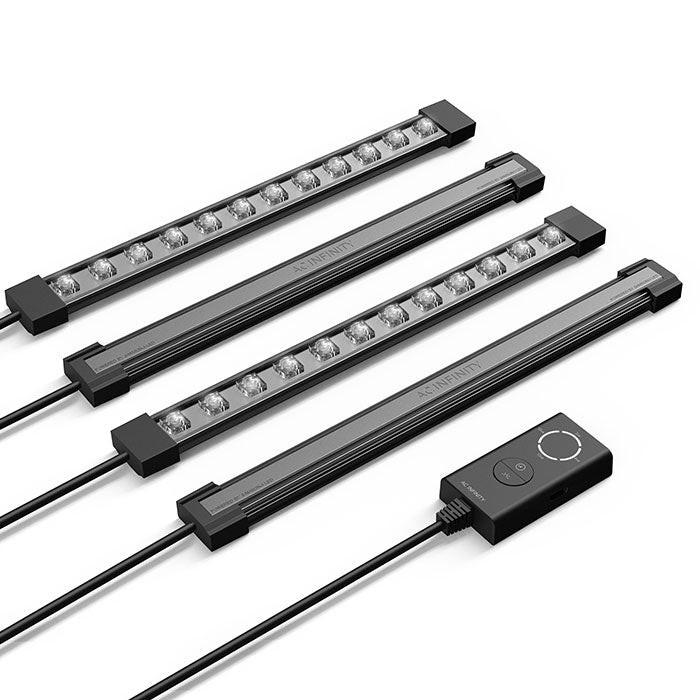
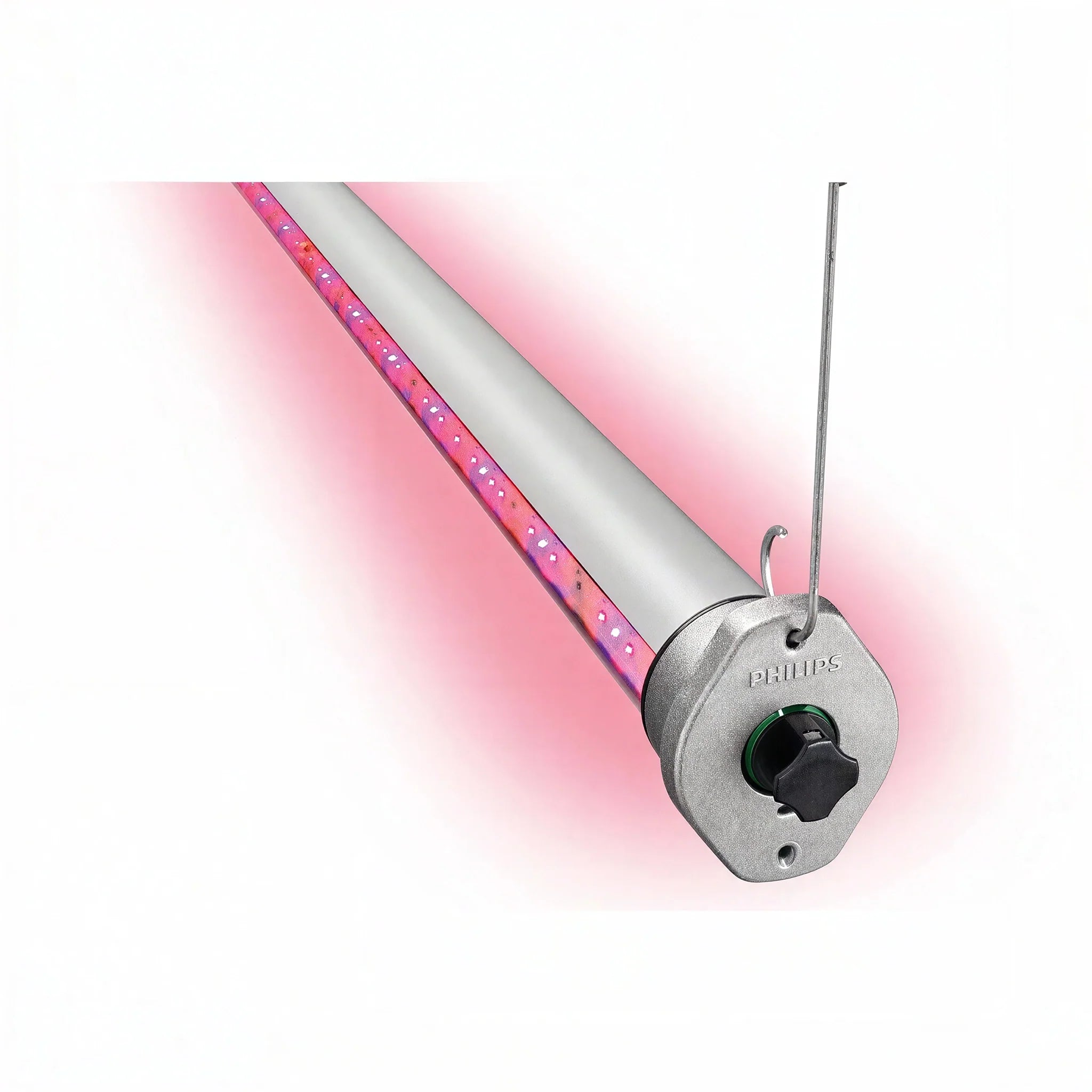
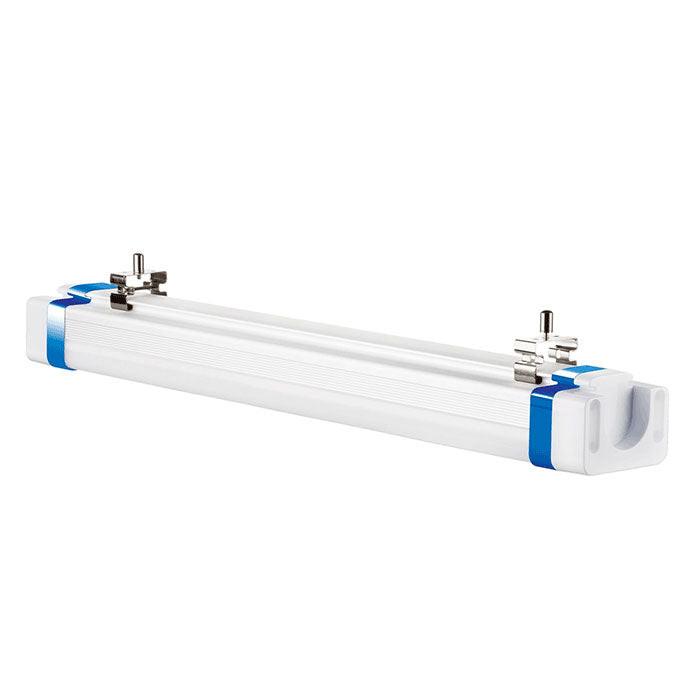
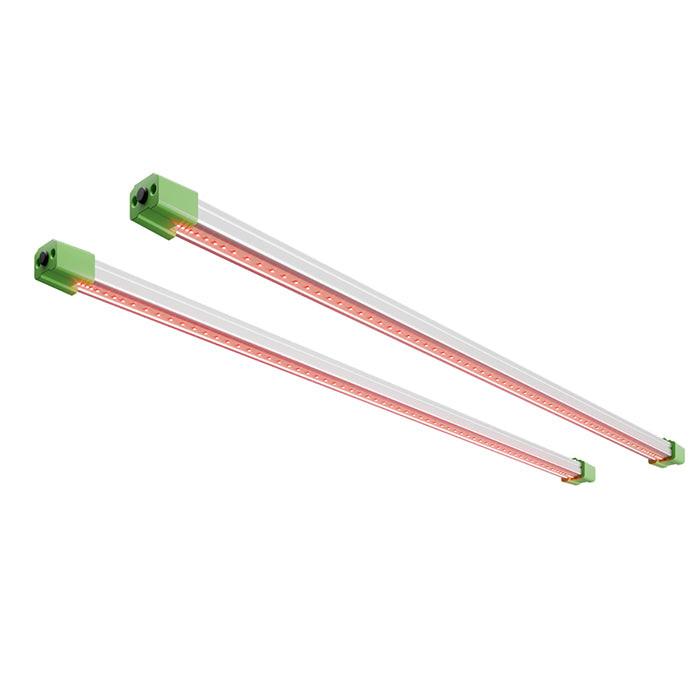
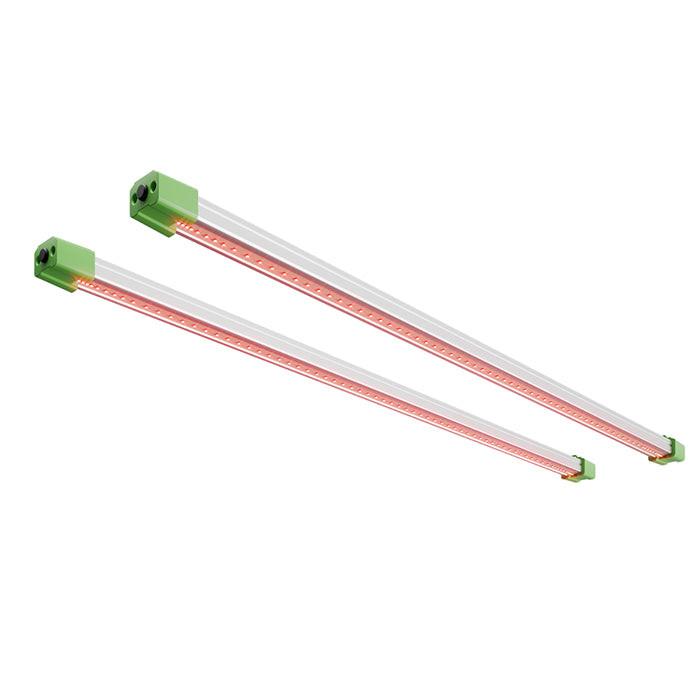
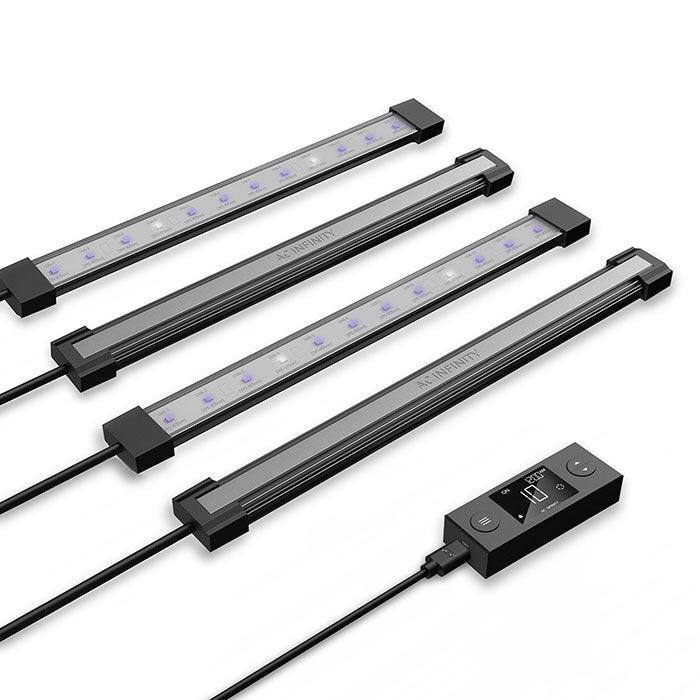
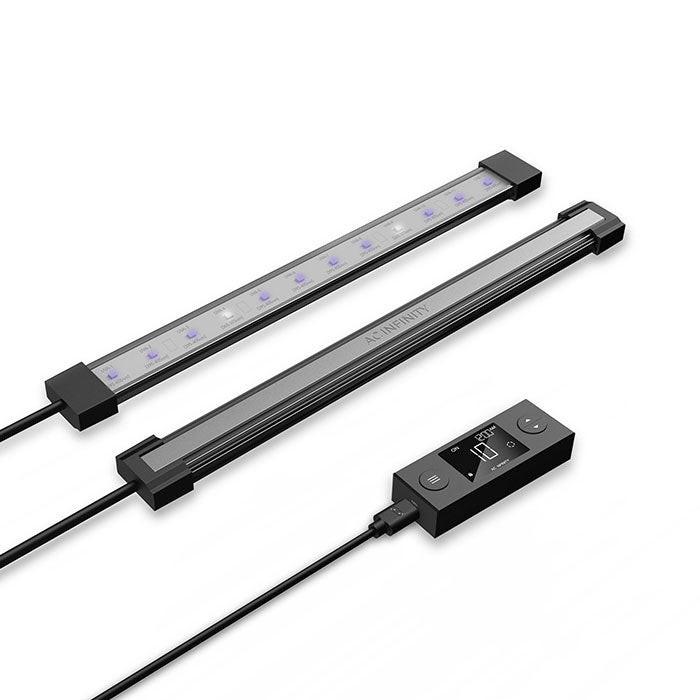
The primary applications for under-100W LEDs are propagation lighting (seedlings and clones require 50-200 umol/m2/s -- well within sub-100W fixture output at appropriate hanging heights), supplemental lighting (adding light to the lower canopy of a large plant without disturbing the main light), and hobby growing in spaces where a larger fixture would overheat the environment. Faven Lighting, Iluminar, and ThinkGrow produce quality sub-100W commercial options in this category. For propagation specifically, bar-style or strip LED fixtures in the 30-60W range mounted 4-8 inches above the canopy provide ideal intensity for clone trays and seedling flats without the heat that HPS or higher-wattage LED alternatives would create in a small propagation environment.
Comparison to T5 Fluorescent
Sub-100W LEDs directly compete with T5 fluorescent propagation fixtures for the same applications. LED equivalents typically use 30-50% less electricity for equivalent light output, produce less heat, and have longer service lives. Browse 100W LED grow lights, all LED grow lights, or use our Grow Light Calculator. Fast shipping.
Under 100W LED Grow Lights FAQ
What can I grow under an LED light under 100 watts?
Under-100W LEDs are well-suited for seedlings and young clones (which need 50-200 umol/m2/s), microgreens (30-100 umol), sprouts, and houseplants that tolerate lower light. For propagation specifically, a 40-60W LED bar mounted 4-6 inches above a propagation tray delivers the gentle, even light distribution that seedlings and cuttings need without heat stress. For full-cycle growing from vegetative through flowering, sub-100W is insufficient -- a flowering plant requires 400-800+ umol/m2/s, which requires higher wattage. Sub-100W is the right choice when heat management, electricity cost, or fixture simplicity is more important than maximizing yield.
Are there LED grow lights under 100W suitable for propagation racks?
Yes -- LED strip lights and bar-style fixtures in the 20-60W range are common choices for propagation rack shelves. Look for fixtures with uniform distribution across the 10-20 inch width of a standard propagation tray, a color temperature in the 4000-6500K range appropriate for vegetative and propagation applications, and a low-profile design that fits within the shelf spacing of a standard propagation rack (typically 12-18 inches between shelves). Many propagation rack kits include matched sub-100W LED fixtures. For seed starting and clone propagation, the lower intensity and uniform distribution of a bar or strip LED is more practical than a high-power LED at the same hanging height.
How does a sub-100W LED compare to a T5 fluorescent for propagation?
A quality sub-100W LED fixture delivers equivalent or better PPFD output compared to a T5HO fluorescent fixture at the same wattage while using 30-50% less electricity. LED fixtures produce less heat per watt, which matters in enclosed propagation domes where T5 heat can raise dome temperature above optimal rooting range. LED service life (50,000+ hours) is significantly longer than T5 fluorescent (20,000-30,000 hours), and LEDs do not require ballast maintenance. For growers replacing aging T5 propagation setups, LED replacements in the same wattage range are the practical modern alternative. For existing T5 fixtures, AgroLED and similar T5 LED replacement bulbs convert the fixture to LED without replacing the housing.