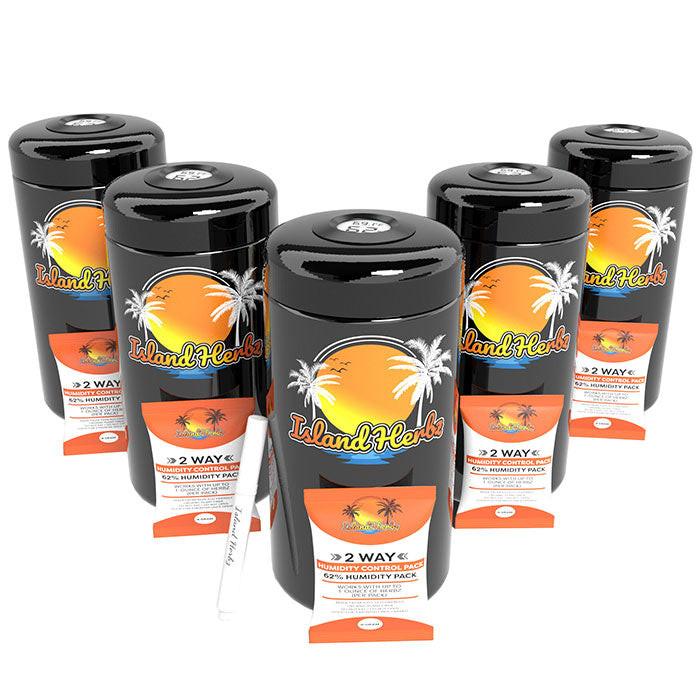
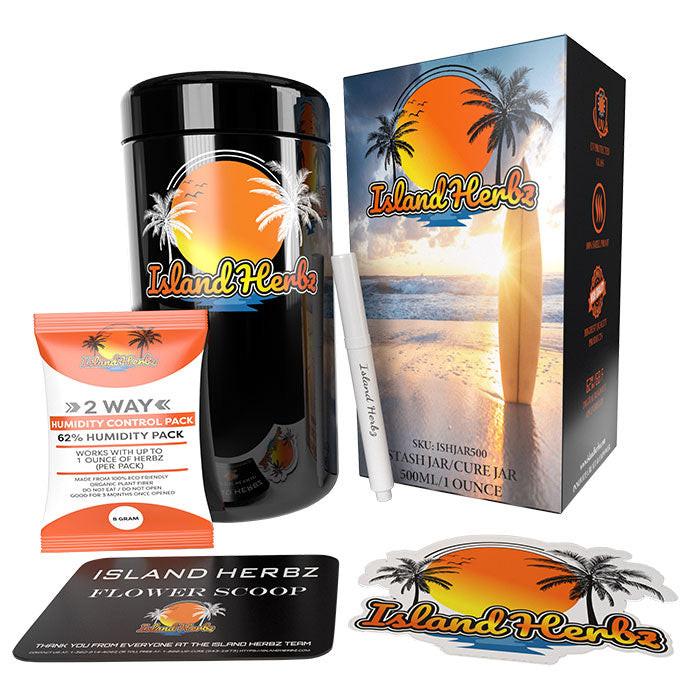
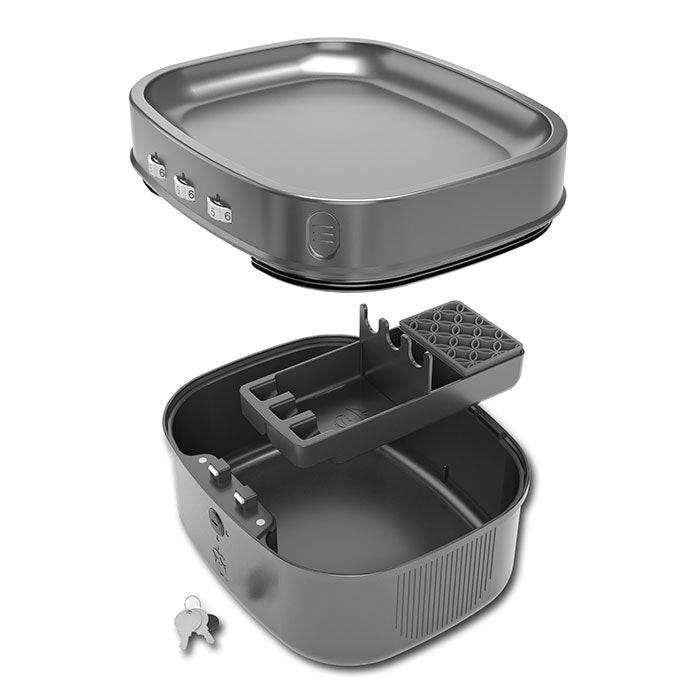
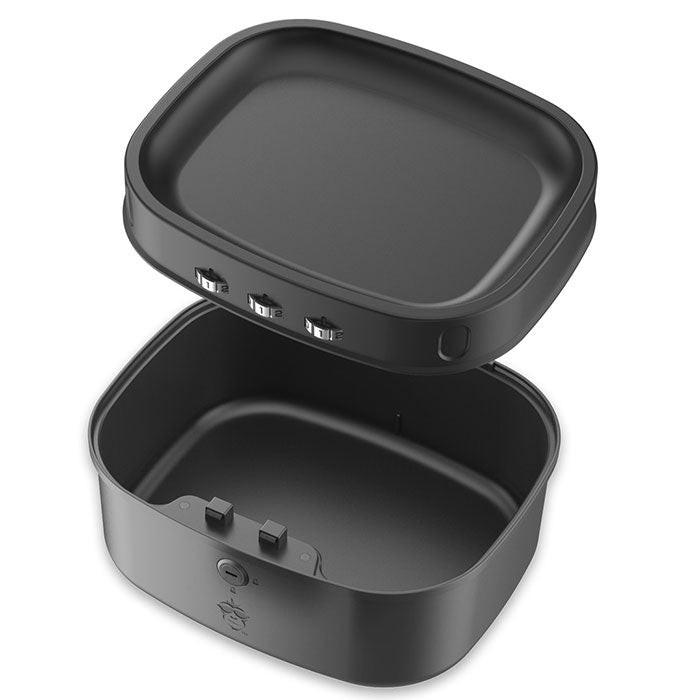
Harvest Storage Jars, Containers & Curing Vessels
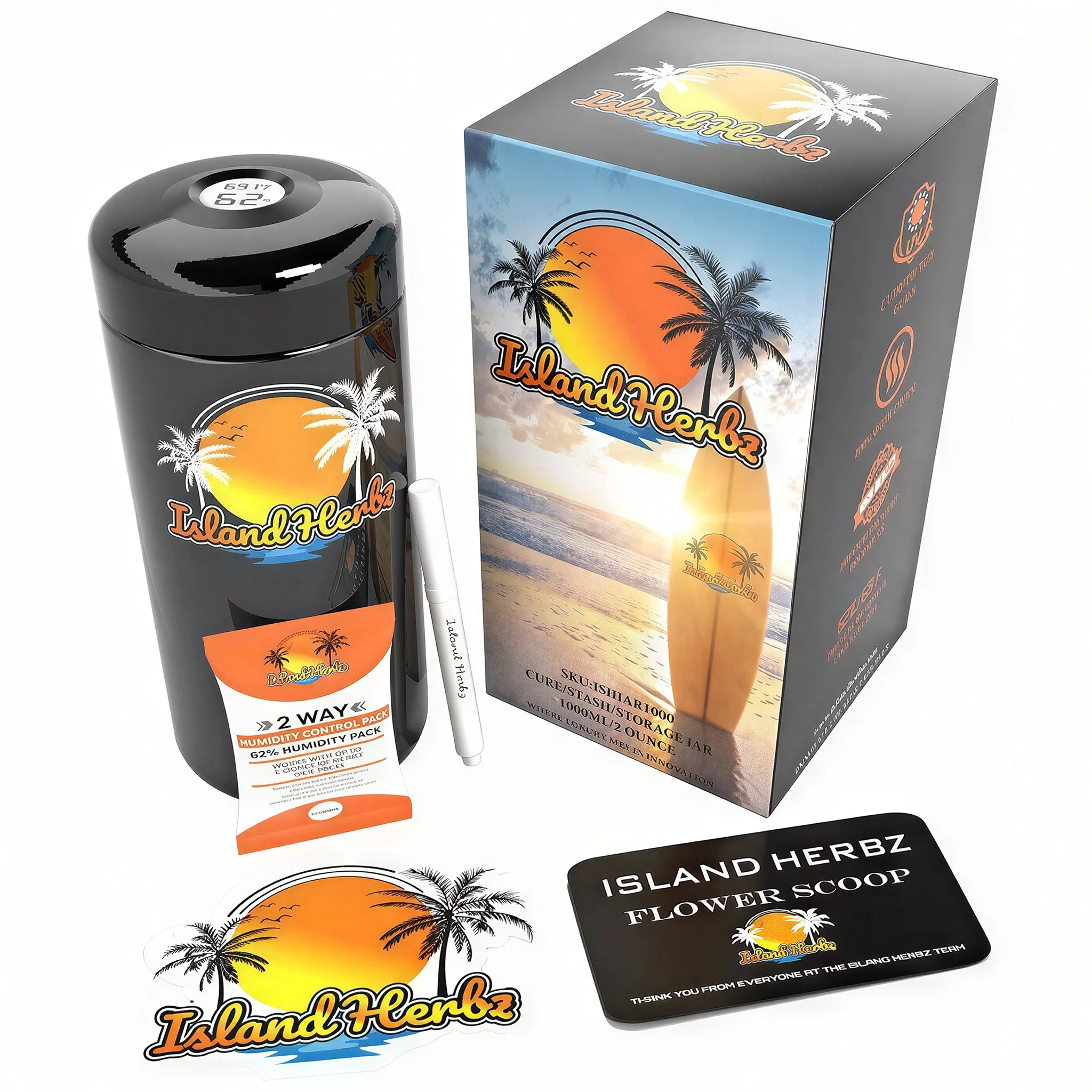
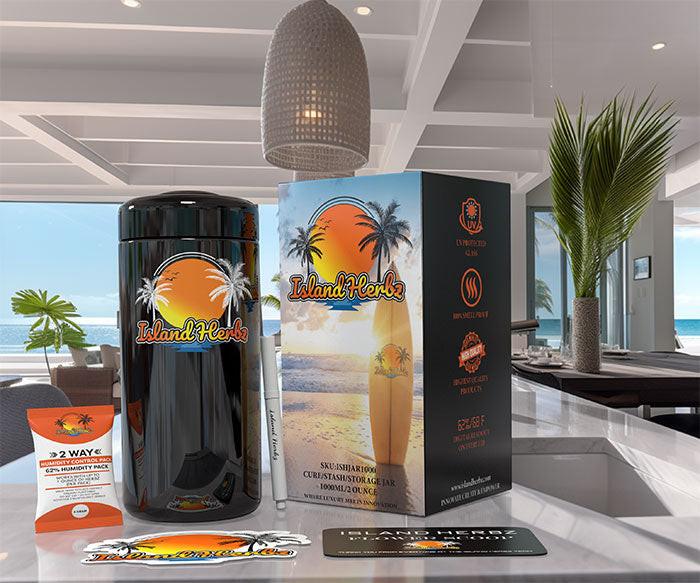
The container used for curing and storing dried botanical material plays a direct role in the quality and longevity of the final product. Airtight, light-blocking, non-reactive containers maintain the aromatic compounds and moisture content of properly dried material over time - while breathable, reactive, or light-permeable containers allow oxidation and aromatic compound loss that degrades stored material within weeks. Wide-mouth glass mason jars are the most widely used curing vessel because they are airtight, inert (glass does not react with or absorb aromatic compounds), available in useful sizes, and transparent enough to monitor material condition while blocking most UV light when stored in a dark location.
Container Types by Application
Wide-mouth glass mason jars (quart and half-gallon) are the standard curing vessel for home and small commercial use - fill to approximately 75% of capacity, seal, and burp daily for the first week to release excess moisture before final sealing. UV-protected glass jars (amber or UV-blocking glass) provide the best light protection for long-term display or storage where jars will be exposed to light. Airtight plastic containers made from food-grade HDPE or PET are a lighter and more portable alternative to glass for storage (not curing - plastic can absorb aromatic compounds over very long periods). For bulk long-term storage, airtight mylar bags with heat-seal closures provide superior oxygen and light barrier properties compared to rigid containers. Add humidity control packs to maintain 58-62% RH during curing and storage.
Container Sizing
Match container size to your storage quantity and access frequency. Frequent-use storage benefits from smaller containers (quart jars) that are opened regularly - smaller volumes replenish oxygen faster after opening than large containers. Long-term storage benefits from larger containers (half-gallon and gallon jars, or bulk bags) opened infrequently - larger containers minimize the oxygen-to-material ratio when properly filled. Avoid storing small quantities in oversized containers - excess headspace above the material increases the oxygen volume in contact with the stored material, accelerating oxidation. Fast shipping.
Harvest Storage Containers FAQ
What is the best container for curing dried botanical material?
Wide-mouth glass mason jars are the standard curing vessel - they are airtight, chemically inert, and allow visual monitoring of material condition. For curing: fill to approximately 75% capacity, seal, and open (burp) for 10-15 minutes once or twice daily for the first week to release excess moisture, then seal and check weekly after that. The burping process allows moisture to escape gradually while maintaining the controlled environment that develops cured quality. After 2-4 weeks of proper curing, the material is ready for longer-term storage.
Should I use plastic or glass containers for storage?
Glass is preferable to plastic for both curing and long-term storage of aromatic botanical material. Glass is chemically inert - it does not absorb or release any compounds that affect stored material. Food-grade plastic (HDPE, PET) does not noticeably affect material over short storage periods (weeks to a few months) but can absorb trace aromatic compounds from material stored in direct contact over longer periods. For short-term access storage of a few weeks, food-grade plastic is fine. For curing and long-term storage where preserving the full aromatic profile is the priority, glass is the better choice.
How full should I fill a storage jar?
Fill jars to approximately 70-80% of capacity - enough to minimize headspace (the air volume above the material) without packing the material so tightly that air cannot circulate during burping. Excess headspace means more oxygen in contact with the material, accelerating oxidation. Too tightly packed material does not allow moisture to redistribute evenly during the initial curing phase. For long-term sealed storage after curing is complete, filling jars as full as practical while still being able to close the lid reduces headspace oxygen to the minimum.
How long can I store properly cured material in glass jars?
Properly dried, cured, and sealed material stored in glass jars at 58-62% RH, in a cool dark location (65-70 degrees F), retains quality for 6-12 months. Vacuum-sealed storage extends useful life to 12-24 months. The primary degradation mechanism during jar storage is slow oxidation from the residual oxygen in the headspace - vacuum sealing removes this oxygen and substantially extends storage quality. Light and temperature are the other significant degradation factors - store jars in a dark location (a cabinet or box) away from heat sources to slow quality loss.
What is the best jar size for curing?
Quart jars (32 oz, approximately 1 liter) are the most practical curing vessel for most home growers - they hold approximately 1-2 ounces of dried material at 75% fill, are easy to handle for daily burping, and allow you to separate your harvest into multiple jars so a humidity problem in one jar does not affect the entire cure. Half-gallon jars (64 oz) suit larger harvests where managing many small jars is impractical. For commercial curing of pound-scale harvests, purpose-built airtight curing vessels in larger formats or humidity-controlled cure rooms are more practical than managing hundreds of individual mason jars.