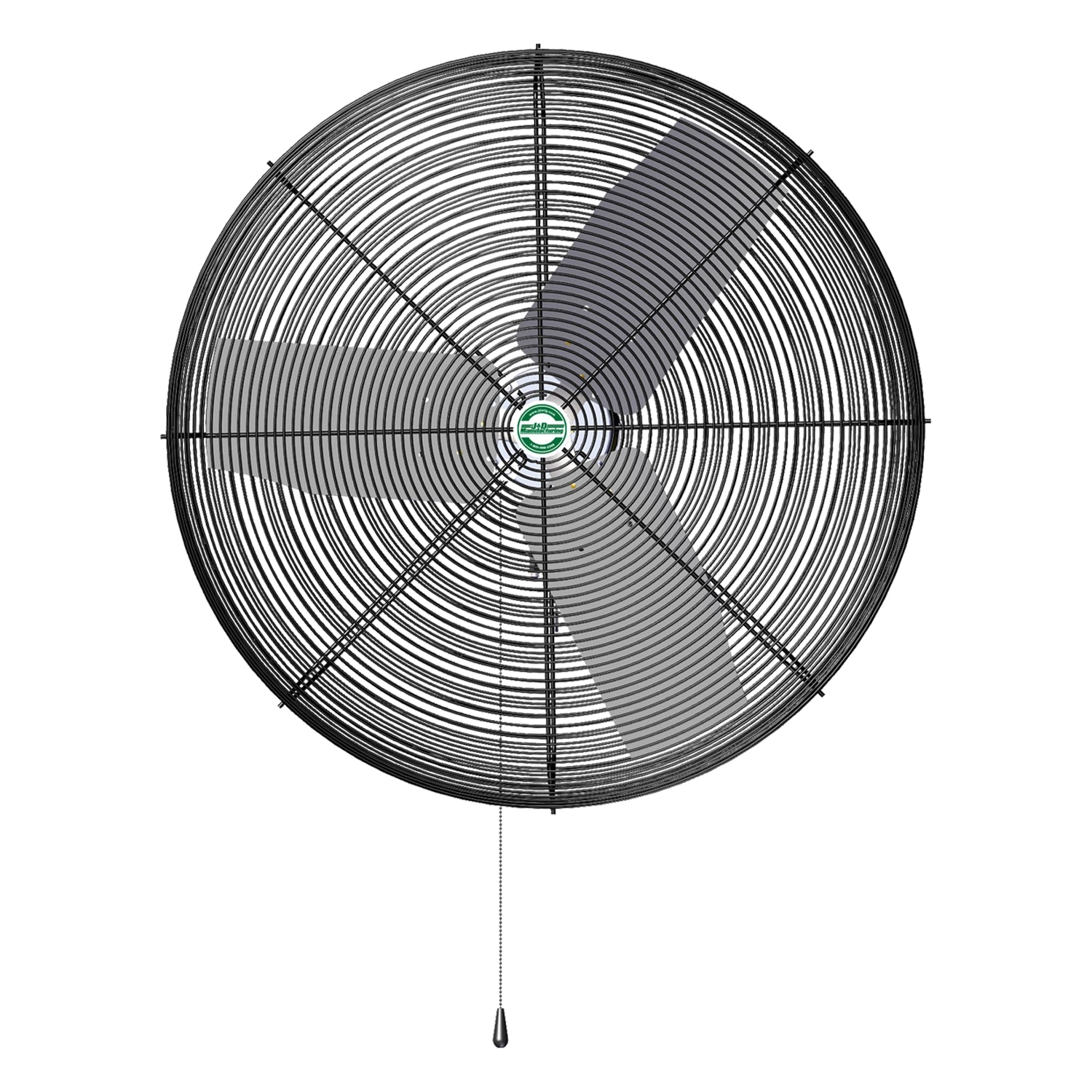
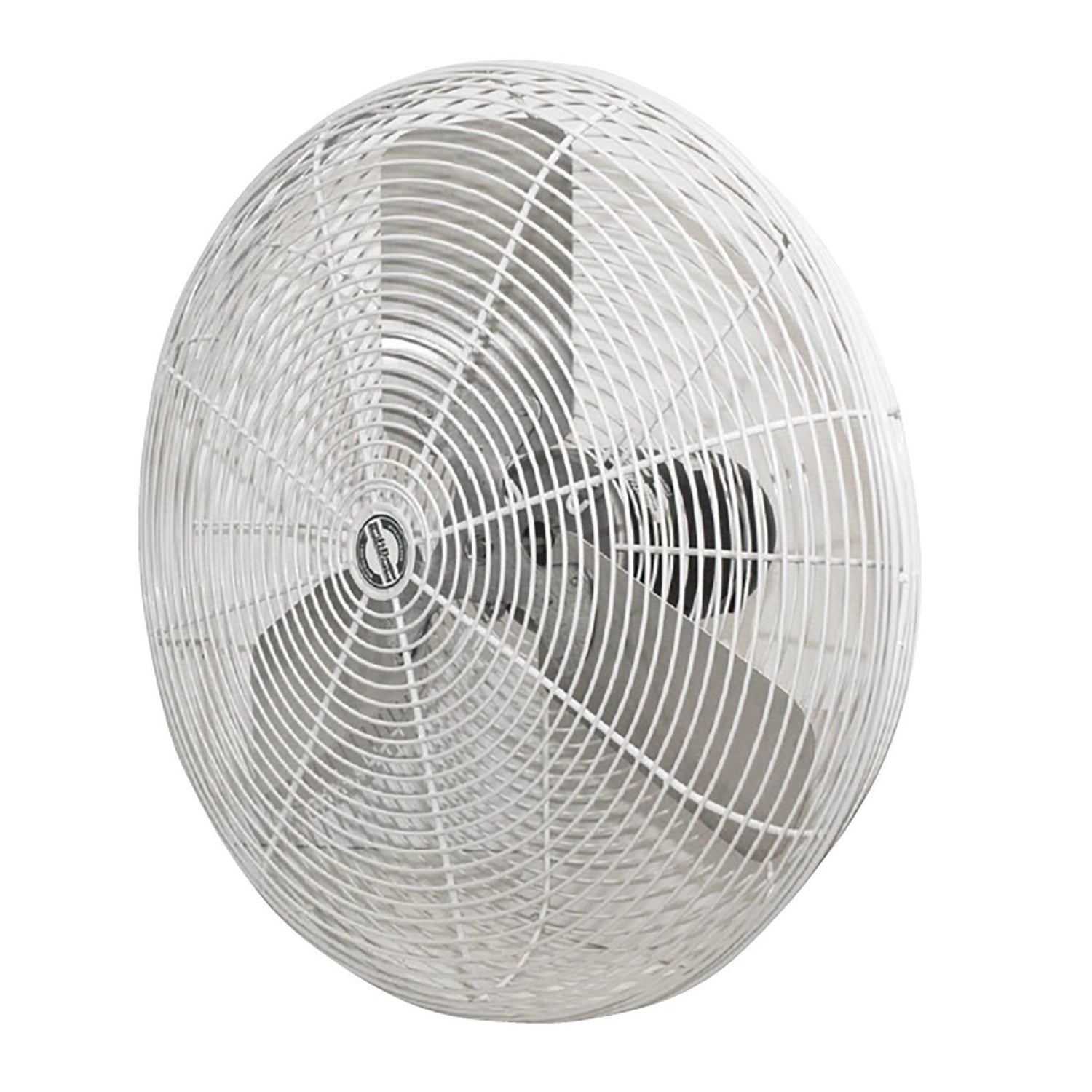
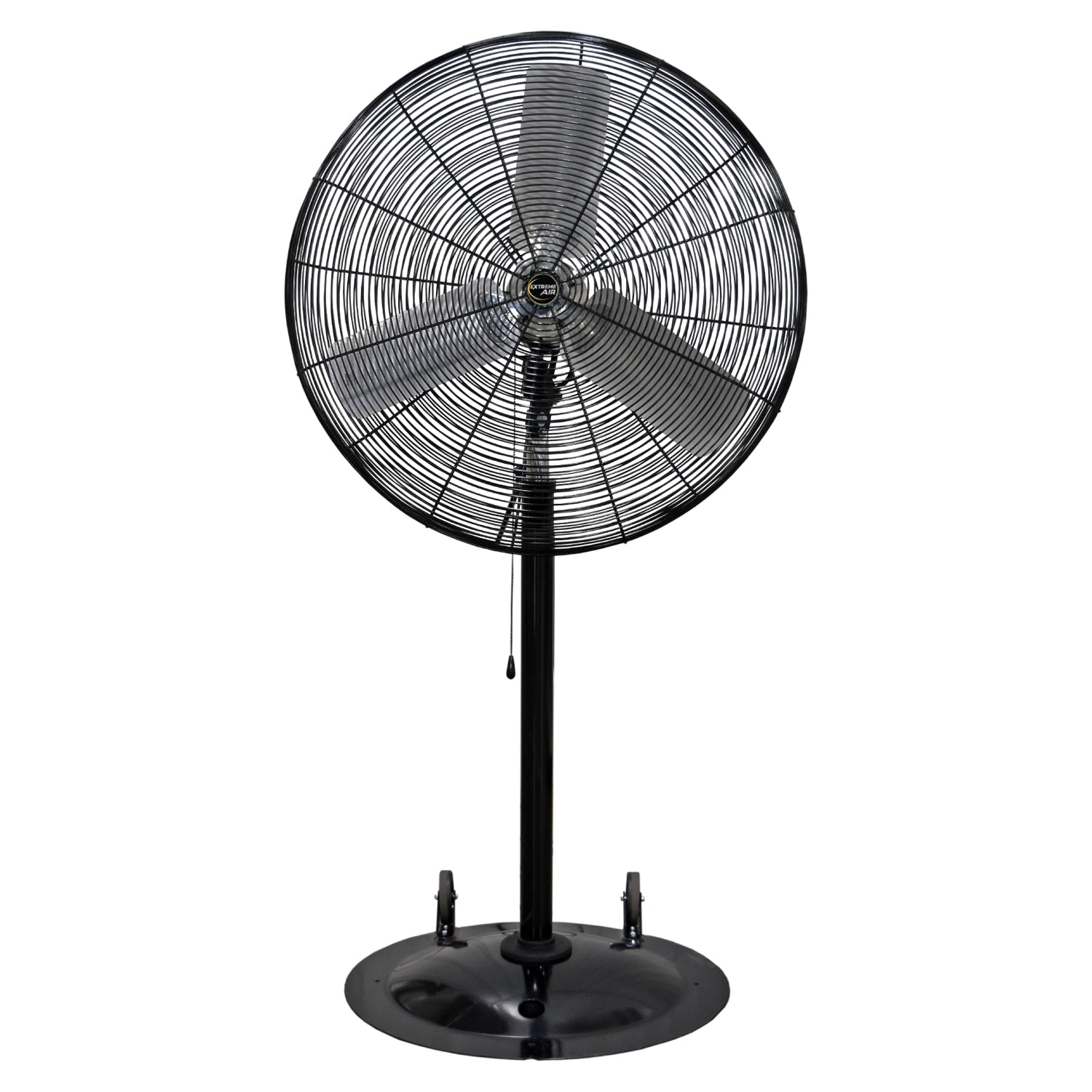
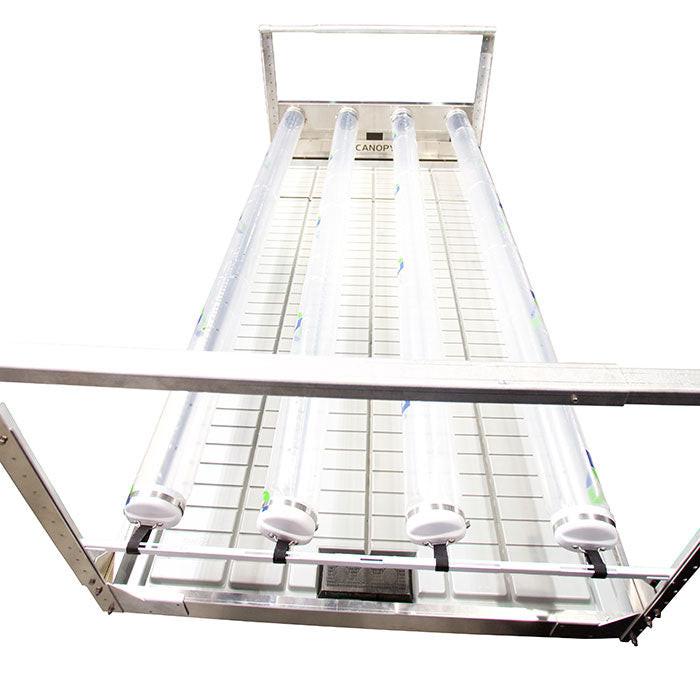
Sub-Canopy Airflow Fans for Under-Canopy Circulation
Sub-canopy airflow fans are compact, low-profile fans positioned below the main canopy level - either on the substrate surface, clipped to lower trellis wire, or mounted on short stakes between containers - to create air movement in the stem and lower canopy zone that overhead and wall-mount fans cannot adequately reach. In dense canopy production, the upper canopy blocks most airflow from overhead fans, leaving the under-canopy environment stagnant, humid, and significantly warmer than the measured room air temperature. This stagnant under-canopy zone is where botrytis, powdery mildew spores, and fungus gnat activity concentrate - sub-canopy fans disrupt this microenvironment directly.
Why Under-Canopy Air Circulation Matters
The temperature and humidity conditions immediately around stems, lower leaves, and substrate surfaces differ significantly from the room-level measurements taken at canopy height. Stem and substrate surface temperatures can run 5-10 degrees F higher than room air in stagnant conditions under dense canopy, and RH at the substrate surface can exceed 80%+ in the hours before lights-on when transpiration has been adding moisture to the closed environment. Sub-canopy fans specifically address the microclimate at the zone where conditions differ most from room averages, providing airflow exactly where it matters for disease prevention and root zone health. Browse our complete grow room fans and blowers collection for all circulation options.
Fan Selection & Placement
Low-profile clip fans (4-6 inch blade diameter), small oscillating desk fans, and dedicated sub-canopy fan products from grow room suppliers provide appropriate airflow scale for under-canopy applications. Position fans to direct airflow along container rows at substrate level, creating movement at the stem bases and lower leaf surfaces rather than blowing directly onto root zones. Fast shipping.
Sub-Canopy Airflow Fans FAQ
Why do I need sub-canopy fans if I already have circulation fans?
Standard circulation fans positioned at or above canopy level push air across the top of the canopy but the dense foliage absorbs most of the airflow before it reaches the lower stem and substrate level. The under-canopy zone in a mature flowering room with a closed canopy can be nearly stagnant even when the room-level airflow from overhead fans is adequate. Sub-canopy fans specifically target the zone that overhead fans cannot reach, providing airflow at the exact microenvironments - stem bases, substrate surfaces, lower leaves - where stagnant humid conditions cause the most disease and pest problems.
What size sub-canopy fan do I need?
Sub-canopy fans should move air gently across the substrate and stem level without aggressively blowing growing media or disrupting drip emitters and stake positions. A 4-6 inch clip fan at low speed, or a small desk-style oscillating fan at low-to-medium speed, provides appropriate airflow for under-canopy application. The goal is consistent, gentle movement - enough to prevent stagnation and dry the stem base zone after irrigation events, not enough to cause wind stress at the root level or physically displace growing media from containers.
How many sub-canopy fans do I need in a 4x4 tent?
In a 4x4 ft tent with a dense flowering canopy: one small oscillating fan positioned at substrate level in one corner, aimed diagonally across the tent floor, provides adequate under-canopy air movement in most programs. Two small clip fans on opposite corners running simultaneously provide better coverage for very dense canopies where a single fan creates some dead zones. In larger rooms, plan for one sub-canopy fan per 8-12 sq ft of canopy floor area to maintain consistent air movement throughout the under-canopy zone.
Can sub-canopy fans help with fungus gnats?
Sub-canopy fans help manage fungus gnat activity indirectly by drying the substrate surface between irrigation events - fungus gnat females prefer to lay eggs in consistently moist substrate surfaces, and improved surface airflow accelerates the drying of the top 0.5-1 inch of substrate that larvae need. Sub-canopy fans are one tool in a multi-element fungus gnat program alongside yellow sticky monitoring traps, reducing irrigation frequency to allow surface dry-back, and beneficial nematode or soil mite applications. They reduce habitat quality for gnats but are not sufficient as a standalone control measure.
Should sub-canopy fans run 24 hours?
Yes - run sub-canopy fans continuously like all other grow room circulation fans. The critical period for the under-canopy microenvironment is the dark period when the canopy stops transpiring, temperatures drop, and moisture that accumulated during the light period on foliage, stems, and substrate surfaces is no longer being actively driven off. Turning off sub-canopy fans during the dark period removes airflow precisely when the stagnant humid under-canopy environment is at its most problematic for disease development.