Natural CO2 Production for Grow Rooms
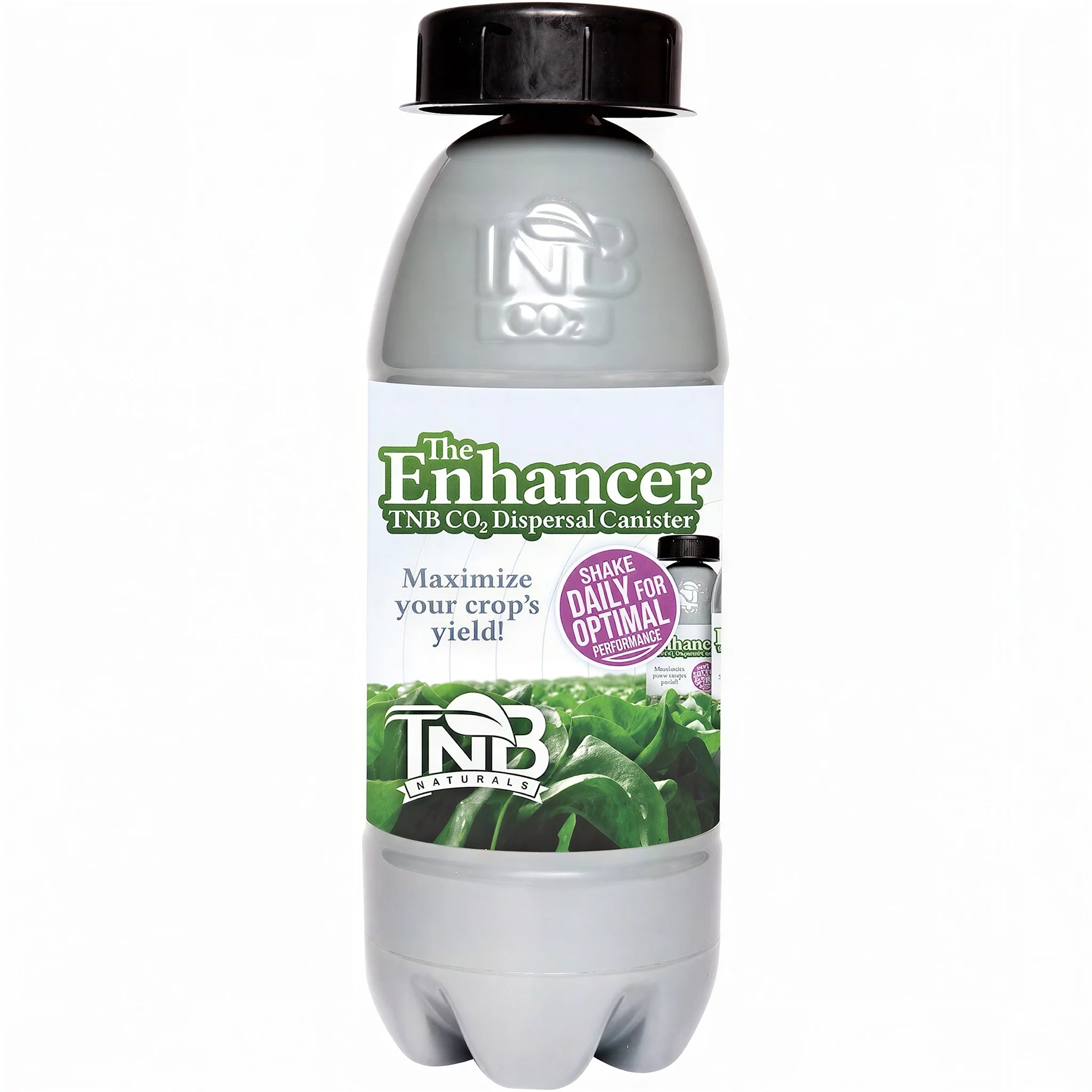
Natural CO2 production products generate carbon dioxide through biological processes - yeast fermentation, mushroom mycelium respiration, or composting microbial activity - rather than through compressed gas cylinders or CO2 burners. These products are designed for small growing spaces (tents, cabinets, and grow rooms under 50 square feet) where the modest CO2 output of biological generation is proportionate to the small air volume that needs enrichment, and where the capital cost and complexity of a compressed gas system is not justified by the production scale.
How Natural CO2 Products Work
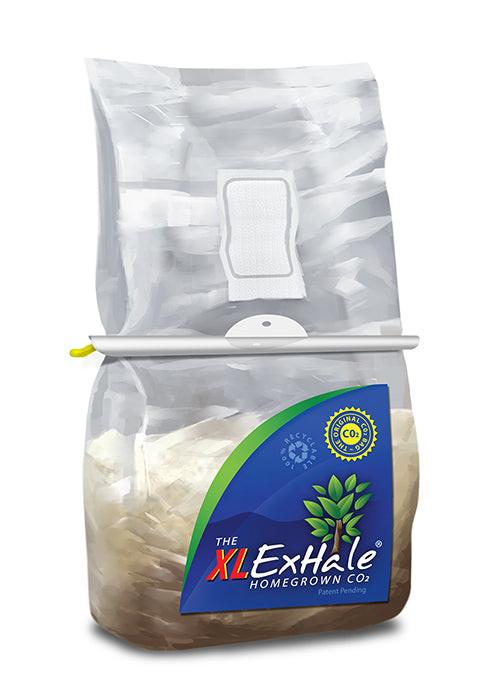
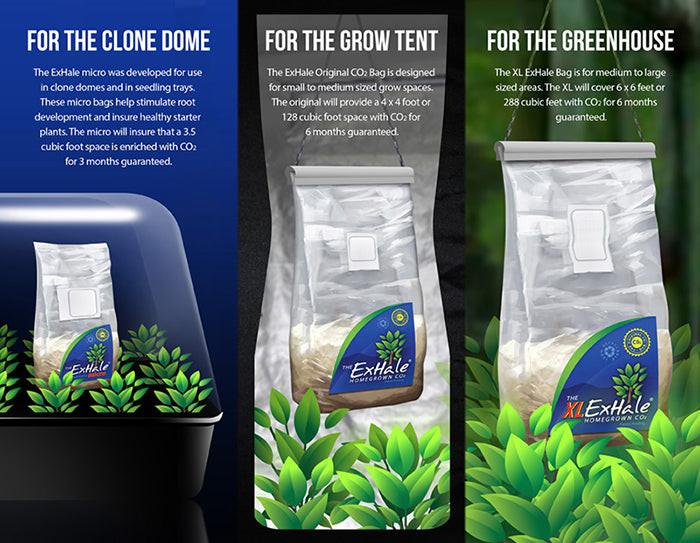
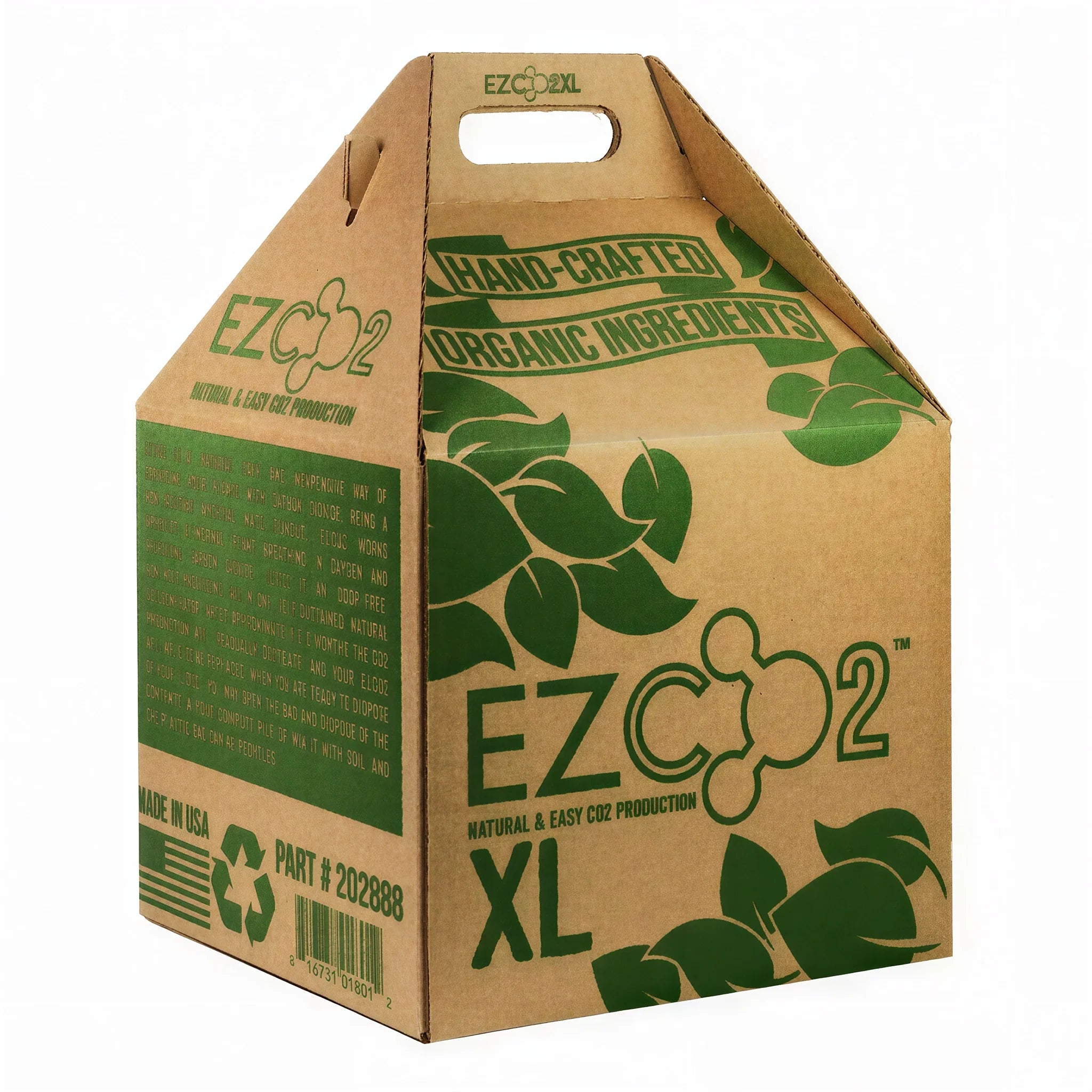
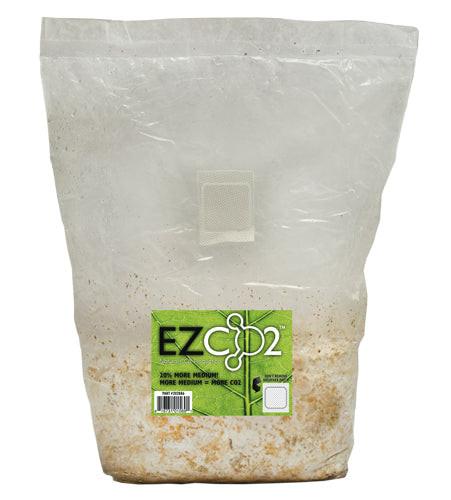
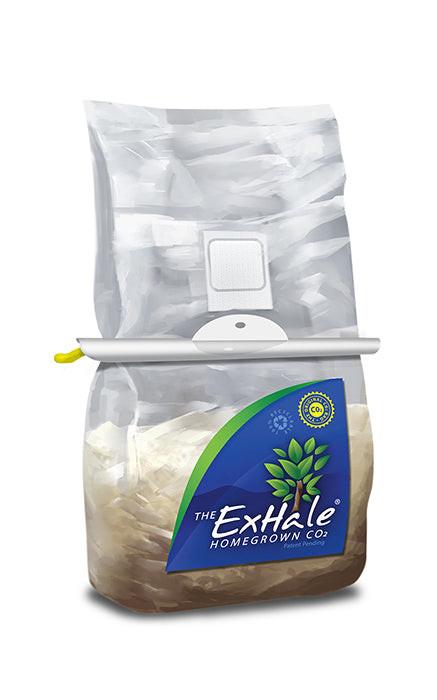
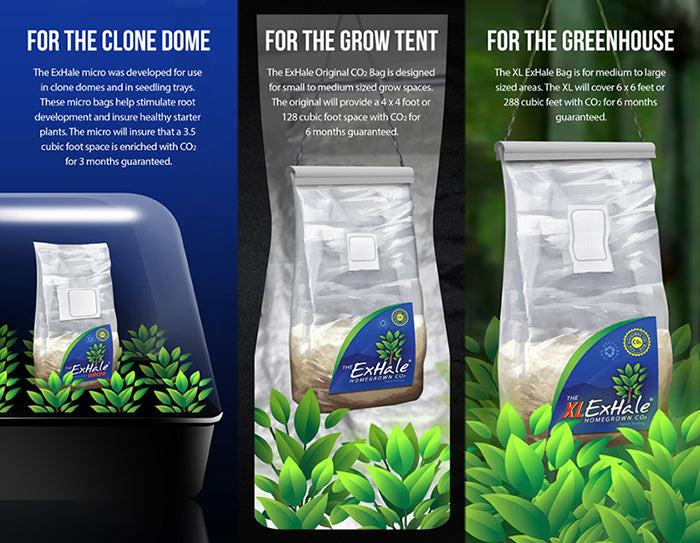
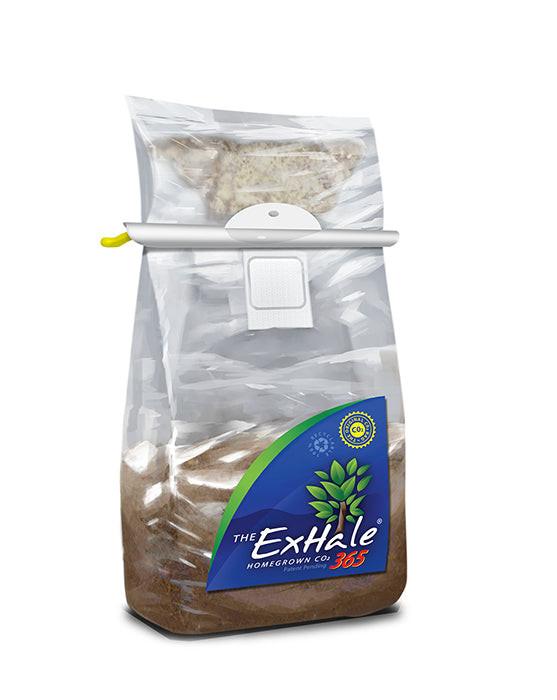
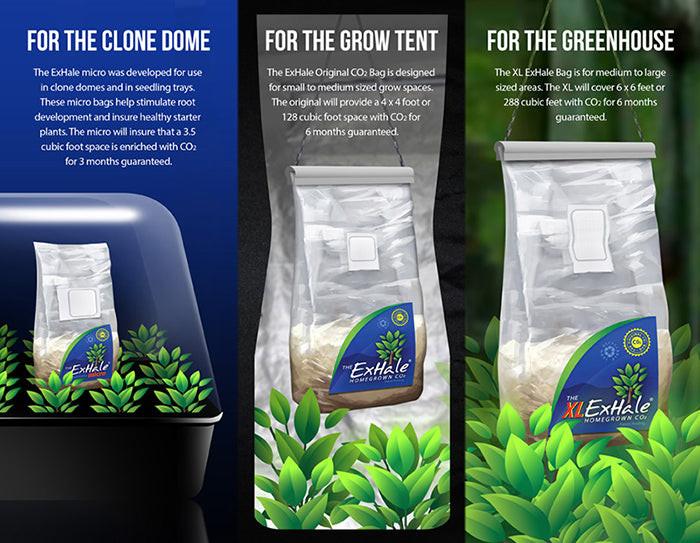
Bag-based yeast fermentation products (ExHale CO2, and similar) use a substrate pre-inoculated with active yeast in a sealed bag with a microporous membrane patch. The yeast ferments the substrate and produces CO2 that slowly diffuses through the membrane patch into the growing environment at a rate controlled by the membrane area and yeast activity level. A single bag produces CO2 for approximately 3-6 months as the yeast ferments through the available substrate, then the bag is replaced. Mushroom mycelium CO2 bags use colonized substrate where the respiration of the growing mycelium produces CO2 over the colonization and fruiting cycle. The CO2 output of these products is modest - adequate for a single tent or small cabinet, insufficient for rooms above approximately 30-50 square feet. Browse our complete CO2 devices collection for all CO2 delivery options.
Realistic Expectations
Natural CO2 products provide a measurable but modest CO2 boost - typically raising a small tent from 400 PPM ambient to 600-900 PPM, not the 1,000-1,500 PPM target of serious CO2 enrichment programs. For meaningful CO2 enrichment in production rooms, compressed CO2 tanks with a regulator and controller are the appropriate system. Fast shipping.
Natural CO2 Production FAQ
Do natural CO2 bags actually raise CO2 levels?
Yes - in small, reasonably well-sealed growing spaces (2x2 to 4x4 ft tents), natural CO2 bags provide a measurable CO2 increase above ambient atmospheric levels (approximately 400 PPM). The increase is typically 100-400 PPM above ambient in a 4x4 tent with moderate air exchange - reaching 500-800 PPM rather than the 1,000-1,500 PPM target of compressed gas enrichment programs. This modest enrichment provides some growth benefit in light-limited conditions, but the full CO2 enrichment benefit documented in research requires the higher concentrations achievable only with compressed gas systems.
How long does a natural CO2 bag last?
Bag-based yeast fermentation CO2 products last approximately 3-6 months from activation as the yeast ferments through the available substrate. The CO2 output rate is highest in the first few weeks when yeast activity is highest, then gradually declines as substrate is consumed. Temperature significantly affects output rate - warmer conditions (above 75 degrees F) accelerate fermentation and increase CO2 output but reduce product life; cooler conditions extend life at lower output. Most products activate on purchase and begin CO2 production immediately without any setup required.
Can I use a natural CO2 product in a room larger than a tent?
Natural CO2 products are not effective for growing rooms larger than approximately 30-50 square feet. The CO2 output of a single bag is insufficient to raise CO2 levels meaningfully in a large air volume when the room has any air exchange. Multiple bags in a larger room provide more CO2 but the cost-per-month approaches the cost of a compressed gas system while delivering a fraction of the enrichment level. For rooms above 50 square feet, the appropriate CO2 enrichment solution is a compressed CO2 tank with a regulator and controller.
What is the difference between ExHale bags and mushroom CO2 bags?
ExHale CO2 bags use yeast fermentation as the CO2 source - the bag contains a sugar/nutrient substrate pre-inoculated with live yeast that produces CO2 continuously as it ferments. Mushroom mycelium CO2 bags use the respiration of growing mushroom mycelium as the CO2 source - the bag produces CO2 as a byproduct of the mycelium's metabolic activity. Both provide passive CO2 production without any setup. ExHale-style yeast bags typically have a longer productive life (3-6 months) and more consistent output than mycelium bags, whose CO2 output varies with the mycelium's growth stage.
Do I need a CO2 controller with natural CO2 products?
No - natural CO2 products are passive and produce no more CO2 than their biological process generates. They cannot be dialed up or down and do not require a controller. They also cannot produce CO2 at levels that require monitoring for human safety (natural CO2 bags produce CO2 at rates that are safe in any normally ventilated growing space). CO2 controllers are needed for compressed gas and CO2 burner systems where the CO2 source can produce dangerous accumulations in a sealed space - not for passive biological CO2 products whose output rates are insufficient to cause safety concerns.