Drip Irrigation Punches, Cutters & Installation Tools
Building a drip irrigation system requires a small set of purpose-made hand tools - hole punches for making precise openings in poly distribution tubing, tube cutters for clean square cuts on supply and distribution lines, and insertion tools for starting barb fittings into tight tubing without damage. Using the correct tools produces clean holes and square cuts that form leak-free connections; improvised tools (nails, utility knives, scissors) make ragged holes and angled cuts that leak at the fitting connection point and clog with tubing debris.
Punch Tools
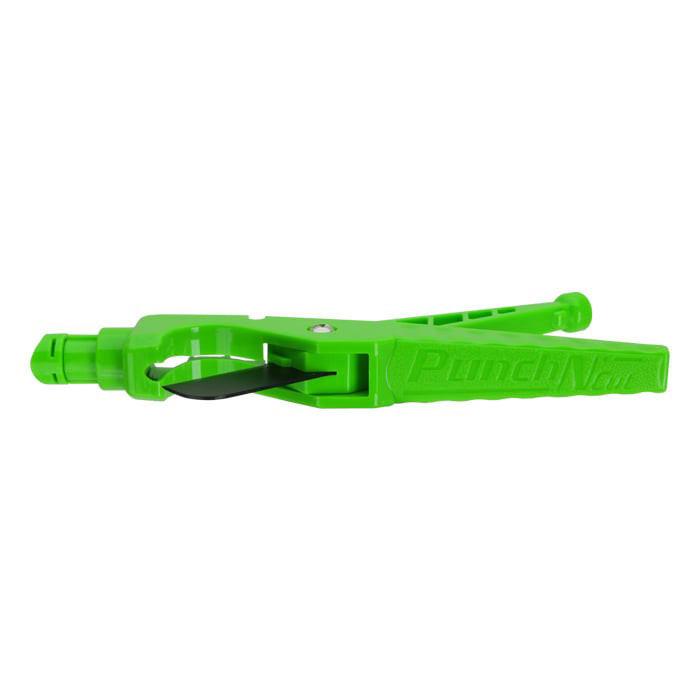
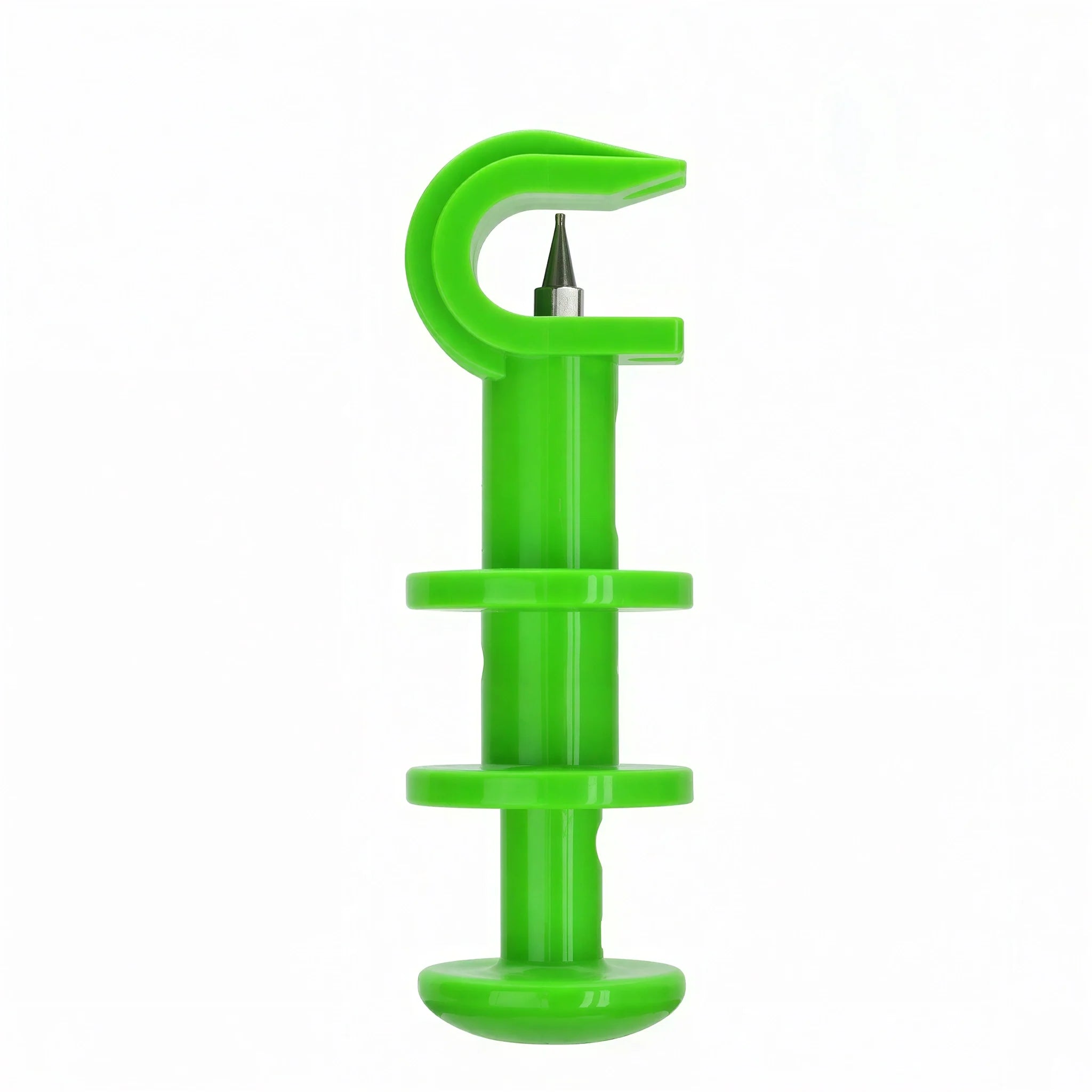
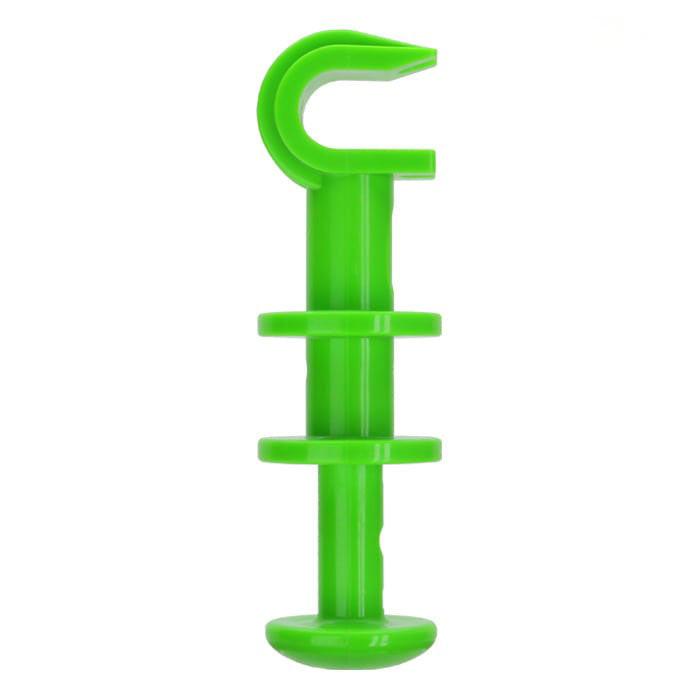
Drip irrigation hole punches are single-purpose tools that cut a clean, round hole in poly tubing to accept a barb-type emitter or fitting. The standard punch sizes match the most common barb fitting shank diameters: 0.60-inch punch for 1/4-inch barb emitters and spaghetti tubing fittings; larger punches for in-line fittings on main supply lines. The punch cuts a clean plug from the tubing wall, producing a hole that the barb fitting's ribbed shank grips tightly without tearing the tubing. Quality punches with sharp cutting edges produce clean-edged holes; dull or worn punches tear rather than cut, producing ragged edges that leak. Replacement inserts are available for most brand-name punches to restore sharp cutting action.
Tube Cutters & Accessories
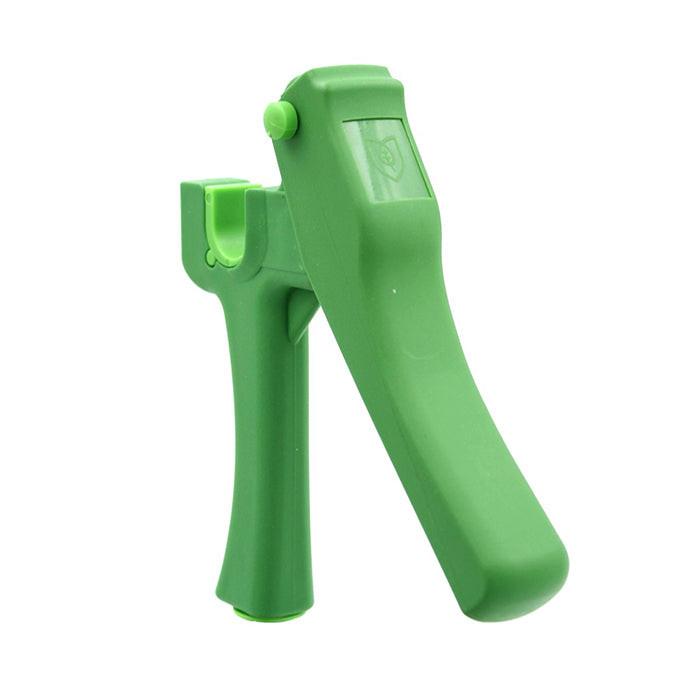
Drip tube cutters produce a clean, square cut across poly tubing - essential for leak-free barb fitting connections where an angled or ragged cut allows the barb fitting to seat unevenly and leak at the gap. The same cutter style used for distribution tubing also cuts dripline cleanly. Goof plugs (small barb plugs used to close unused punch holes when reconfiguring a system) are an essential consumable for any drip system that gets modified over time - keep a stock on hand. Fast shipping.
Drip Irrigation Tools FAQ
What tools do I need to build a drip irrigation system?
The minimum toolset for drip system construction: a hole punch (0.60-inch for 1/4-inch barb emitter fittings), a tube cutter for clean square cuts on supply and distribution tubing, and a bucket or basin for soaking tube ends in warm water to soften them before fitting (makes barb insertion easier and reduces splitting risk). Optional but useful: an insertion tool (a specialized pointed tool for starting barb fittings in tight tubing without finger-pressure splitting), a goof plug supply for closing unused punch holes, and a pressure gauge for system testing.
What size punch do I need for drip emitters?
The most common punch size for standard drip emitters and spaghetti tubing barb fittings is 0.60-inch (also specified as 15mm or 17/64-inch depending on the manufacturer - they refer to the same size). This size creates the hole that accepts the 1/4-inch barb shank on most individual drip emitters and take-off fittings for spaghetti tubing. Larger punch sizes (0.85-inch, 1-inch) are used for in-line fittings and larger barb connectors on main supply lines. Check the barb fitting shank diameter specification to confirm the correct punch size.
Can I use a nail or drill bit instead of a punch?
Technically possible but not recommended. A nail creates a hole by pushing material aside rather than cutting it - the resulting hole has a raised lip and irregular edges that prevent the barb from seating properly and almost always leaks. A drill bit removes material cleanly but produces a circular hole with a sharp burr inside the tube that the barb must push past - often tearing the inner tube wall. A purpose-made punch cuts a clean plug from the tube wall with no deformation, no burr, and no lip - producing the cleanest hole for the tightest leak-free barb connection.
What is a goof plug and when do I need one?
A goof plug (also called a blank plug or stopper) is a small solid barb plug that closes an unused punch hole in poly tubing. You need them when: reconfiguring a system and moving an emitter to a different location (the old punch hole must be closed); accidentally punching a hole in the wrong location; or removing an emitter from a container that is no longer in the system. Keep a supply of goof plugs on hand - a single unplugged punch hole in a pressurized distribution line leaks constantly and reduces pressure to downstream emitters. They are inexpensive and a standard supply item for any drip system.
How do I keep my punch from wearing out quickly?
Punch longevity: always punch perpendicular to the tubing (off-angle punching stresses the cutting edge); clean the cutting tip with a damp cloth after use to remove debris that can cause corrosion; store the punch with the tip covered or protected; and replace the cutting insert when holes start requiring noticeably more force to punch cleanly. Most quality hole punches have replaceable inserts - replacing just the insert rather than the full tool is more economical for production operations that punch dozens of holes per week.