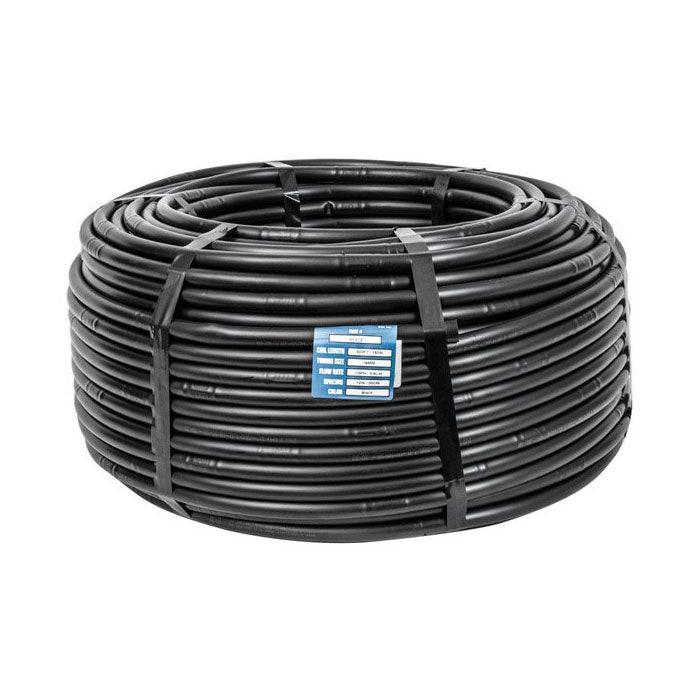
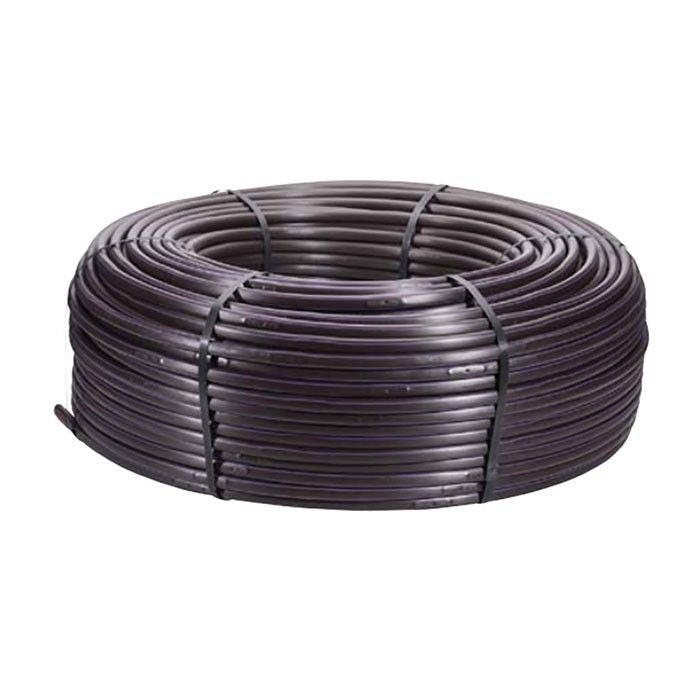
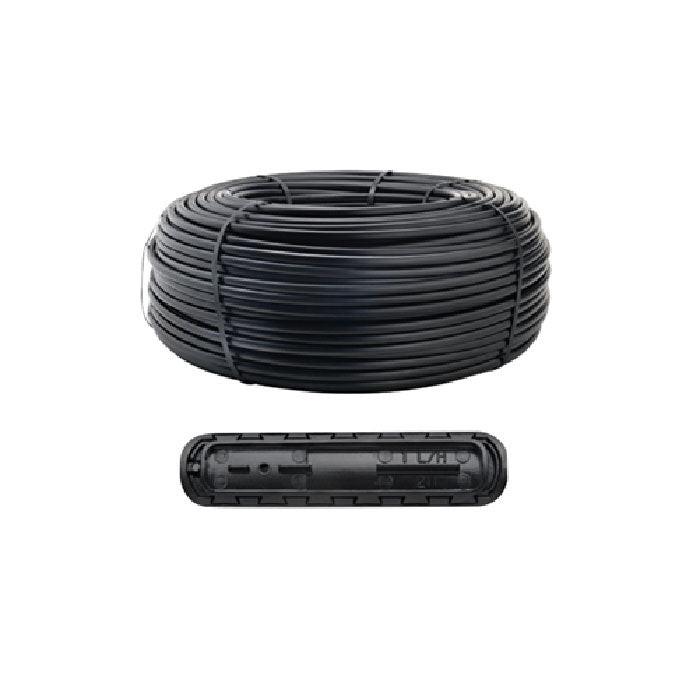
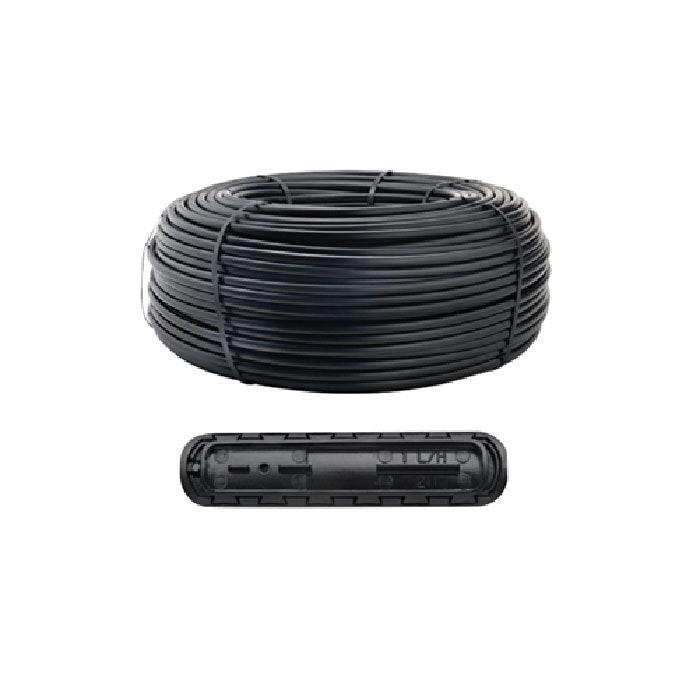
Dripline & Drip Tape for Irrigation
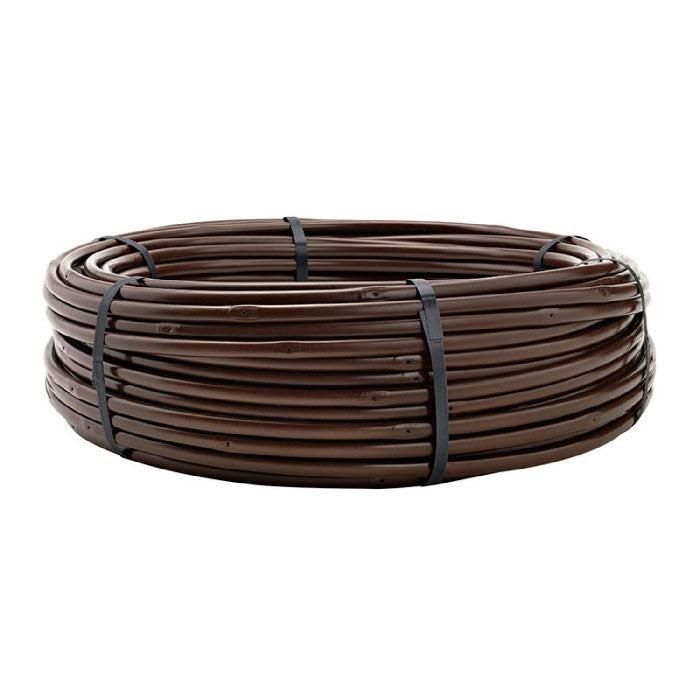
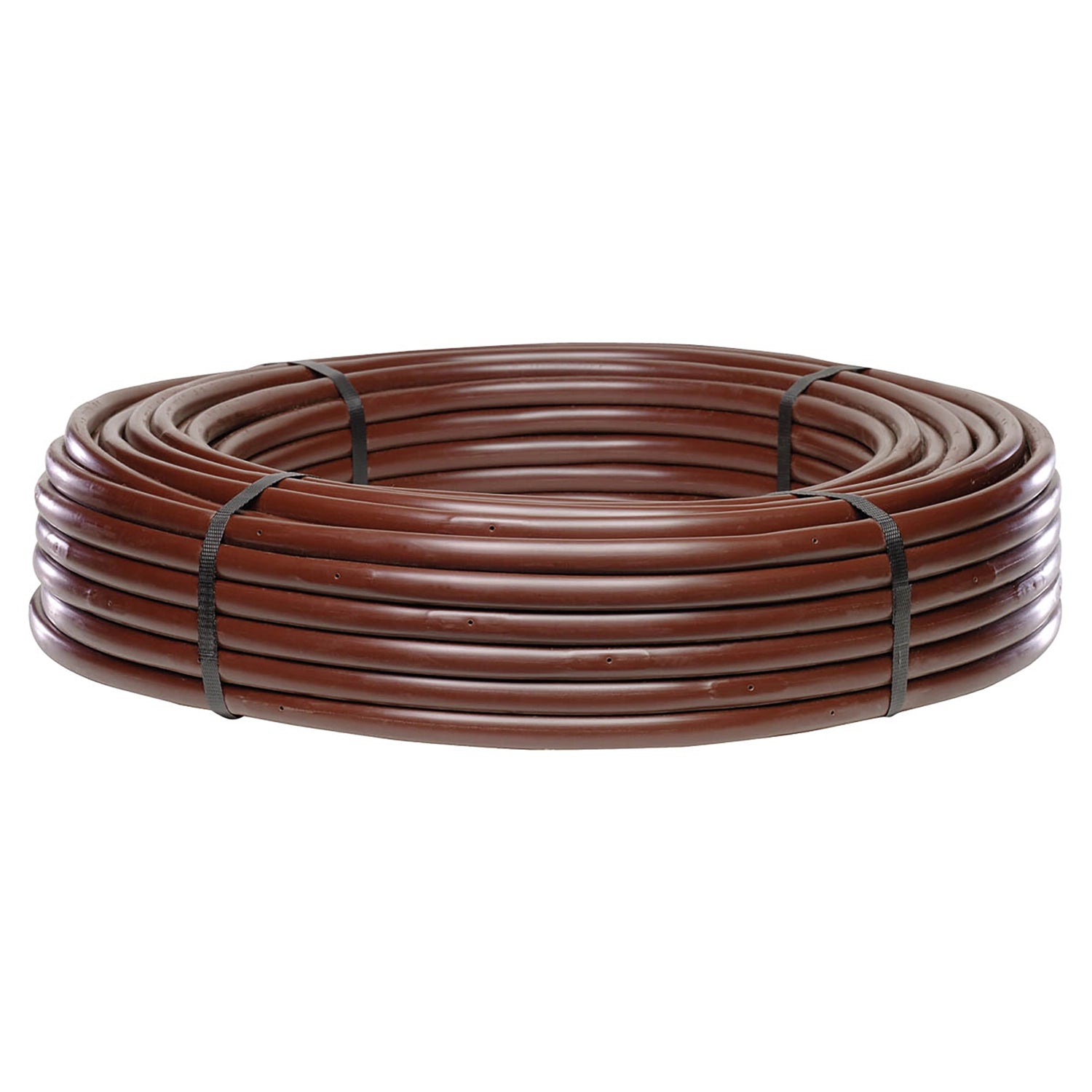
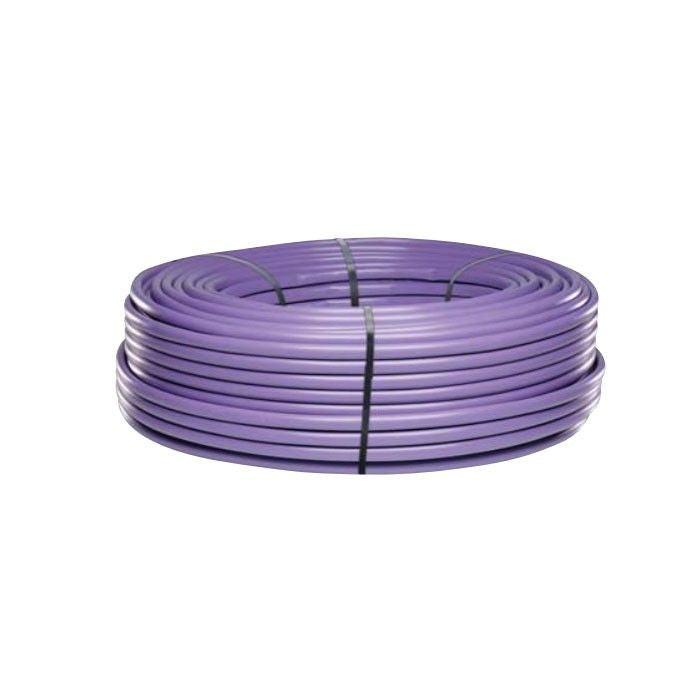
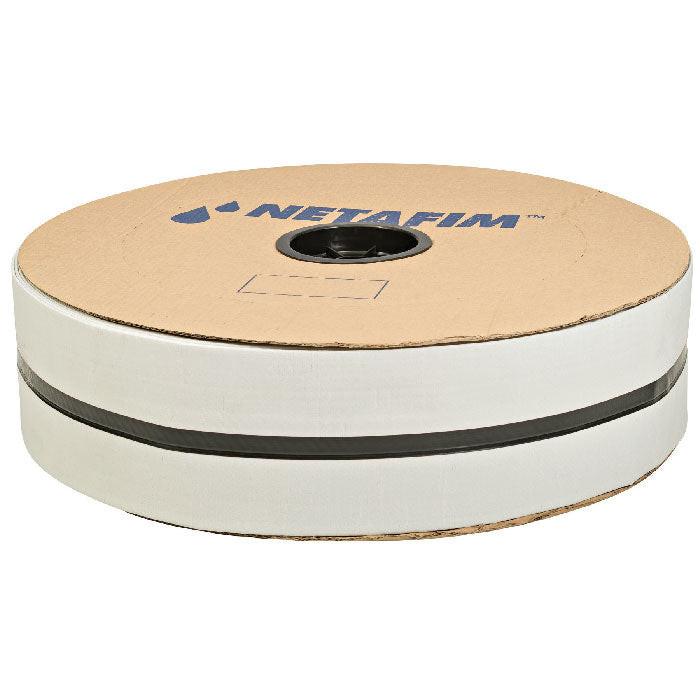
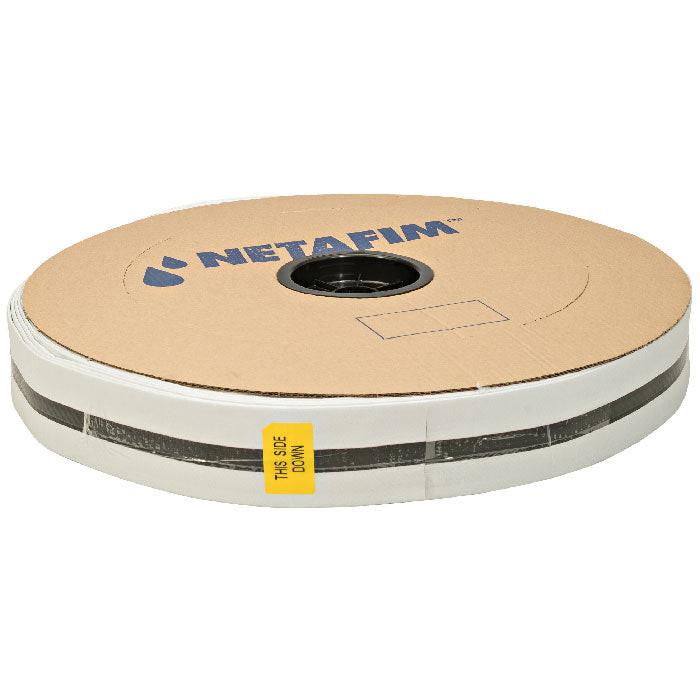
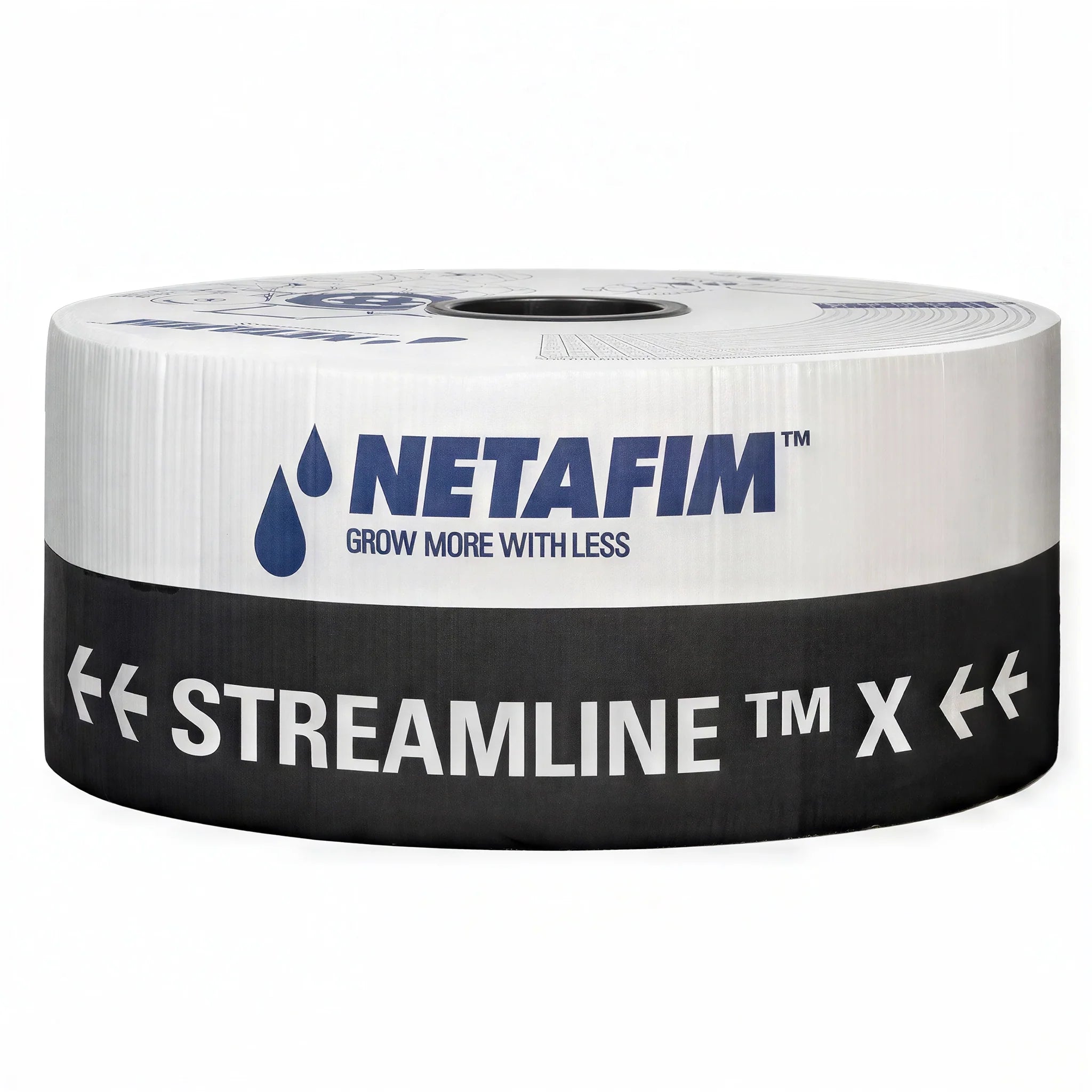
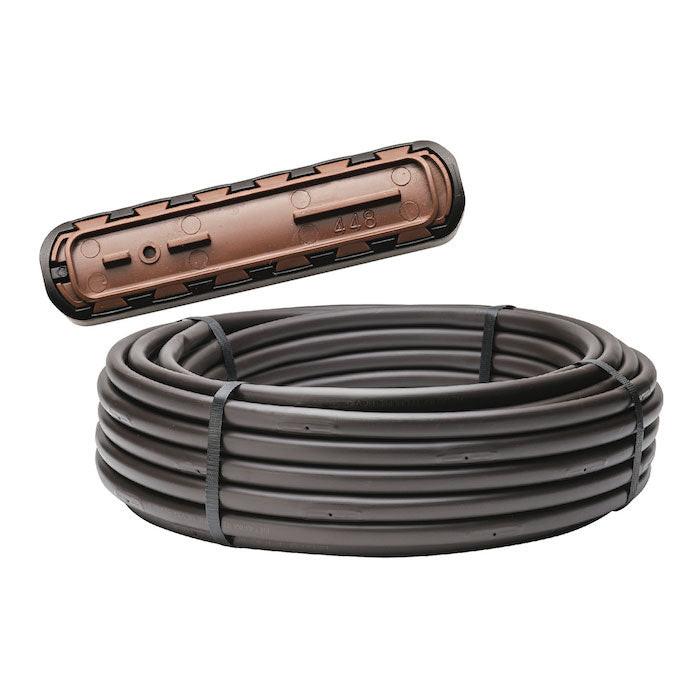
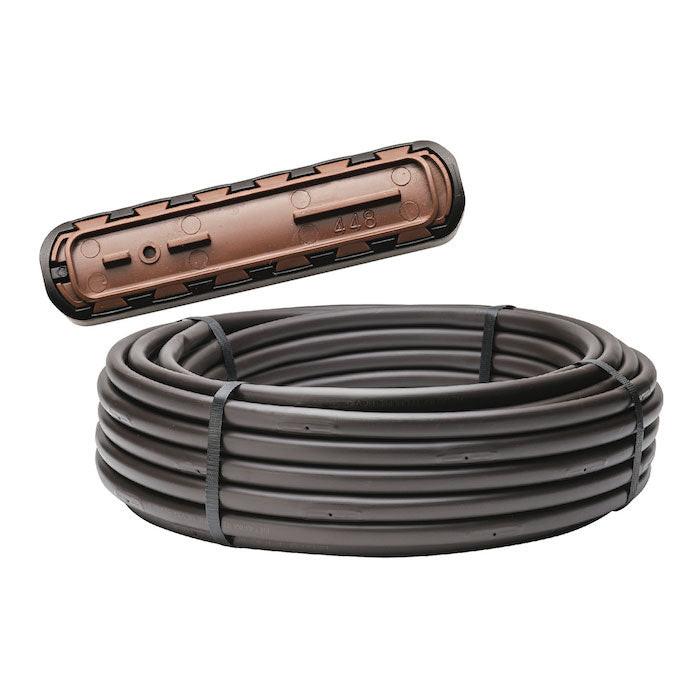
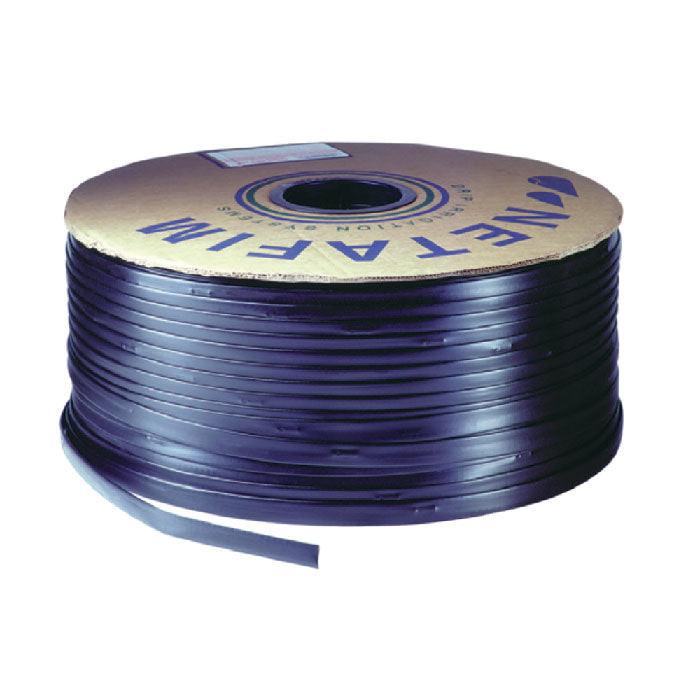
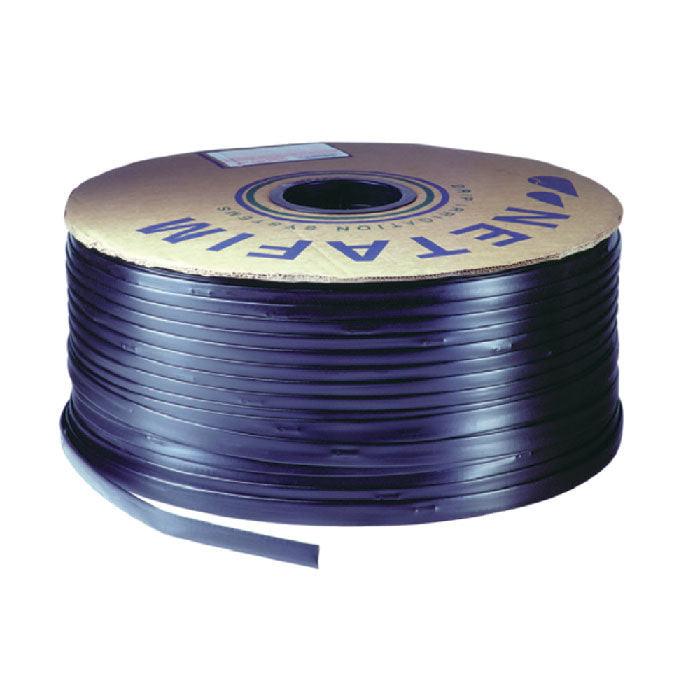
Dripline and drip tape are emitter-integrated tubing products - tubing with emitters pre-installed at fixed spacing intervals along the tube length, allowing irrigation of entire rows or beds from a single supply line without installing individual emitters at each plant site. Dripline uses a round-profile, heavier-wall tube (typically 16mm or 17mm diameter) with internally embedded emitters and operates at 10-25 PSI - it is designed for multi-season use in commercial and permanent greenhouse and high-tunnel installations. Drip tape uses a flat-profile, thin-wall tube that expands when pressurized and operates at 8-12 PSI - primarily used in annual row crop production and in-ground applications where the tape is replaced each season.
Emitter Spacing & Flow Rate Selection
Dripline emitter spacing is specified at manufacturing - common spacings are 6-inch, 8-inch, 12-inch, 18-inch, and 24-inch intervals between emitters. Match emitter spacing to plant spacing: one emitter per plant at the plant root zone is the standard, so 12-inch spacing suits 12-inch plant spacing, 18-inch suits 18-inch spacing, and so on. For container growing programs with fixed container placement, individual emitters on spaghetti tubing from a plain distribution line often provide more placement flexibility than pre-spaced dripline. Standard dripline emitter flow rates: 0.5 GPH (Netafim PC standard), 1.0 GPH, and 2.0 GPH - lower flow rates work better for small containers and frequent irrigation events; higher flow rates suit larger containers and less frequent events. Browse our full drip irrigation collection for all components.
Drip Tape for Row Crops
Drip tape is available in emitter spacings from 4-inch through 24-inch and flow rates calibrated for typical agricultural applications. Tape wall thickness (4 mil through 15 mil) determines durability - thicker tape handles more soil contact, UV exposure, and seasons of use. For greenhouse and high tunnel row crop production, 8-10 mil tape at the plant-specific emitter spacing is the standard. Drip tape requires a pressure regulator set to 8-12 PSI - operating above this range balloons and bursts thin-wall tape. Fast shipping.
Dripline & Drip Tape FAQ
What is the difference between dripline and drip tape?
Dripline uses a round-profile, thick-wall poly tube (16-17mm diameter) with internally embedded emitters - it operates at standard drip pressures (10-25 PSI), is reusable for multiple seasons, and is designed for permanent or multi-year installations. Drip tape is a flat, thin-wall tube that inflates when pressurized - it operates at lower pressures (8-12 PSI), is less expensive, and is typically replaced each season in annual crop programs. For permanent growing facilities and greenhouse production, dripline is the standard; for seasonal field and high-tunnel production where annual replacement is acceptable, drip tape is more cost-effective.
What emitter spacing should I use for my crops?
Match emitter spacing to plant spacing so each plant has one emitter in its root zone. For container growing with containers placed at consistent intervals: measure the center-to-center spacing between containers and select dripline with that emitter spacing. For in-ground row crops: match to in-row plant spacing. For crops with dense planting (under 6-inch spacing), double-line dripline (two supply lines per bed) or 4-inch spacing tape may be needed to deliver adequate water uniformly across the row without over-irrigating alternate plants.
Can I use dripline in containers?
Yes - dripline works in container growing programs where containers are placed at consistent intervals matching the dripline emitter spacing. Run the dripline along a row of containers, positioning each emitter at the soil surface of each container. Dripline is particularly practical for large-scale container operations where installing individual emitter fittings and spaghetti tubing at each container is labor-intensive. For variable container spacing or for systems that are frequently reconfigured, individual emitters on spaghetti tubing offer more flexibility.
How long can a single dripline run be?
Maximum dripline run length depends on emitter flow rate, number of emitters per run, supply pressure, and allowable pressure variation. Netafim PC dripline specifications typically allow runs of 200-800 feet depending on emitter spacing and flow rate - the pressure-compensating mechanism maintains uniform output across this length despite the pressure drop from the supply end to the distal end. Non-compensating dripline and drip tape have shorter maximum run lengths (typically 100-400 feet) because the pressure drop produces flow rate variation between the beginning and end of the run.
What pressure do I need for dripline and drip tape?
Pressure-compensating dripline (Netafim PC Techline and similar): operates accurately at 10-45 PSI inlet pressure - pressure compensation maintains uniform output within this range. Install a pressure regulator set to 15-20 PSI at the zone inlet for consistent performance. Drip tape: 8-12 PSI operating pressure maximum - exceeding this range risks tape balloon failure. Use a pressure regulator set to 8-10 PSI for all drip tape applications without exception. Non-compensating dripline: 10-25 PSI, with a regulator set to 15 PSI providing good uniformity for most run lengths.