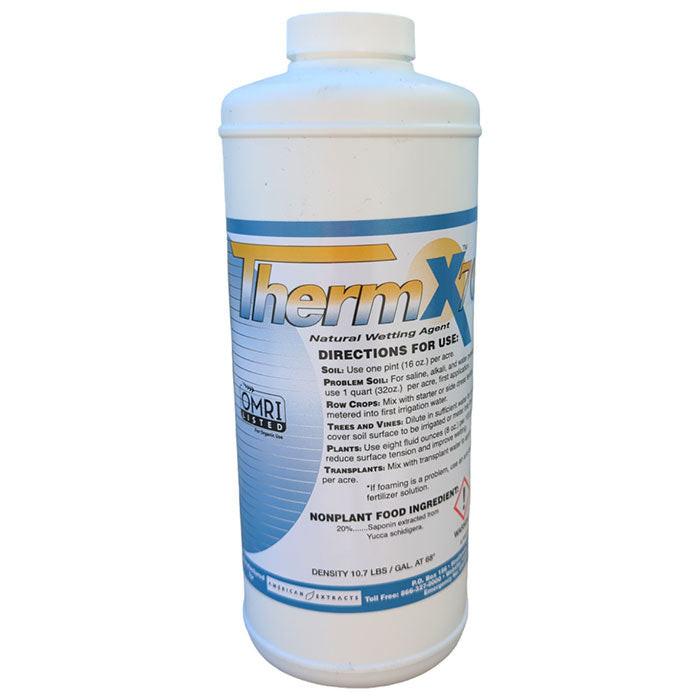
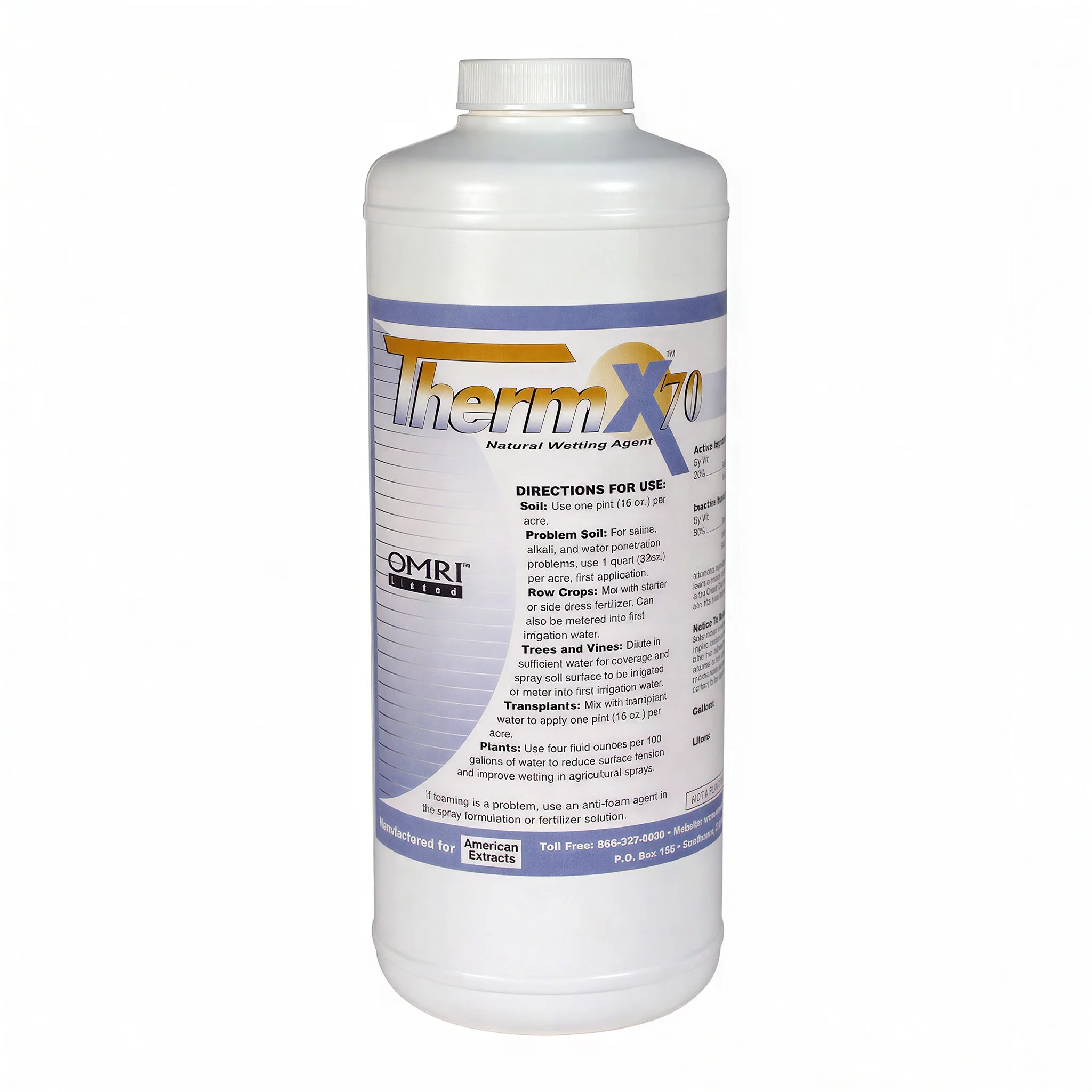
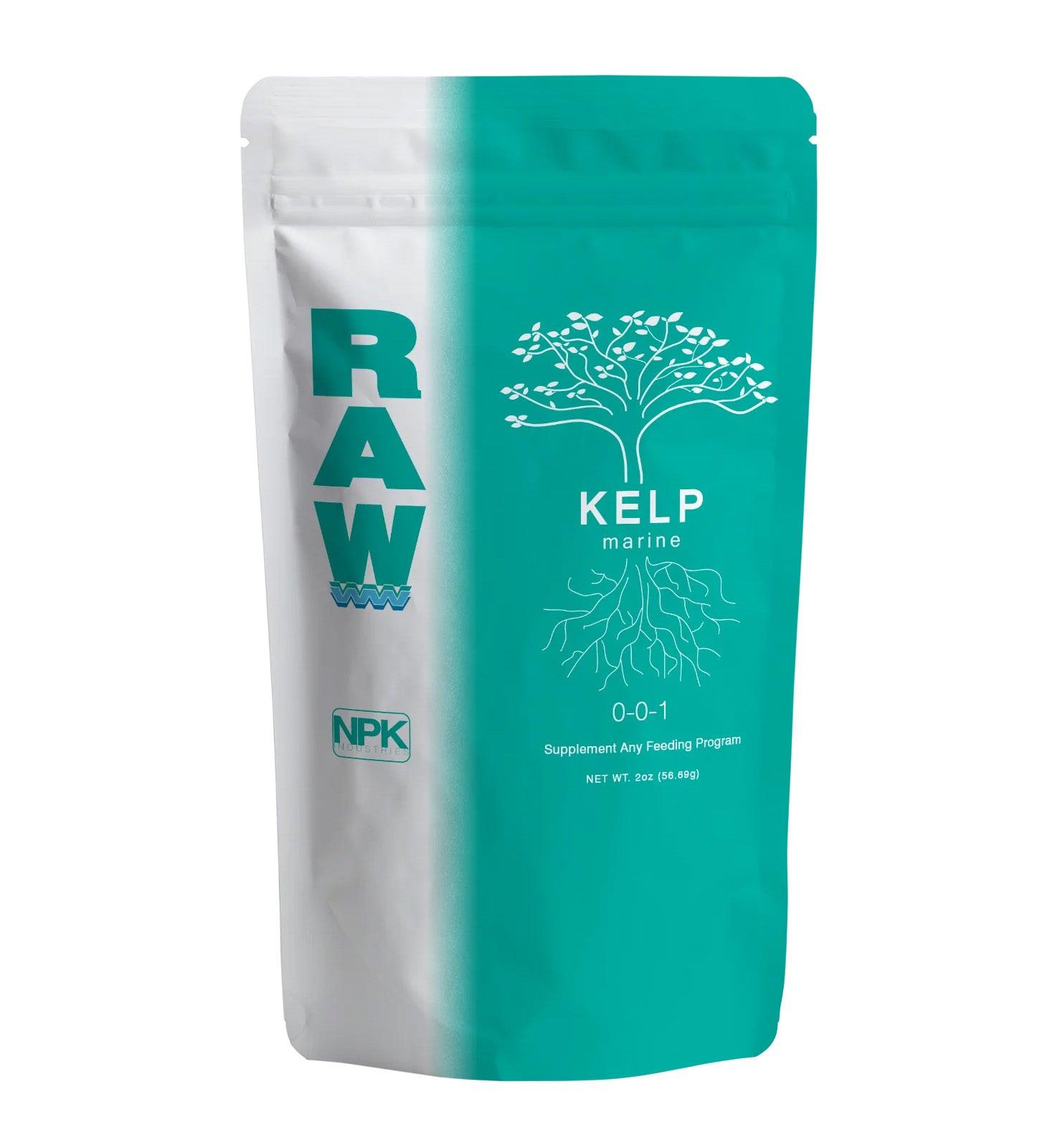
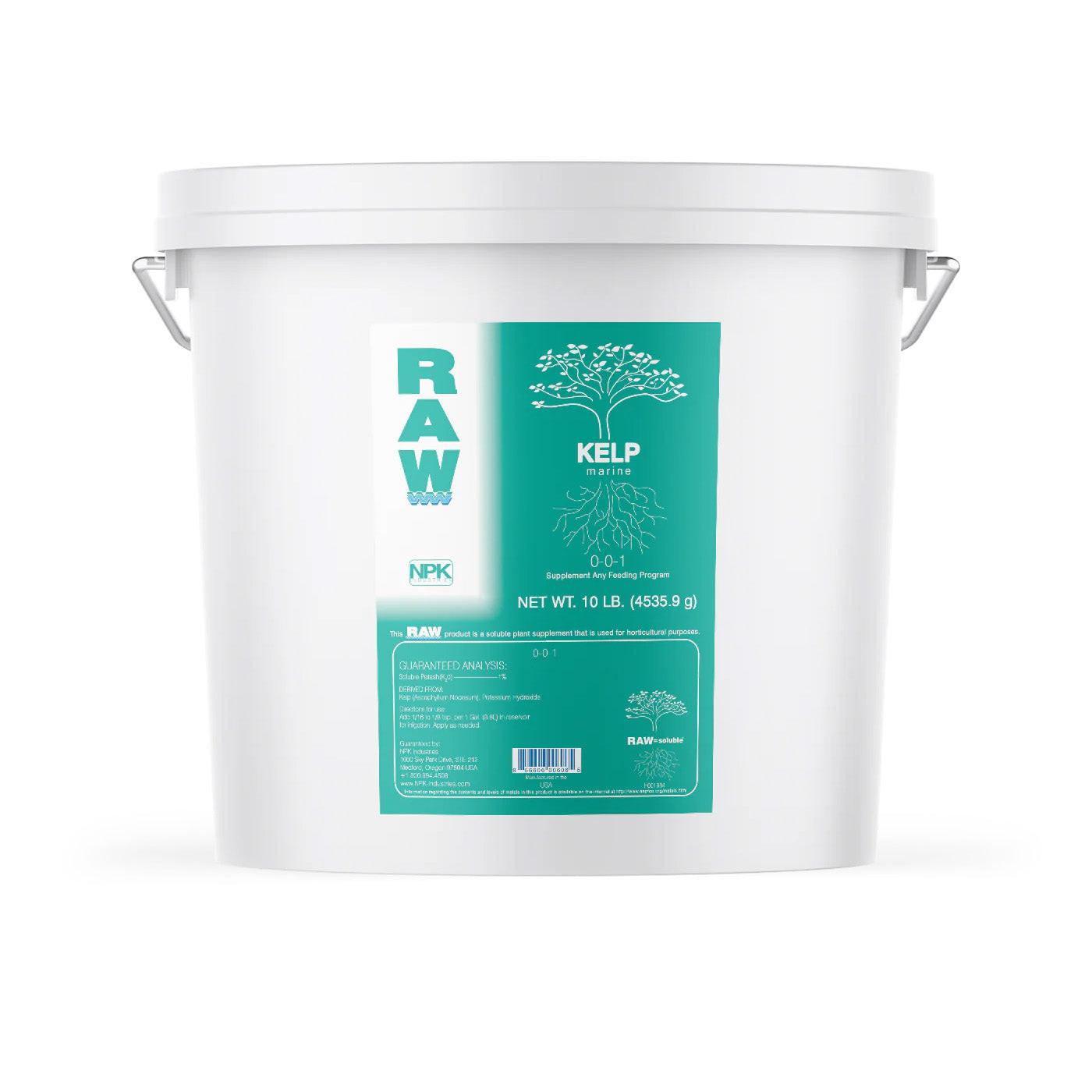
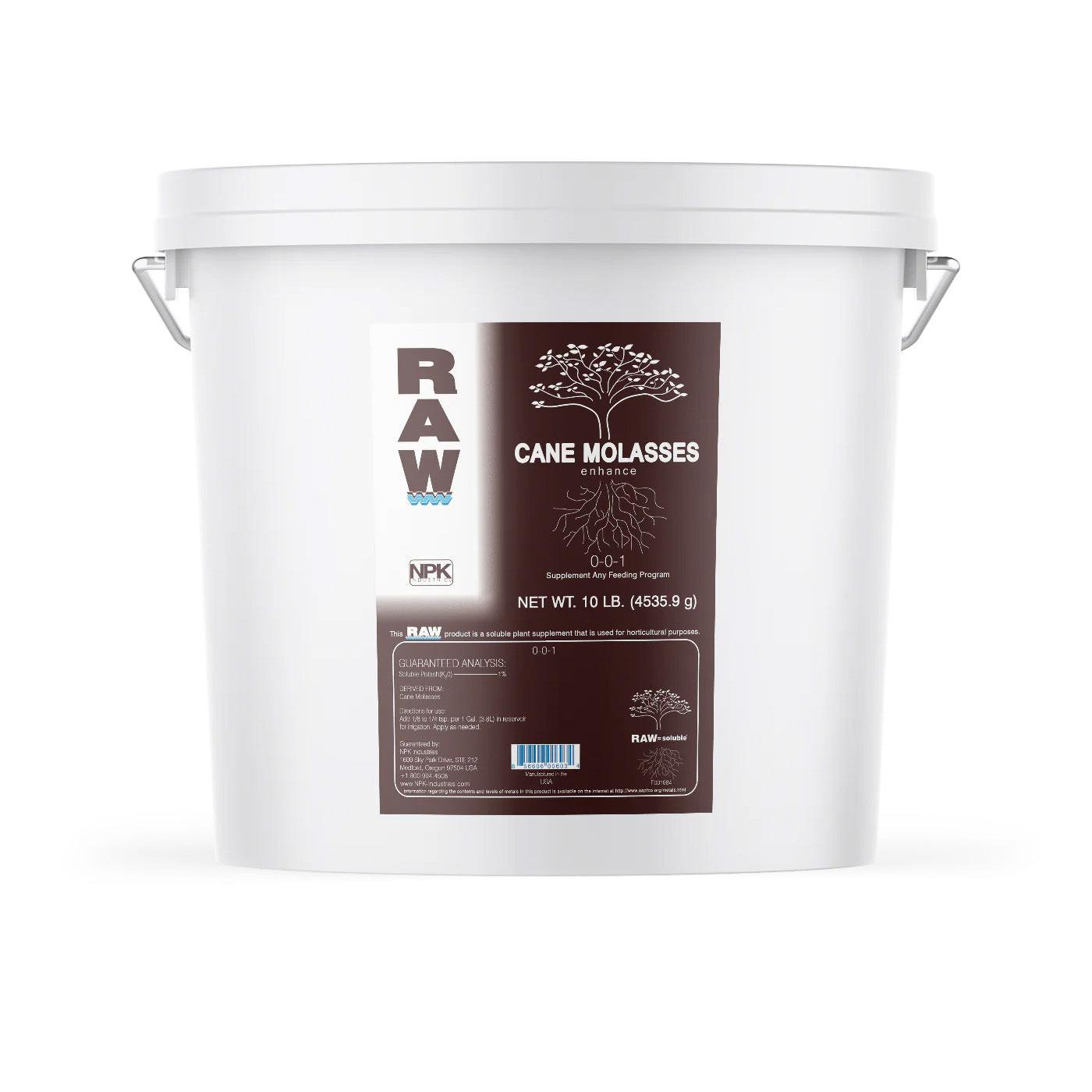
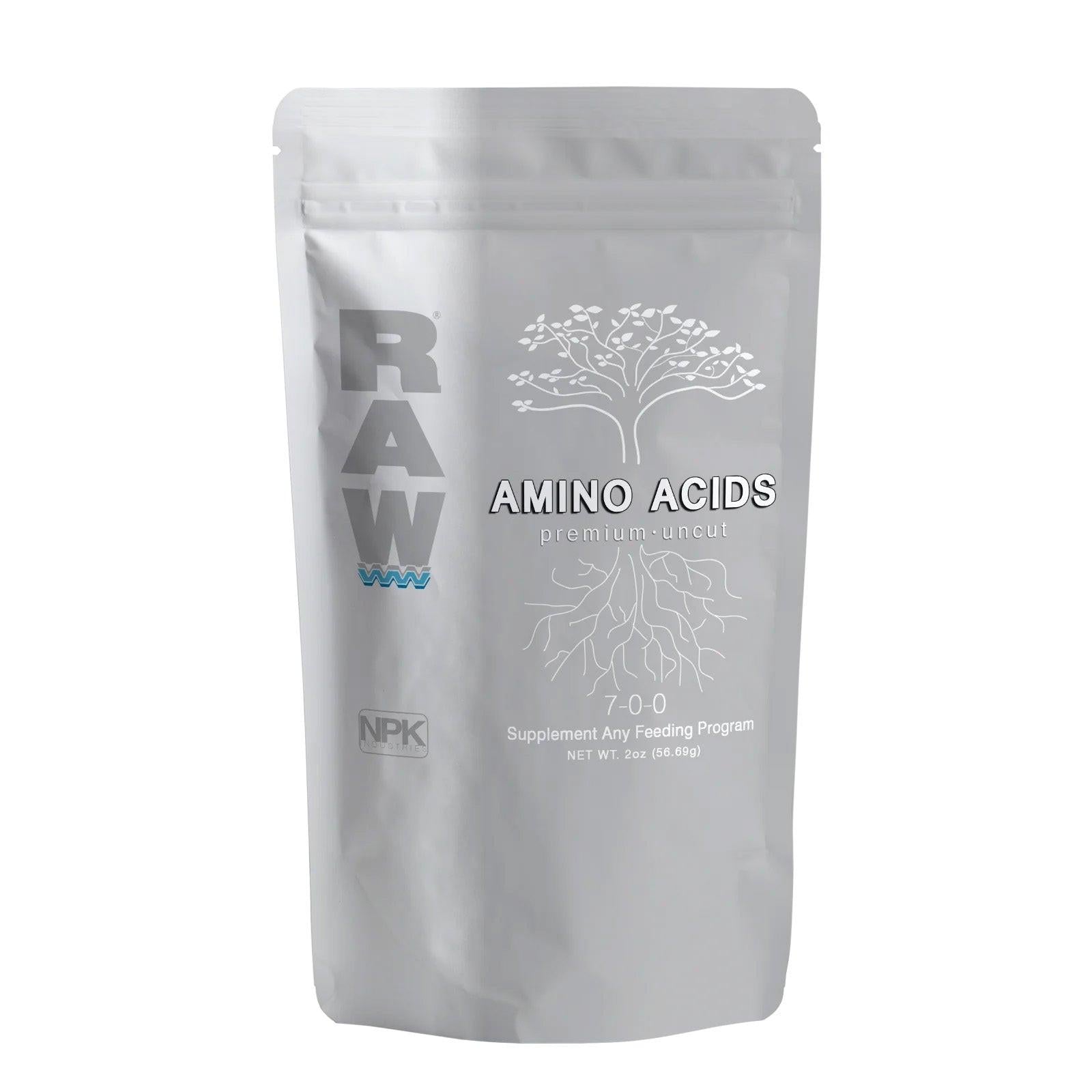
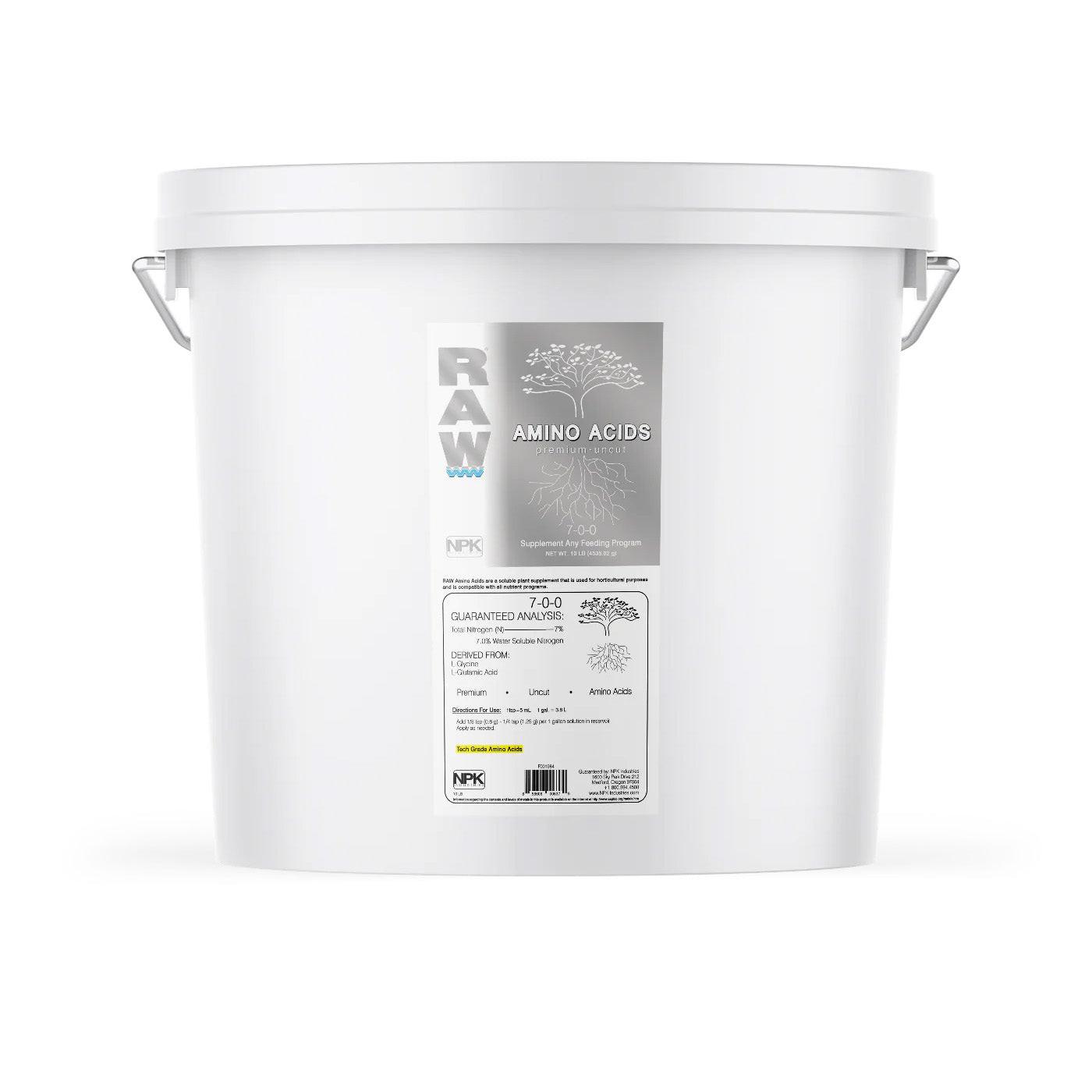
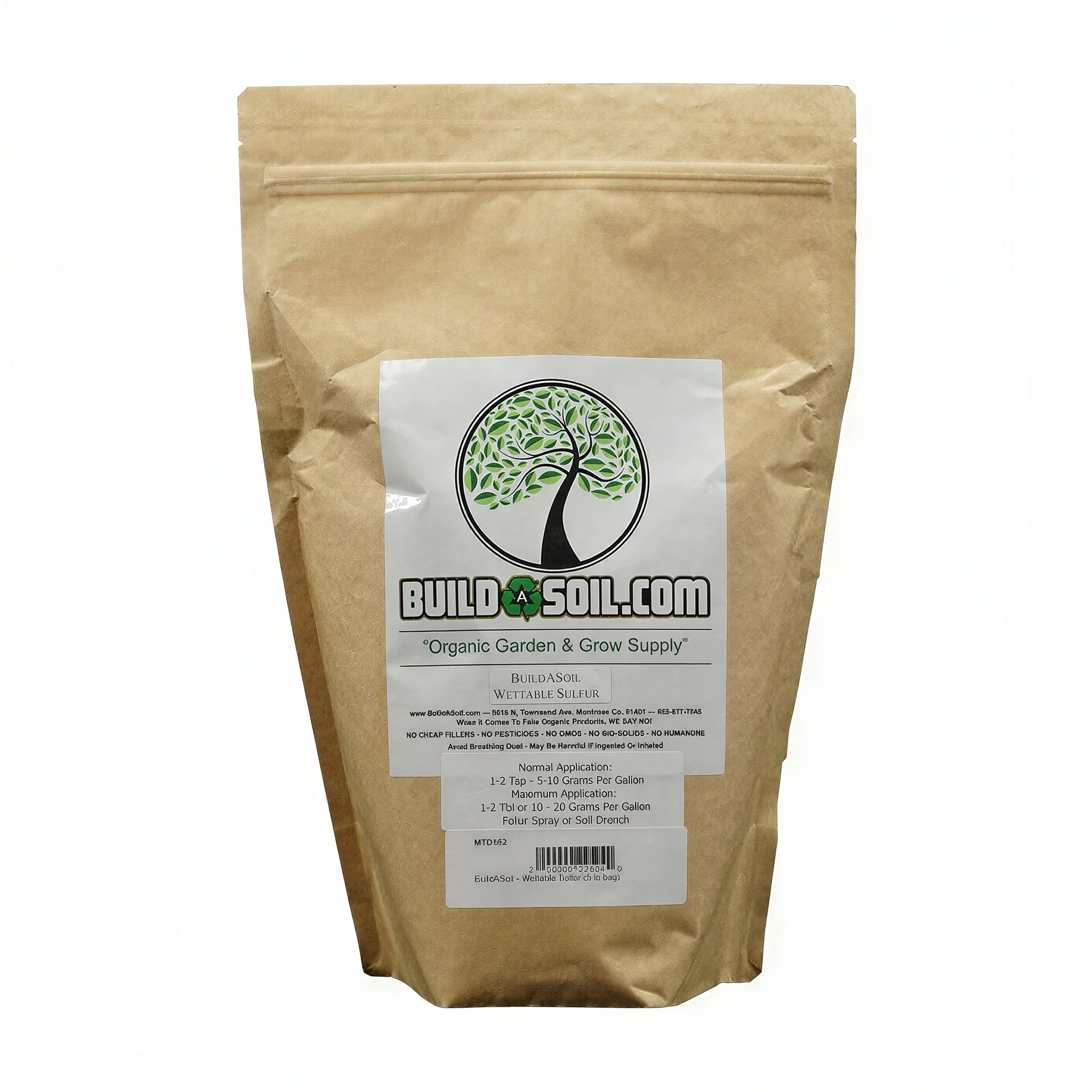
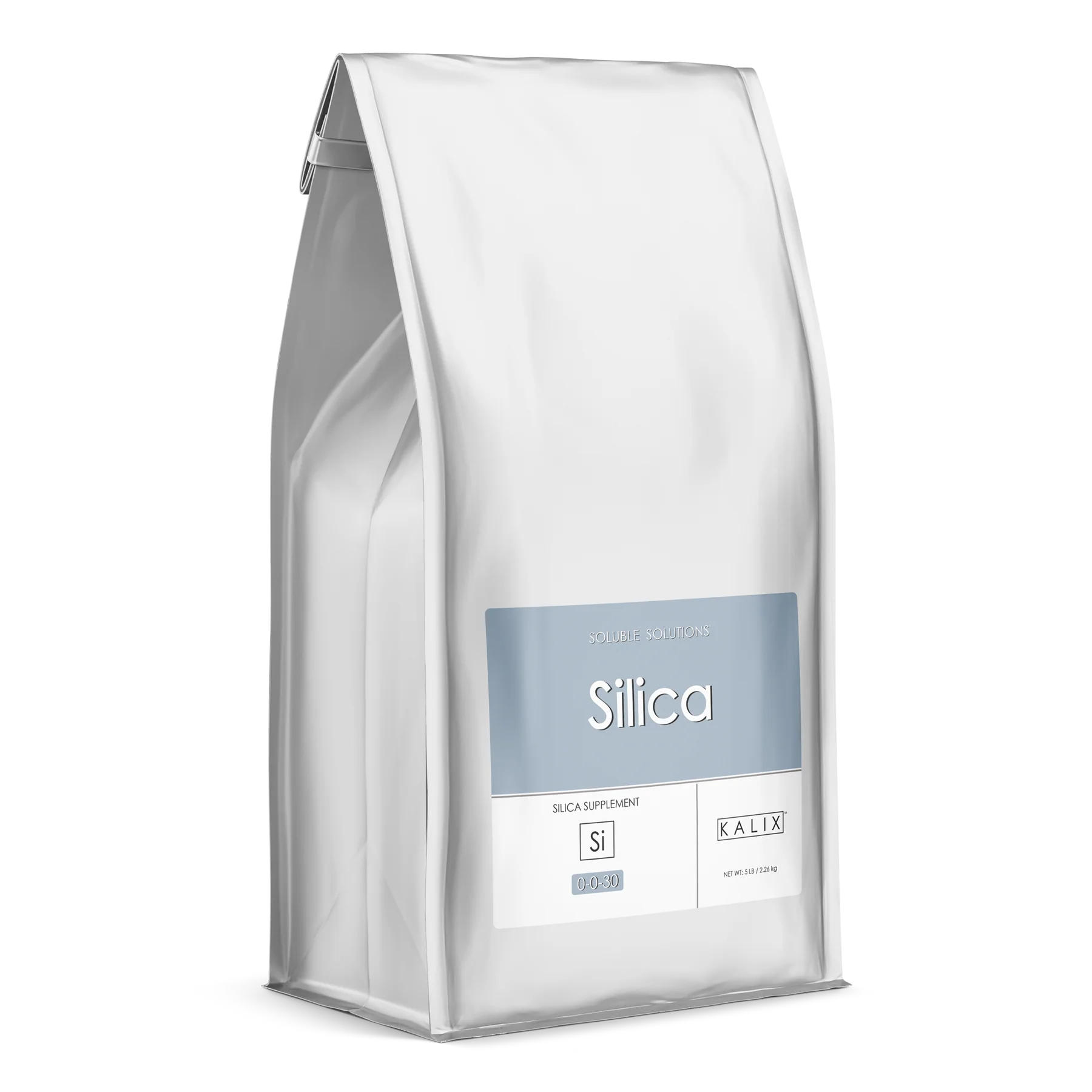
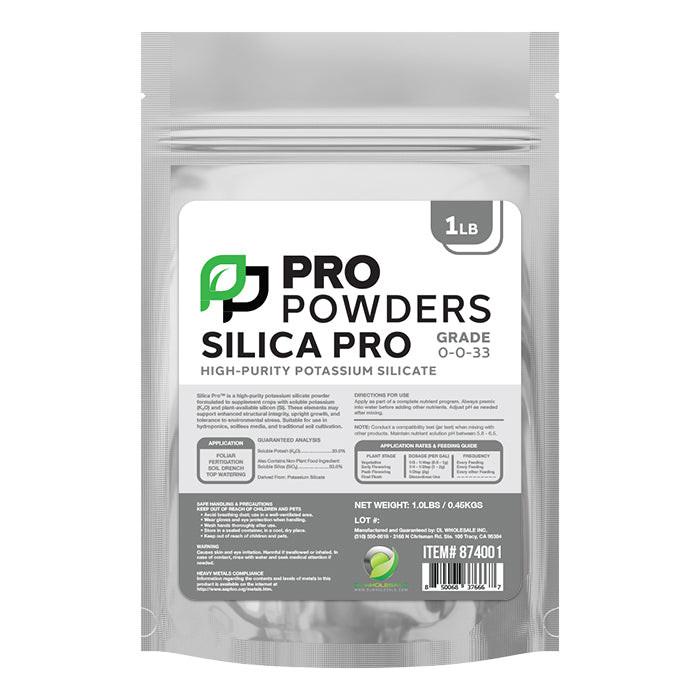
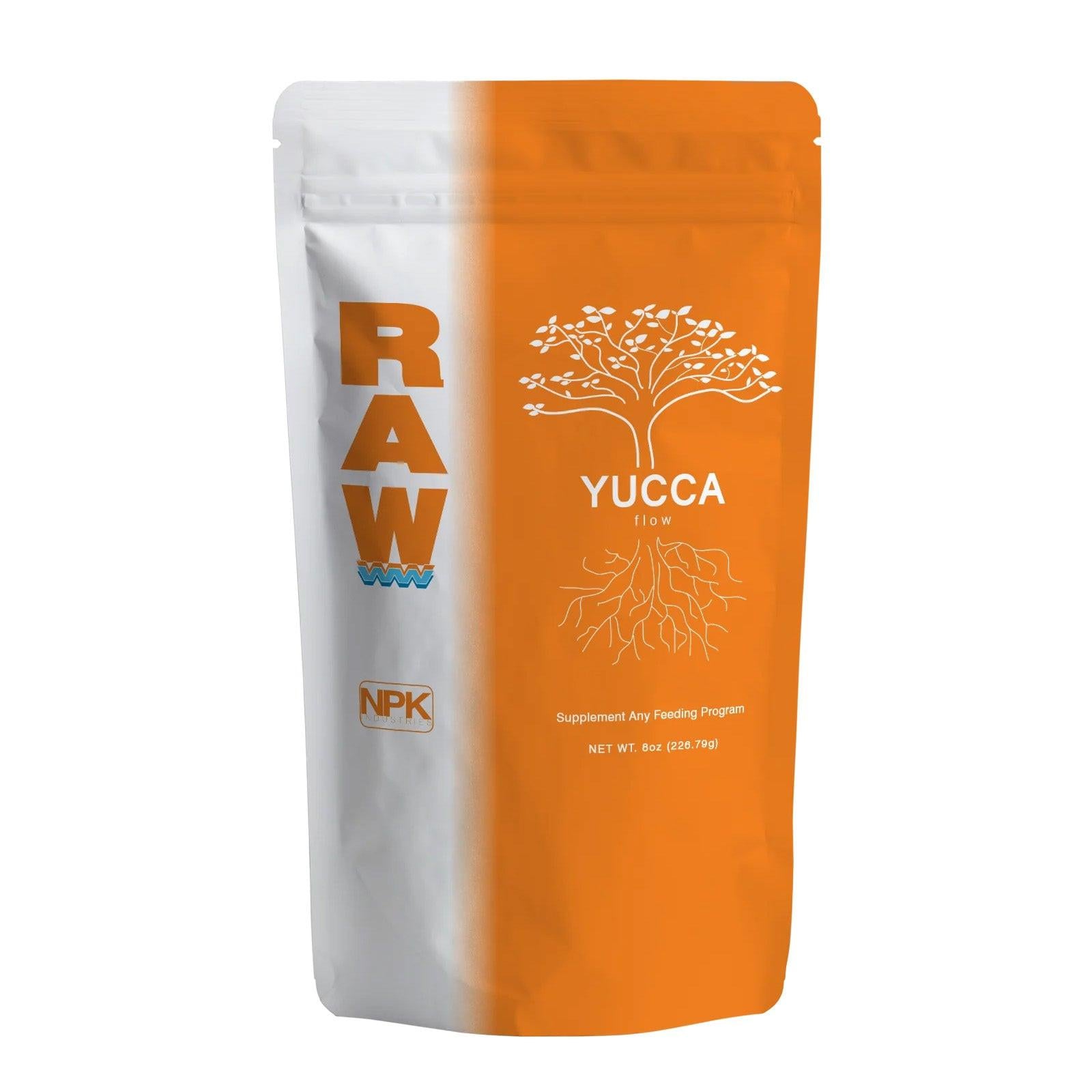
Single-Ingredient & Stand-Alone Plant Nutrients
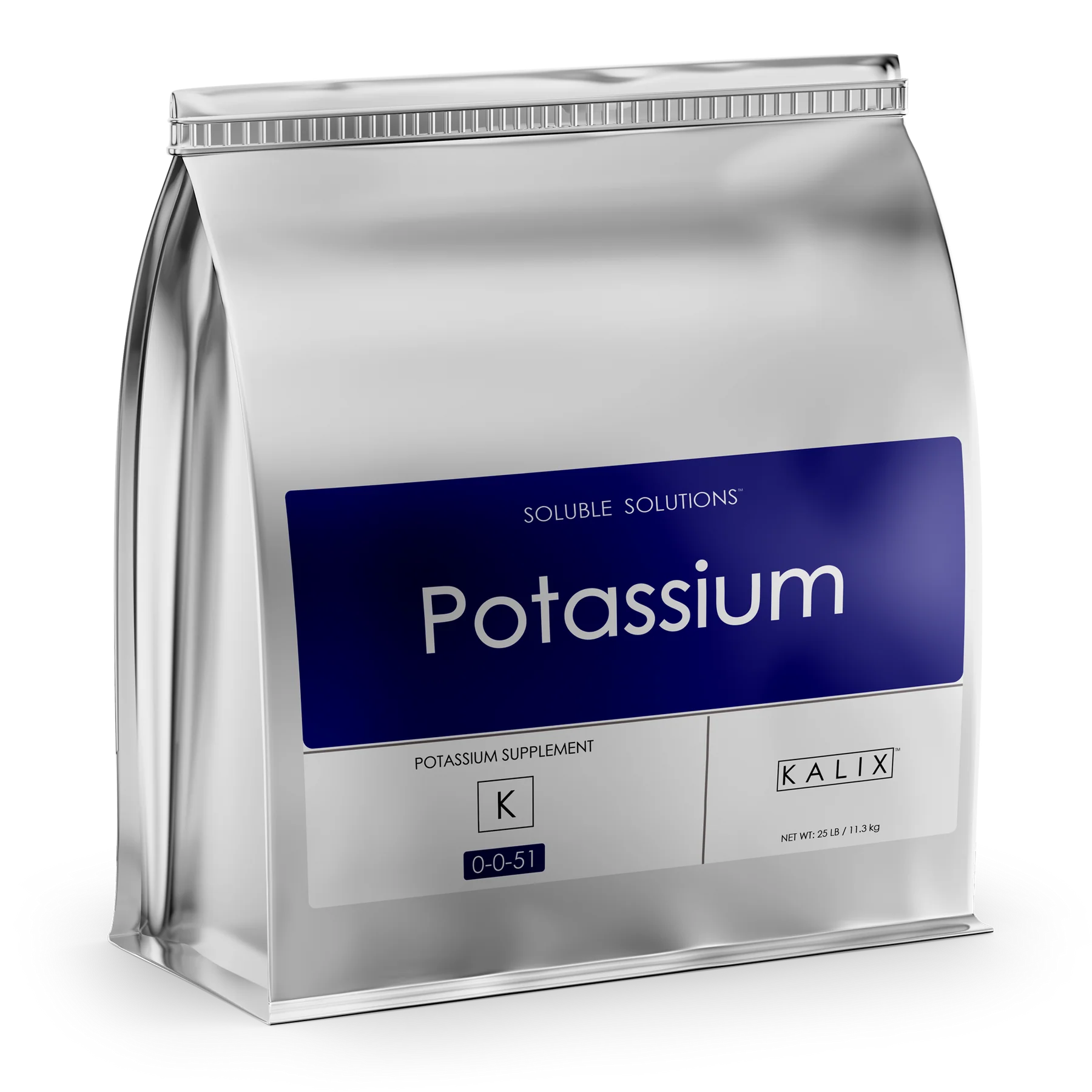
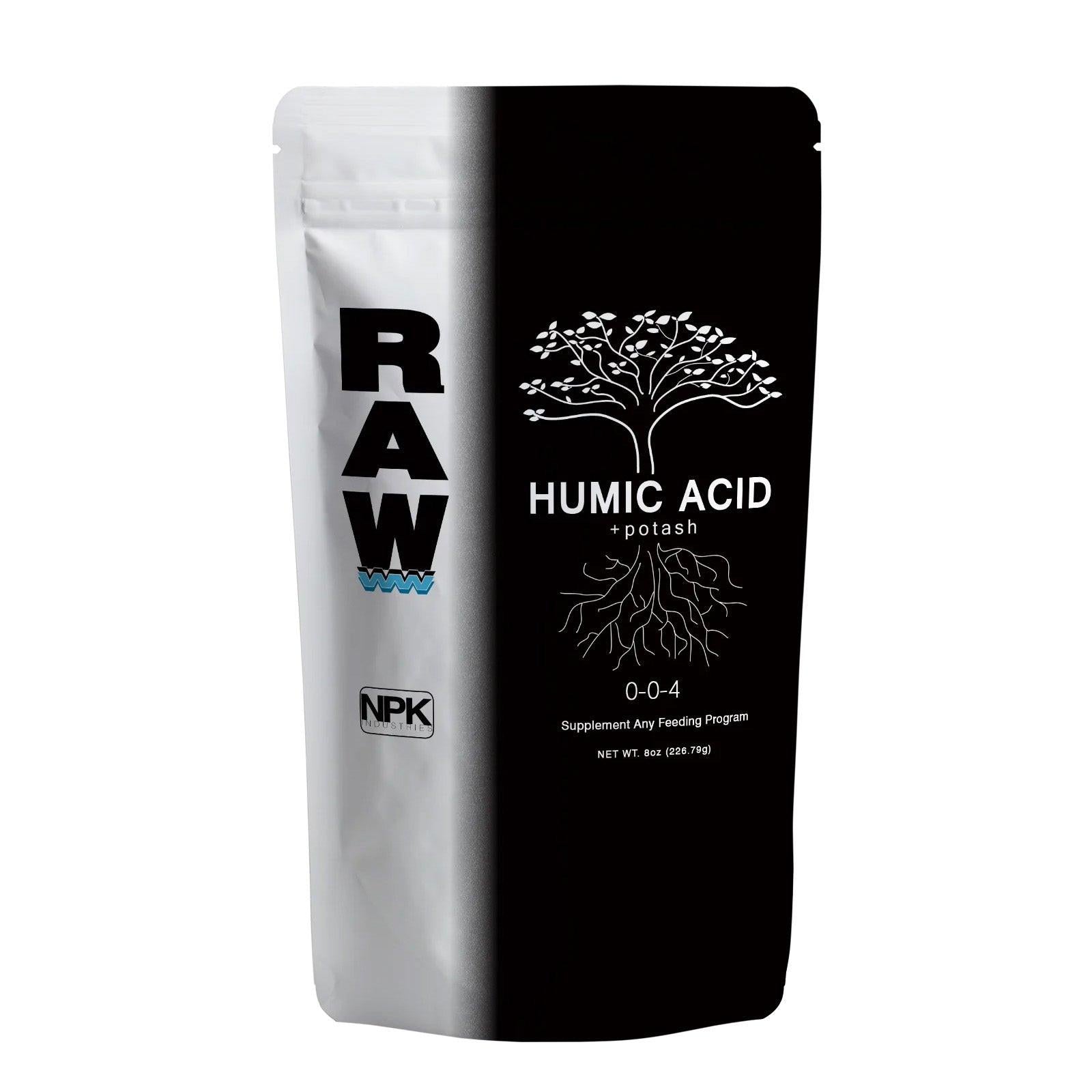
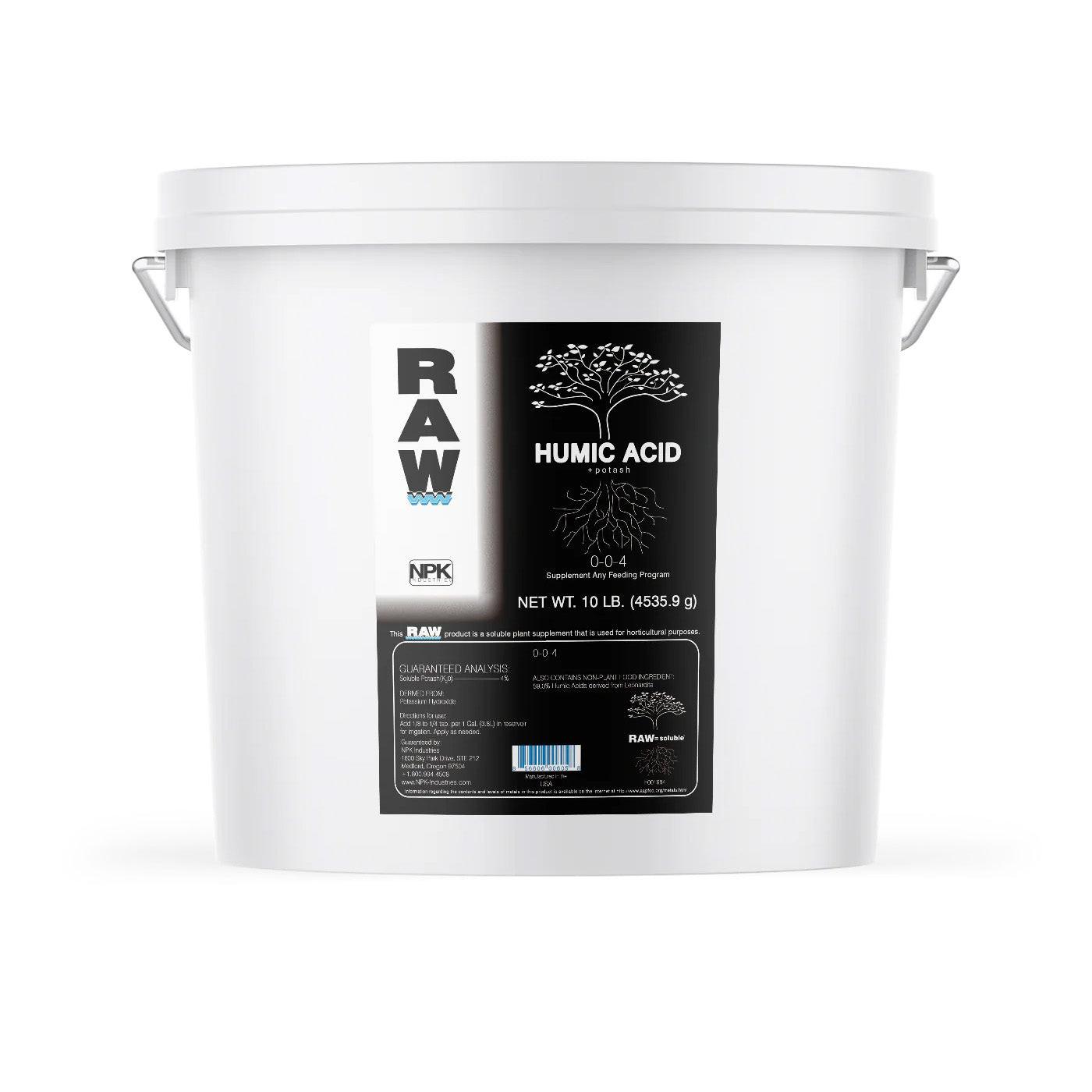
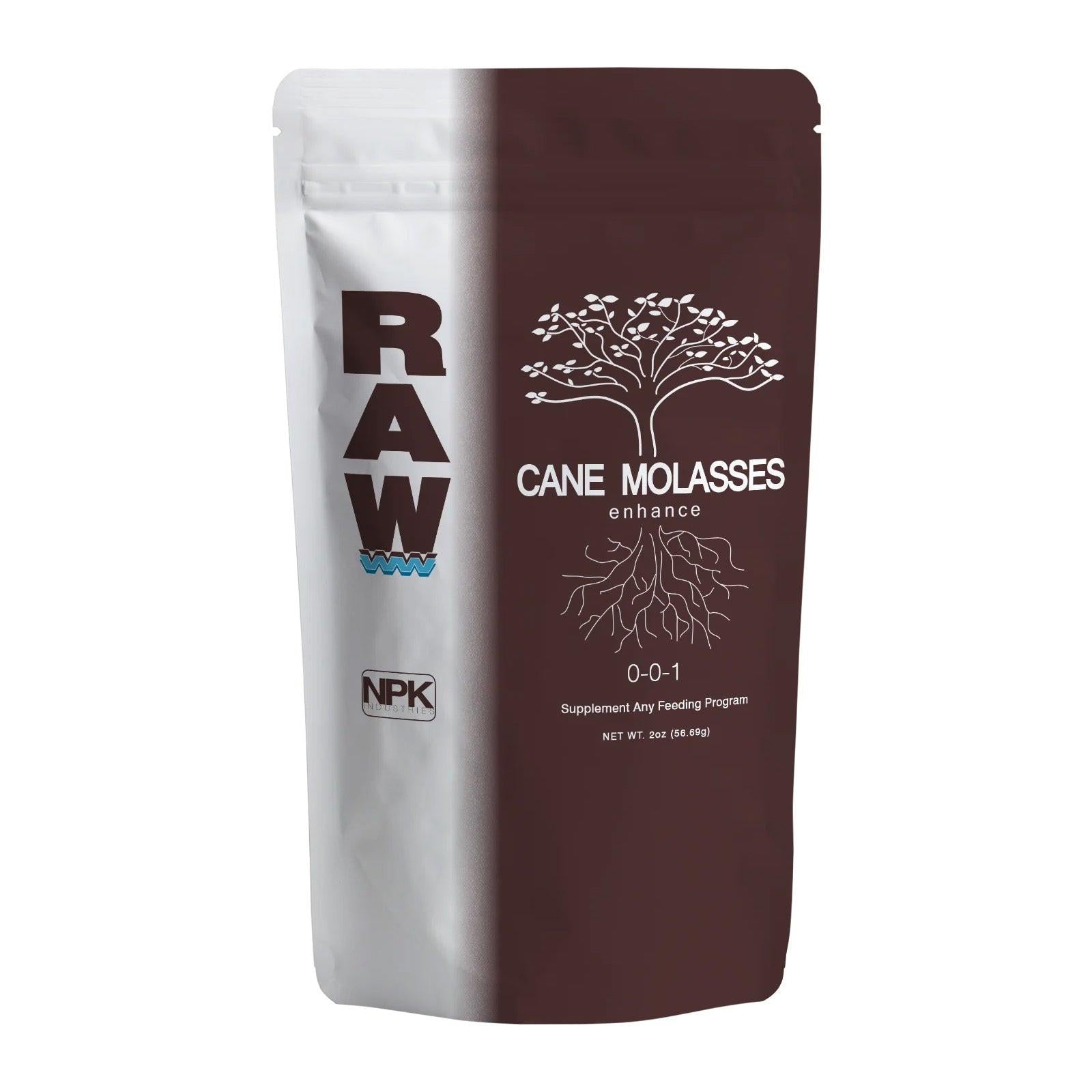
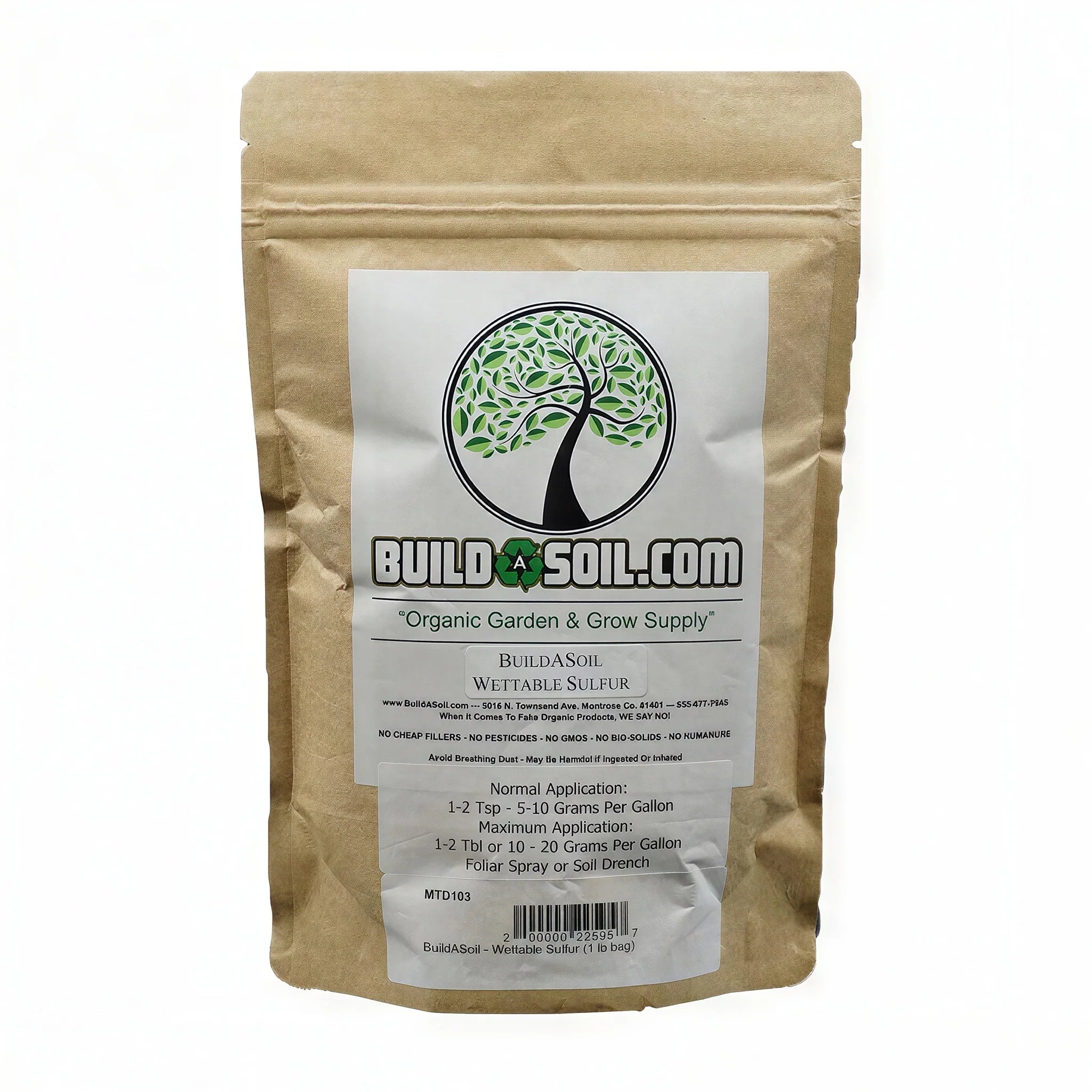
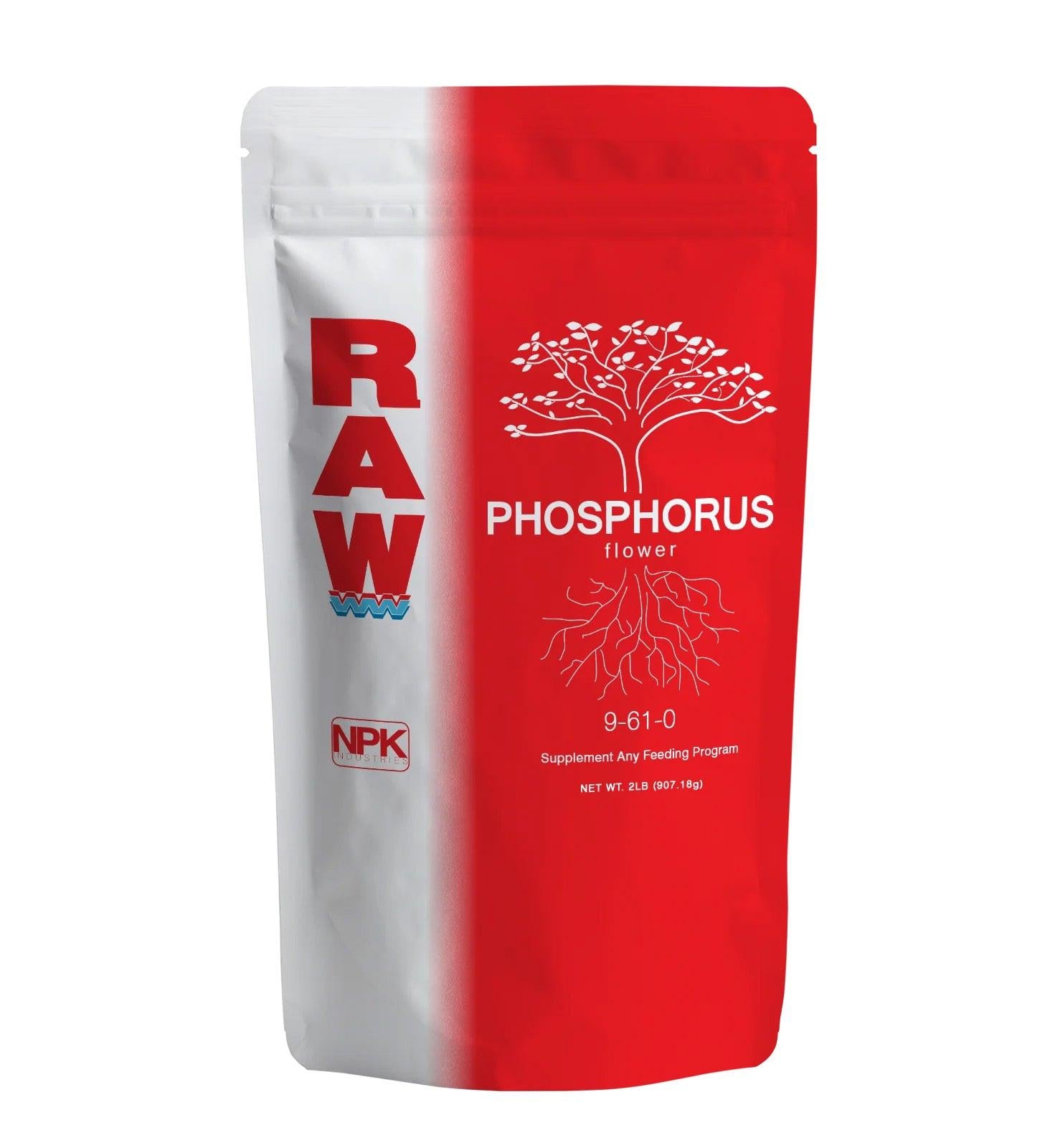
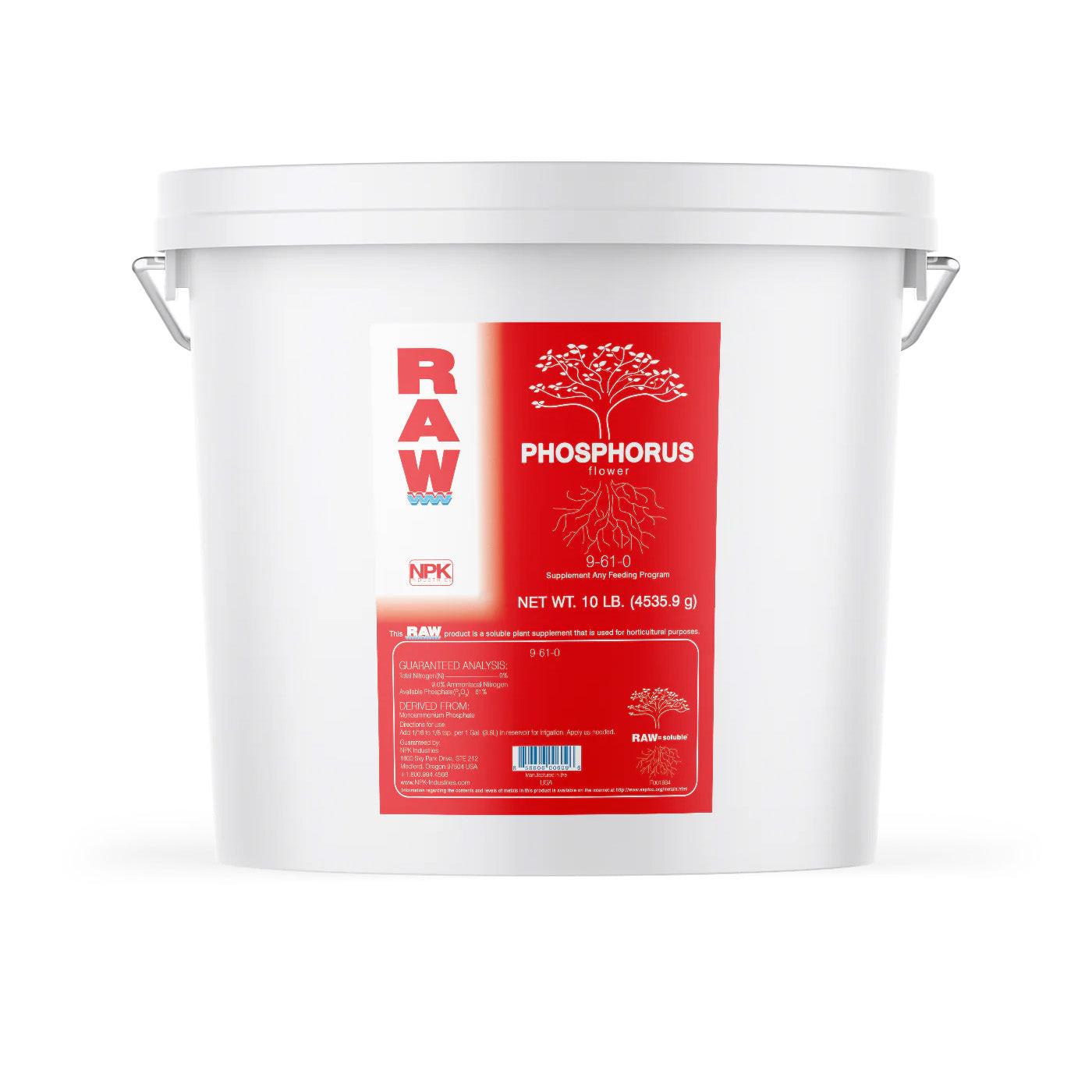
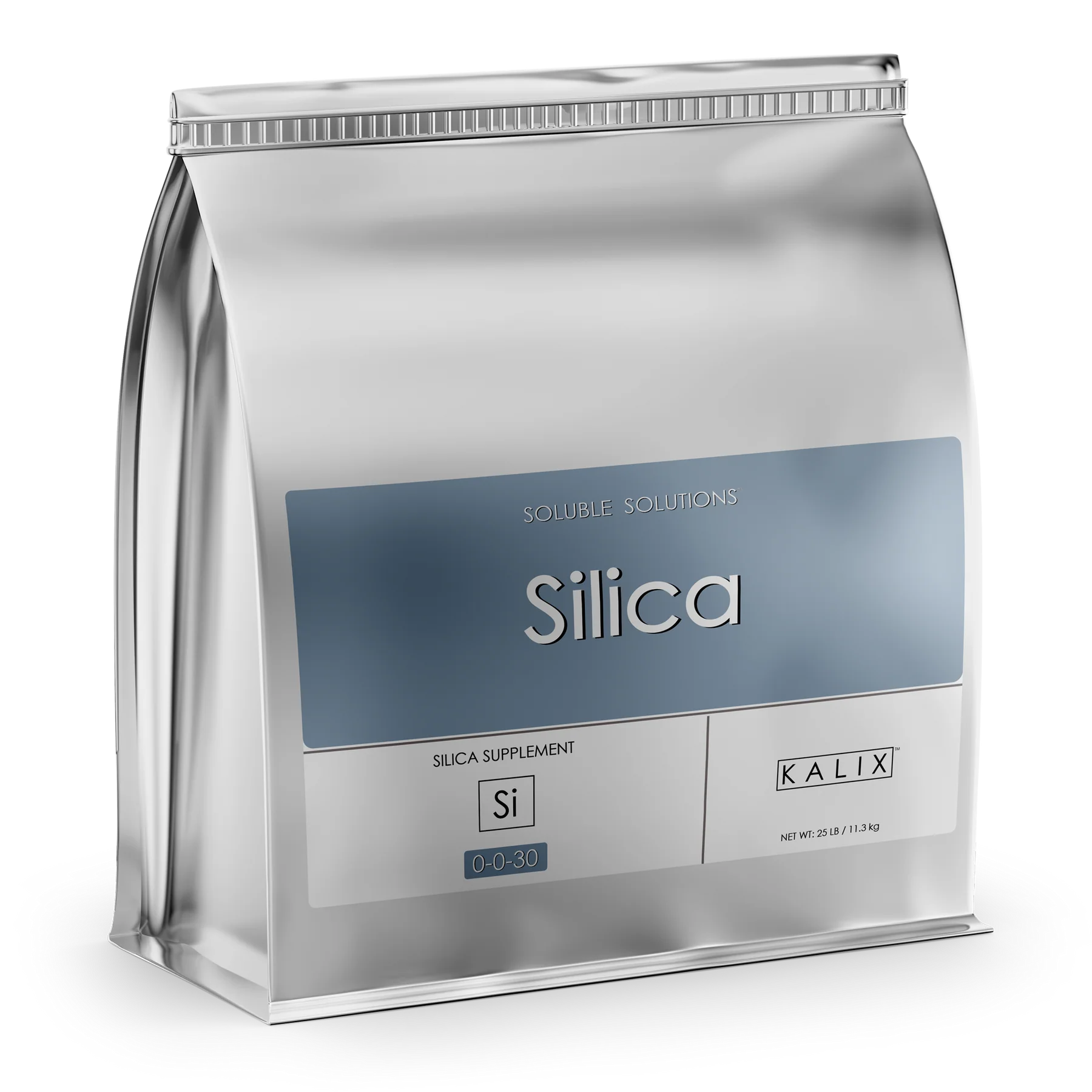
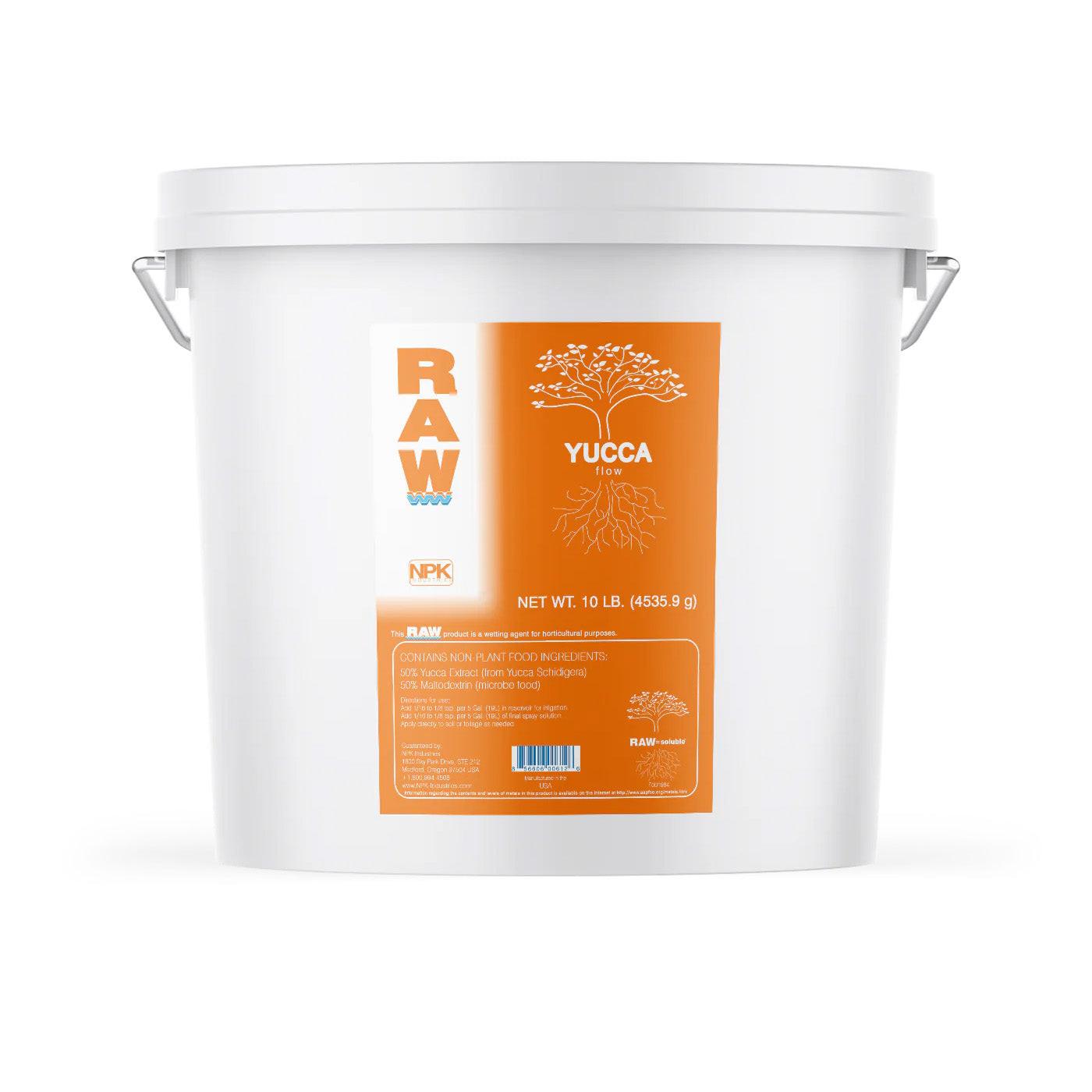
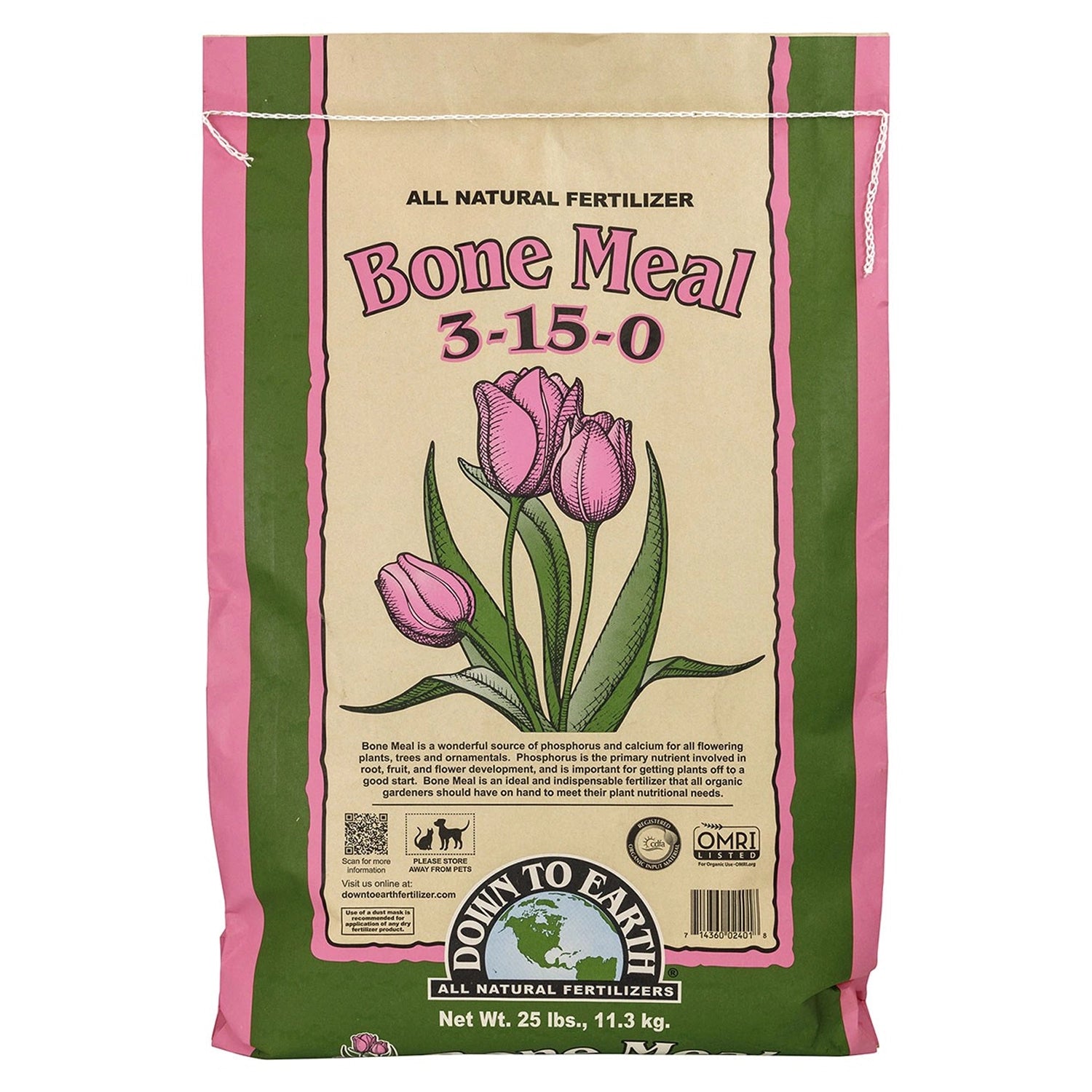
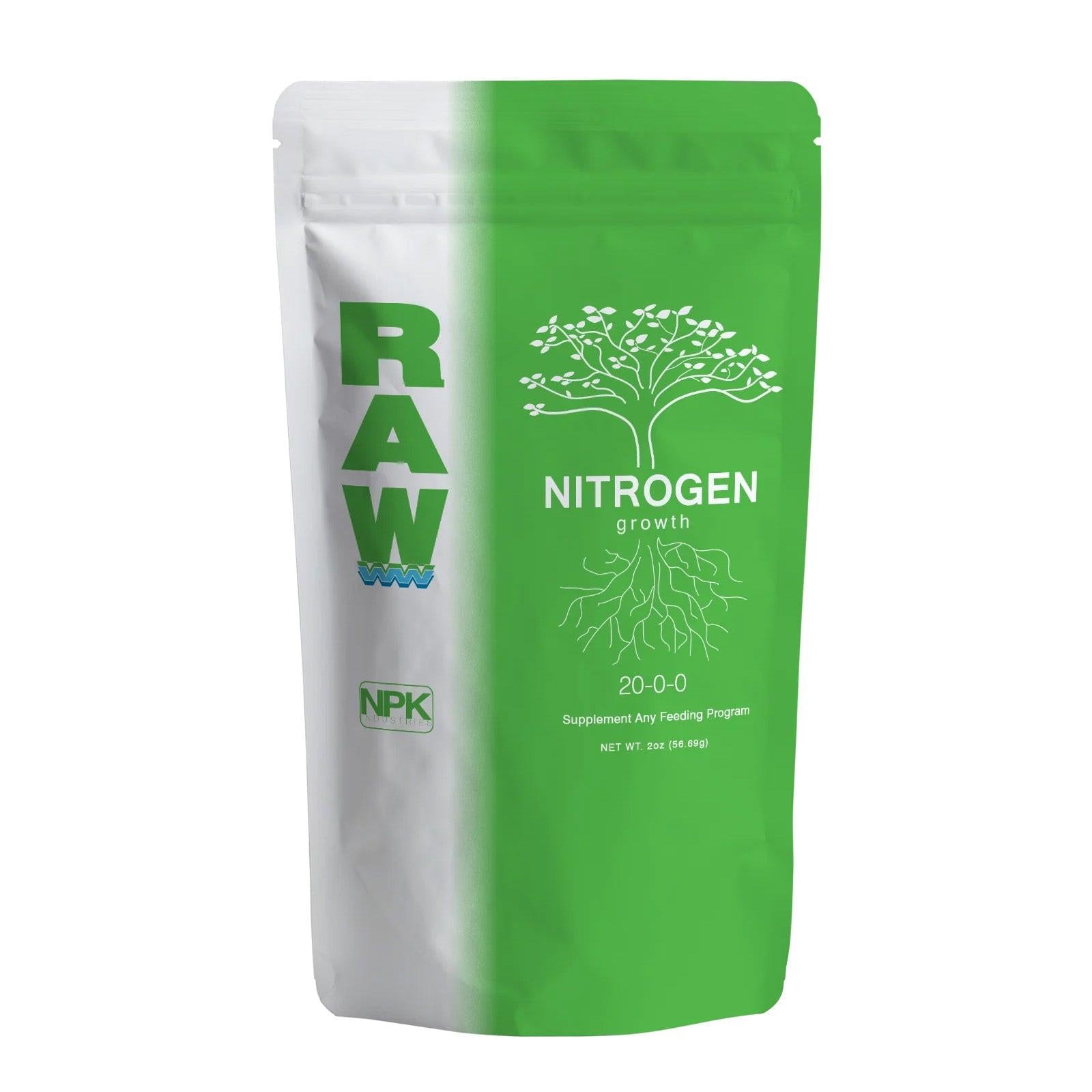
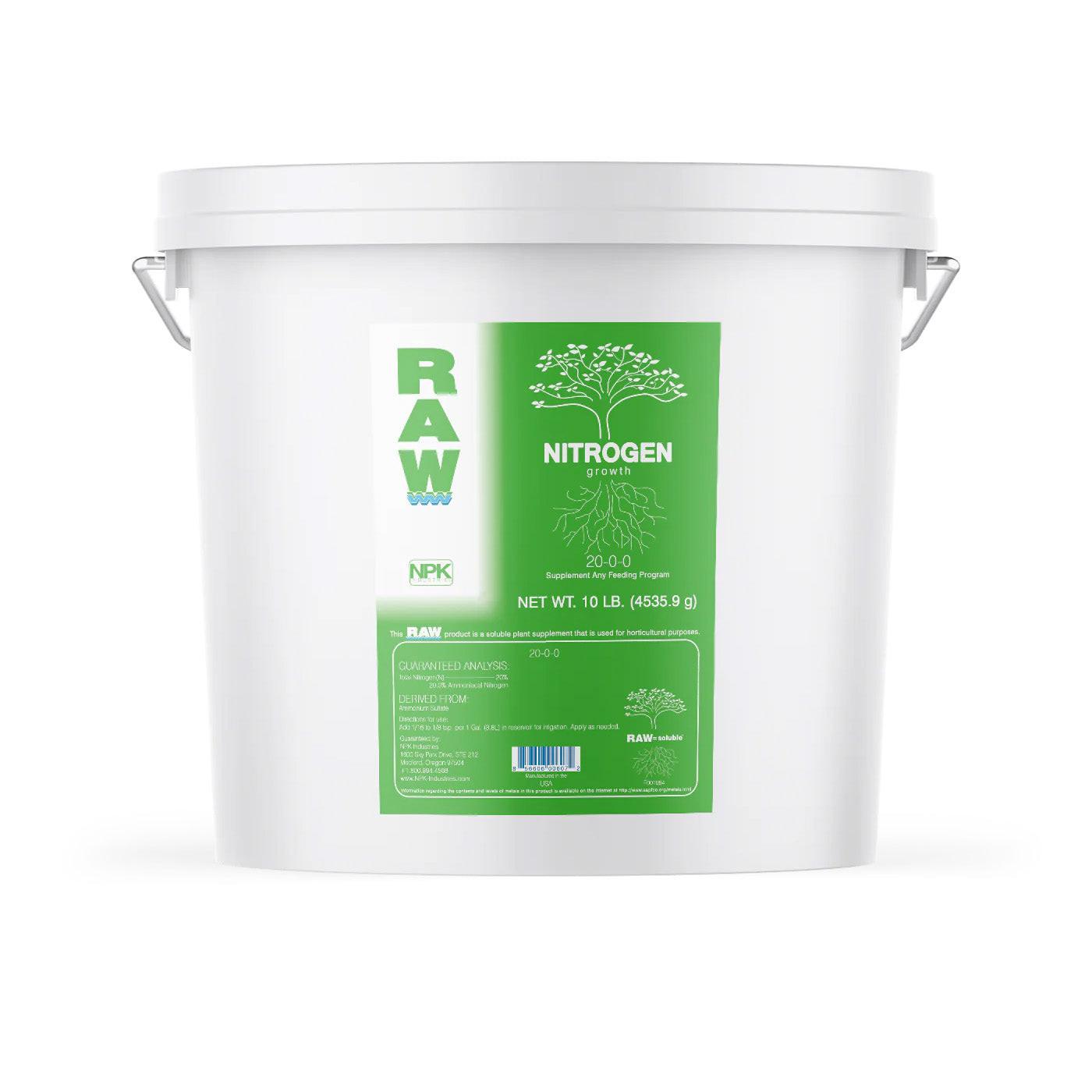
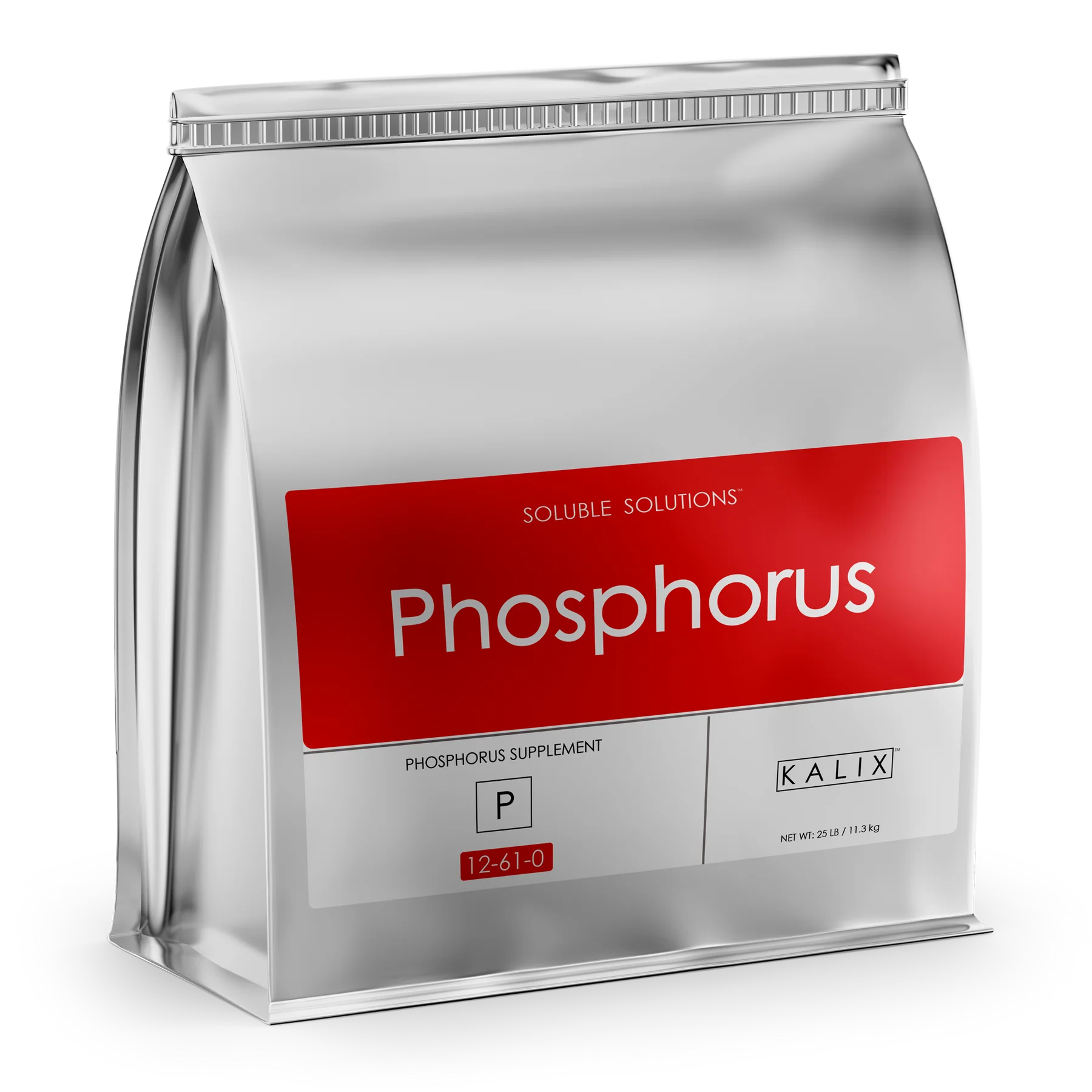
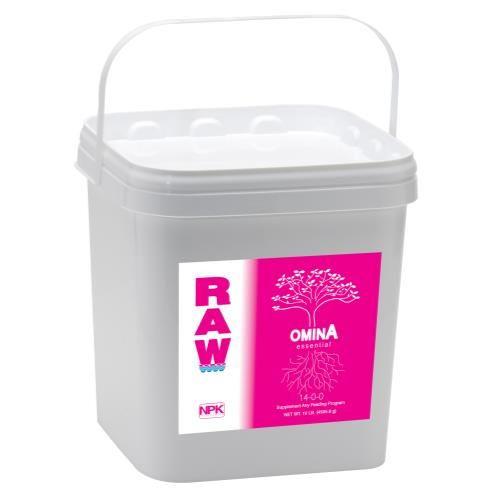
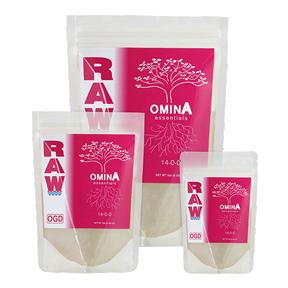
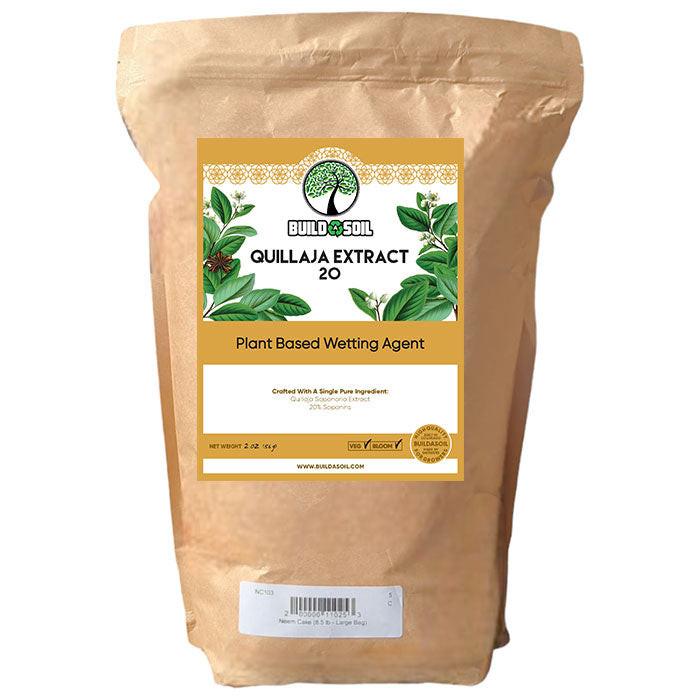
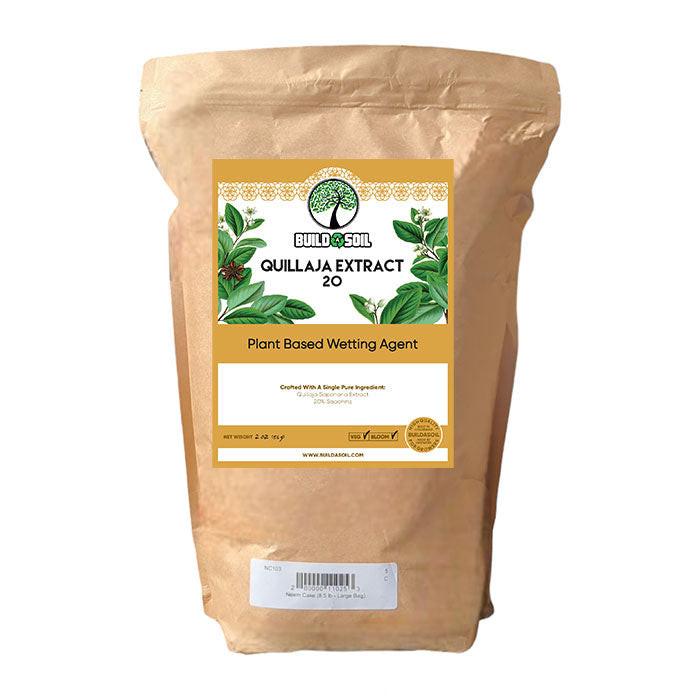
Single-ingredient nutrient products deliver one specific element or compound at a known concentration, allowing precise supplementation of individual nutrient deficiencies without altering the rest of a feeding program. Where a complete base nutrient provides a balanced blend of all essential elements, a single-ingredient product provides targeted support for one specific gap -- a calcium deficiency in coco coir, a phosphorus push at peak flowering, or an iron correction in high-pH solution. These products give growers the ability to fine-tune their programs based on actual measured deficiency or planned nutrient ratios rather than relying entirely on pre-blended programs.
Common Single-Ingredient Applications
Calcium nitrate is the most widely used single-ingredient product in commercial hydroponic production -- providing soluble calcium (the nutrient most commonly deficient in soft and RO water systems) alongside nitrogen in a form that does not interact with sulfate or phosphate compounds in the solution. Monopotassium phosphate (MKP) is used as a phosphorus/potassium booster at the start of the flowering phase. Magnesium sulfate (Epsom salt) corrects magnesium deficiency independently. Iron chelates (Fe-DTPA, Fe-EDDHA) correct iron chlorosis in high-pH or bicarbonate-rich water without affecting other elements. Single-ingredient supplementation requires accurate EC and pH management and is most appropriate for growers comfortable interpreting test results and solution chemistry.
Integration with Base Nutrient Programs
Single-ingredient products are used alongside -- not instead of -- a complete base nutrient program. When using them, add individually to the reservoir in small increments, measure EC and pH after each addition, and allow time for mixing before testing. Never combine concentrated single-ingredient solutions directly before dilution -- some combinations (calcium + phosphate, for example) can precipitate and become plant-unavailable. Browse all nutrients or see mineral and trace element supplements. Fast shipping.
Single-Ingredient Nutrients FAQ
When should I use a single-ingredient nutrient instead of a complete formula?
Use single-ingredient products when you need to correct a specific deficiency that your base nutrient program is not resolving, when you are building a custom nutrient formula from individual components, or when you want to adjust one nutrient ratio without changing the rest of your program. Common situations: adding calcium nitrate when using soft or RO water that provides insufficient calcium; adding monopotassium phosphate at the start of flowering to boost P/K ratios; correcting magnesium deficiency with magnesium sulfate after identifying the deficiency through leaf symptoms or solution testing. Single-ingredient supplementation is most effective when paired with regular EC/pH monitoring and ideally with periodic tissue or solution testing to confirm both the deficiency and the correction.
Can I build a complete hydroponic nutrient program from single-ingredient products?
Yes -- this is called a custom recipe approach, used by advanced commercial growers who want precise control over their nutrient solution composition. A complete hydroponic recipe from single ingredients typically requires calcium nitrate, potassium nitrate, monopotassium phosphate, magnesium sulfate, and a micronutrient package (iron chelate, manganese, zinc, boron, copper, molybdenum). Building from scratch requires accurate EC measurement, a recipe calculator, and knowledge of nutrient chemistry to avoid precipitation. For growers new to solution chemistry, starting with a quality pre-blended base nutrient and supplementing with single ingredients for specific corrections is a more practical approach than building a full recipe from individual components.
How do I know which single-ingredient nutrient to add?
Identify the deficiency through visual symptom diagnosis, compare against known deficiency patterns (calcium = new leaf distortion and tip burn, magnesium = interveinal chlorosis on older leaves, iron = interveinal chlorosis on new growth at high pH), and confirm with solution or tissue testing where possible. EC measurement tells you total dissolved solids but not the composition -- a solution can be at target EC and still be deficient in a specific element if the base nutrient blend is not appropriate for your water source. Our cultivation support team at 888-815-9763 can help diagnose specific deficiency symptoms and recommend the right single-ingredient correction for your situation.