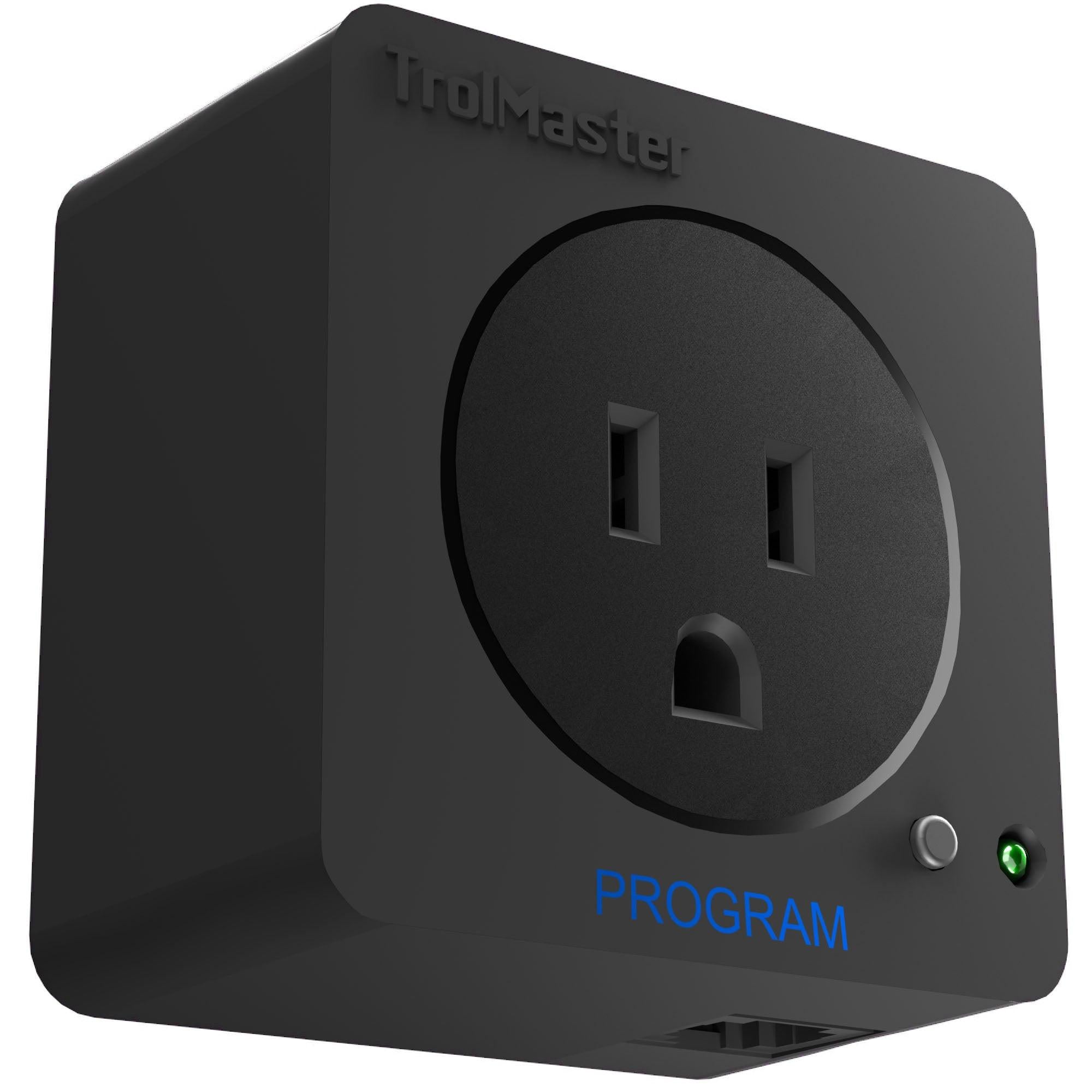
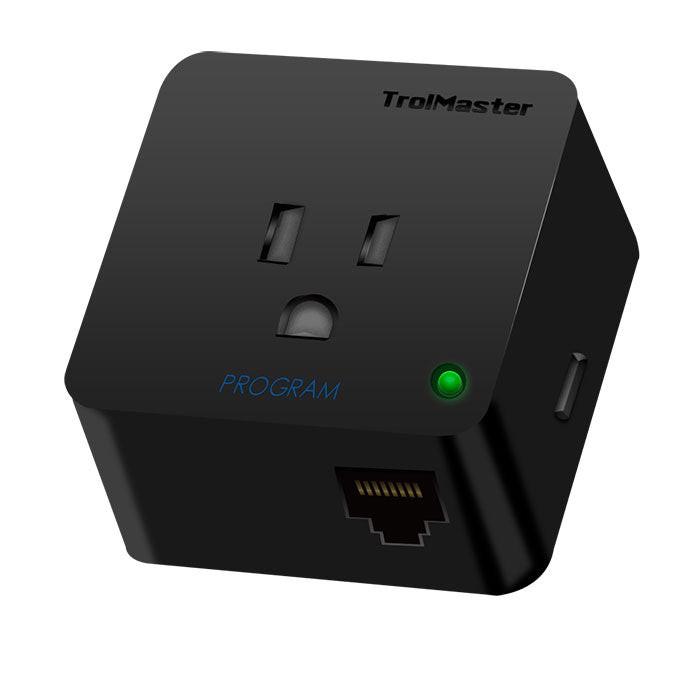
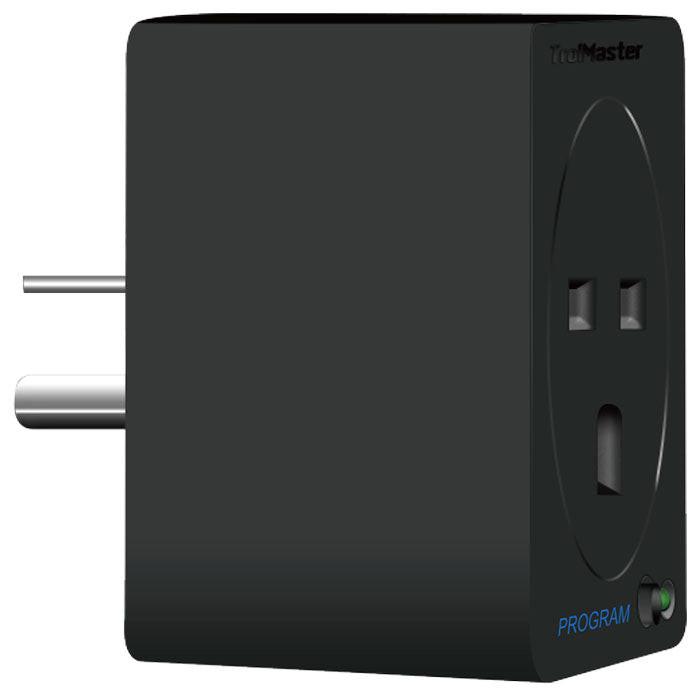
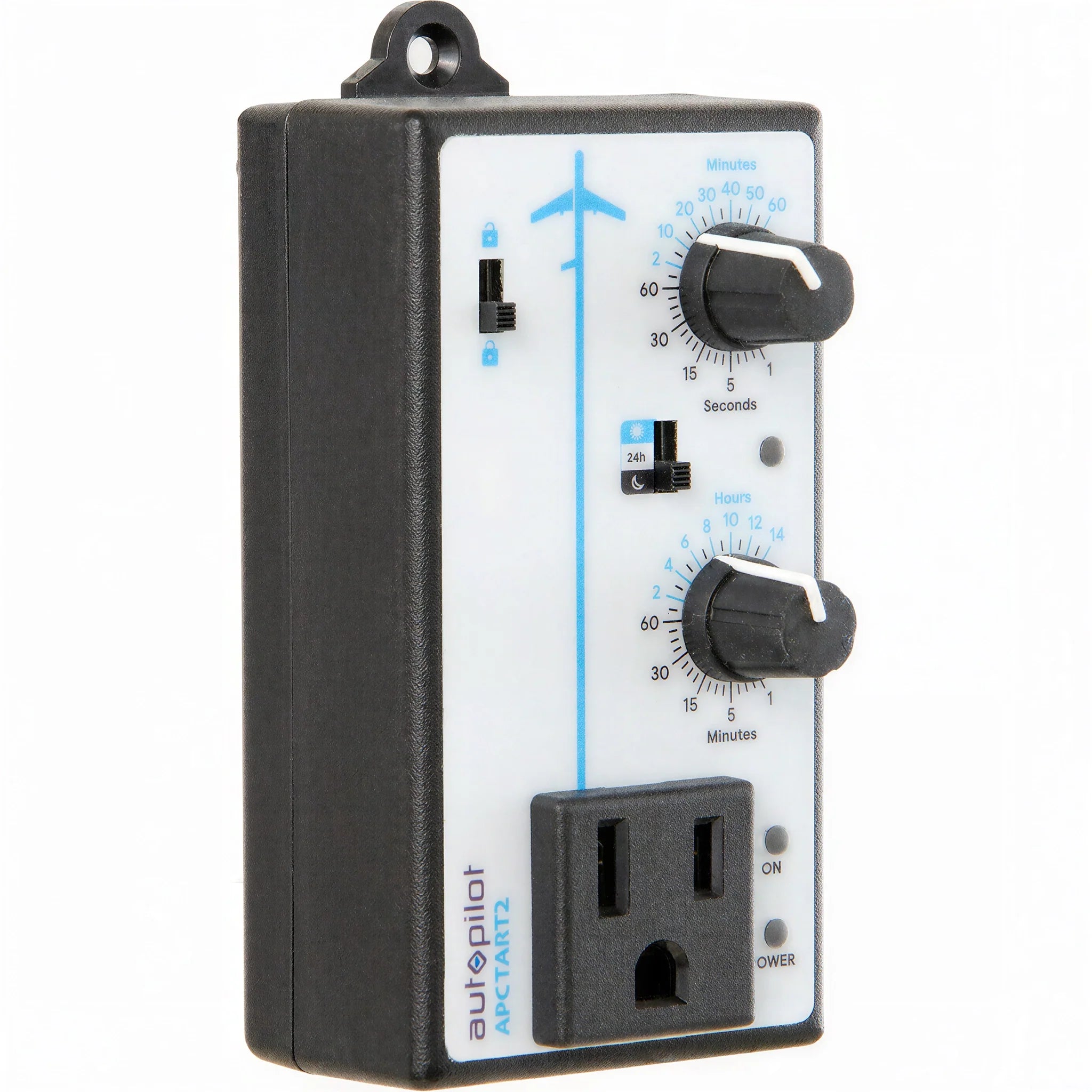
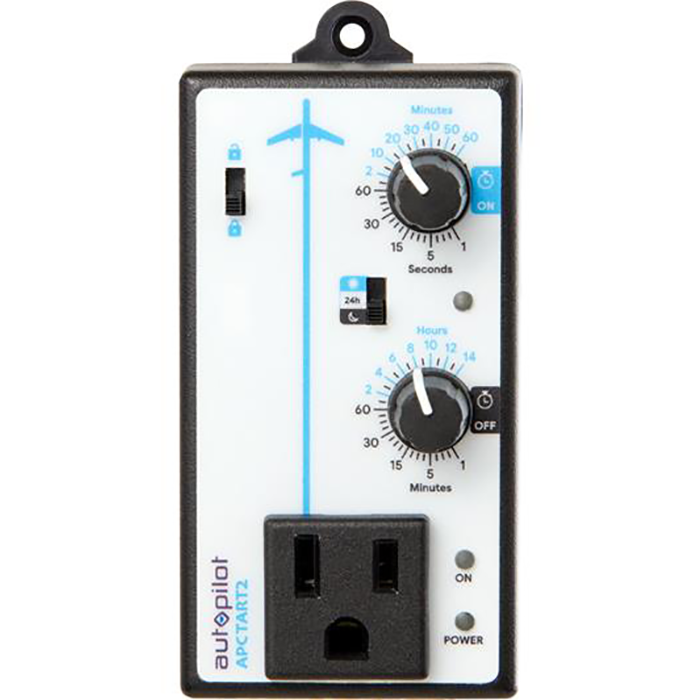
Recycling Timers & Interval Timers for Hydroponics
Recycling timers (also called interval timers, cycle timers, or short-cycle timers) provide programmable on/off cycles with intervals measured in minutes and seconds rather than the hours-based cycles of standard lighting and equipment timers. In hydroponics, recycling timers control the irrigation pump or misting system in aeroponic, NFT, top-feed drip, and ebb and flow systems -- delivering water to roots on frequent short cycles (typically 1-5 minutes on, 5-30 minutes off) that maintain optimal root zone moisture without waterlogging. Standard 24-hour mechanical or digital timers cannot provide the short-cycle control that hydroponic root irrigation requires.
Applications by Growing System
Aeroponic cloners and production systems require the most frequent cycling -- misting intervals of 30 seconds on, 2-3 minutes off -- to maintain the constantly moist but never-waterlogged conditions that produce rapid root development. NFT systems run the pump continuously in most configurations but use recycling timers in nutrient-solution flood variants. Top-feed drip systems in rockwool and coco coir programs use 2-5 minute irrigation events repeated 8-20+ times per day depending on substrate and growth stage -- recycling timers control this frequency independently of the pump's continuous run capability. Ebb and flow systems use standard timers for their multi-minute flood cycles but can use recycling timers for high-frequency shallow-flood programs. Browse our complete grow room timers collection for all timer types including 24-hour lighting timers alongside recycling timers.
Digital vs. Mechanical Recycling Timers
Digital recycling timers provide the most flexibility -- programmable on and off times in 1-second increments with multiple independent cycle programs for day and dark periods. Mechanical interval timers use adjustable cams on a rotating drum to set the on/off intervals -- simpler but limited to specific fixed intervals based on cam positions. For aeroponic systems requiring precise misting intervals below 1 minute, digital timers are necessary; for ebb and flow programs with 5+ minute flood cycles, either type works. Fast shipping.
Recycling Timers FAQ
What is a recycling timer and why do I need one for hydroponics?
A recycling timer (interval timer or cycle timer) switches an outlet on and off on cycles measured in minutes and seconds rather than the hours-based schedule of standard timers. Hydroponic irrigation pumps and aeroponic misters need to run for brief periods (1-5 minutes) repeated many times throughout the day -- standard timers cannot provide this fine-grained control. A recycling timer set to 2 minutes on / 15 minutes off running a drip pump delivers 56 irrigation events per day, keeping root zone moisture in the optimal range for rockwool or coco programs without overwatering.
What interval should I set for an aeroponic cloner?
For aeroponic cloning systems, standard recommended intervals are 30 seconds on, 2-3 minutes off during active rooting. This frequency keeps the exposed stem ends in constant near-saturation humidity without flooding the reservoir-free aeroponic chamber. Some growers extend off-times slightly as cuttings establish roots (3-5 minutes off) to encourage roots to grow toward moisture. For aeroponic production systems (not cloners), misting frequency is more crop-specific and typically shorter -- consult your specific system manufacturer's recommended intervals as a starting point.
Can I use a recycling timer for ebb and flow systems?
Yes -- recycling timers work for ebb and flow systems, particularly for high-frequency shallow-flood programs where you want multiple short flood events per hour rather than the standard 2-6 per day. For a standard ebb and flow program with 5-15 minute flood cycles 2-6 times per day, a standard 24-hour digital timer with minute-level programming provides adequate control. A recycling timer becomes specifically useful when you want flood events more frequently than a standard timer's minimum interval allows, or when you want precise day/dark period differentiation in irrigation frequency.
How many cycles per day should I run my top-feed drip system?
Daily drip frequency in rockwool and coco coir depends on substrate volume per plant, environmental conditions, and growth stage. General starting points: seedlings and early veg in 3-4 inch blocks -- 4-8 irrigation events per day. Late veg in larger blocks -- 8-14 events per day. Early flower -- 12-18 events per day. Peak flower and high-transpiration stages -- 16-24+ events per day in commercial programs. The target is maintaining substrate volumetric water content (VWC) in the 20-40% range with intentional dry-back periods between events -- a recycling timer set appropriately for your substrate and environmental conditions achieves this automatically.
What is the difference between a recycling timer and a standard grow room timer?
Standard grow room timers (mechanical plug-in timers or digital 24-hour timers) are designed for lighting and equipment control on daily schedules -- minimum on/off intervals of typically 15-30 minutes or longer. Recycling timers are designed specifically for the short-cycle interval control that hydroponic irrigation requires -- minimum intervals of 1 second to 1 minute depending on the model. A standard timer cannot adequately control an aeroponic misting system or high-frequency drip program; a recycling timer can control any application that a standard timer can plus the short-cycle applications that standard timers cannot.