Aeroponic Cloning Machines for Fast Root Development
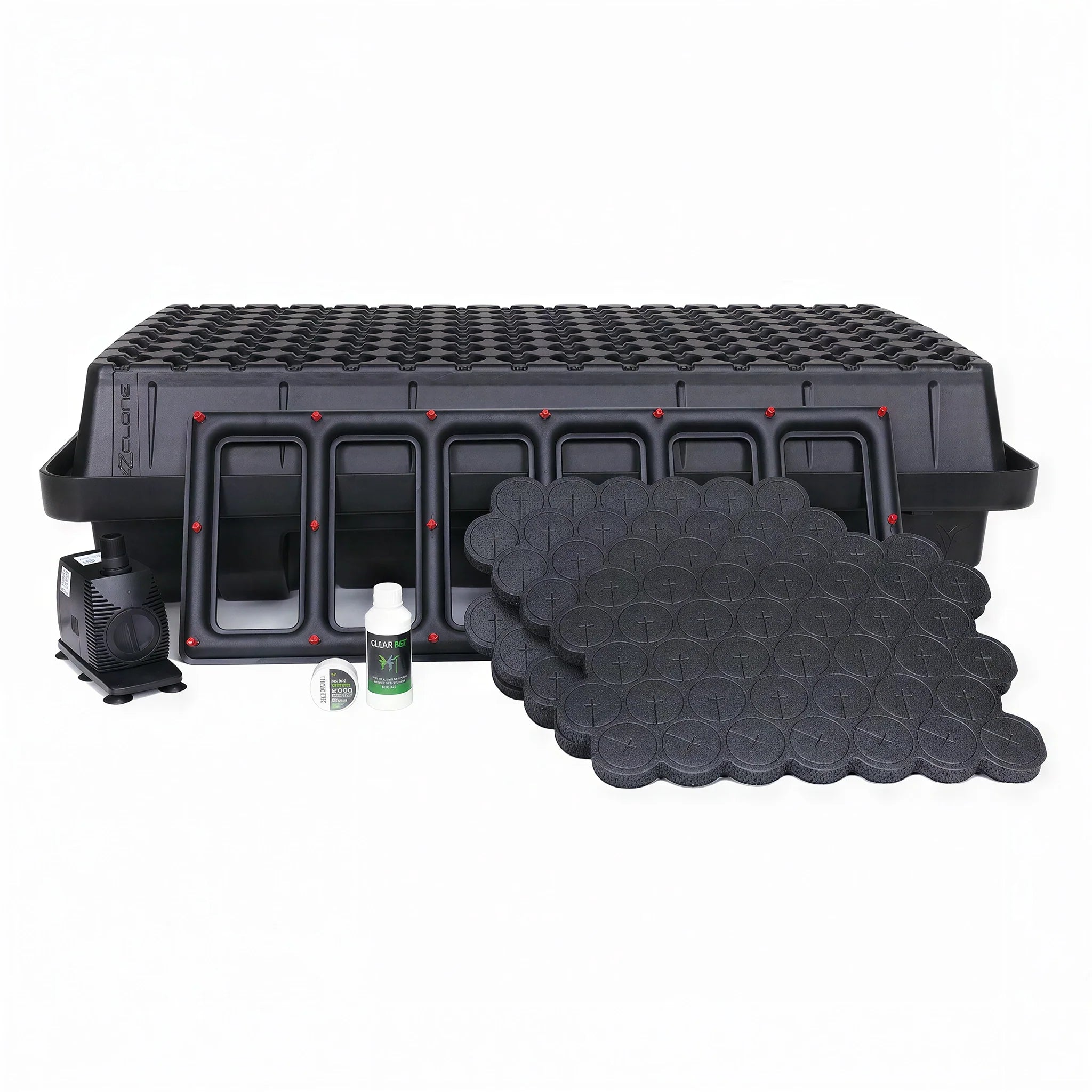
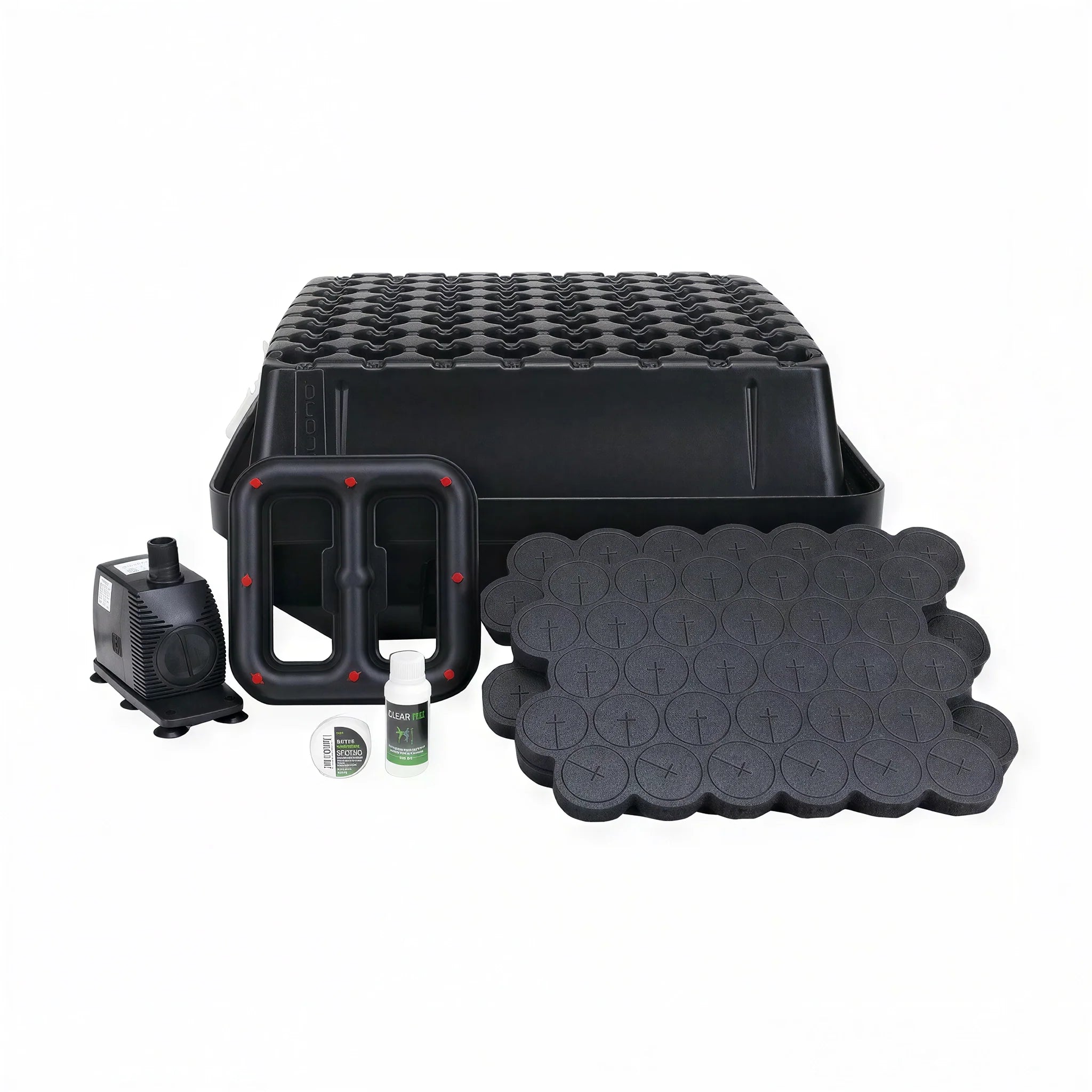
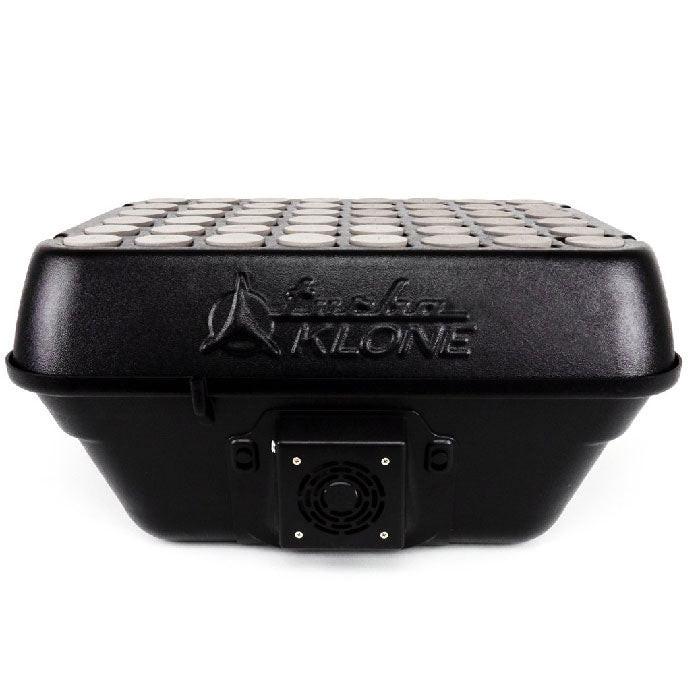
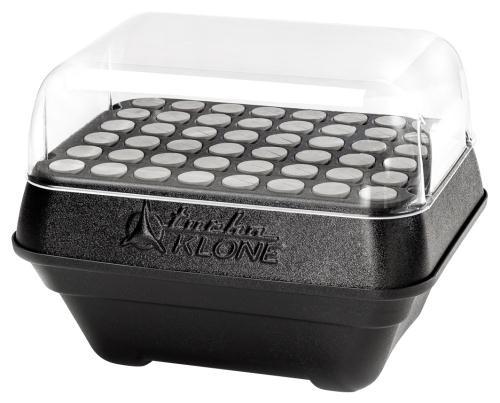
Aeroponic cloning machines use a pump-driven misting system to spray fine nutrient or plain water mist directly onto the exposed stem bases of plant cuttings held in neoprene collars above a closed reservoir. The combination of continuous moisture, high oxygen content at the exposed stem surface, and warm temperature promotes faster root initiation than static propagation methods -- most crops root in aeroponic cloners in 7-14 days, compared to 10-21 days typical in humidity dome propagation. For growers who take regular clones and value speed and consistency of root development, an aeroponic cloner is the most reliable propagation tool available.
How Aeroponic Cloners Work
A submersible pump in the bottom reservoir drives water through a distribution manifold to spray nozzles positioned beneath each cutting site. The nozzles produce a fine mist that continuously wets the exposed stem bases of cuttings held in neoprene collars at the top of the unit. The stem base is exposed to highly oxygenated air between misting cycles -- the air-root interface that aeroponic systems create is the mechanism driving faster root initiation compared to methods where stems sit in water or media. The pump typically runs continuously or on a short timed cycle (on 1 minute, off 5 minutes) to maintain moisture without waterlogging. Pair with rooting hormone applied to the cut stem end before insertion for best results.
Cloner Sizes: 24-Site to 144-Site
Aeroponic cloners are available from compact 24-site units for hobby growers taking regular small batches to large 144-site and beyond commercial configurations for propagation rooms producing hundreds of plants per week. TurboKlone, Clone King, and similar brands cover the full hobby-to-commercial range. For commercial propagation operations, multiple units staged in rotation provide a continuous supply -- one unit rooting, one ready to harvest, one being prepared for the next batch. Keep the water temperature in the reservoir at 68-72 degrees F for optimal root initiation -- warmer water holds less dissolved oxygen and cooler water slows enzymatic activity in the stem. Fast shipping.
Aeroponic Cloning Machines FAQ
How does an aeroponic cloner work?
An aeroponic cloner holds plant cuttings in neoprene collars with their stems suspended above a water reservoir. A submersible pump sprays fine mist continuously or on a short cycle onto the exposed stem bases. The combination of constant moisture, high oxygen contact at the stem surface, and warm temperature triggers rapid root initiation. Roots emerge from the stem base in 7-14 days for most crops -- faster than humidity dome methods where stems sit in starter plugs with less direct oxygen exposure.
What is the best water temperature for an aeroponic cloner?
Target 68-72 degrees F (20-22 degrees C) in the cloner reservoir. This range provides adequate warmth for enzyme activity driving root initiation while maintaining sufficient dissolved oxygen. Above 75 degrees F, dissolved oxygen drops and root disease risk increases. Below 65 degrees F, root initiation slows significantly. In warm grow rooms, the cloner's reservoir heats up quickly -- monitor temperature with a thermometer and add a small water chiller or ice blocks if needed to maintain the target range during warm months.
Do I need rooting hormone in an aeroponic cloner?
Rooting hormone is beneficial but not strictly required in high-performance aeroponic cloners. The aeroponic environment provides strong root initiation conditions -- some growers report adequate rooting rates without hormone application in optimized conditions. That said, applying IBA-based gel or powder rooting hormone to the cut stem end before inserting into the collar consistently improves rooting speed and success rate, particularly for harder-to-root varieties. It takes seconds and has no downside -- standard practice for most growers using cloners.
How do I prevent algae in my aeroponic cloner?
Algae grows in cloners when light reaches the nutrient solution. Cover the cloner lid and any transparent surfaces to block all light from entering the reservoir. Use only plain water (no nutrients) in most cloner programs -- nutrients are not needed and can promote algae growth and clog spray nozzles. Change the water every 5-7 days during the cloning cycle. Clean spray nozzles at each water change -- mineral deposits and biofilm accumulate quickly in frequently misted systems. Between cycles, clean the reservoir and all components thoroughly with a dilute bleach or hydrogen peroxide solution, rinse completely, and dry before reuse.
How long does it take for cuttings to root in an aeroponic cloner?
Most crops root in 7-14 days in a well-maintained aeroponic cloner at optimal temperature (68-72 degrees F). Faster-rooting varieties (basil, coleus, tomato, soft-stemmed herbs) can root in 5-7 days. Slower-rooting woody or semi-woody plants may take 14-21 days. Signs of successful root initiation: white root tips visible emerging from the collar base, recovery of leaf turgor (cuttings that were wilted become firm), and new leaf growth beginning. Transplant rooted cuttings when roots are 1-2 inches long and actively developing, not when they are still at the first visible root tip stage.