Algaecides & Algae Control for Hydroponic Systems
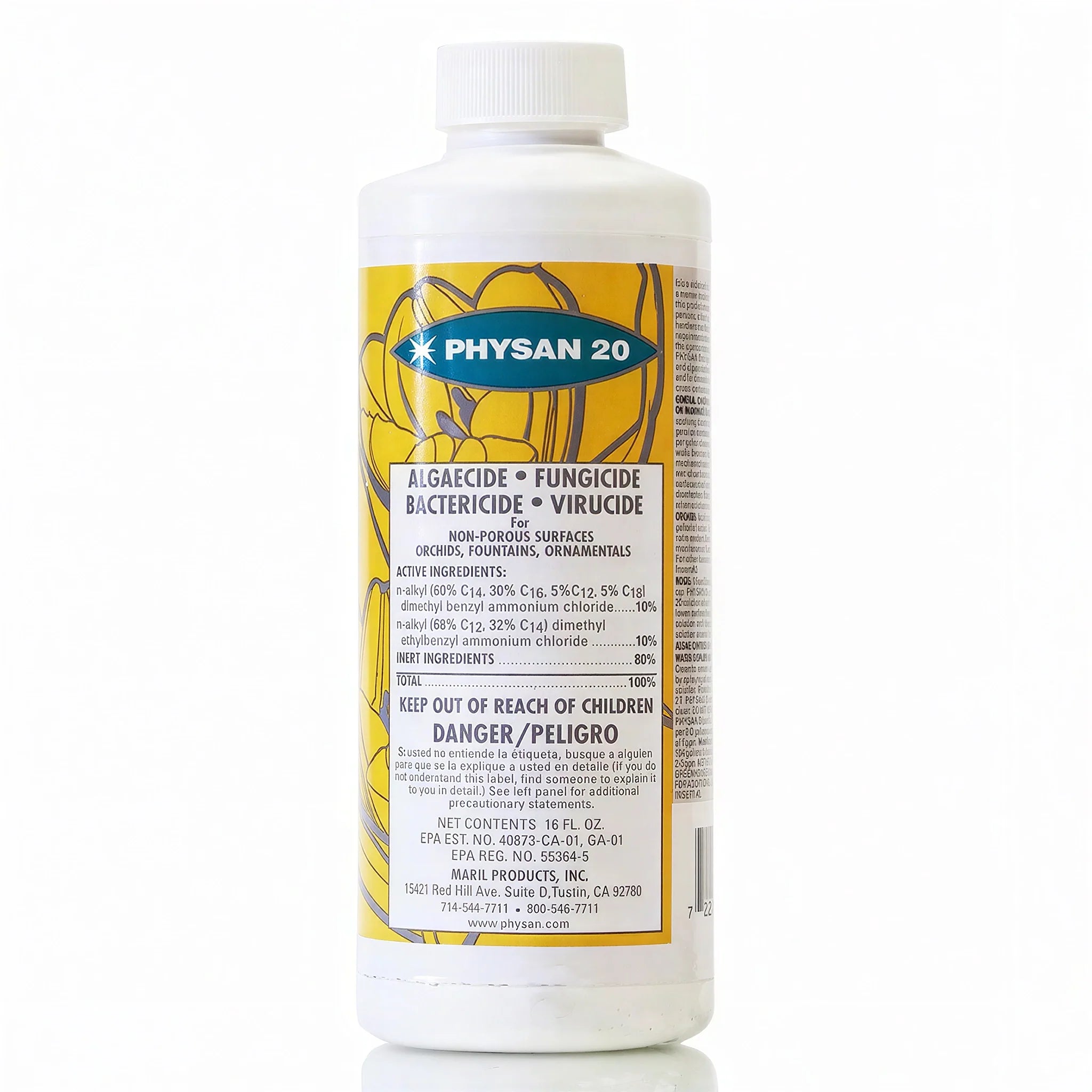
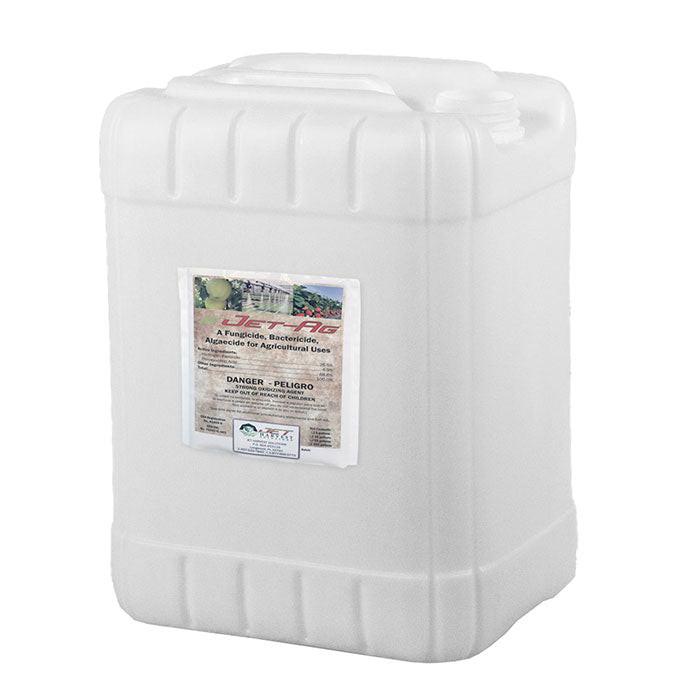
Algae in hydroponic systems is a persistent problem wherever light, water, and nutrients coexist - the same conditions that support plant growth also support algae growth on reservoir walls, flood tables, growing media surfaces, and any moist surface exposed to light. Algae itself is not directly toxic to plants, but it competes for dissolved oxygen in the reservoir, consumes nutrients, clogs irrigation emitters and filters, and provides a habitat for fungus gnats and other pests. Algaecide treatments eliminate existing algae populations chemically while physical light exclusion prevents re-establishment.
Algaecide Types
Hydrogen peroxide (H2O2) is the most widely used algaecide in hydroponic growing - a 3% solution added to the reservoir at 2-3 ml per gallon kills algae and beneficial bacterial populations through oxidation, then breaks down into water and oxygen without leaving chemical residues. Citric acid-based cleaners dissolve algae biomass from hard surfaces. Copper-based algaecides are effective but require careful dosing - copper is an essential micronutrient at trace levels but phytotoxic at the elevated concentrations that algaecide applications can produce in recirculating systems; use only in drain-to-waste programs or with thorough flushing of the system afterward. Biological treatments (beneficial bacteria products) compete with algae for nutrients rather than killing it directly - appropriate as a preventive measure in established systems. Always address light exclusion alongside chemical treatment - algae re-establishes rapidly without removing its light source.
Prevention vs. Treatment
Physical light exclusion is more effective and less disruptive than chemical algaecide treatment after algae has established. Use opaque reservoir lids, black or foil-covered tubing, covered flood tables, and rockwool block covers to eliminate light access to wet surfaces. A comprehensive integrated pest management approach combines physical exclusion with periodic H2O2 reservoir treatments to maintain a clean system without the disruption of full algae removal and system sterilization. Fast shipping.
Algae Control FAQ
Is algae in my reservoir harmful to plants?
Algae is not directly toxic to plants, but it causes several secondary problems that affect plant health. Algae in a reservoir competes with beneficial aerobic bacteria for dissolved oxygen - heavy algae growth (especially at night when algae consumes rather than produces oxygen) can drive dissolved oxygen below levels that roots need for healthy function. Algae decomposition produces organic compounds that clog drip emitters and create conditions favorable to Pythium and other root pathogens. Algae on growing media surfaces can impede gas exchange at the substrate surface. Eliminating algae is good practice regardless of whether direct toxicity is visible.
How do I use hydrogen peroxide to treat algae in my reservoir?
Use 3% H2O2 (standard pharmacy hydrogen peroxide) at 2-3 ml per gallon of reservoir water. Add to the reservoir directly; the H2O2 reacts with organic material including algae cells and breaks down into water and oxygen over 24-48 hours. Change the reservoir completely after treatment and before returning to normal nutrient program - H2O2 at algaecide concentrations also kills beneficial bacteria that you want to re-establish. For systems running beneficial microorganism products, reserve H2O2 treatment for between-cycle sanitation rather than in-cycle treatment.
Why does algae keep coming back after I treat my reservoir?
Algae re-establishes rapidly after chemical treatment if the light source that drives its growth has not been eliminated. A single algae cell surviving in the system can repopulate the reservoir within days under good light and nutrient conditions. After treatment, find and eliminate every light leak into your reservoir, flood tables, and tubing. Cover all exposed wet surfaces. Without light exclusion, algaecide treatment is a temporary suppression that requires repeated application rather than a lasting solution.
Does algae in my grow room cause fungus gnats?
Yes - algae on the surface of growing media, flood tables, and reservoir covers creates a moist organic layer that is ideal habitat for fungus gnat egg-laying and larval development. Fungus gnat larvae feed on organic matter at the substrate surface, including algae films, and can damage roots in the process. Eliminating algae growth on substrate surfaces by improving light exclusion reduces fungus gnat habitat and is an effective component of fungus gnat management alongside yellow sticky traps and beneficial nematode applications.
Can I use copper-based algaecides in a recirculating hydroponic system?
Use copper-based algaecides with caution in recirculating systems. Copper is an essential plant micronutrient at trace concentrations (0.05-0.1 ppm) but becomes phytotoxic at elevated levels (above 0.5-1 ppm in most crops). Copper algaecide applications raise reservoir copper concentration; in drain-to-waste systems, this flushes with each new fill, but in recirculating systems, copper accumulates over time through evaporation and plant uptake of water without proportional copper removal. If using copper algaecides in recirculating systems, test water copper levels regularly and perform full reservoir changes after treatment.