Garden Soil Amendments & Growing Media Additives
Soil amendments are materials incorporated into growing media to modify its physical structure, chemical properties, or biological activity - improving drainage, increasing aeration, adjusting pH, adding organic matter, or inoculating with beneficial organisms that improve nutrient availability and plant health. Unlike fertilizers that supply nutrients directly to the plant, amendments work through the growing medium itself, changing the conditions in which roots grow rather than the nutrients they receive. A well-amended growing medium creates the physical and biological foundation that makes every other aspect of a growing program more effective.
Structural Amendments
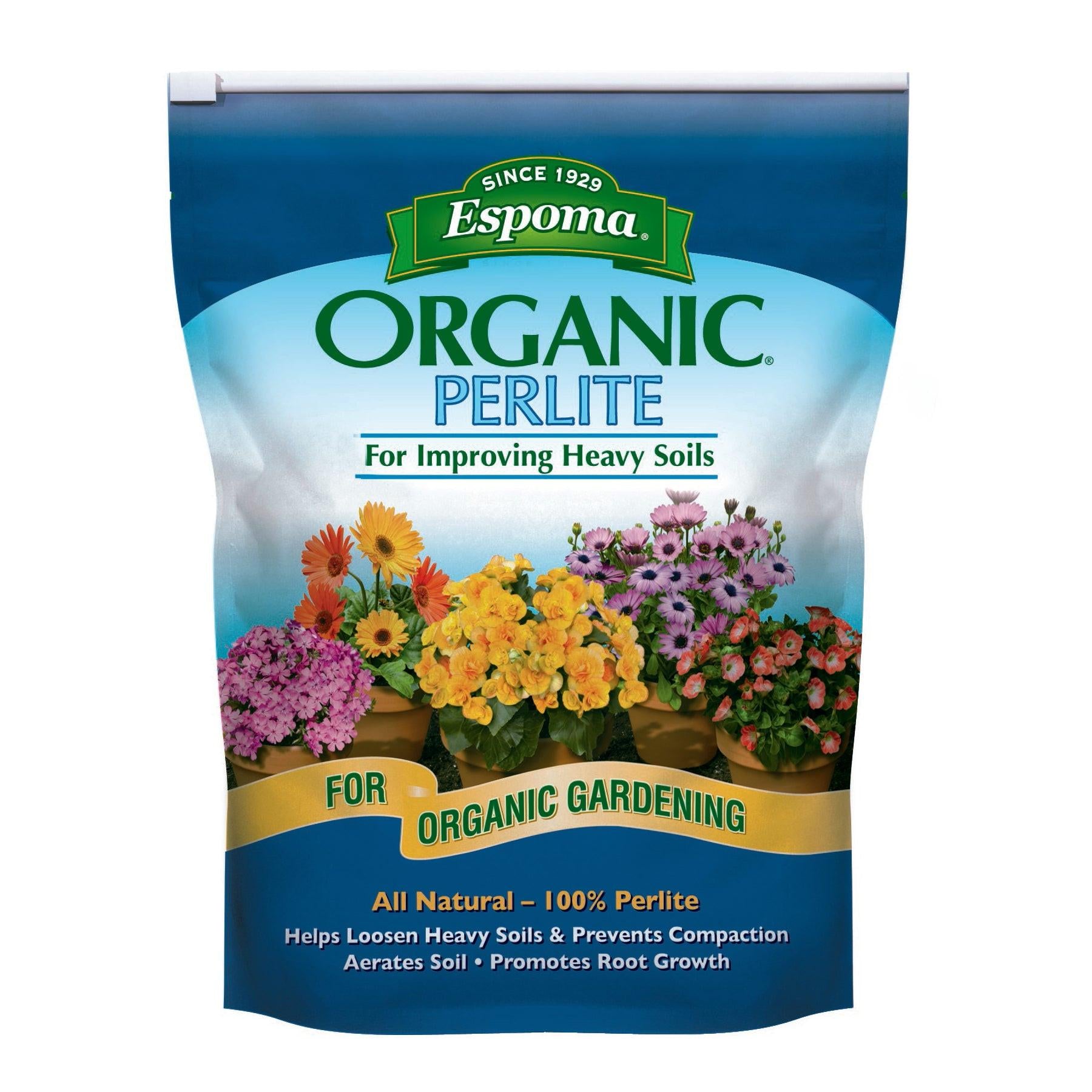
Perlite is the most widely used drainage and aeration amendment - volcanic glass that has been heat-expanded into lightweight, porous particles that resist compaction and maintain air pore space in the growing medium even after multiple saturation cycles. Adding 20-30% perlite to any potting soil or coco program dramatically improves drainage and reduces the waterlogging risk that causes root problems in poorly-draining media. Vermiculite serves the opposite role: it expands and holds moisture, used in seed-starting mixes and propagation media where moisture retention is more important than drainage. Pumice, rice hulls, and coarse sand are alternative drainage amendments each with specific advantages for particular applications.
Biological & Organic Amendments
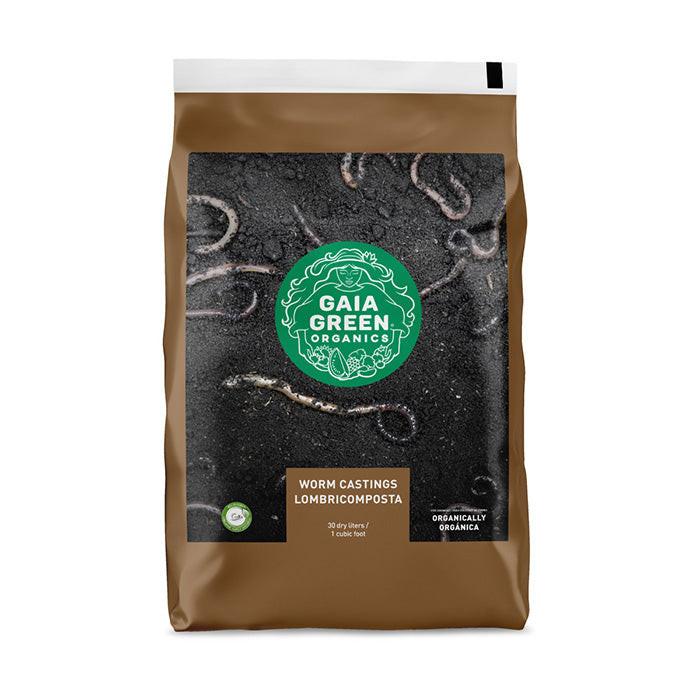
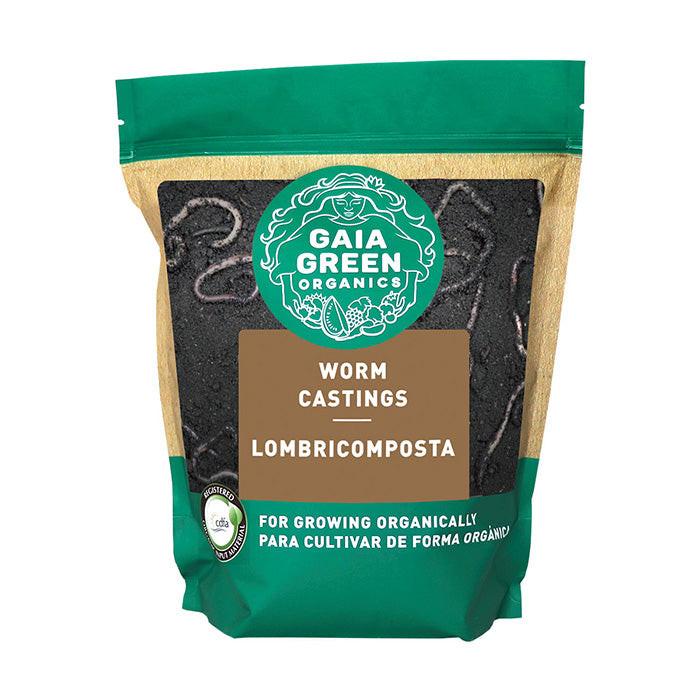
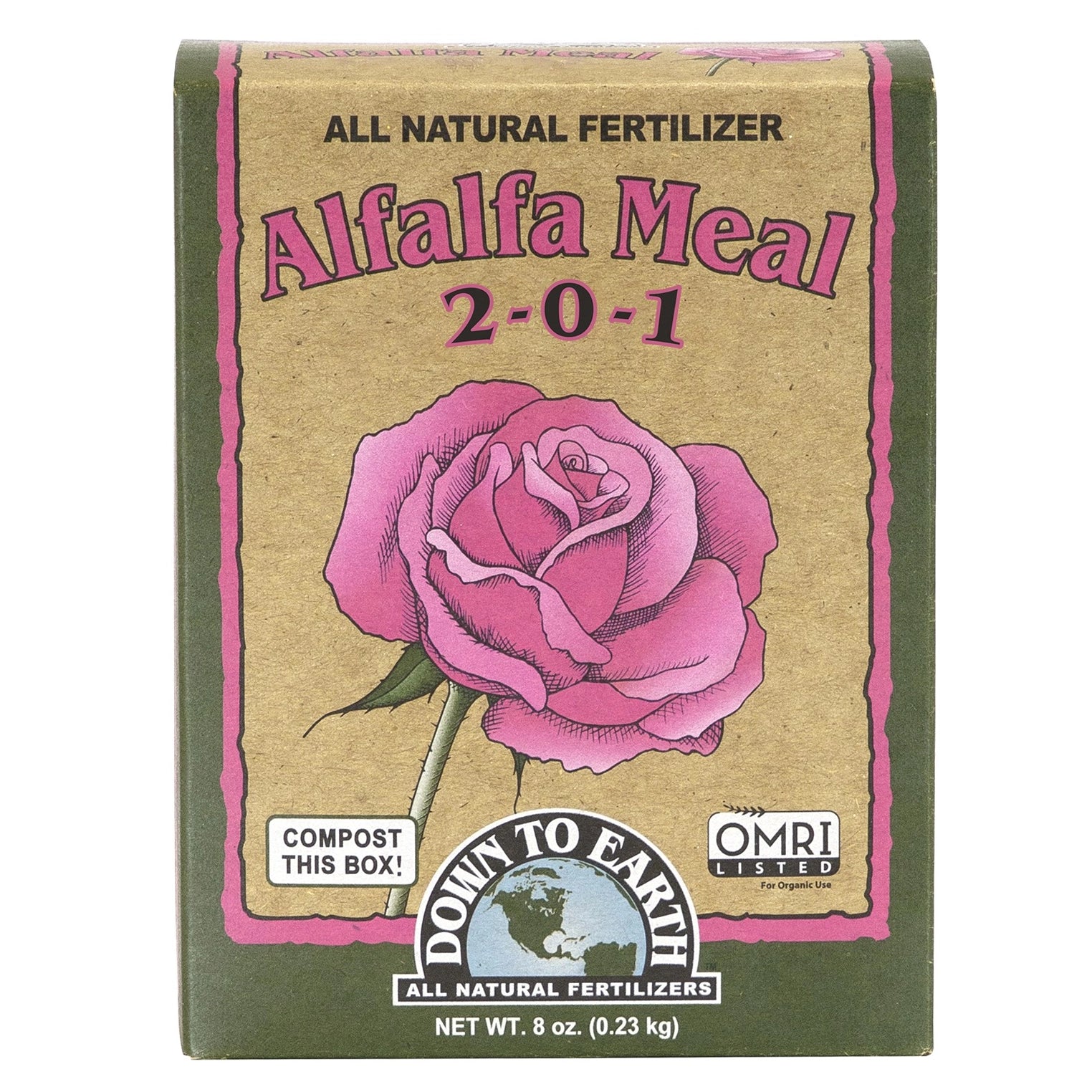
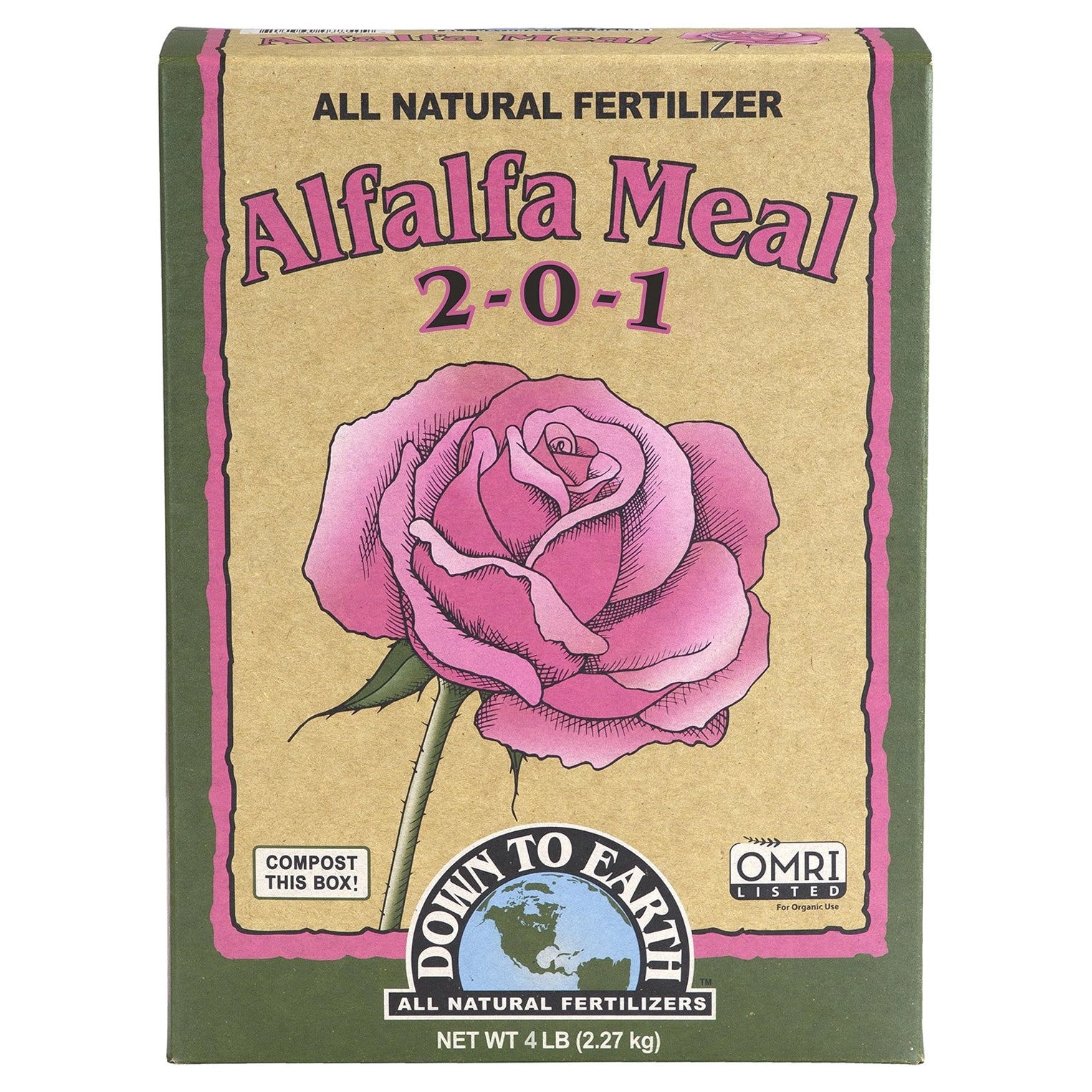
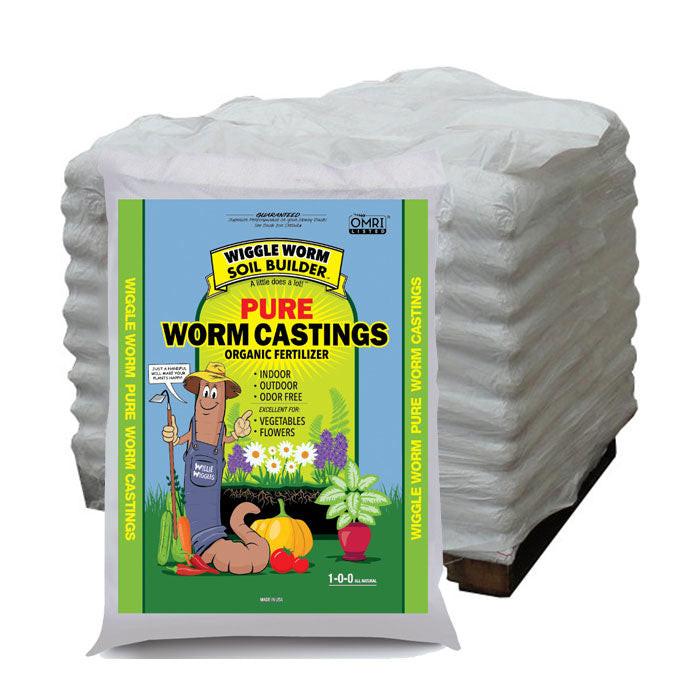
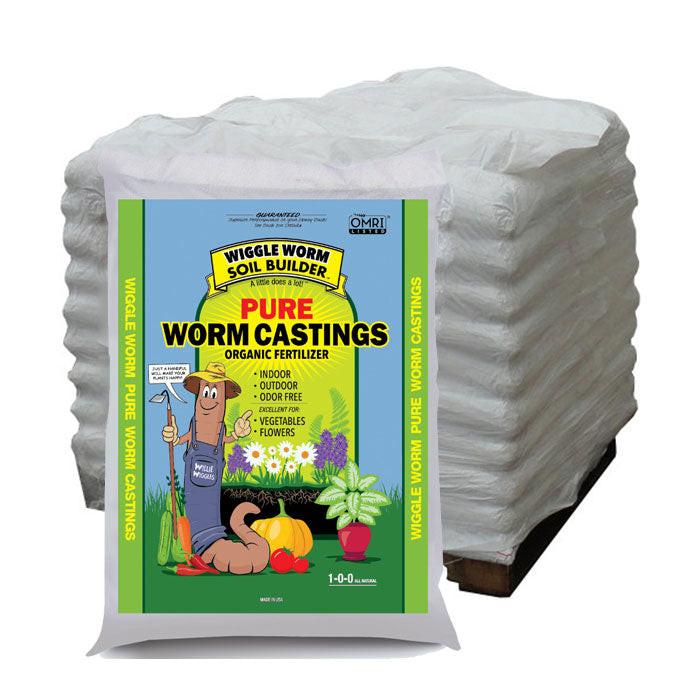
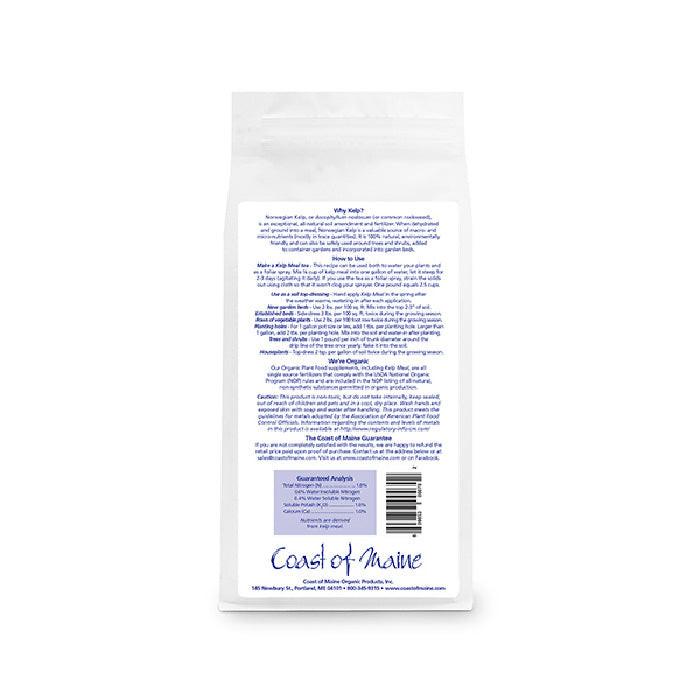
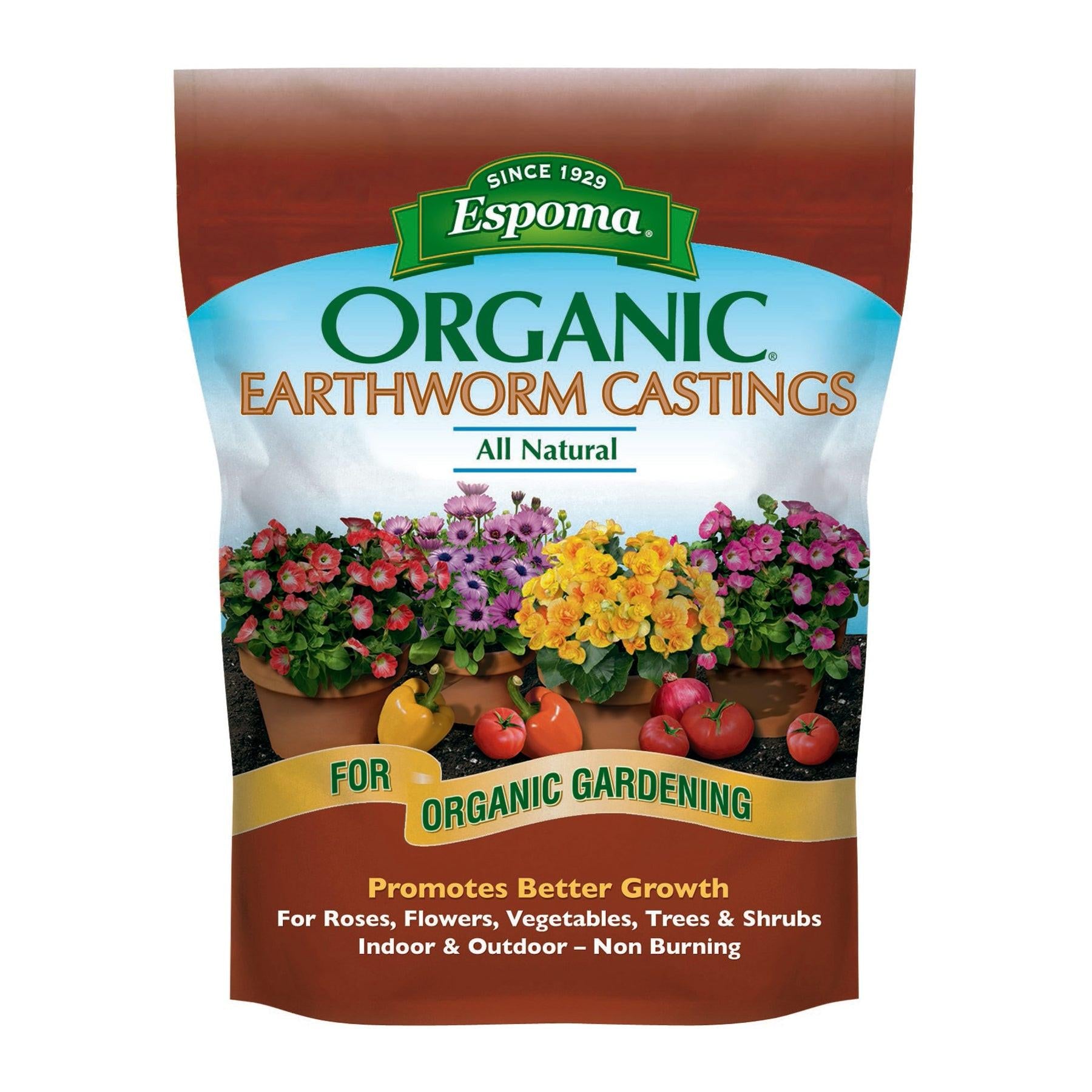
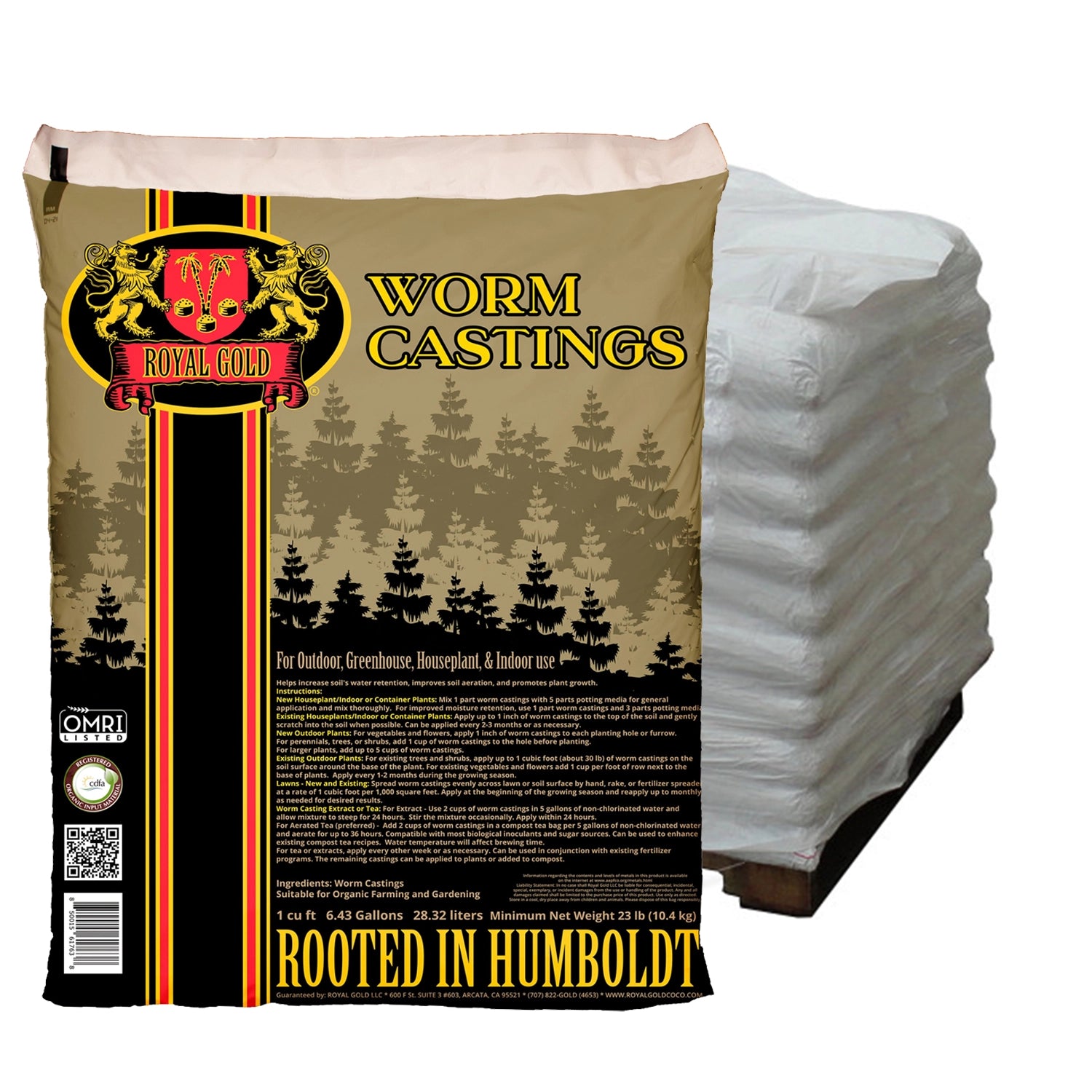
Compost and worm castings add organic matter, beneficial microbial populations, and slow-release nutrients to growing media. Worm castings are the most nutrient-dense form - a small percentage (5-15% by volume) in a potting mix adds beneficial biology and a gentle, plant-available nutrient profile without the salt buildup risk of heavier compost additions. Mycorrhizal inoculants introduce beneficial fungal associations at transplant that extend the effective root surface area and improve phosphorus uptake throughout the growing cycle. Browse the complete organic inputs collection for biological amendments alongside organic nutrients. Fast shipping.
Soil Amendments FAQ
How much perlite should I add to potting soil?
The standard recommendation is 20-30% perlite by volume for most container growing programs - enough to meaningfully improve drainage and aeration without diluting the organic content and water retention of the soil so much that frequent irrigation becomes impractical. For very water-retentive soils or high-intensity indoor programs where the risk of overwatering is high: up to 40-50% perlite is appropriate. For outdoor container growing in hot, dry climates where rapid drying is already a concern: 10-15% perlite provides drainage improvement without accelerating drying further.
What is the difference between perlite and vermiculite?
Both are heat-expanded mineral amendments, but they have opposite water management properties. Perlite (expanded volcanic glass) is highly porous but does not absorb water into its structure - it improves drainage and aeration by creating air pore space in the growing medium. Vermiculite (expanded mica) has a layered structure that absorbs and holds water within its particles - it improves water retention and provides slow release of moisture back to the root zone. Use perlite where better drainage is the priority (most container programs under grow lights). Use vermiculite where moisture retention is the priority (seed starting, propagation, outdoor containers in hot dry climates).
What do worm castings do for growing media?
Worm castings (vermicompost) are one of the most biologically active organic amendments available - they add diverse beneficial microbial populations, improve soil aggregate structure, provide chelated micronutrients in plant-available form, and contribute mild slow-release macronutrients (NPK typically 1-0-0 to 2-1-1 range). The most significant benefit is biological: the microbial diversity in worm castings populates the growing medium with organisms that suppress pathogens, fix atmospheric nitrogen, solubilize phosphorus, and cycle organic matter into plant-available nutrients. Use at 5-15% by volume in potting mixes - more than 15-20% begins to reduce drainage and can cause compaction.
Can I add amendments to coco coir?
Yes - coco coir blends well with structural amendments to tune its drainage and water retention characteristics for specific programs. Adding 15-30% perlite to coco improves air-filled porosity and drainage for high-frequency drip programs. Adding 10-20% pumice or rice hulls provides a coarser drainage amendment that maintains air pore space longer than perlite in programs where the coco is used for multiple cycles. Adding worm castings (5-10%) to coco introduces beneficial biology to an otherwise biologically inert substrate, which can improve plant response in organic and biological growing programs. Avoid adding vermiculite to coco - coco already retains adequate moisture and adding vermiculite can push moisture retention into overwatering territory.
What is pH adjustment in soil and when do I need to amend for it?
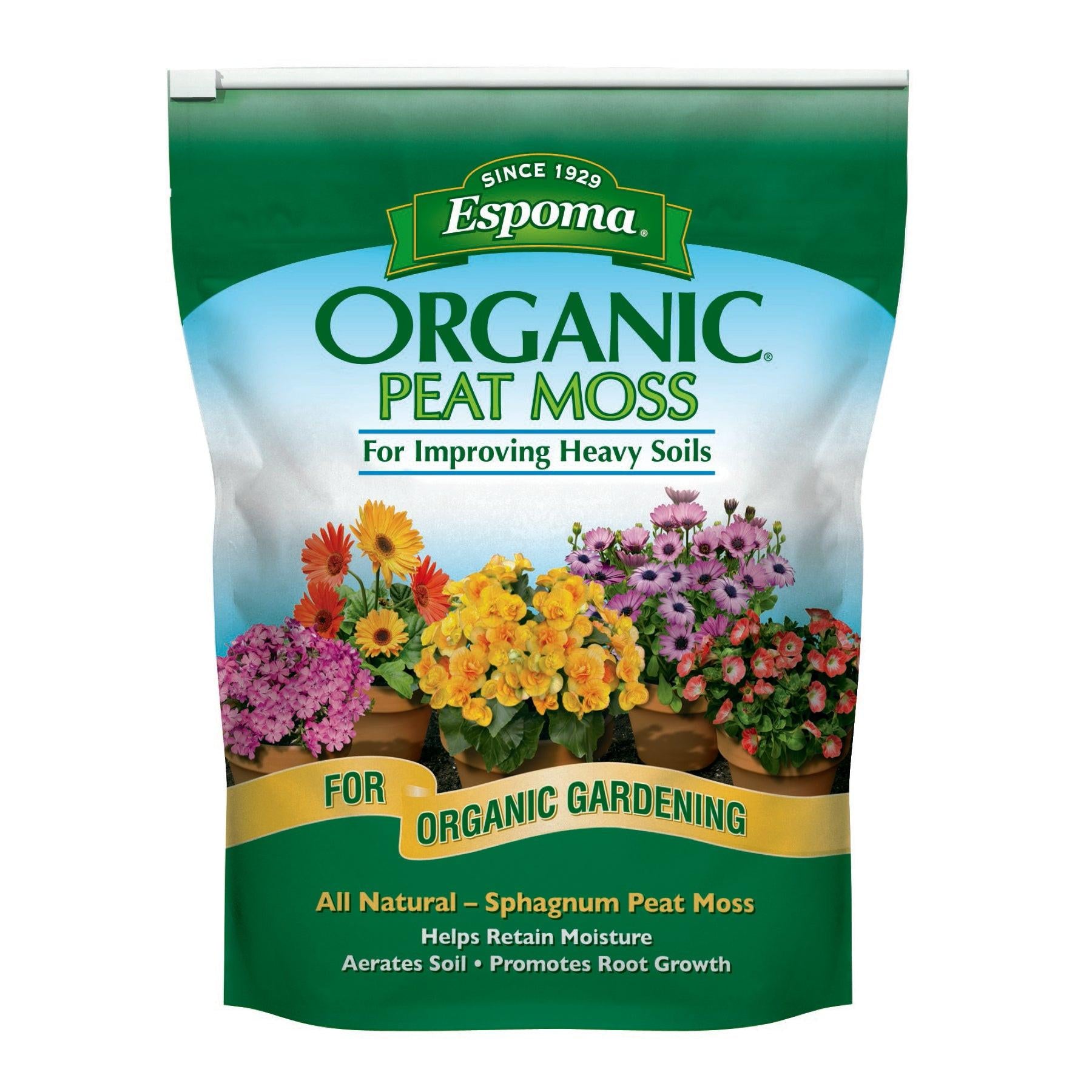
Soil pH determines the availability of mineral nutrients to plant roots - most nutrients are most available in the pH 6.0-7.0 range for soil growing. Native garden soils and some potting mixes fall outside this range and require pH adjustment amendments: agricultural lime (calcium carbonate) raises pH in acidic soils (below 6.0); sulfur, peat moss, or acidic compost lowers pH in alkaline soils (above 7.5). Test soil pH before amending - without knowing the starting pH, amendment rates are guesswork. For container programs using quality commercial potting mix, pH is usually within the acceptable range as supplied; pH amendment is more commonly needed for raised beds using native soil blends or for outdoor in-ground programs.