Bubble Cloners & Aeroponic Cloning Machines
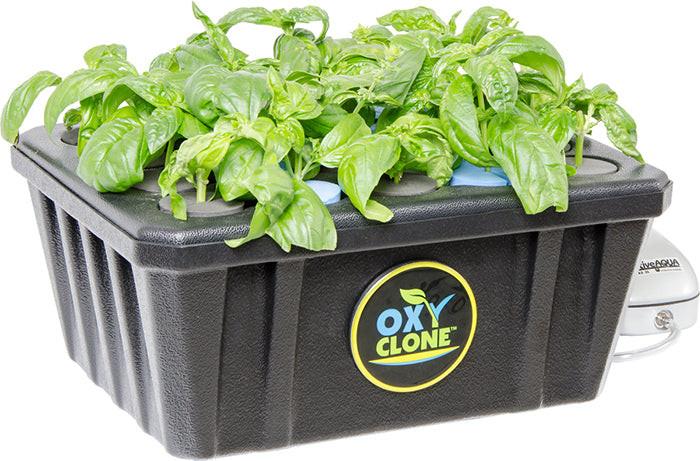
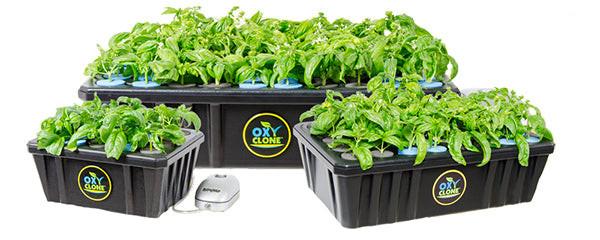
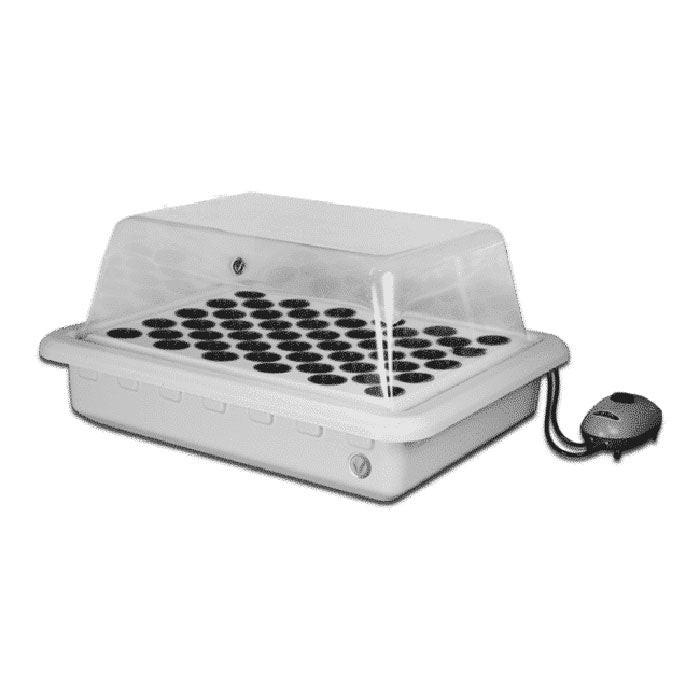
Bubble cloning machines and aeroponic cloners accelerate the rooting of plant cuttings by suspending stem bases in an environment of constant oxygen and moisture - either through submersed aeration (bubble cloner, where air stones below the cutting level create a fog-like mist) or through precision misting nozzles (aeroponic cloner, where spray heads mist the exposed cutting bases at timed intervals). Both methods root cuttings significantly faster than rockwool or peat plug methods by maximizing dissolved oxygen at the stem base where root initiation occurs. Psycloner and SuperCloset are the primary brands in this collection, with Psycloner's aeroponic systems ranking #2 for "cloners for sale" in organic search.
Psycloner Aeroponic Cloning Systems
Psycloner produces aeroponic cloning machines in 24-site, 35-site, 70-site, and 140-site configurations. The Pro series uses precision misting nozzles to spray the cutting bases at timed cycles - the timed misting approach provides excellent oxygen exposure in the air space between misting events, which is the mechanism that drives faster rooting compared to fully submersed systems. The Pro 140 is suited for commercial propagation operations maintaining large weekly clone batches. All Psycloner models include a pump, spray manifold, and neoprene collar inserts for holding cuttings during rooting.
SuperCloset DWC Cloners
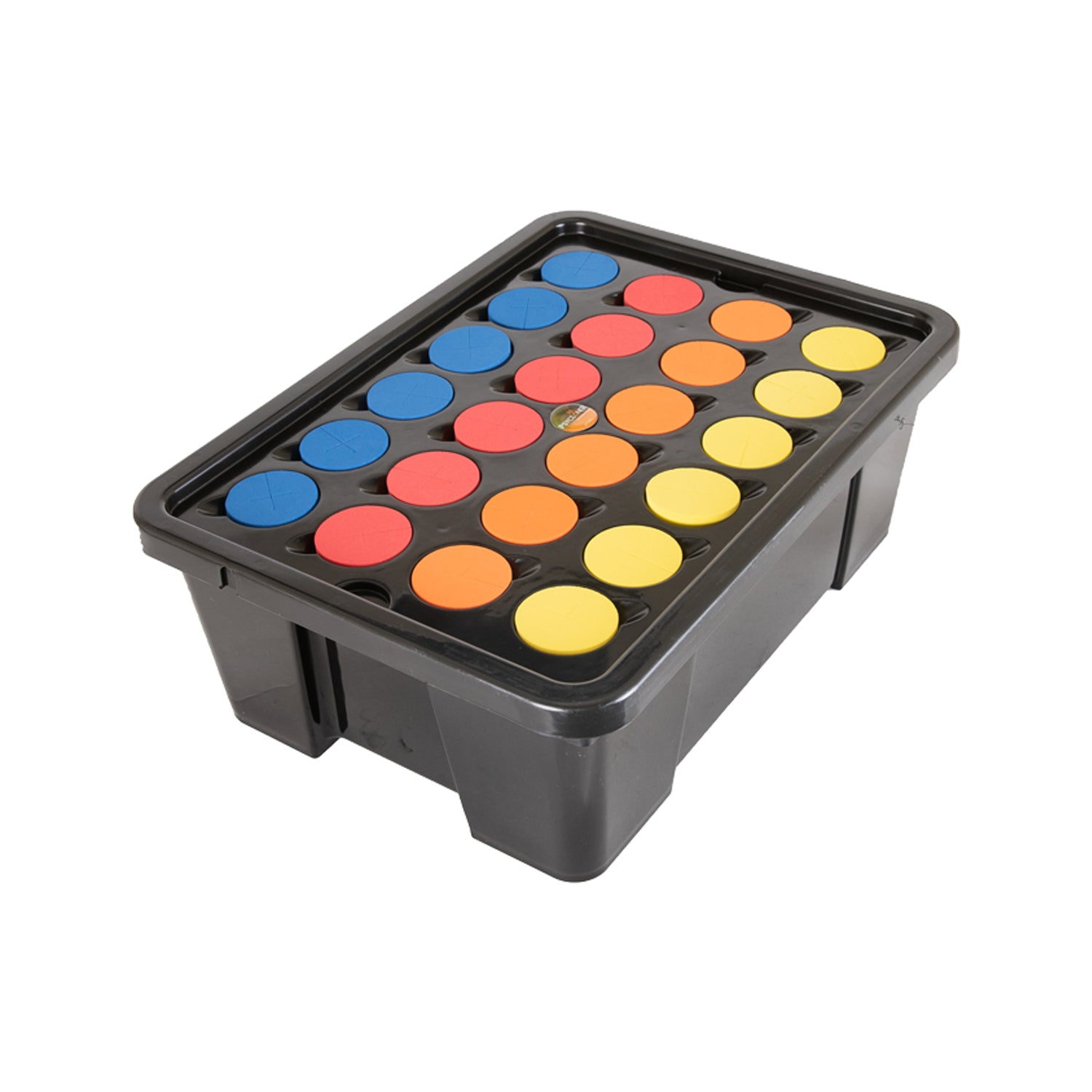
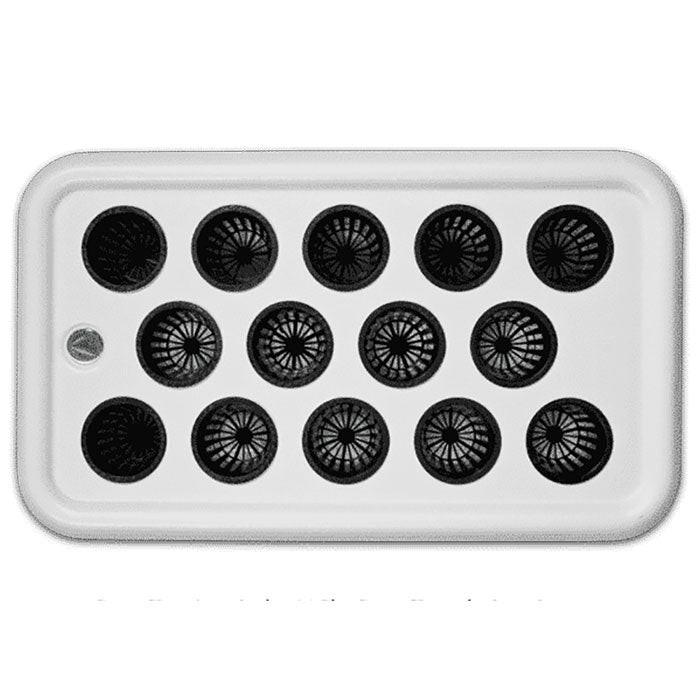
SuperCloset SuperCloner units (14-site and 50-site) use deep water culture (DWC) style aeration - cuttings are suspended above a highly aerated reservoir with air stones creating vigorous water movement and oxygenation at the cutting base. The SuperCloner 50 is a practical choice for medium-scale propagation where simplicity of operation is a priority. Browse all cloning and propagation supplies including Clonex rooting gel. Fast shipping.
Bubble Cloners FAQ
What is a bubble cloner and how does it work?
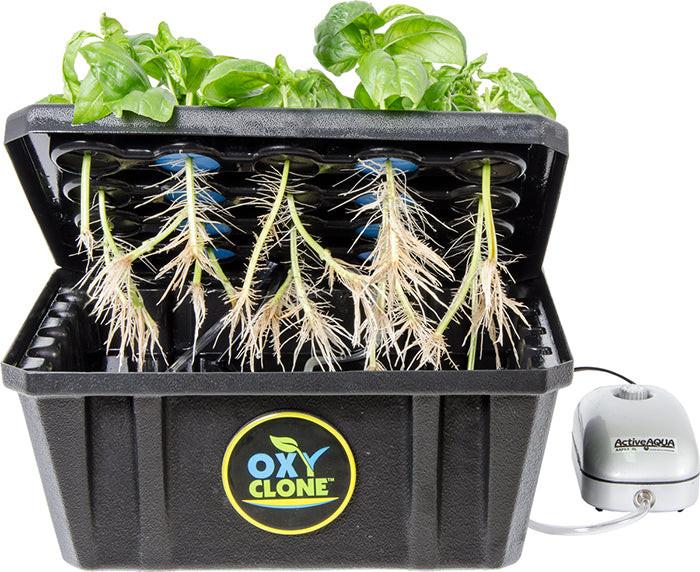
A bubble cloner is a propagation system where cuttings are held in a reservoir lid with their stem bases suspended above or in heavily oxygenated water - air stones at the bottom of the reservoir create vigorous bubbling that produces a fine mist of aerated water at the water surface, keeping the stem bases in a constant humid, oxygen-rich environment. This combination of moisture and oxygen at the stem base stimulates root initiation faster than passive media methods. The cutting is held in a neoprene collar in the lid opening so the stem hangs at the correct depth - the upper portion of the stem and leaves remain above the water level in a humid air environment while the bottom inch or two is exposed to the oxygenated water mist.
What is the difference between a bubble cloner and an aeroponic cloner?
A bubble cloner generates moisture at the cutting base through air stone agitation at the water surface - a passive, high-humidity environment rather than active misting. An aeroponic cloner uses spray nozzles to periodically mist the exposed cutting bases at timed intervals, with air space and drying between misting cycles. The dry-mist-dry cycle of aeroponic cloning is generally considered more effective at maximizing oxygen exposure at the root zone compared to the constant high-humidity environment of a bubble cloner - roots develop more vigorously when they cycle between wet and relatively dry states. Aeroponic cloners (Psycloner Pro series) typically show faster root development, but bubble cloners (SuperCloset SuperCloner) are simpler to operate and maintain with no nozzles to clean or time.
How long does it take to root cuttings in a cloning machine?
Most plant varieties root within 7-14 days in a quality aeroponic or bubble cloning machine at 72-78 degrees F solution temperature. This is significantly faster than the 10-21 days typical in rockwool or peat plug propagation under similar temperature conditions. Root emergence is visible through the neoprene collar at the base of the cutting - roots will extend 1-3 inches beyond the collar at the point when they are ready to transplant. Transplant when roots are visible and at least 1/2 inch long; waiting for very long roots (2+ inches) before transplant can cause root entanglement and transplant damage. Maintain clean, properly oxygenated solution at EC 0.1-0.3 and pH 5.8-6.2 throughout the rooting period.