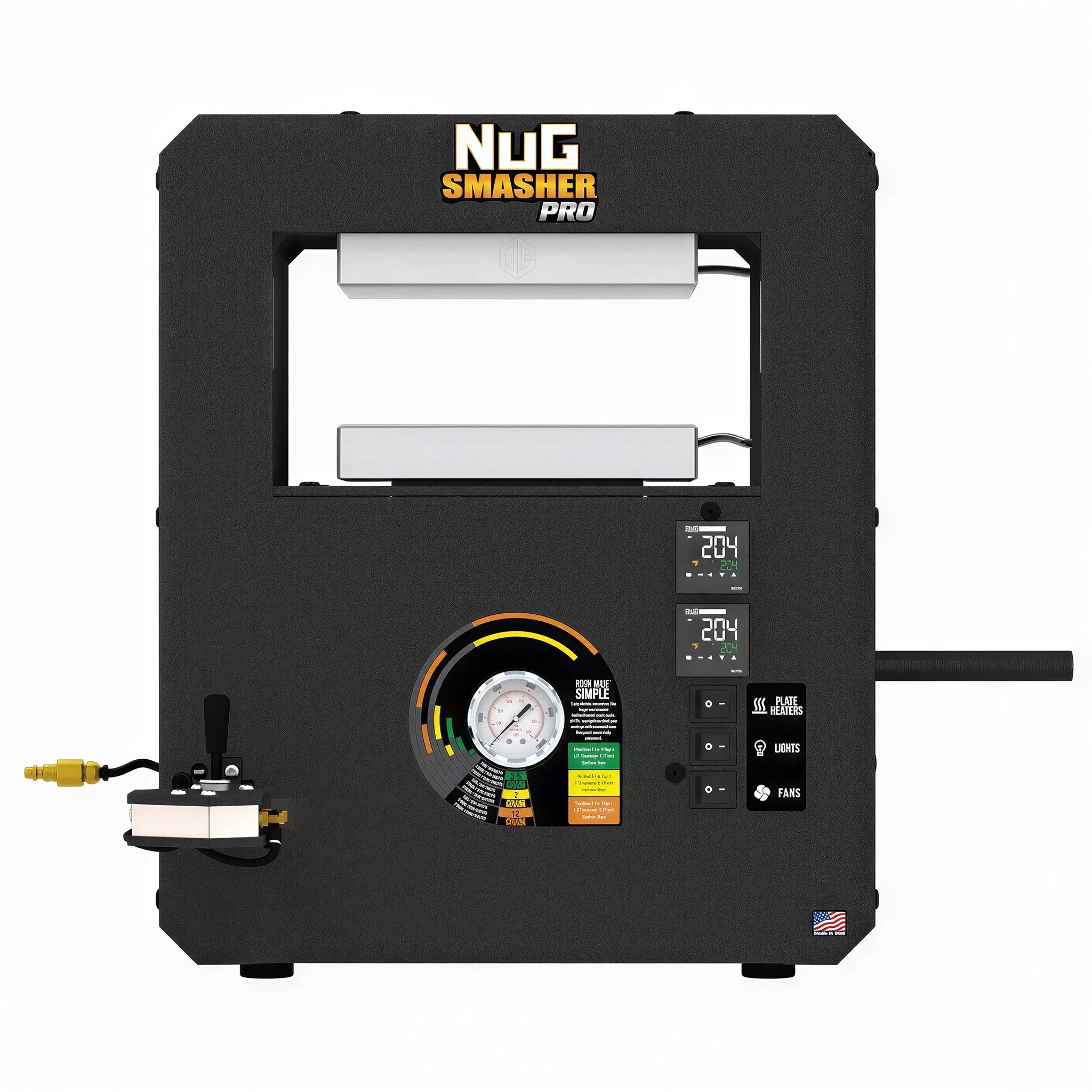
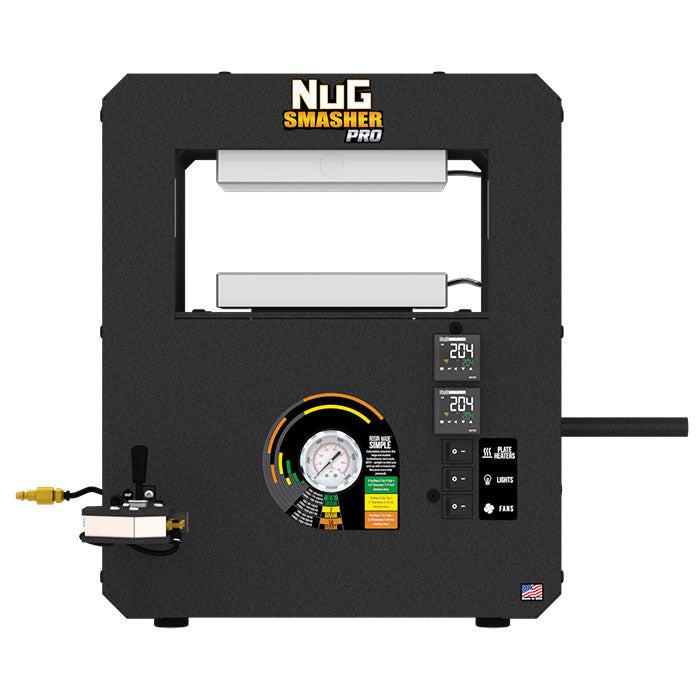
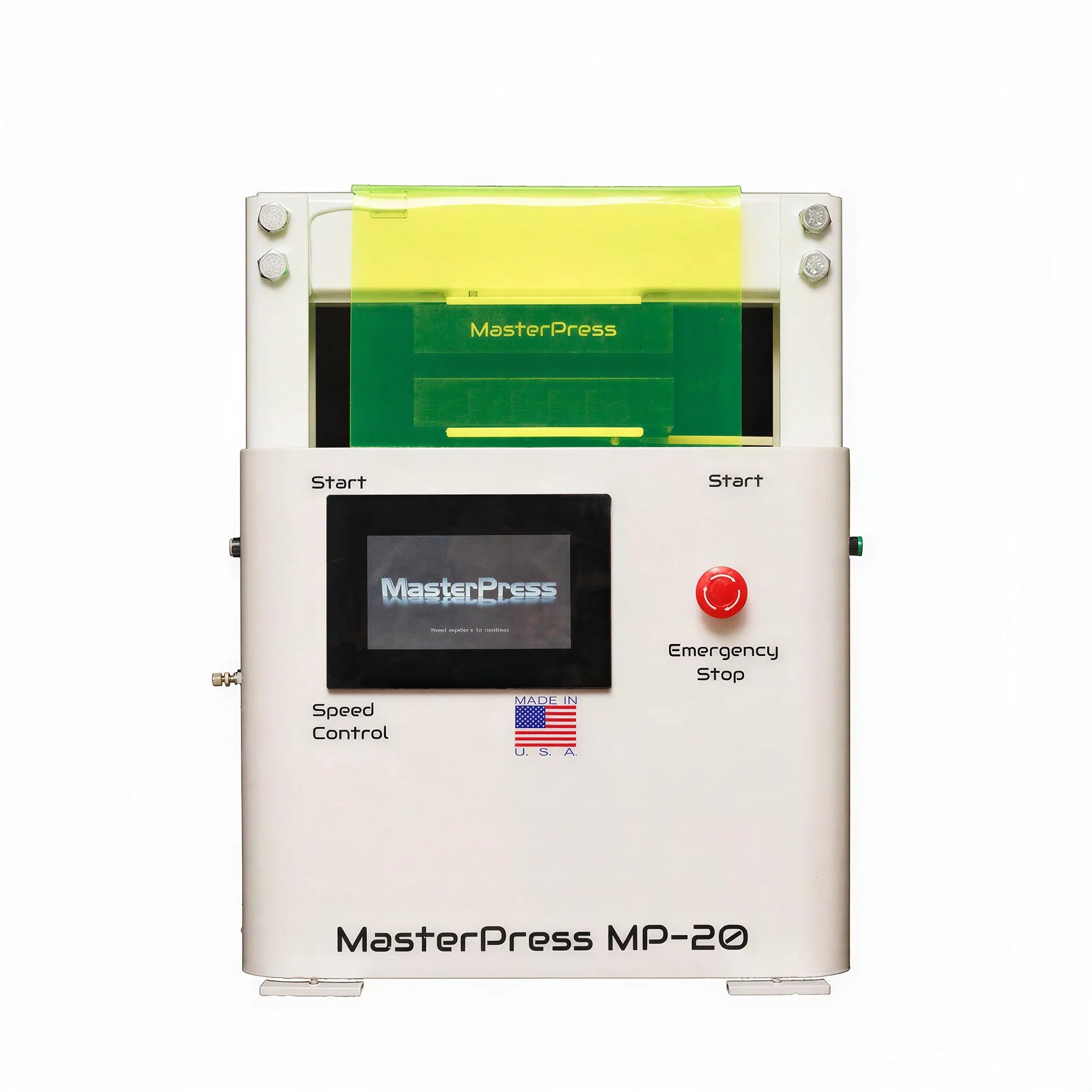
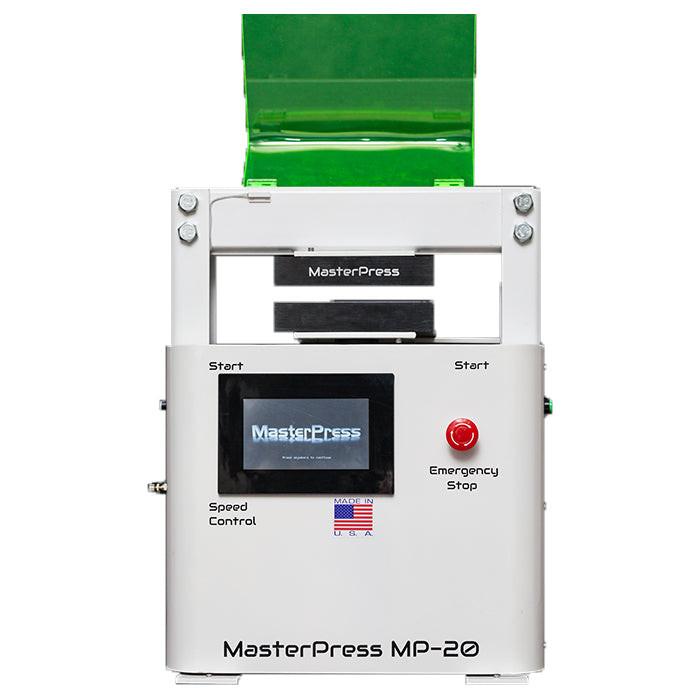
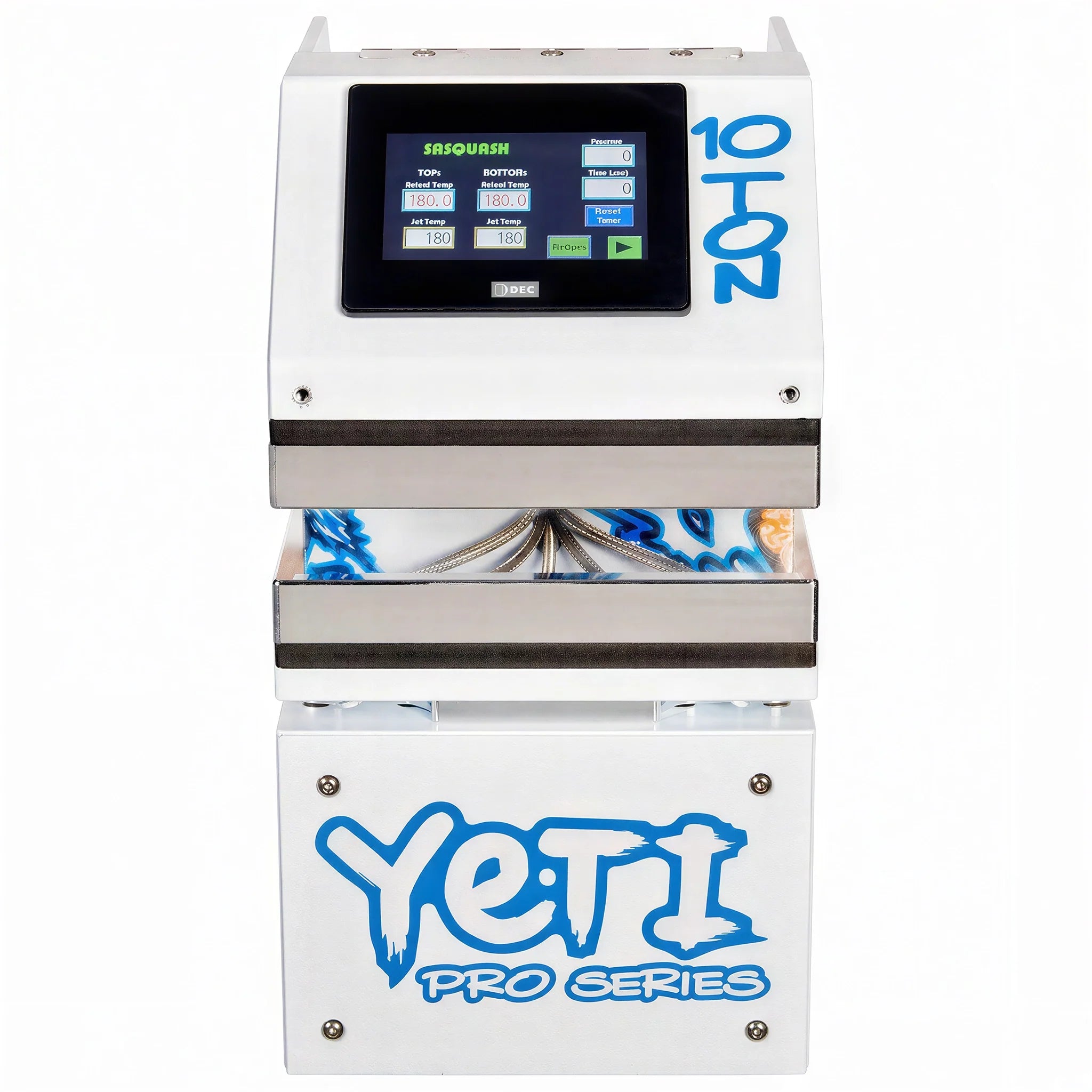
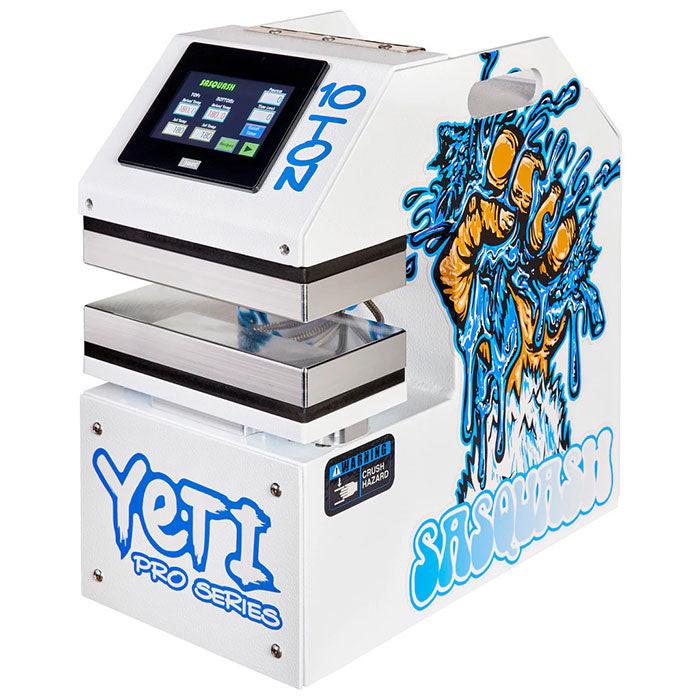
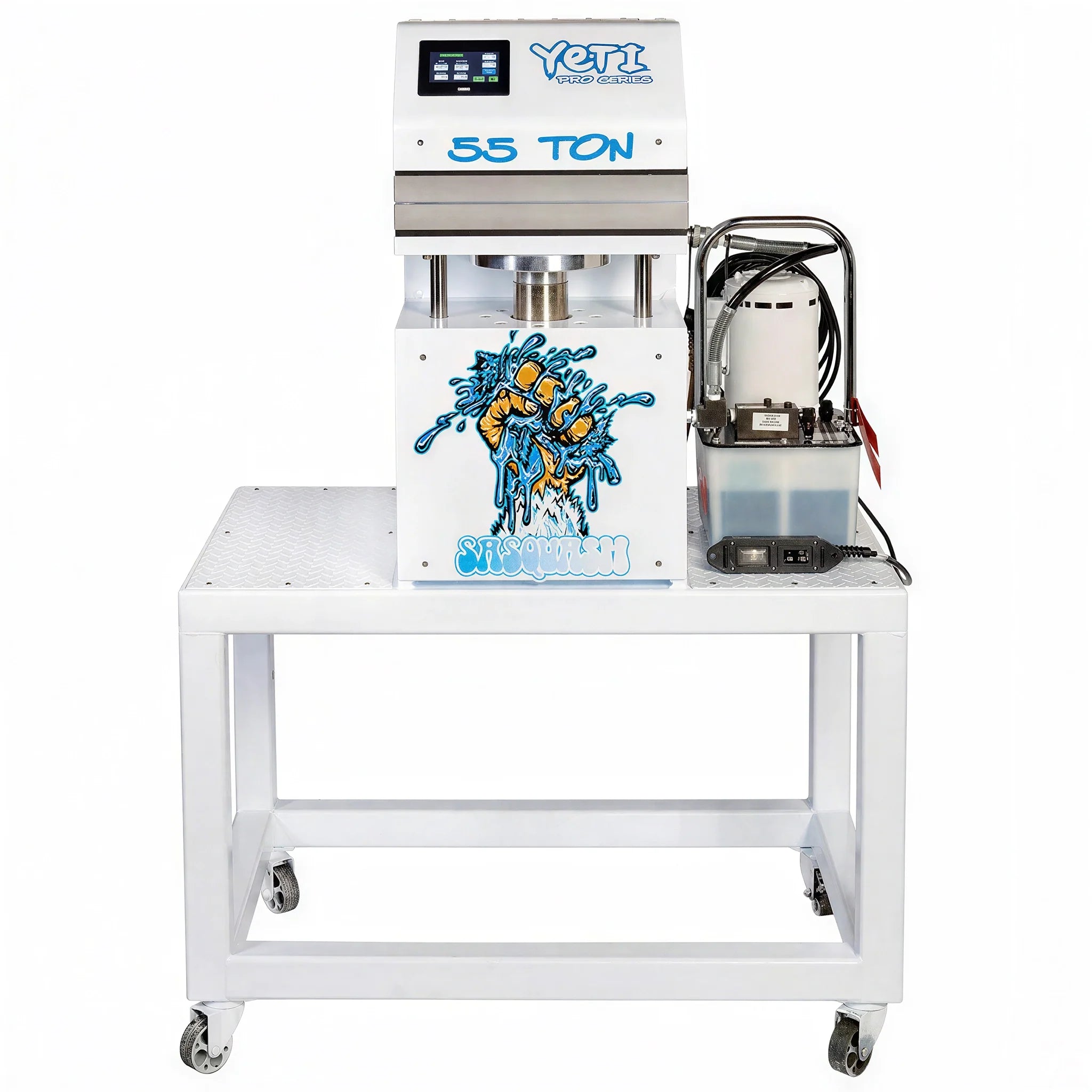
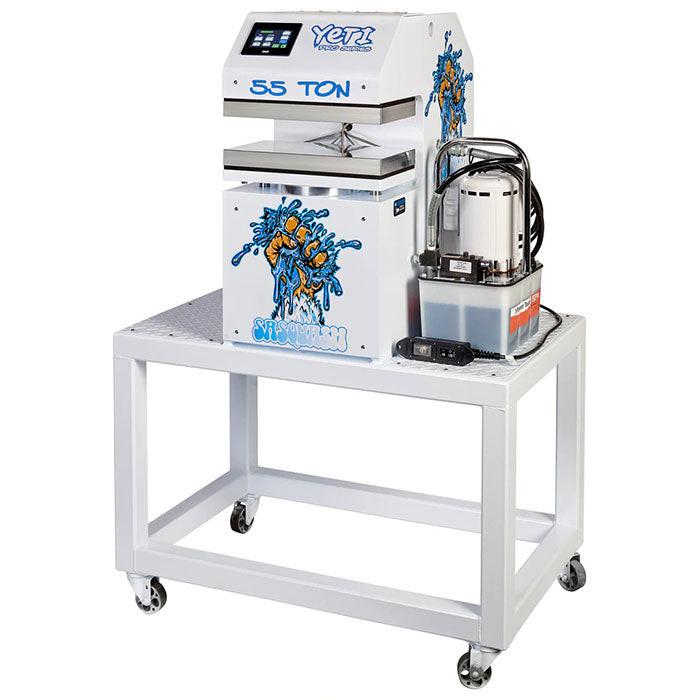
Pneumatic Rosin Presses for High-Throughput Solventless Extraction
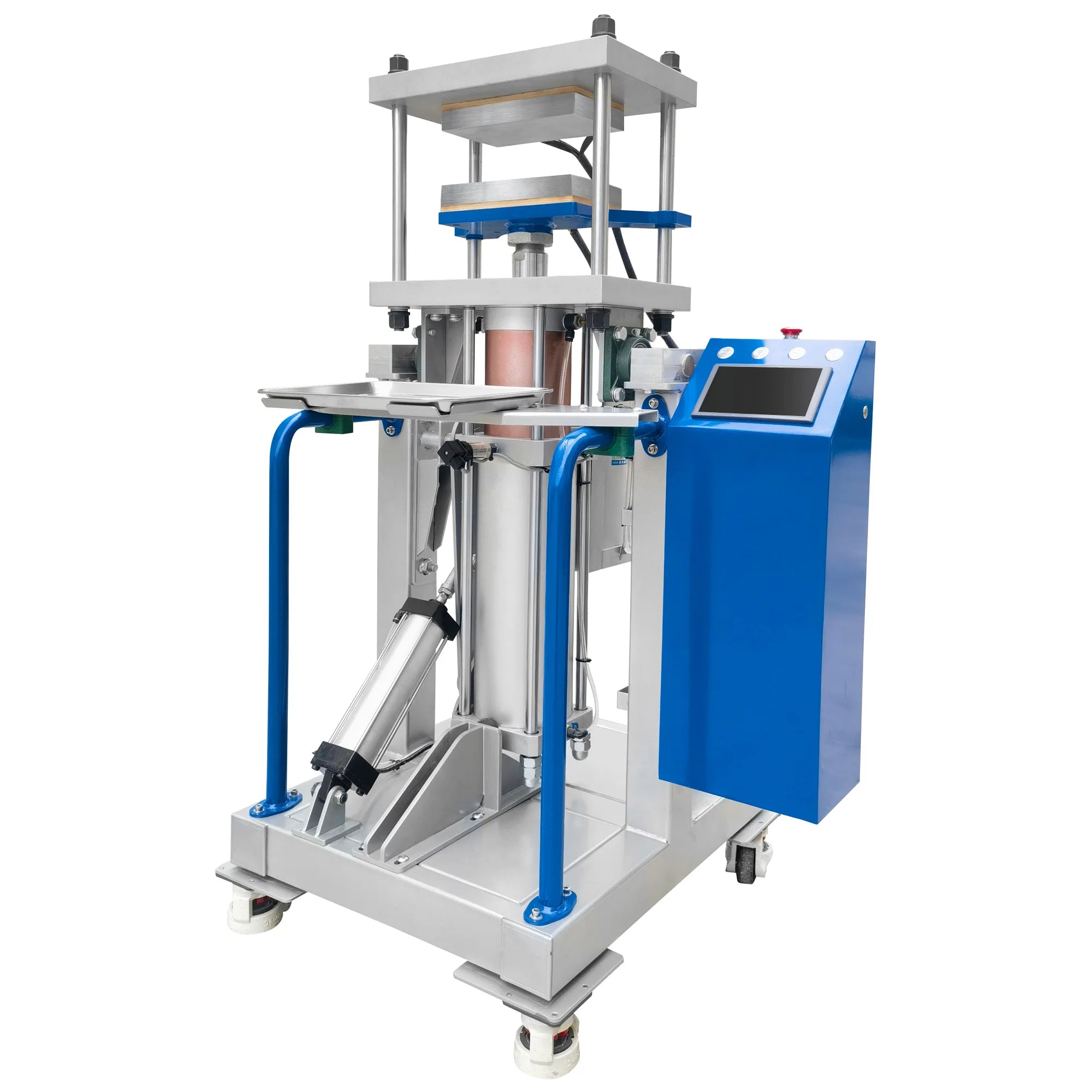
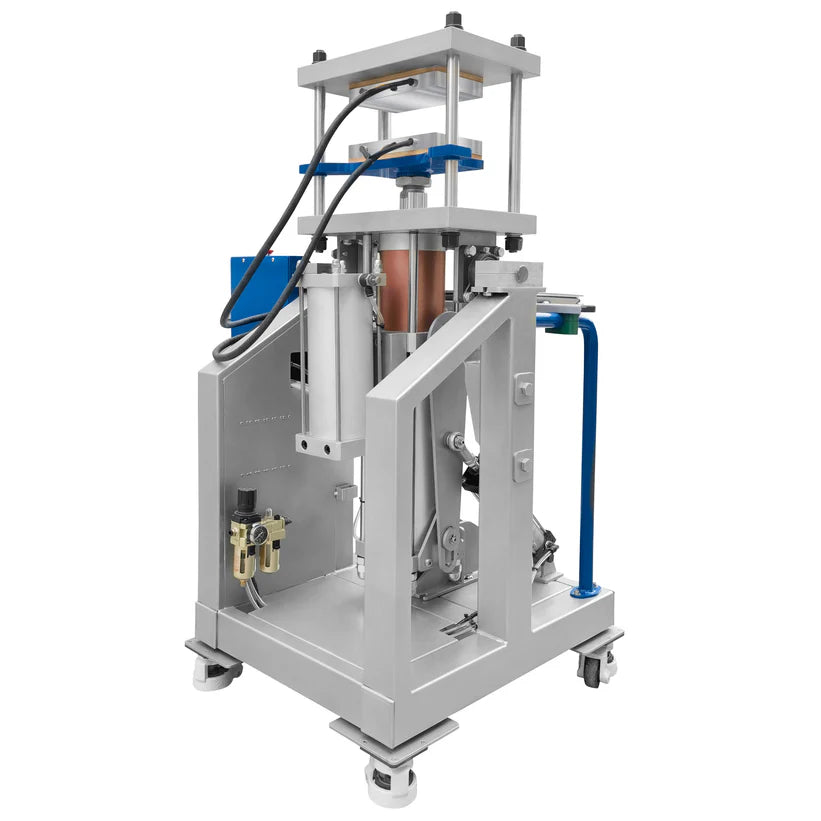
Pneumatic rosin presses use a compressed-air cylinder to drive the press plates together, delivering rapid, high-force closure and release with minimal operator effort. The pneumatic mechanism builds full press pressure in seconds - significantly faster than manual or electric ramp-up - making pneumatic presses the preferred format for commercial operations where cycle rate directly affects hourly output. A single operator running a pneumatic press can complete 20-40 press cycles per hour with consistent pressure on every cycle, a throughput rate that manual and many electric presses cannot match.
Compressed Air Requirements
Pneumatic rosin presses require a compressed air supply at the cylinder's rated inlet pressure - typically 80-120 PSI, well within the output range of standard workshop compressors. Compressor sizing: the air consumption per press cycle is modest (a brief burst of high-pressure air to close and release the cylinder), but high-frequency cycling in commercial production requires a compressor with adequate tank volume and CFM recovery rate to maintain supply pressure between cycles. A 60-gallon compressor at 5-7 CFM sustained output handles most single-press commercial cycling without pressure drop between cycles. For multi-press production rooms, size the compressor to the total concurrent air demand across all presses. See our full rosin press collection for all press types.
Pressure Control & Repeatability
Pneumatic presses apply pressure rapidly and at a level set by the air supply regulator - adjusting the regulator output pressure changes the cylinder force. Most commercial pneumatic presses include a pressure gauge on the air inlet for monitoring, and the cylinder force is consistent cycle-to-cycle at a given supply pressure. This repeatability - the same pressure on every cycle without operator variation - is a major production advantage over manual pressing. For the most precise pressure control with programmable profiles, electric presses provide more fine-grained control; for raw throughput at consistent commercial pressure, pneumatic is the industry standard. Fast shipping.
Pneumatic Rosin Presses FAQ
What compressor do I need for a pneumatic rosin press?
Most pneumatic rosin presses operate at 80-120 PSI inlet pressure - standard workshop compressor output. For a single press cycling at production pace, a 30-60 gallon tank compressor at 5-7 CFM sustained output is adequate; the compressor can recover between cycles without pressure drop at the press. For high-frequency cycling (multiple presses per minute or multiple presses running simultaneously), size up to a 60-80 gallon tank at 10+ CFM to maintain consistent inlet pressure through extended production runs. Pressure drop at the cylinder during a cycle results in lower-than-target plate force and inconsistent output quality.
How fast does a pneumatic press cycle compared to other types?
Pneumatic presses are the fastest-cycling press type. A full pneumatic cycle (close, hold 60-90 seconds, release) completes in under 2 minutes - the plate closure and release are nearly instantaneous, limited only by the press cycle time. Electric presses ramp up pressure more slowly (2-4 minutes total cycle) for more controlled pressure delivery. Manual presses are the slowest at 3-5+ minutes per cycle. For a commercial operation where throughput is critical, pneumatic presses can produce 30-40 cycles per hour per press versus 15-20 for electric and 10-15 for manual.
Is a pneumatic press louder than electric?
Yes - pneumatic presses produce two distinct noise events per cycle: the cylinder charging sound when air fills the cylinder to close the plates, and the exhaust sound when pressure releases at the end of the cycle. The exhaust burst is typically the louder event - a sharp compressed air release that can be reduced with a muffler on the exhaust port (available as an inexpensive accessory for most pneumatic press cylinder ports). In production environments where press noise is a concern, electric presses operate significantly more quietly. In dedicated production rooms where noise is not a factor, the minor noise of pneumatic cycling is not a practical concern.
What oil pressure rating do I need from a pneumatic press?
The relevant specification for extraction effectiveness is plate surface pressure (PSI at the plate), not the air inlet pressure. Pneumatic cylinder force depends on cylinder bore diameter and air supply pressure - a larger bore cylinder at 100 PSI supply delivers more force than a small bore cylinder. To understand actual plate pressure from a pneumatic press: cylinder force (lbs) = cylinder bore area (sq in) x supply pressure (PSI), then divide by plate area. Most commercial pneumatic rosin presses specify their rated force output in tons at a given supply pressure - verify this figure and calculate resulting plate PSI against your plate size before purchasing.
Can I retrofit an existing press frame with a pneumatic cylinder?
Yes - pneumatic cylinder conversion kits are available for standard H-frame press configurations, replacing a manual hydraulic jack with a pneumatic cylinder of equivalent or greater tonnage. Key compatibility checks: cylinder bore must fit within the frame throat, cylinder stroke must match the required plate travel distance, and the frame must be rated for the force the pneumatic cylinder generates. A frame rated for 12 tons with a manual jack should not be retrofitted with a 20-ton pneumatic cylinder without verifying the frame's structural capacity at that load. Source conversion components from the press frame manufacturer when possible.