Mycology Lab Equipment & Sterile Supplies
Advanced mushroom cultivation beyond ready-to-use kits requires a minimal laboratory setup for working with cultures in a clean, contamination-controlled environment. Contamination management is the defining challenge of mushroom cultivation - the substrates, temperatures, and nutrients that support mushroom mycelium also support the molds, bacteria, and competing fungi that are present on every surface in the environment. Sterile technique, practiced consistently with appropriate equipment, creates a workflow where mycelium can be transferred, expanded, and inoculated into substrate without introducing contamination that would outcompete the mushroom culture.
Core Equipment
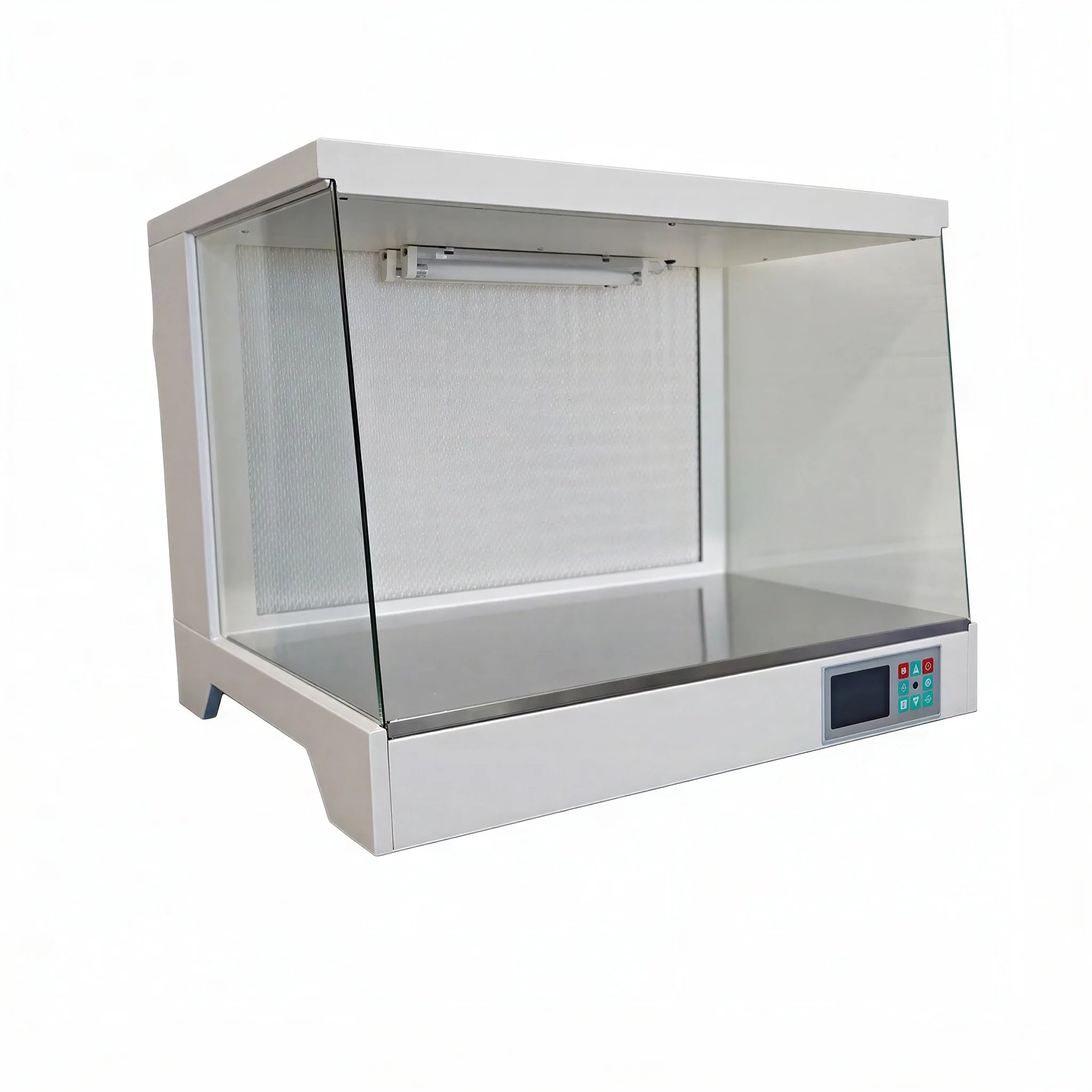
A still air box (SAB) is the minimum equipment for aseptic work - a clear plastic container with arm holes that creates a low-turbulence air environment inside, dramatically reducing the airborne particle load that contact work surfaces during culture transfers and inoculations. A laminar flow hood (HEPA-filtered positive pressure hood) is the commercial standard, producing a continuous stream of HEPA-filtered air across the work surface that virtually eliminates airborne contamination - the difference between perhaps 70-80% contamination-free success in a still air box and 95-99%+ in a flow hood. Agar plates and jars allow the expansion and isolation of mushroom cultures for visual assessment and indefinite storage of genetic material. A pressure cooker or autoclave sterilizes grain spawn, supplemented substrate, and agar media. Sterile syringes and inoculation loops complete the basic liquid culture and agar transfer toolkit. Browse the full mushroom cultivation collection for equipment alongside substrate and spawn.
Agar Work
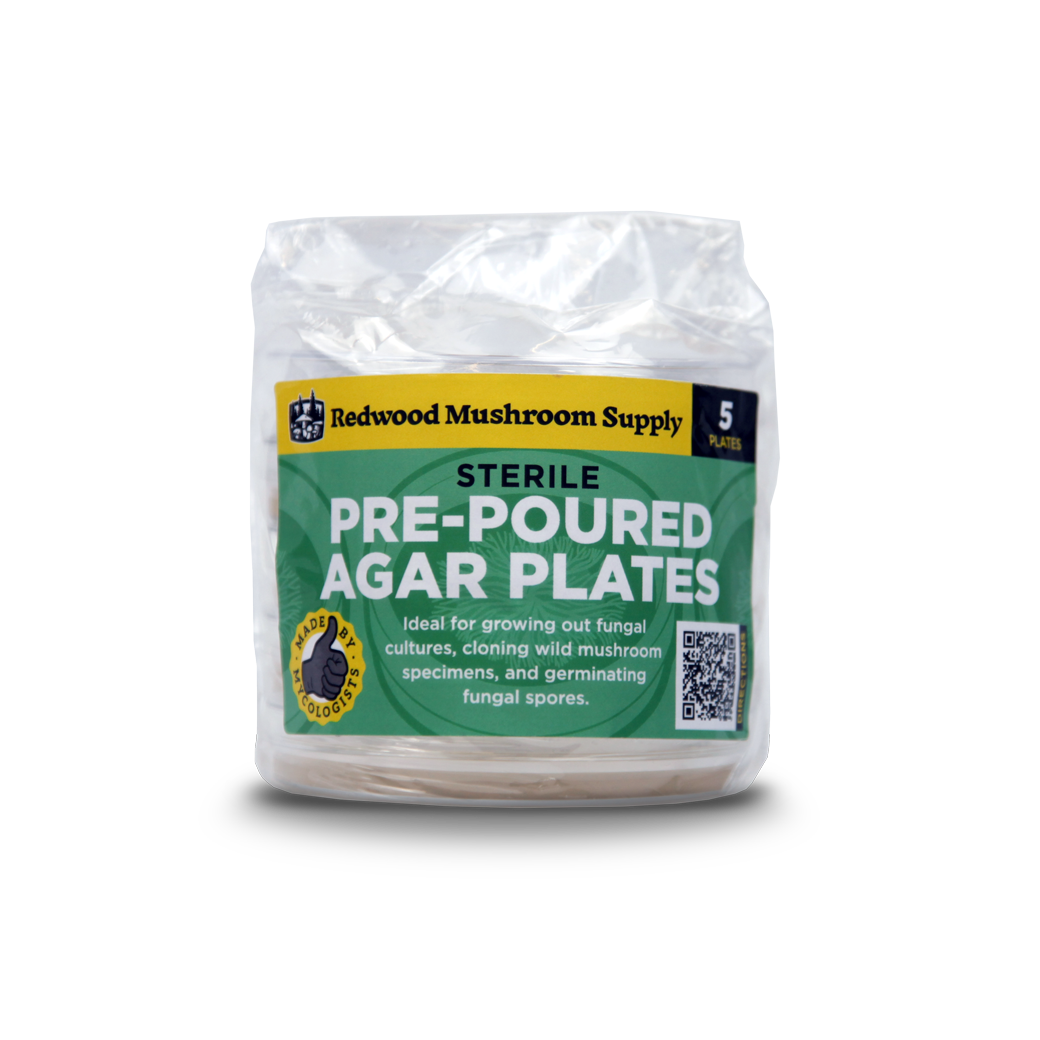
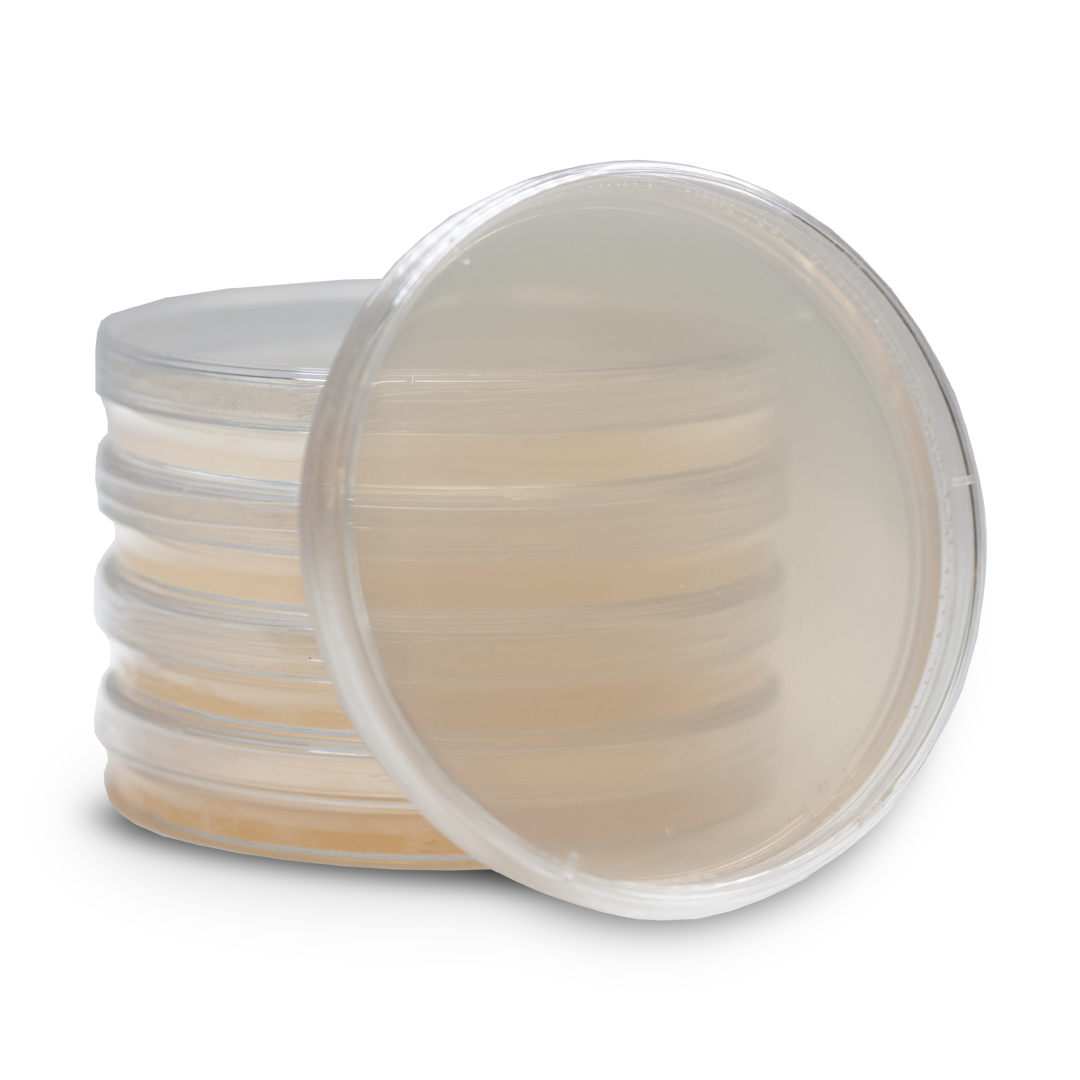
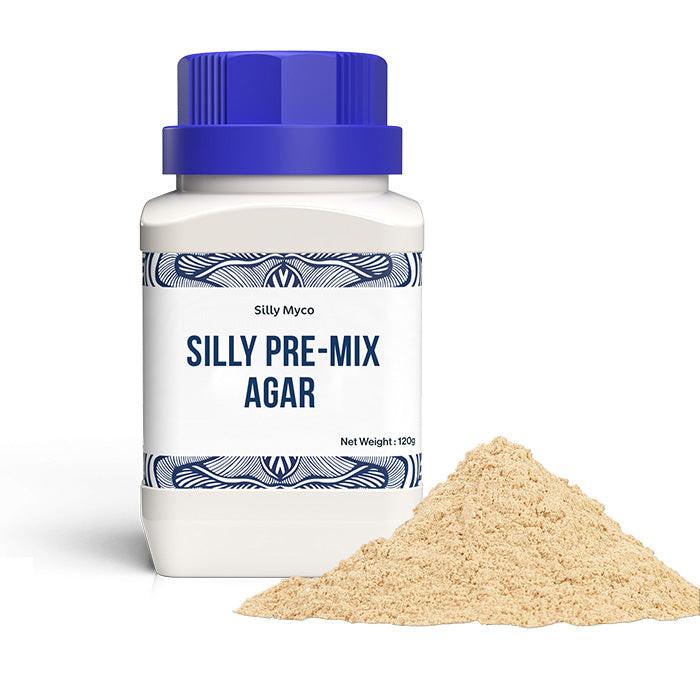
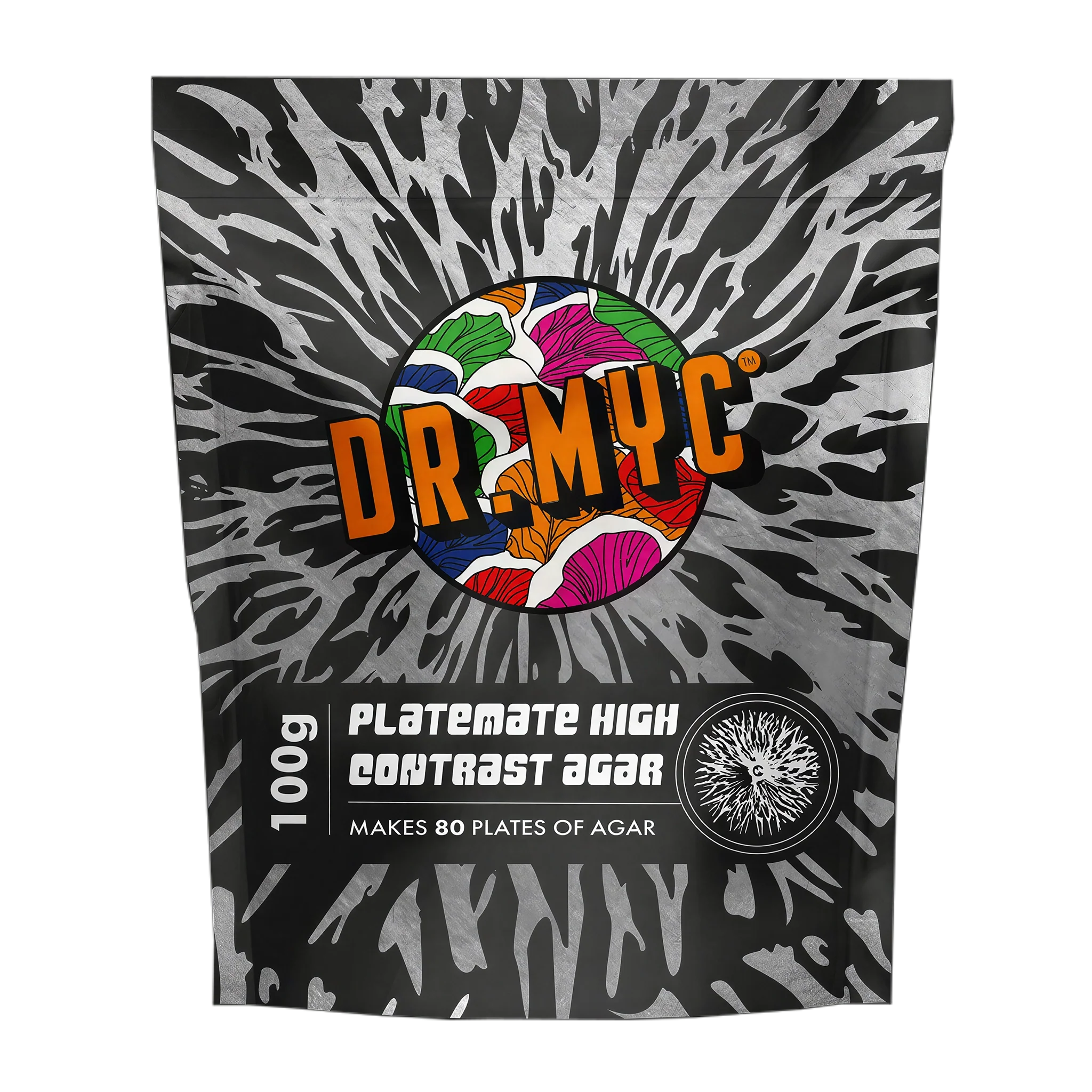
Agar plates allow visual assessment of culture health and contamination, isolation of clean sectors from partially contaminated cultures, and long-term culture storage at refrigerated temperatures. Potato dextrose agar (PDA) and malt extract agar (MEA) are the two most common mushroom agar formulations. Fast shipping.
Mycology Lab Equipment FAQ
Do I need a flow hood or will a still air box work?
A still air box is adequate for small-scale hobby cultivation and is the right starting point for new cultivators - it dramatically reduces contamination rate compared to working in open air, costs under $30 to make from a clear storage bin, and produces acceptable results with good technique. A laminar flow hood produces significantly higher success rates (especially for agar work and liquid culture transfers) and is the appropriate investment for anyone running regular spawn production or working with slow-colonizing cultures where contamination window is long. If still air box technique is producing contamination rates above 10-15%, a flow hood is the upgrade that addresses the root cause.
What agar formula is best for mushroom cultivation?
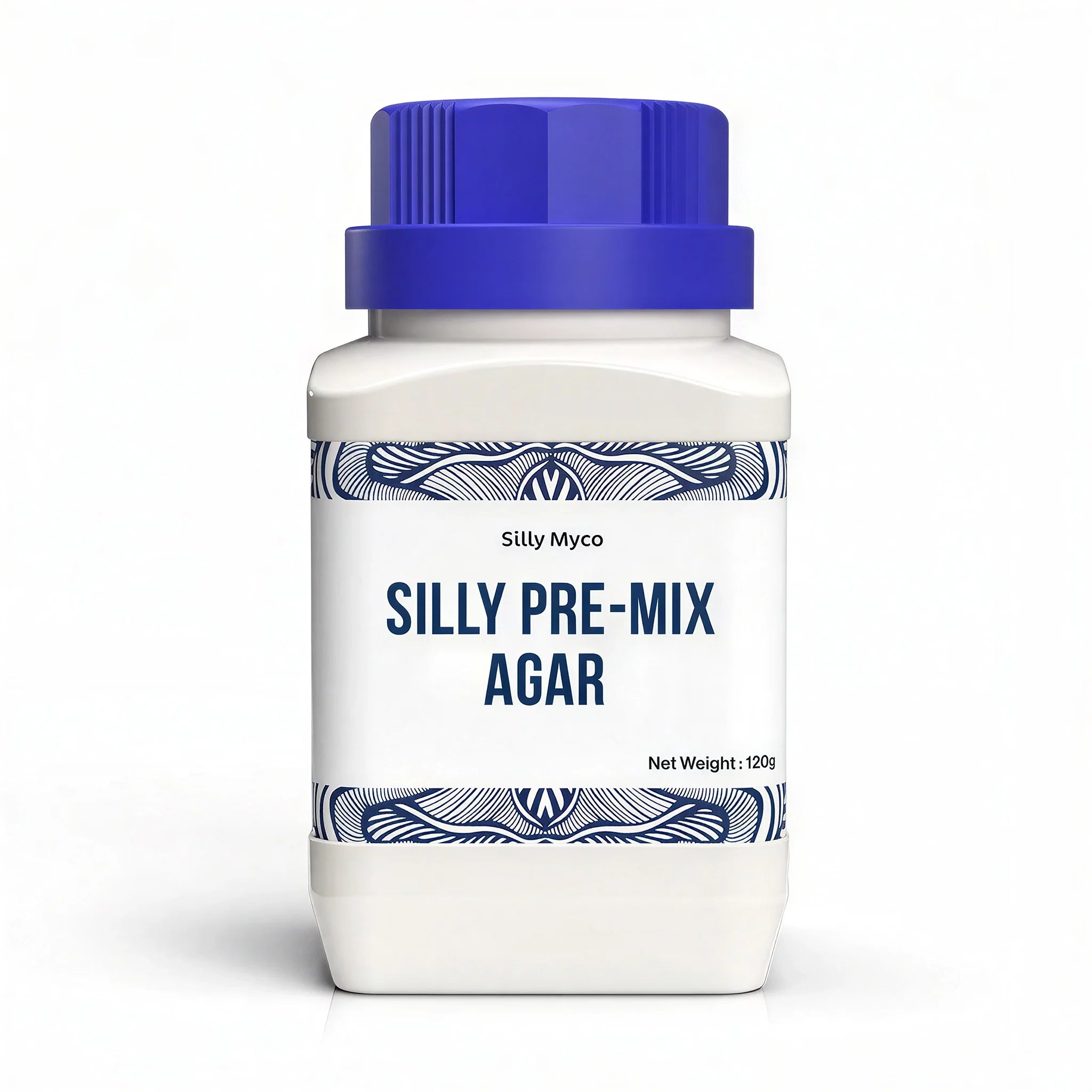
Potato dextrose agar (PDA) and malt extract agar (MEA) are the two most widely used mushroom agar formulations, and both work well for most cultivated species. PDA uses potato extract and dextrose as carbon and nutrient sources - widely available as pre-made powder, affordable, and supports vigorous mycelium growth for most wood-decomposing species. MEA uses malt extract - slightly preferred by some cultivators for its nutrient profile that more closely mirrors wood-based substrate chemistry. The difference in practice is minor; choose whichever is available from your supplier in the quantity you need.
How do I sterilize agar media and tools?
Agar media: prepare the agar solution in a flask or jar sealed with foil, and sterilize in a pressure cooker at 15 PSI for 20-30 minutes. Pour into petri dishes in the still air box or flow hood while the agar is still liquid (above 55 degrees C), allow to solidify, then seal and store inverted at 35-40 degrees F until use. Inoculation tools (scalpels, loops): flame-sterilize in an alcohol lamp or butane torch flame until red hot, then allow to cool for 3-5 seconds before contact with culture or agar. Never work in open air - always inside the still air box or flow hood.
What is liquid culture and why do cultivators use it?
Liquid culture (LC) is mushroom mycelium suspended in a sterilized nutrient broth (typically water with honey, light malt extract, or dextrose at low concentration). The mycelium grows as small suspended fragments throughout the liquid and can be drawn into a syringe and injected directly into sterilized grain bags or substrate bags through a self-healing injection port. Liquid culture is faster to inoculate than agar plates (no transfer steps), produces faster colonization than spore syringes (mycelium vs. germinating spores), and can be expanded into multiple syringes from one culture for inoculating large substrate batches.
How do I store mushroom cultures long-term?
Refrigerated agar plates (35-40 degrees F): viable for 6-12 months depending on species - the standard short to medium-term storage method. Refrigerated liquid culture syringes: 3-6 months. Grain spawn (refrigerated): 3-6 months. Long-term storage (1-5+ years): cryogenic storage in liquid nitrogen or deep freeze (-80 degrees C) with cryoprotectant preserves culture viability indefinitely - used by culture banks and serious cultivators maintaining extensive genetic libraries. For hobby use, maintaining active cultures on agar plates and refreshing every 6 months is practical without cryogenic infrastructure.