Mushroom Growing Kits for Home & Commercial Cultivation
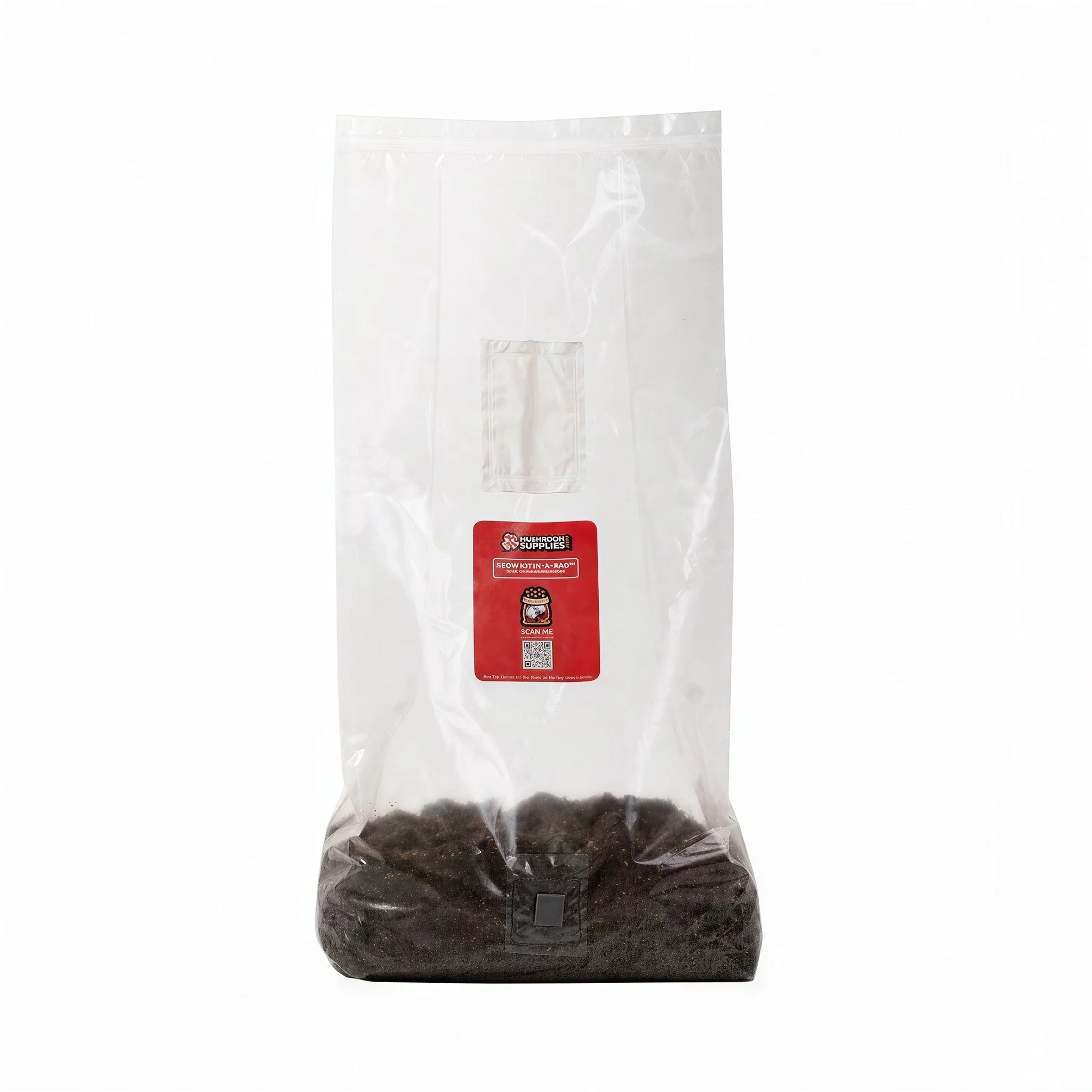
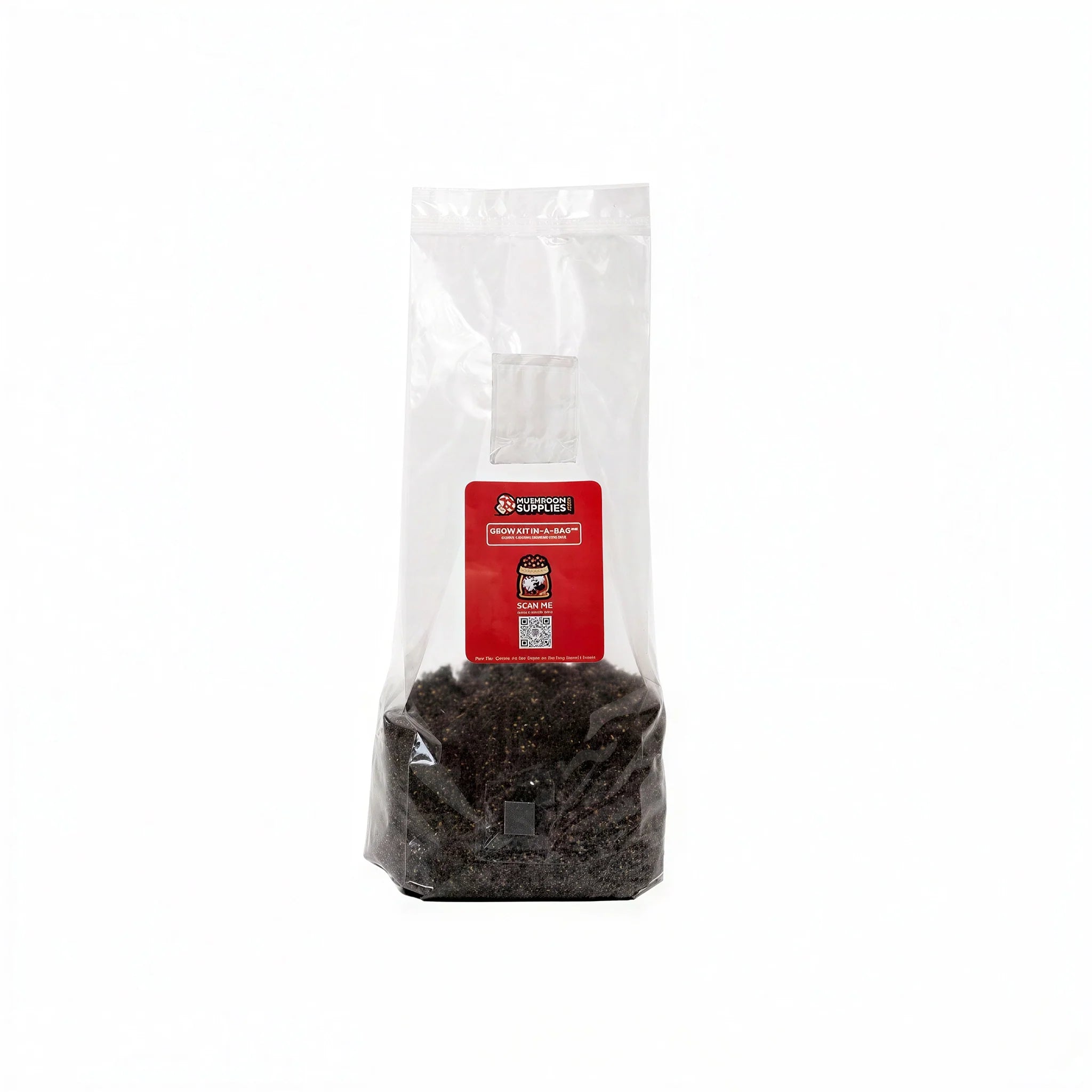
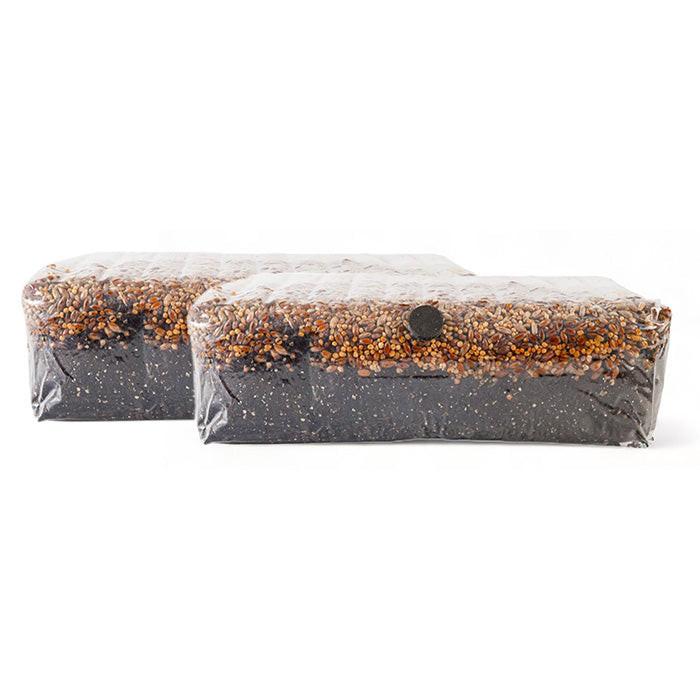
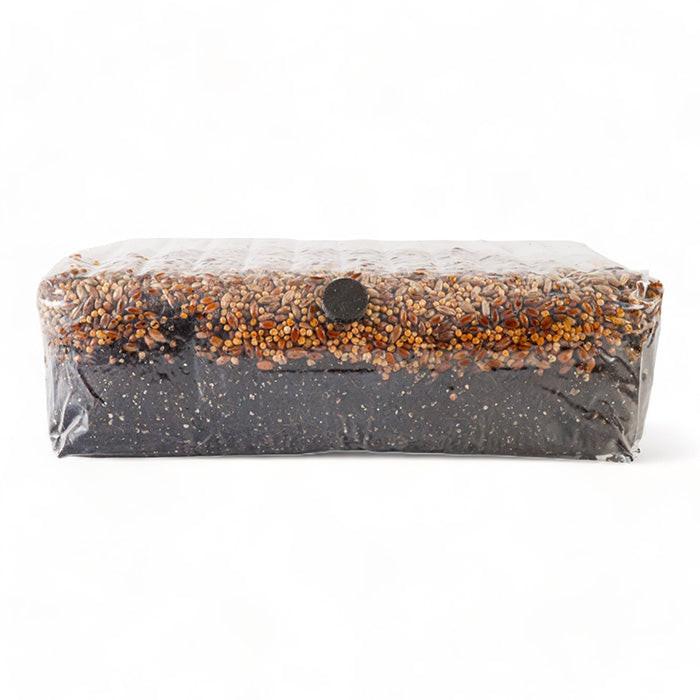
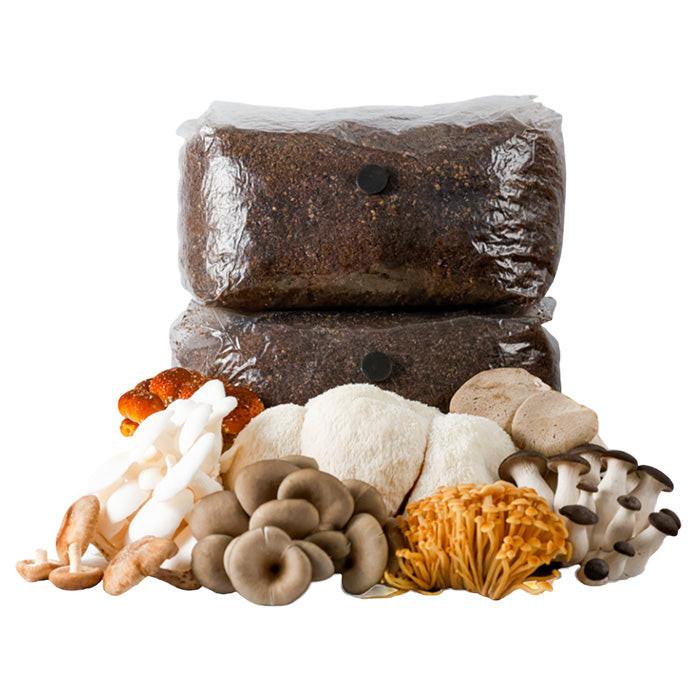
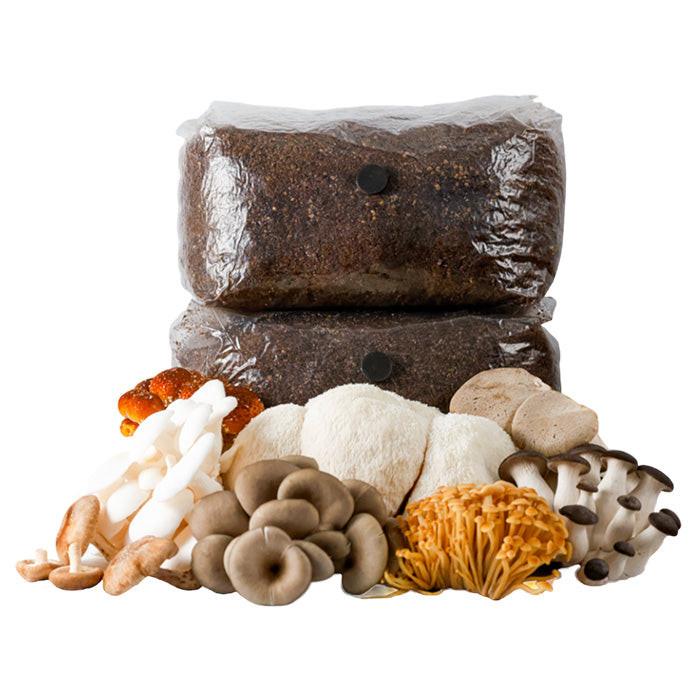
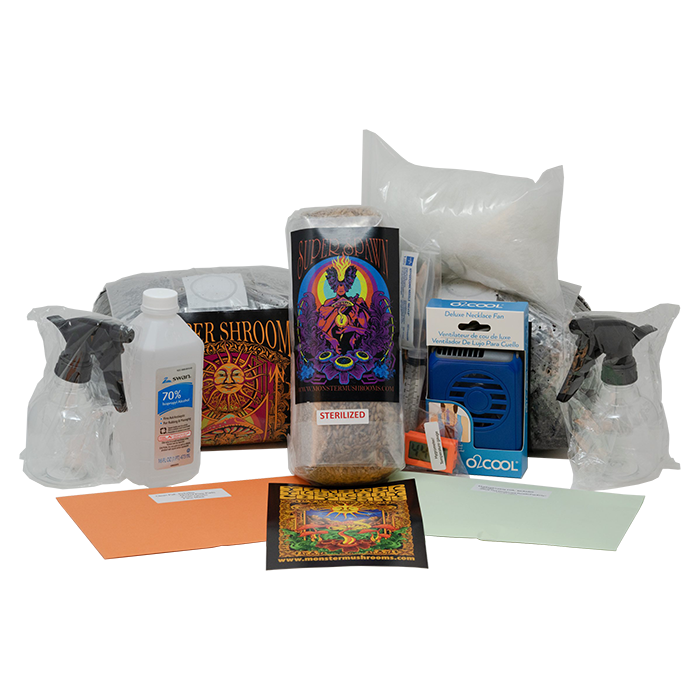
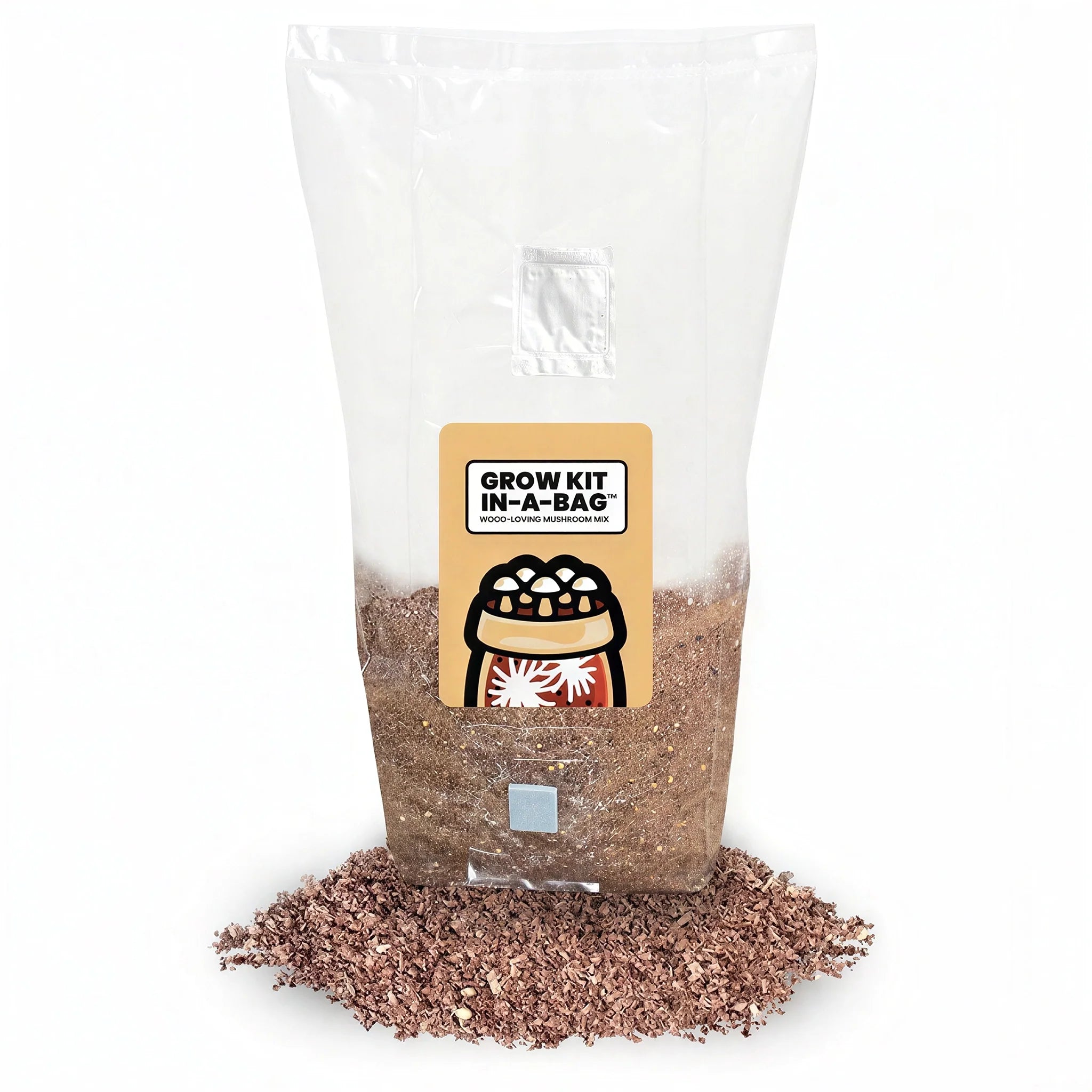
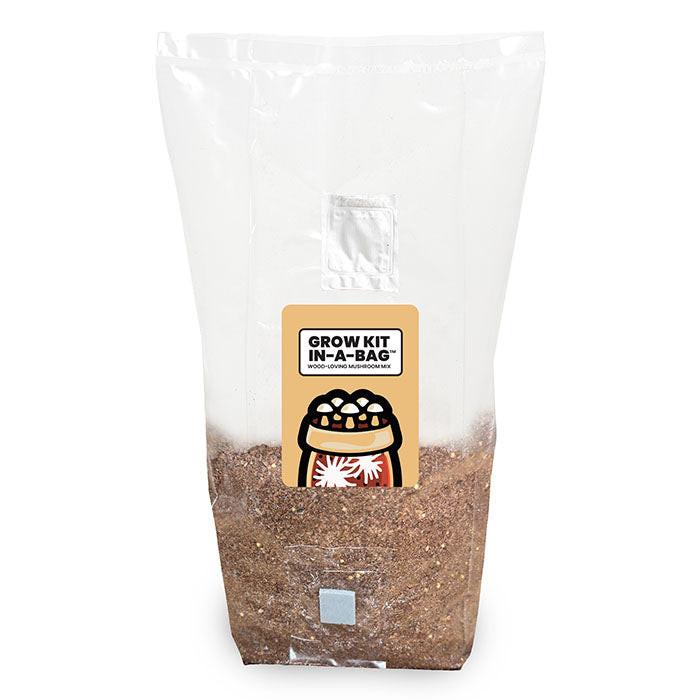
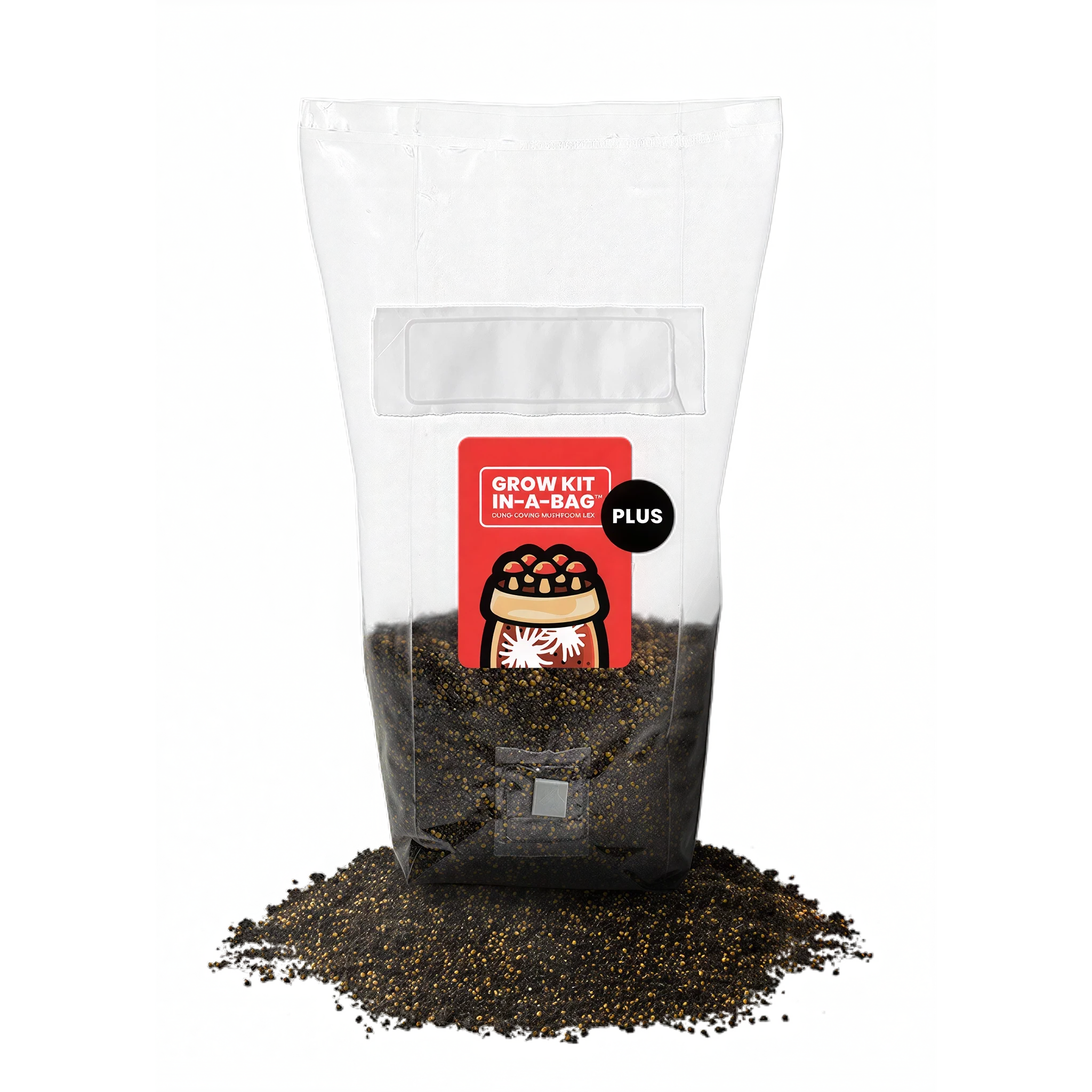
Mushroom growing kits provide the fastest and most accessible path to cultivating fresh gourmet mushrooms at home - a fully colonized substrate block or bag that requires only the right environmental conditions (high humidity, fresh air exchange, appropriate temperature) to produce its first flush of mushrooms within 1-2 weeks of opening. All the technical work of substrate preparation, sterilization, inoculation, and colonization has been completed by the kit manufacturer - the end user simply provides fruiting conditions and harvests. For anyone curious about mushroom cultivation but not yet ready to invest in learning substrate preparation and sterile technique, a ready-to-fruit kit is the lowest-barrier starting point.
Kit Formats
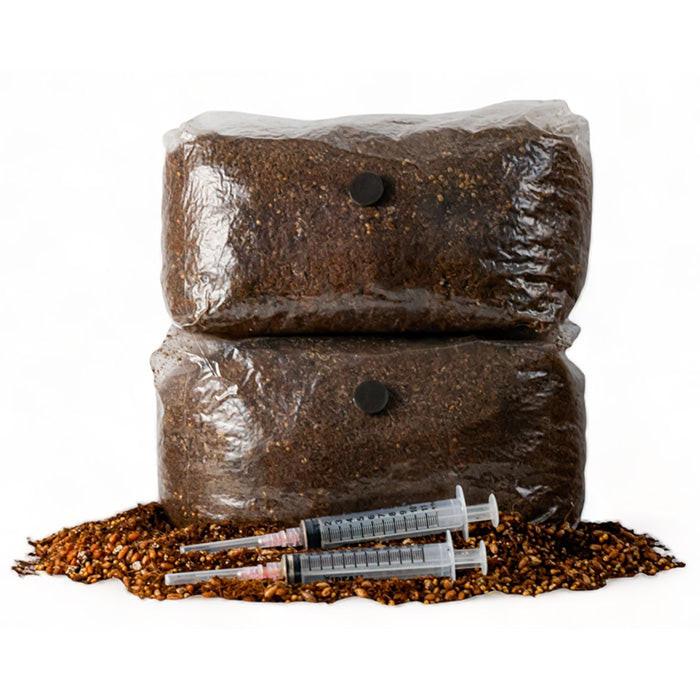
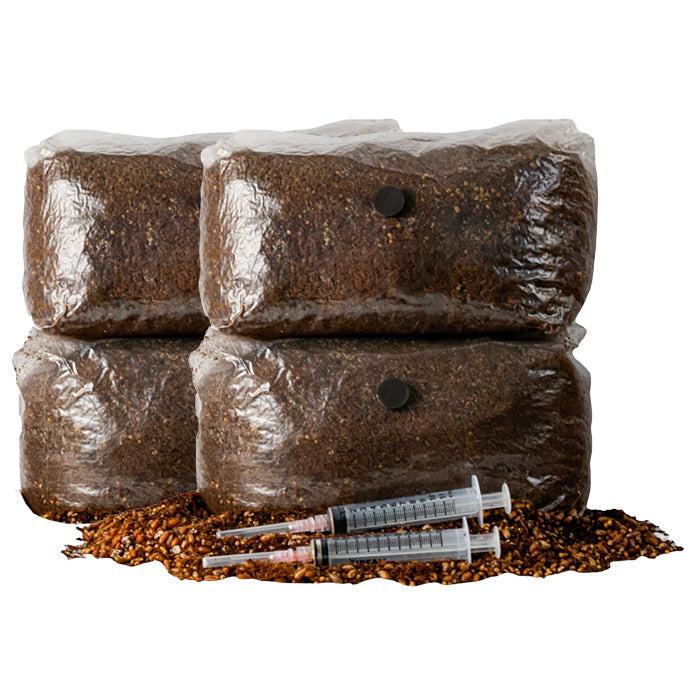
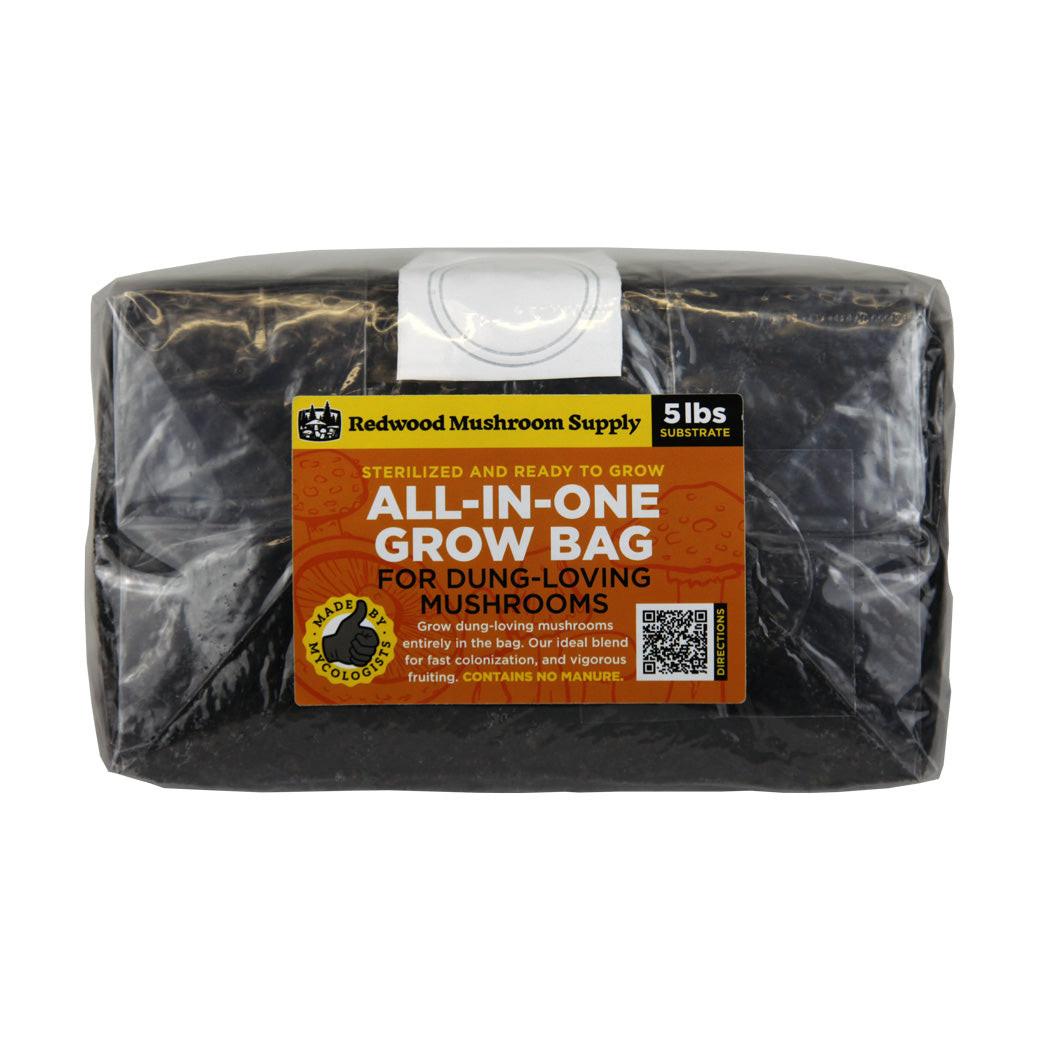
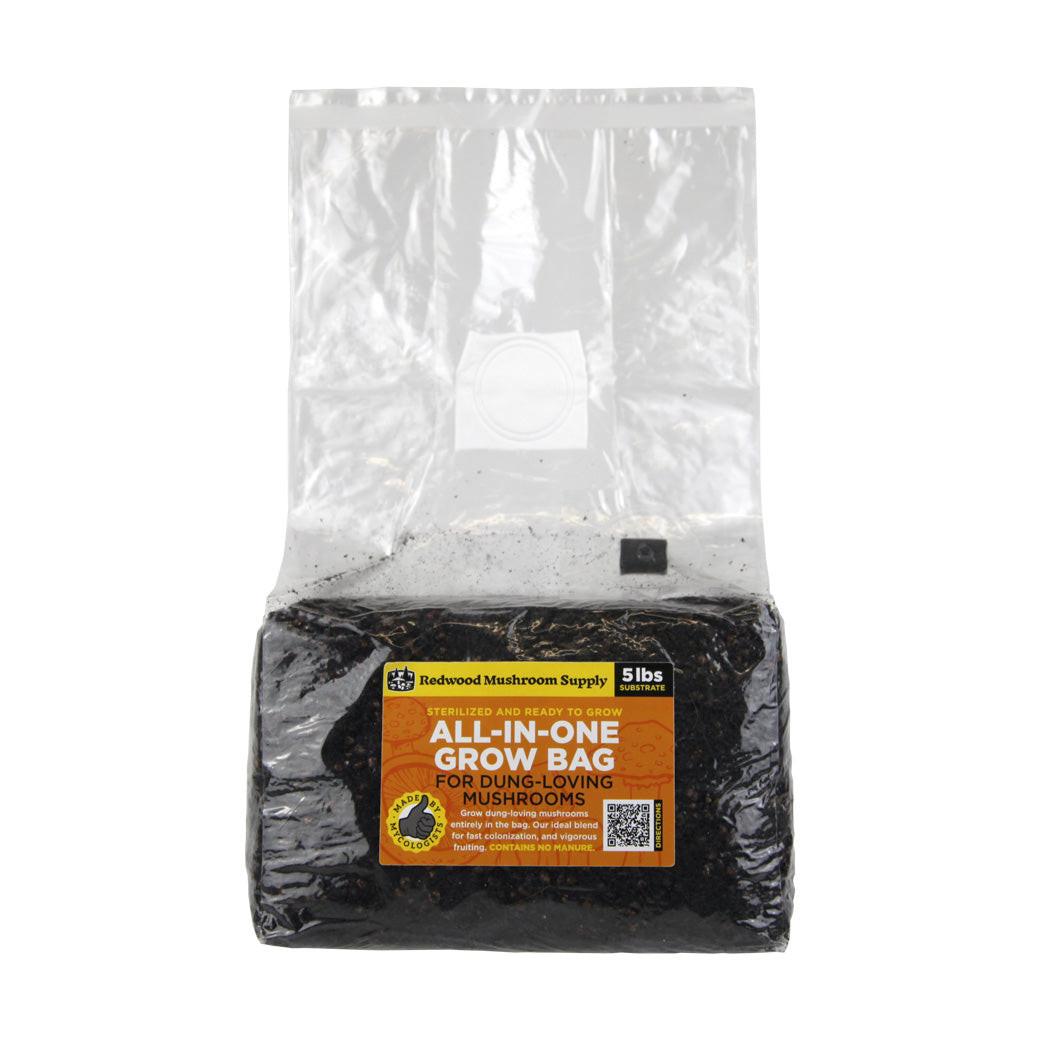
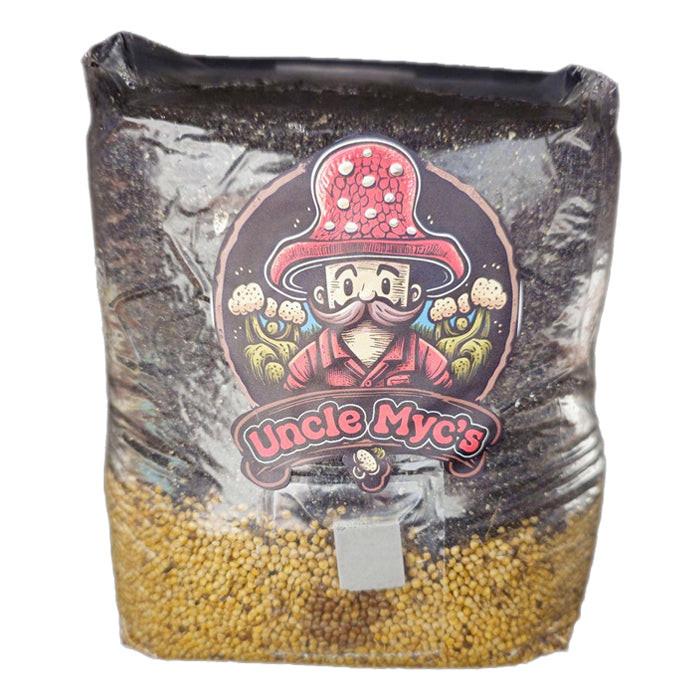
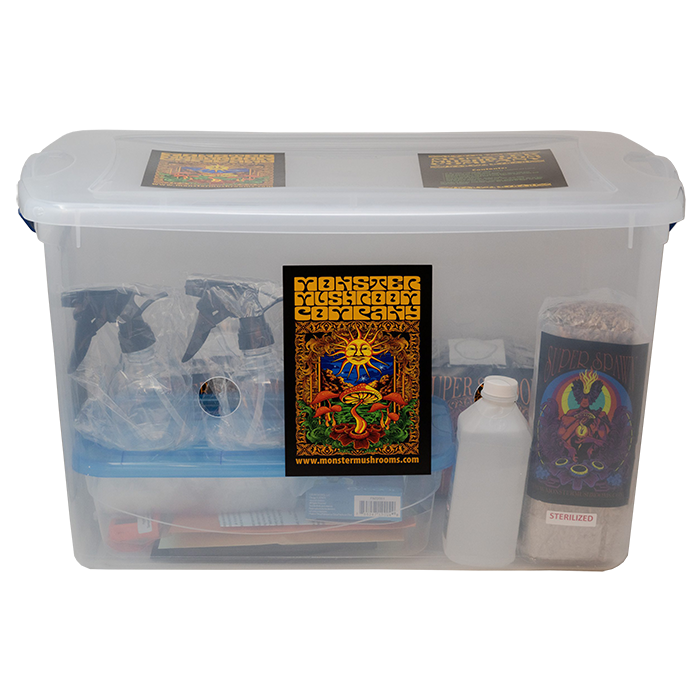
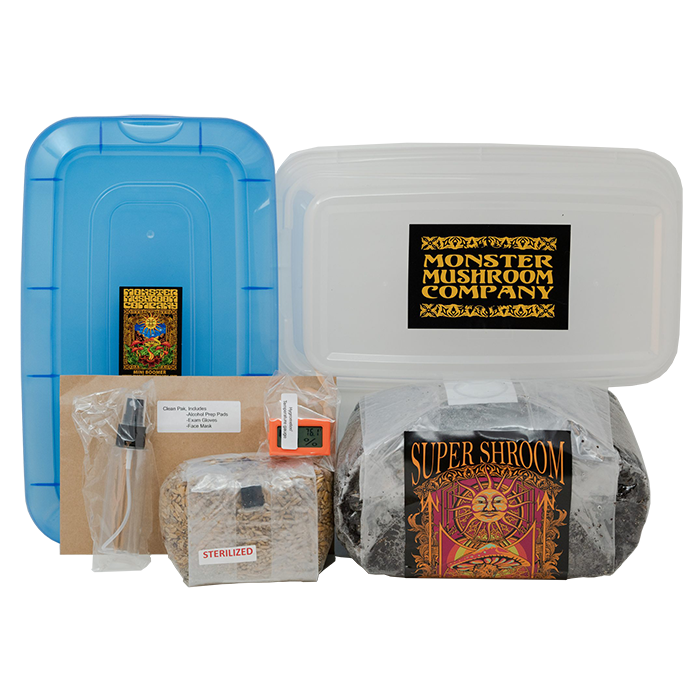
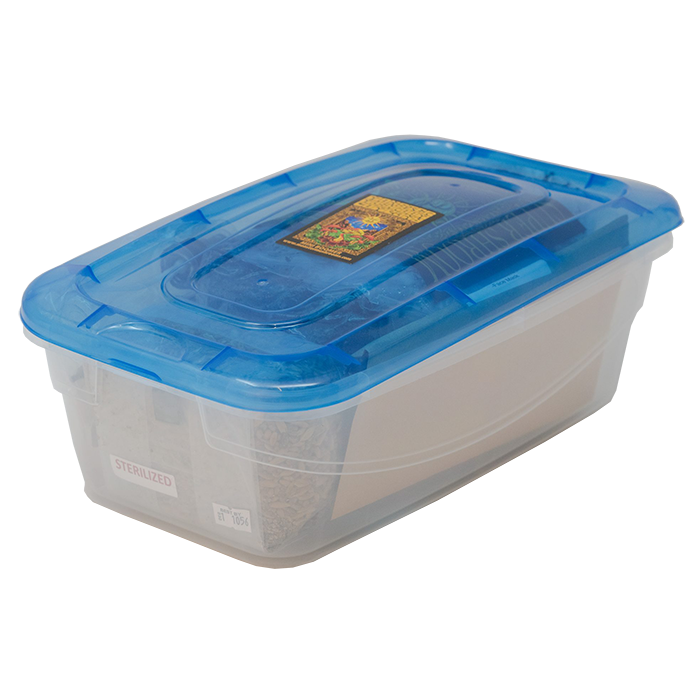
Block kits are fully colonized sawdust or grain substrate blocks, typically sold in 3-10 lb formats, ready to fruit immediately or after a brief rest period. Most produce 2-4 flushes of mushrooms before the substrate is depleted. The most common species in kit format: oyster mushrooms (multiple color varieties), lion's mane, shiitake, and king oyster. Bucket and box kits include the colonized substrate in a self-contained growing vessel with pre-cut fruiting holes and humidity maintenance instructions. Jar kits (for small kitchens and countertop cultivation) provide a colonized substrate in a mason jar format that fruits from the open top. Browse our complete mushroom cultivation collection for kits alongside substrate, spawn, and equipment for growers ready to build their own cultivation workflow.
Fruiting Conditions
All mushroom growing kits require the same basic fruiting conditions regardless of format: high relative humidity (80-95% RH at the mushroom surface), fresh air exchange to prevent CO2 accumulation that causes elongated stems and poor cap development, appropriate temperature for the species (most common kit species fruit at 60-75 degrees F), and indirect or ambient light (mushrooms do not photosynthesize but light intensity signals orientation to fruiting bodies). A grow tent with a small humidifier or daily misting handles humidity; a small fan on a timer provides air exchange. Fast shipping.
Mushroom Growing Kits FAQ
How do I use a mushroom growing kit?
Most block-style mushroom growing kits follow the same basic process: open the kit packaging and expose the colonized block surface; mist the exposed surface with clean water; place in a location with indirect light, 60-75 degrees F temperature, and good air circulation; mist once or twice daily to maintain surface moisture; and harvest mushrooms when caps are fully developed but before they begin to flatten and sporulate. After the first flush, allow the block to rest 5-10 days between flushes by reducing misting frequency. Detailed species-specific instructions are included with all kits.
How many flushes can I get from a mushroom growing kit?
Most block-format mushroom kits produce 2-4 flushes before the substrate nutrition is depleted. First flush yield is typically the largest; subsequent flushes produce smaller but still significant harvests. Total yield from a quality 5-pound block kit: 1-2 pounds of fresh mushrooms across all flushes for oyster species; 0.5-1 pound for shiitake and lion's mane (slower-fruiting species). After the final flush, the spent substrate can be added to a compost pile or garden bed as a soil amendment.
Why are my mushrooms growing long and thin instead of forming normal caps?
Elongated, thin-stemmed mushrooms with small underdeveloped caps are a classic sign of CO2 accumulation - the fruiting environment has insufficient fresh air exchange. Mushrooms produce CO2 as a metabolic byproduct; in enclosed spaces without ventilation, CO2 accumulates and the mushroom responds by growing toward the opening (increasing stem length) rather than expanding the cap. Solution: improve fresh air exchange in the fruiting space - add a small fan that creates gentle air movement, fan the growing area manually several times daily, or open the growing tent regularly for air exchange. The cap-to-stem ratio should normalize quickly once fresh air is introduced.
What temperature do mushroom growing kits need?
Temperature requirements vary by species: oyster mushrooms (Pleurotus ostreatus and blue/grey varieties) fruit best at 55-65 degrees F; pink oyster (P. djamor) prefers 65-80 degrees F and is the most heat-tolerant common kit species; lion's mane fruits at 65-75 degrees F; shiitake fruits at 55-75 degrees F depending on the strain. Most kit instructions specify the optimal fruiting temperature range for the species included. Home temperatures of 65-72 degrees F suit most common kit species. Temperatures above 80 degrees F slow or stop fruiting in most temperate species.
Can I grow mushrooms in a grow tent with my plants?
A dedicated mushroom grow tent is preferable to sharing space with plants for several reasons: mushrooms need 80-95% RH which is too humid for most plants; mushroom spore release during maturation can affect plant health (particularly in large volumes) and is an allergen concern for humans; and the competing needs for air exchange (mushrooms need fresh air; some plant programs want to maintain CO2 levels) make shared spaces difficult to manage optimally. For small-scale home mushroom cultivation alongside a plant growing room, a separate small tent or enclosed fruiting chamber is the practical solution.