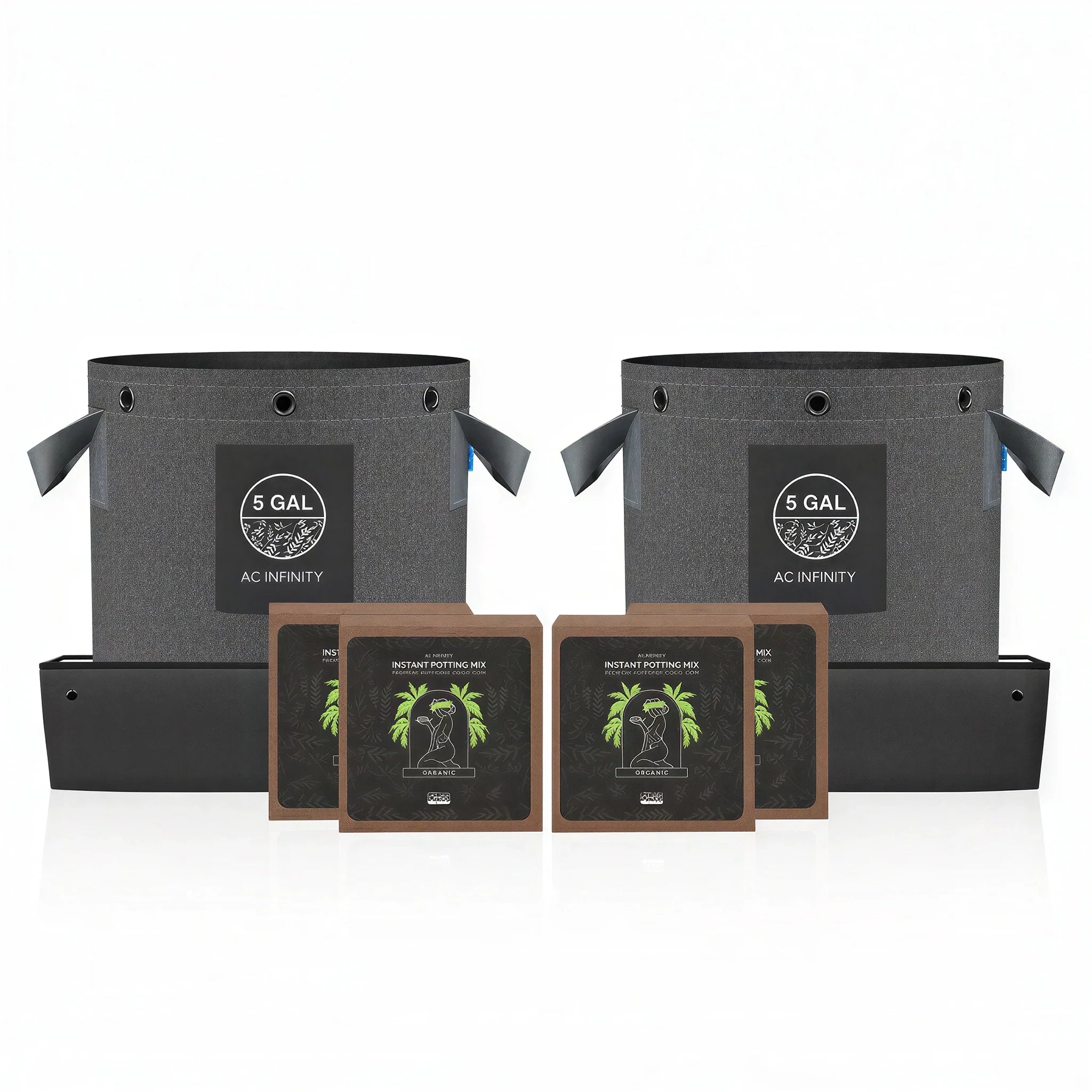
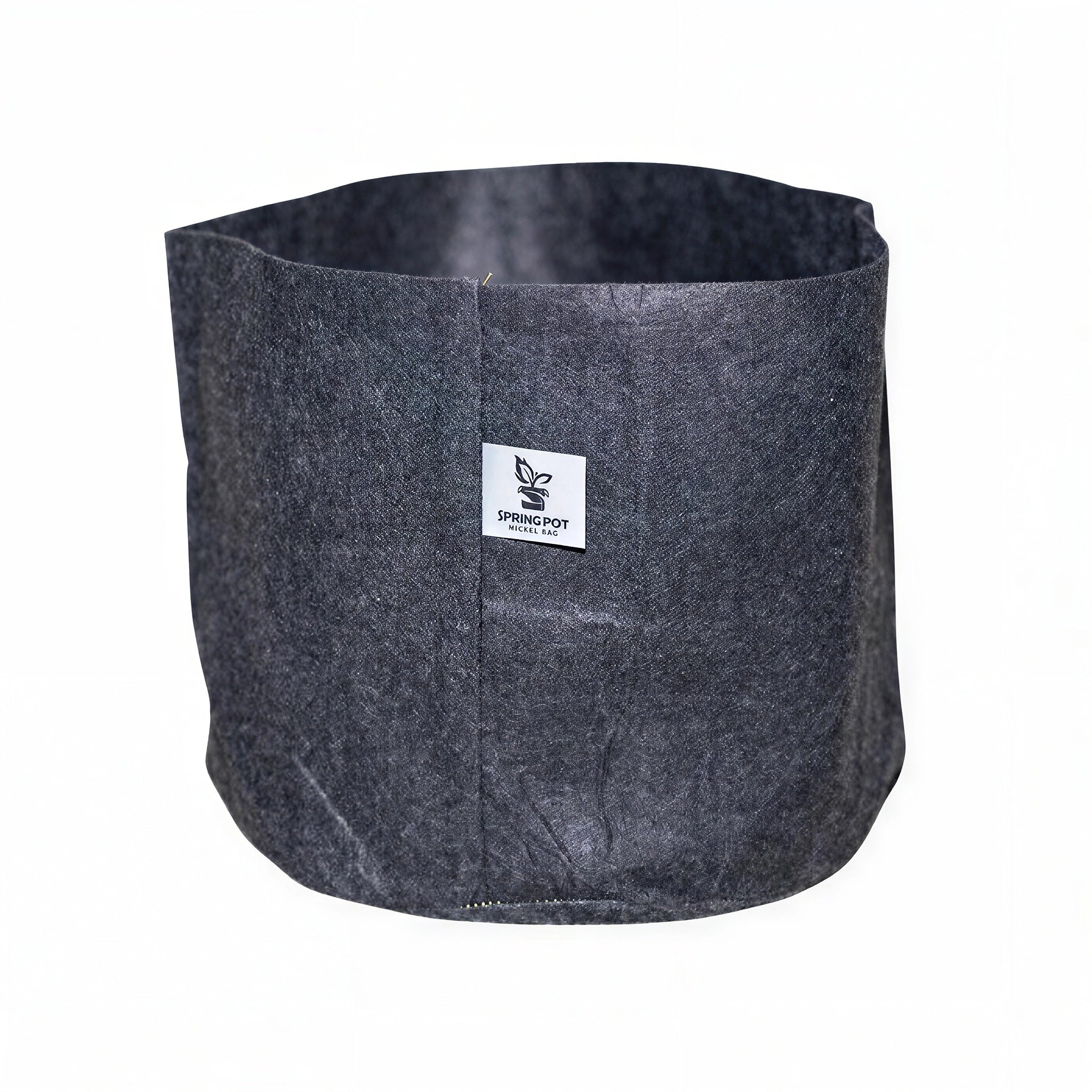
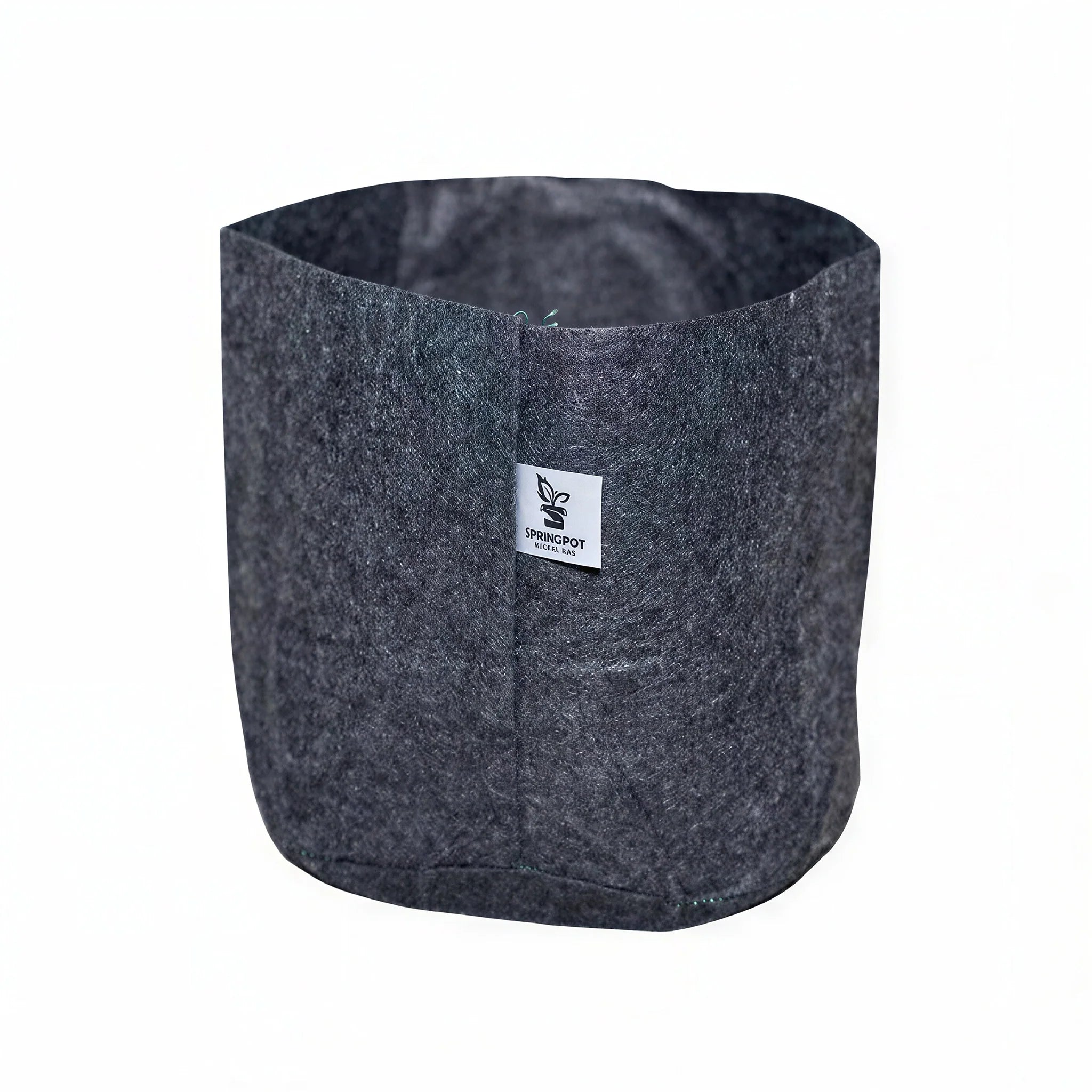
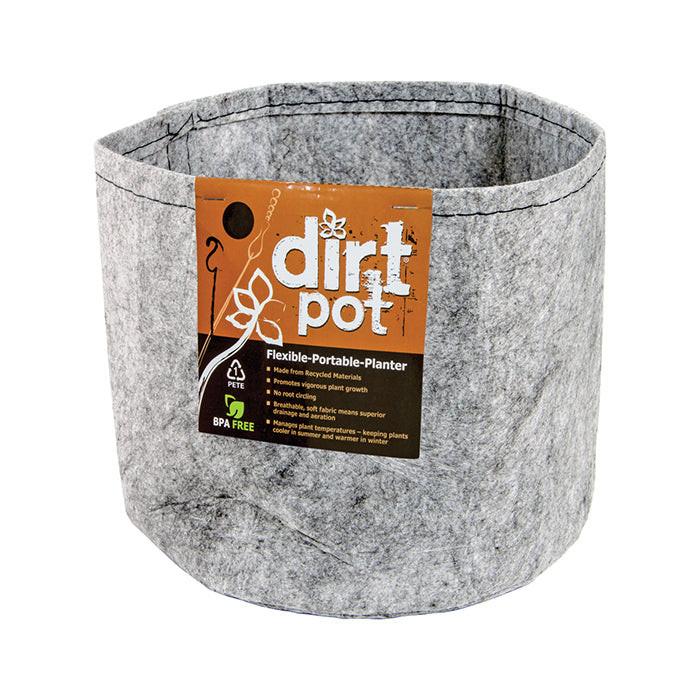
Fabric Pots & Fabric Grow Bags
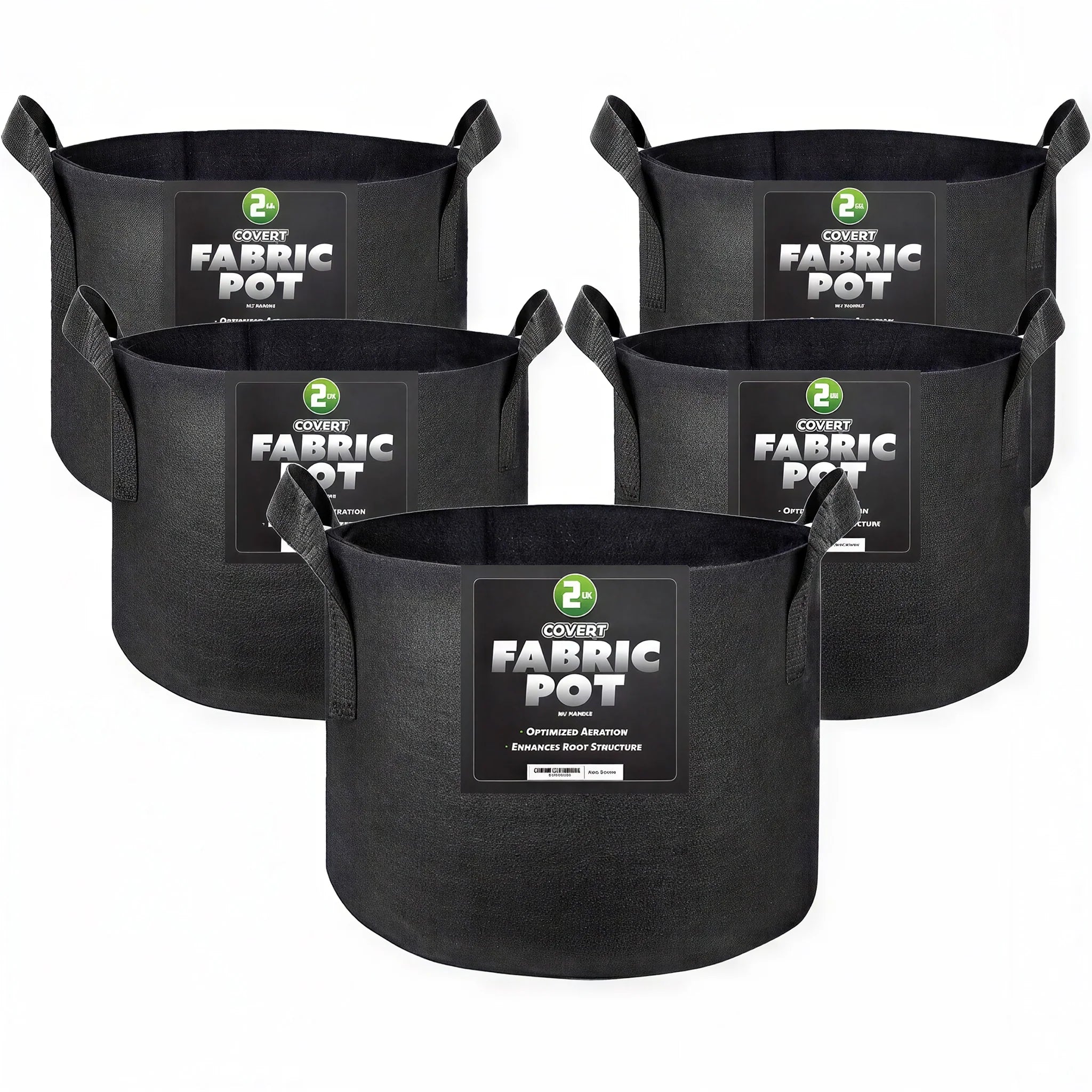
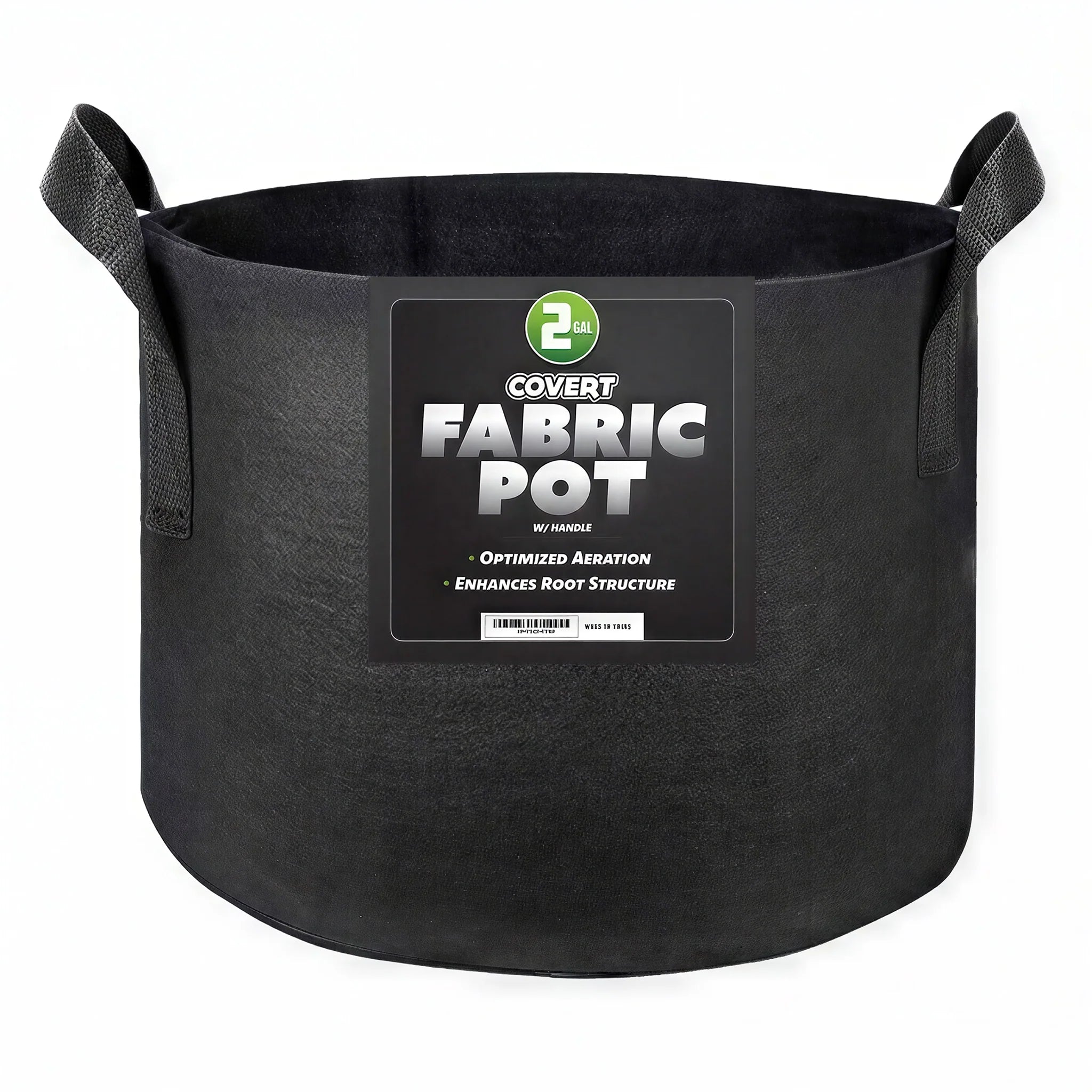
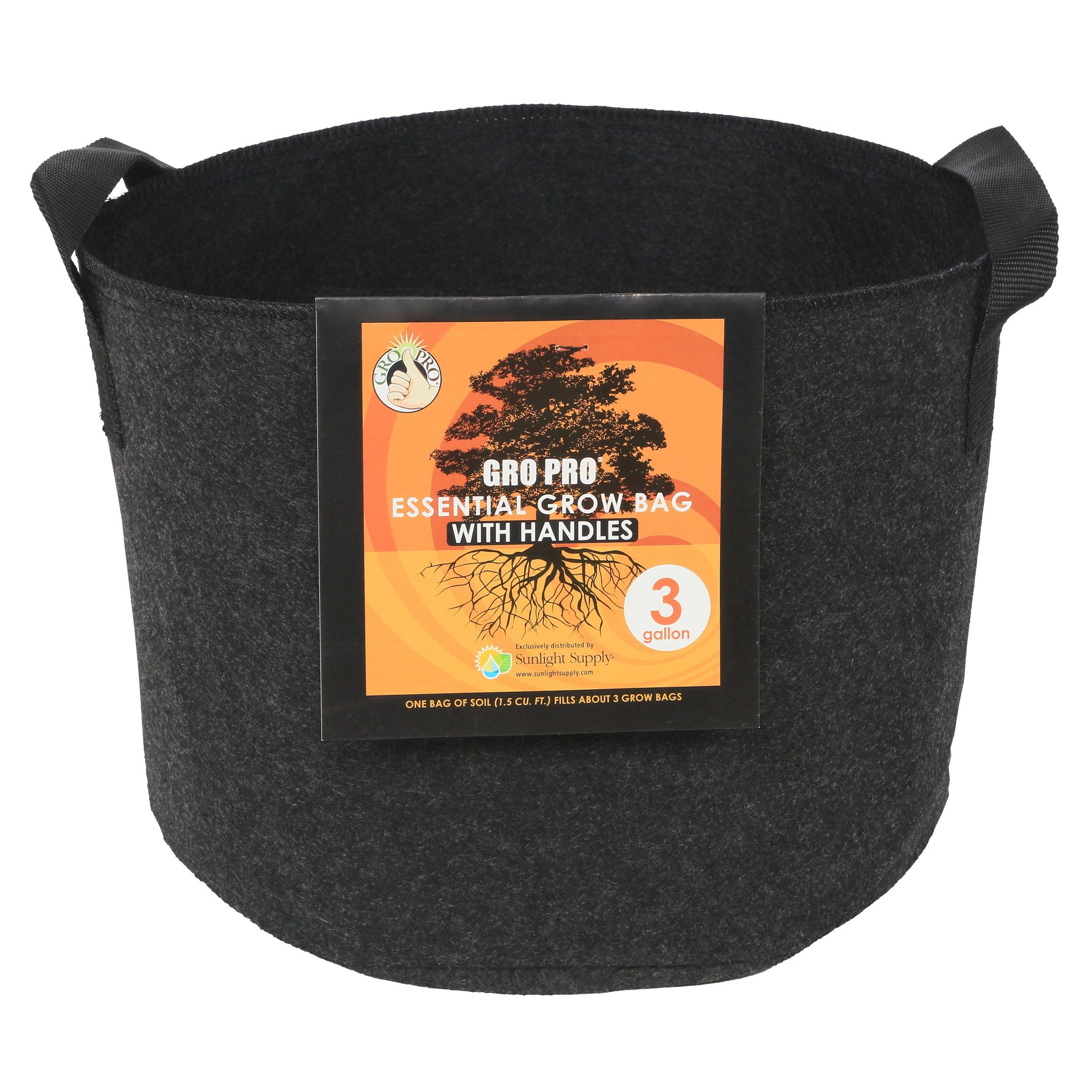
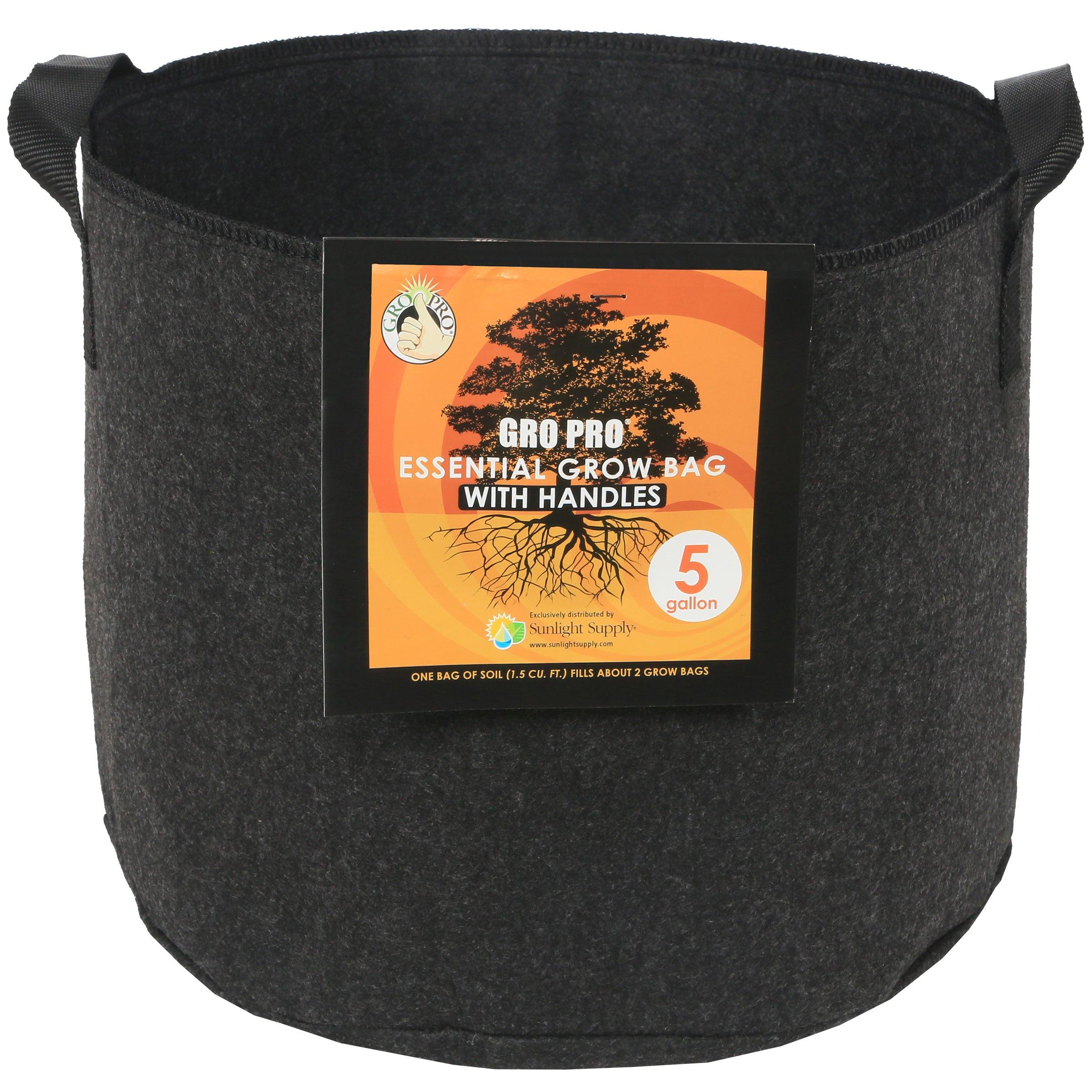
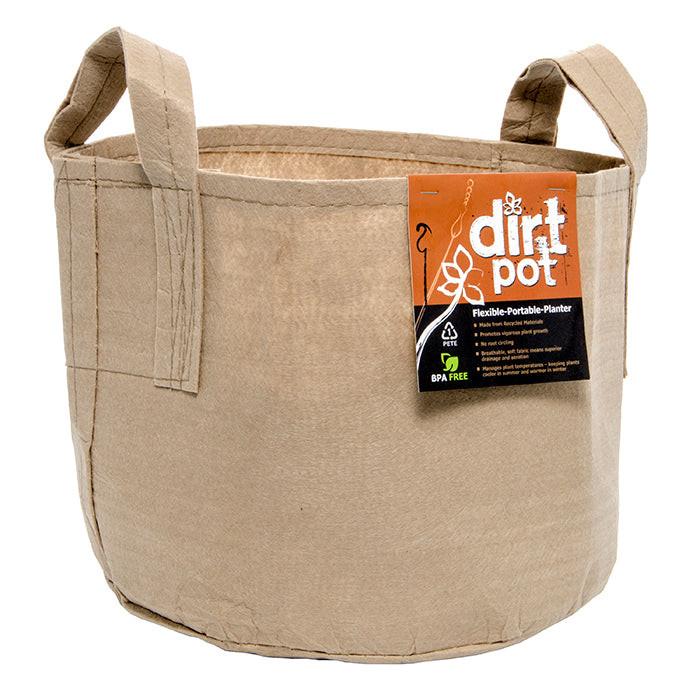
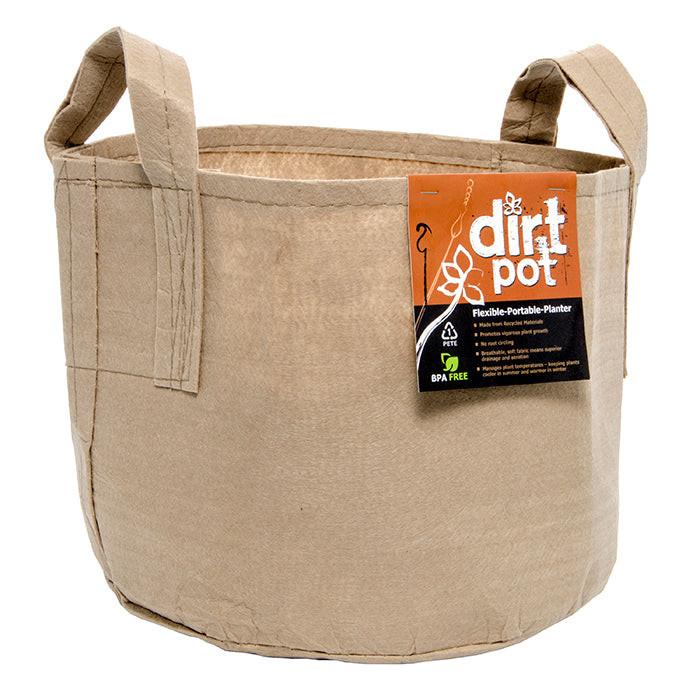
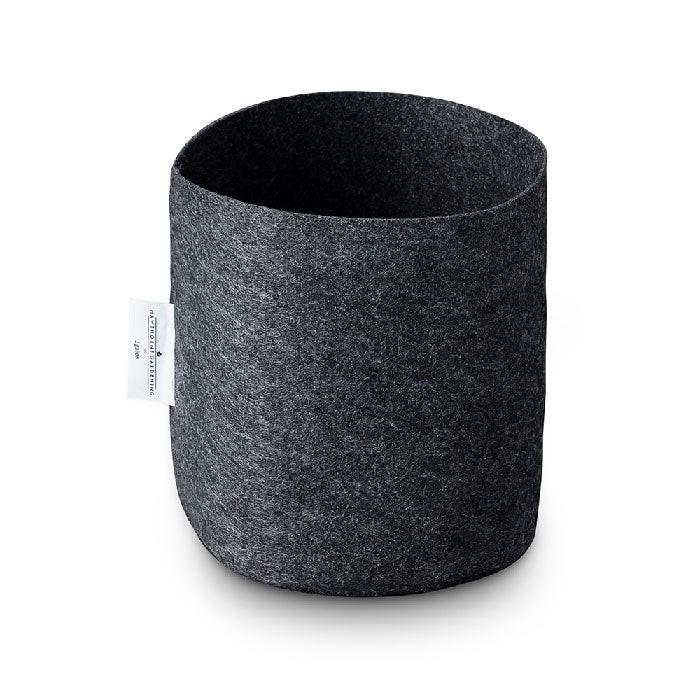
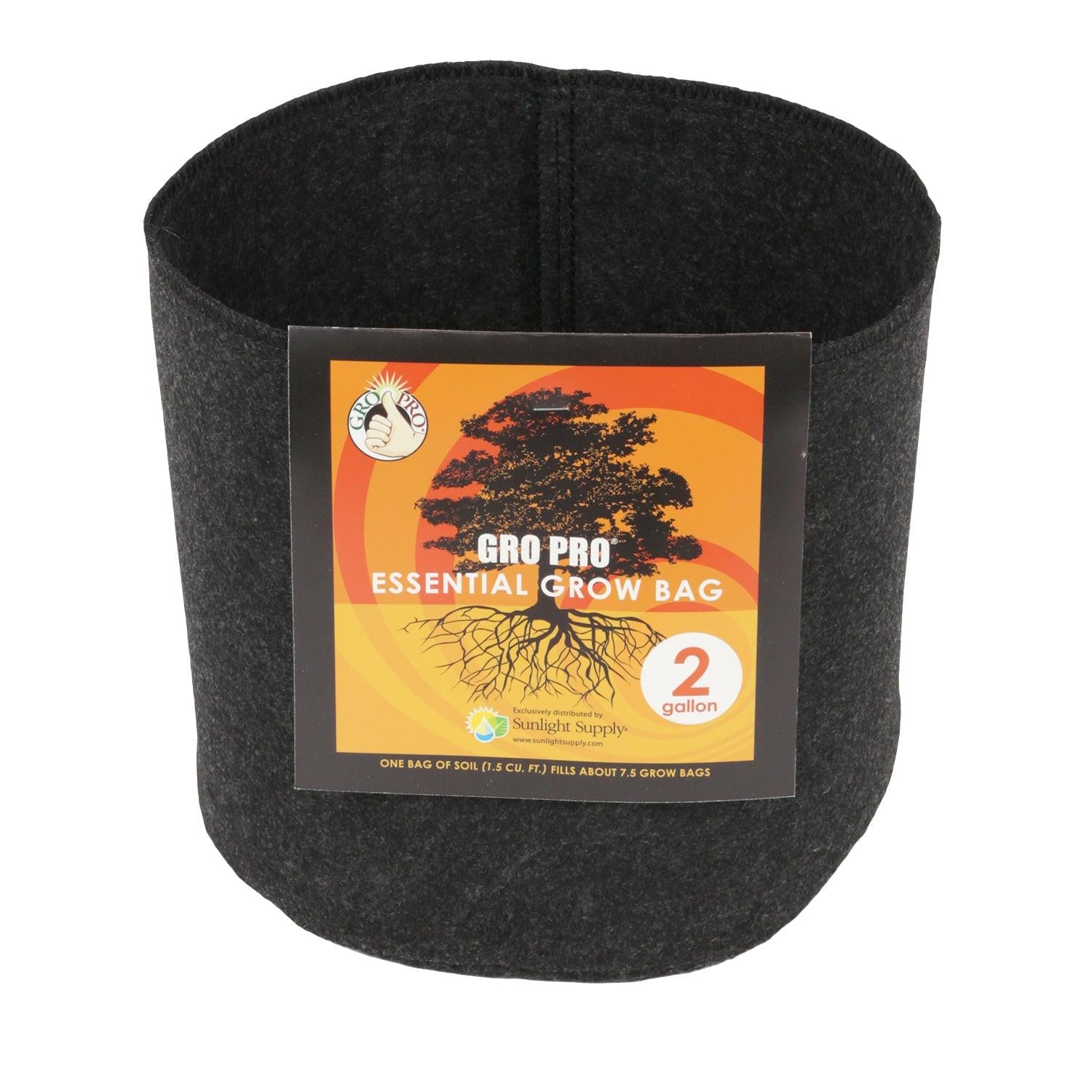
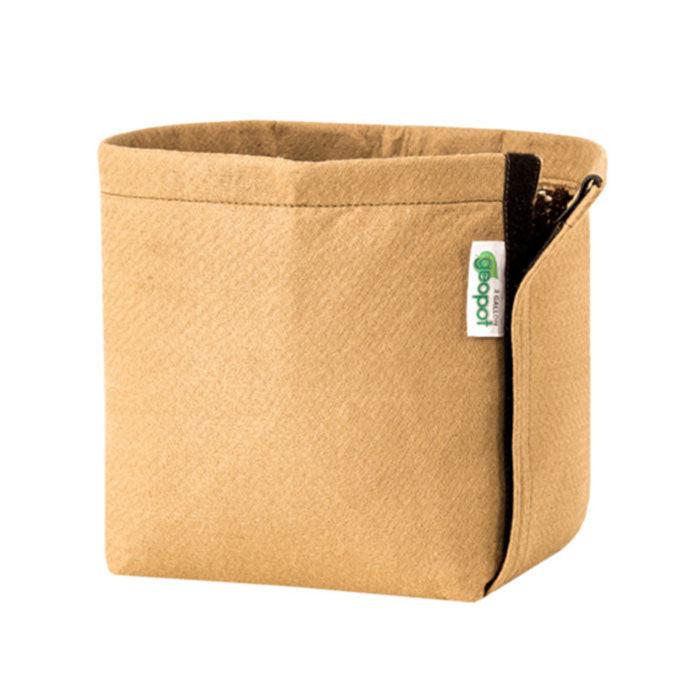
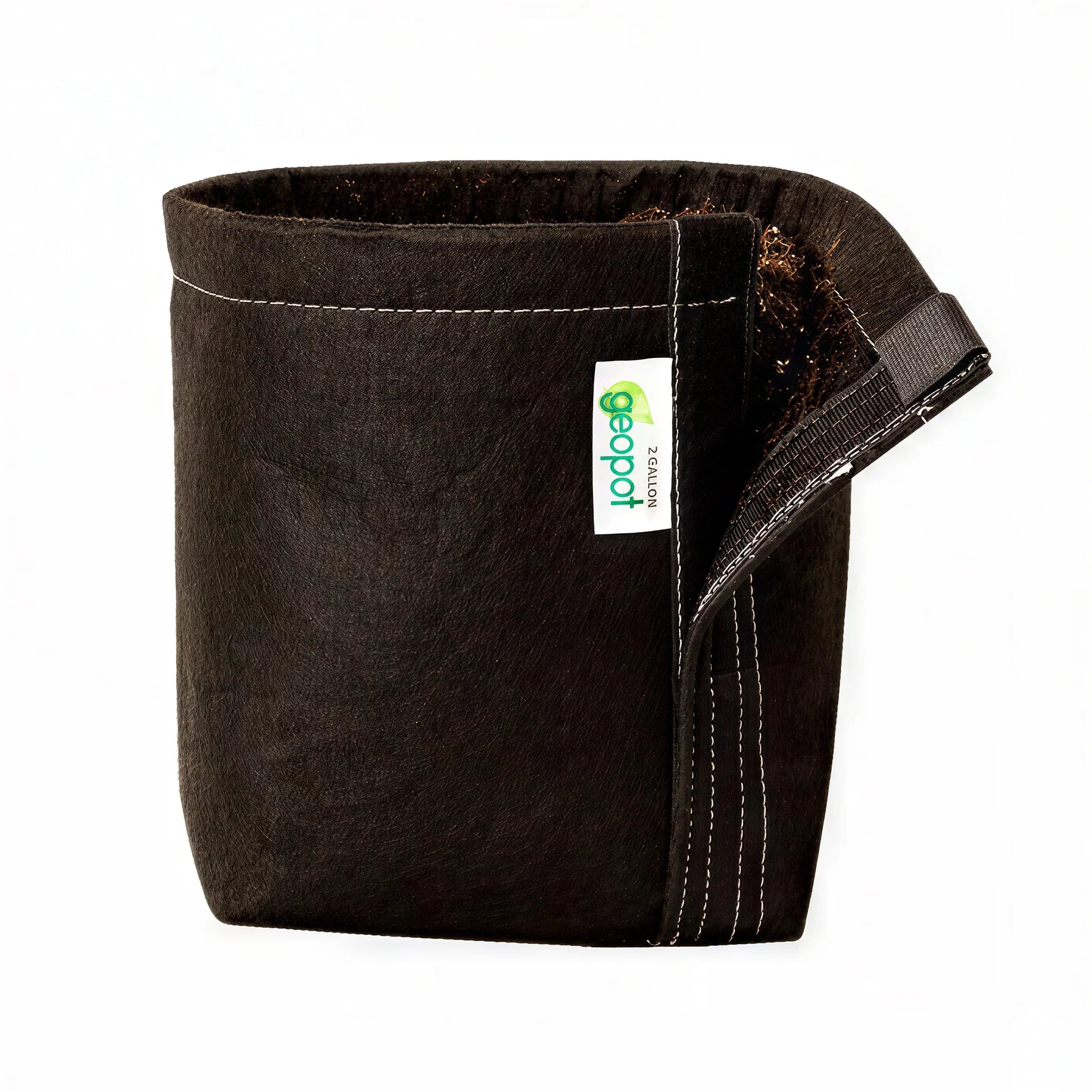
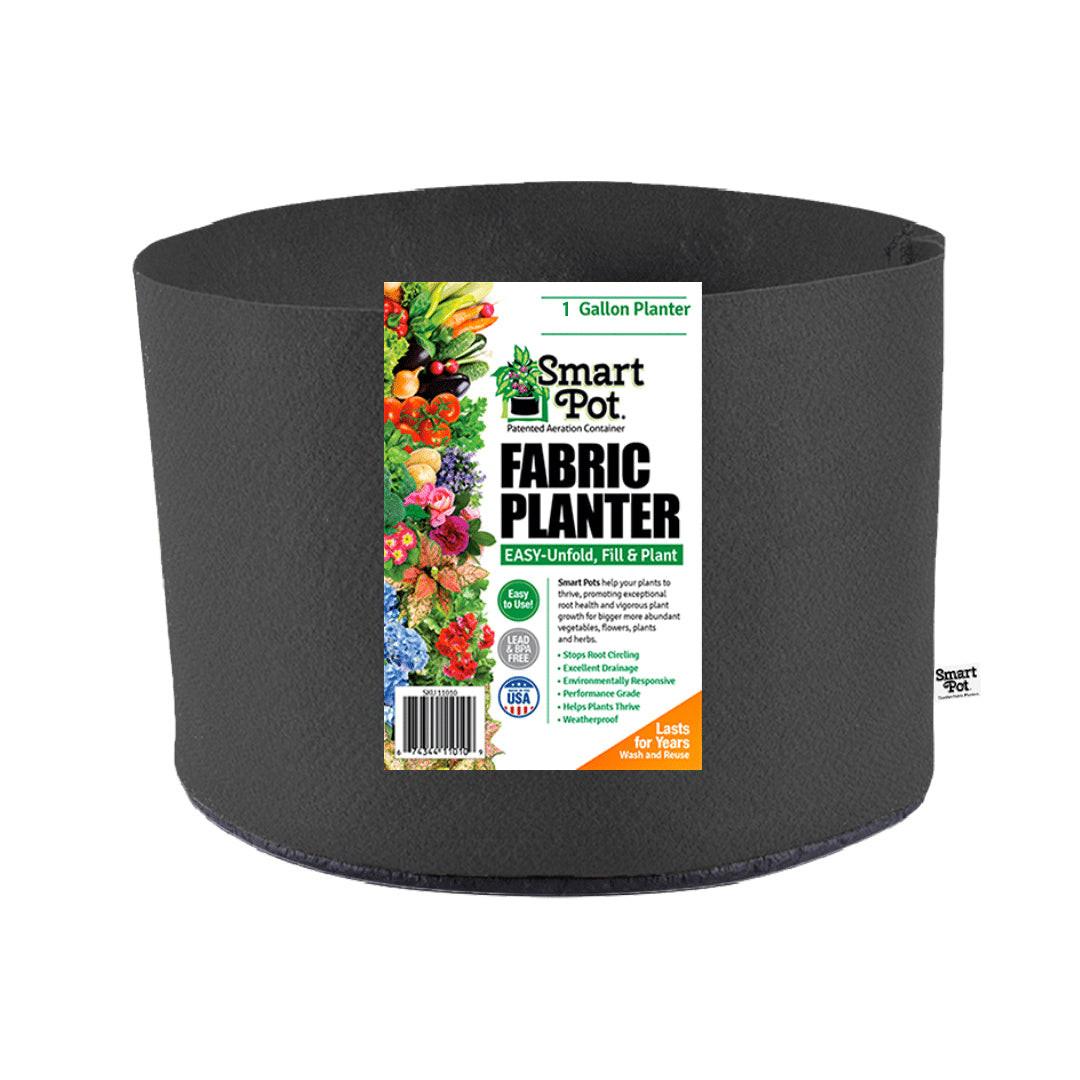
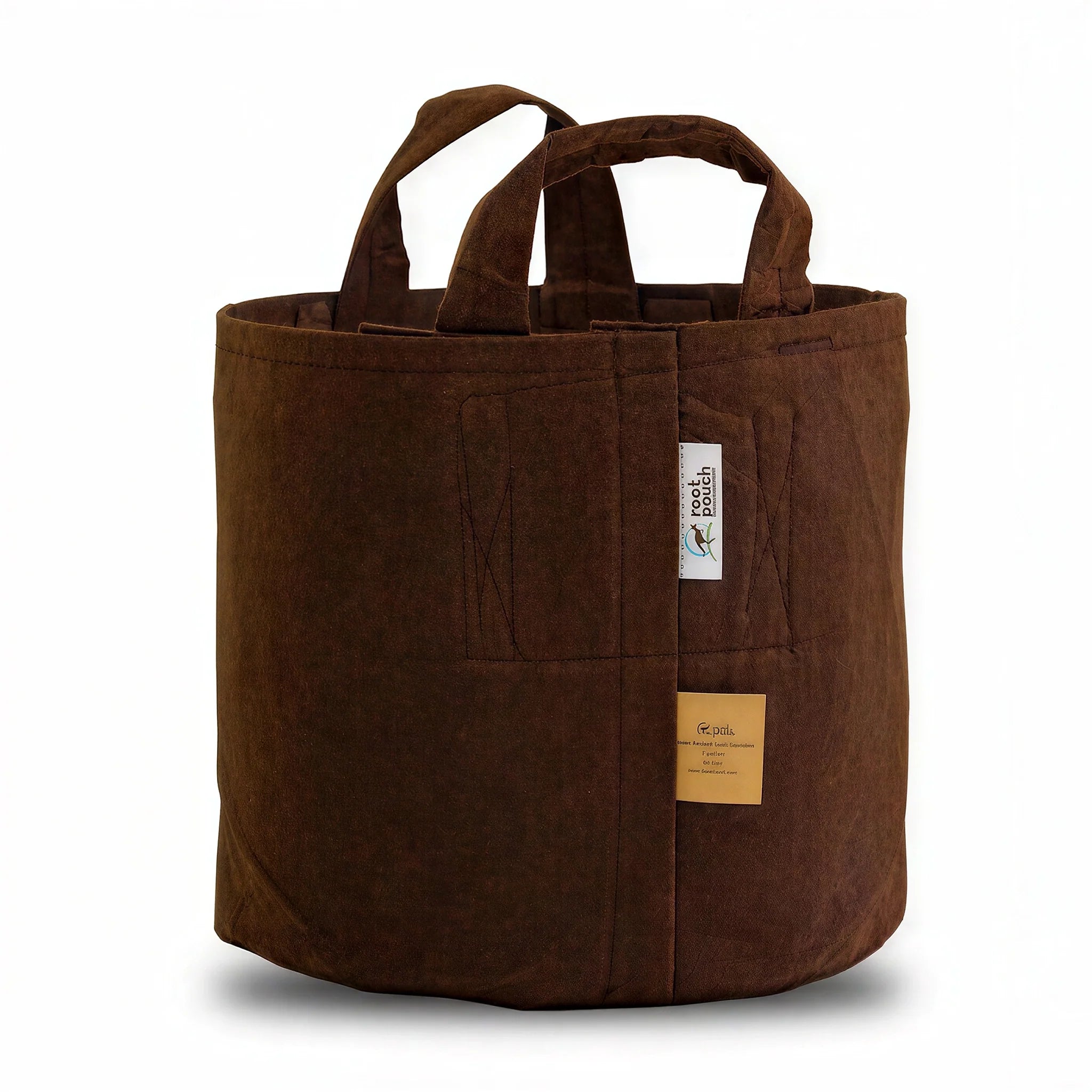
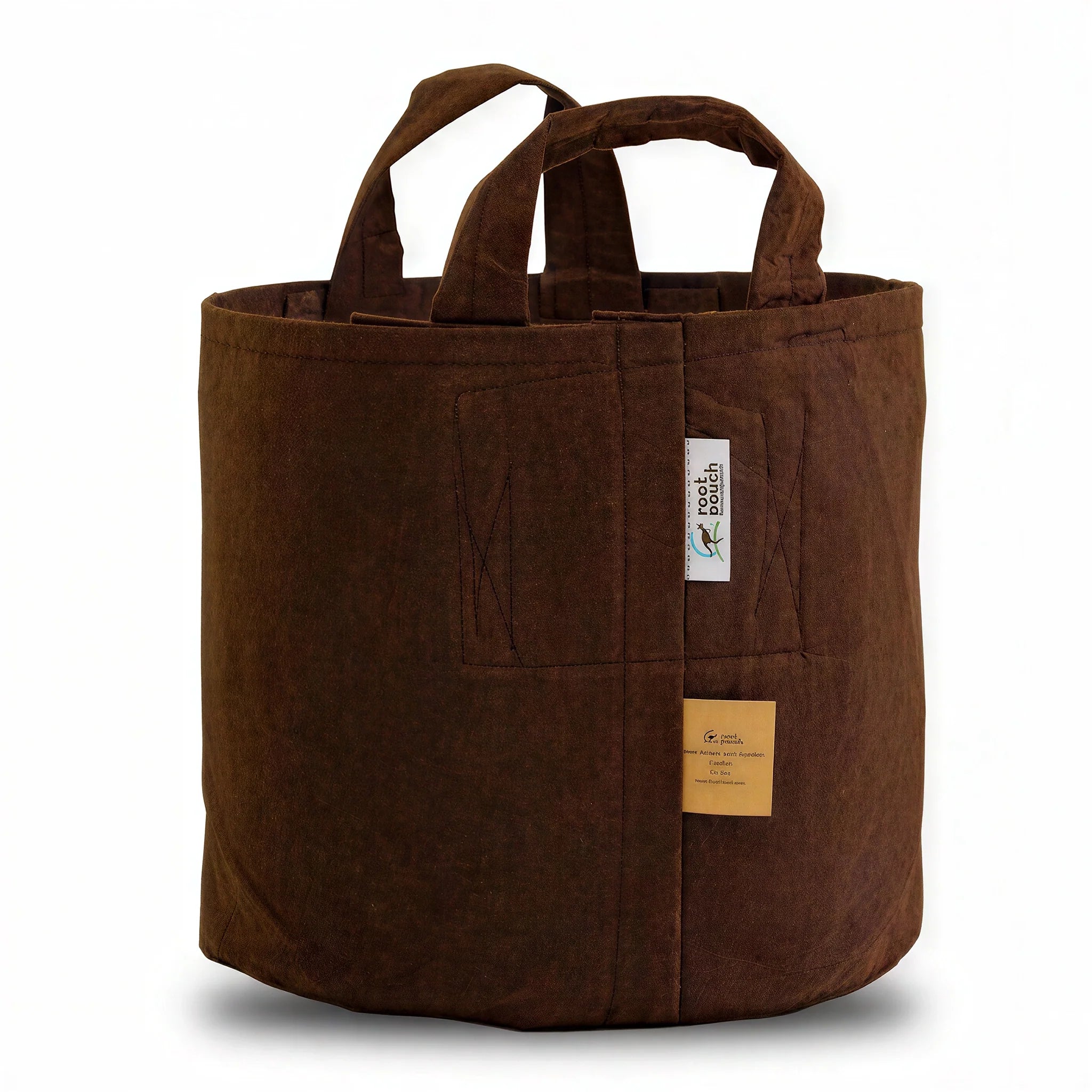
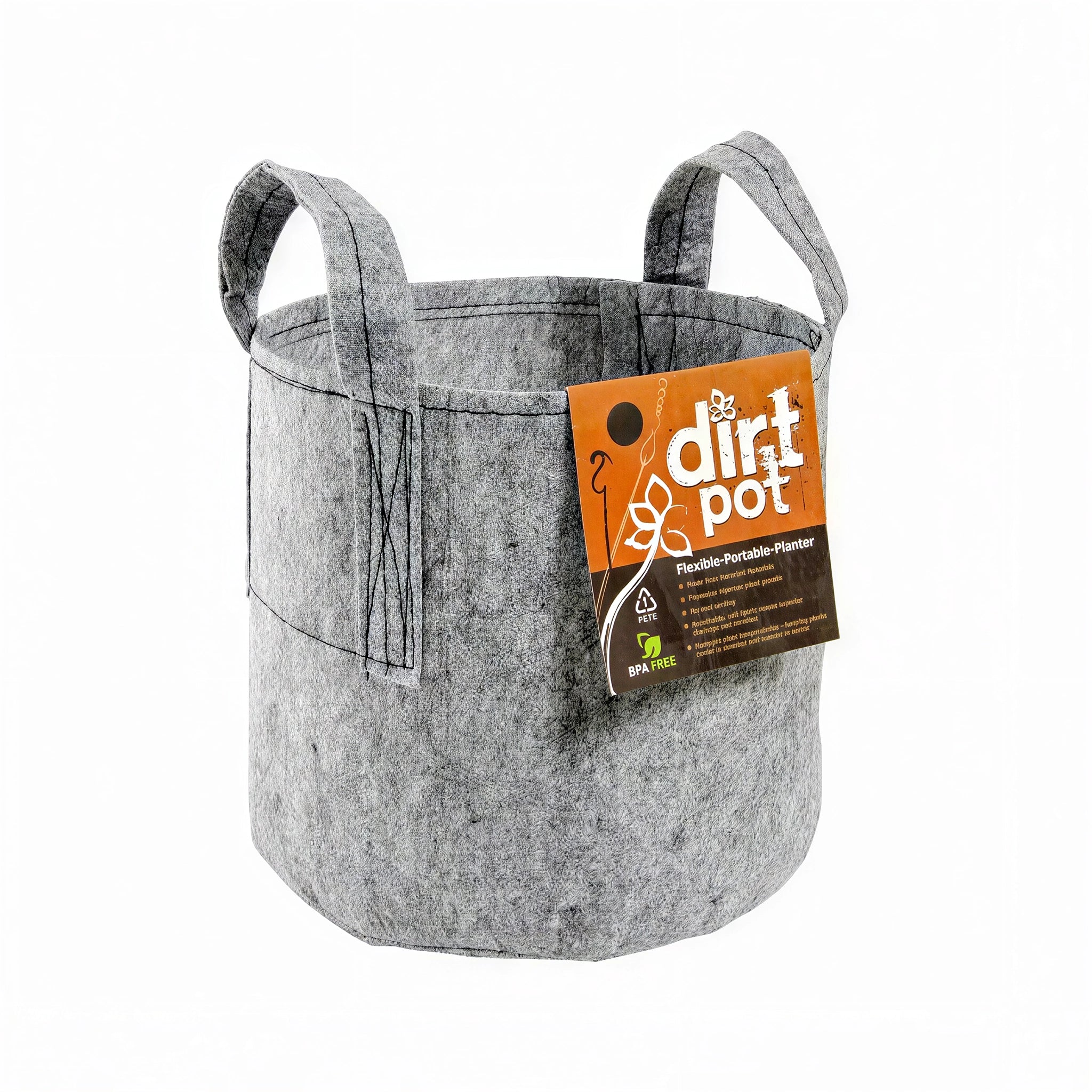
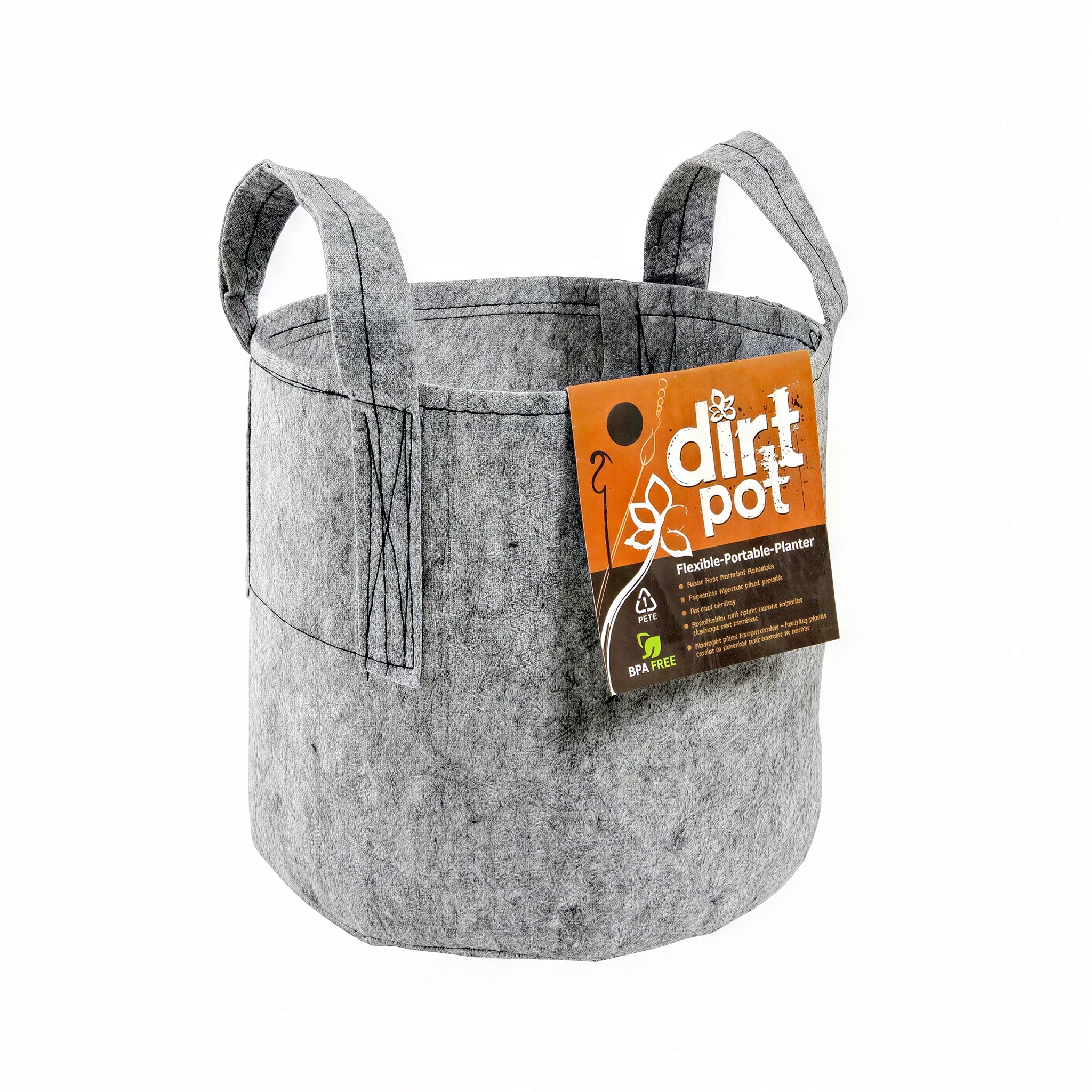
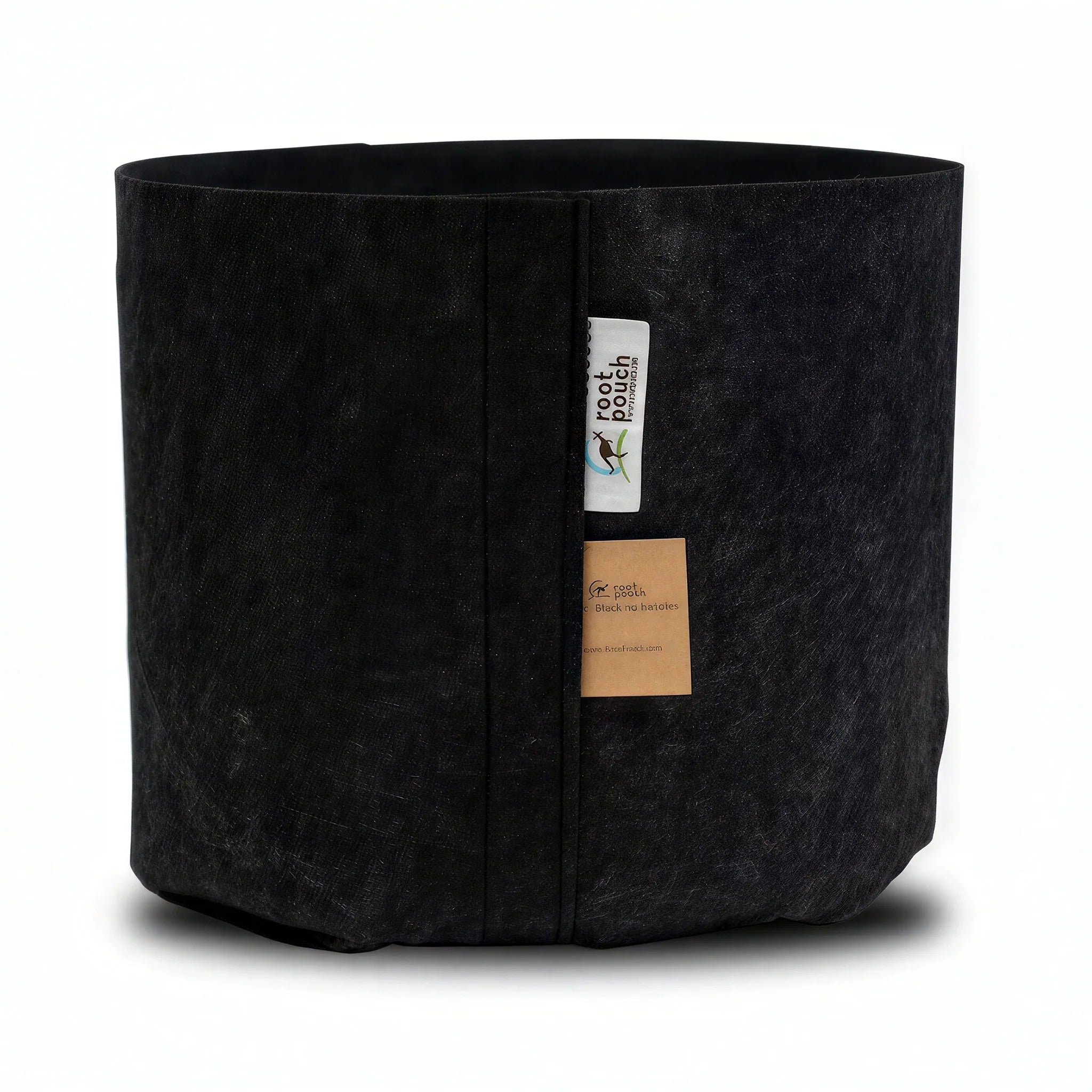
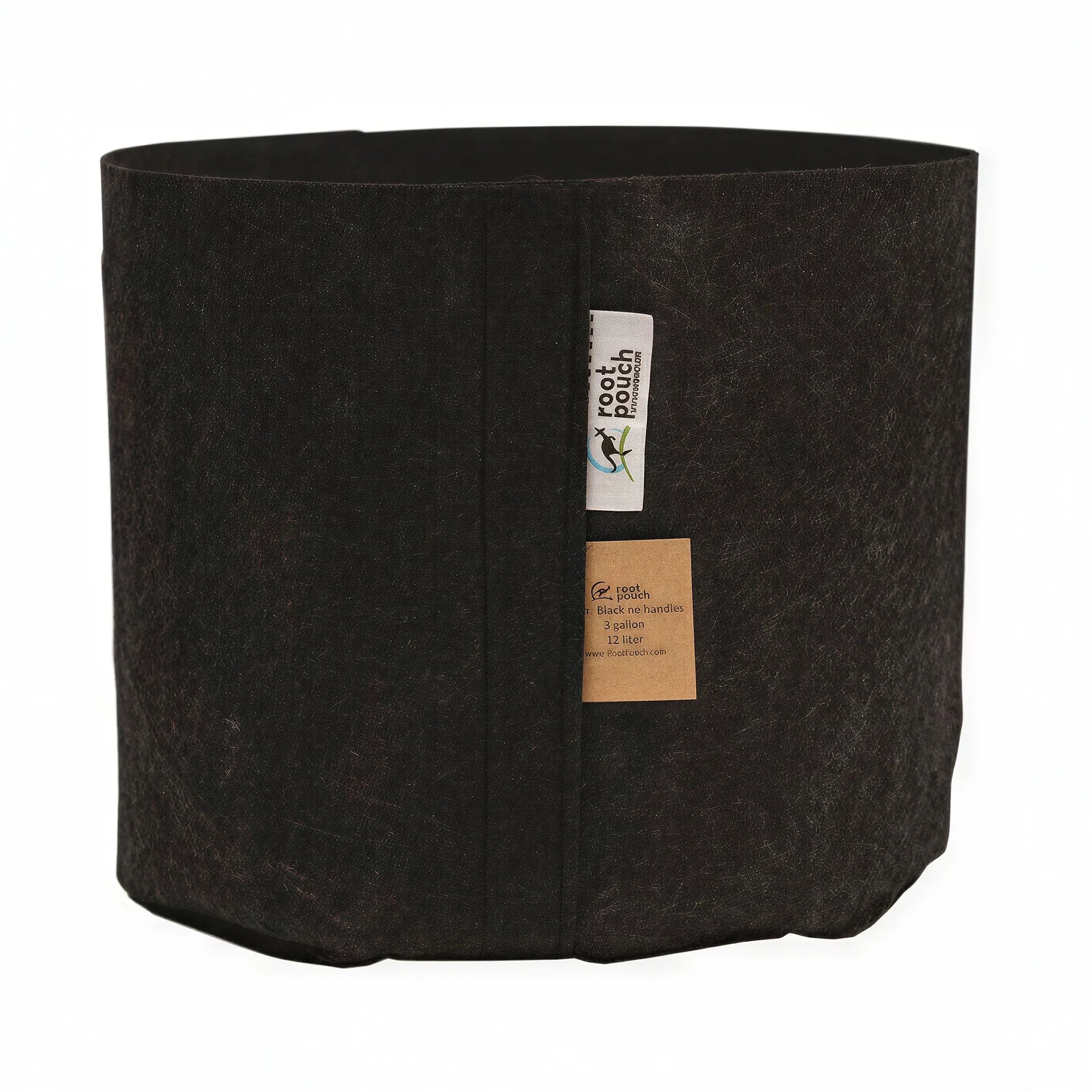
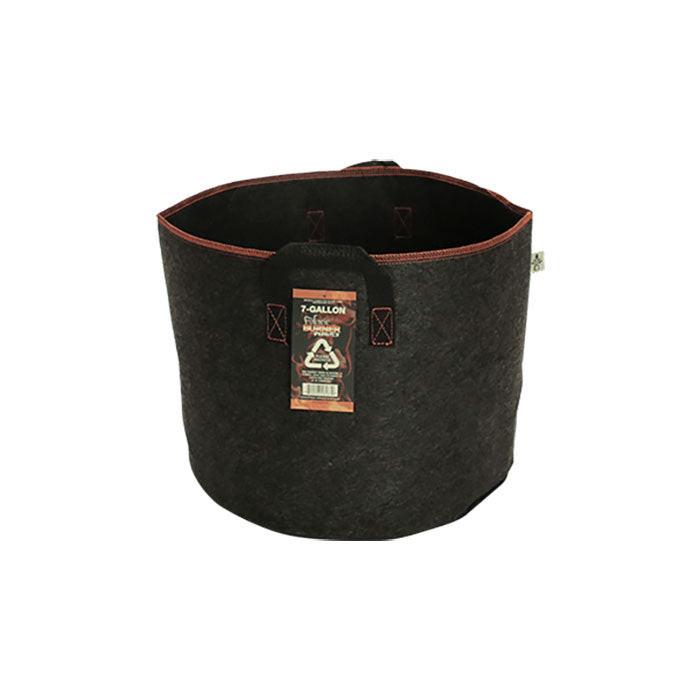
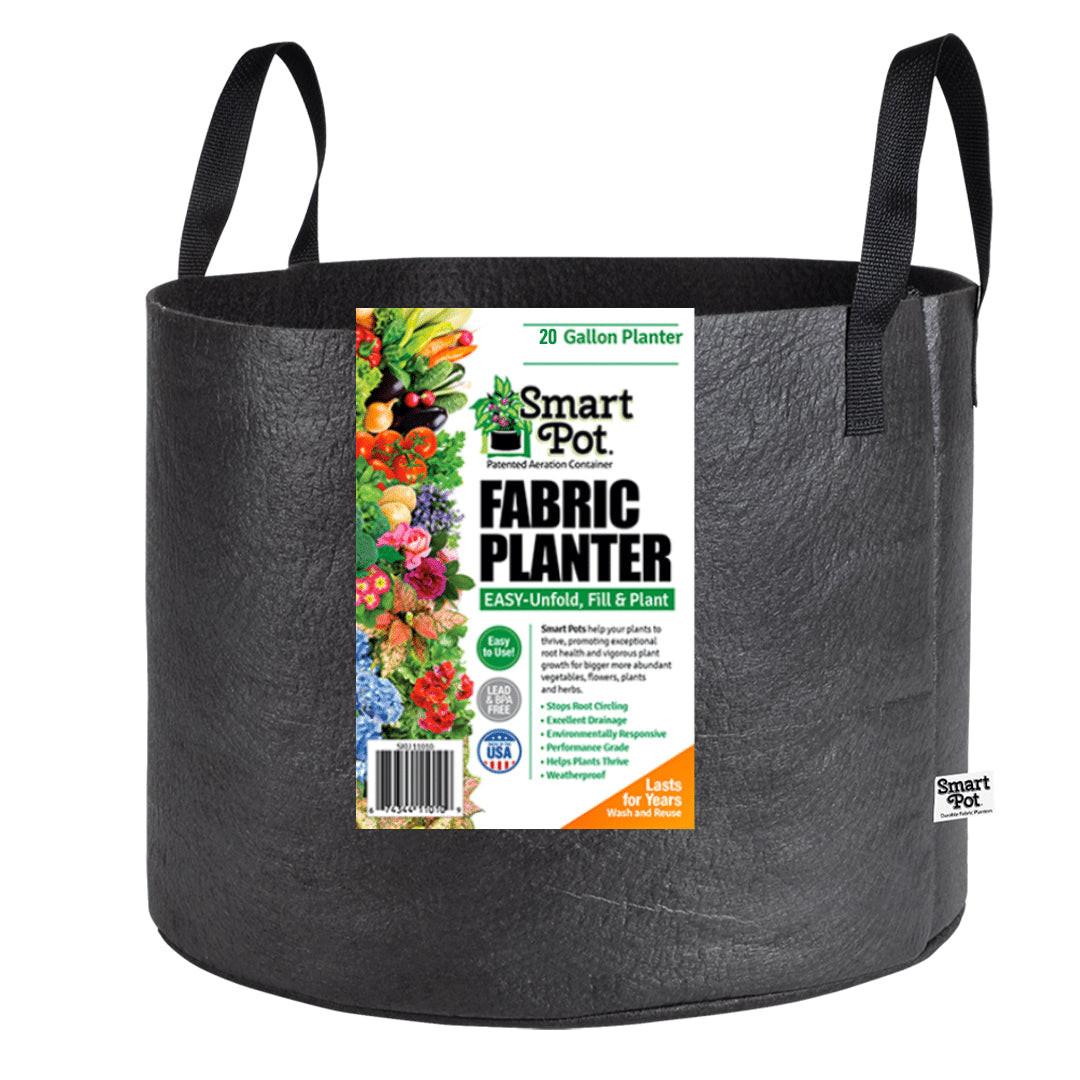
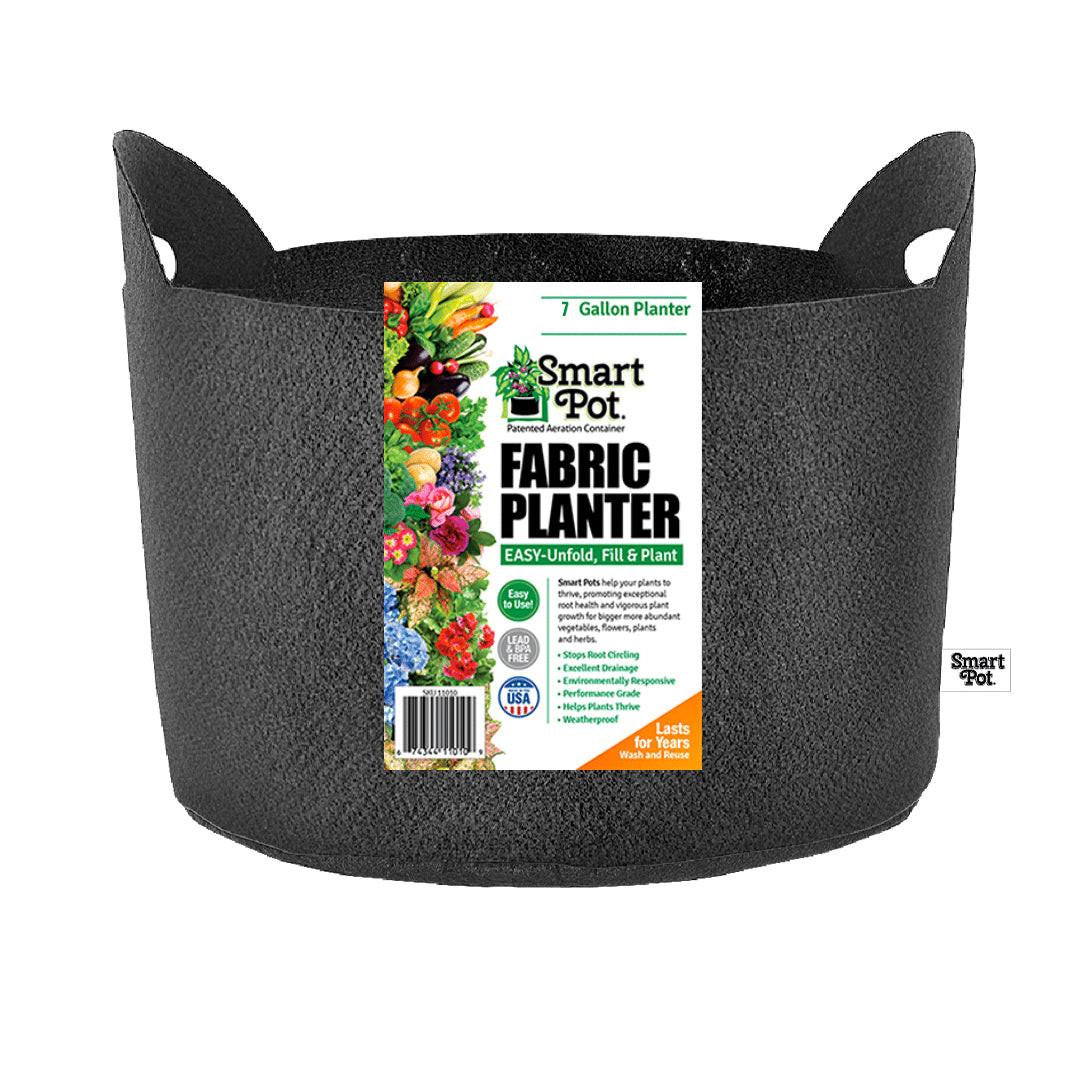
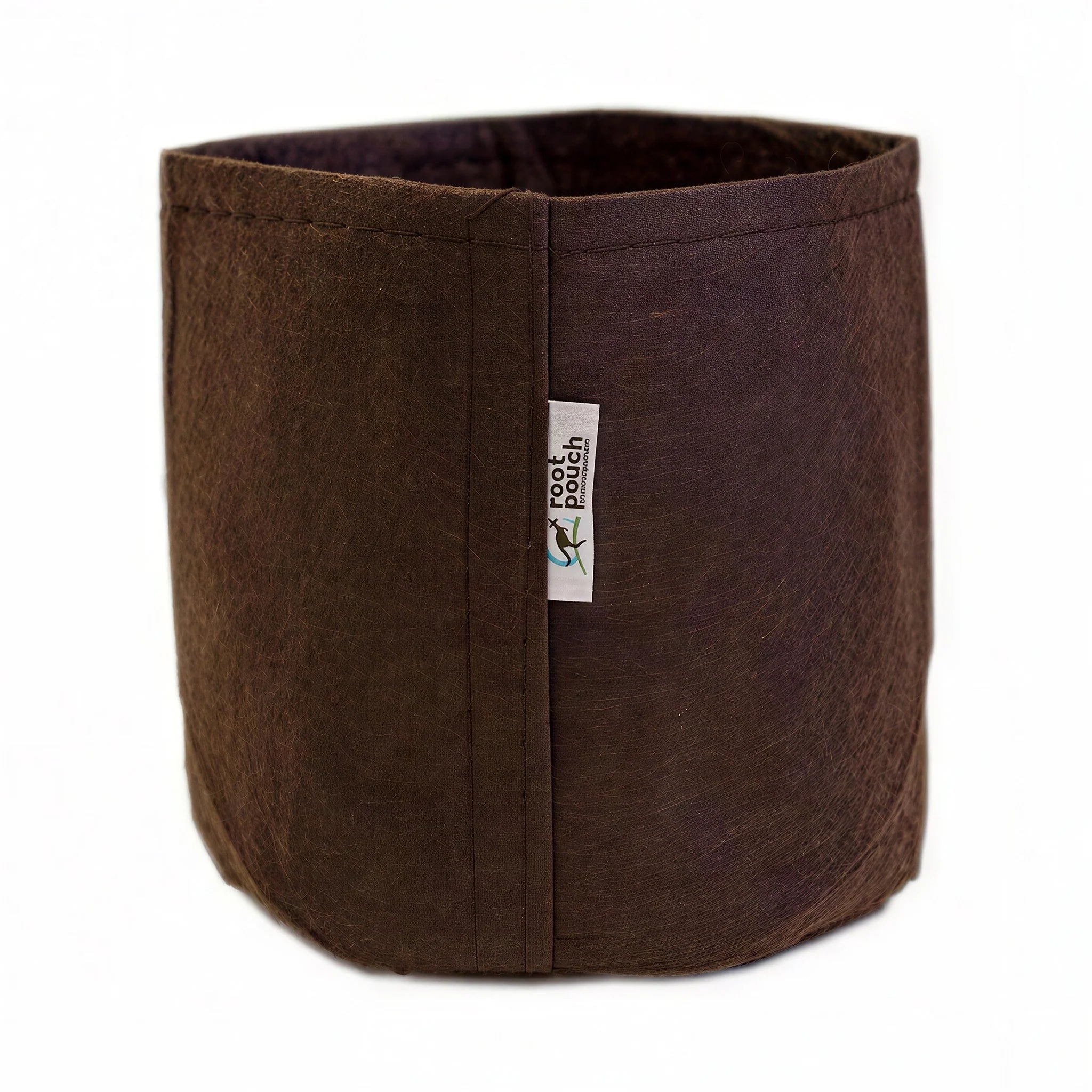
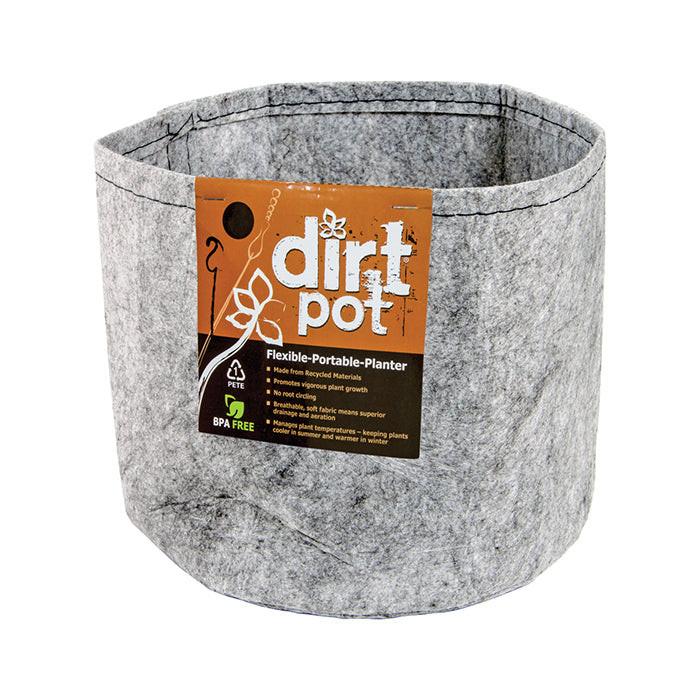
Fabric pots are breathable growing containers made from nonwoven polypropylene felt or woven fabric that allow air to penetrate the container wall and reach the root zone. When roots grow outward and contact the air at the container wall, the root tip desiccates and stops elongating - a process called air pruning. Rather than continuing to grow in circles around the container interior (as happens in solid plastic pots where roots become rootbound), air-pruned roots branch repeatedly from behind the pruned tip, producing a dense, fibrous root architecture with many more active root tips per unit of root mass. This branched structure improves water and nutrient uptake efficiency significantly compared to the circling, rootbound root systems that develop in conventional plastic pots.
Fabric Pot Advantages
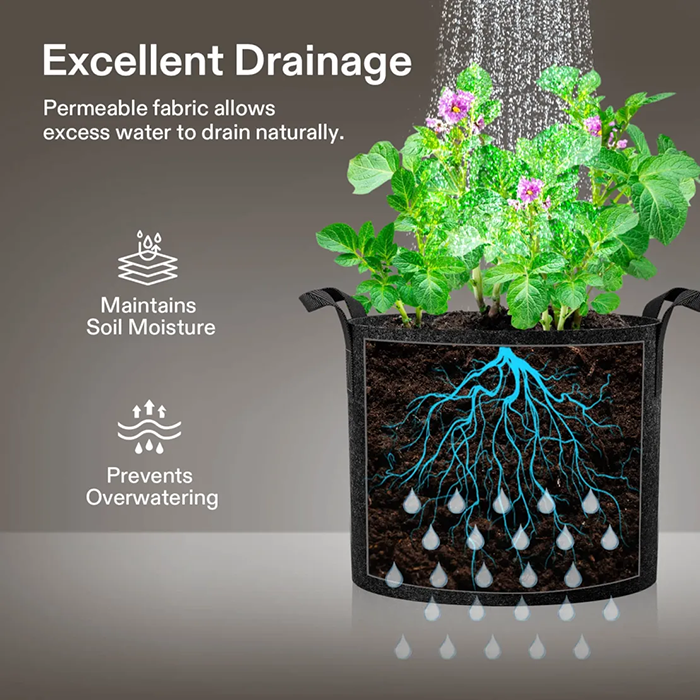
Air pruning is the primary structural benefit, but fabric pots also provide thermal regulation - the breathable walls allow evaporative cooling that reduces root zone temperature during warm conditions, relevant for outdoor and high-intensity indoor growing where plastic pot temperatures can climb well above ambient air temperature. The breathable walls also prevent the anaerobic conditions that develop at the bottom of overwatered solid plastic containers, improving drainage and oxygen availability throughout the root zone. Fabric pots are typically lighter than equivalent plastic pots when dry, and most fold flat for off-season storage. The main limitation is water retention - fabric pots dry out faster than plastic, requiring more frequent irrigation in hot or dry environments. Browse our full pots and containers collection for all container options.
Sizing Guide
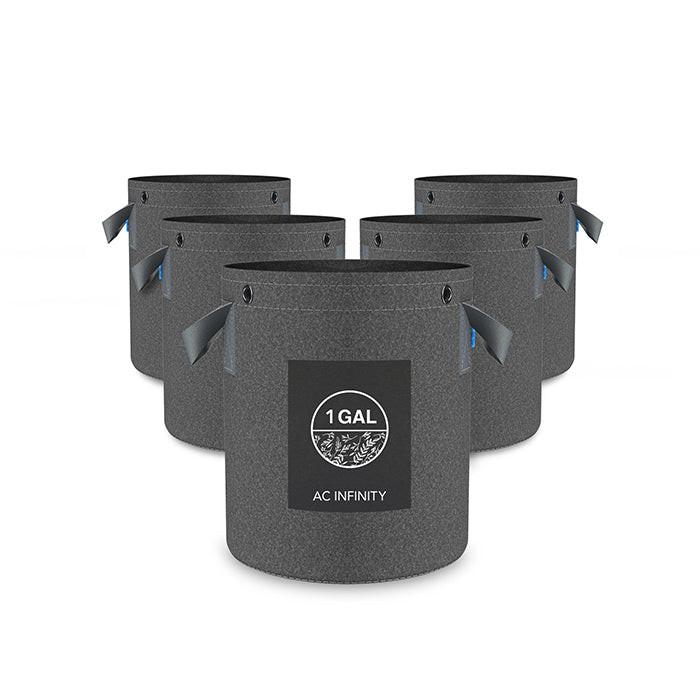
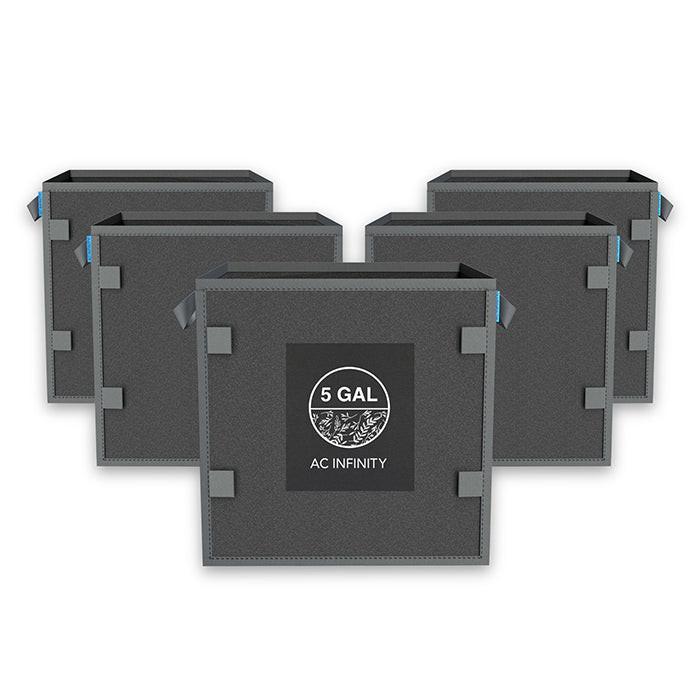
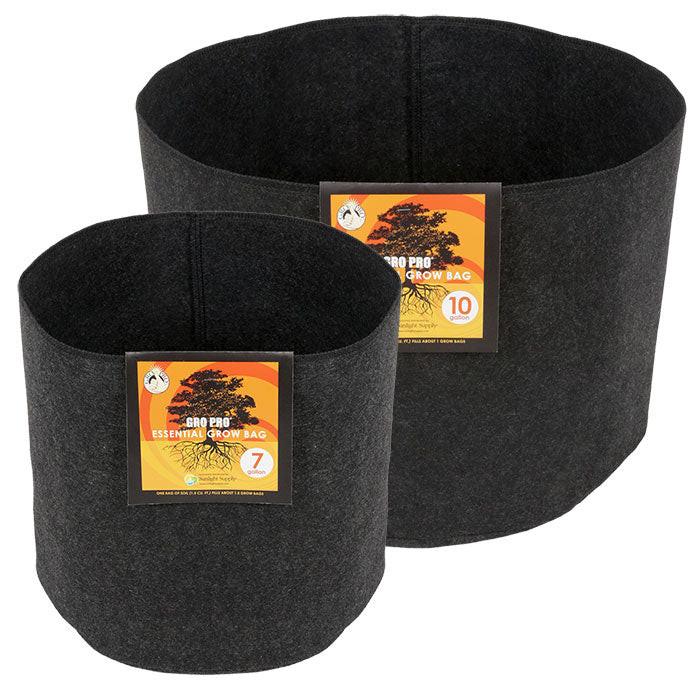
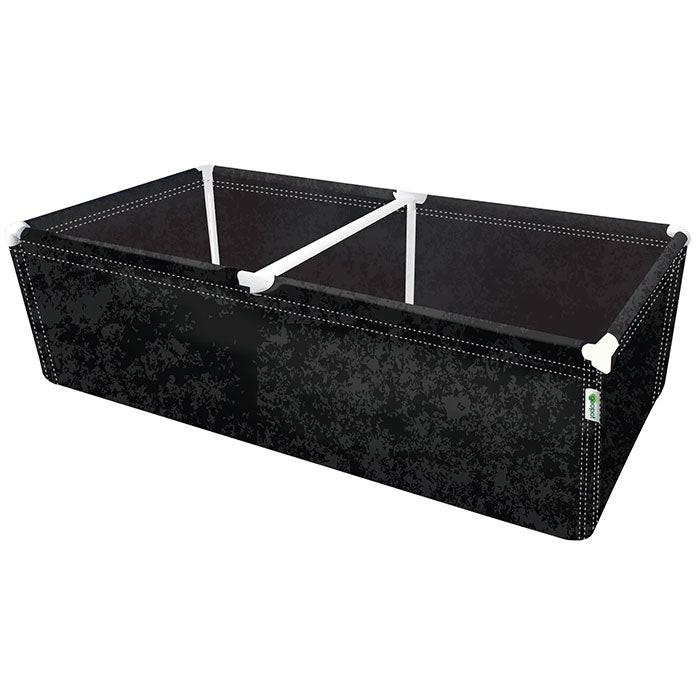
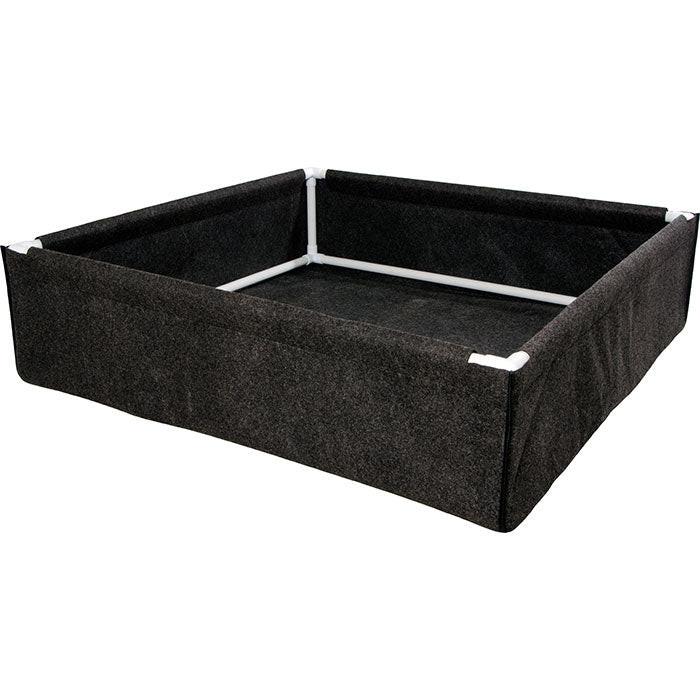
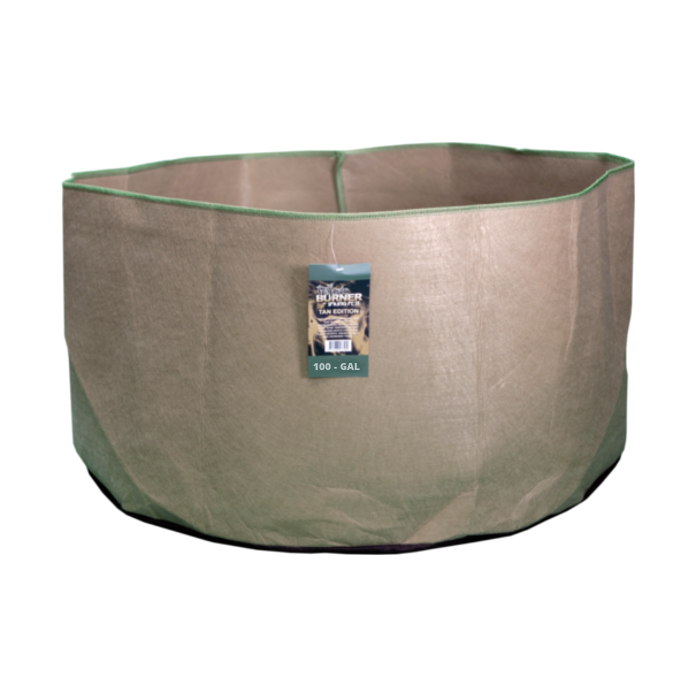
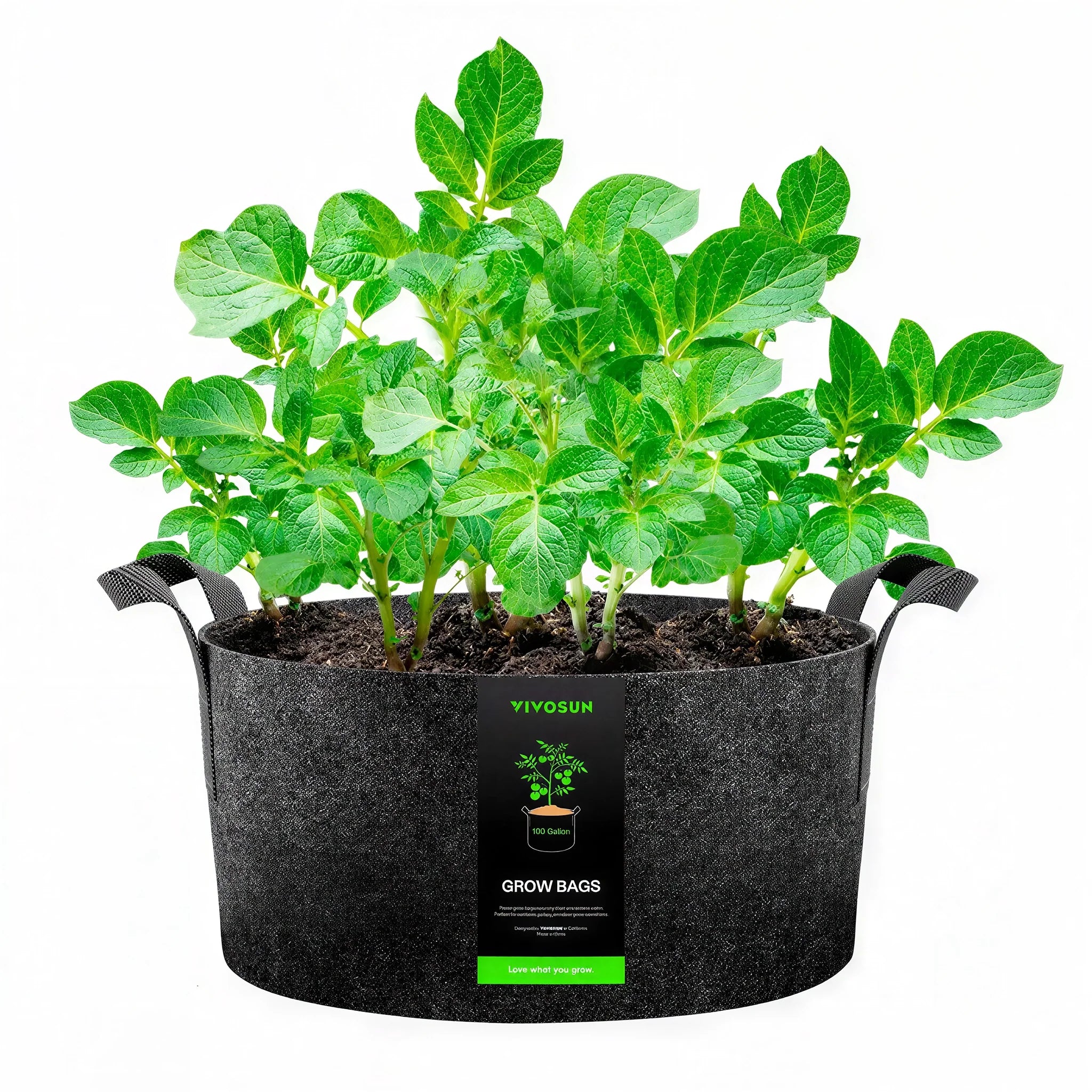
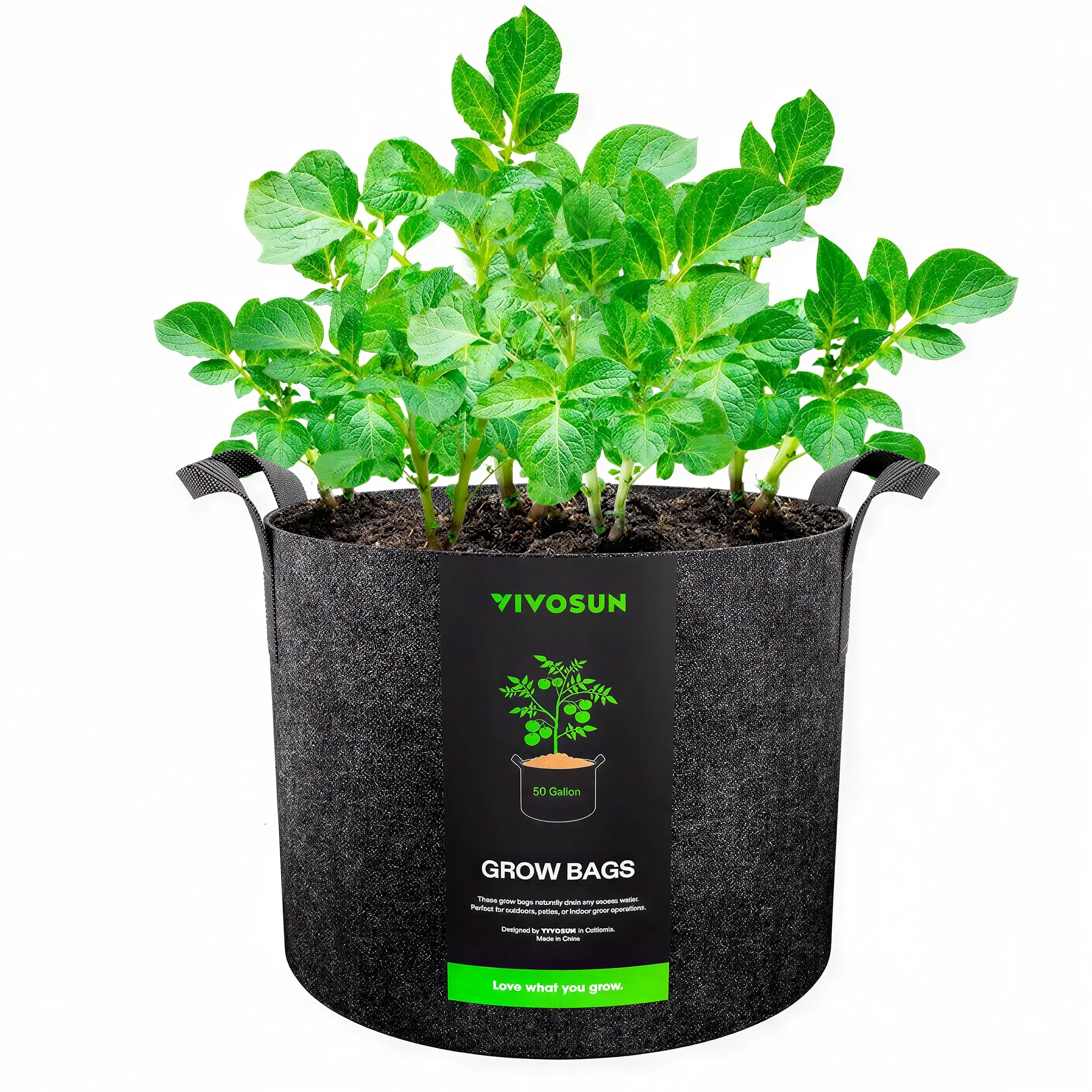
Common fabric pot sizes and their typical applications: 1-3 gallon for herbs, seedlings, and auto-flowering compact varieties; 5-7 gallon for most standard single-plant indoor growing programs; 10-15 gallon for larger plants and extended vegetative periods; 25-45 gallon for outdoor production plants and multiple-plant polyculture; 100+ gallon for trees, large outdoor specimens, and raised bed applications. Fast shipping.
Fabric Pots FAQ
What is air pruning and why does it matter?
Air pruning occurs when a root tip grows outward to the breathable container wall, contacts the air outside the wall, and desiccates - killing the tip. The plant responds by producing multiple lateral branches behind the dead tip, each of which grows outward and is also air-pruned. The result is a dense, highly branched root system with far more active root tips than a pot-bound root system growing in a solid container. More active root tips means more surface area for water and nutrient absorption, faster uptake response to irrigation events, and better overall plant performance in terms of growth rate and yield potential.
Do fabric pots need saucers?
Fabric pots drain very freely and will wet the surface or bench underneath them without a saucer or catch tray. For indoor use on solid floors, trays or saucers are needed to catch runoff. Standard hard plastic saucers work, but flexible rubber saucers conform better to the round base of fabric pots. Alternatively, use plastic pot elevators or wire mesh stands that allow free drainage without pooling. For outdoor use on soil or gravel, drainage directly through the pot base and into the ground below is ideal - no saucer needed.
How long do fabric pots last?
Quality nonwoven polypropylene fabric pots last 3-5+ growing seasons with normal use and proper care. Wash fabric pots between cycles - remove root residue, scrub with a mild bleach solution (1:10 bleach:water), rinse thoroughly, and dry completely before storage. Store dry and folded in a cool location away from direct sunlight (UV degrades the fabric over time). Pots that develop holes or thinning in the fabric wall should be retired - a compromised wall provides less effective air pruning and may tear further during use.
Are fabric pots better than plastic pots?
Fabric pots outperform plastic pots for root zone development and aeration in most growing programs. The air-pruned root system produces measurably more root branching and active tip density than the circling root systems of plastic pots. For water-intensive crops in hot climates, the faster drying of fabric pots requires more attention to irrigation frequency. For drip-irrigated programs with automated watering, this is a non-issue. In outdoor ground-level growing where pot temperature is not a concern and irrigation is manual, some growers prefer plastic for its water retention. For most indoor and greenhouse programs, fabric pots are the better container choice.
What size fabric pot should I use for my plants?
Match pot volume to plant size and cycle length. General guidelines: 1-3 gallon for 4-8 week cycles and compact plants; 5 gallon for standard 8-12 week indoor programs with moderate plant sizes; 7-10 gallon for larger plants or extended veg periods; 15-25 gallon for large outdoor plants or multi-harvest perennial programs. Under-sizing limits root volume and requires very frequent watering; over-sizing the container relative to plant size keeps the root ball surrounded by wet unused substrate that can harbor pathogens before roots colonize it.