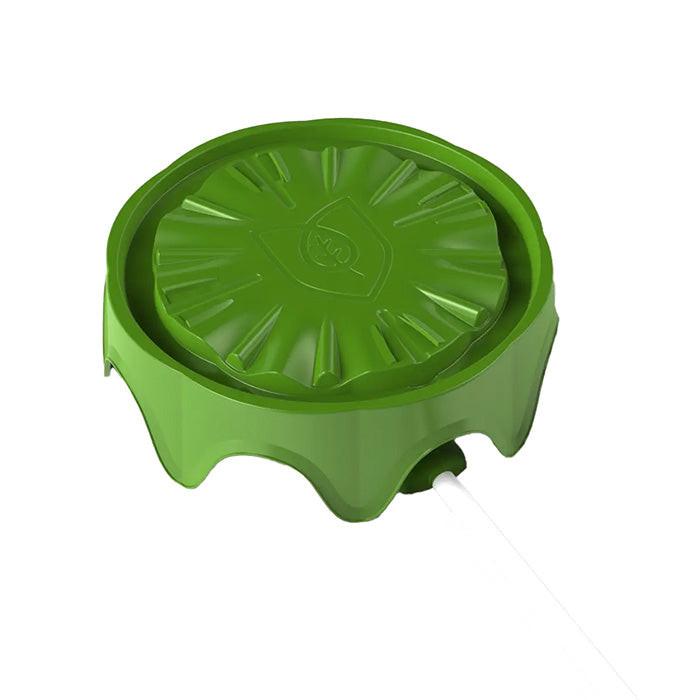
Pot Elevators & Risers for Improved Drainage
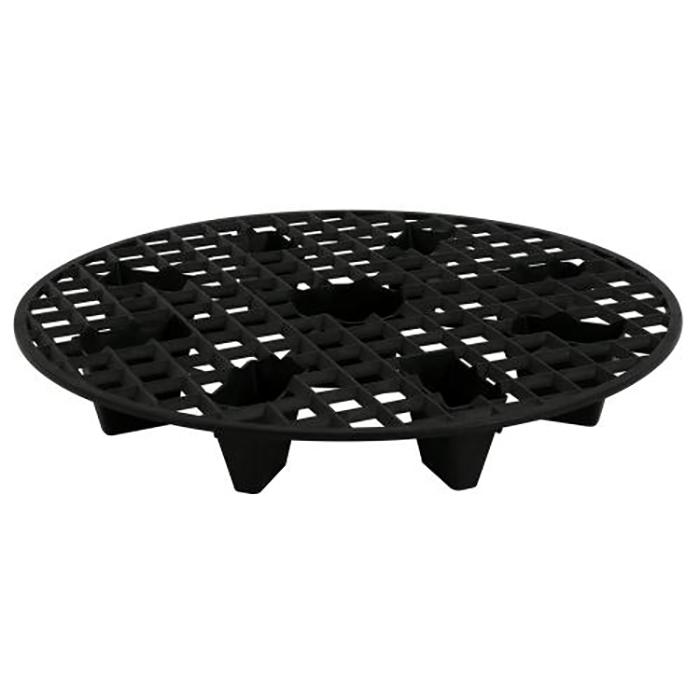
Pot elevators and risers lift containers off the floor or bench surface, creating an air gap beneath the pot base that improves drainage, prevents waterlogging at the container bottom, and allows air circulation under the container. When a pot sits flat on a surface, drainage holes at the base can be partially or fully blocked by surface contact - water drains slowly through the restricted openings and collects at the pot base longer than it would with a free-draining gap below. Elevating the container even a few inches removes this restriction entirely, allowing drainage to exit the pot at full gravity flow rate immediately after each irrigation event.
Benefits Beyond Drainage
Elevated containers benefit from air circulation under the pot base - relevant for fabric pots where the breathable base provides air pruning to the lowest root mass, which is compromised when the fabric base sits against a solid surface. For outdoor production where containers sit on soil, elevated pots prevent root escape through drainage holes into the native soil below - roots that escape a container into native soil rapidly colonize the ground and become difficult to separate at transplant or end of cycle. Elevating containers also facilitates saucer removal and cleaning, and makes visual inspection of drainage water (monitoring runoff EC and pH) easier to perform regularly.
Riser Options
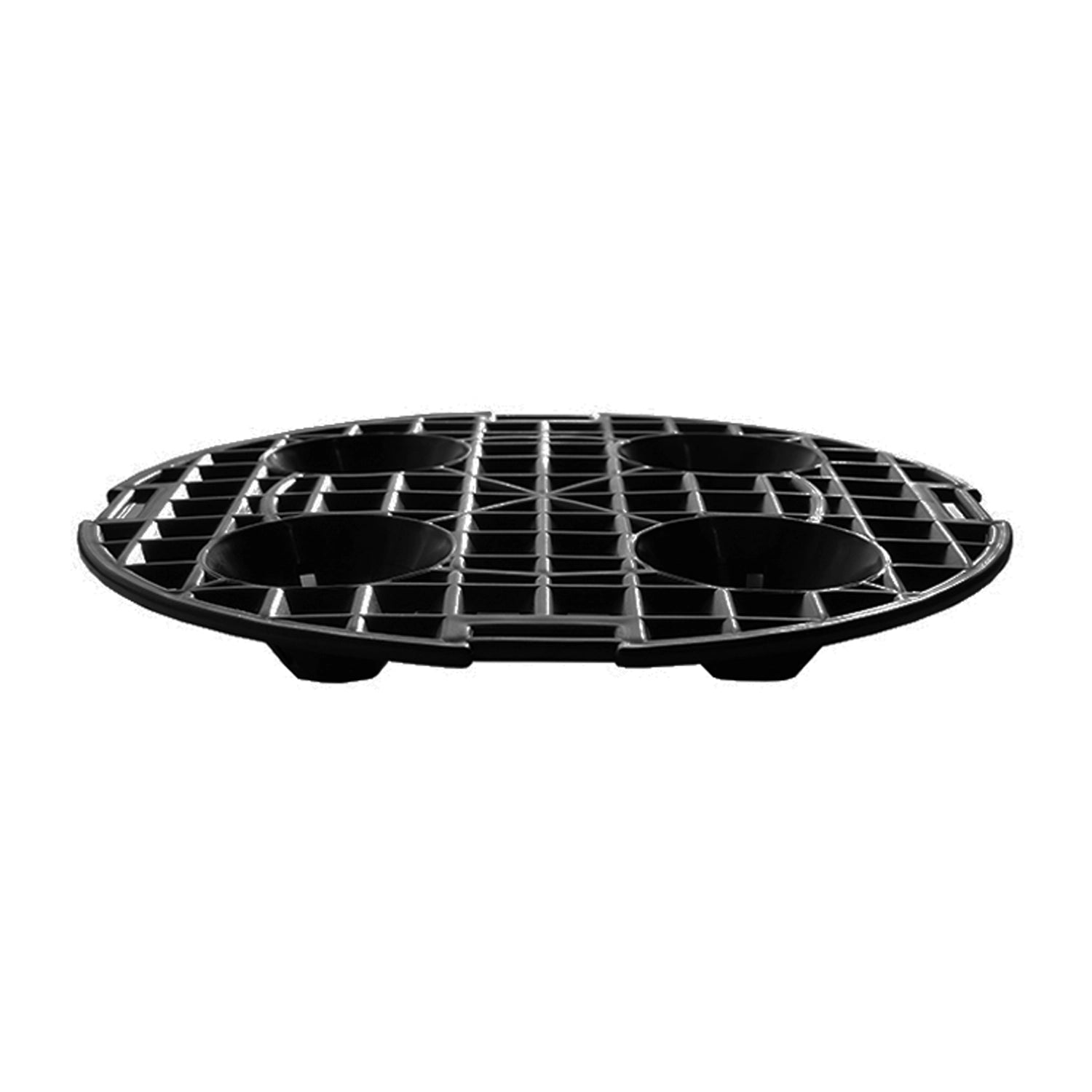
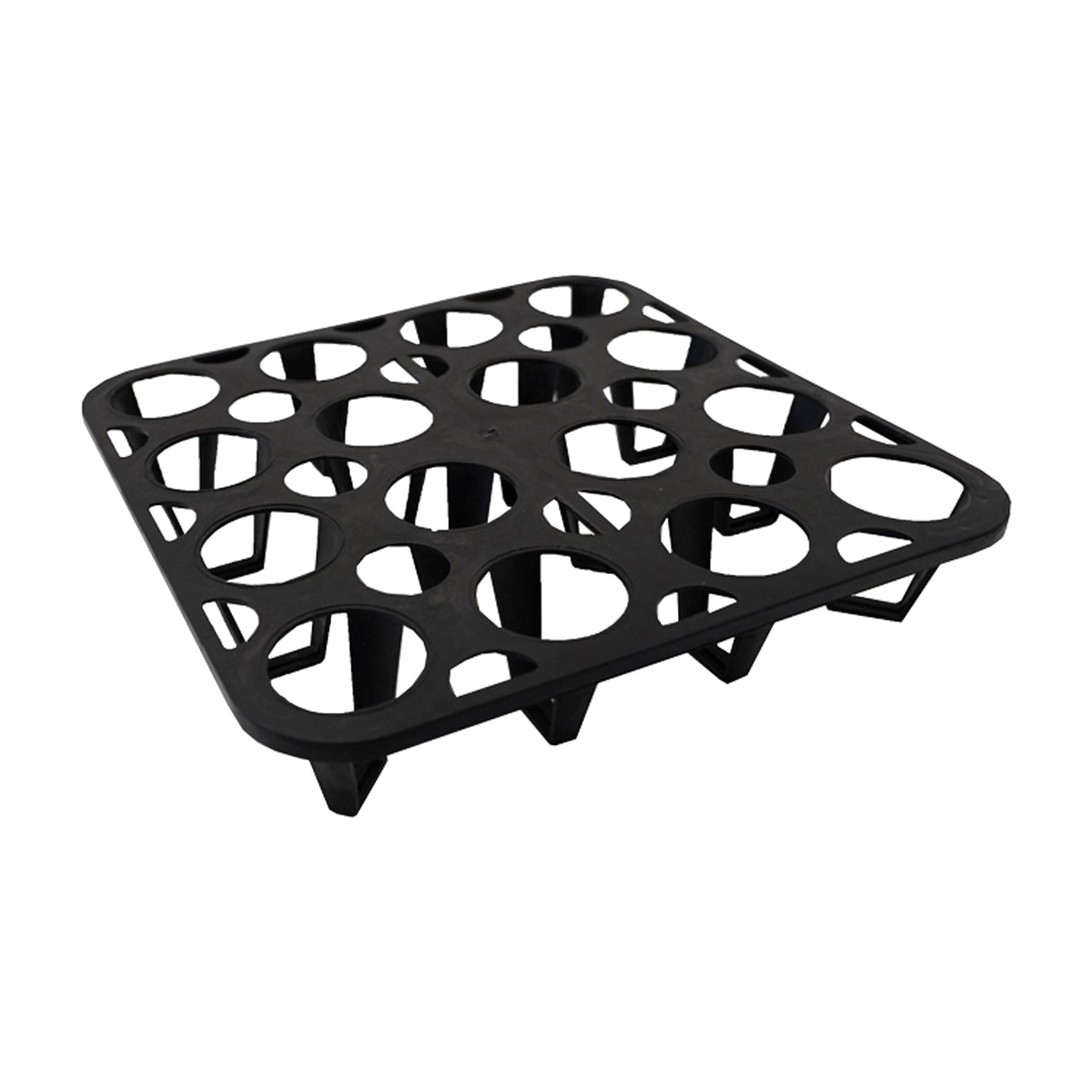
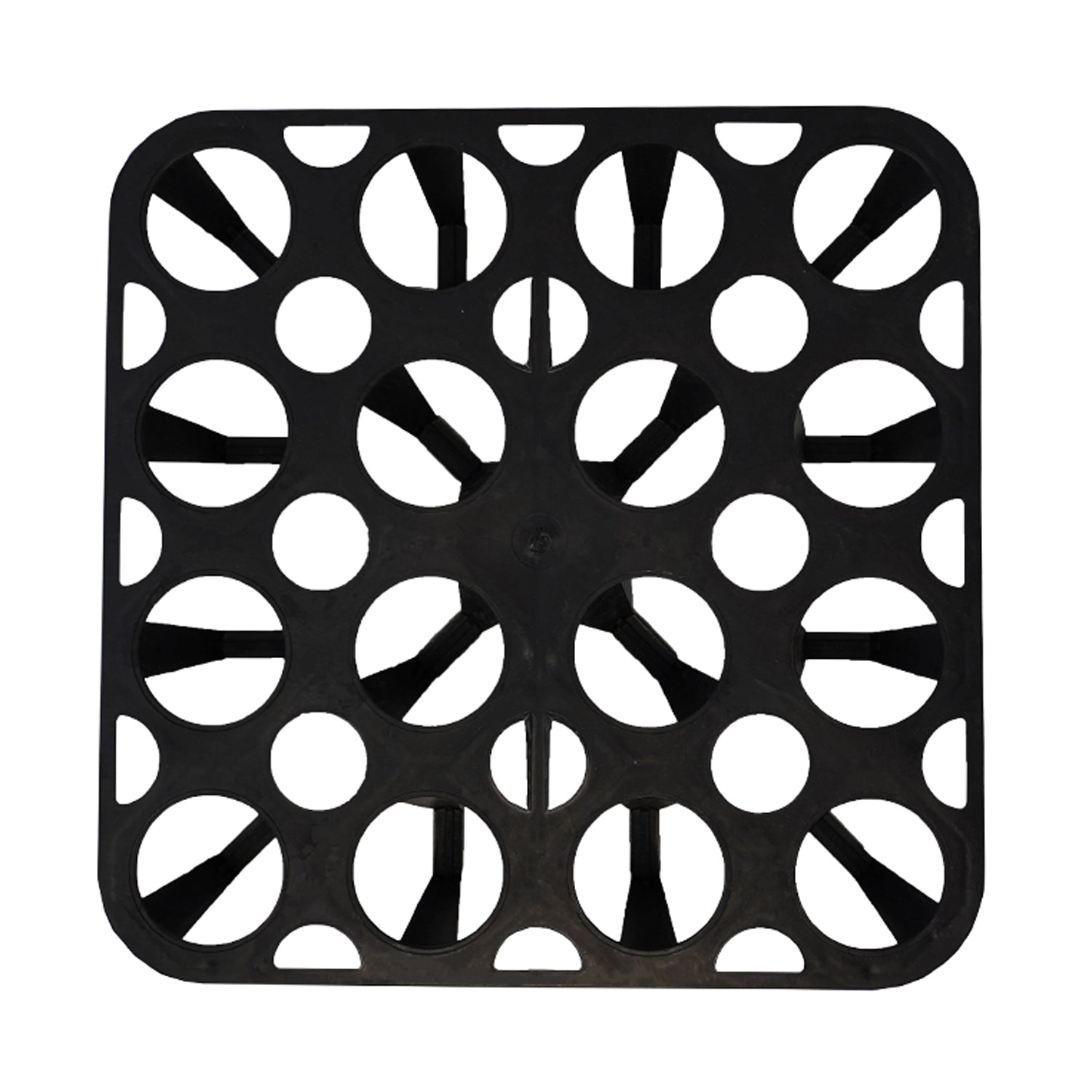
Dedicated plastic pot feet (individual corner supports) are the simplest format - 3 or 4 small feet distribute the pot weight at the container perimeter, creating a 1-3 inch gap. Flat wire or plastic mesh platforms provide full base support with open grid construction for drainage and air flow. Pot elevator platforms on casters combine elevation with rolling mobility, providing both drainage improvement and repositioning capability in a single accessory. Fast shipping.
Pot Elevators FAQ
How high do I need to elevate my pots?
Even 1-2 inches of elevation is sufficient to fully clear drainage holes from surface contact and allow free drainage. Greater height (3-6 inches) provides more air circulation under the pot base and more clearance for saucer insertion and drainage water collection. For fabric pots where air pruning from the base is important: a minimum 2-3 inch elevation ensures the fabric base has adequate air exposure for the air pruning mechanism to function at the bottom of the container. Higher elevation is not problematic as long as the elevated container remains stable.
Do pot elevators work with saucers?
Pot elevators and saucers are complementary - elevate the pot on a riser, and place a saucer underneath the elevation platform to catch drainage. The saucer should be sized to catch drainage from the full pot diameter even with the riser in place. Some pot elevator designs are integrated with a saucer base - a platform with raised feet that creates the air gap while providing a drainage collection basin below.
What surface should I put pot elevators on?
Pot elevators work on any solid flat surface - concrete, tile, wood, metal benching. For outdoor use on soil, avoid small-footprint pot feet that sink into soft ground under heavy container loads; a wide mesh platform or concrete paver beneath the container provides a stable base that does not sink. On finished wood or tile floors, use pot feet or platforms with rubber or felt pads on the contact points to prevent scratching and floor damage.
Can pot elevators replace saucers entirely?
Pot elevators improve drainage and air circulation but do not collect runoff - a saucer or tray below the elevated container is still needed to catch drainage water indoors. Outdoors on permeable surfaces (gravel, soil) where drainage water can flow away freely, an elevated container without a saucer is practical. Indoors, the combination of elevation (for drainage improvement) and a saucer (for runoff collection) provides both functions.
Are pot elevators necessary for fabric pots?
Pot elevators are particularly beneficial for fabric pots because the breathable fabric base provides air pruning to roots at the container bottom - but only if air can actually reach the fabric. A fabric pot sitting flat on a solid bench surface has its base fabric blocked from airflow, limiting the air pruning function at the bottom. Elevating a fabric pot 2-3 inches on a mesh or footed platform restores airflow to the base, extending the air pruning function to the full circumference of the container including the bottom.