Grow Tray Accessories - Fittings, Extensions & Add-Ons
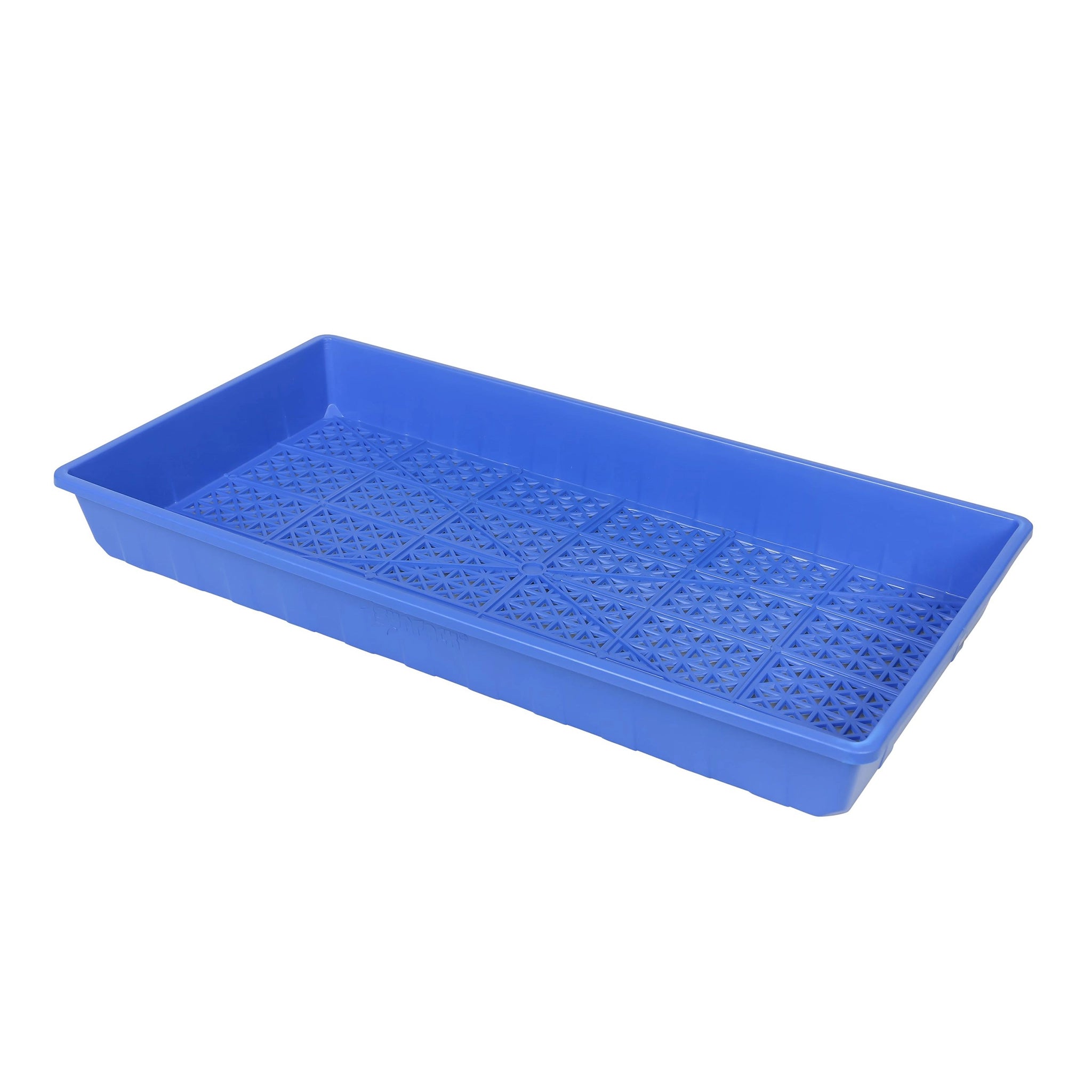
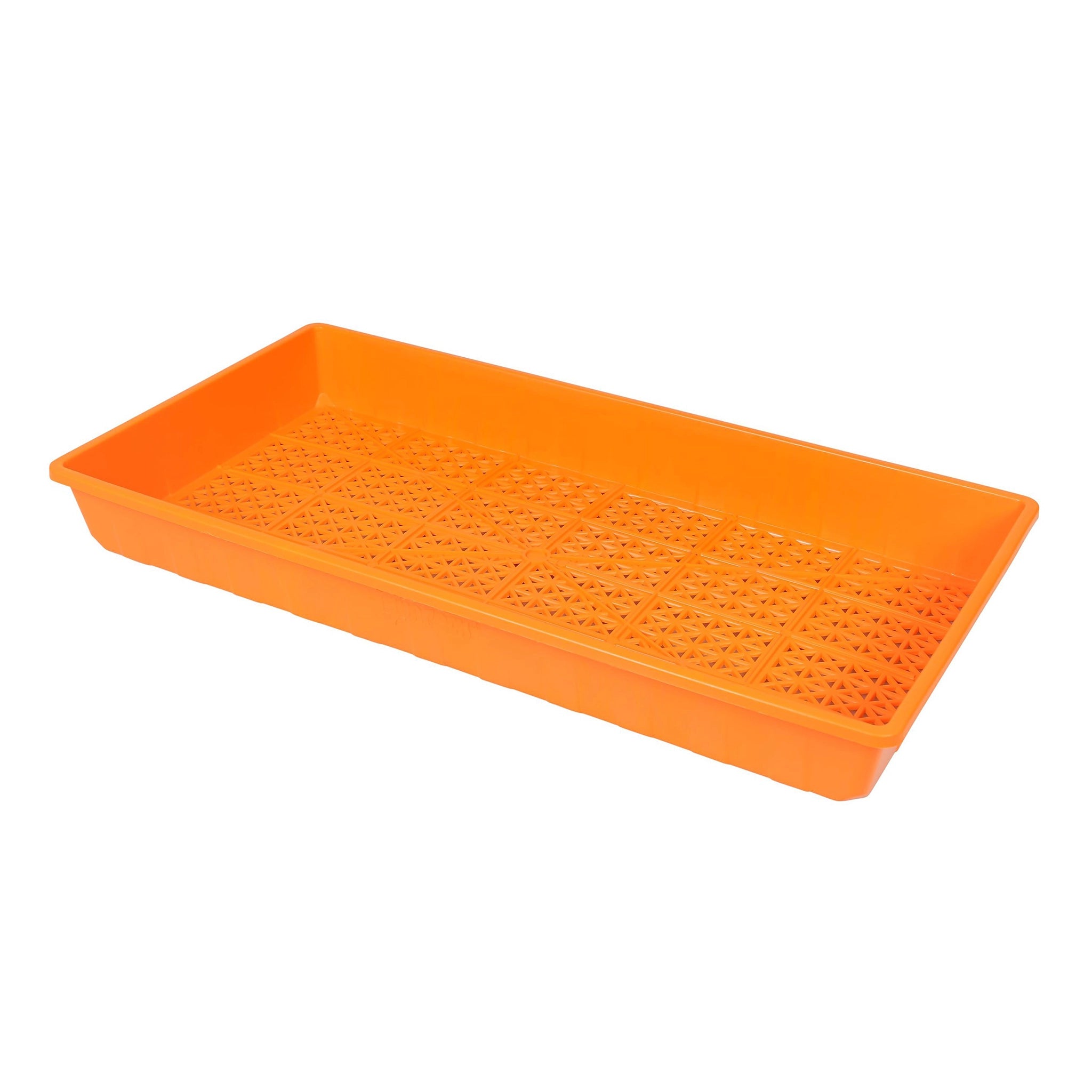
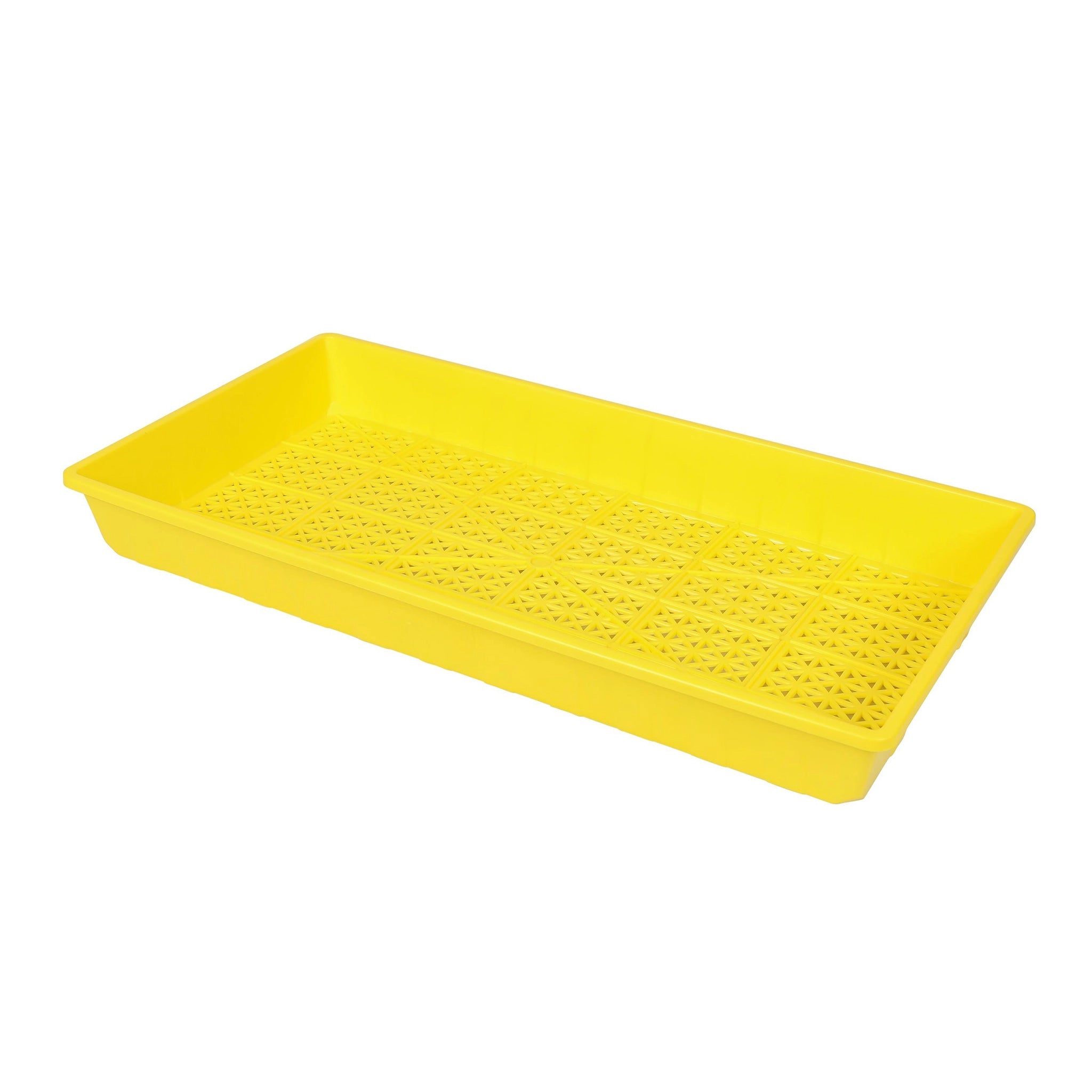
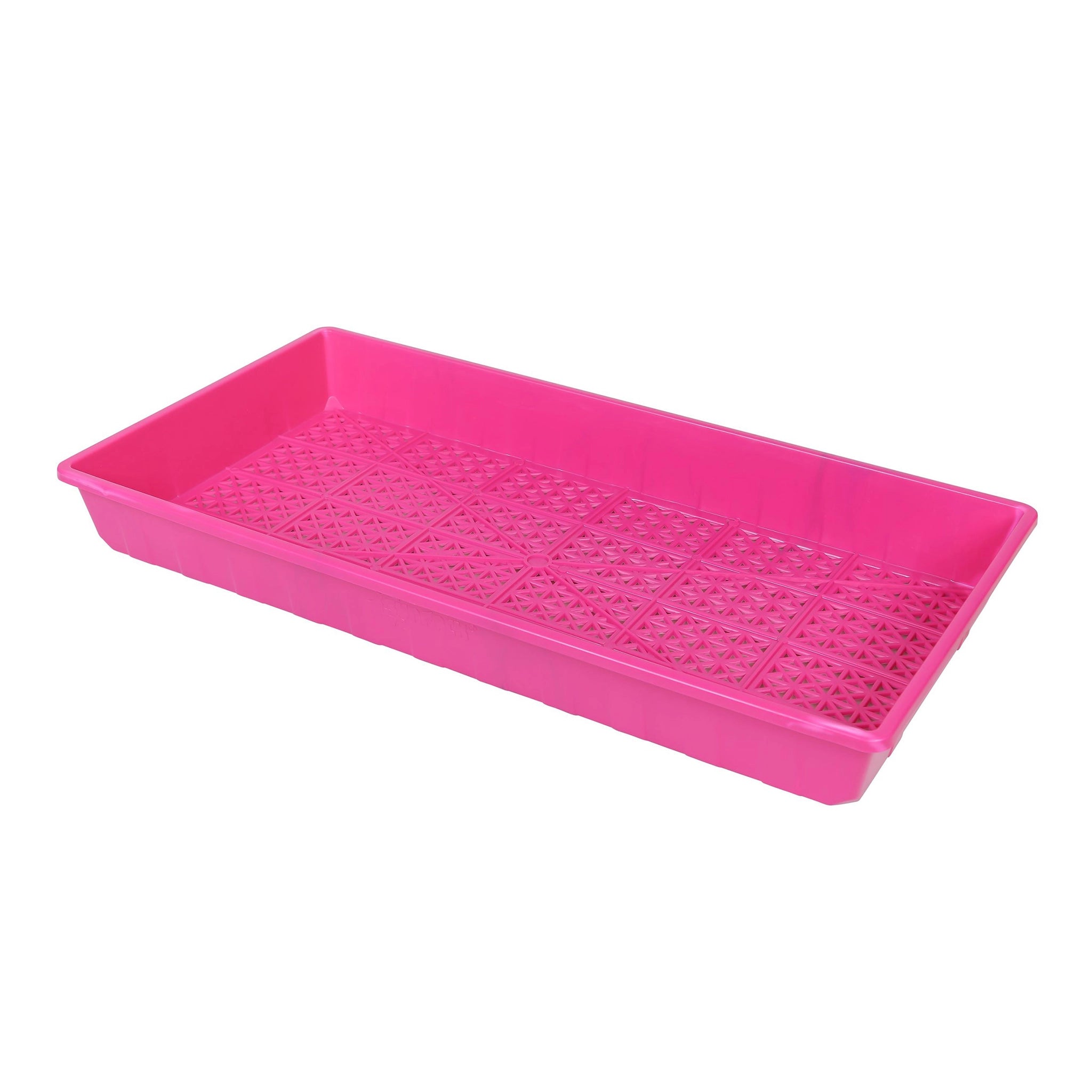
Grow tray accessories cover the fittings, hardware, and add-ons that complete a functional flood table or grow tray system - flood and drain fitting kits, overflow fittings, drain screen inserts, tray extension pieces, and replacement components for existing ebb and flow setups. While flood tables themselves are simple, the fittings and accessories that make them function as ebb and flow systems require correct sizing and compatibility to work properly. Having the right flood fitting kit and overflow configuration from the start prevents the frustration of a functional tray with inadequate drainage or incorrect flood depth.
Flood & Drain Fitting Kits
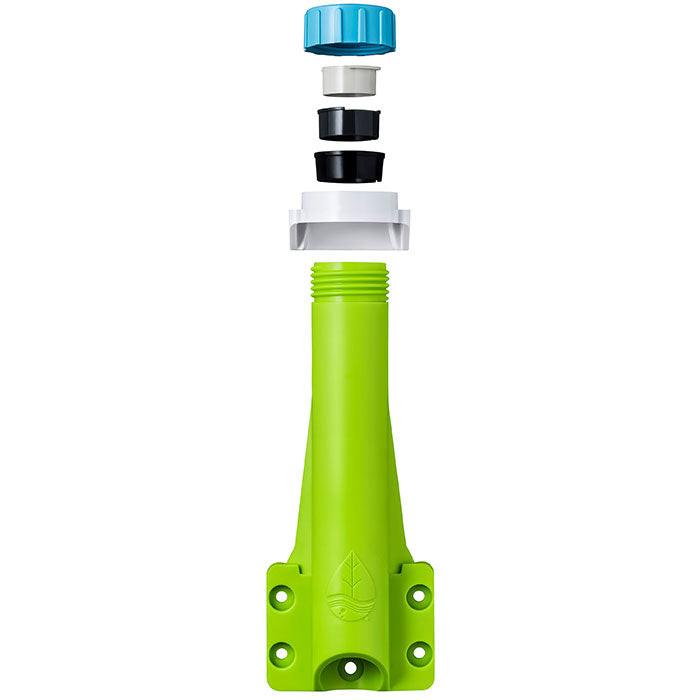
A flood and drain fitting kit contains the two essential fittings for ebb and flow operation: the flood inlet fitting (typically positioned low in the tray, connected to the pump) and the overflow fitting (positioned at the target flood depth - when solution rises to this height it diverts back to the reservoir, setting the maximum flood level). Standard fitting kits use 1/2-inch or 3/4-inch fittings compatible with most commercial grow tray drain hole sizes. The overflow fitting height determines flood depth - swapping to a taller or shorter overflow fitting adjusts the flood level without any other system changes. Browse the full grow trays collection for flood tables in all sizes to pair with fitting kits.
Drain Screens & Overflow Guards
Drain screen inserts prevent growing media, root material, and debris from entering the drain fittings and clogging the reservoir or pump. Particularly important in systems where loose growing media (clay pebbles, perlite) is used directly in the flood tray rather than in containers - screen inserts on both flood and drain fittings keep media in the tray and out of the plumbing. Replacement screens are inexpensive maintenance supplies for any ebb and flow system; keep spares on hand for quick swap-out when screens become clogged. Fast shipping.
Grow Tray Accessories FAQ
What fittings do I need for an ebb and flow tray?
You need two fittings: a flood/drain inlet fitting (positioned at the lowest point of the tray, connected to the pump supply line) and an overflow fitting (positioned at the target flood depth - typically 1-2 inches above the tray floor, which sets the maximum flood level). Both fittings typically use the same hole size (1/2-inch or 3/4-inch NPT or barb connections depending on the fitting kit). The overflow fitting is the most critical - its height determines how deep the tray floods, so verify you install it at the correct height for your growing containers before running the first flood cycle.
What flood depth should I set for my ebb and flow system?
Set flood depth based on your container setup and growing method. For containers sitting on the tray surface: 1-inch flood depth is standard - enough to wet the base of containers and allow nutrient solution uptake through drain holes. For bare-root growing directly in the tray (without containers): 2-3 inches provides adequate root zone submersion. Set the overflow fitting height to your target flood depth before the first flood cycle; adjusting it later is straightforward - remove the fitting and replace with one of the correct height or adjust with a fitting adapter.
How do I prevent growing media from clogging my tray drain fittings?
Install screen inserts or mesh screens over both flood and drain fittings. Fitting screen baskets (small mesh cylinders or caps that sit over the fitting opening) catch growing media particles before they enter the plumbing. For systems using loose media like clay pebbles or perlite directly in the tray, screen inserts are essential. For systems using containers on the tray surface, media clogging is less of a concern but drain screens still help keep root fragments and debris out of the reservoir over time.
Can I extend a grow tray to make it longer?
Some grow tray systems offer extension pieces that attach to the end of a standard tray to increase its length - primarily available for 2x4 ft trays extending to 2x8 ft and similar configurations. Tray extensions require matching the tray wall height and material to ensure a watertight seal at the junction. Purpose-made extension pieces from the tray manufacturer are the most reliable solution; DIY extensions require careful sealing of the connection point to prevent leaks during flood events. Verify the extension is available for your specific tray brand and model before planning a layout that depends on tray extension.
What is the purpose of a tray riser or tray stand?
Grow tray stands (risers) elevate the flood table above the floor to allow gravity drainage back to the reservoir positioned below the tray. Without elevation, the reservoir must be pumped out or positioned at floor level with the tray at the same height - both create problems for passive gravity drain operation. Standard tray stand heights of 12-18 inches provide adequate clearance for a reservoir to sit underneath and allow the drain fitting to empty completely by gravity when the pump shuts off. Elevated trays also improve airflow around container bases and provide more ergonomic working height for plant maintenance.