CO2 System Parts & Accessories for Grow Rooms
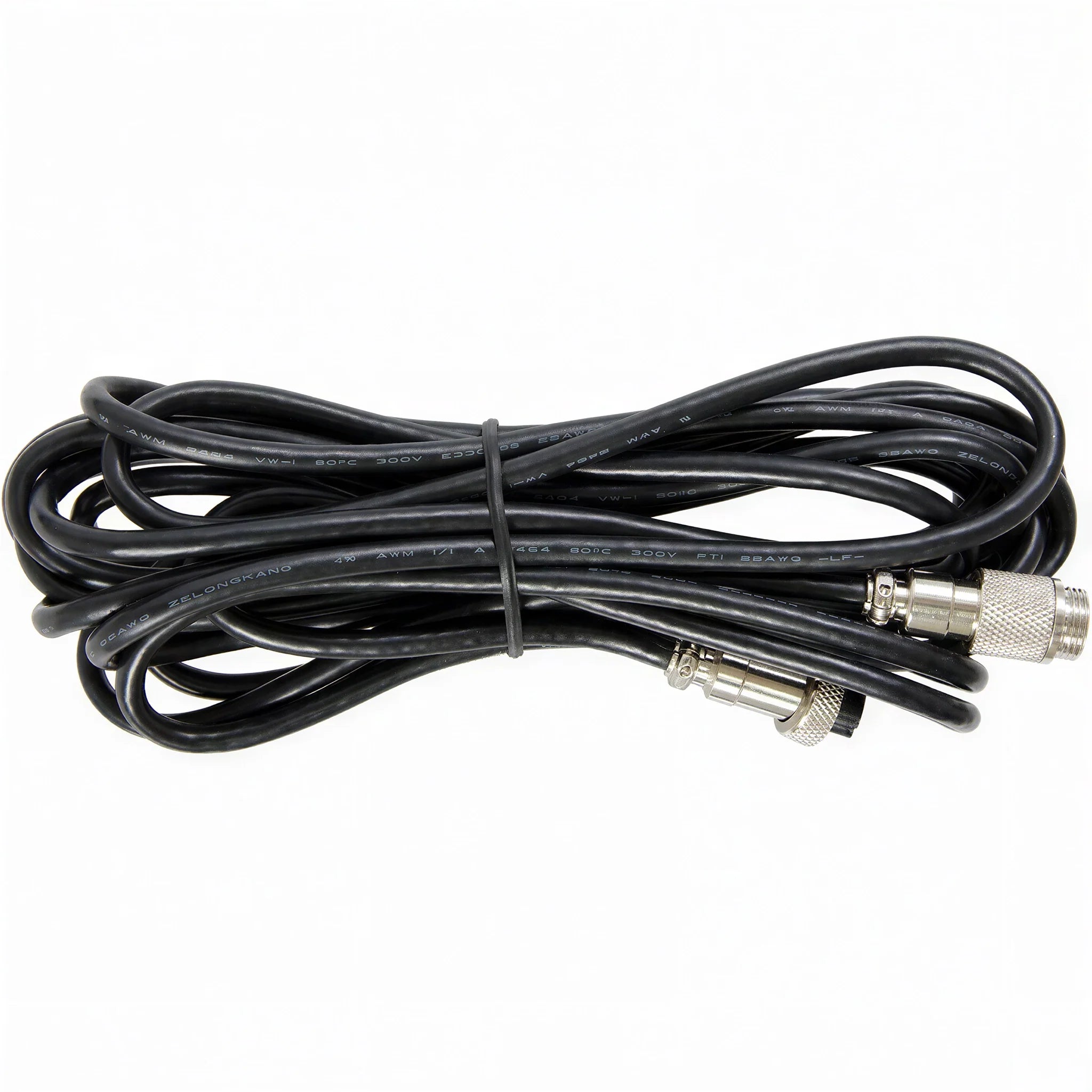
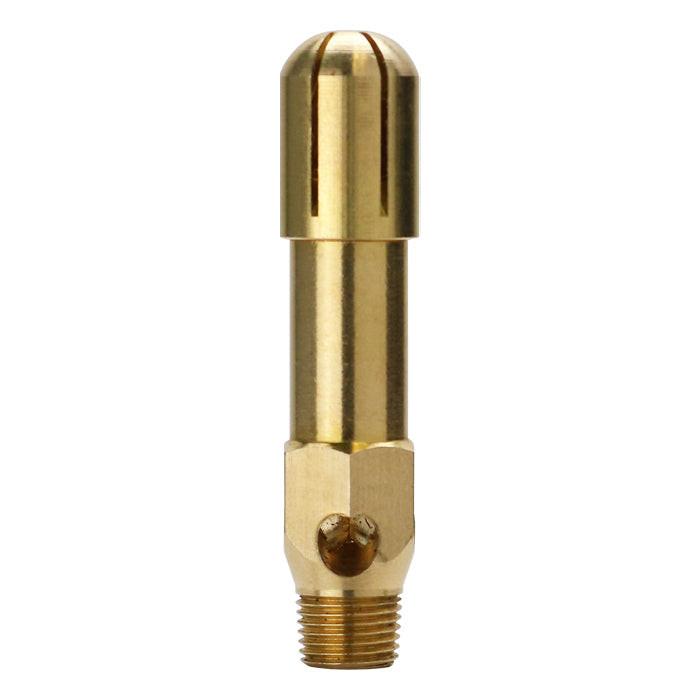
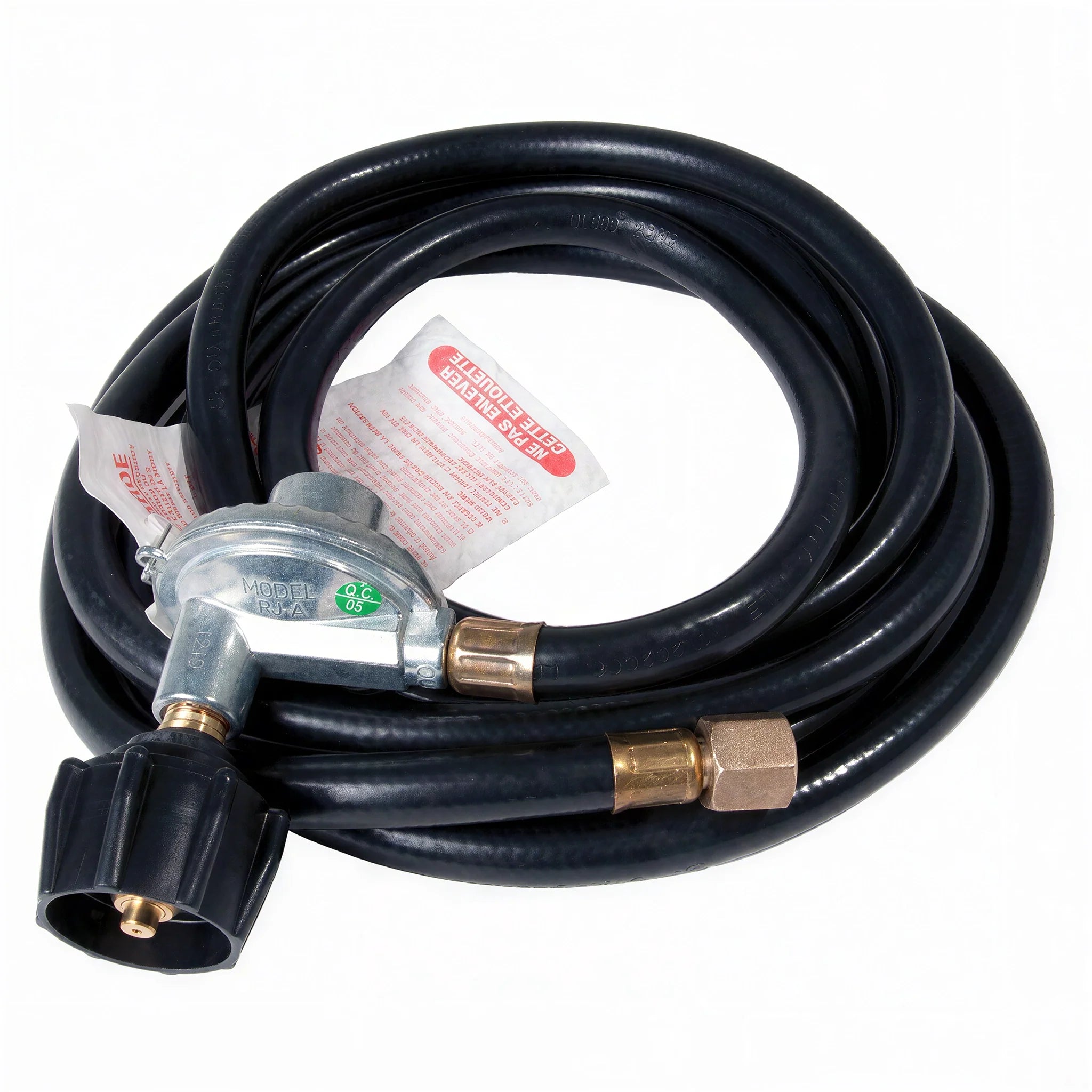
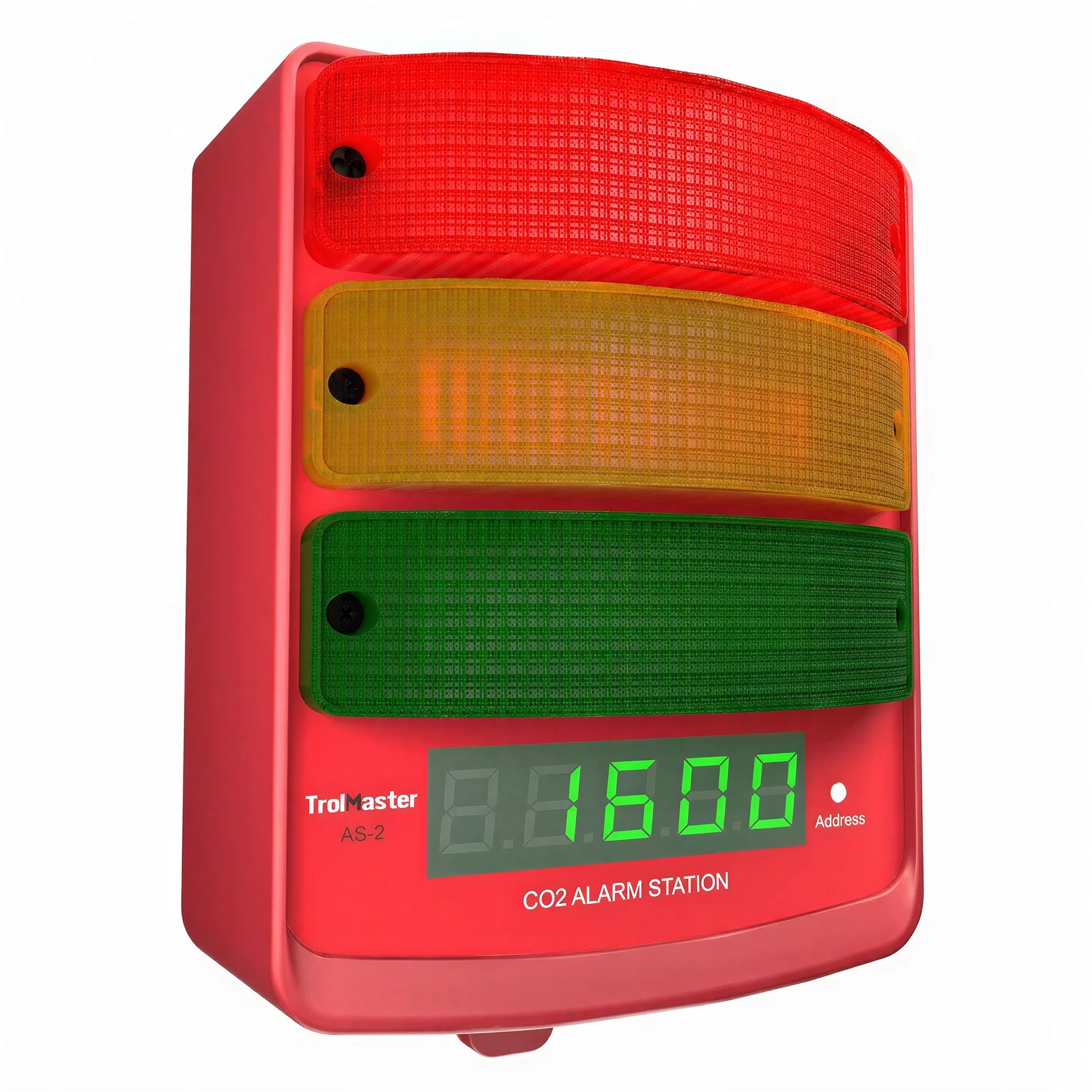
CO2 system parts and accessories cover the replacement components and add-ons for compressed tank CO2 systems and CO2 burner setups - solenoid valves, pressure regulators, flow meters, distribution tubing, manifolds, replacement gauges, and mounting hardware. In active production environments where CO2 enrichment runs daily, component wear and occasional part failure are normal maintenance events. Keeping critical replacement parts on hand prevents extended system downtime between ordering and receiving replacements, particularly for solenoid valves and regulators that are the most wear-prone components in compressed CO2 systems.
Key Replacement Components
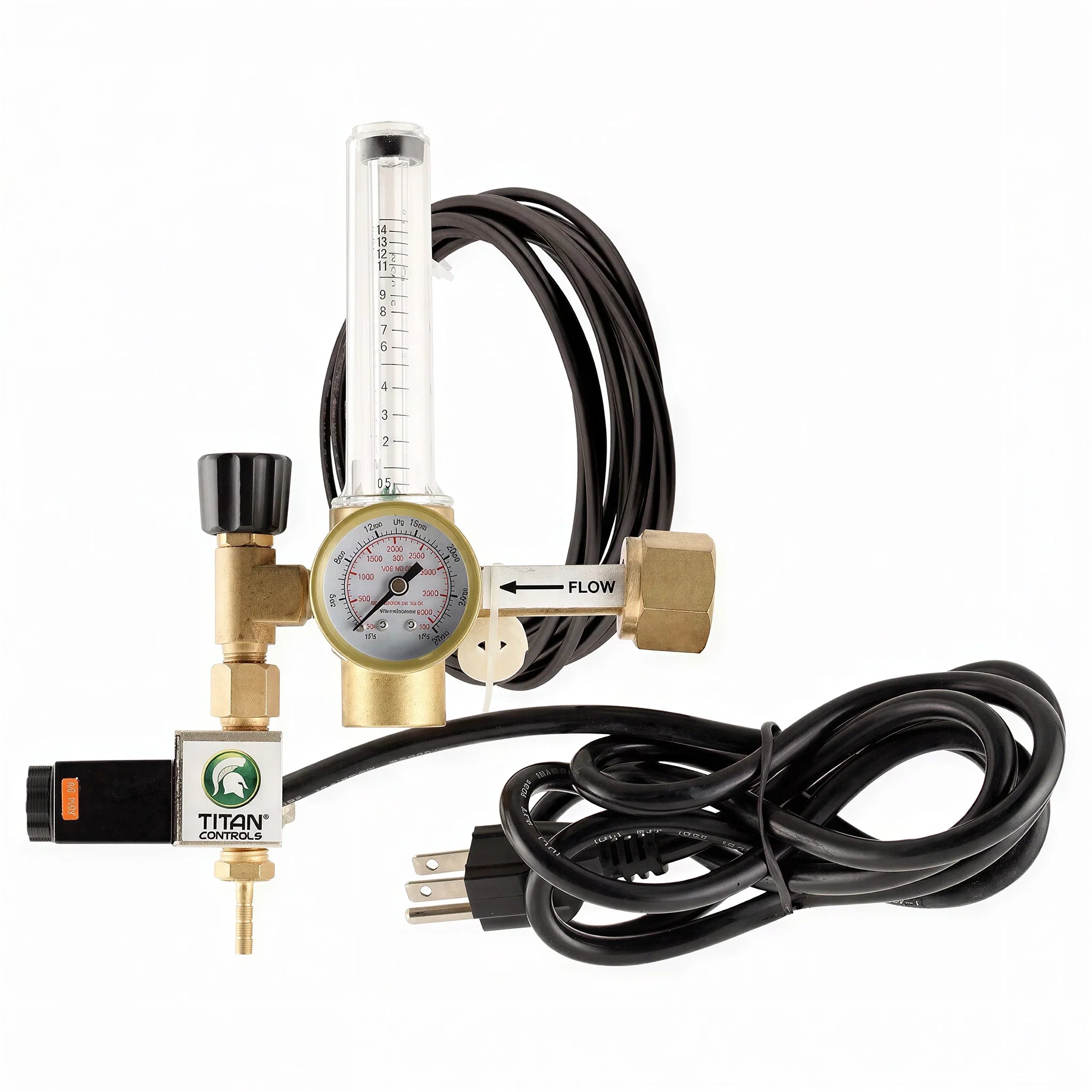
The solenoid valve is the most frequently replaced component in a compressed CO2 system - it opens and closes under controller command hundreds of times per week and the valve seat and seals wear over time. Solenoid valves for CO2 applications are rated by operating pressure range and flow capacity; verify the replacement matches the pressure range of your regulator output. CO2 regulators have pressure gauges that can degrade or fail independently of the regulator body - replacement gauges (both high-pressure tank gauge and low-pressure working gauge) are typically available as separate components. Browse our complete CO2 tank and regulator kits collection for complete system setups alongside individual parts.
CO2 Distribution Tubing & Manifolds
CO2 distribution tubing carries gas from the regulator to the delivery points in the grow room - positioned at canopy level where CO2 is utilized most. CO2-rated tubing (typically 1/4-inch or 3/8-inch ID flexible tubing with appropriate pressure rating) is used rather than standard irrigation or aquarium tubing, which may not be rated for compressed gas applications. Manifolds allow splitting a single CO2 regulator output to multiple delivery zones - useful for larger rooms requiring CO2 delivery at multiple canopy locations. Browse our full grow room CO2 collection for controllers and complete systems. Fast shipping.
CO2 System Parts FAQ
What CO2 system parts wear out and need replacement?
The solenoid valve is the most wear-prone component - it cycles open and closed under controller command hundreds to thousands of times per week. Solenoid seals and the valve seat wear over time, causing slow CO2 leaks or failure to close fully. Pressure gauge internals can corrode or lose calibration, particularly in humid grow room environments. CO2 distribution tubing becomes brittle and develops micro-cracks over time from UV exposure and physical manipulation. Flow meter internals (if used for precise dosing) are subject to wear from gas flow. Keep solenoid valve and tubing replacement parts on hand as routine maintenance supplies.
How do I know if my CO2 solenoid valve is failing?
Signs of a failing CO2 solenoid valve: persistent CO2 smell when the controller has commanded the valve closed (indicating incomplete seal); CO2 PPM levels that do not rise as expected during dosing events (indicating the valve is not fully opening); or audible clicking without CO2 flow (electrical function present but valve stuck mechanically). A simple test: close the regulator outlet and pressurize the low-pressure side; after several minutes, check whether pressure holds steady or drops (indicating a valve seat leak). Replace solenoid valves showing any of these symptoms promptly - a stuck-open solenoid wastes significant CO2 during the dark period.
What tubing should I use for CO2 distribution?
Use CO2-rated flexible tubing (1/4-inch or 3/8-inch ID vinyl or polyurethane tubing rated for the regulator's output pressure, typically 5-30 PSI) for distribution lines from the regulator to delivery points. Standard aquarium airline tubing is rated for very low pressures (1-3 PSI) and may fail or develop slow leaks at typical CO2 regulator output pressures. Standard irrigation tubing is generally not rated for compressed gas. CO2-specific tubing is typically rated for 60-100 PSI - well above the working pressures used in grow room CO2 distribution, providing a wide safety margin.
Can I refill CO2 tanks myself?
CO2 tank refilling requires specialized filling equipment and a CO2 supply - not practical for in-home refilling. Most growers exchange empty tanks at a local welding supply, beverage gas supplier, or fire extinguisher service center. Hydrobuilder does not sell CO2 gas. For continuous production where CO2 usage is high, establishing a tank exchange relationship with a local supplier ensures consistent supply without waiting for shipping. Keep a backup tank on hand so production is not interrupted between refills - a spare tank filled and ready is standard practice for commercial CO2-enriched operations.
How do I fix a CO2 regulator that is leaking?
First isolate where the leak is occurring: apply soapy water solution to all connections and watch for bubbles. Common leak points: the tank-to-regulator connection (tighten the CGA-320 fitting - do not over-tighten, and verify the nylon washer is in place and in good condition); solenoid valve connections (verify fittings are tight and threads are not cross-threaded); and tubing barb connections (tighten hose clamps or replace the tubing end if it has deformed). Replace the nylon washer at the tank-to-regulator interface annually - this is the most common cause of tank valve leaks and a cheap fix. For regulator body leaks or internal failures, replace the regulator rather than attempting repair.