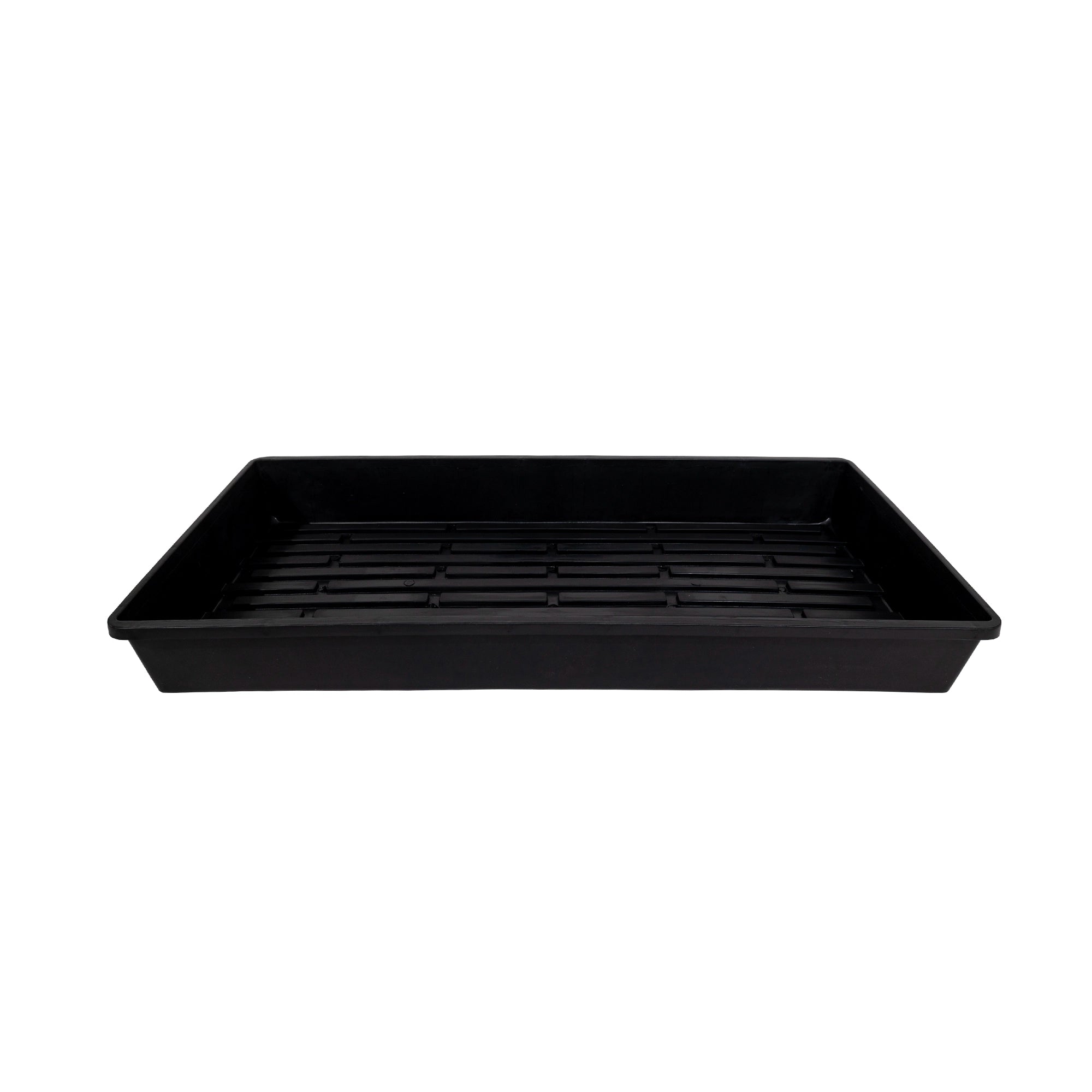
Seedling Trays & Propagation Flats
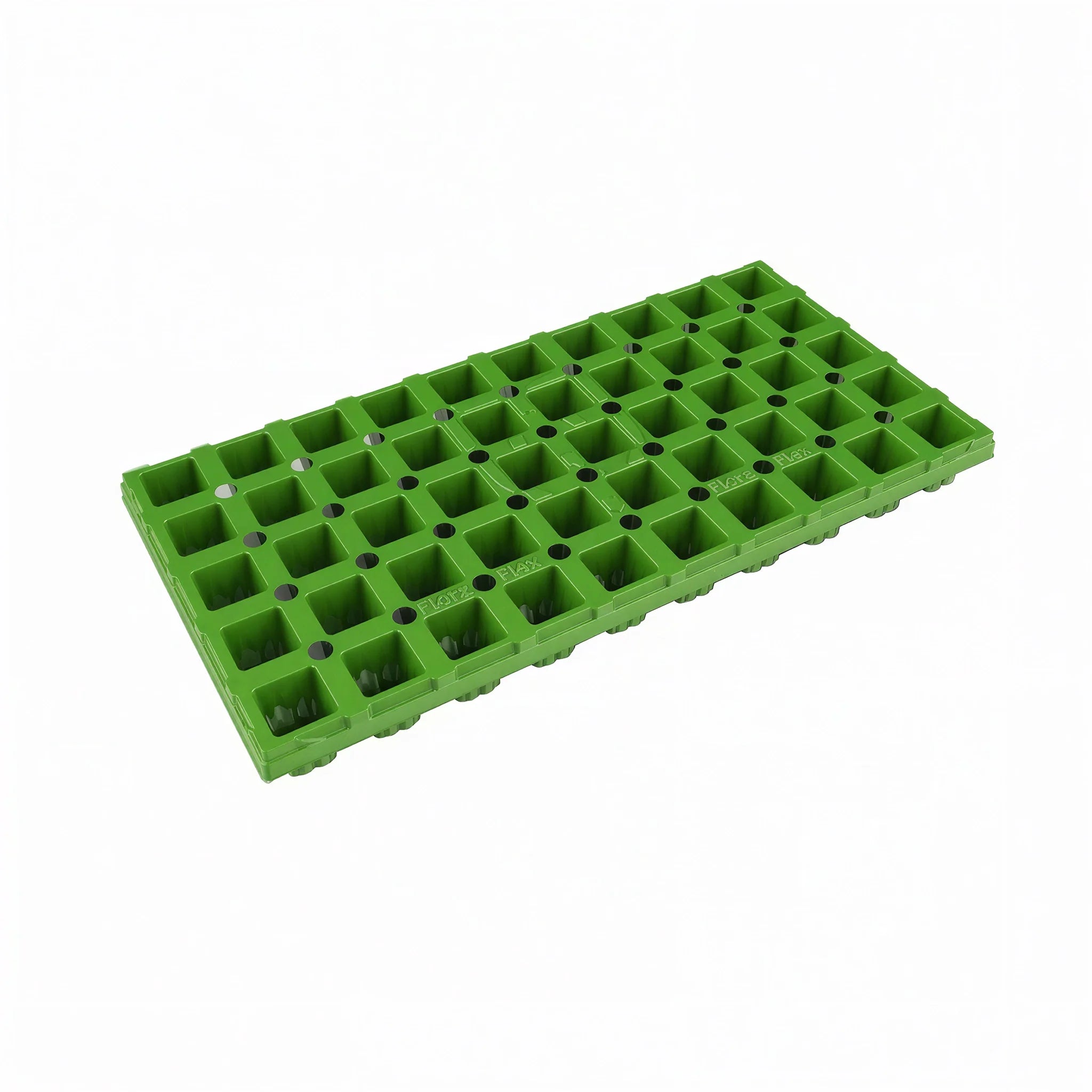
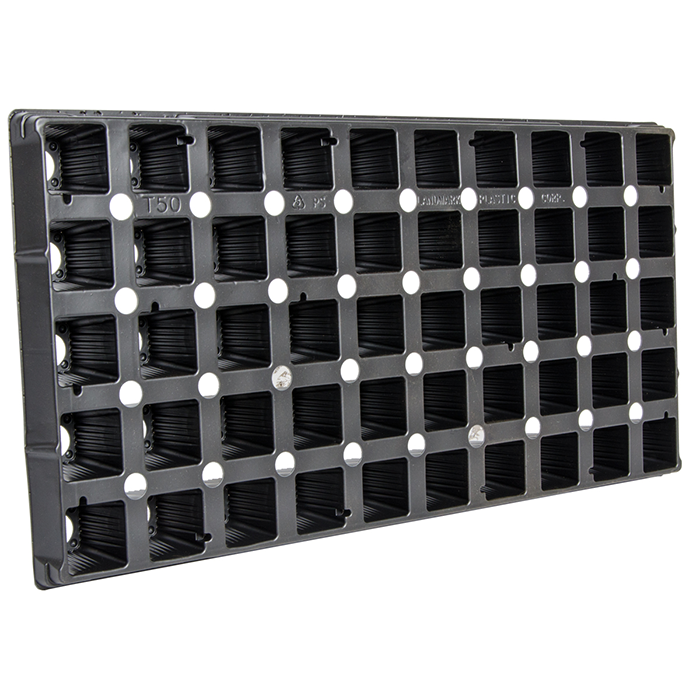
Seedling trays (also called propagation flats or plug trays) are the shallow multi-cell containers used to germinate seeds and root cuttings in a compact, organized format that optimizes space and simplifies transplanting. The standard 10x20 inch propagation flat holds anywhere from 18 to 200+ cells depending on cell size - large cells (18-50 count) for seedlings developing 3-4 weeks before transplanting, medium cells (72 count) for seedlings transplanting in 2-3 weeks, and small cells (128-288 count) for plugs destined for early transplanting or commercial plug production. Matching cell count to your production timeline prevents root binding and nutrient depletion before transplant.
Solid-Bottom vs. Mesh-Bottom Trays
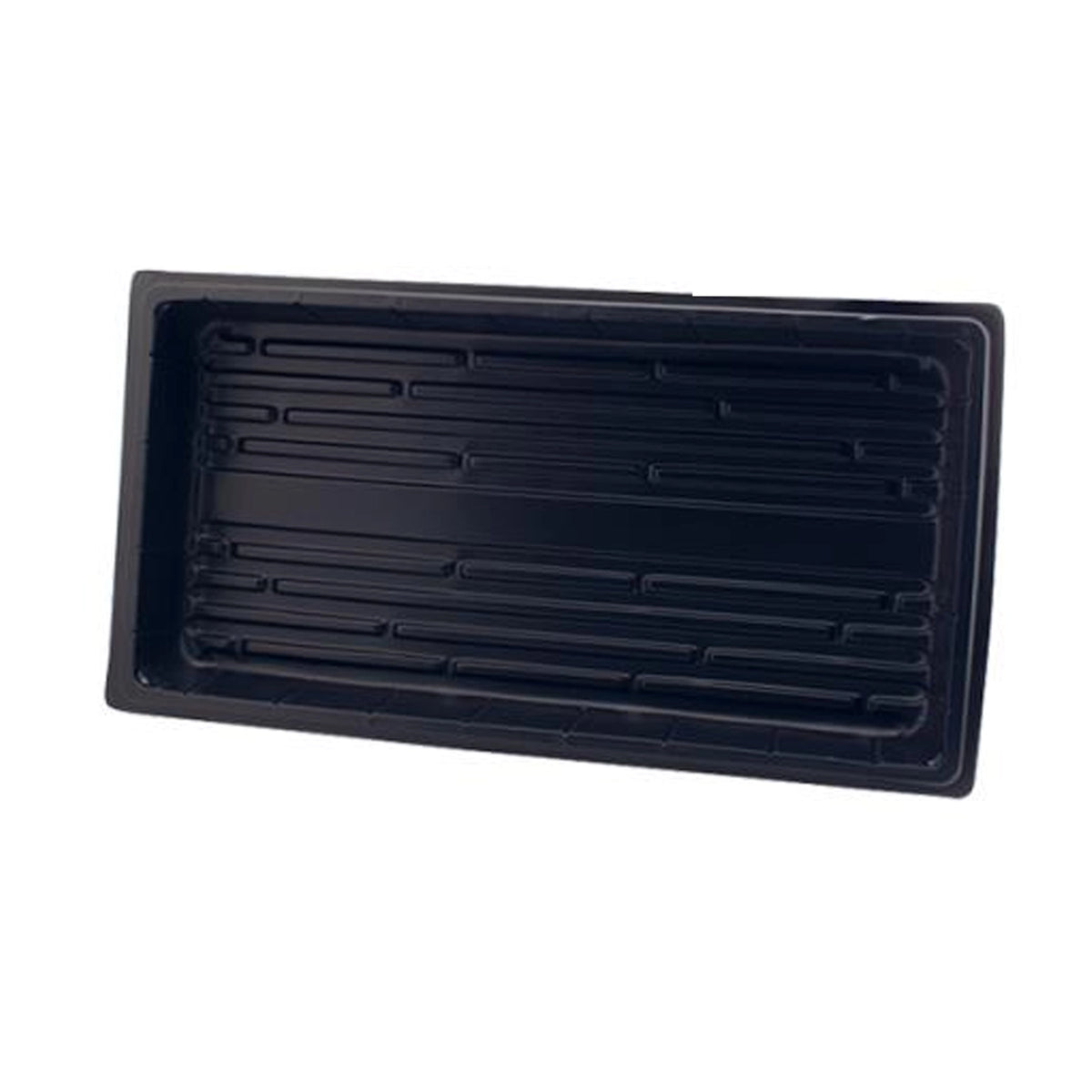
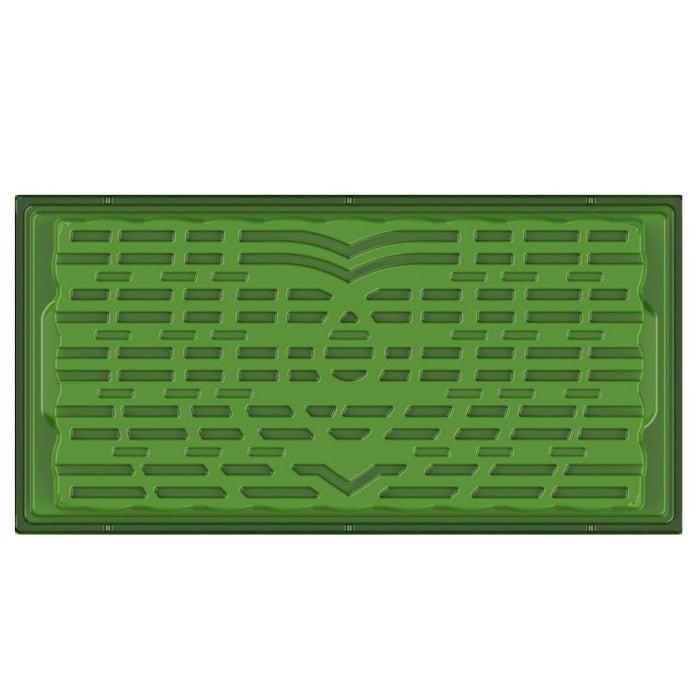
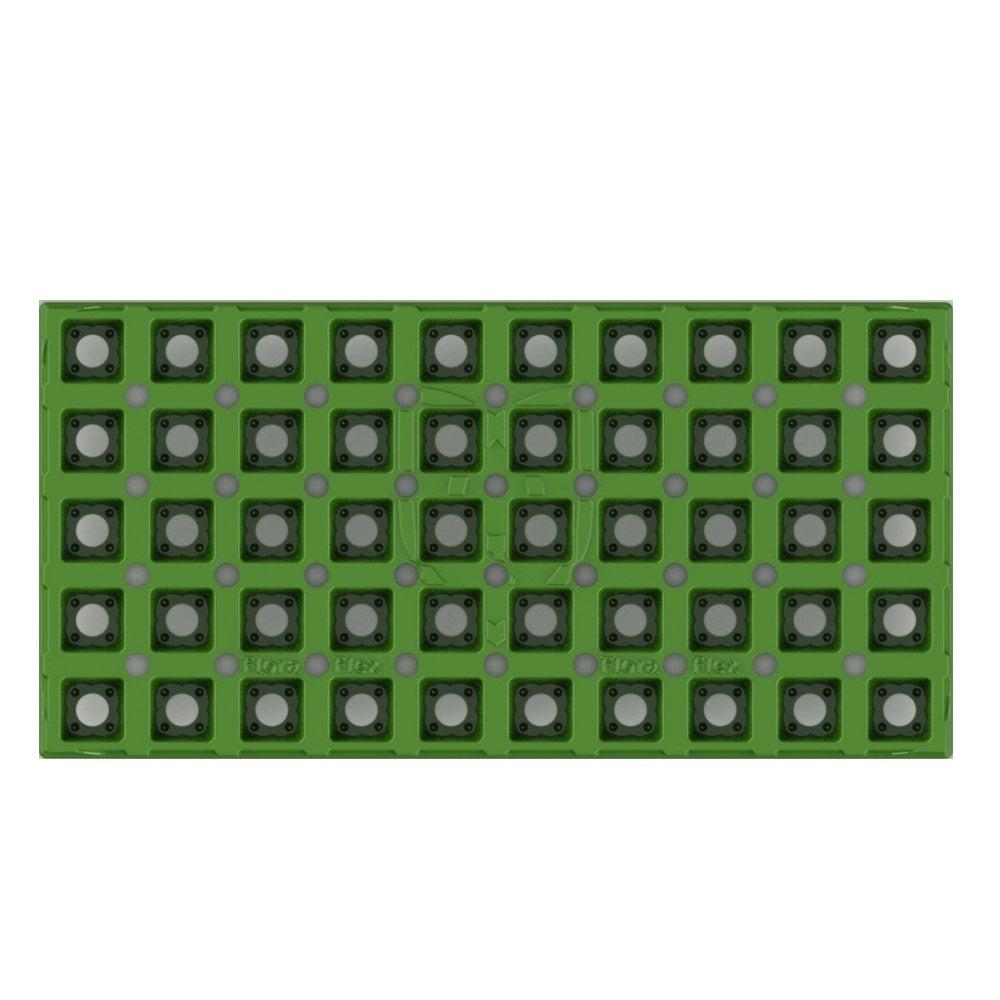
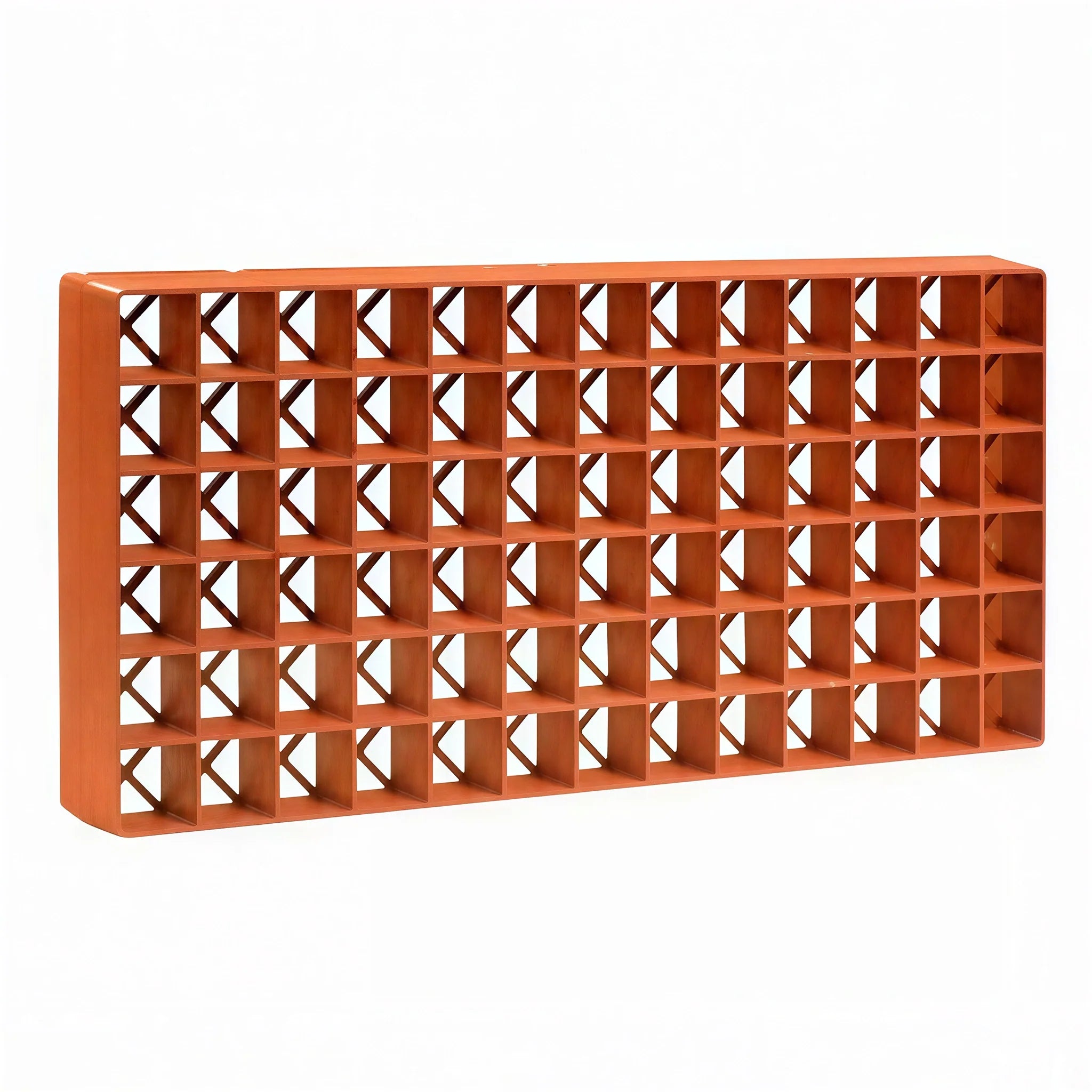
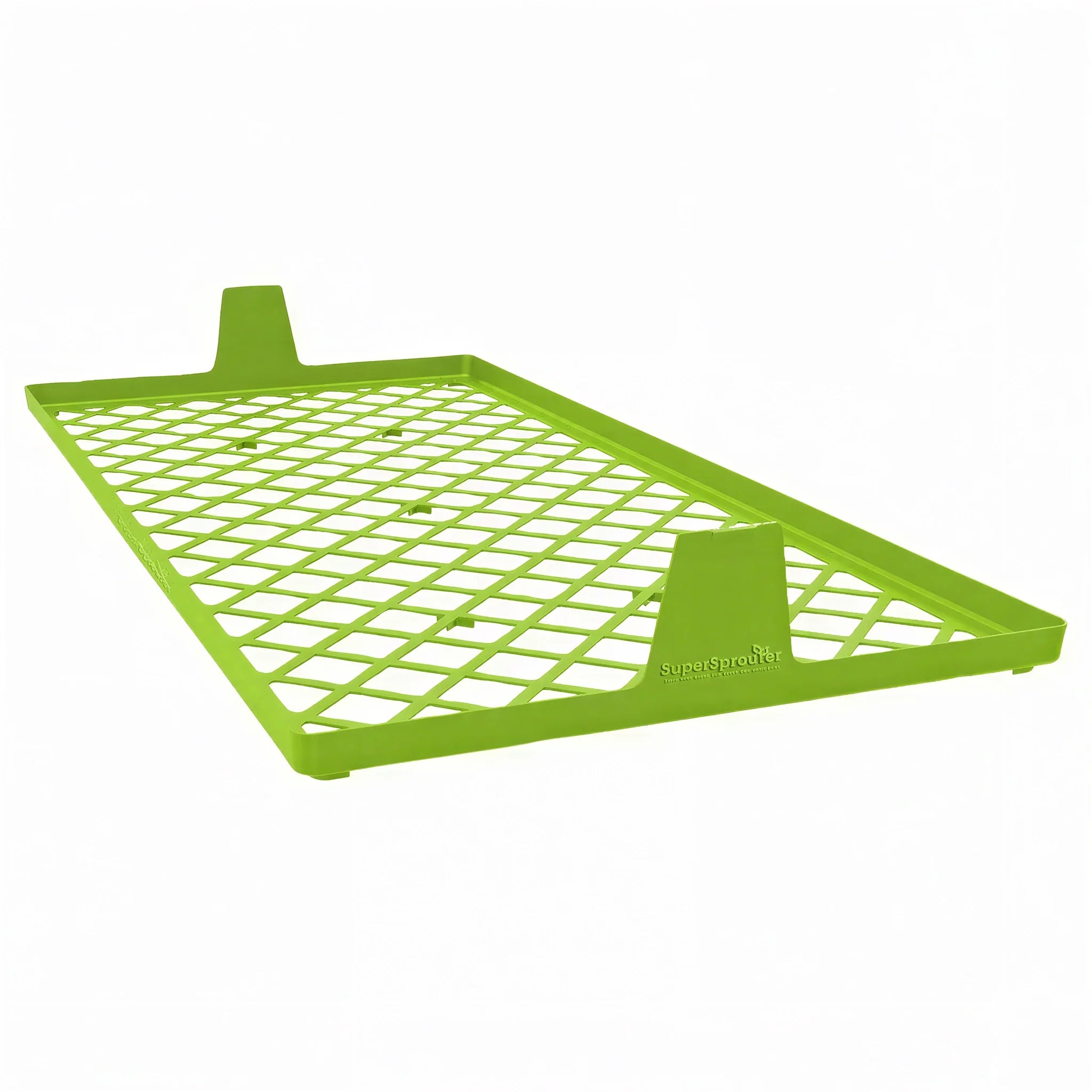
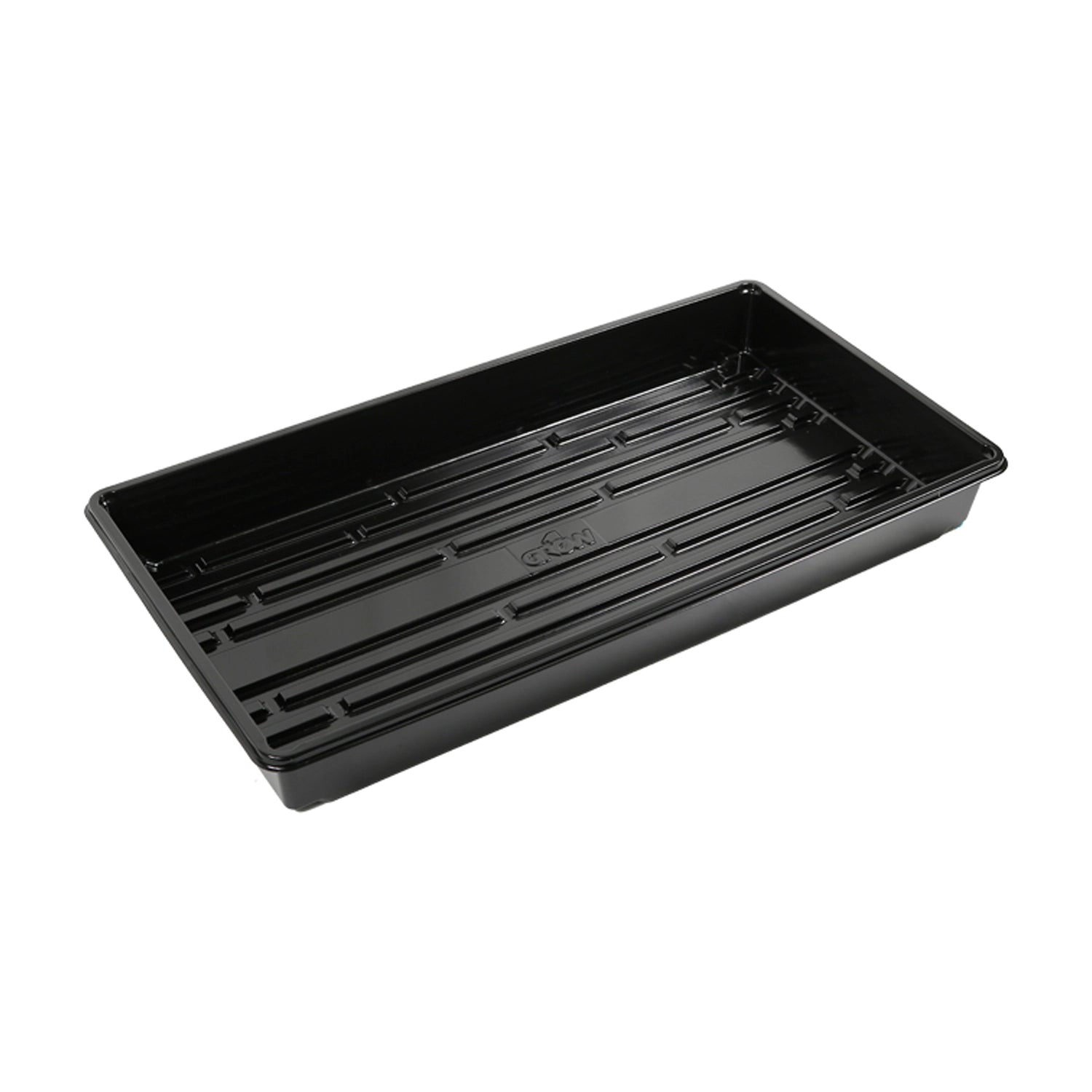
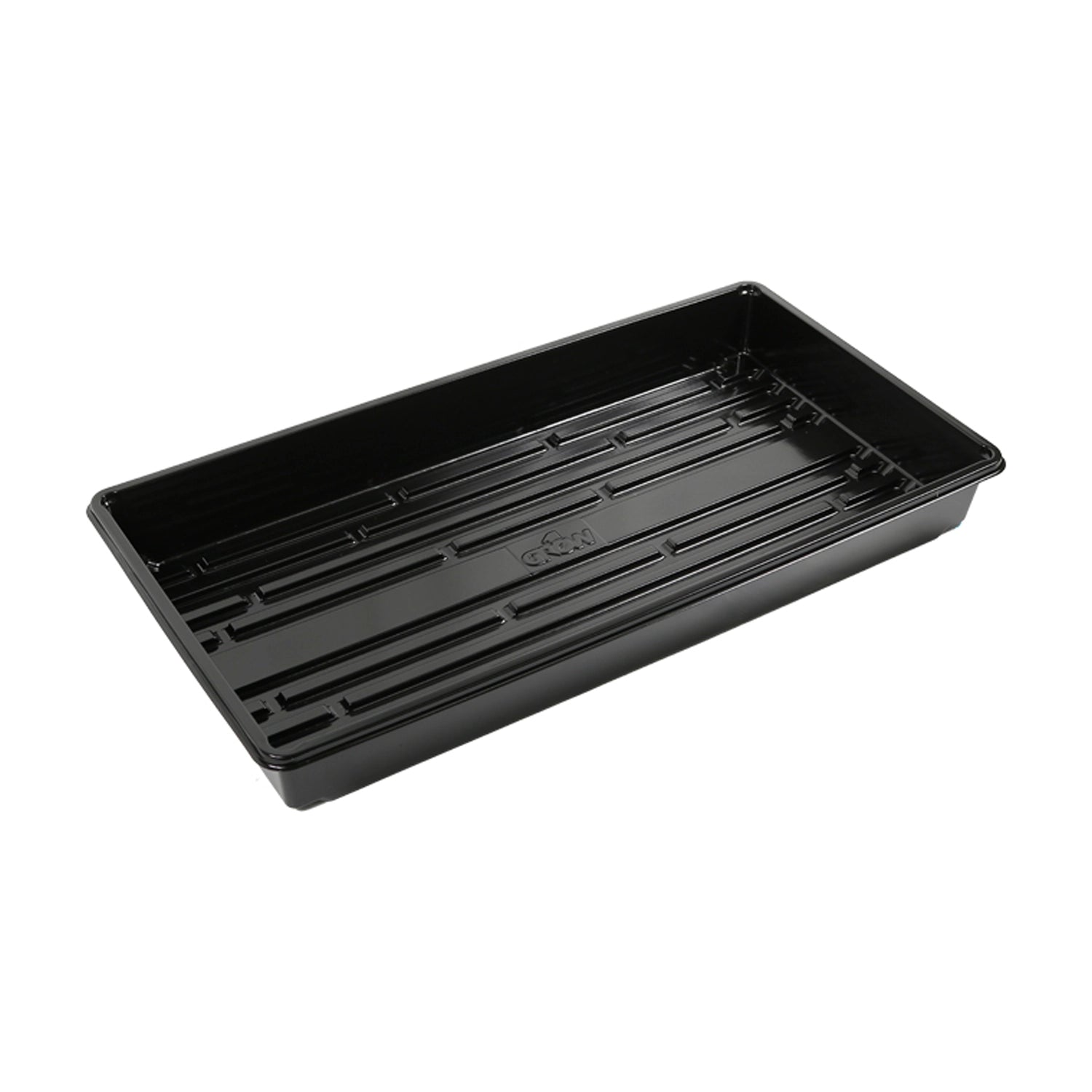
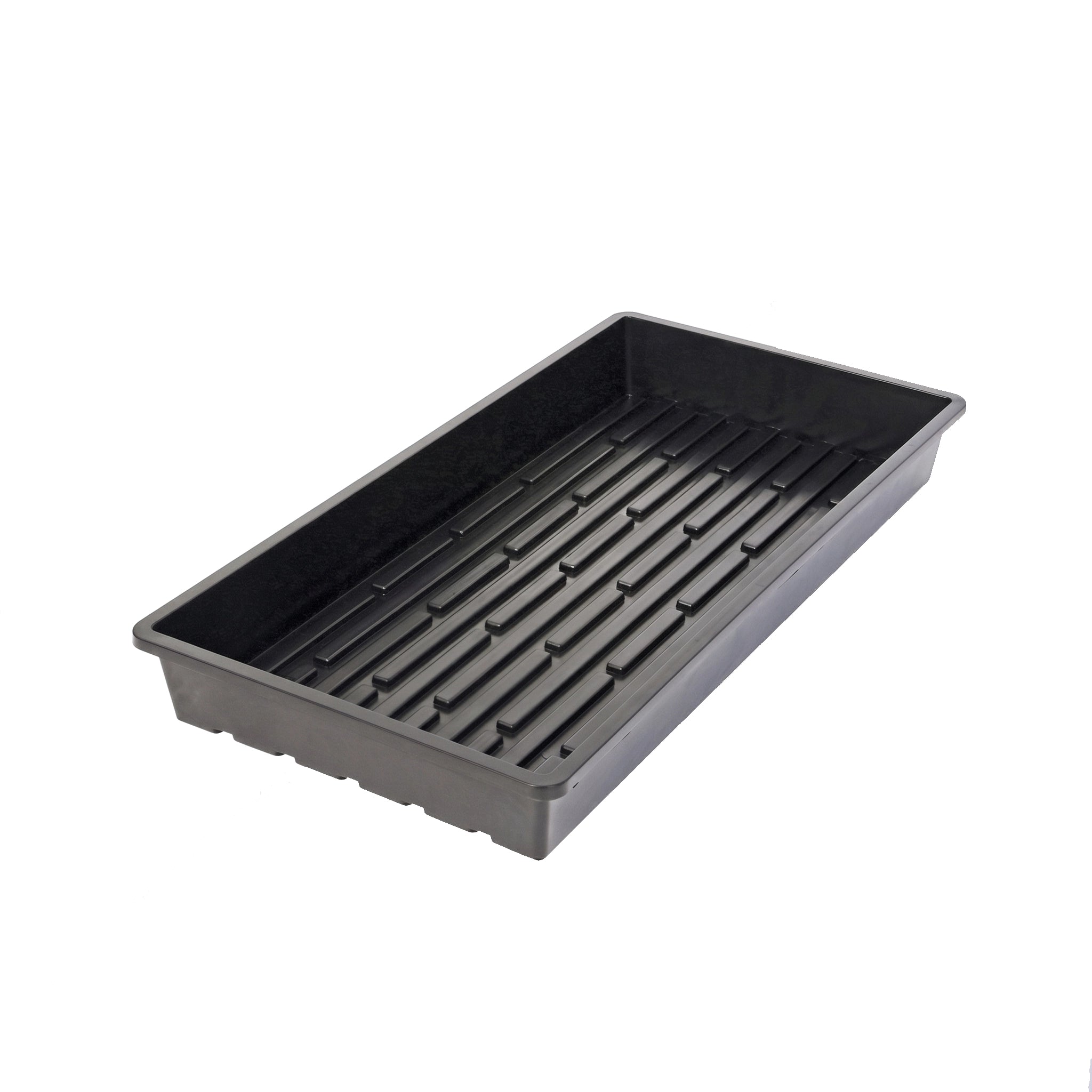
Solid-bottom trays allow bottom watering - nutrient solution pooled in the tray base wicks upward into the growing medium by capillary action, keeping moisture at the roots without wetting the surface, reducing damping off risk. Mesh-bottom trays allow direct drainage and air pruning at the cell base - better for fast-draining media like perlite and rockwool where bottom-watering would cause waterlogging, and for aeroponic cloner applications. For standard seedling growing in peat or coco plugs, solid-bottom trays with periodic bottom watering are the most common choice. Browse our complete seedling trays and humidity domes collection for trays bundled with matching dome options.
Commercial Plug Production Trays
Commercial propagation operations use 72-cell, 128-cell, and 288-cell plug trays for high-density seedling production - maximizing propagation space efficiency. These trays integrate with standard 10x20 propagation bench heating systems and propagation lighting setups. Pair with seed starter plugs for a complete propagation station. Fast shipping.
Seedling Trays FAQ
What is the difference between a seedling tray and a humidity dome kit?
A seedling tray is the base flat - the multi-cell container that holds starter plugs or growing medium. A humidity dome kit bundles the tray with a matching clear plastic dome that fits over the top to trap humidity (70-80% RH) for seedling and cutting propagation. The dome is critical for unrooted cuttings that need high humidity before roots establish, and beneficial for seed germination. Trays alone (without domes) are used for seedlings that have already established roots and are in active vegetative growth, where the dome is removed.
How many cells should a seedling tray have?
Match cell count to the seedling's stay time in the tray. Large cells (18-50 count): for seedlings growing 3-5 weeks in the tray. Medium cells (72 count): 2-3 week stays, the most common commercial plug size for most vegetable and herb crops. Small cells (128-288 count): 1-2 week stays for early transplant programs or commercial plug production where space efficiency is the priority. If seedlings stay too long in small cells, they become root-bound - the cell count choice should match your anticipated production timeline.
Can I reuse plastic seedling trays?
Yes - sanitize between cycles with a 1:10 bleach solution or hydrogen peroxide soak, rinse thoroughly, and allow to dry completely before reuse. Inspect for cracks and holes that compromise structural support for starter plugs. With proper maintenance, quality rigid plastic seedling trays last 3-5 growing cycles. Budget thin-walled trays often crack after 1-2 uses. Commercial operations that run many propagation cycles typically factor tray replacement into their consumable cost budget at a set replacement frequency.
What is the best medium to use in seedling tray cells?
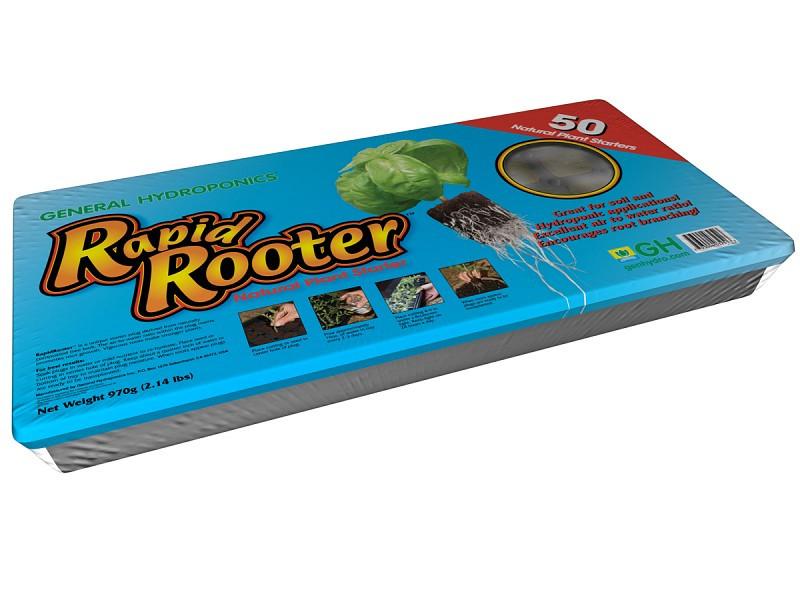
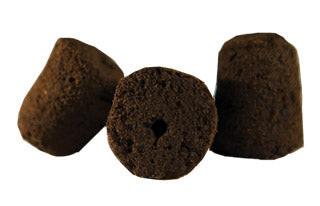
For soil-based programs: pre-moistened seed-starting mix (fine-textured peat or coco-based blend without large perlite chunks) fills cells well and provides adequate germination conditions. For hydroponic programs: individual Root Riot plugs, Rapid Rooter plugs, or rockwool cubes placed in cells provide clean, media-free root balls that transplant directly into any hydroponic system. For cloning: neoprene collars in mesh-bottom trays support cuttings in aeroponic cloner applications.
How do I prevent damping off in seedling trays?
Damping off (fungal stem collapse at the soil line in young seedlings) is caused by fungal pathogens thriving in overly wet, poorly ventilated conditions. Prevention: use sterile fresh medium each cycle, avoid overwatering (let the surface dry slightly between waterings), ensure adequate air circulation around tray surfaces, and consider a light preventive application of Bacillus subtilis bio-fungicide at seeding. Bottom watering through solid-bottom trays keeps the surface drier than top watering, reducing damping off incidence significantly.