Fertigation Parts & Accessories for Dosing Systems
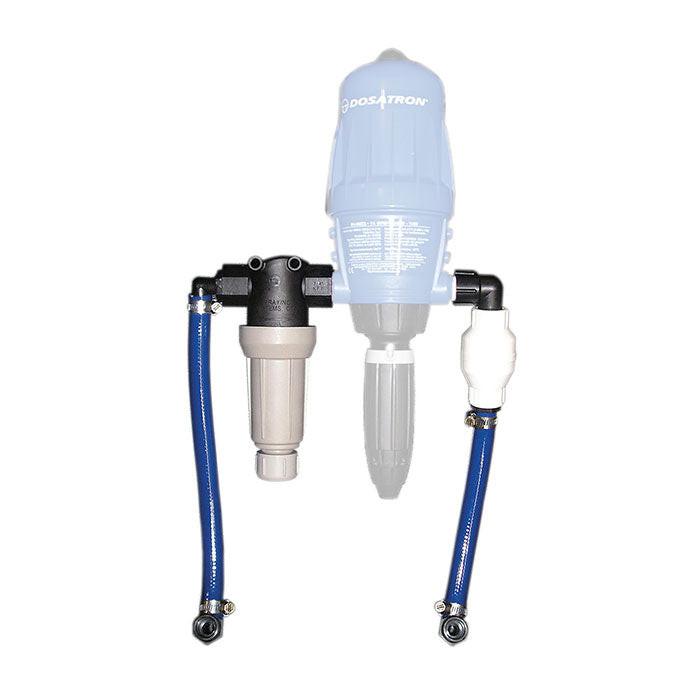
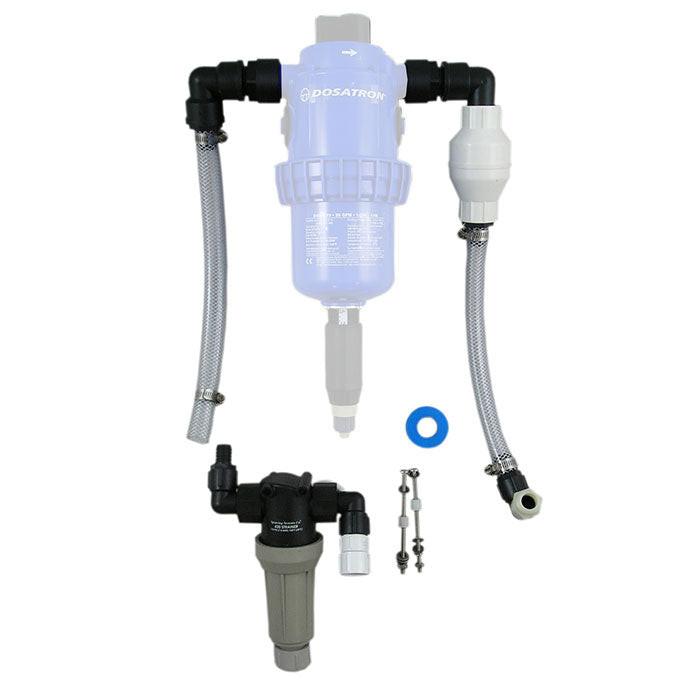
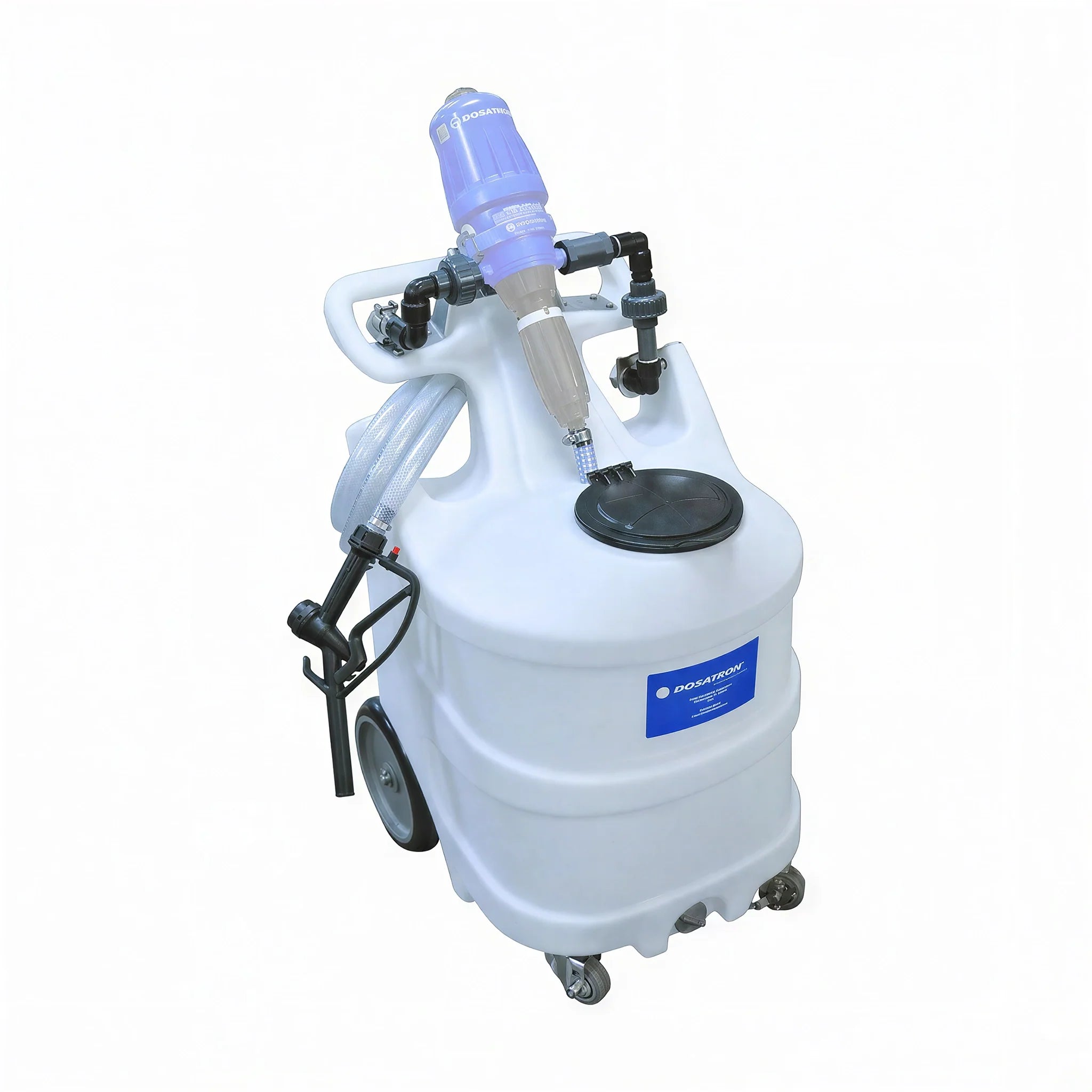
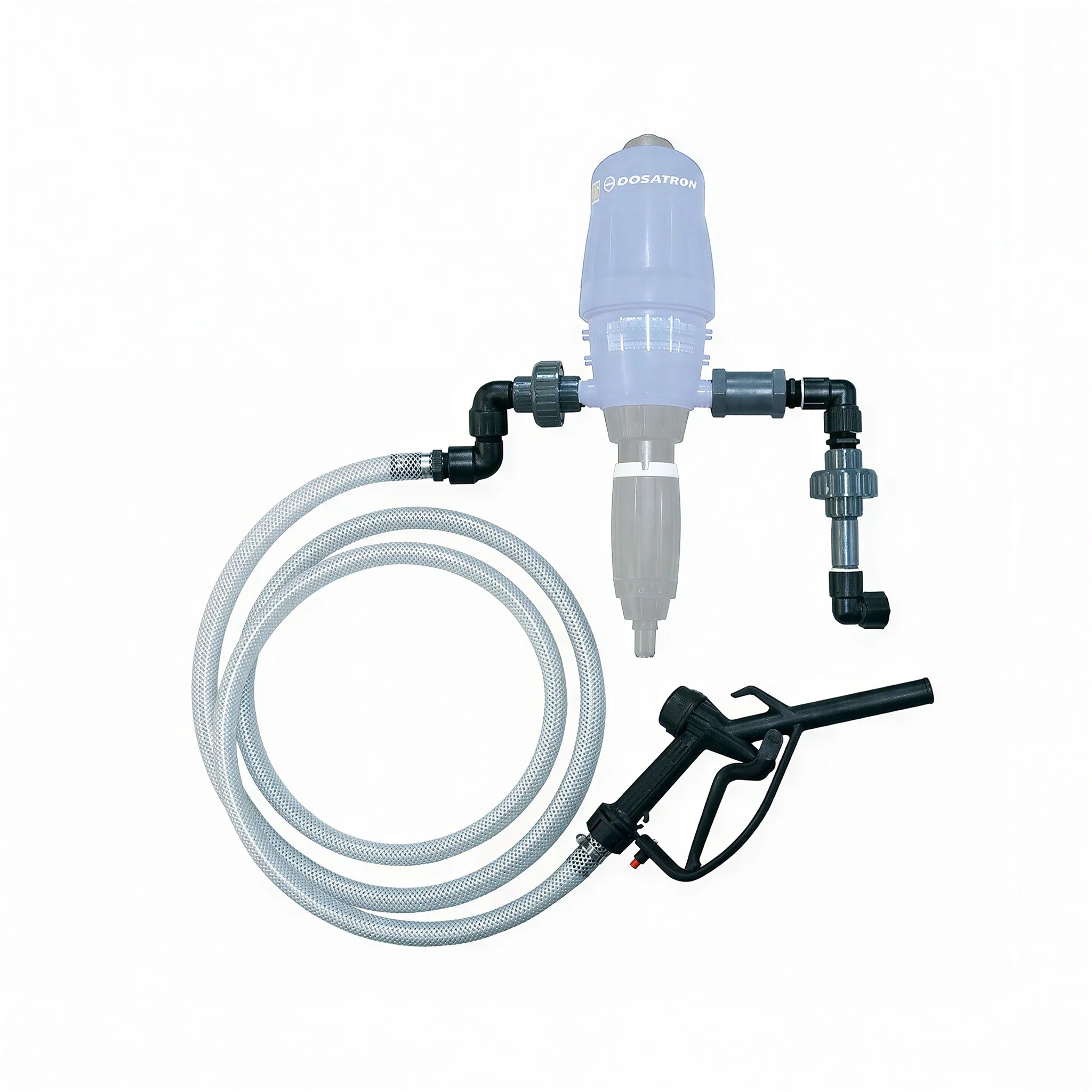
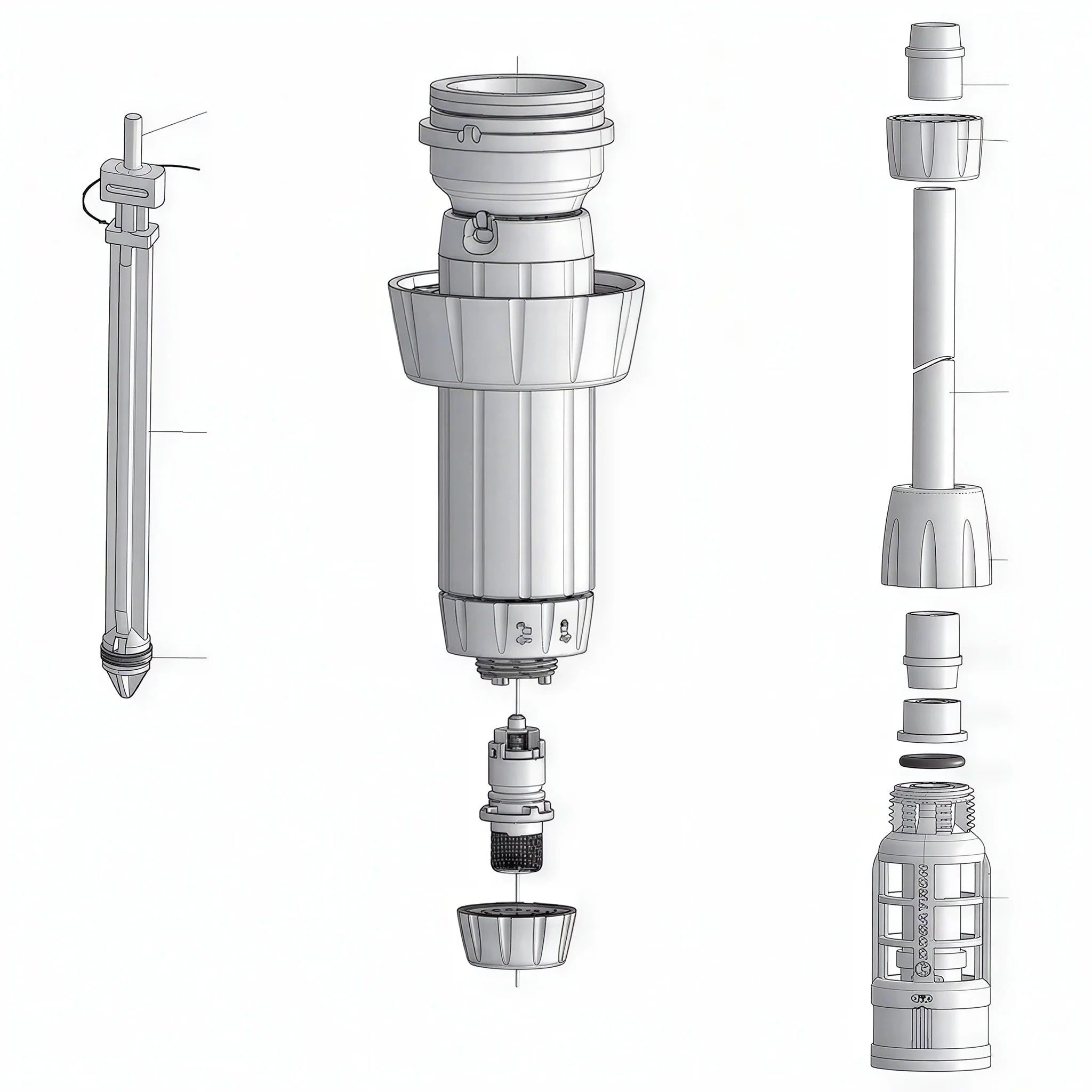
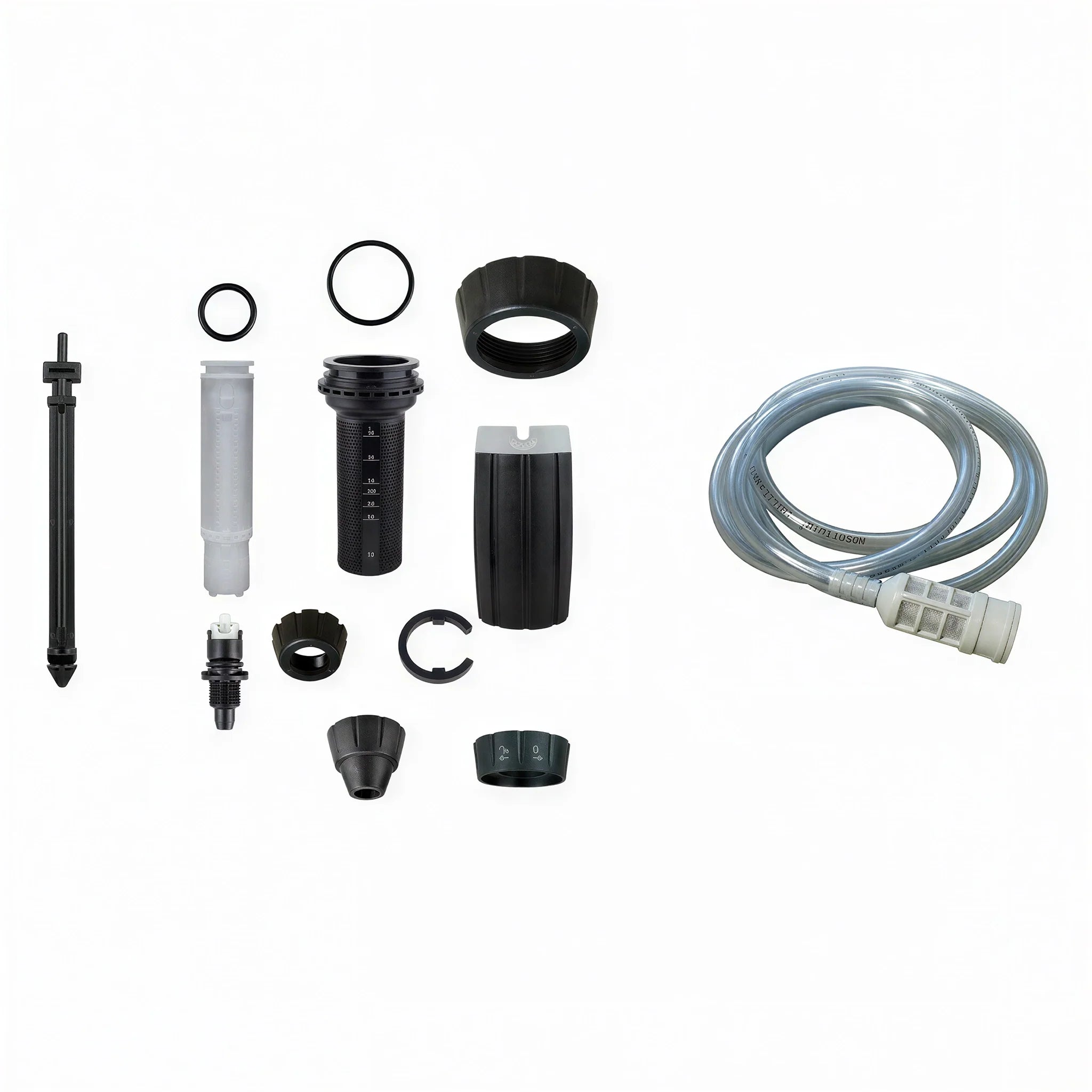
Fertigation parts and accessories cover the replacement and maintenance components for dosing pump systems and proportional injector setups - check valves, injection fittings, tubing connectors, filter screens, replacement diaphragms, and the various small components that keep a working fertigation system running reliably over its service life. In production environments where the fertigation system runs continuously, having critical spare parts on hand prevents the irrigation downtime that a missing O-ring or clogged injection fitting can cause during a critical growth period.
Most Commonly Needed Parts
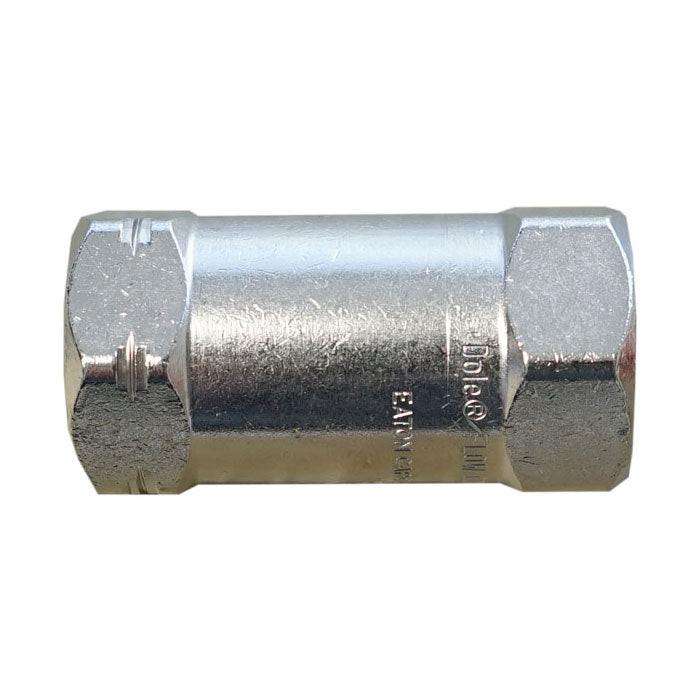
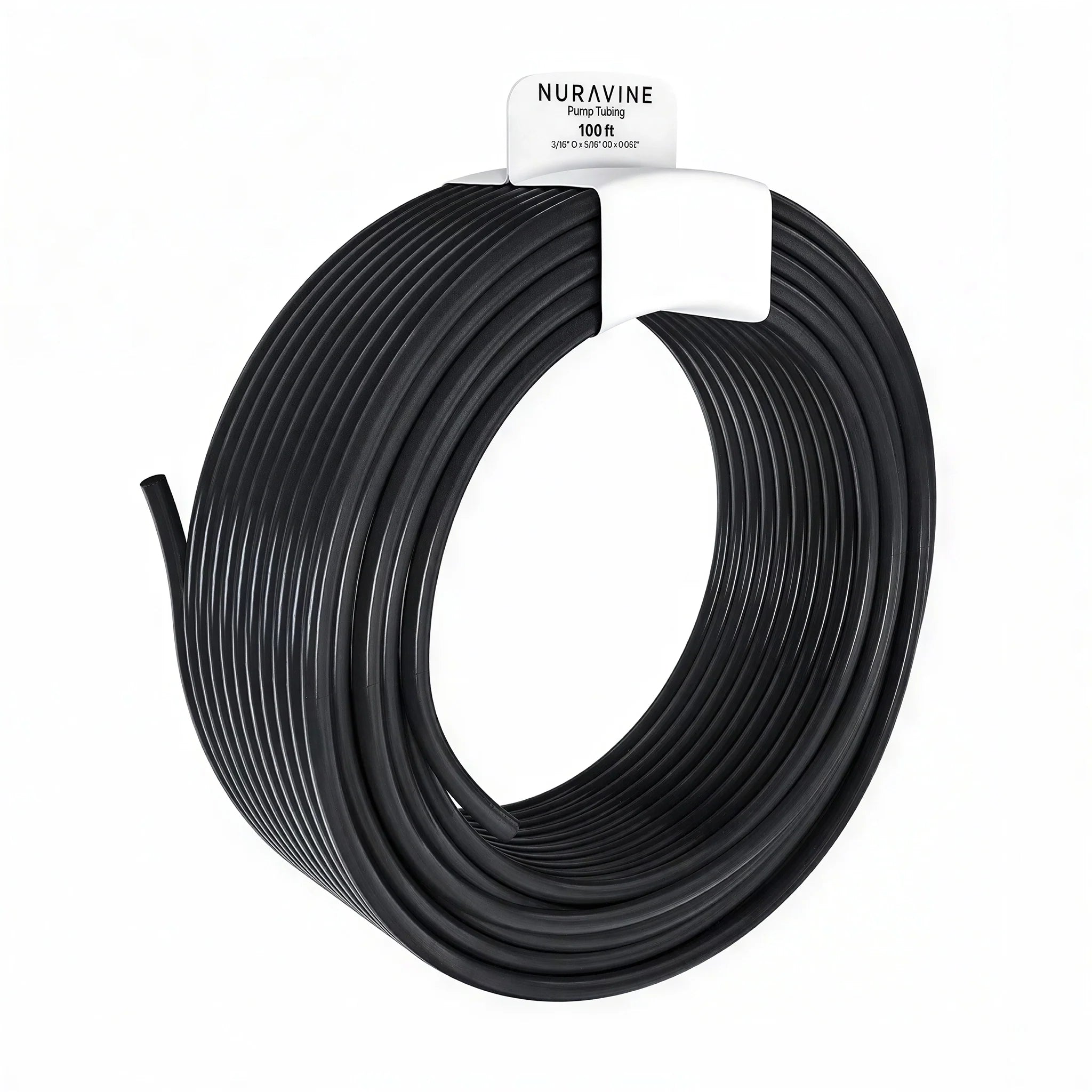
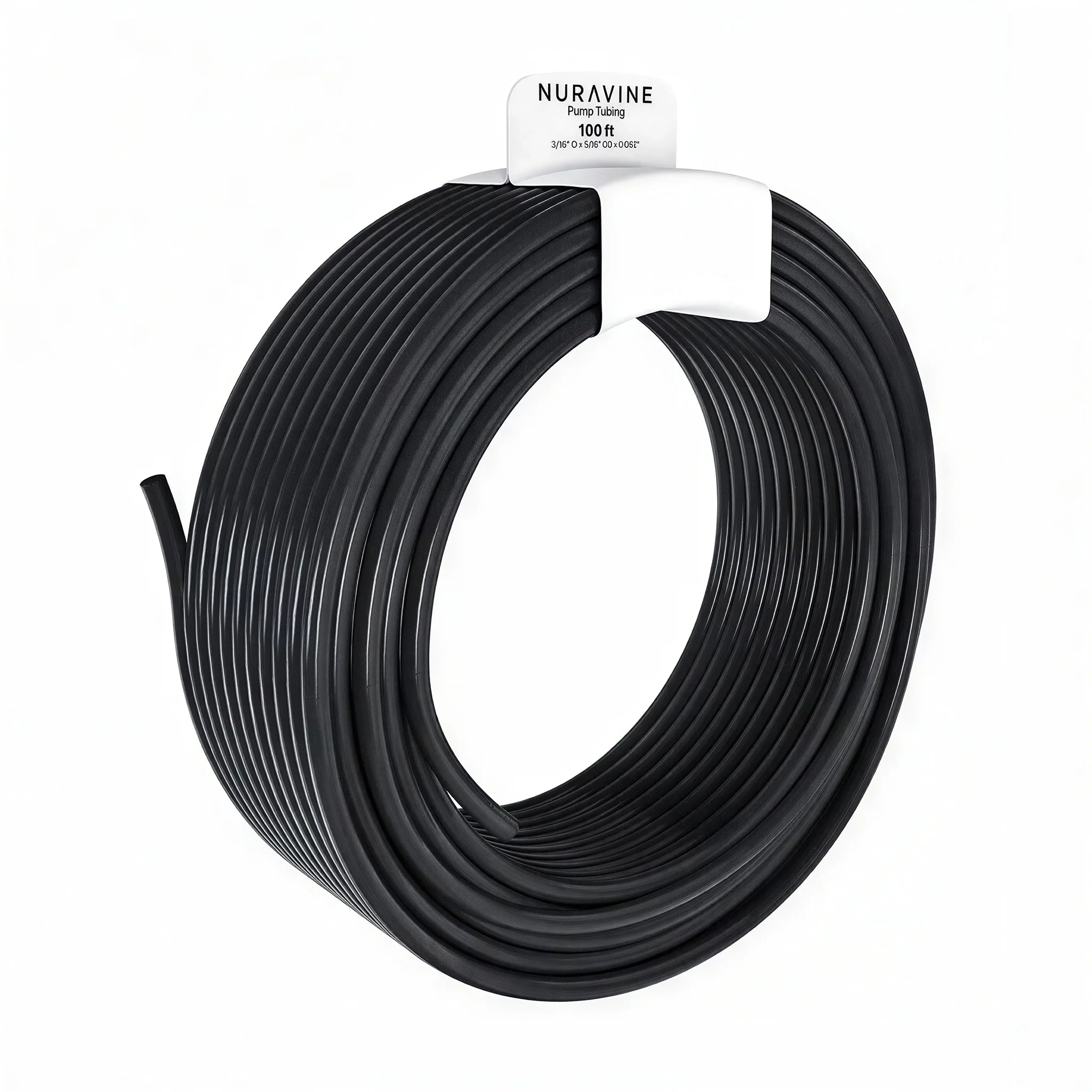
Check valves prevent back-siphoning of concentrate into the water supply line when the dosing pump is not running - a critical safety component in any injector system connected to a potable water source. Check valves fail when the rubber seat wears or debris prevents full closure; replace at the first sign of solution backflow. Injection fittings (tee fittings with barbed check valve inserts) are the point where dosing pump output enters the main water line - they clog with mineral deposits over time and may require periodic cleaning or replacement. Peristaltic pump tubing (the consumable component that wears from the squeezing action of the pump head) typically needs replacement every 6-12 months in continuous duty applications. Browse individual dosing pump systems for complete unit options alongside replacement parts.
Maintenance Supplies
Food-grade lubricants for pump head O-rings and peristaltic tubing contact surfaces extend tubing life and maintain pump seal integrity. Inline filter screens on concentrate intake lines prevent debris from entering pump heads - particularly important in organic programs where liquid concentrates can contain particulate that clogs pump mechanisms. Calibration cylinders allow verifying delivered volume accuracy at any time without disassembling the system. Fast shipping.
Fertigation Parts FAQ
How often does peristaltic pump tubing need replacement?
Peristaltic pump tubing (the flexible tube that the rotating head squeezes to move liquid) typically needs replacement every 6-12 months in continuous duty fertigation applications. Signs of needed replacement: reduced flow rate at the same pump speed setting (tubing has stretched and the pump head squeezes it less effectively); visible cracking or hardening of the tubing material; or liquid contamination from tubing failure. Some pump manufacturers specify replacement intervals based on pump revolutions - follow manufacturer recommendations for your specific pump model to avoid unexpected failures during production runs.
What is a check valve and why is it important in fertigation?
A check valve is a one-way flow device that allows liquid to flow in one direction but closes to prevent reverse flow. In fertigation systems, check valves on dosing pump outlet lines prevent concentrated nutrient solution or pH chemicals from back-siphoning into the water supply when the pump is off - a cross-contamination prevention measure that is required in commercial potable water systems and good practice in any fertigation installation. A failed check valve (stuck open) can allow concentrated acid or nutrient solution to enter the municipal water supply or contaminate the upstream water line.
How do I clean a clogged injection fitting?
Injection fittings clog with mineral scale from hard water and dried nutrient deposits. Remove the fitting from the water line (close the water supply first), soak in a dilute citric acid solution (1-2 tablespoons per cup of warm water) for 30-60 minutes to dissolve mineral scale, then flush thoroughly with clean water before reinstalling. For plastic check-valve inserts, do not soak in strong acids - use dilute citric acid only. Completely clogged fittings that do not clear with cleaning should be replaced - they are inexpensive consumable components that are not worth damaging the water line trying to force clear.
What type of tubing is compatible with concentrated nutrient solutions?
Silicone tubing is the broadest-compatibility choice for peristaltic pump heads in fertigation applications - it is flexible enough for peristaltic action, chemically resistant to most nutrient concentrates and pH chemicals including phosphoric acid at working concentrations, and food-grade rated. Tygon and Norprene tubing are also used for specific chemical compatibility requirements. PVC tubing is not recommended for concentrated phosphoric acid (pH Down) or strong alkali (pH Up) concentrate contact - these chemicals can degrade PVC over time. Verify tubing chemical compatibility with your specific concentrates before ordering replacement tubing.
How do I verify my dosing pump is delivering the correct volume?
Use a calibration cylinder or graduated measuring cup to verify actual delivered volume against programmed volume. Disconnect the pump outlet from the irrigation line, direct the outlet into the measuring cylinder, run the pump for a timed period at the programmed dose setting, and measure the actual volume delivered. Compare against the expected volume for that pump setting and run time. If actual volume differs from expected by more than 5%, recalibrate the pump's volume-per-revolution setting in the controller software. Perform this calibration quarterly or whenever a peristaltic tube is replaced.